
Some countries offer freedoms Americans can only imagine.
America is often celebrated as the land of the free, but when you examine the liberties other countries provide their citizens, some surprising differences emerge. From policies that promote work-life balance to legal protections that Americans might find shocking, these freedoms highlight how varied life can be across the globe.
Here are 11 personal freedoms foreign countries have that Americans don’t enjoy.
1. Paid parental leave guaranteed to all parents.
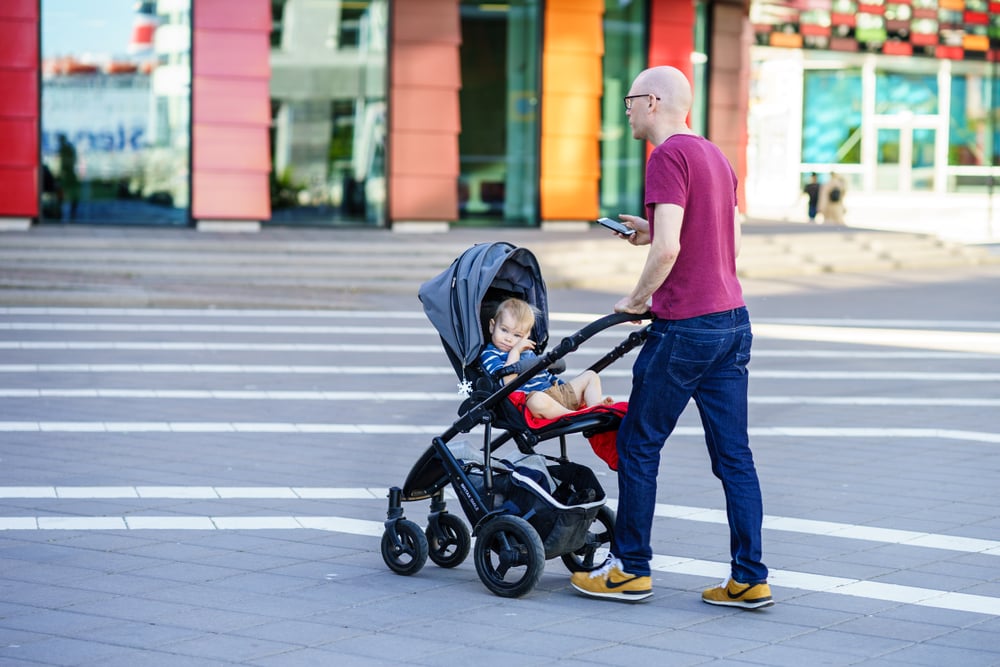
In countries like Sweden and Finland, both parents are guaranteed paid parental leave that extends up to a year or more. These programs ensure financial stability while encouraging family bonding during critical early childhood stages. Fathers, in particular, are given substantial leave, fostering gender equality and reducing the stigma surrounding male caregivers.
In the United States, no federal mandate guarantees paid parental leave, leaving millions of parents to rely on unpaid time off or navigate work responsibilities shortly after childbirth. The lack of support often forces families to make tough choices that could be avoided with similar protections.
2. The right to disconnect from work.

France has introduced a “right to disconnect” law, which legally protects employees from work-related calls or emails after hours. This ensures personal time remains truly personal, fostering healthier work-life boundaries and reducing burnout. Companies can face penalties if they violate these rules.
Meanwhile, in the U.S., “always-on” culture reigns supreme, with many employees feeling obligated to respond to work communications at all hours. The lack of legal protections leads to heightened stress levels, reduced job satisfaction, and growing health concerns from overwork.
3. Universal healthcare access regardless of employment.

In nations like Canada and the United Kingdom, healthcare is a guaranteed right, accessible to all citizens regardless of their job status. Government-funded systems ensure that no one must choose between medical treatment and financial ruin, making healthcare a cornerstone of their social safety net.
In contrast, Americans often tie healthcare to employment, leaving millions uninsured or underinsured during job transitions. Medical debt remains a leading cause of bankruptcy in the U.S., a stark contrast to the peace of mind citizens in other countries enjoy.
4. Generous vacation allowances by law.

European countries like Spain and Italy mandate four or more weeks of paid vacation annually for all workers. These generous policies allow individuals to recharge, travel, and spend time with loved ones without financial stress or fear of losing their jobs.
By comparison, the U.S. does not guarantee any paid vacation, leaving it up to employers to decide. Many Americans end up taking no vacations at all, fearing repercussions or lacking the financial means to take unpaid time off.
5. Protections for free education through college.

Germany and Norway offer free or low-cost higher education to their citizens, eliminating student debt and broadening access to advanced learning. These systems invest in their people, recognizing that education fuels innovation and strengthens their economies.
In the U.S., the burden of student loans cripples many young adults for decades. High tuition costs deter some from pursuing college altogether, perpetuating inequality and limiting upward mobility for lower-income families.
6. The ability to legally use recreational drugs responsibly.

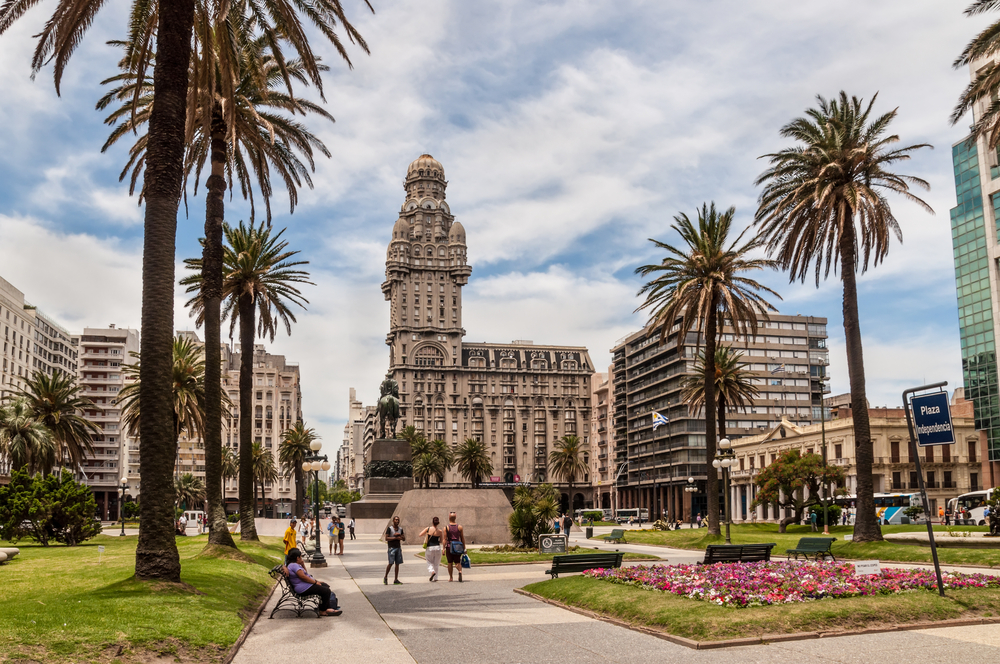
Countries like the Netherlands and Uruguay have embraced regulated markets for recreational cannabis and other substances. These systems prioritize harm reduction, education, and safe usage over criminal penalties, benefiting public health and reducing incarceration rates.
The U.S., despite some states legalizing cannabis, still enforces federal laws that contradict state policies. Other recreational drugs remain illegal, with harsh penalties disproportionately affecting marginalized communities and perpetuating cycles of incarceration.
7. Greater freedom of movement across borders.
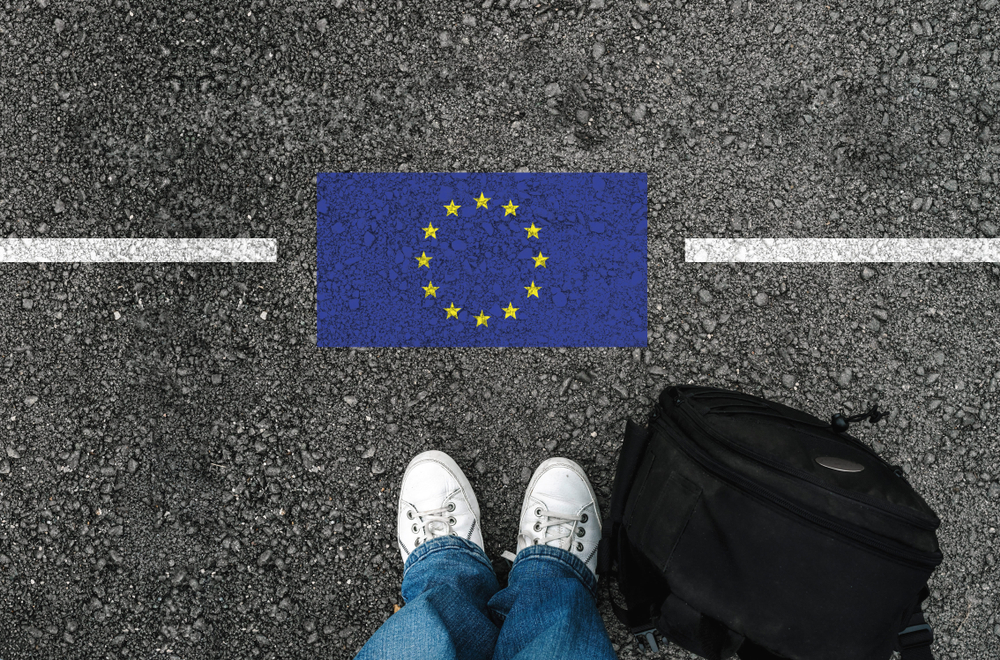
European Union citizens enjoy unparalleled freedom of movement between member states, allowing them to live, work, and travel in any EU country without the need for visas. This openness fosters cultural exchange and economic opportunities, making borders feel almost invisible within the region.
In the U.S., passport holders face significant restrictions compared to EU citizens. Americans require visas to live and work abroad in most countries, limiting the ease with which they can explore opportunities overseas. The EU’s model highlights the potential for greater global mobility and integration.
8. Paid sick leave for all workers.

Countries like Australia and Denmark ensure all workers have access to paid sick leave, allowing them to recover without worrying about financial instability or losing their jobs. These protections foster healthier workplaces and reduce the spread of illness.
In the U.S., paid sick leave is not federally mandated, leaving many workers—particularly in low-wage jobs—forced to choose between working while sick or losing income. This lack of support creates public health risks and exacerbates economic inequality.
9. Freedom to protest without fear of police violence.
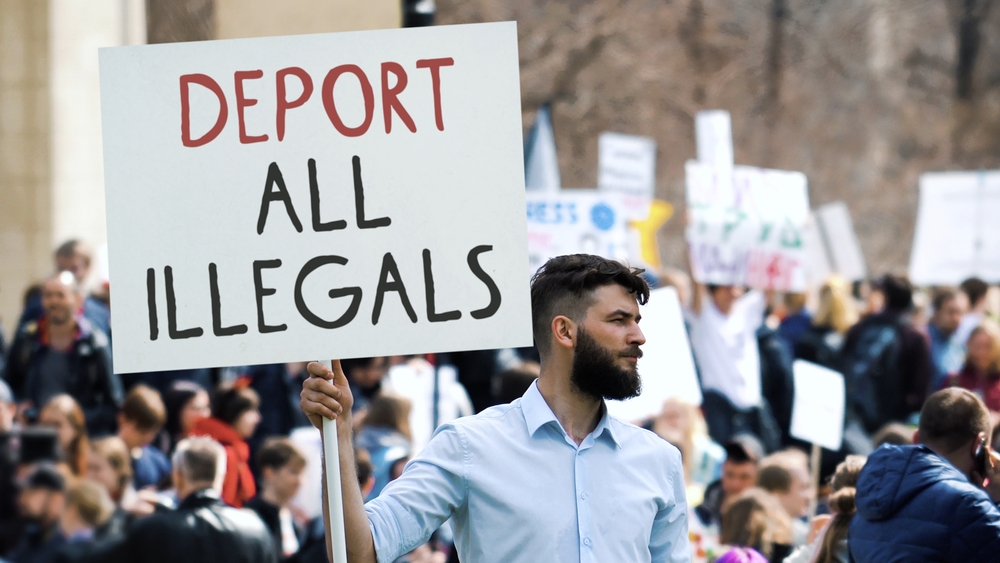
Iceland and Finland are known for their peaceful protests, where police serve to protect demonstrators’ rights rather than suppress them. Citizens feel confident expressing dissent, knowing their voices will be heard without intimidation.
In the U.S., however, protests can quickly escalate, with reports of aggressive policing and excessive force. Tear gas, rubber bullets, and mass arrests often overshadow the issues being raised, leaving many Americans wary of exercising their right to assemble.
10. The option for legal assisted dying.
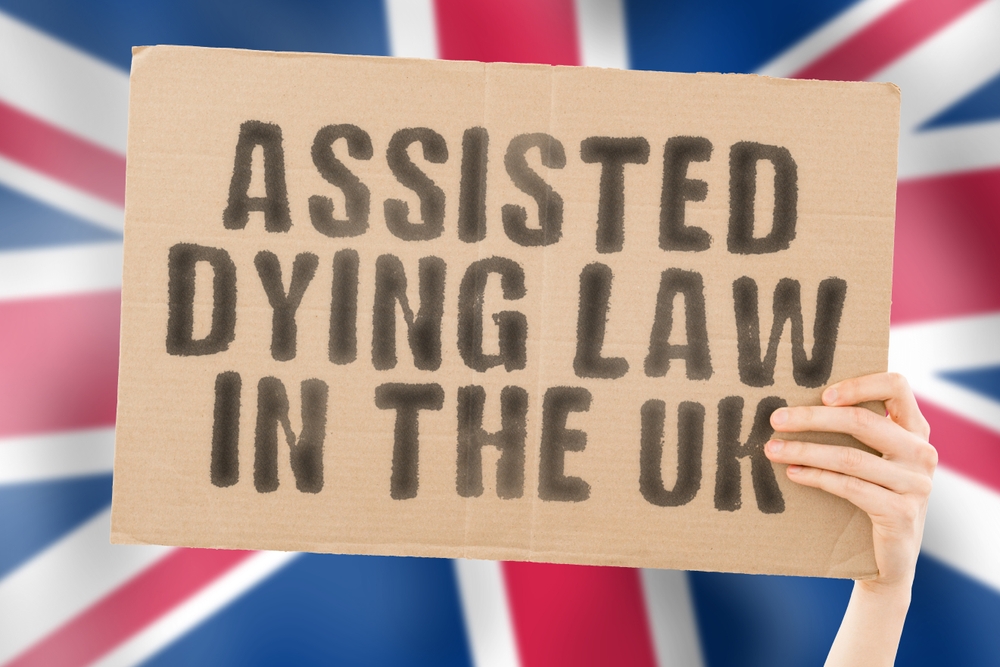
Switzerland and Canada allow legal assisted dying for individuals suffering from terminal illnesses or unbearable pain. These laws respect personal autonomy, granting people the dignity to decide how they wish to end their lives.
In the U.S., only a few states permit physician-assisted dying under strict regulations. For many suffering individuals, the lack of access forces prolonged pain or expensive legal battles to seek the same right available elsewhere.
11. More flexible gender identification policies.
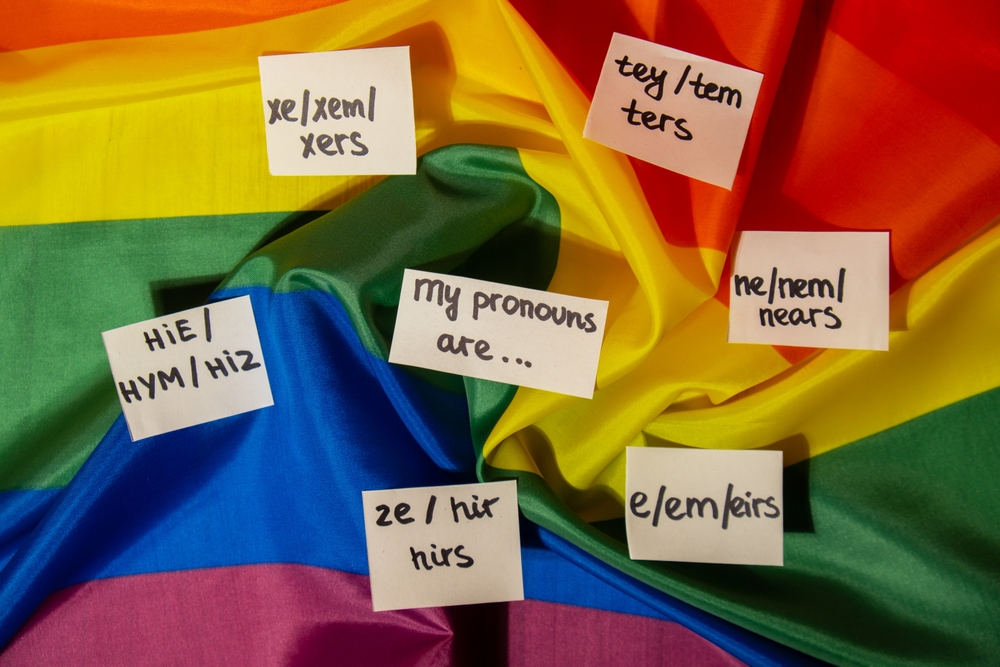
Countries like Argentina and Malta allow individuals to change their gender on official documents without invasive requirements like surgeries or lengthy psychological evaluations. These policies respect personal autonomy and create an inclusive environment for transgender and non-binary people.
In the U.S., gender identification policies vary widely by state, with some areas requiring extensive proof to make such changes. This patchwork system often leaves many individuals without the freedom to live authentically or navigate bureaucratic systems with ease.