
Where getting around without a car is nearly impossible.
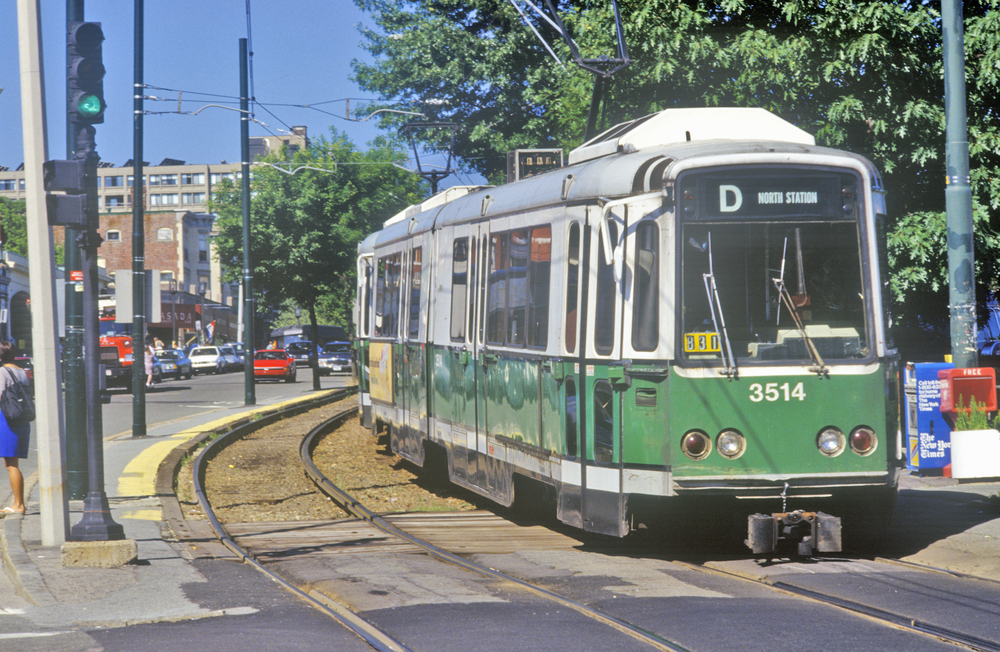
For millions of Americans, reliable public transportation is a necessity, not a luxury. Unfortunately, some states fail to provide efficient, accessible, or affordable transit options, leaving residents with long commutes, unreliable schedules, and few alternatives to driving. Whether due to poor funding, lack of infrastructure, or sprawling cities designed for cars, these states rank among the worst when it comes to public transportation.
If you rely on buses or trains, you may want to avoid these places.
1. Mississippi: Few options and minimal investment
Mississippi consistently ranks as one of the worst states for public transportation due to its lack of funding and limited options. Most cities have no comprehensive transit system, leaving residents with few choices beyond personal vehicles. Even in Jackson, the state’s capital, bus routes are sparse and unreliable, making daily commutes a challenge.
Rural areas face even greater struggles, with almost no transit options available outside of a few paratransit services. This makes it incredibly difficult for those without a car to access jobs, healthcare, or education. Without significant investment in infrastructure, Mississippi remains one of the least transit-friendly states in the nation, according to Metro Magazine.
2. Alabama: A car-centric state with poor transit infrastructure
Alabama’s public transportation system is severely underdeveloped, forcing most residents to rely on cars. In major cities like Birmingham and Montgomery, bus services are limited and often fail to cover the entire metropolitan area. Routes are infrequent, making it difficult for workers to commute efficiently.
Smaller towns and rural areas have virtually no transit options, leaving residents isolated if they don’t own a vehicle. Without a statewide commitment to improving transit infrastructure, Alabama continues to struggle with providing accessible and efficient public transportation.
3. Tennessee: Growing cities but lagging transit options
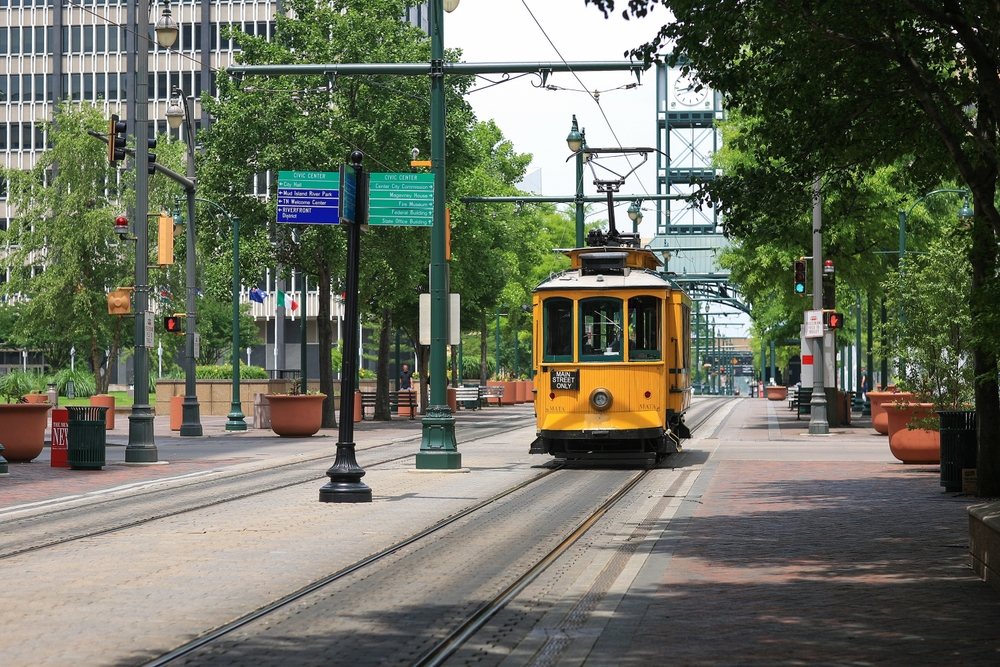
Tennessee’s major cities, including Nashville and Memphis, have seen rapid population growth, but their public transportation systems haven’t kept pace. Nashville’s bus system, WeGo, is often unreliable, with long wait times and limited routes that fail to connect key neighborhoods.
Memphis also struggles with outdated buses and a lack of investment in transit expansion. Outside of these urban centers, public transportation is practically nonexistent, making it nearly impossible to get around without a personal vehicle.
4. South Carolina: A state built for cars, not commuters
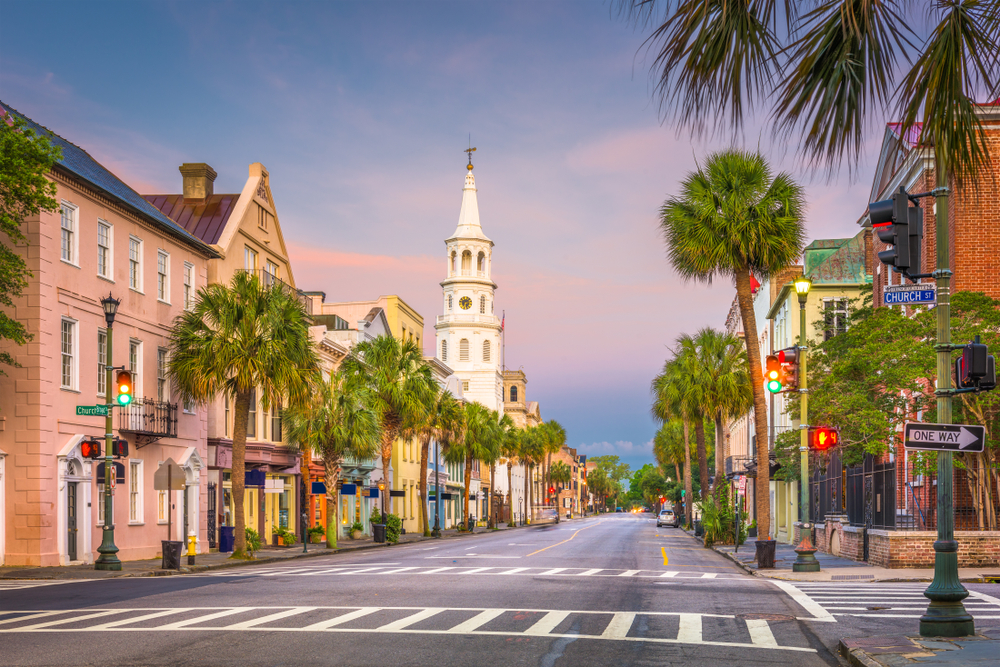
South Carolina’s public transportation system is among the worst in the country, with minimal services even in major cities. Charleston’s CARTA system has too few routes to serve its growing population effectively, while Columbia’s buses are often late and unreliable.
Many South Carolina towns lack any form of transit, making it difficult for lower-income residents to access jobs and essential services. Without significant improvements, public transportation will remain an afterthought in this car-dependent state.
5. Arkansas: Limited options and unreliable service
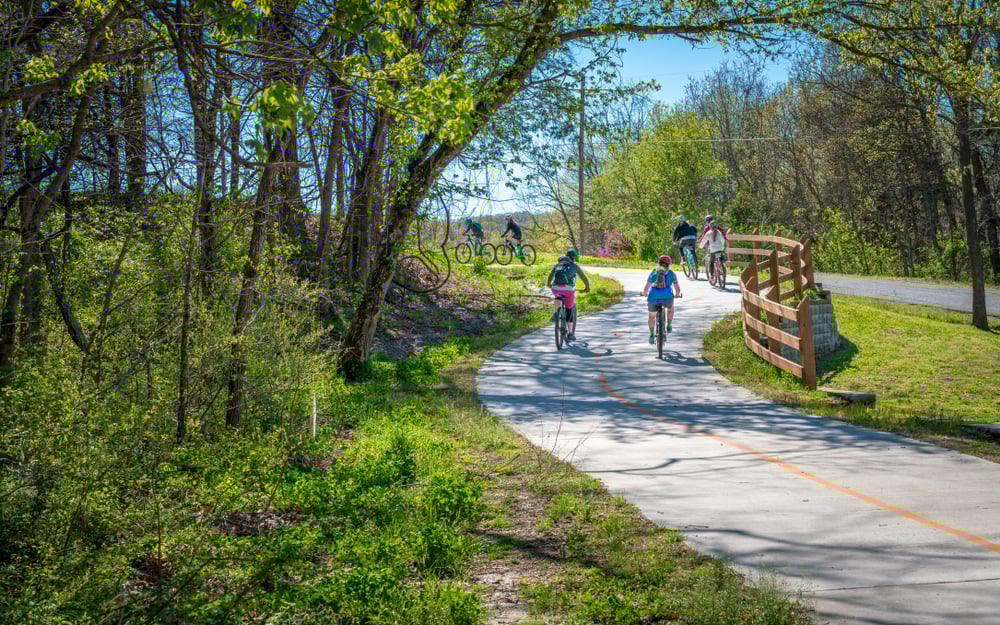
Arkansas ranks poorly for public transportation due to its lack of investment in transit infrastructure. Little Rock’s Rock Region Metro is the only major transit system, but it struggles with outdated buses, limited routes, and infrequent service.
Smaller cities and rural areas have almost no public transportation options, forcing residents to rely entirely on cars. With little political will to expand services, Arkansas remains one of the least transit-friendly states in the U.S.
6. Kentucky: Inconsistent service across the state
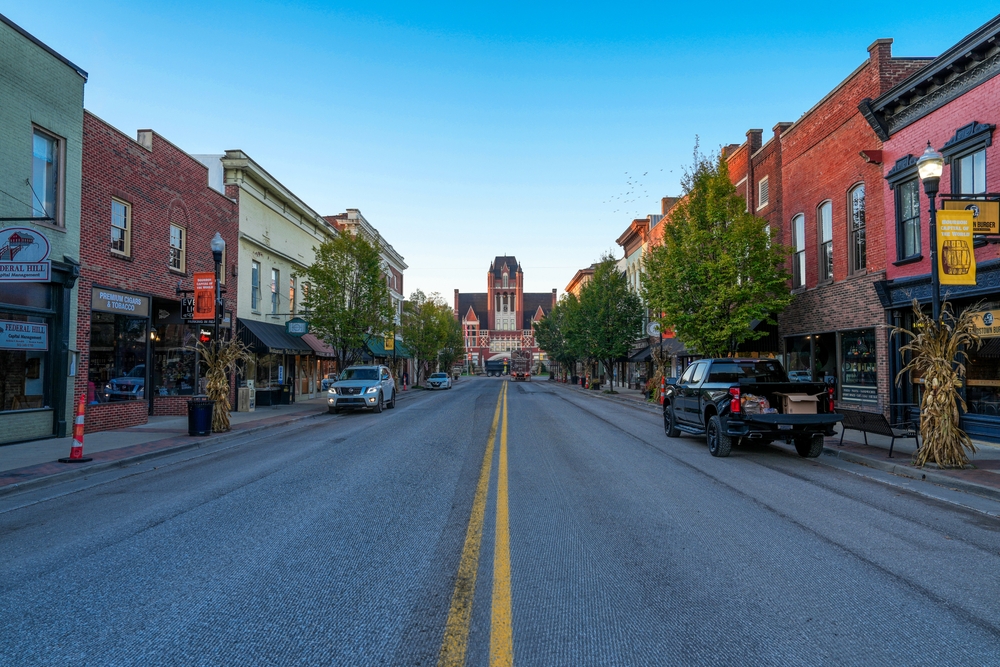
Kentucky’s public transportation system is plagued by inconsistency. While Lexington and Louisville offer some bus services, they are often unreliable, with long wait times and limited coverage. Many residents find that transit options don’t adequately connect neighborhoods with job centers.
Rural areas have even fewer options, with public transit nearly nonexistent outside of major cities. The lack of funding and infrastructure investment means Kentucky residents without a car struggle to navigate their daily lives.
7. West Virginia: A transit desert for rural residents
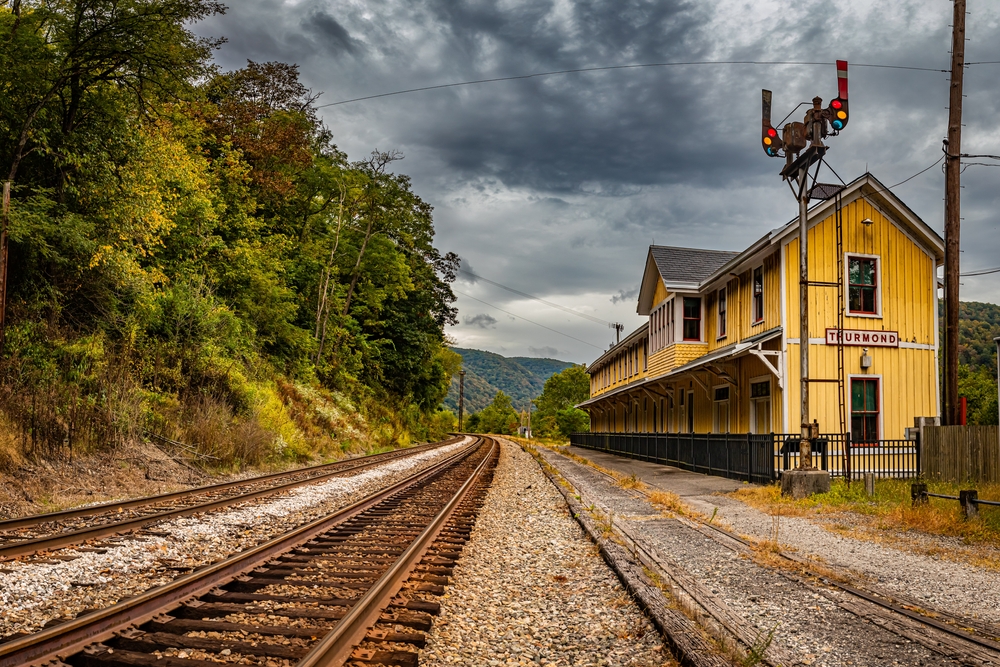
West Virginia’s mountainous terrain and sparse population make public transportation difficult to maintain, but even urban areas lack effective systems. Charleston’s transit network is small and underfunded, offering limited service that fails to meet residents’ needs.
For those living in rural communities, public transit is practically nonexistent, making car ownership essential. With an aging population and high poverty rates, the lack of accessible transportation creates significant barriers to mobility and economic opportunity.
8. North Dakota: A vast state with few transit options
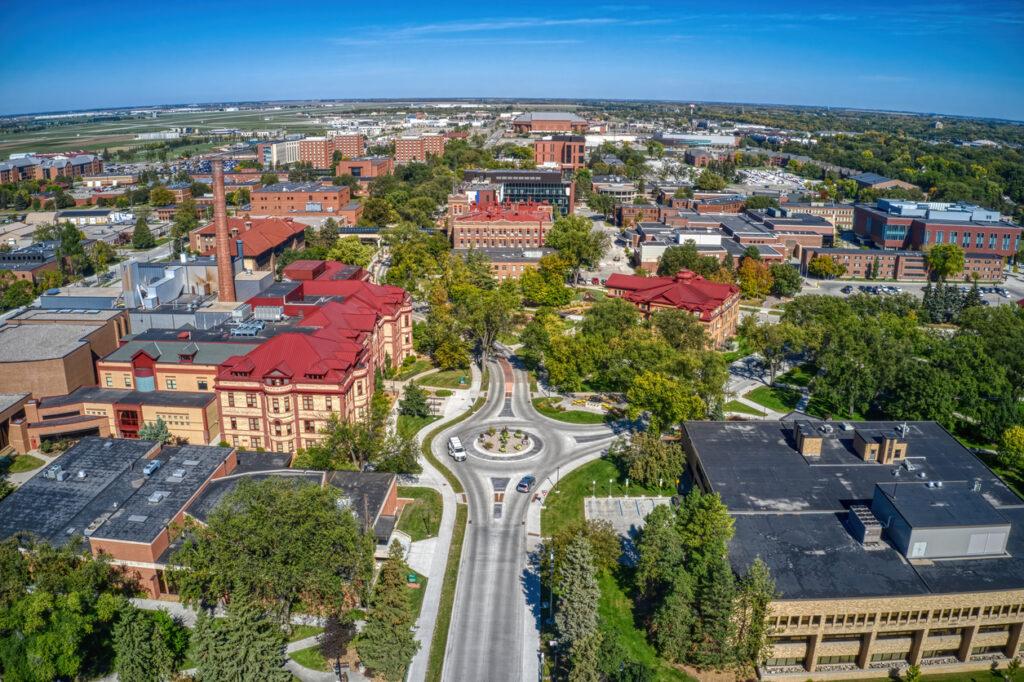
Public transportation in North Dakota is nearly nonexistent outside of Fargo and Bismarck. Even in these cities, bus routes are limited and don’t provide frequent service, making them an unreliable option for daily commuters.
With long distances between towns and harsh winter weather, the lack of transit options poses a major challenge for residents who can’t drive. Without major investment in transit infrastructure, North Dakota remains one of the most difficult states to navigate without a car.
9. South Dakota: Public transit is barely an afterthought
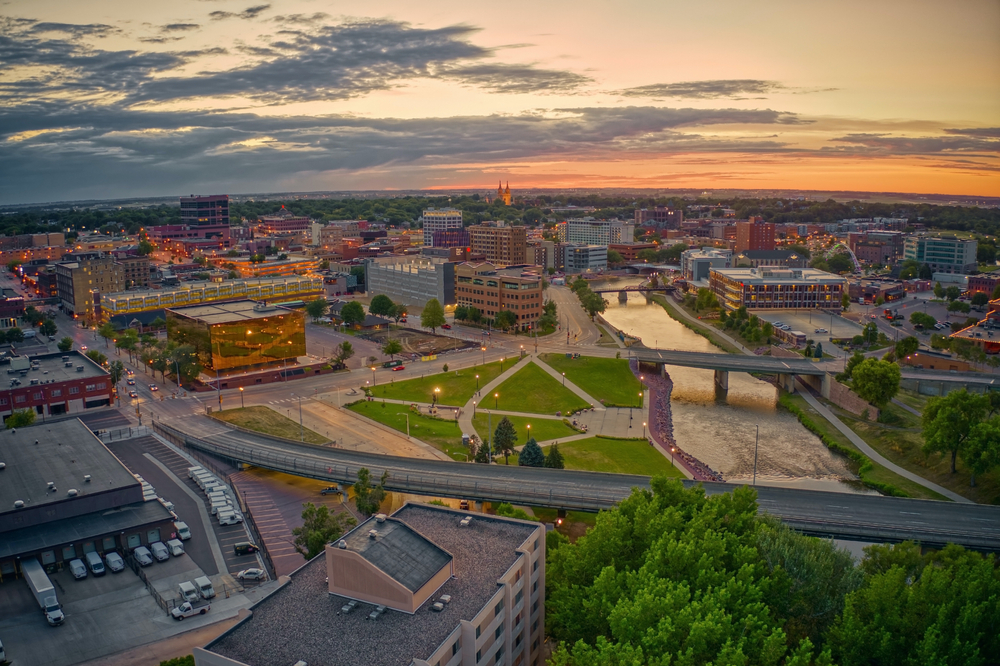
Like its northern neighbor, South Dakota offers minimal public transportation options. Sioux Falls and Rapid City have some bus services, but they are limited in both frequency and coverage, making them impractical for most residents.
Outside of these cities, transit options are virtually nonexistent, leaving people without cars stranded. The state’s rural landscape and low population density make traditional transit systems difficult to implement, but the lack of investment leaves many residents struggling to find transportation.
10. Idaho: Rapid growth, but transit lags behind
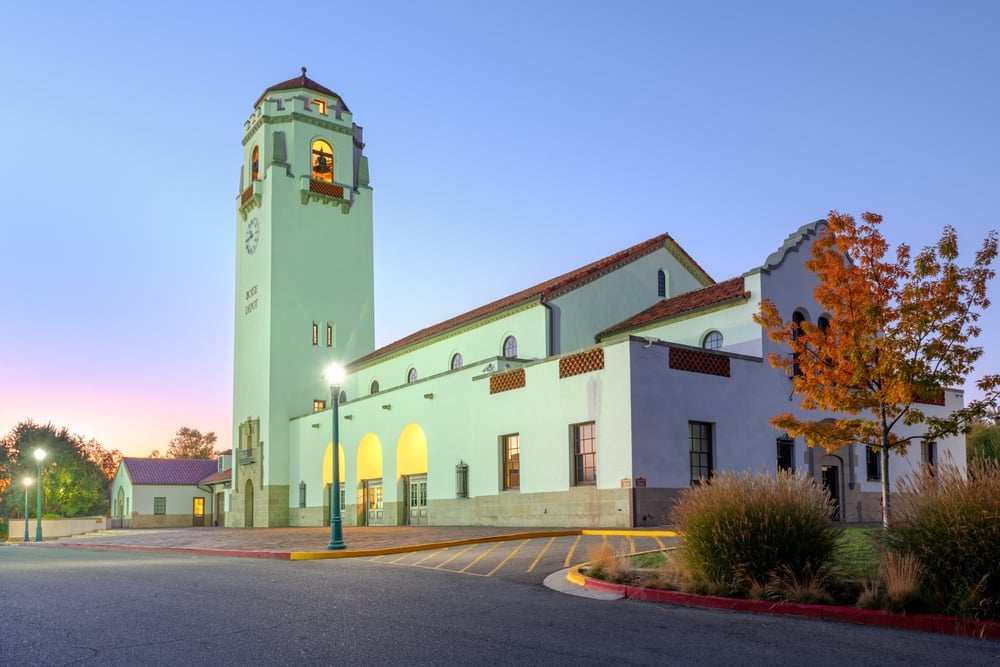
Idaho’s population has exploded in recent years, particularly in Boise, but public transportation has failed to keep up. ValleyRide, Boise’s primary bus system, has limited routes and infrequent service, making it unreliable for daily commutes.
Smaller cities and rural areas offer little to no transit options, forcing residents to drive even if they can’t afford a car. With continued population growth, Idaho must invest in better transit infrastructure to prevent worsening congestion and accessibility issues.
11. Montana: A vast state with little public transportation
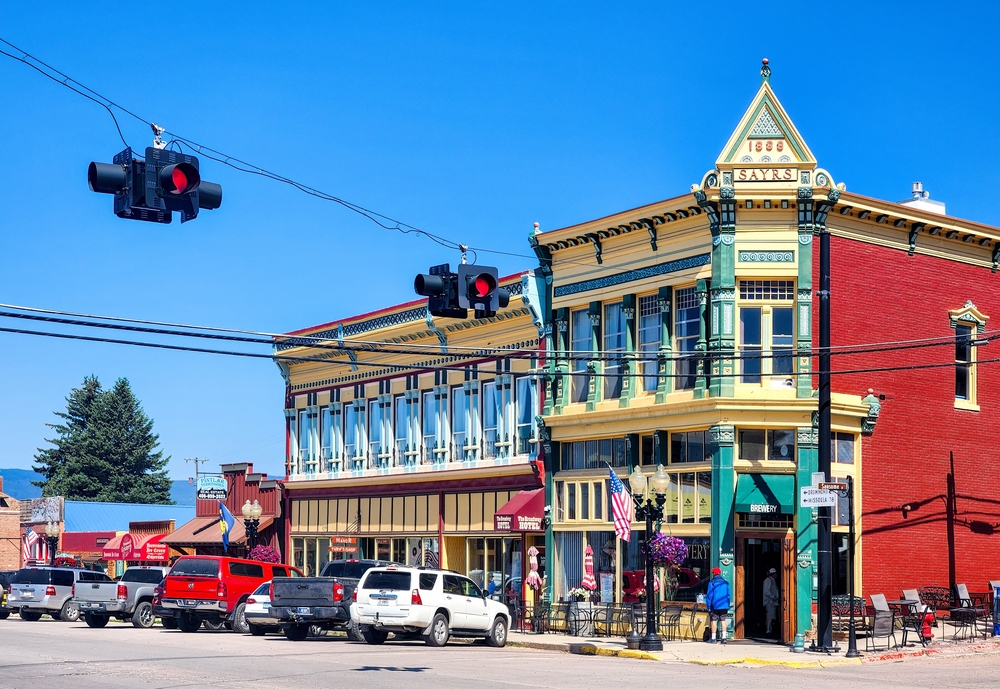
Montana’s wide-open spaces and low population density make public transit a major challenge. In cities like Billings and Missoula, bus systems exist but offer infrequent service, making them impractical for most residents.
In rural areas, public transportation is nearly non-existent, with only a few demand-response services available for seniors and disabled residents. Without investment in transit options, Montana remains a difficult state to navigate without a car.