
It’s important to have a clear plan for staying safe under differing situations while traveling solo.
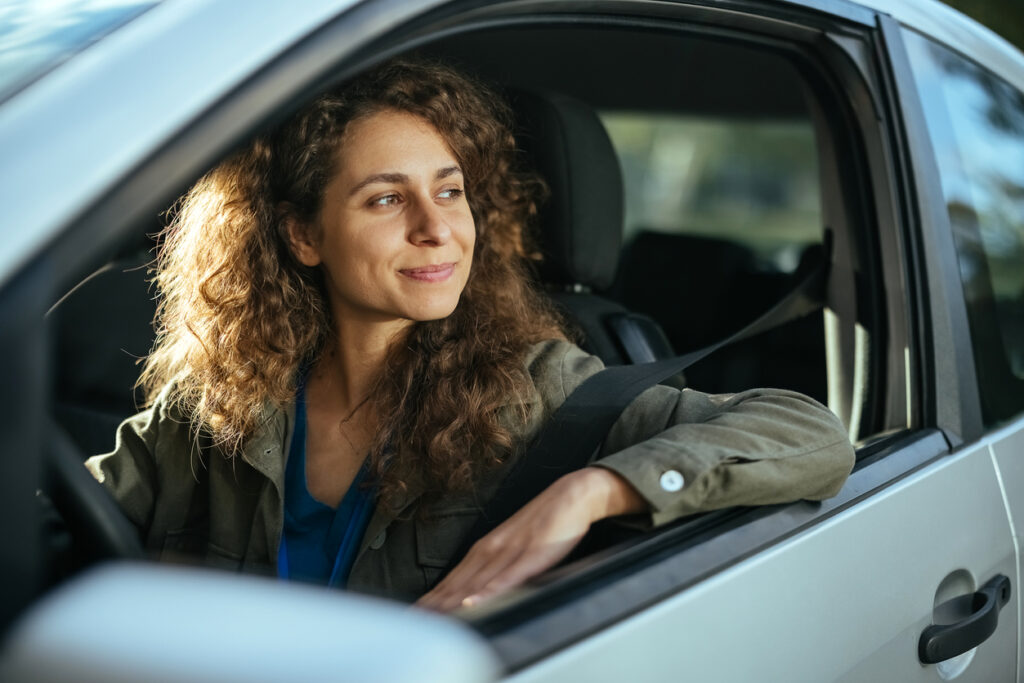
Solo road trips offer freedom and adventure, but safety should always come first. Whether you’re embarking on a cross-country drive or a short getaway, these essential tips will help you travel safely and confidently. Discover nine ways to stay protected while enjoying the open road on your own.
1. Plan Your Route Ahead
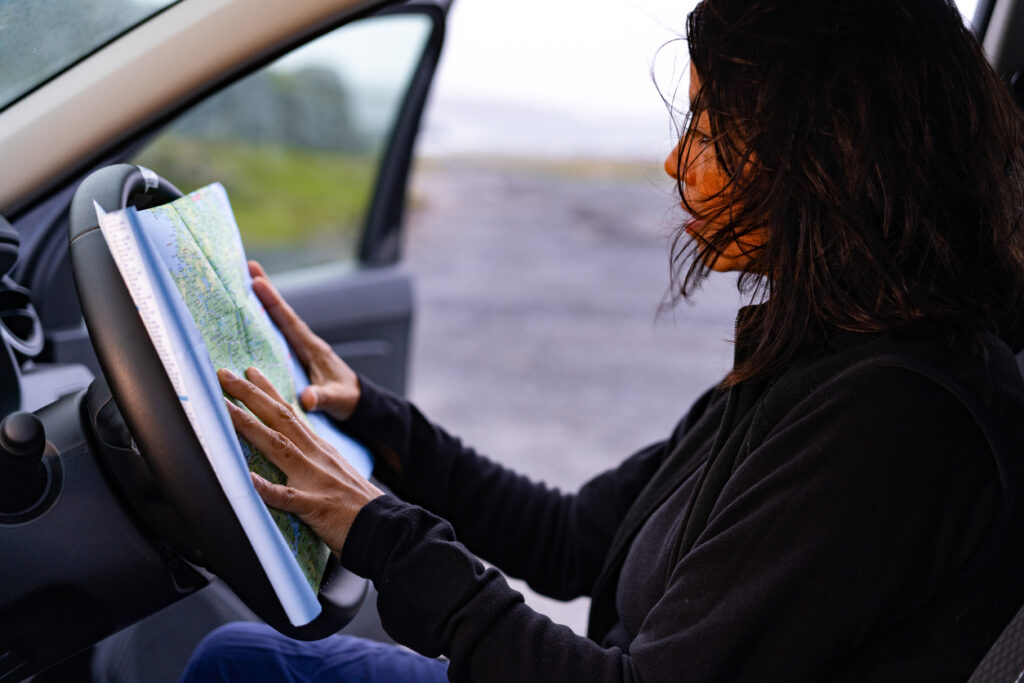
Before setting out, plan your route using reliable navigation tools. Familiarize yourself with rest stops, gas stations, and safe areas along the way. Keep a printed map as a backup in case your GPS fails. Share your itinerary with a trusted friend or family member and let them know when you reach key checkpoints.
2. Keep Your Car Maintained
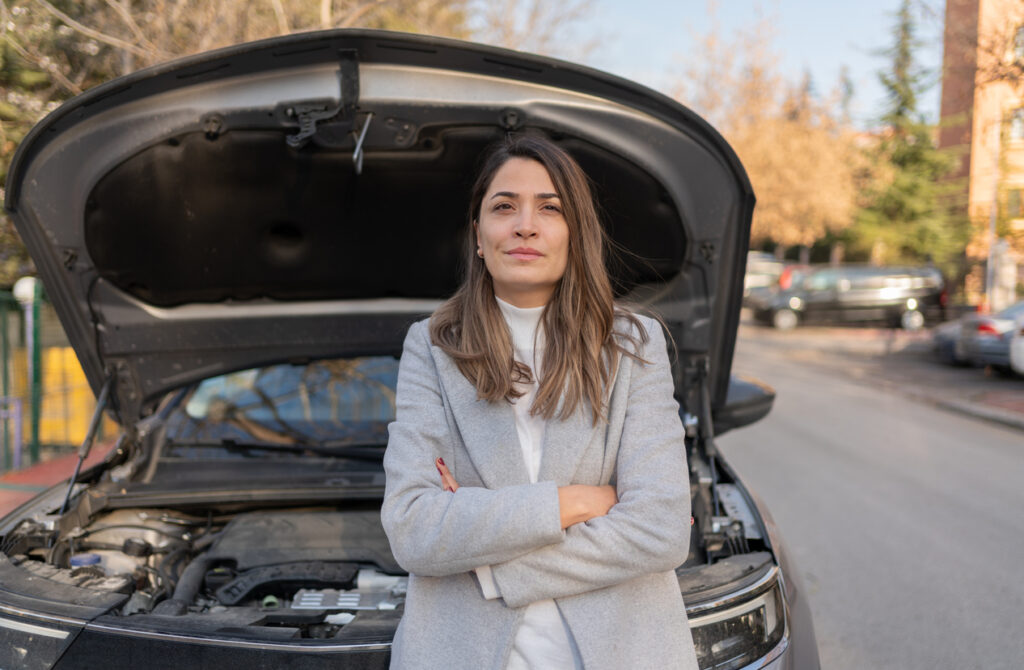
Ensure your vehicle is road-ready by checking its essential functions: tire pressure, oil, brake fluid, and battery life. Carry an emergency kit with tools, jumper cables, a spare tire, and a first-aid kit. Regular maintenance can prevent breakdowns in remote areas, keeping you safer and avoiding stressful roadside situations.
3. Stay Connected
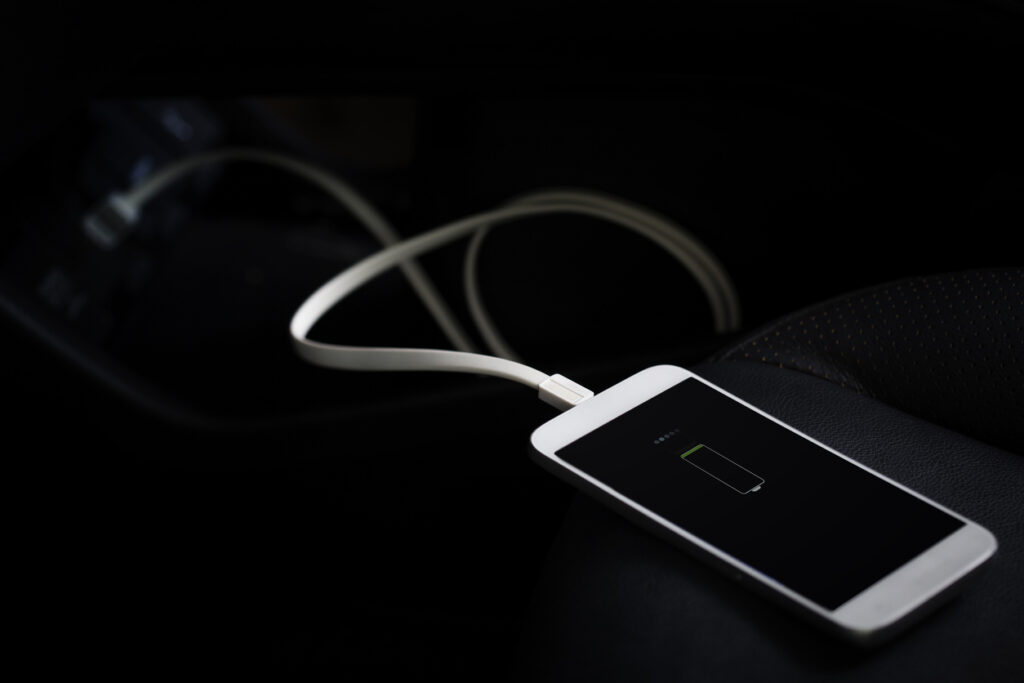
Carry a fully charged phone and bring a portable charger for backup. Let someone close to you know your travel plans and keep them updated on your progress. Use your phone’s location-sharing features for added security. In areas with poor signal, consider downloading offline maps and maintaining a list of emergency contacts.
4. Avoid Night Driving

Driving alone at night can increase risks, from fatigue to limited visibility. Try to drive during daylight hours, especially in unfamiliar areas. If night driving is unavoidable, stick to well-lit roads and stop in safe, populated places if you need to rest or refuel. Being alert during your drive is key to your safety.
5. Park in Safe Areas
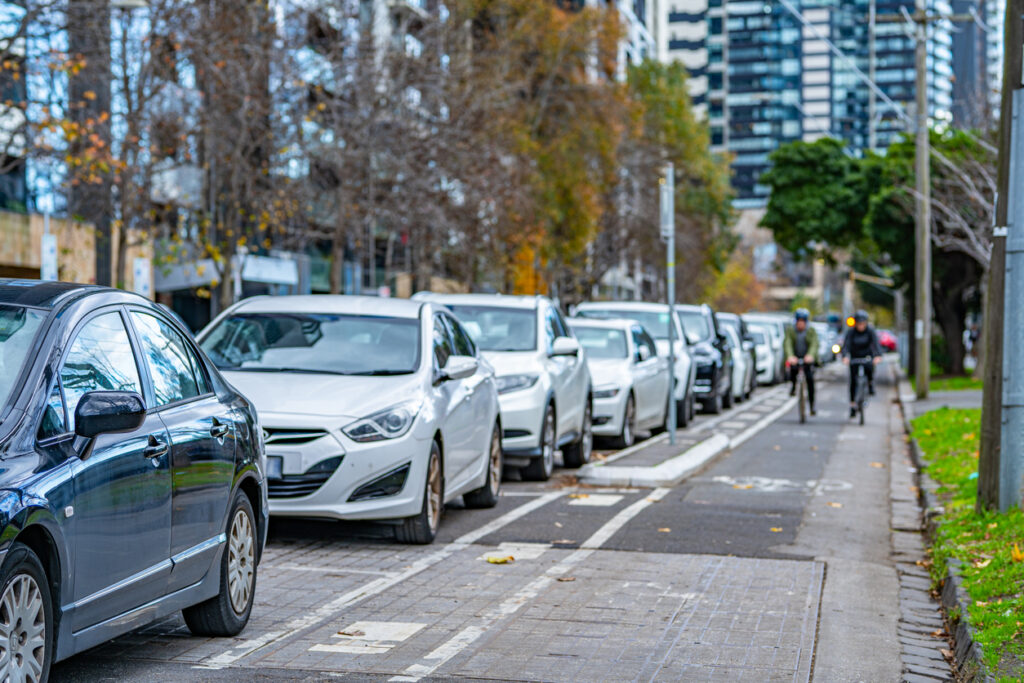
When taking breaks, choose well-lit, busy parking areas. Avoid parking in secluded spots, particularly at night. Always lock your doors, even if you’re only leaving your car for a short time. If you’re sleeping in your car, ensure you’re in a secure location, such as a designated rest area or campground.
6. Trust Your Instincts
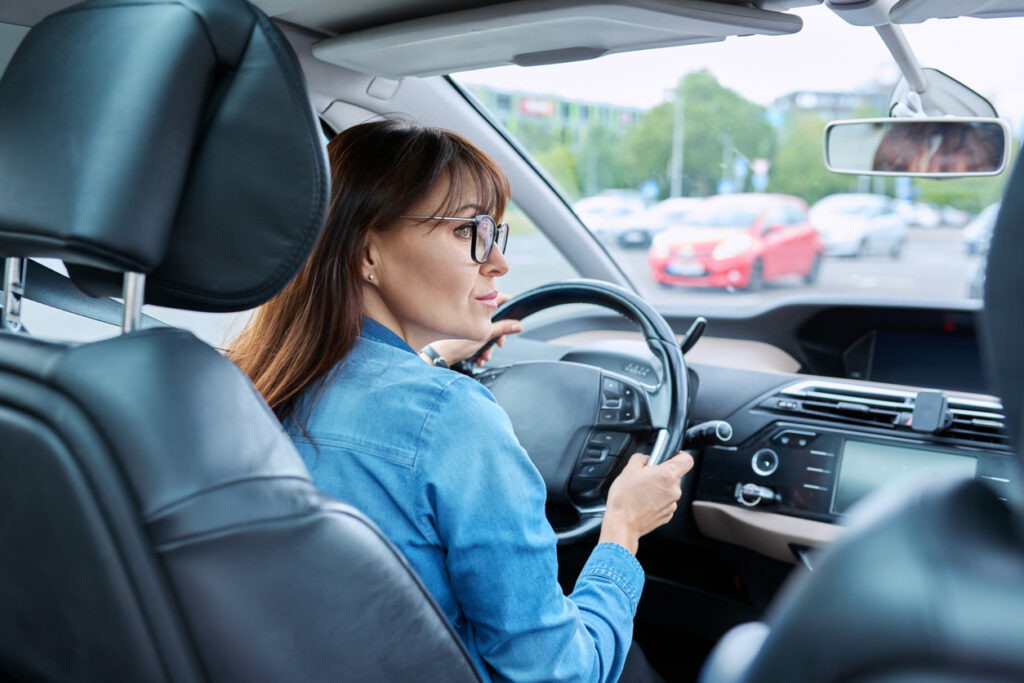
Listen to your gut. If a situation or location doesn’t feel right, leave immediately. Whether it’s an uncomfortable encounter at a rest stop or a sketchy hotel, prioritizing your safety is critical. It’s better to be overly cautious than to take unnecessary risks.
7. Keep Valuables Hidden
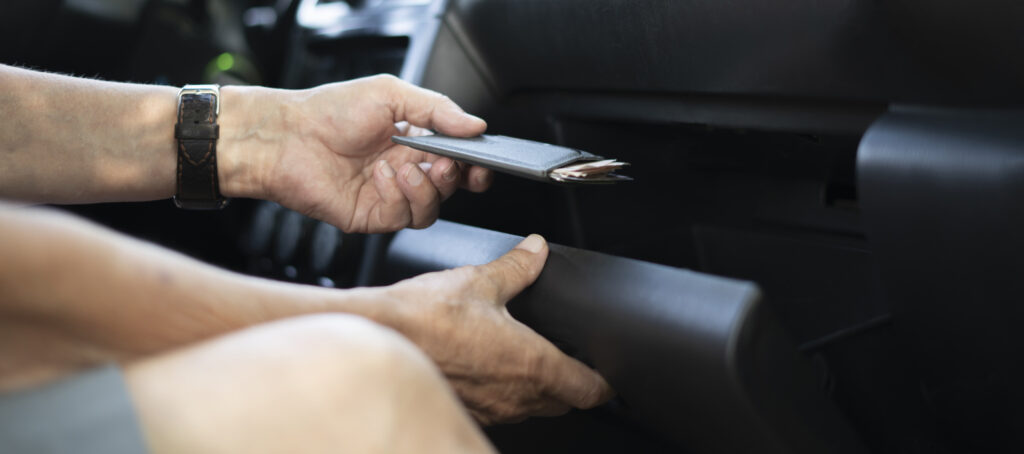
Store your belongings, such as electronics and luggage, out of sight. Use the trunk or keep items under seats to avoid attracting unwanted attention. Lock your doors and never leave valuables in plain view, especially when stopping for gas or food. Simple precautions can reduce the likelihood of theft.
8. Carry Emergency Supplies
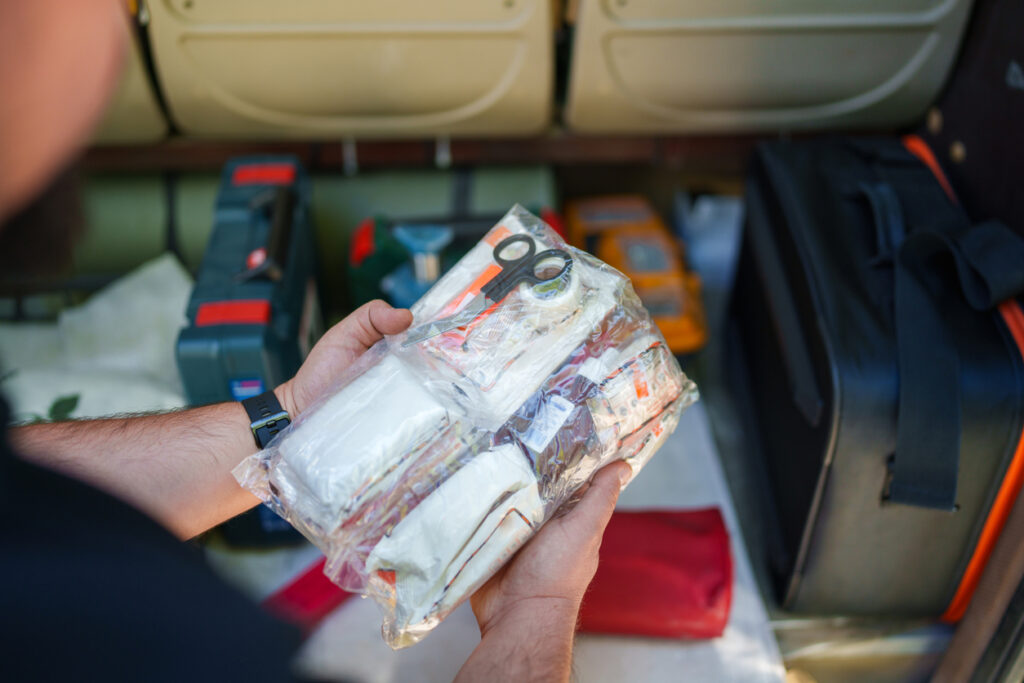
Pack essentials like food, water, blankets, and a flashlight in case of emergencies. In addition to a first-aid kit and spare tire, consider bringing extra batteries and a portable power bank. These supplies can be lifesavers in case of unexpected delays or if you find yourself stuck in an isolated area.
9. Use Trusted Rest Stops
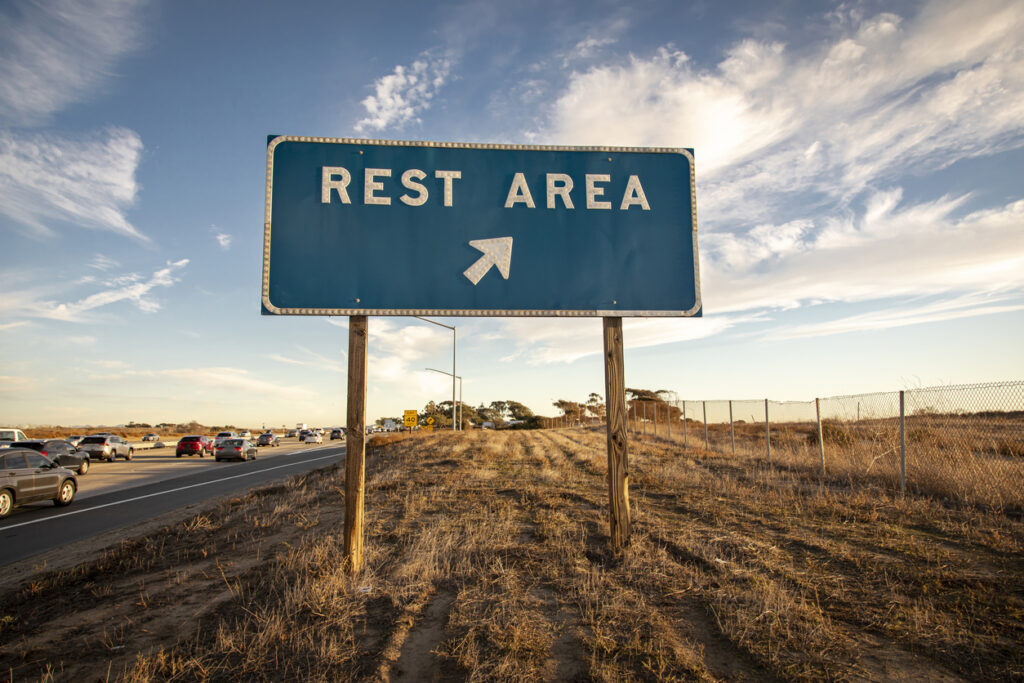
Stick to well-maintained, popular rest areas when stopping for breaks. Avoid deserted or poorly maintained stops, especially if you’re alone. If you’re unsure about a stop, continue driving until you find a more populated or secure area. Familiar chain establishments can offer a sense of safety when you’re on the road alone.