
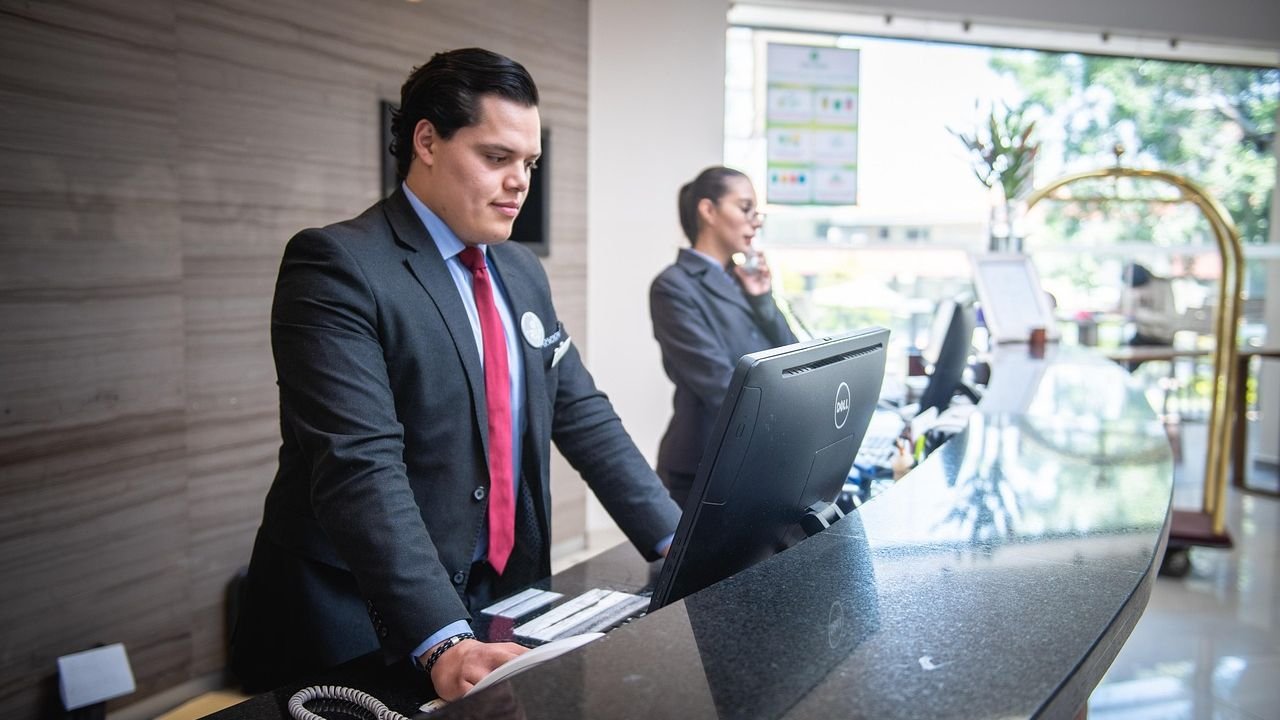
Most travelers walk up to the hotel front desk, hand over their ID, take the key card, and shuffle off to whatever room they’ve been assigned. No conversation. No connection. No upgrade. Honestly, it’s a missed opportunity that plays out millions of times a day across hotels around the world.
Here’s the thing: the person standing behind that desk often has far more power than guests realize. They can move inventory, quietly reassign rooms, and hand you something genuinely better than what you paid for. The catch? They need a reason to do it. And that reason, more often than not, comes down to what you say – and how you say it. So let’s get into it.
1. “Is There Anything Available With a Better View or on a Higher Floor?”
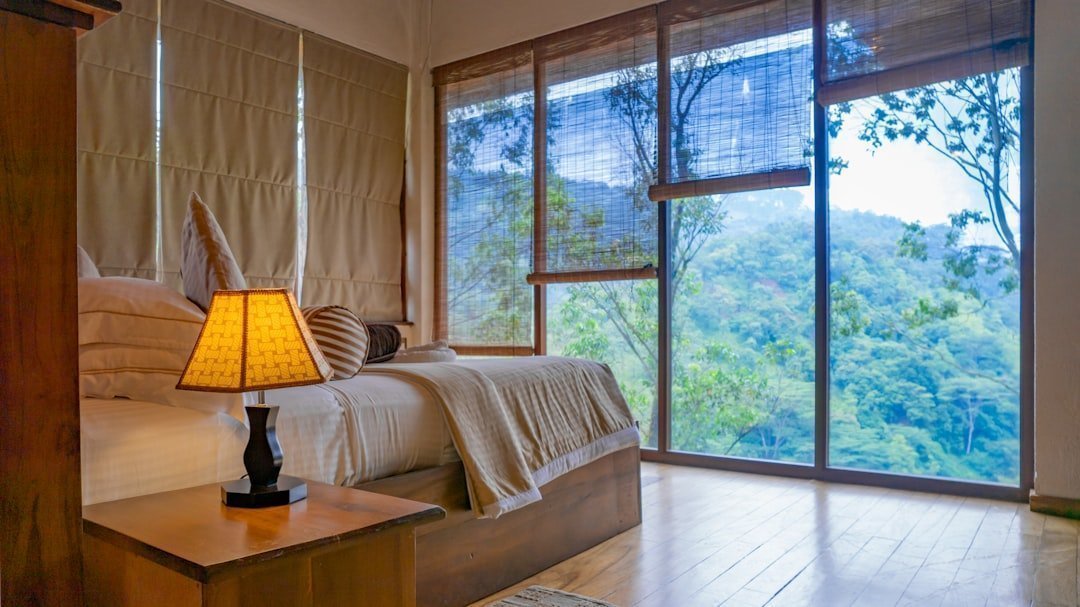
This phrasing works because it is specific, friendly, and completely non-demanding. You are not throwing yourself at the mercy of the front desk. You are not demanding a suite. You are simply asking a precise, reasonable question – and that framing matters more than most guests realize.
According to Plusgrade’s 2024 Hospitality and Rail Study, roughly half of guests are open to floor upgrades when prompted at check-in, which means hotels are already primed for this conversation. You are not disrupting anyone. You are participating in a process that is already happening dozens of times a day around you.
If you are looking for some peace and quiet during your stay, asking for a room on a higher floor is a smart move. Hotels tend to book louder groups on lower floors, so going higher gets you further from the street noise too. It is a simple question with a surprisingly big payoff.
2. “I’m a Member of Your Loyalty Program – My Number Is…”
Loyalty programs have become a massive, almost overwhelming force in the hotel industry. The numbers are staggering. Hotel loyalty program membership across major global brands reached 675 million in 2024, a 14.5% increase from the previous year. That kind of scale means hotels are deeply invested in keeping members happy.
Simply mentioning your membership number at check-in signals that you are a returning, valued customer – not a one-time visitor the hotel has no investment in retaining. It changes the entire dynamic of that ninety-second interaction at the desk.
Hilton’s 2024 Trends Report indicates that roughly three in five travelers consistently book with one brand or credit card to maximize benefits, with the majority of Millennials prioritizing their loyalty programs when planning travel. Mentioning your membership number is not bragging. It is the single fastest way to remind the hotel that you belong to the inner circle.
3. “We’re Celebrating Something Special This Trip”

People underestimate the power of context. A hotel front desk agent processing a hundred check-ins a day sees faces, IDs, and reservation numbers. When you mention a honeymoon, anniversary, or milestone birthday, you instantly become a person with a story. That changes things.
If you do not have elite status with a hotel, the best way to get an upgrade for a special occasion is simply to ask the concierge and mention what you are celebrating. It sounds almost too simple. Yet it works, precisely because most people never bother.
Telling hotel staff about a special event can genuinely help you get an upgrade. Think of it like this: the desk agent is quietly rooting for you the moment you give them a reason to care about your trip beyond the booking confirmation number.
4. “I Booked Directly Through Your Website”
This one is quietly powerful, and very few guests think to say it. Hotels genuinely prefer direct bookings over reservations made through third-party platforms. There is a real financial reason behind that preference. When guests reserve rooms on outside sites, hotels can lose between roughly fifteen and thirty percent of the revenue in commission charges they must pay to third-party intermediaries.
When consumers book through third-party sites, they are unable to use or earn points through hotel loyalty programs. In many cases, guests who are members of a hotel brand’s loyalty program will receive free upgrades on rooms – a perk that is not always accessible to third-party bookers.
Hotels often offer complimentary room upgrades for guests who book directly through their website, as this added value makes the direct booking option more appealing compared to third-party platforms. Mentioning it at check-in is a quiet reminder that you chose to support the hotel directly. That earns goodwill.
5. “What’s the Best Room You’d Recommend for Someone Who Loves Quiet Mornings?”
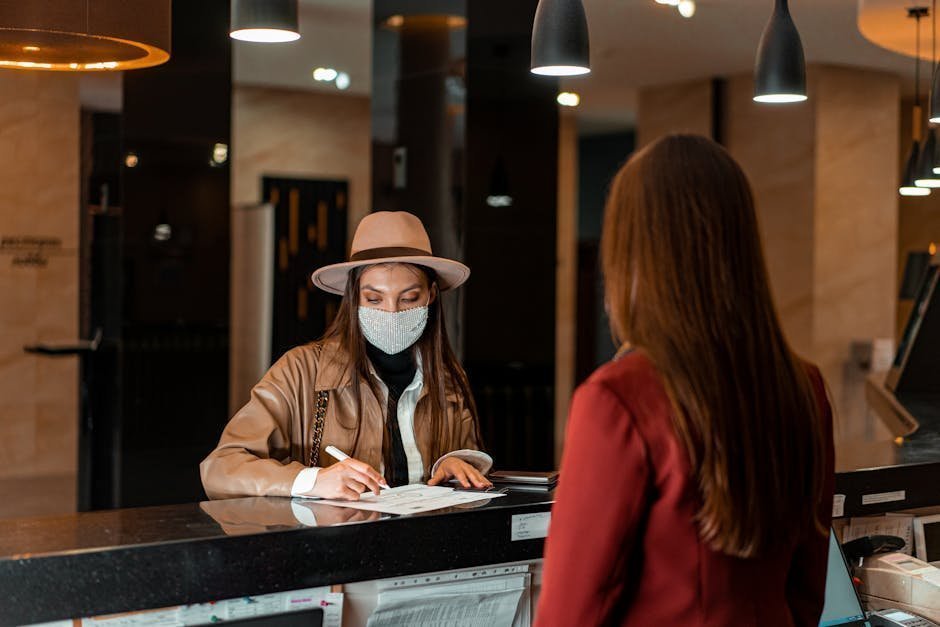
This one is clever because it is indirect. You are not asking for a free upgrade point blank. You are inviting the concierge into a conversation about your preferences – and a good concierge loves that kind of interaction. A great concierge does not just wait for guests to ask; they anticipate what guests might need before they even realize it themselves. This kind of proactive service is what makes a stay truly luxurious.
Concierges are experts not only on the area they are working in but also on the hotel industry as a whole. You would be amazed at the kind of knowledge they have. When you ask a thoughtful, personalized question, you invite them to show off that expertise. And they almost always respond generously.
I think of it like asking a sommelier to pick a wine for a specific kind of meal. When you frame the question around your experience rather than just the price, you get a completely different caliber of answer.
6. “I’ve Heard Such Great Things About This Hotel From Friends Who’ve Stayed Here”
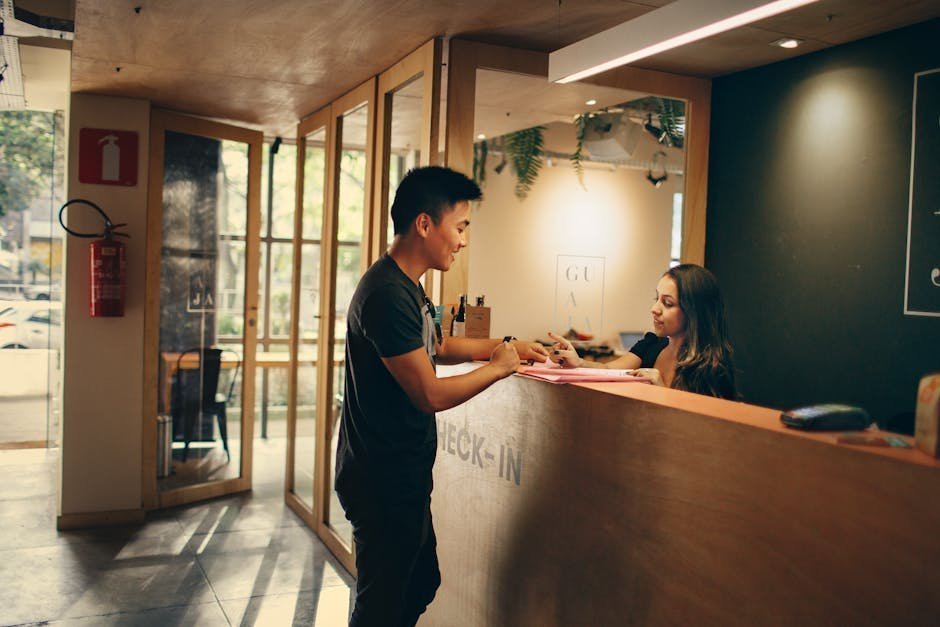
Word of mouth is the hotel industry’s lifeblood. It always has been. A free upgrade often leads to positive customer reviews and word-of-mouth feedback, encouraging other guests to book. Hotels understand this cycle deeply, which is why this phrase hits differently than most.
It communicates genuine enthusiasm and signals to the agent that you are the kind of guest who will appreciate an upgrade – and probably talk about it afterward. Hotels care deeply about that.
Research analyzing guest reviews reveals that nearly four in five guests highlight service quality, particularly staff responsiveness and professionalism, as crucial components of their overall experience. When staff know you are the type of person who notices and talks about great service, the incentive to impress you goes up considerably.
7. “I Don’t Want to Be a Bother, But Is There Any Flexibility on the Room?”
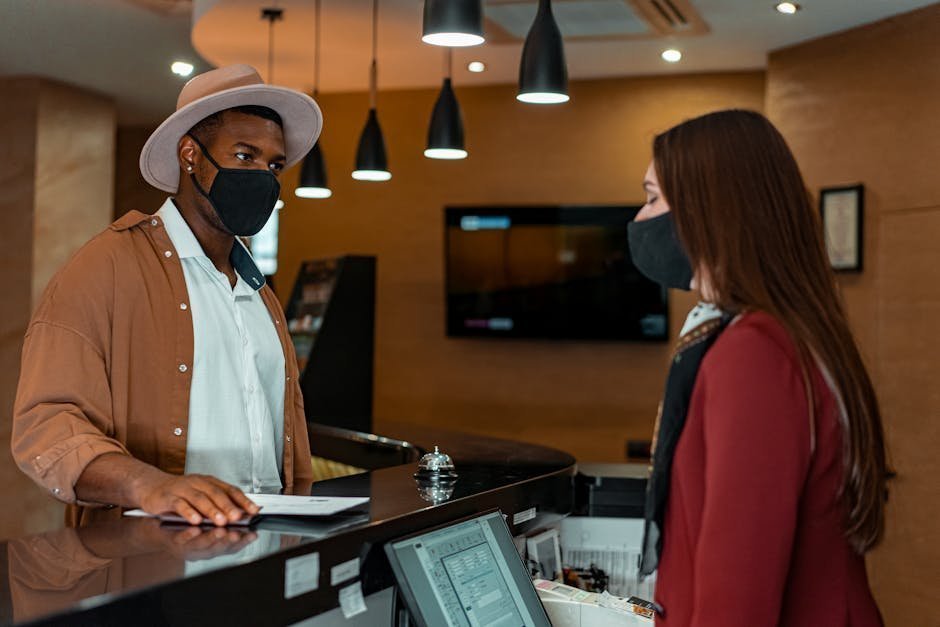
Here is a phrase that works because of its humility. Honestly, most guests who do ask for upgrades come across as demanding or entitled. This approach does the opposite. It acknowledges the staff member’s workload and frames the request as a genuine but gentle ask.
According to the AHLA’s 2025 Report, more than a third of guests consider quick and easy check-in a key driver of a positive guest experience. A pleasant, low-pressure interaction creates the emotional context for a front desk agent to want to reward you.
Being honest and clear about what you want matters. If you act friendly and show respect, staff feel more willing to help. The humility in this phrase is not weakness. It is strategy. It disarms the desk agent and makes saying yes feel like a genuine pleasure.
8. “What Time Would Be Best to Ask About Room Availability?”
This one is surprisingly tactical, and almost nobody uses it. If an upgrade is not available when you arrive, most guests accept the defeat and shuffle off. Asking about timing instead keeps the door open – literally. This phrase is clever, and most people would never think of it. If the agent says upgrades are not available right now, you have not been shut down – you have opened a door.
Trying to arrive in the early afternoon, after the hotel has cleaned rooms but before the evening rush, gives staff a clearer idea of what is available. Asking about the best time to check back later applies that same logic across the length of your stay.
If you show up late at night, most rooms are already assigned. Timing really is everything at a hotel front desk, and the guests who understand that tend to end up in much better rooms.
9. “I Always Leave Honest Reviews After My Stays – Good Ones When the Experience Warrants It”

Let’s be real: hotels live and die by online reviews in 2026. The hospitality landscape has shifted dramatically, and reputation management has become one of the most important operational priorities in the industry. Word of mouth spreads quickly. One subpar experience, shared around the world on social media, can have a huge impact on a brand.
Cornell University research shows each point increase in guest satisfaction scores correlates with a measurable boost in annual revenue, and data from luxury hotels reveals that properties maintaining high guest satisfaction achieve significantly higher average daily rates while keeping occupancy above competitors.
Mentioning that you are someone who actively writes reviews – positive ones, when the experience earns it – is not a threat. It is a compliment dressed up as a subtle nudge. The desk agent hears it clearly: impress me and I will say so publicly. That is a very motivating thing for a hotel to hear.
10. “Could You Help Me With a Recommendation? I Trust Your Local Knowledge More Than Any App”
This one does something different. It is not technically an upgrade request at all. It is a relationship-building moment that tends to lead to upgrades and extras in more indirect but equally real ways. Remembering the little things, like a guest’s name or their favorite drink, can turn a good stay into a great one. It is all about those thoughtful details that make guests feel special.
If you are looking to get tickets to a top museum, concert, or other event in the area, asking your hotel’s front desk for help is smart. Not only does the concierge know exactly who to contact, but they can often even get you a discounted price.
Around three in four travelers prefer hotels that personalize their stay based on their preferences. When you ask for local expertise, you trigger that personalization reflex – and the result is often a concierge who becomes deeply invested in making your entire stay memorable, upgrades included.
Bonus Phrase: “Thank You – I Really Appreciate Everything You’ve Done”
Save this one for after your stay. Or use it mid-stay. It costs nothing. Do not ignore the power of a simple yet sincere apology – or genuine appreciation. Guests who receive sincere gestures in return report significantly higher satisfaction than those who receive compensation alone.
Great service beats low prices in the battle for customer loyalty. Hotels know this. And when a guest takes a moment to acknowledge that the team delivered something special, the ripple effect is real.
The hope behind any upgrade is that doing so will secure customer loyalty, as visitors overwhelmingly appreciate upgrades and freebies. Saying thank you confirms that the investment paid off. It makes you the guest they will remember – and look out for – next time.
Conclusion: The Words That Open Doors
The upgrade system at any hotel is not random. It is human. It is driven by discretion, by relationships, and by the small, often overlooked moments of genuine connection that happen at the front desk. Getting a hotel room upgrade at check-in is not just about luck. It is about how you ask, how you act, and how you connect with the people behind the desk.
The phrases in this list are not manipulative scripts. They are conversation starters that treat hotel staff like the knowledgeable, influential professionals they actually are. Combine a few of them with good timing, a direct booking, and a loyalty program membership, and the odds shift dramatically in your favor.
The next time you walk up to that front desk, remember: the person on the other side is holding a set of keys. Some of those keys unlock much nicer rooms than the one on your reservation. Give them a reason to hand one over. What do you think – which of these phrases would you feel most comfortable trying first?