
Picture this: while Great Smoky Mountains National Park welcomed over 12 million visitors in 2024, some stunning national parks barely cracked a few thousand.[1][2] These hidden gems offer raw wilderness without the crowds, yet Americans keep passing them up. What’s holding folks back from these epic spots?
Remoteness plays a huge role, along with tricky access and sheer adventure demands. Let’s unpack the top 10 least-visited parks from recent National Park Service data and see why they’re flying under the radar.[1] You might be surprised by just how untouched they remain.
1. Gates of the Arctic National Park and Preserve
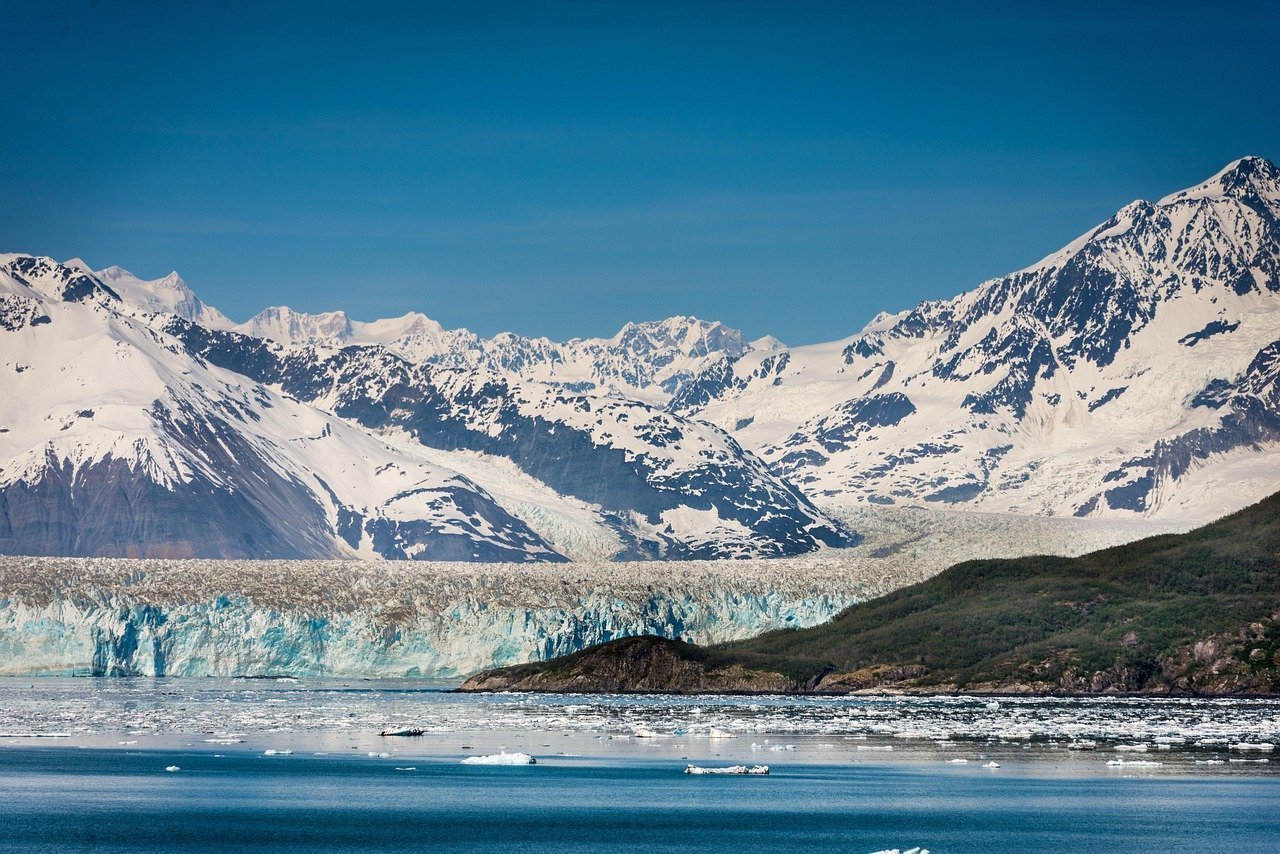
Deep in Alaska’s Brooks Range, Gates of the Arctic saw only 11,907 recreation visits in 2024.[1] No roads lead here, no trails mark the way, and cell service? Forget it. Visitors must pack in everything and navigate true wilderness solo.
Honestly, it’s for hardcore adventurers only, which keeps casual travelers away. The park’s vast, roadless expanse protects pristine Arctic landscapes, but that isolation scares off most.[3] I mean, who wants to bushplane in without a map?
2. North Cascades National Park
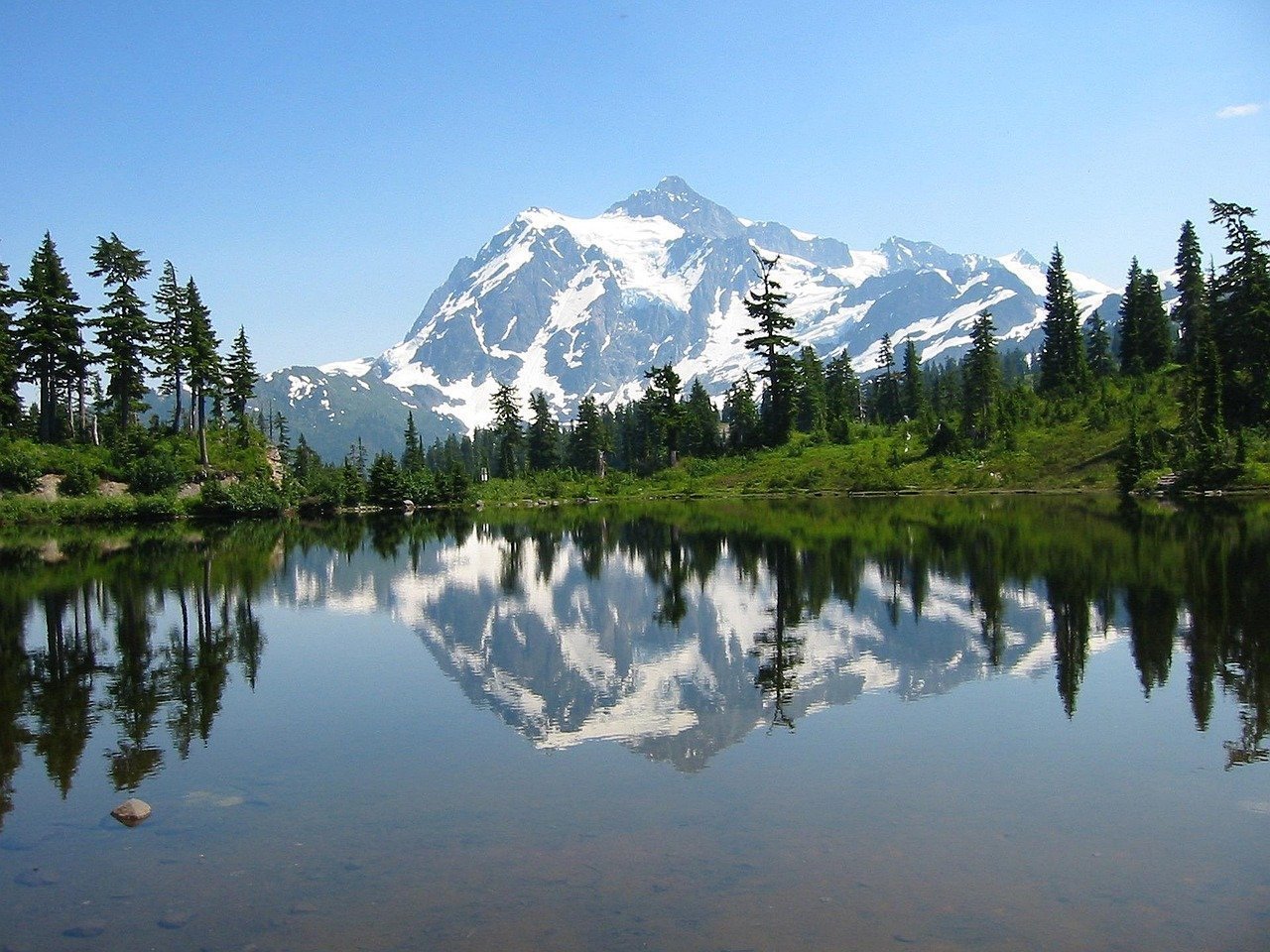
Washington’s jagged peaks drew a mere 16,485 visitors last year, hitting a record low partly due to wildfires.[1] Rugged terrain and limited roads make it tough for quick trips. Compared to nearby Olympic or Rainier, it feels worlds apart.
Still, the glaciers and trails reward those who brave it. Harsh weather and smoky summers deter families seeking easy hikes. Let’s be real, most prefer paved paths over this wild challenge.[4]
3. Kobuk Valley National Park

Situated 25 miles north of the Arctic Circle in Alaska, Kobuk Valley logged 17,233 visits in 2024.[1] Air access is your only option, no campgrounds or gates in sight. Ice Age dunes and caribou migrations draw experts, not tourists.
The remoteness means high costs and planning hurdles for average folks. No facilities mean self-reliance in subzero temps sometimes. It’s stunning, but that barrier keeps numbers tiny.[3]
4. Lake Clark National Park and Preserve
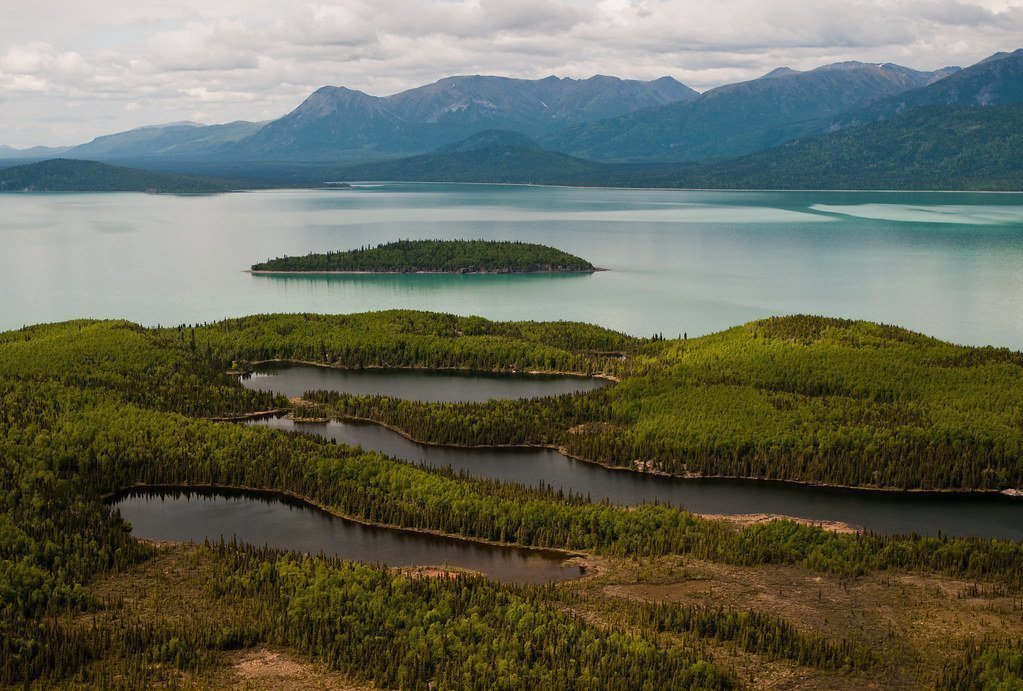
Spanning over 4 million acres in Alaska, this park had 18,505 visitors in 2024.[1] Remote fly-in spots and bear country demand serious prep. It’s an adventurer’s dream with volcanoes and lakes, yet overlooked.
Few services amplify the isolation factor. Travel expenses from the Lower 48 add up fast. Though packed with wildlife, the logistics turn people away.[4]
5. National Park of American Samoa
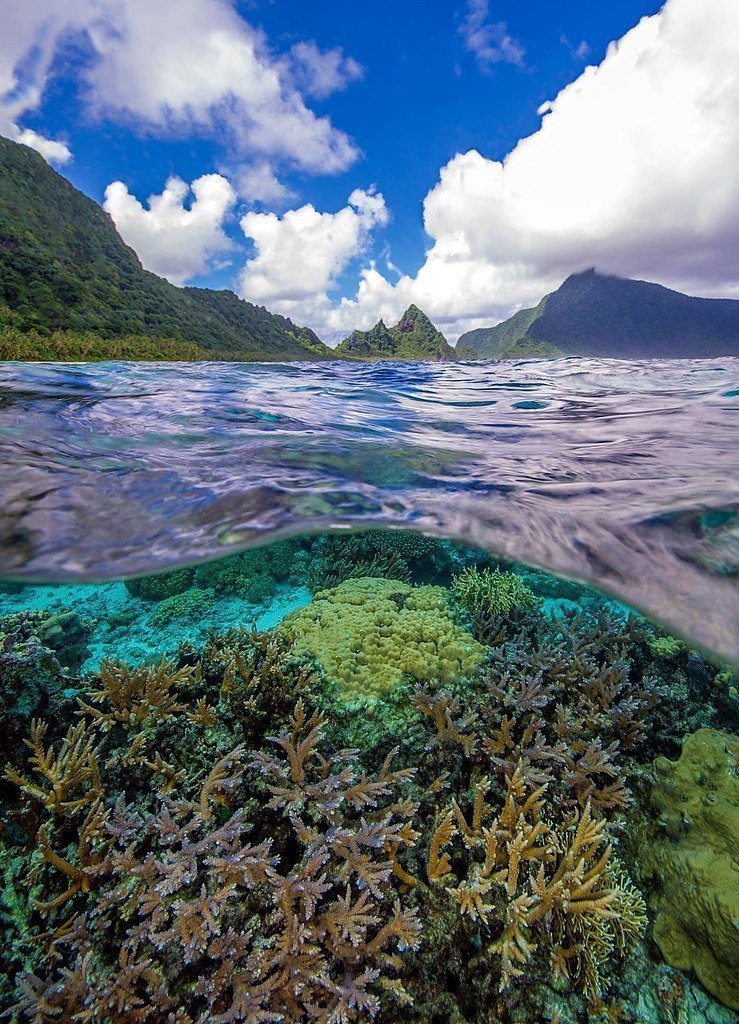
Tucked in the South Pacific, American Samoa’s park welcomed 22,567 visits last year.[1] A passport is required, and flights are long and pricey. Rainforests and coral reefs span three islands, far from mainland ease.
Most Americans stick to domestic drives, skipping this territory. Cultural immersion awaits, but distance wins out. It’s like another country without the hype.[3]
6. Isle Royale National Park
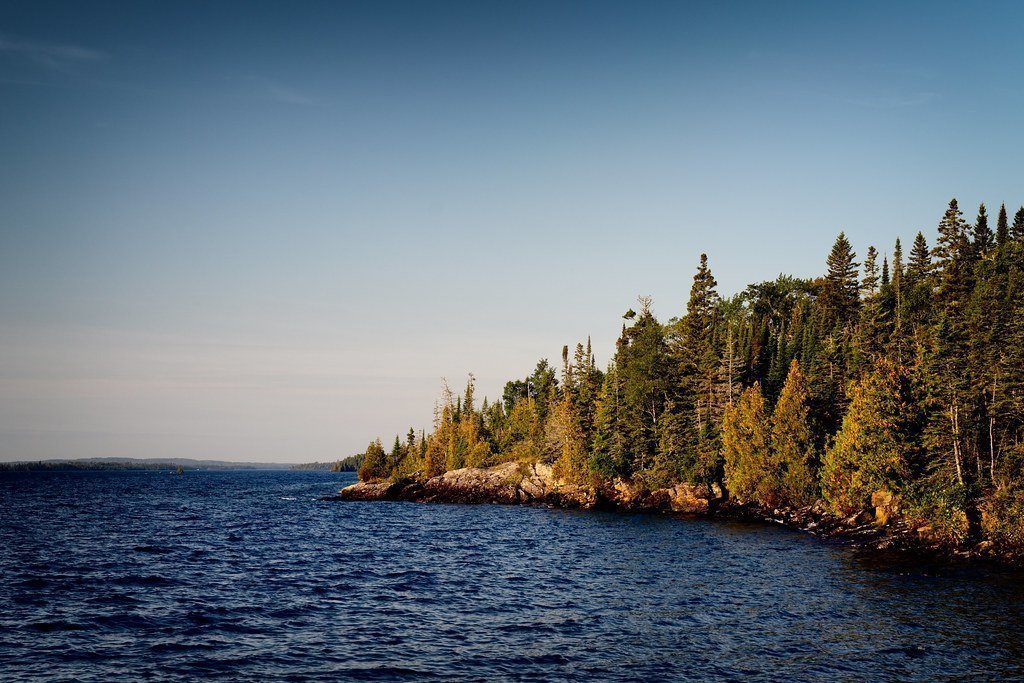
Off Michigan’s coast in Lake Superior, Isle Royale got 28,806 visitors in 2024.[1] Boat or seaplane only, crossing 14+ miles of rough water. Fewer mammals due to isolation, but wolves and moose thrive.
Weather delays ferries often, frustrating planners. Backcountry focus lacks lodges for comfort seekers. Yet, that solitude is pure magic for the patient.[4]
7. Katmai National Park and Preserve
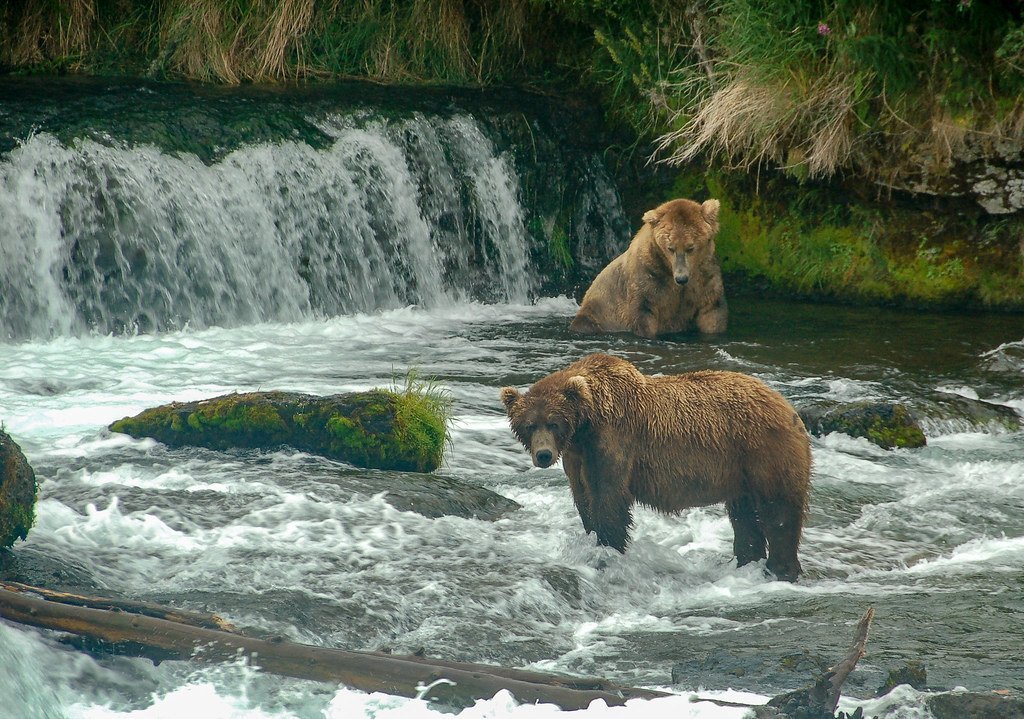
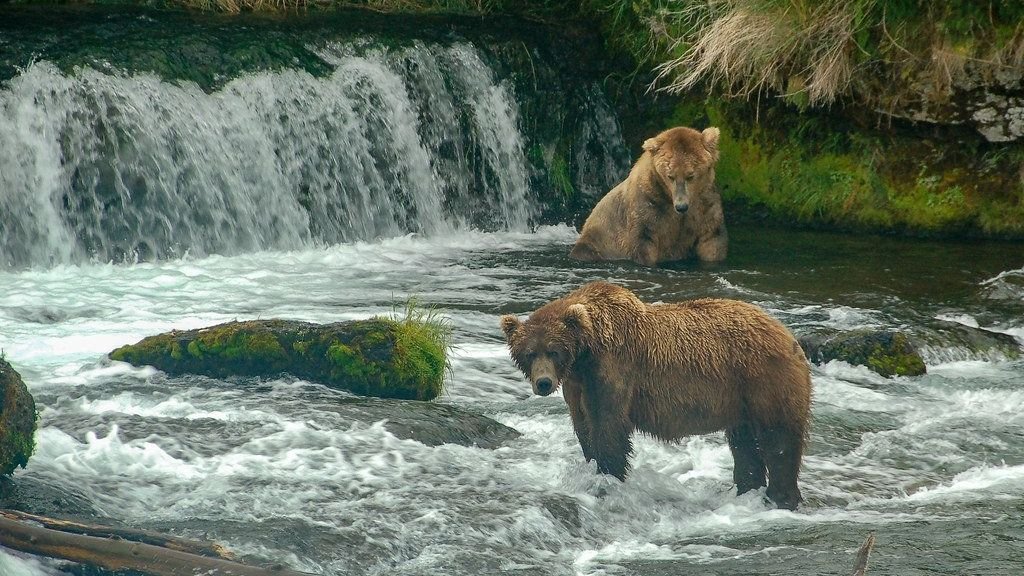
Alaska’s bear haven saw 36,230 visits in 2024.[1] Vast wilderness requires bush planes or boats. Famous for Brooks Falls salmon runs, but most skip the effort.
Limited infrastructure keeps it uncrowded. High adventure costs deter budget trips. Brown bears up close? Worth it for some, ignored by many.[3]
8. Wrangell-St. Elias National Park and Preserve
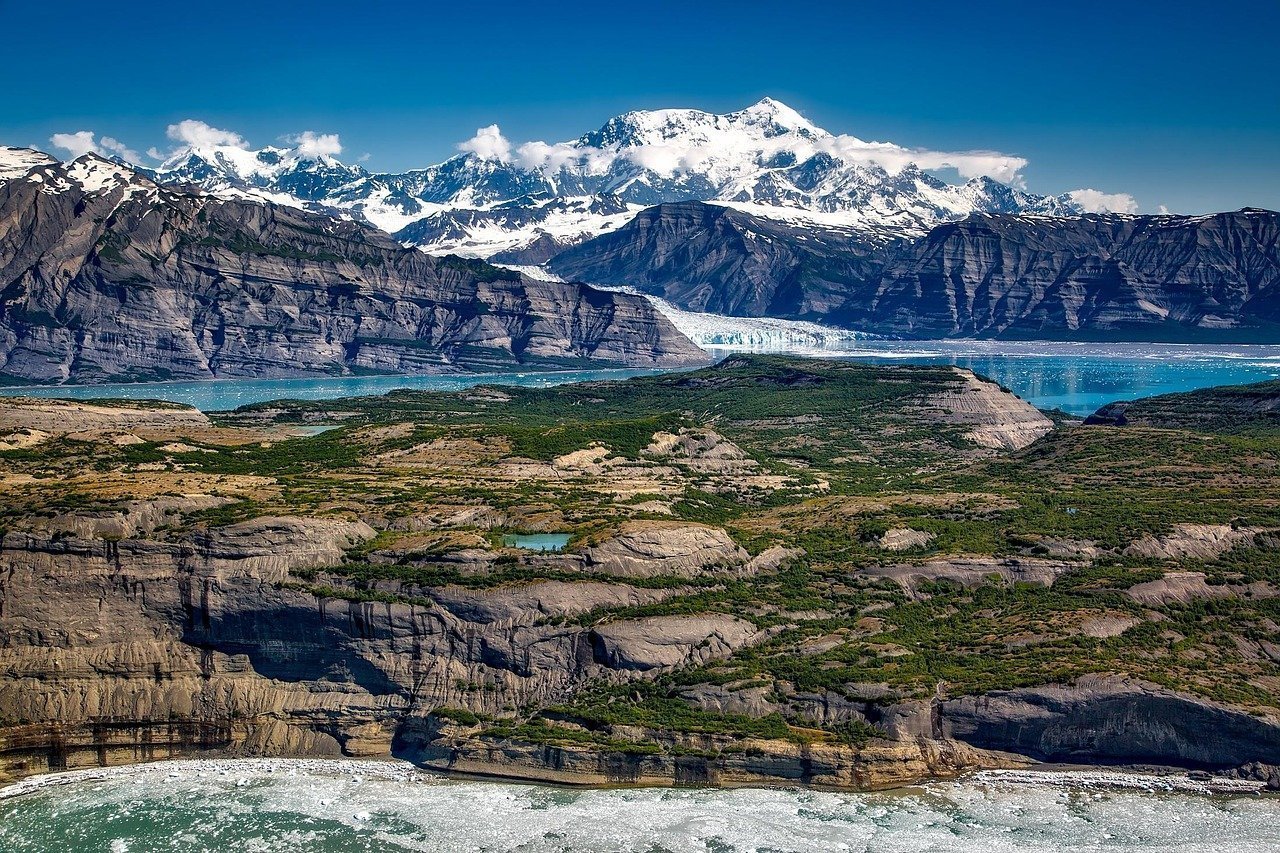
America’s largest park in Alaska had 81,670 visitors last year.[1] Glaciers and peaks dominate, but backcountry rules apply. Rough roads challenge even 4WD rigs.
Size overwhelms casual explorers. Sparse services mean packing heavy. Epic scale, minimal buzz.[4]
9. Dry Tortugas National Park
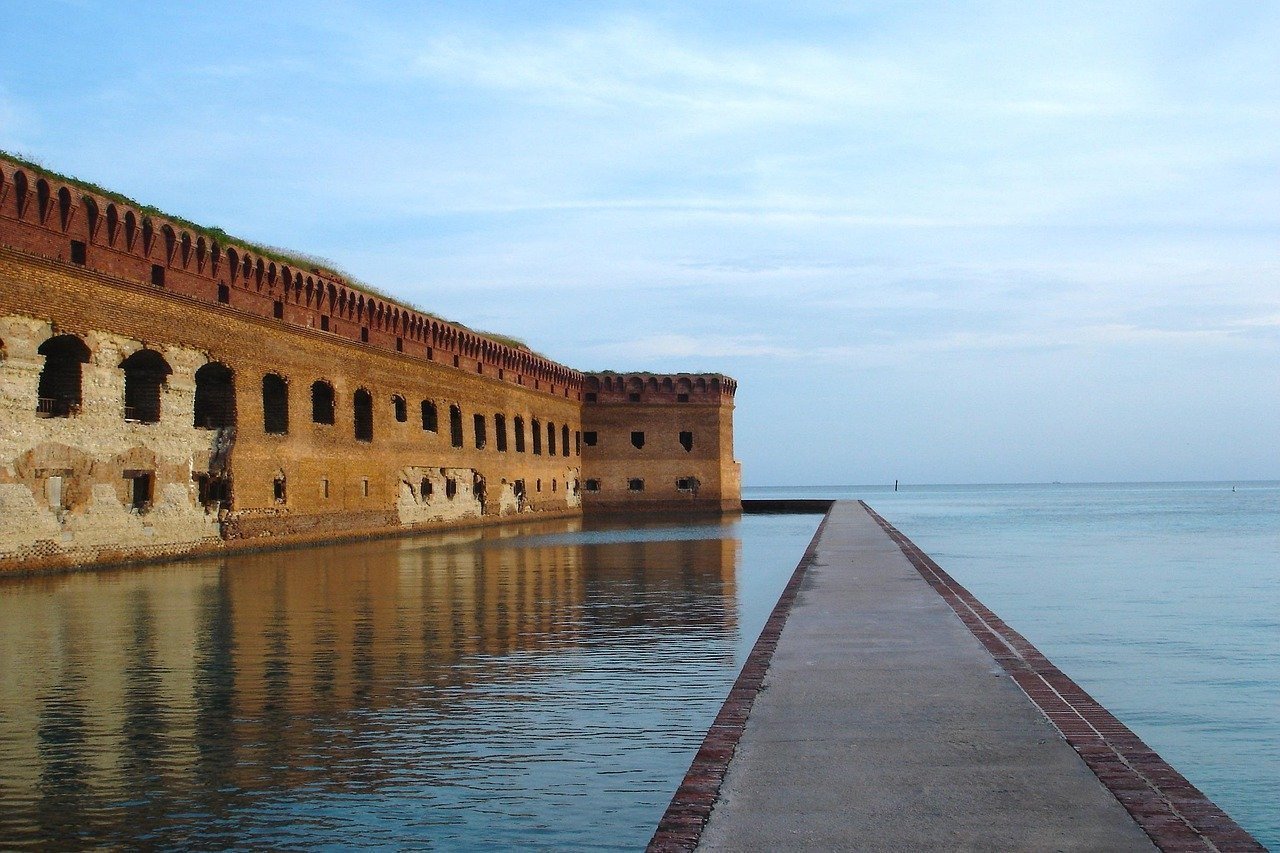
70 miles off Florida’s Key West, Dry Tortugas drew 84,873 in 2024.[1] Ferry or seaplane to seven tiny islands amid open water. Fort Jefferson steals the show historically.
Day trips limit stays, seasickness a risk. No beaches like mainland spots. Crystal waters tempt snorkelers who dare.[3]
10. Great Basin National Park
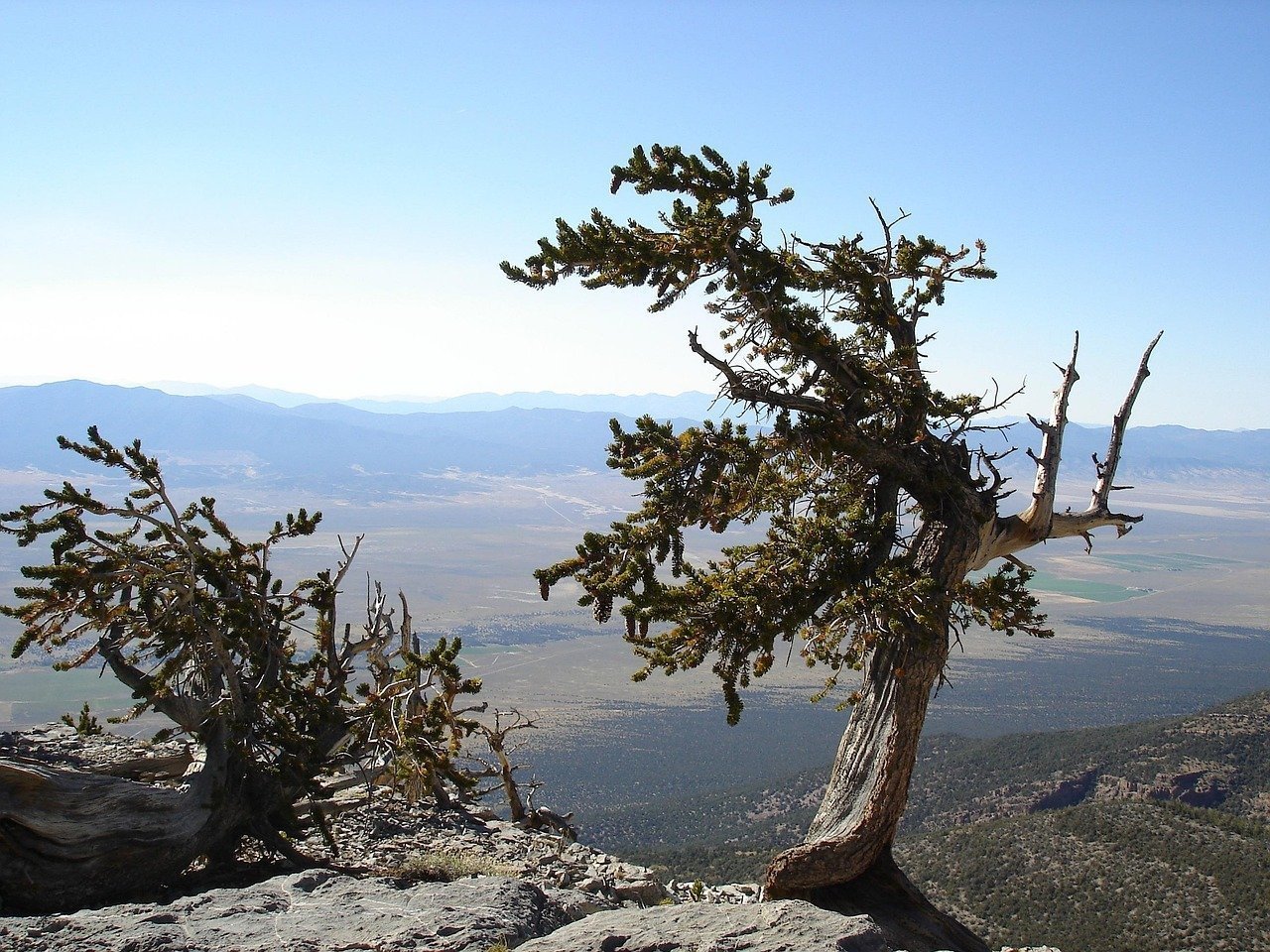
Nevada’s dark skies and ancient bristlecones saw 152,068 visits.[1] Remote deserts meet peaks, Lehman Cave shines below. Far from Vegas crowds.
Hot summers and isolation keep drivers away. Stargazing paradise overlooked. Underrated gem for quiet seekers.[4]
These parks prove beauty thrives without mobs. Next road trip, consider detouring to one. What remote wonder calls to you?