
Discover the unique rules that make Switzerland stand out from its European neighbors.

Switzerland is known for its breathtaking landscapes and impeccable order, but did you know it also enforces some of Europe’s strictest laws? From quiet hours to recycling mandates, these rules may surprise you if you’re visiting or planning to live there.
In this article, we’ll explore 11 of the most unusual laws that set Switzerland apart, helping you navigate its unique legal landscape and avoid unintentional missteps.
1. You Cannot Mow Your Lawn Or Do Noisy Chores On Sundays
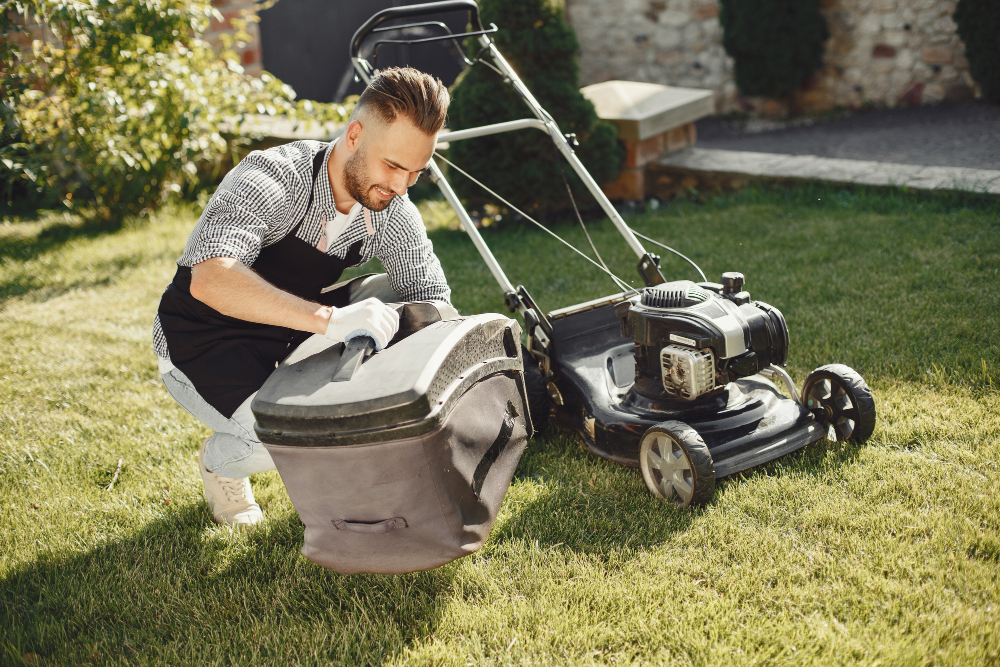
In Switzerland, Sundays are considered sacred for rest and relaxation, and creating excessive noise is against the law. Activities like mowing the lawn, drilling, or any other disruptive chores are strictly prohibited to ensure tranquility. This law reflects Swiss values that prioritize peaceful living and mutual respect among neighbors. Violating these rules can lead to complaints or even fines. Visitors and new residents should respect this tradition to maintain good relations with locals and avoid legal trouble.
2. Flushing Toilets At Night In Apartments Is Often Prohibited
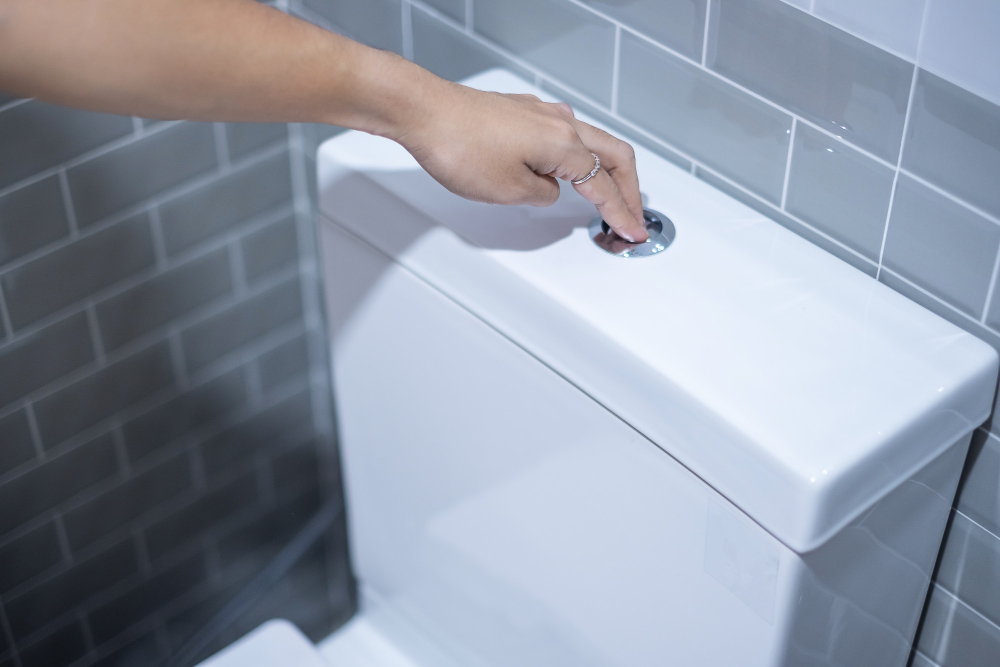
Switzerland’s commitment to nighttime quiet extends to indoor activities, including flushing toilets in apartments during late hours. In some buildings, flushing is restricted between 10 p.m. and 6 a.m. to minimize noise. Although enforcement may vary, the law symbolizes Switzerland’s focus on preserving a peaceful environment. Visitors renting apartments should familiarize themselves with these unique house rules to avoid inadvertently disturbing their neighbors or causing unnecessary conflict.
3. You Must Recycle Or Pay For Excess Trash
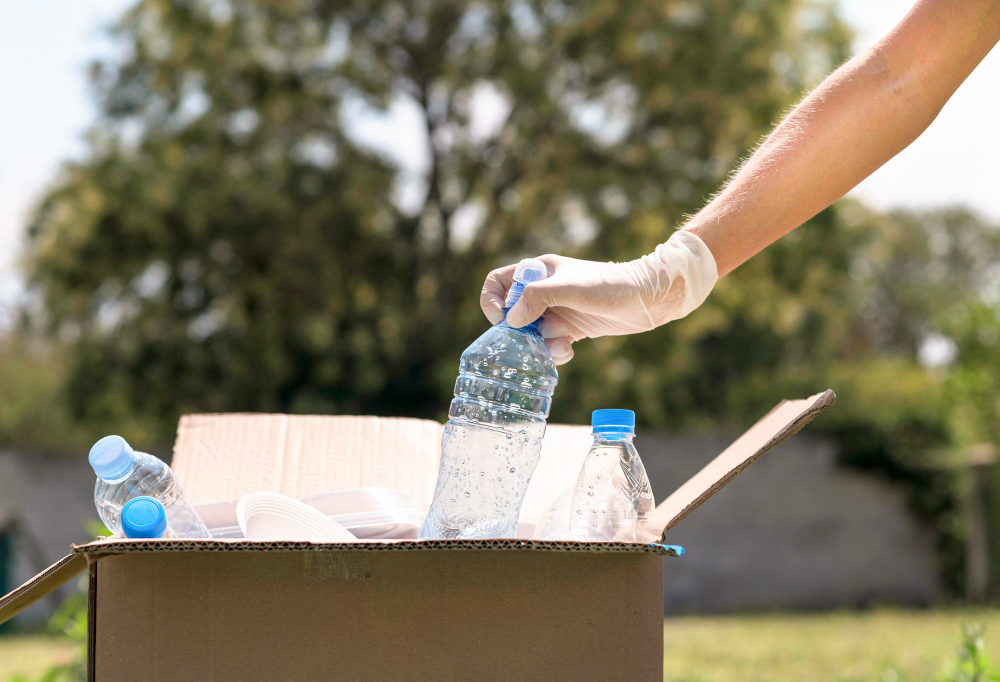
Switzerland enforces one of the world’s most advanced recycling systems, and residents are legally required to participate. Household waste must be sorted into categories like paper, glass, and plastics, while non-recyclable trash must be disposed of in official, prepaid bags. This system discourages waste and promotes sustainability. Failure to comply can result in fines. For visitors, understanding local recycling guidelines is essential, as improper disposal is taken seriously. By participating, you contribute to the country’s eco-conscious culture.
4. No Washing Your Car At Home On Sundays

Washing your car at home on Sundays is illegal in Switzerland due to both environmental concerns and the country’s commitment to maintaining peace on the day of rest. This law encourages the use of professional car washes equipped with eco-friendly systems that recycle water. While enforcement may vary, this rule exemplifies Swiss respect for tranquility and sustainability. If you’re driving in Switzerland, plan your car cleaning during weekdays to avoid any legal or social conflicts.
5. You Cannot Hang Laundry Outside To Dry On Sundays
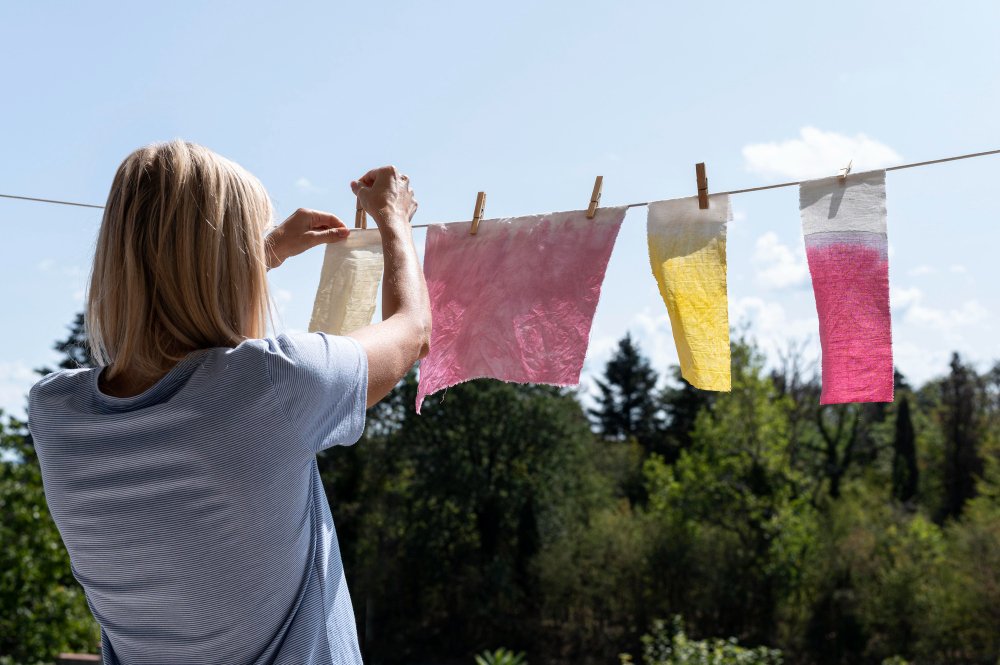
Drying laundry outside on Sundays is prohibited in many parts of Switzerland as it is considered a disruption to the community’s peaceful atmosphere. The rule ties into the broader cultural practice of respecting Sundays as a day of rest and quiet. While this might seem unusual to visitors, it underscores the country’s emphasis on mutual respect among neighbors. Planning laundry activities for other days ensures compliance with local customs and fosters goodwill in your community.
6. Owning A Single Guinea Pig Is Illegal

Switzerland mandates that guinea pigs, which are social animals, must be kept in pairs or groups to prevent loneliness. The law reflects the country’s progressive approach to animal welfare, ensuring pets have a quality of life that meets their natural needs. If you own guinea pigs or plan to adopt them while in Switzerland, be prepared to house at least two. This rule demonstrates the Swiss dedication to treating animals with dignity and care.
7. You Cannot Deny Military Service Without Consequences

Military service is mandatory for Swiss men, and avoiding it without justification results in fines or alternative civil service obligations. This law reflects Switzerland’s emphasis on collective responsibility for national defense. Dual citizens or new residents should familiarize themselves with the requirements, as exceptions are limited. The obligation can seem strict, but it underscores the country’s focus on maintaining neutrality while ensuring readiness. Understanding this system is essential for those considering long-term residency in Switzerland.
8. You Cannot Use High-Pressure Power Tools On Sundays

Using high-pressure tools like drills or sanders on Sundays is banned in Switzerland to maintain a peaceful environment. Noise regulations are strictly enforced to respect neighbors’ rights to rest and relaxation. This law aligns with Switzerland’s broader cultural values of harmony and consideration for others. If you’re working on a home project, schedule tasks that require such tools for weekdays to avoid complaints or fines and foster good neighborly relations.
9. No Running Out Of Fuel On Highways

Running out of fuel on a Swiss highway is illegal and can lead to fines. This rule aims to ensure safety and minimize traffic disruptions. Drivers are expected to check their fuel levels regularly and refuel at designated stations to avoid emergencies. For tourists, this law highlights the importance of planning ahead when driving through the country. Keeping an eye on your fuel gauge not only prevents legal issues but also ensures a smoother travel experience.
10. You Must Have A License To Hike With A Dog

Hiking with a dog in Switzerland requires a special license, emphasizing the country’s dedication to wildlife preservation and responsible pet ownership. The license involves training that covers trail etiquette and dog-handling skills. This rule ensures that dogs do not disturb wildlife or other hikers. Visitors planning to explore trails with their pets should check local regulations and obtain the necessary permits. Complying with this law helps maintain Switzerland’s pristine natural environment and harmonious trail culture.
11. You Must Shovel Snow From Sidewalks In Front Of Your Home

In Switzerland, property owners are legally required to clear snow and ice from sidewalks adjacent to their homes. This regulation ensures safe passage for pedestrians and prevents accidents. Neglecting this duty can lead to fines or liability for injuries caused by slippery pathways. Residents and renters must stay vigilant during snowy months to meet this obligation. By adhering to this rule, you contribute to a safe and responsible community environment during winter.