
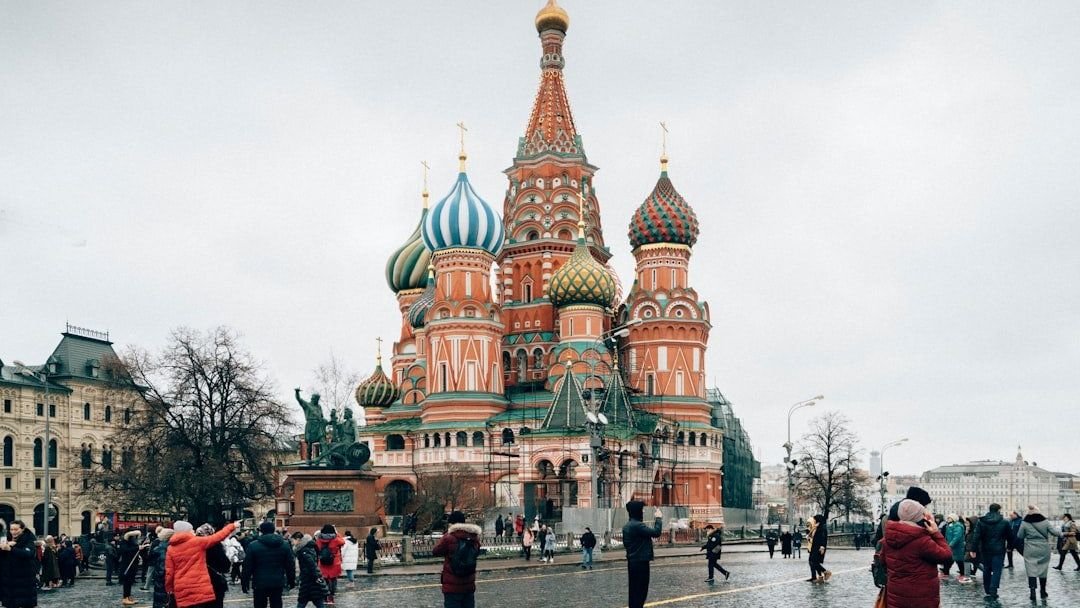
Flashing an American passport used to feel like a golden ticket. Not anymore. From Eastern Europe to the Middle East to surprisingly close neighbors, a growing number of destinations around the world now treat your nationality as a red flag, a complication, or worse, a target. It’s not always about formal bans either. Sometimes it’s the cold stare at the border. Sometimes it’s a jail cell.
The landscape for American travelers has shifted dramatically in 2025 and 2026, driven by geopolitical tensions, foreign policy decisions, and a global sentiment that has cooled toward the United States in ways that are hard to ignore. The data backs this up, and the real-world consequences are well documented. Buckle up for a look at nine countries where holding a U.S. passport is genuinely your biggest problem.
1. Russia: Where Your Passport Can Put You Behind Bars
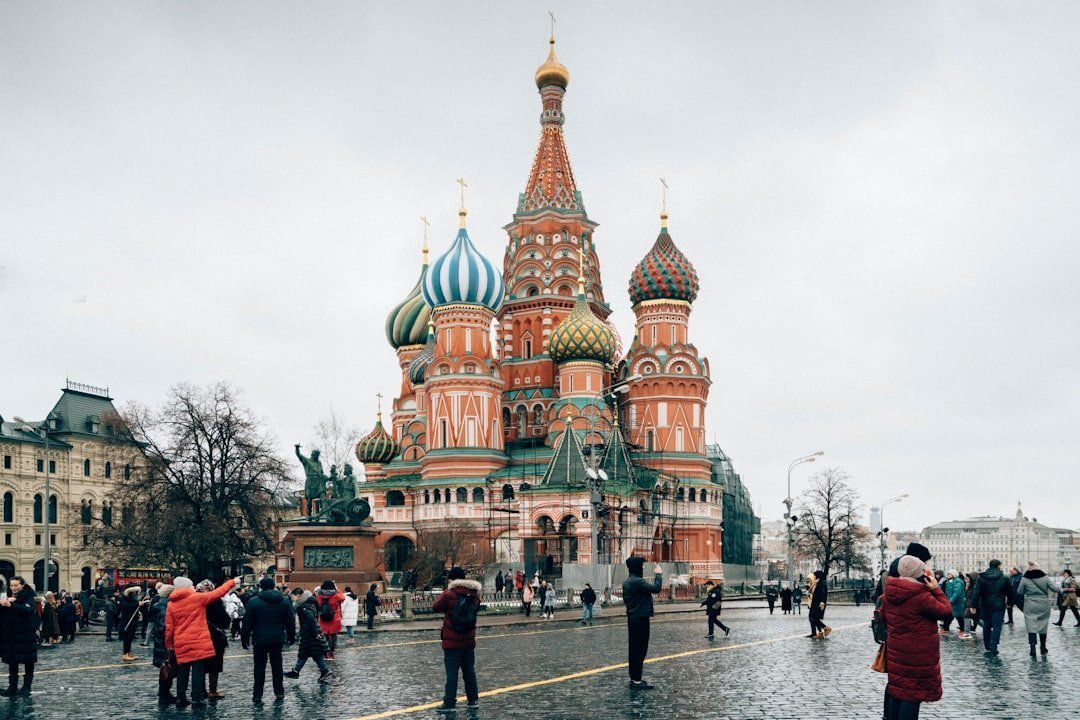
Honestly, Russia sits in a category of its own when it comes to dangers for American travelers. Russia has been known to wrongfully detain Americans for years, and the practice has only intensified. In July 2024, Wall Street Journal reporter Evan Gershkovich was convicted of espionage and sentenced to 16 years at a penal colony, though he was freed in August 2024 as part of the largest prisoner exchange since the Cold War.
Ksenia Karelina, an American citizen, was arrested in January 2024 at a Russian airport and charged with treason, accused of making a donation of just over $50 to Razom for Ukraine, an aid organization based in New York City. That’s not a typo. Fifty dollars. The odds of being wrongfully detained are significantly higher for Americans in certain countries, such as Russia, Iran and North Korea, because of the adversarial political relationship.
The U.S. Department of State advises Americans not to travel to Belarus “due to the Belarusian authorities’ arbitrary enforcement of local laws, the risk of detention, and the continued facilitation of Russia’s war” against Ukraine. At the end of 2024, 36 Americans were still held hostage or wrongfully detained in 15 countries, and China and Russia together account for roughly one-third of all known cases of Americans being wrongfully detained overseas.
2. Iran: A Country Where Being American is Effectively a Crime
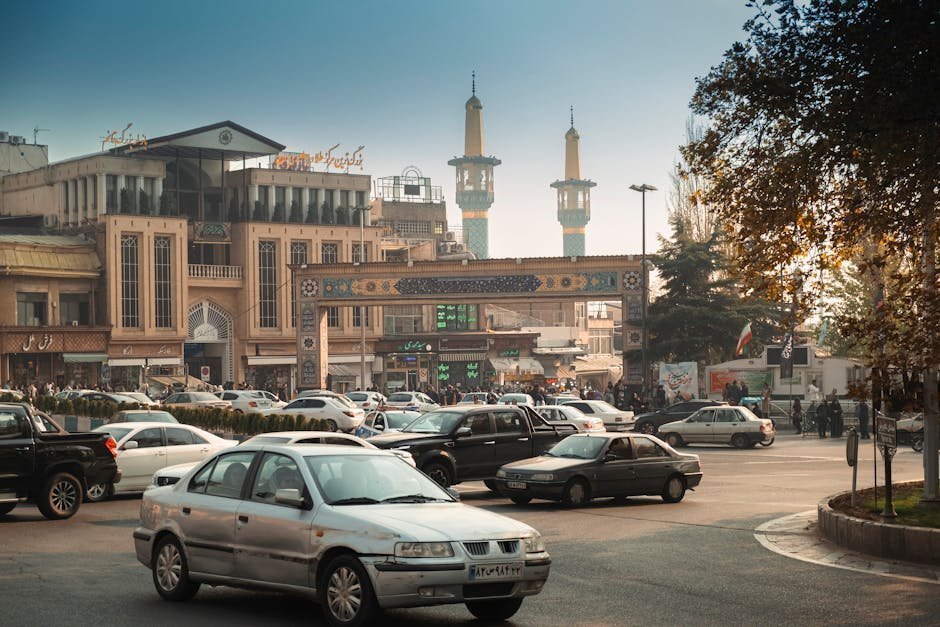
Few places on earth carry a heavier burden for American passport holders than Iran. Iran has been branded a “Level 4: Do Not Travel” destination, with Americans facing risks of wrongful detention, violence, and kidnapping. The current conflict between the U.S. and Iran has made this dramatically worse. The U.S. government is warning all Americans abroad, and especially those in the Middle East, that Americans or American interests across the world may be targeted as the Iran war continues.
Dual Iranian-American citizens visiting family and friends in Iran may be especially vulnerable to harassment or false detention. Iran’s hostility to the United States government is no news, but the threat also extends to individual Americans who may become pawns in the struggle between the two countries. U.S. citizens in Iran have been kidnapped, detained, or arrested on false charges. The situation has become arguably more volatile given recent military operations.
Countries where wrongful detention risks are most concentrated include Iran, Russia, China, Venezuela, Afghanistan, and Egypt, in addition to the Palestinian territories held by Hamas. Iran consistently features at the top of that list. Iran has long viewed the U.S. as an adversary and is currently engaged in active conflict with the U.S. There is simply no cushion of diplomatic goodwill left for American travelers here.
3. North Korea: Entry is Virtually Impossible and Staying is Even Worse
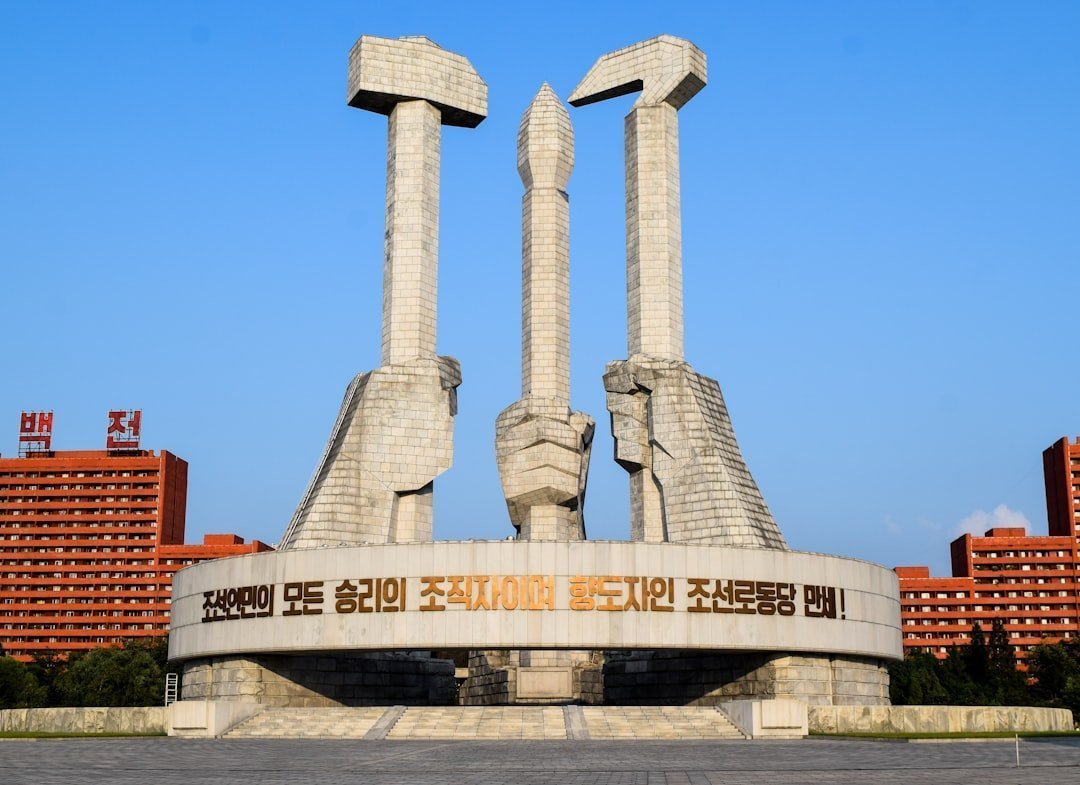
North Korea is, let’s be real, in a league of its own when it comes to hostility toward American citizens. North Korea presents extreme legal and security risks, with U.S. citizens facing a high likelihood of long-term detention with little to no consular access. Think of it like walking into a locked room with no key, no phone, and no one who knows you are there.
Pyongyang continues to develop and expand its strategic weapons programs, including missiles that can evade U.S. and regional missile defenses, and continues to work to increase its nuclear warhead stockpile. That context matters for travelers. The regime actively views American nationals as political leverage. Crucially, U.S. consular assistance is extremely limited or unavailable, and embassy operations may be reduced, suspended, or unable to reach Americans in crisis situations, leaving travelers largely dependent on local authorities or private resources for help.
North Korea’s partnership with Russia is growing, and Kim Jong-un has taken steps to improve ties with China, still North Korea’s most important trading partner and economic benefactor. This alignment only deepens the hostility toward Americans. The U.S. State Department has maintained its highest level advisory for North Korea for years. This is not a destination where having the wrong passport is a minor inconvenience.
4. Belarus: A Quiet Trap for American Travelers
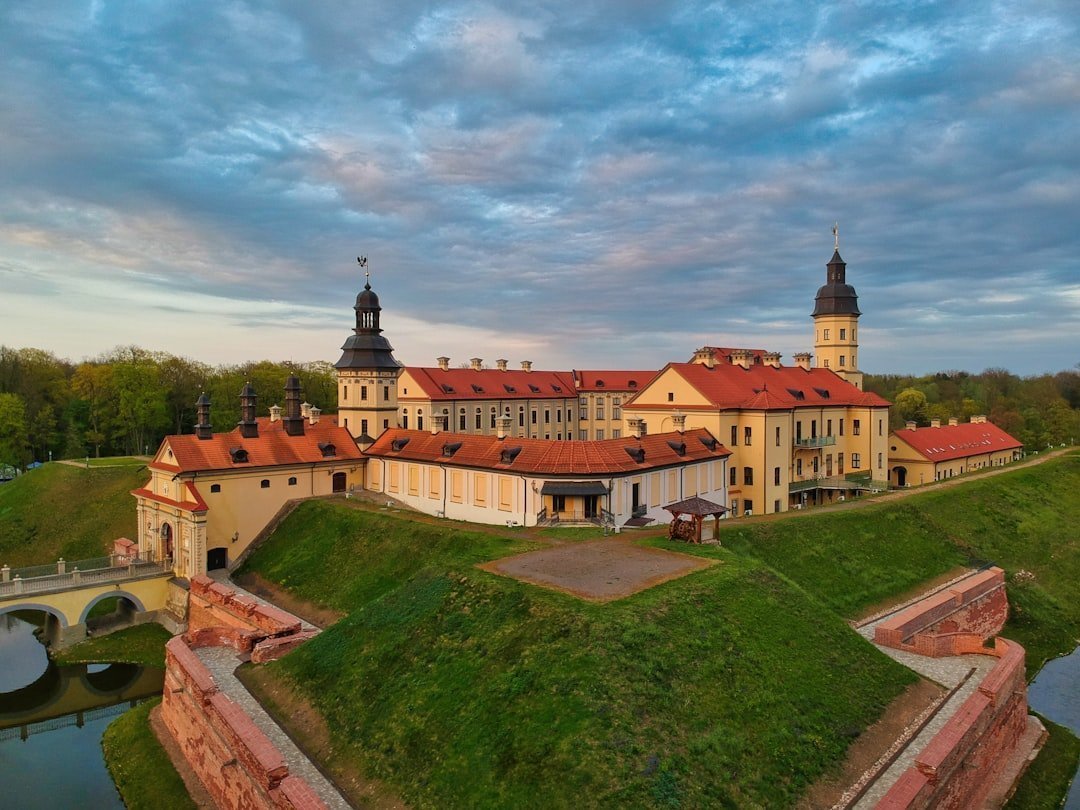
Belarus doesn’t make the headlines as often as Russia or Iran, but it has become a deeply dangerous destination for American citizens. Burundi and Pakistan were placed back on the Level 3 “reconsider travel” list since Trump’s second term began, and Belarus similarly carries serious warnings. Americans have been detained there on what the U.S. government officially called unjust grounds. Youras Ziankovich was released in 2025 after Secretary Rubio determined he was wrongfully detained.
Anastassia Nuhfer was released in January 2025 after being detained in Belarus in December 2024. Two Americans freed in a matter of weeks from the same country. That pattern speaks volumes. Belarus, which has been isolated from the West, is interested in trying to warm relations with the United States, but the government has a track record of holding Americans as political bargaining chips.
The U.S. State Department’s advisory on Belarus is explicit about the risk of arbitrary detention. According to Global Reach, an organization that advocated for one detainee’s case, Ziankovich did not even have access to State Department personnel until January 2025. That tells you everything about the kind of consular access you can expect. For Americans, Belarus is a place where the rules simply do not apply in the way you would expect.
5. Iraq: Anti-American Militias Make You a Target

Iraq remains one of the most genuinely dangerous places on the planet for American passport holders, full stop. Iraq was hit with a Level 4 warning, with the State Department saying “Do not travel to Iraq due to terrorism, kidnapping, armed conflict, civil unrest, and the U.S. government’s limited ability to provide emergency services to U.S. citizens in Iraq.” The advisory has only grown more urgent as the regional conflict with Iran escalated through 2025 and into 2026.
Terrorist and insurgent groups regularly attack Iraqi security forces and civilians. Anti-U.S. militias threaten U.S. citizens and international companies, and the U.S. government has a limited ability to provide assistance to American citizens. This isn’t bureaucratic caution. These are real, documented threats that specifically target people because of their nationality.
Americans in Iraq need to be wary of possible civil unrest, terrorism, kidnapping, and military combat. Insurgent groups and terrorists regularly attack Iraqi security forces and civilians. The moment local groups know you hold an American passport, you become something else entirely: a target with strategic value. There are heightened risks of anti-Western, specifically anti-U.S. sentiment throughout the region in the current environment.
6. Denmark: A Friendly Face With Cold Eyes
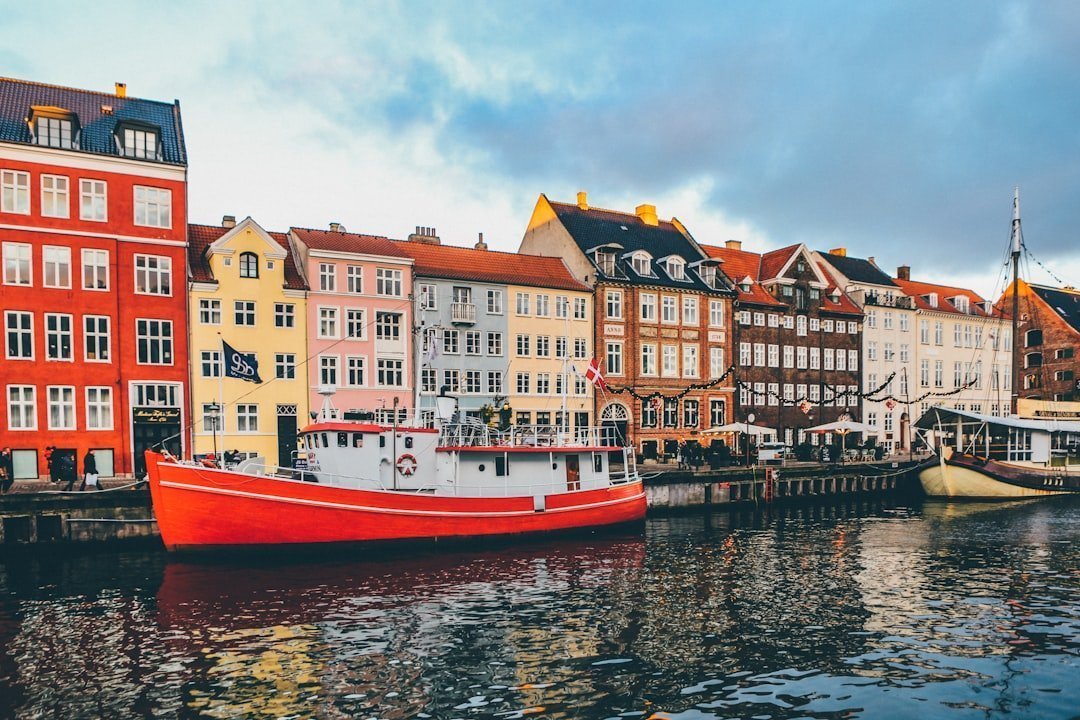
Here’s a destination that surprises people. Denmark is not dangerous in the traditional sense, but American travelers there are experiencing something new and deeply uncomfortable: open, politically charged rejection. According to recent data from YouGov, “European favorability of the USA” across seven major European countries has experienced a notable drop since Trump took office again, falling between 6 and 28 percentage points. Opinion toward the U.S. is lowest in Denmark, unsurprisingly given the controversy over U.S. claims over Greenland.
Seven out of ten surveyed travelers said Americans will be perceived more negatively and less welcome when traveling abroad. Denmark is the sharpest illustration of that shift. Nearly 40% in the Netherlands and about 38% in Portugal and Belgium said they have a negative view of American tourists, but Danish sentiment runs even colder given the direct political friction. It’s not violence, but it’s not a warm welcome either.
Think of it like showing up to a neighbor’s party after loudly announcing you want to take their garden. The smiles are thin. Political tensions, policy shifts, and changing global perceptions have created an environment where American passports don’t open doors quite like they used to. In Denmark, your nationality is a conversation you did not ask to have and cannot easily escape.
7. France: The World’s Most Visited Country Doesn’t Love Americans Right Now
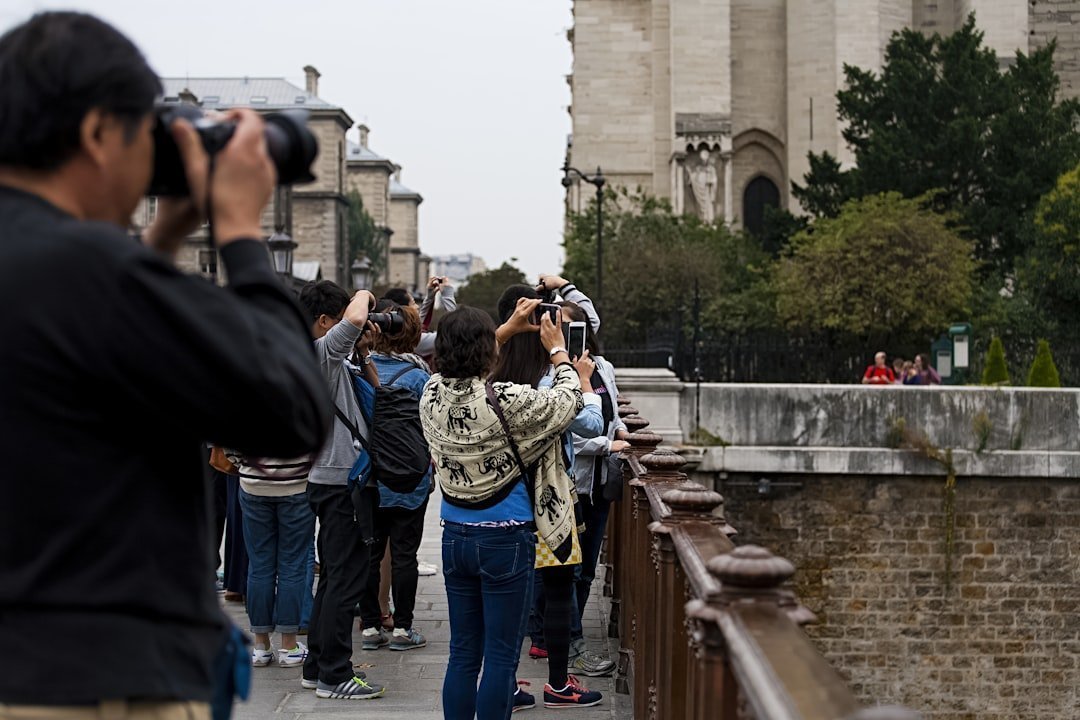
France has long had a reputation for being frosty toward certain visitors. In 2025 and 2026, that chill has turned distinctly political for Americans. France reportedly takes the top spot for unwelcoming attitudes, with 15% of French respondents claiming that their country was the least welcoming to U.S. travelers. For a country that depends heavily on tourism, that’s a remarkable admission.
The majority of the world’s most experienced travelers expect U.S. tourists will be less welcome and perceived more negatively while traveling internationally in 2025 due to recent international policy proposals introduced by the U.S., according to a Global Rescue Snap Survey of more than 1,400 current and former members. France is cited as a primary flashpoint. Some respondents currently traveling internationally have already encountered anti-American attitudes, with one California-based traveler saying “I have already experienced much more negativity.”
Travel journalist Jill Schildhouse said she’s faced criticism for being from the U.S. while traveling several times. One instance occurred in Australia in early November 2024, when she and two other American journalists were discussing the election over dinner and a woman walked up to their table, cursed them, and told them to go home. It’s hard to say for sure that France is quite that volatile, but the sentiment is real and intensifying. Political factors loom larger than ever before in shaping how Americans are received worldwide.
8. Venezuela: Legal Jeopardy Meets Political Chaos

Venezuela has descended into one of the most legally perilous environments on the planet for Americans. Venezuela is now under a Level 4 advisory as of December 2025, just before a U.S. military operation in January 2026 that launched airstrikes into the country and took President Nicolas Maduro and his wife into custody on narco-terrorism, drug-trafficking, and weapons charges. The country is now effectively a conflict zone.
Venezuela is included on the most serious travel warning list due to surging violent crime, kidnappings, and political instability. Detentions of foreign nationals have increased, and basic services can be unreliable. U.S. diplomatic capabilities in the country are limited, reducing the government’s ability to assist Americans during emergencies. That’s a devastating combination of circumstances for anyone holding a U.S. passport.
Crimes involving firearms such as robbery, carjacking, sexual assault, and kidnappings for ransom are common, and U.S. citizens have been victims, with some harmed or killed. Kidnappers target victims both randomly and through planned attacks, often demanding significant ransoms. Following the 2026 U.S. military action in Venezuela, the hostility toward individual American travelers has arguably reached a new high point. The passport in your pocket is no ordinary travel document there. It’s a liability.
9. Canada: The Friendliest Neighbor Turned Complicated

Nobody expected Canada to make this list. Yet here we are. Canadians are among the travelers boycotting visits to the U.S., while several European countries have issued their own advisories for citizens planning to travel to the United States. The relationship has flipped in unexpected ways. Considering the ongoing trade tensions, “51st state” rhetoric, growing travel costs, and the weaker Canadian dollar, data confirms a sustained drop in Canadians opting for U.S. travel.
More Canadians visit the U.S. than visitors from any other country, according to the National Travel and Tourism Office. Canadians made up about 28% of total international visitor arrivals in 2024. That makes the decline especially painful for American tourism operators near the border. The same resentment is now flowing in both directions, and Americans visiting Canada are feeling it. Anti-American sentiment at the street level has become notably more common since 2025.
Canadians calling to cancel their tours “explicitly told me that it was because of the policies and the behavior of our current president,” one operator said, with Seattle tour operators reporting losing roughly a third of their business. That friction travels north with American visitors. 72% of travelers expect Americans will be less welcome abroad in 2025, and Canada, the country Americans thought they knew best, has become a reminder that goodwill between neighbors is earned, not guaranteed.
The Bigger Picture: A Passport Under Pressure

Taken together, these nine countries paint a striking picture of a world where American identity has become complicated baggage. As of March 2026, 21 countries carry a Level 4 advisory while 31 have a Level 3 warning. That’s roughly a quarter of all countries on earth posing significantly elevated risks for American travelers, as defined by the State Department. That number has never been higher in the modern era.
The expansion of the “do not travel” warning to 21 countries reflects a broader rise in global instability, driven by ongoing conflicts, geopolitical tensions, and internal unrest across multiple regions. 2025 has emerged as one of the most volatile periods in recent years for international travel advisories. Whether it is physical danger or social hostility, the American passport triggers reactions abroad that range from bureaucratic suspicion to genuine peril.
The majority of the world’s most experienced travelers expect U.S. tourists will be less welcome and perceived more negatively while traveling internationally in 2025 due to recent international policy proposals, with seven out of ten surveyed travelers saying Americans will be perceived more negatively and less welcome when traveling abroad. That perception gap has real-world consequences for millions of Americans who travel every year simply wanting to see the world.
The old assumption that an American passport is a ticket to respect and access is being tested like never before. The world has changed. How Americans navigate that change, both at home and abroad, may matter more now than at any other point in modern travel history. What would you change about how Americans present themselves to the world? Tell us in the comments.