
There is something deeply unsettling about sitting in a cramped seat at 35,000 feet and realizing, mid-flight, that you probably should have done more research before booking that suspiciously cheap ticket. Most seasoned travelers have been there at least once. The truth is, not all airlines are created equal. Some have earned their terrible reputations through years of negligence, fatal accidents, and outright regulatory failures, while others have landed on official government blacklists that the average tourist never even knew existed.
This is not a list about legroom or overpriced snacks. This is a gallery of the airlines that experienced nomads, long-term backpackers, and aviation safety analysts genuinely refuse to board, regardless of the price tag on the ticket. Some of these names will surprise you. Let’s dive in.
1. Aeroflot (Russia) – The Carrier With a Soviet Shadow
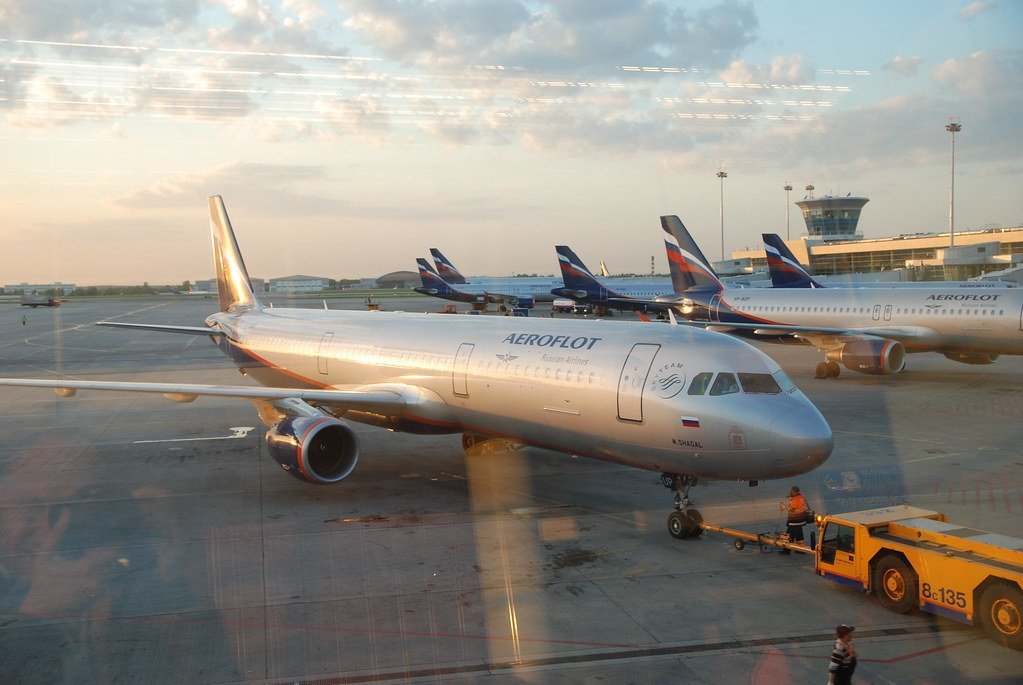
Among the world’s lowest-ranked airlines is Aeroflot, with one out of seven stars for safety. While Russia’s national carrier partially shed its unsafe reputation at the end of the Soviet era, when it was notorious for its high accident record with 721 incidents between 1946 and 1989, it is again considered to be one of the least safe carriers to travel with.
One of its most deadly accidents in recent years took place in 2019, when flight number 1492 caught fire during an emergency landing at Moscow’s Sheremetyevo airport, killing 41 of the 78 people on board. That kind of incident does not fade easily from public memory.
Universally described as the worst large airline in the world by multiple travel analysts, Aeroflot is the Russian state carrier and its planes are not exactly known as being modern and world-standard. Nobody trusts their official accident statistics either, in a country where state media reports cannot be questioned.
In a worldwide list from AirlineRatings.com, Aeroflot scored a zero out of ten. In fact, all six airlines scoring a zero are Russian ones. Honestly, that is a statistic that speaks for itself.
2. Air Koryo (North Korea) – The World’s Only One-Star Airline

Often dubbed the “world’s only one-star airline,” Air Koryo is infamous for its outdated Soviet-era fleet, minimal service, and lack of transparency. Flights are rare and heavily monitored, with propaganda replacing entertainment. Safety standards are questionable, and international aviation bodies have long criticized its maintenance practices.
According to Skytrax, Air Koryo was the only one of 681 carriers to maintain a one-star ranking for four years running. The aging Soviet planes are in such bad shape that Kim Jong-un actually had to take an Air China flight to the U.S. presidential summit in Singapore. Let that sink in for a moment.
With a safety rating of just one out of seven, Air Koryo offers limited data due to secrecy, but its outdated Soviet-era fleet raises major concerns. Airlines like Air Koryo operate aircraft over 30 years old, significantly increasing the risk involved.
Air Koryo is subject to operational restrictions and can only fly to the EU with specific aircraft types. Even European regulators don’t trust most of the fleet to cross their airspace. That tells you everything.
3. Lion Air (Indonesia) – A History of Fatal Tragedy
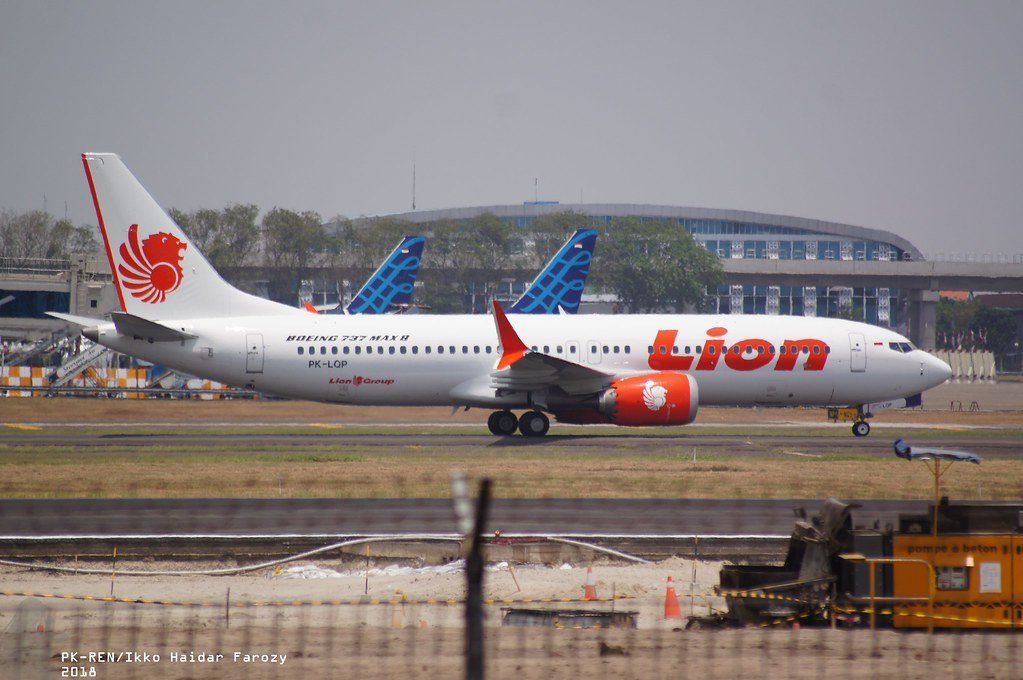
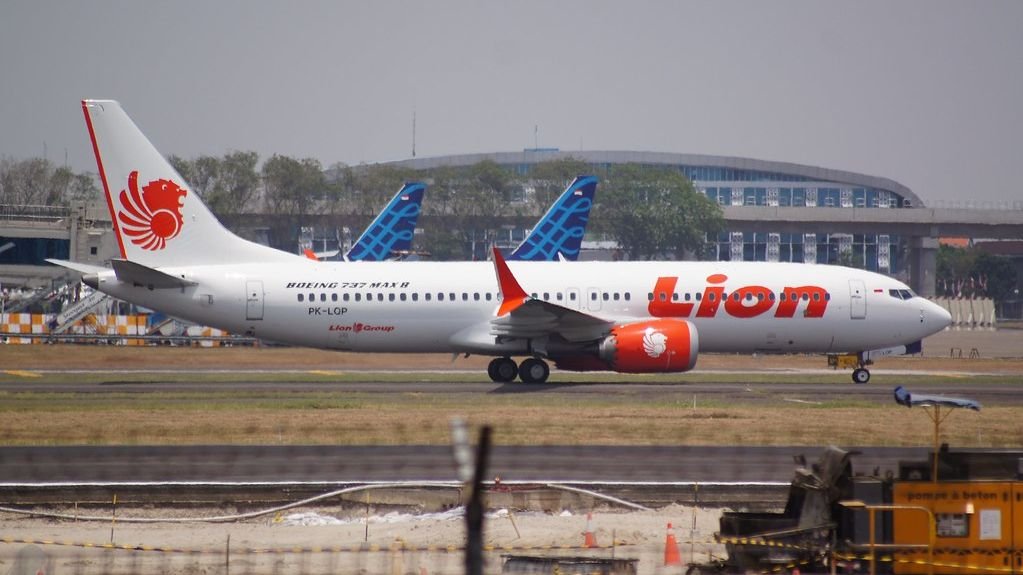
Lion Air has a two-star rating and has seen its fair share of tragedy. In 2018, one of its planes crashed into the Java Sea after take-off from Jakarta, killing all 189 people on board. That crash, involving a Boeing 737 MAX, became one of the most high-profile aviation disasters of the decade.
Lion Air, Indonesia’s largest private airline, serves around 40 destinations and until recently was banned from traveling to the EU at all due to safety concerns, with a whopping 15 serious accidents over the years, including a fatal crash.
Lion Air has a troubling history of fatal crashes and poor pilot training, a pattern that has made safety-conscious travelers wary of booking, regardless of how affordable the fares look on screen. Think of it like buying the cheapest helmet at a motorcycle shop. Technically it’s a helmet. But still.
4. Yeti Airlines (Nepal) – Where Mountain Beauty Meets Airborne Danger

Yeti Airlines has been involved in several accidents over the years, including the 2008 crash of a Twin Otter aircraft near Lukla, which killed 18 people. Nepal’s treacherous Himalayan terrain makes every flight an elevated challenge, both literally and figuratively.
Yeti Airlines, along with all other Nepali carriers, is currently banned from operating in European Union airspace due to safety concerns. This ban reflects broader issues within Nepal’s aviation sector.
Nepal’s safety rating sits at just two out of seven. High-risk routes and aging aircraft are primary contributing factors to the elevated risk profile. It’s hard to say for sure whether any individual flight will go wrong, but the odds are far less comfortable than on more regulated carriers.
Despite its challenges, Yeti Airlines has made efforts to improve safety, including pilot training and fleet upgrades. However, its accident history and the inherent risks of flying in Nepal continue to impact its reputation.
5. Air Tanzania (Tanzania) – Freshly Added to the Blacklist

The latest EU Air Safety List update added Air Tanzania to the list due to safety concerns identified by the European Union Aviation Safety Agency. This was a significant and damning official action, not just a travel blogger’s opinion.
Air Tanzania was added to the EU Air Safety List due to safety concerns highlighted by EASA. These concerns also resulted in the denial of a Third Country Operator authorisation for the airline. Being denied TCO authorisation is essentially a formal rejection from operating in European skies.
On 3 June 2025, all Surinamese and Tanzanian air carriers were banned from EU airspace due to not meeting international aviation standards. Key issues include a lack of qualified personnel, weak oversight of flight operations and aircraft maintenance, and broad regulatory non-compliance with ICAO norms.
6. Jeju Air (South Korea) – A Shocking End to an Otherwise Clean Record

On 29 December 2024, when the Boeing 737-800 operating the flight was approaching Muan, a bird strike occurred with both engines ingesting birds, causing an apparent loss of thrust. The pilots issued a mayday alert, performed a go-around, and on the second landing attempt, the landing gear did not deploy and the airplane belly-landed well beyond the normal touchdown zone. It overran the runway at high speed and collided with a concrete structure. The collision killed all 175 passengers and four of the six crew members.
The crash was the deadliest aviation disaster involving a South Korean airliner since the 1997 crash of Korean Air Flight 801 in Guam. It was also the first fatal accident in Jeju Air’s 19-year history. One disaster can shatter decades of trust overnight.
An increase in booking cancellations was recorded by Jeju Air following the crash, with 33,000 domestic flight reservations and 34,000 international reservations called off. Travelers voted with their feet, and in enormous numbers.
Police in South Korea banned Jeju Air chief executive Kim E-bae from leaving the country amid an investigation into the deadliest-ever air disaster on South Korean soil. Police issued a statement saying they planned to “swiftly and rigorously determine the cause and responsibility” for the accident.
7. Pakistan International Airlines (PIA) – Pilot Scandals and Decades of Concern

Pakistan International Airlines has a long history of safety concerns. Over the years, the airline has suffered multiple fatal crashes, including a 2020 accident in which a plane crashed into a residential area, killing 97 people. A plane crashing into a residential neighborhood is the kind of thing that redefines what “worst case scenario” means.
On 30 June 2020, EASA suspended Pakistan International Airlines’ authorisation to operate to EU member states for a period of six months following the crash of flight PK8303 and a subsequent PIA pilot license scandal. In late 2020 and early 2021, the ban was extended by another three months and later indefinitely.
Pakistan’s aviation safety rating stands at three out of seven. The 2020 crash killed 97 people, and pilot licensing scandals alongside maintenance issues have been widely reported. Let’s be real, a nationwide pilot licensing scandal is not a minor footnote. It’s a systemic failure.
Notably, EASA lifted the suspension imposed on PIA since 2020 in late 2024. Substantial safety improvements made by PIA and the Pakistan Civil Aviation Authority enabled the airline to resume flights to the EU. Recovery is possible, but the scars of that era linger for many travelers.
8. Blue Wing Airlines (Suriname) – A Country-Wide Aviation Crisis

Suriname’s airline carriers carry a safety rating of just two out of seven. They face an EU ban due to safety violations, with multiple crashes including one in 2008 that caused 19 fatalities. A country with a population smaller than most major cities somehow managed to develop one of the world’s worst aviation safety reputations.
Following the latest EU update, all air carriers certified in Suriname have been included on the EU Air Safety List and can no longer operate in the EU. This decision is based on serious safety concerns identified during assessments conducted by European Union aviation safety experts, who revealed that civil aviation authorities in these countries are unable to ensure compliance with international safety standards.
For Suriname, the identified safety shortcomings cover both operational and regulatory areas. That is a double-layered failure. It is not just the airline flying badly. It is the entire national system that is meant to be watching them that has collapsed.
What makes this especially troubling is that travelers visiting Suriname may have no alternative. When an entire country’s aviation oversight system fails, there is no “safer option” on the departure board to switch to.