
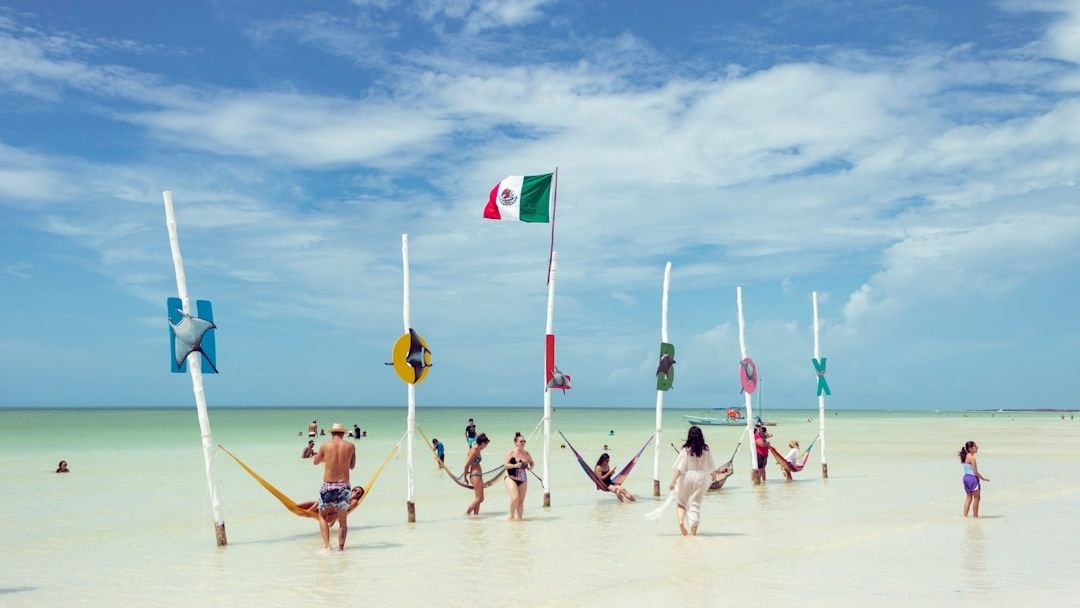
There was a time when booking a trip to Cancún felt exciting. Turquoise water, white sand, all-inclusive everything. A guaranteed good time. For millions of people, it still is. Yet something has been quietly shifting over the last two years that anyone paying close attention can no longer ignore. The numbers are slipping. The vibe is changing. The serial travelers, those restless souls who have been coming here for years, are starting to look elsewhere.
This is not a eulogy for Cancún. It is something more interesting than that. It is the story of a destination reaching a crossroads, and the fascinating question of what comes next. Let’s dive in.
The Numbers Don’t Lie: Cancún’s Visitor Decline Is Real

Let’s start with cold, hard data, because this conversation deserves it. In 2024, Cancún received 9.72 million international visitors, representing a 3% decrease from 2023’s 10.04 million. That might sound small, but for a destination that had been growing every single year, it is a notable reversal.
According to figures from the Sustainable Tourism Advanced Research Center (STARC) at Universidad Anáhuac Cancún, in the first half of 2025 alone, U.S. arrivals decreased by 6.5%, falling from approximately 3.09 million visitors in early 2024 to 2.89 million in 2025. That is not a blip. That is a trend.
Data from Mexico’s National Institute of Statistics and Geography (INEGI) shows that foreign air tourism fell by 3.6 percent in July 2024 compared to the previous year. This downward trend persisted in August with a 6.2 percent drop and worsened in September, showing a 6.4 percent decrease. Three consecutive months heading in the wrong direction. Think about what that means for the local economy.
Insecurity and a lack of tourism promotion have been blamed for a 2% decline in international arrivals to Cancún in January 2025, the first year-over-year decrease for any month in almost seven years. Seven years of uninterrupted growth, suddenly halted. That is the kind of stat that keeps tourism officials up at night.
The Seaweed Crisis Nobody Wants to Talk About

Here is the thing that travelers almost never factor in when booking that dream Cancún trip: the beaches are not always what the brochure shows. Each year, large quantities of sargassum wash up in Cancún and the wider Mexican Caribbean, and when this brown seaweed gathers onshore, it causes unpleasant smells, emits irritating gases, reduces water quality, and burdens vulnerable coastal ecosystems and public services.
2025 shaped up to be one of the most severe sargassum seasons on record, with satellite data showing that Atlantic seaweed volumes at the start of the year already exceeded recent highs, and more than 40,000 metric tons were removed from Mexican beaches during all of 2024. That is not a small beach-cleaning operation. That is a logistical war being waged every single day.
According to the Inter-American Development Bank, even a moderate bloom, covering only about 4% of total Atlantic sargassum reaching Mexico, cut tourist arrivals in Quintana Roo by 11.6% between 2016 and 2019. Honestly, that number shocked me when I first read it. Nearly twelve percent of visitors gone, simply because the beach smelled bad.
Airlines and travel agencies have noted similar trends – when news of “seaweed invasion” hits headlines, bookings for Cancún and Playa del Carmen tend to dip. Perception, right or wrong, is everything in the travel industry. Once the photos of brown, smelly shorelines go viral on social media, no amount of marketing budget can undo the damage.
Safety Warnings Are Reshaping Traveler Decisions
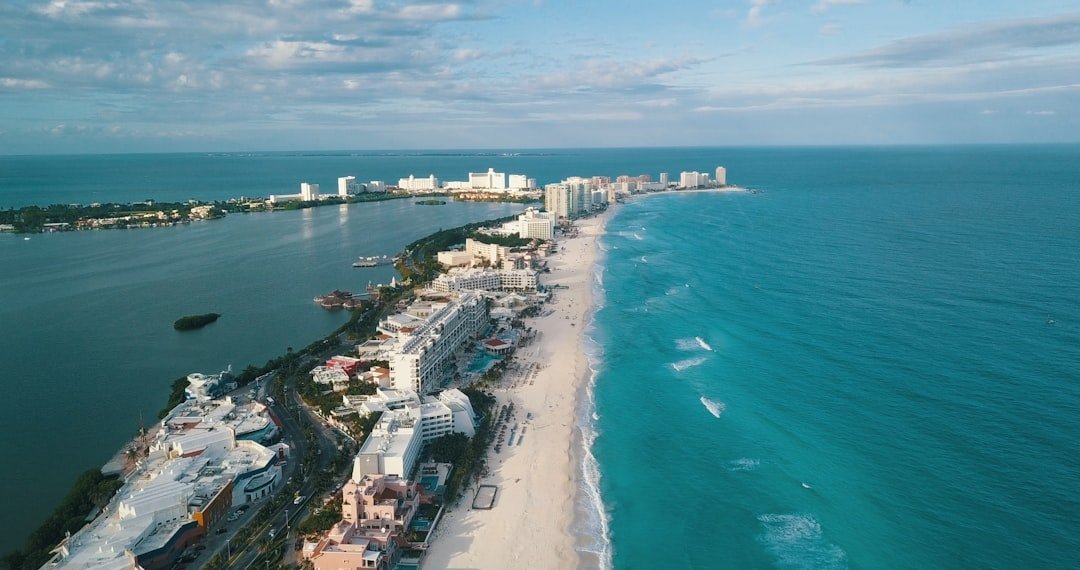
Concerns about safety have risen in recent years, prompting the U.S. Department of State to issue a Level 2 advisory for the state of Quintana Roo, which includes Cancún. The advisory encourages travelers to “exercise increased caution” due to rising crime rates, particularly petty thefts and occasional violent incidents. That kind of official language carries real weight with first-time visitors.
While Cancún remains one of the safest cities in Mexico for international tourists, reports indicate that petty crimes such as pickpocketing, scams, and thefts have become more common. Government data from early 2024 reveals that robbery accounted for almost 25% of reported crimes in the area, with most incidents taking place outside the resort zones.
Tourism from the United States to Mexico has slowed down this year and is not meeting expectations due to a number of reasons including travel warnings and advisories posted by the U.S. State Department, according to the Mexican Tourism Board. Mexico has seen a significant decline in American visitors to major Mexican beach destinations this year, especially Cancún. It is hard to overstate how much those formal advisories influence family travel decisions.
Riviera Maya hotel occupancy dropped to 44 percent in one recent month, according to the Tulum Times, a tourist publication in the area, which reported this season is “one of the worst low seasons in years” as more than half of all hotel rooms sat idle. Half-empty hotels in a region once synonymous with sold-out resorts. That tells you everything.
Destination Fatigue: The Serial Traveler Problem

Here is a concept that does not get nearly enough attention in mainstream travel media: destination fatigue. It is exactly what it sounds like. Many tourists are opting for experiences that prioritize cultural engagement over beach lounging. A sense of “destination fatigue” is occurring, as frequent visitors seek new destinations after multiple trips to the same regions. Think of it like a favorite restaurant you have visited too many times. You still like it, but the magic is just gone.
After the pandemic, destinations like Cancún benefited from relaxed travel restrictions, but as options reopened globally, travelers began exploring a wider array of choices. Europe’s allure has particularly heightened, attracting travelers who have visited Cancún multiple times and are now looking for something new. The pent-up demand that supercharged post-pandemic Cancún has now, predictably, exhausted itself.
Many U.S. travelers are shifting their focus towards urban adventures, drawn to Mexico City’s vibrant culture, rich history, and diverse culinary scene. The STARC report highlights that tourists are now gravitating towards cities that offer a more culturally immersive experience. Cancún, it seems, is paying the price for being almost entirely built around the resort experience rather than authentic cultural depth.
Tulum’s Complicated Identity Crisis
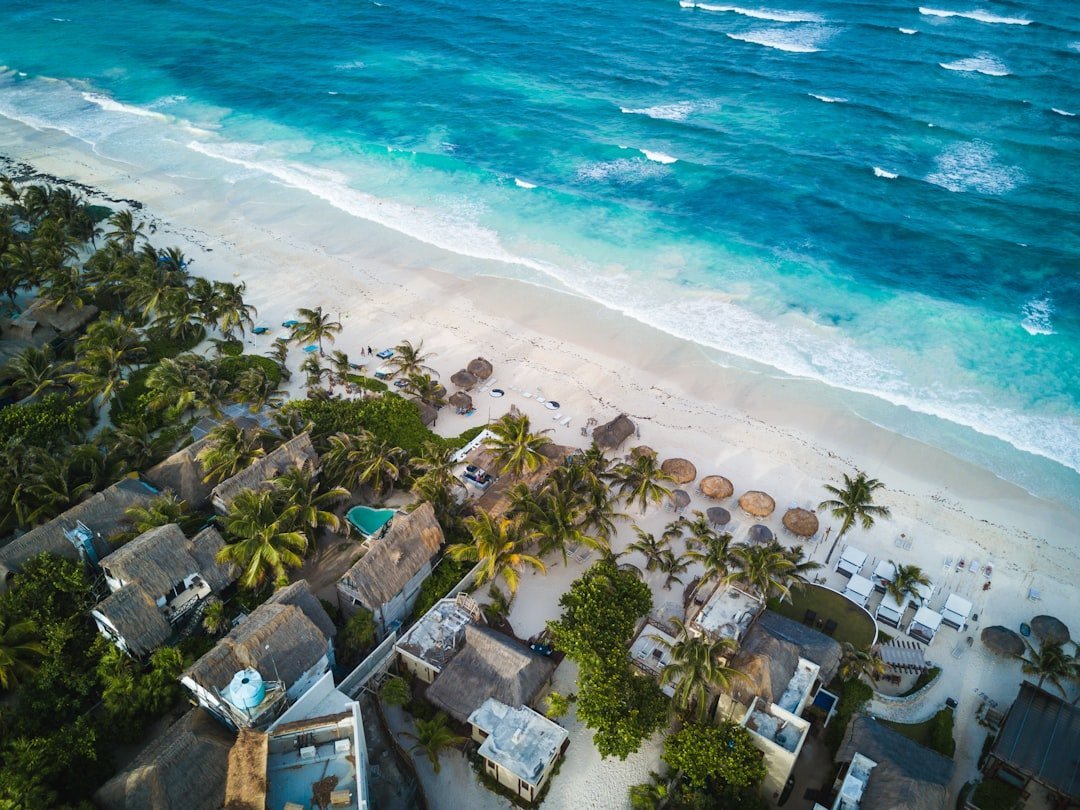
If Cancún is the aging king, Tulum was supposed to be the cool younger heir. The boho-chic alternative. The eco-conscious paradise. Honestly, it has had a rough few years too. Tulum has a split personality problem. There is Tulum Pueblo, the actual town where locals live, and there is Tulum Beach Zone, where beach club cocktails start at $20, eco-chic villas charge $400 a night, and the Instagram aesthetic has entirely consumed the travel experience.
In 2025, scheduled air capacity for Tulum was expected to drop by about 23% in December 2025 compared to December 2024. Less capacity can mean fewer convenient options and sometimes higher prices on the flights that remain. Airlines vote with their seat capacity. A 23% reduction is a loud vote of no confidence.
The disadvantages of the region include sargassum season, variable from April through October in recent years, overtourism in Tulum particularly, and a coastal strip that can feel more like a tourist industry than a travel destination. That last phrase is brutal but accurate. Traveling somewhere that feels like it was designed exclusively as a backdrop for other people’s Instagram photos is not everyone’s definition of a vacation.
The Hunters: Where Serial Travelers Are Going Instead
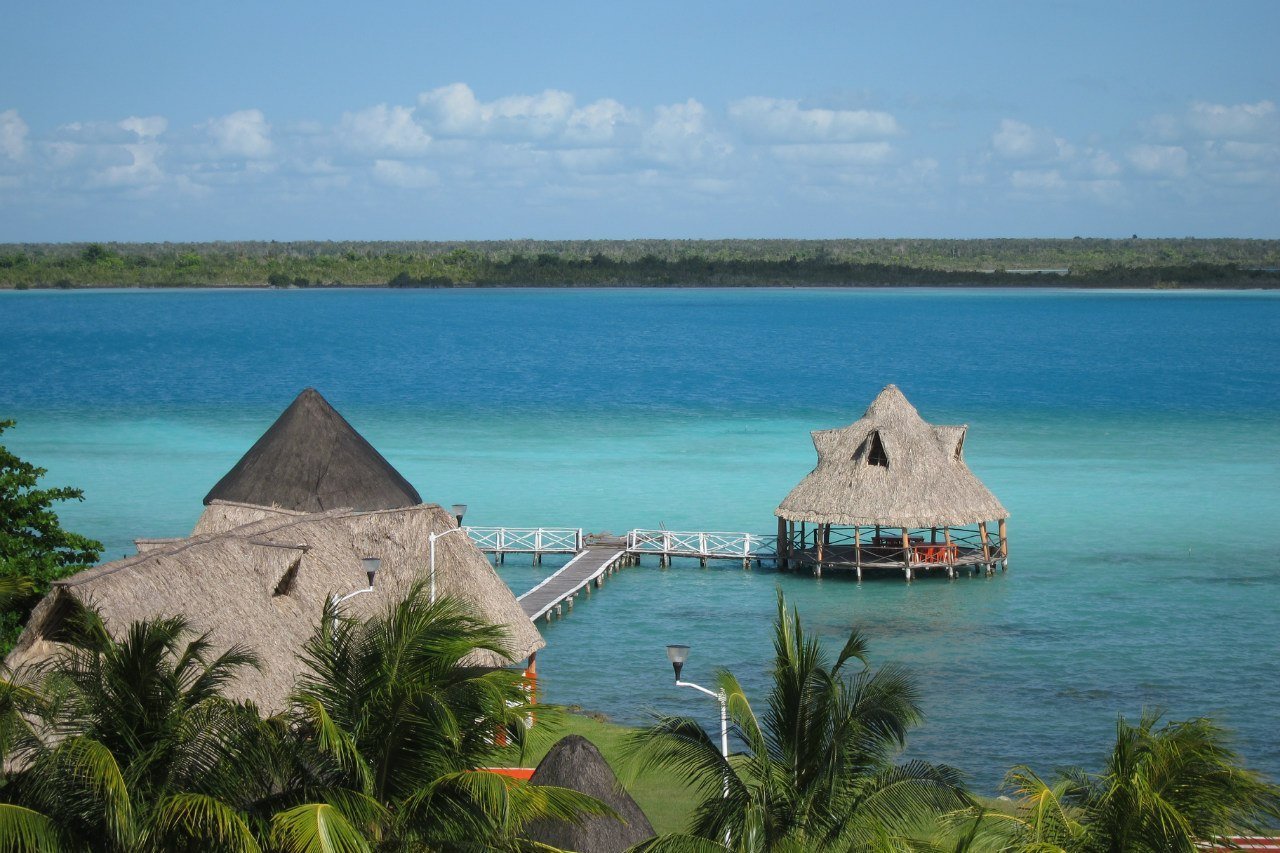
So where are the serial travelers actually going? The answer, it turns out, is fascinating. Located on Mexico’s Yucatán Peninsula, Bacalar has become a quieter alternative to heavily-touristed cities such as Cancún and Tulum, offering Maya ruins, a historic fort, colorful downtown, and a dazzling lagoon. Picture the Maldives, but reachable without a 20-hour flight and a budget-destroying price tag.
A little over 100 miles south of Tulum, Bacalar offers an experience like that of the Mexican Caribbean during its early days. The laid-back, waterfront town founded in the 5th century features wellness experiences, historical sites, boutique hotels, and outdoor recreation, with its local flair still intact. That phrase, “its local flair still intact,” is doing a lot of heavy lifting. It signals everything the mega-resort corridor has lost.
While the Riviera Maya continues to draw large numbers of international visitors, quieter Pacific destinations are increasingly framed as sustainable alternatives for 2026, with travel trend reporting highlighting lesser-known stretches of coastline in states such as Oaxaca, Nayarit and Jalisco, where smaller-scale development and rugged terrain have naturally limited mass tourism. These are not fringe choices anymore. They are becoming mainstream alternatives for the informed traveler.
Long known as the “pearl of the Pacific,” Mazatlán offers wide beaches and lots to do, but with fewer crowds than Mexico’s larger coastal destinations. It is home to what tourism officials claim is the second-longest oceanfront boardwalk in the world, as well as a beautifully restored historic downtown with an opera house. The opera house detail alone is the kind of thing that makes a culturally curious traveler sit up and pay attention.
The Construction Paradox: Building More While Visitors Leave

Here is the strangest part of this whole story. Even as visitor numbers decline and hotel occupancy softens, the construction cranes have not stopped. Cancún and Riviera Maya dominate hotel construction in Mexico with over 90% of new rooms built in the country in recent years. Ninety percent. That is not diversification. That is a region doubling down on a single bet.
Kimpton Tres Ríos opened as the brand’s first all-inclusive resort in Mexico, bringing a blend of luxury and sustainability to the Riviera Maya and built on a 326-acre nature reserve with 355 suites designed with modern comfort and eco-conscious details. New properties keep opening, each one promising to be different, more sustainable, more luxurious, more experiential than the last.
One flagship policy initiative is the National Strategy for Beach and Coastal Cleaning and Conservation 2025 to 2030, which seeks to remove plastic waste from beaches and coastal zones by the end of the decade. The program encourages destinations to pair routine cleanups with better land-use planning and restrictions on new construction in highly sensitive dune, mangrove and reef areas. Government policy is finally catching up to the environmental reality, though some would argue it is far too late.
It is worth noting that despite all the softening, Cancún International Airport handled 19,464,554 international passengers year-to-date in 2025. That is still a staggering number. Cancún is not dying, not really. It is more accurate to say it is maturing, slowly, and perhaps painfully, into a destination that can no longer rely on simply being the easiest choice.
Conclusion: The Next Riviera Maya Is Already Out There

The travelers who fell in love with Cancún twenty years ago, when it felt fresh and exciting, are the same ones now searching for the next unspoiled version of it. They want that feeling back. The discovery. The sense that they found something before the crowds did. Unlike overrun Mexican Caribbean towns that have been damaged by unfettered development, in places like Bacalar the community has come together to protect its fragile resource that doubles as its greatest tourism attraction. That is the model. Protect first, develop second.
The real question is not whether Cancún will survive. It will. The resort infrastructure is too massive, the airport connections too deep, the brand recognition too global for it to simply disappear. The real question is whether the Mexican Caribbean can reinvent itself fast enough to hold onto the travelers who are already halfway out the door. The “next” Riviera Maya may not be a single place. It might be a mindset.
What kind of traveler are you: the one who keeps going back to the familiar, or the one already checking flights to Bacalar? Tell us in the comments.