
Some destinations come with more than just baggage.
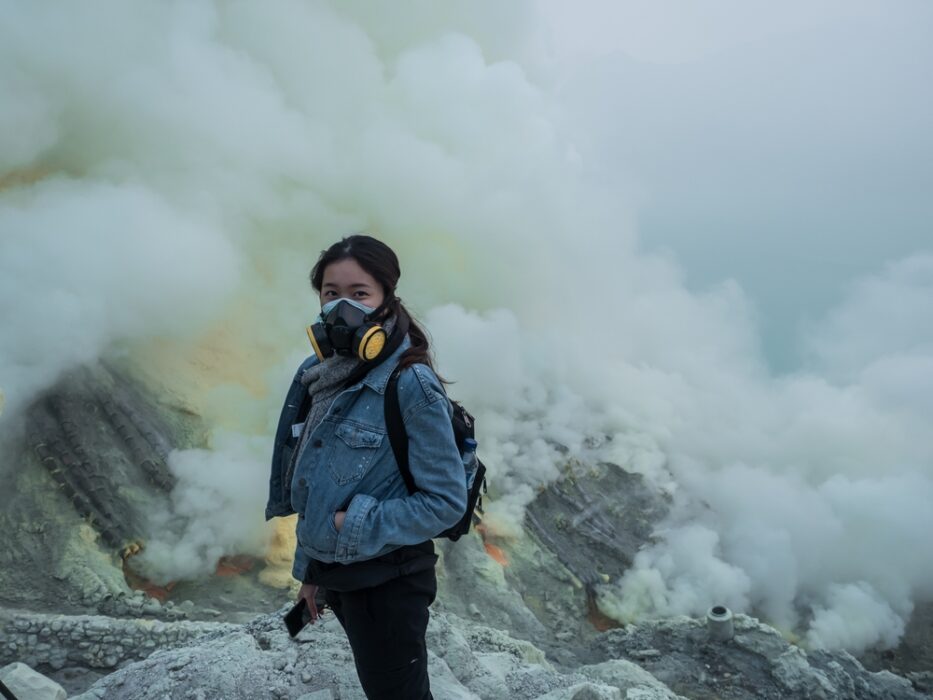
Your travel bucket list probably features pristine beaches and bustling cultural capitals, but some urban centers around the globe harbor unseen dangers. These aren’t your typical tourist traps; they are places where the environment itself poses a significant risk to well-being, a reality often overshadowed by their other attractions or historical significance.
Understanding these hazards can help you make more informed travel decisions, prioritizing your health alongside your wanderlust. This isn’t about fearmongering, but about awareness for the discerning traveler.
1. A Siberian city suffers under a cloud of heavy metals.
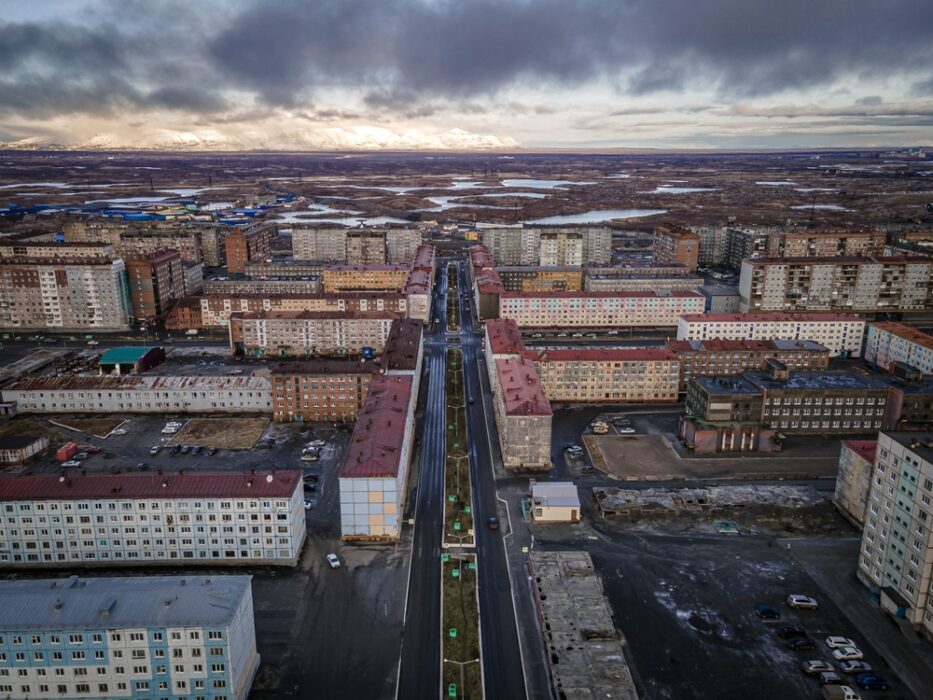
Tucked away in the Siberian Arctic, Norilsk, Russia, is a city built on mining, but that industry comes at a steep environmental price. The air is often thick with sulfur dioxide from nickel smelting, which can cause respiratory issues and contributes to acid rain that has destroyed the surrounding tundra. The local rivers have been known to run red from industrial runoff, a stark visual of the pollution that residents face daily.
For visitors, even a short stay means breathing in air containing high levels of heavy metals like nickel and copper. The landscape itself, with dead forests stretching for miles, tells a story of ecological distress, according to Time Magazine. While the city has a unique, stark appeal for some adventurous travelers, the potential health impacts of its industrial atmosphere are a serious consideration for anyone planning a trip to this remote corner of the world.
2. A century of lead mining contaminates a Zambian city.
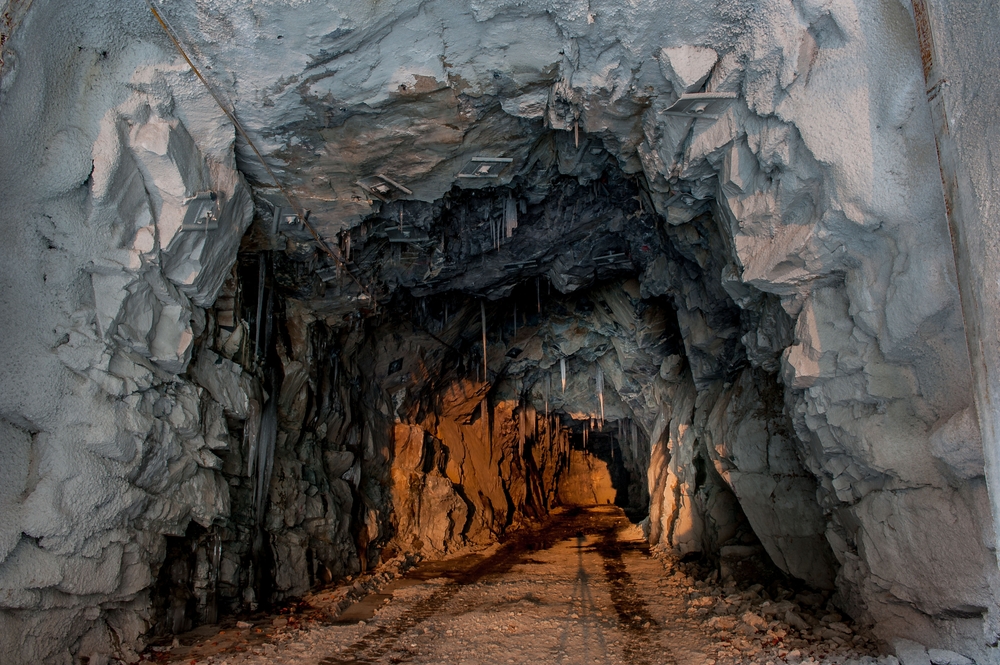
Kabwe, Zambia, carries the heavy burden of its past as a major center for lead and zinc mining. For nearly a century, a massive smelter operated without regulation, blanketing the city in lead-laced dust. Although the mine and smelter are now closed, the contamination remains deeply embedded in the soil and dust, creating a pervasive and invisible threat, especially for the city’s youngest residents who are most vulnerable to lead poisoning.
Travelers passing through might not immediately notice the danger, as it’s not a visible smog but a persistent contaminant in the ground. Simple acts like kids playing outside can lead to ingestion of the toxic metal, as mentioned in Maplecroft. Cleanup efforts are ongoing, but the scale of the problem is immense, making Kabwe a sobering example of how industrial activity can leave a toxic legacy that endures for generations.
3. India’s capital city struggles to breathe.
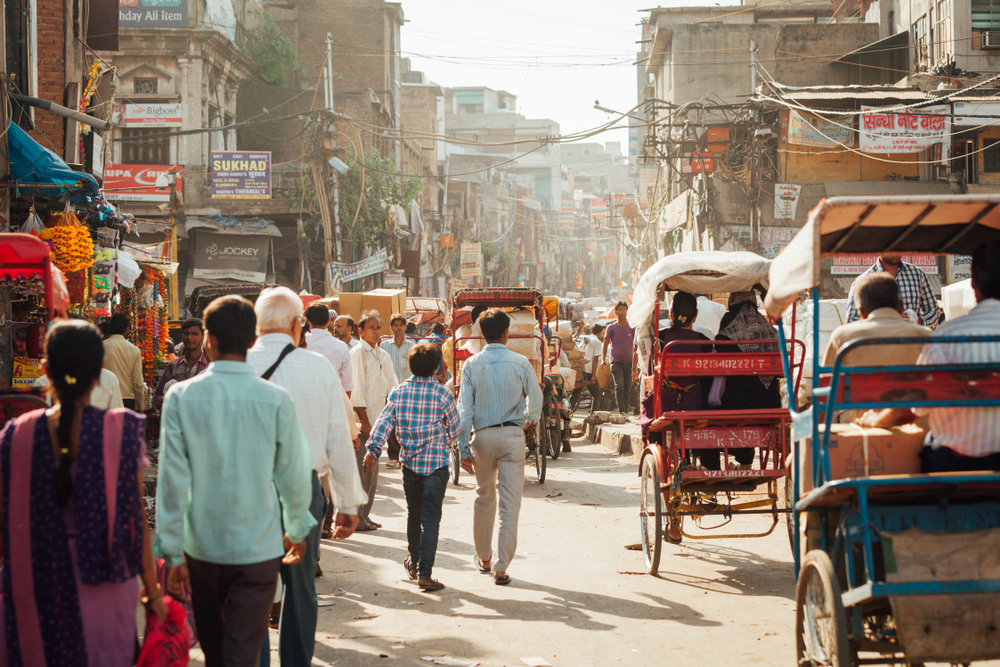
Delhi is a vibrant, sprawling metropolis rich with history and culture, but it consistently ranks among the world’s most polluted cities for air quality. During certain times of the year, particularly in winter, a thick, toxic smog descends upon the city, a hazardous cocktail of vehicle exhaust, industrial emissions, construction dust, and smoke from agricultural burning, as stated by Tomorrow City. The Air Quality Index, or AQI, frequently soars to levels considered ‘severe’ or ‘hazardous.’
A visit during these periods means exposure to pollutants that can cause immediate respiratory discomfort, stinging eyes, and aggravate conditions like asthma. The poor visibility can disrupt travel plans, grounding flights and slowing down traffic. While the city’s monuments and markets are endlessly fascinating, the experience can be severely diminished by the physical toll the air takes, forcing many to wear masks and limit their time outdoors.
4. An infamous exclusion zone still harbors invisible dangers.
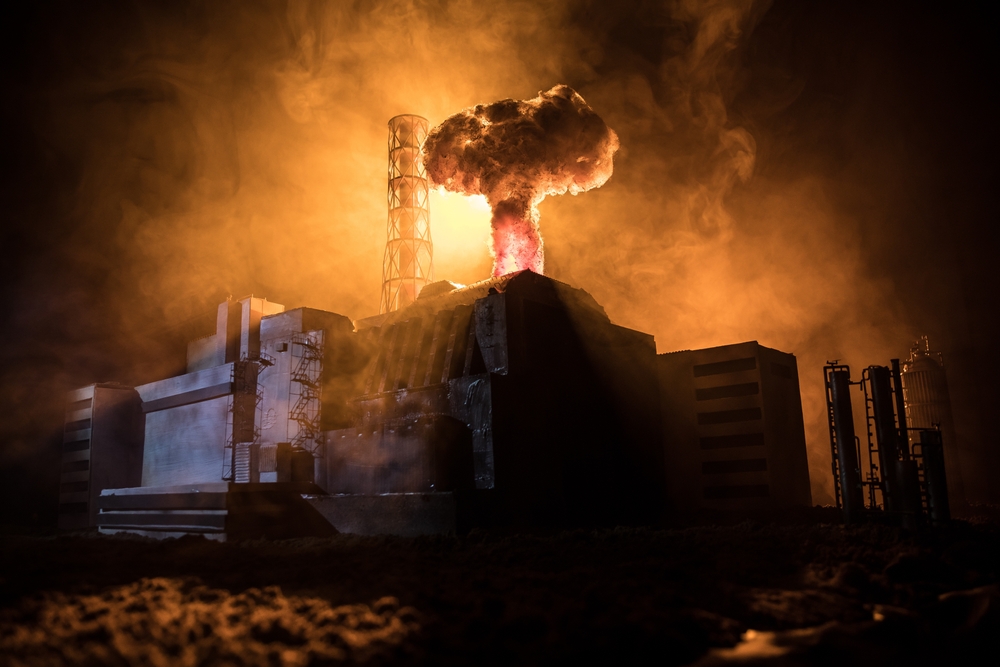
The area around the Chernobyl Nuclear Power Plant in Ukraine has become an unlikely tourist destination, drawing visitors fascinated by its haunting, abandoned landscapes. Following the 1986 disaster, a vast Exclusion Zone was established due to severe radioactive contamination. While radiation levels have decreased enough in some areas to allow for short, guided tours, the threat has not disappeared; it has merely become invisible.
Radioactive isotopes like Caesium-137 (137Cs) and Strontium-90 (90Sr) persist in the soil, plants, and buildings. Official tours follow carefully monitored routes to minimize exposure, but hotspots of high radiation still exist off the beaten path. Disturbing the soil or touching objects can be risky, and all visits come with strict rules. The haunting emptiness of Pripyat is a powerful sight, yet it’s a place where the environment itself holds a long-lasting, imperceptible hazard.
5. Oil extraction leaves a toxic sheen on a Caspian Sea capital.
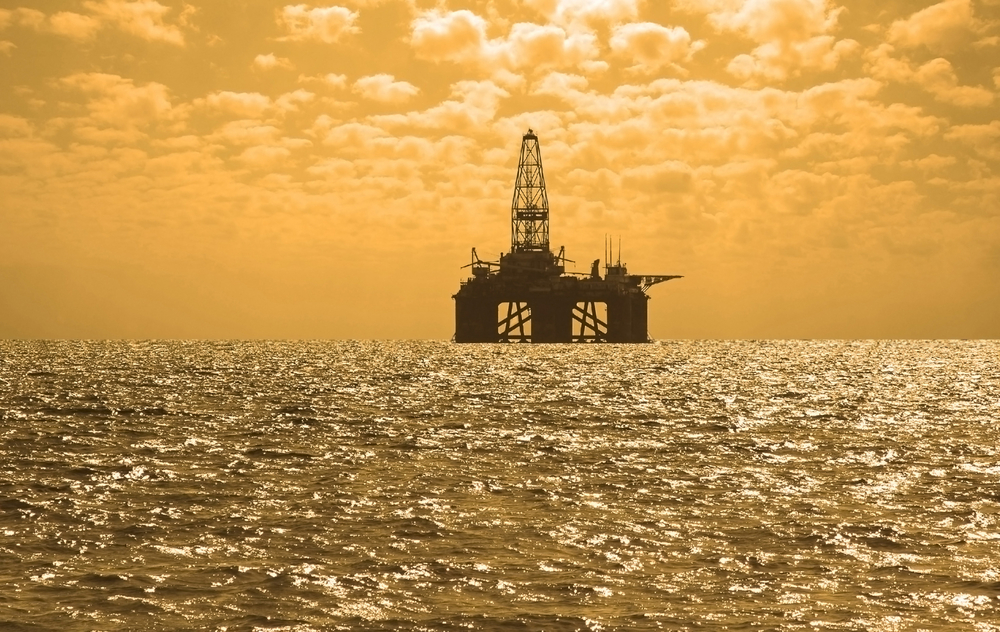
Baku, the capital of Azerbaijan, is a city of stunning contrasts, where futuristic skyscrapers stand near landscapes scarred by more than a century of oil drilling. The Absheron Peninsula, on which the city sits, is one of the most ecologically damaged areas in the world. Onshore oil fields are littered with abandoned, leaking equipment, and the soil is saturated with oil and other chemical wastes, creating a persistent environmental hazard that has endured for decades.
While the glittering city center feels a world away, the legacy of unchecked oil extraction is hard to escape. Pockets of the city and surrounding areas suffer from air pollution tied to the petrochemical industry, and parts of the Caspian Sea shoreline are fouled with oil. Visitors might be captivated by Baku’s modern architecture, but it’s a place built on an industry that has left a deep and toxic footprint on the very ground it occupies.
6. A Russian city grapples with a cold war chemical legacy.
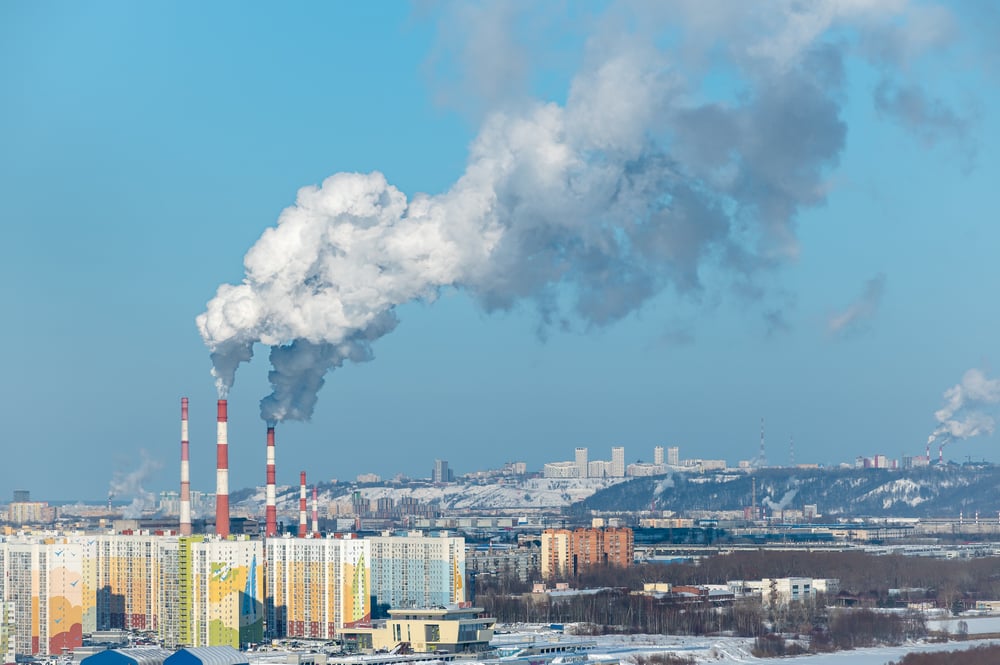
Once a secret, closed city, Dzerzhinsk was a powerhouse of the Soviet Union’s chemical manufacturing industry, producing everything from plexiglass to highly toxic chemical weapons. For decades, industrial waste, including byproducts like dioxins and phenol, were improperly disposed of in and around the city. This has resulted in horrifyingly contaminated groundwater and soil, making it one of the most chemically polluted places on the planet.
Although many of the worst factories have been shut down, the toxic legacy is now part of the landscape, lurking in what are locally known as “sludge seas”—vast dumps of chemical waste. The contamination is so profound that the city has previously been cited for its alarmingly low life expectancy. For any traveler, Dzerzhinsk serves as a chilling reminder of the long-lasting environmental consequences of unchecked industrial and military production.