
There is something quietly devastating about watching a great city shrink. Not in a dramatic, Hollywood-disaster kind of way. More like a slow exhale, a gradual dimming of a light that used to fill the entire room. These were cities that built cars, shipped goods, composed jazz, and rewrote the American story. Now, the U.S. Census Bureau data tells a different, far more sobering story.
Fresh data released by the Census Bureau in March 2026 confirmed that some of the nation’s busiest counties have seen a population decline between 2024 and 2025, with nearly eight in ten counties seeing their growth slow or reverse direction outright. These are not small towns you have never heard of. Some of them were the engines of American civilization. Let’s dive in.
1. Detroit, Michigan – The Motor City That Lost Its Engine
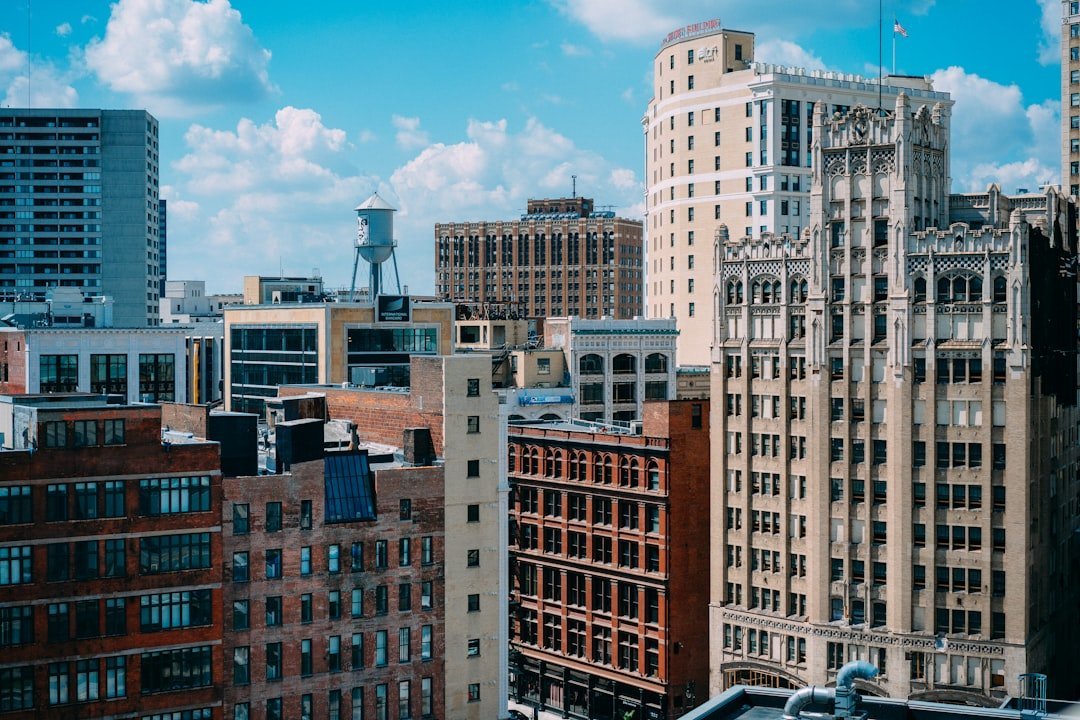
Few stories of urban decline hit as hard as Detroit’s. It is almost difficult to believe that this is the same city that once powered the world’s greatest industrial economy. Detroit has faced decades of economic and population decline, largely driven by urban decay, segregation, political challenges, and the collapse of its once-dominant auto industry, losing over 140,000 manufacturing jobs between 1947 and 1963.
From its peak population of 1.8 million in 1950, Detroit’s population fell by over 60%, dropping to 713,000 by 2010 and continuing to decline further, and the city filed for bankruptcy in 2013, facing a staggering $20 billion in unpaid bills, the largest municipal bankruptcy in U.S. history. That is not a typo. Twenty billion dollars.
The notion that Detroit is in the midst of a renaissance is untrue. Part of the shrinking city has recovered, but it is a relatively small part. Detroit’s economy has improved substantially, but the improvement has not changed the economics of business attraction caused by the city’s significant socioeconomic problems and racial disparities that, when combined with high property tax rates, make the city more expensive and lessen the expected rates of return. Honestly, a few downtown casinos and a sports complex do not a comeback make.
The U.S. Census Bureau reported in 2025 that the population of Detroit had grown for the second straight year, beginning the long process of reversing the city’s population decline. It is a glimmer of hope, but the structural damage runs deep. Projections still estimate Detroit’s population may drop to 610,000 by 2030 before stabilizing.
2. St. Louis, Missouri – A City Losing More People Than Any Other
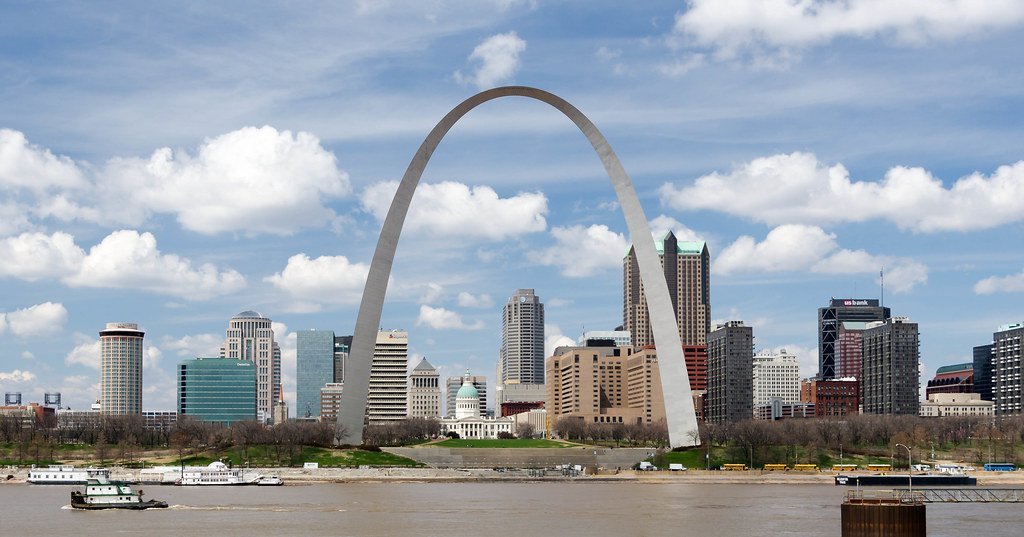
Here is the thing about St. Louis. Nobody talks about it enough. It is arguably the most dramatic ongoing population collapse of any major American city right now. St. Louis lost about 21,700 residents between 2020 and 2024, according to U.S. Census Bureau estimates. That is a lot of people choosing to leave, not just drift away.
St. Louis once had nearly 900,000 people living in the city. Now, the population stands at just under 280,000. That is a drop of about 65%. To put that in perspective, imagine a city that was once home to nearly a million people now has the population of a mid-sized college town. Sobering is an understatement.
Like many Rust Belt cities, St. Louis suffered from industrial decline. It was a booming manufacturing hub in the late 19th and early 20th century, and the International Shoe Company was the world leader in footwear production with dozens of factories in the city and state. Since then, industries moved abroad for cheaper production, leaving behind abandoned factories and vacant lots.
Among medium-sized cities, St. Louis had the highest murder rate in 2024. Yet there are actual reasons for cautious optimism. More recent reporting shows signs of hope: homicide rates in St. Louis have fallen approximately 22 percent in the first half of 2025, the lowest mid-year murder numbers in more than a decade. Whether that trend holds is the real question no one can answer yet.
3. Chicago, Illinois – Losing People to Its Own Neighbors
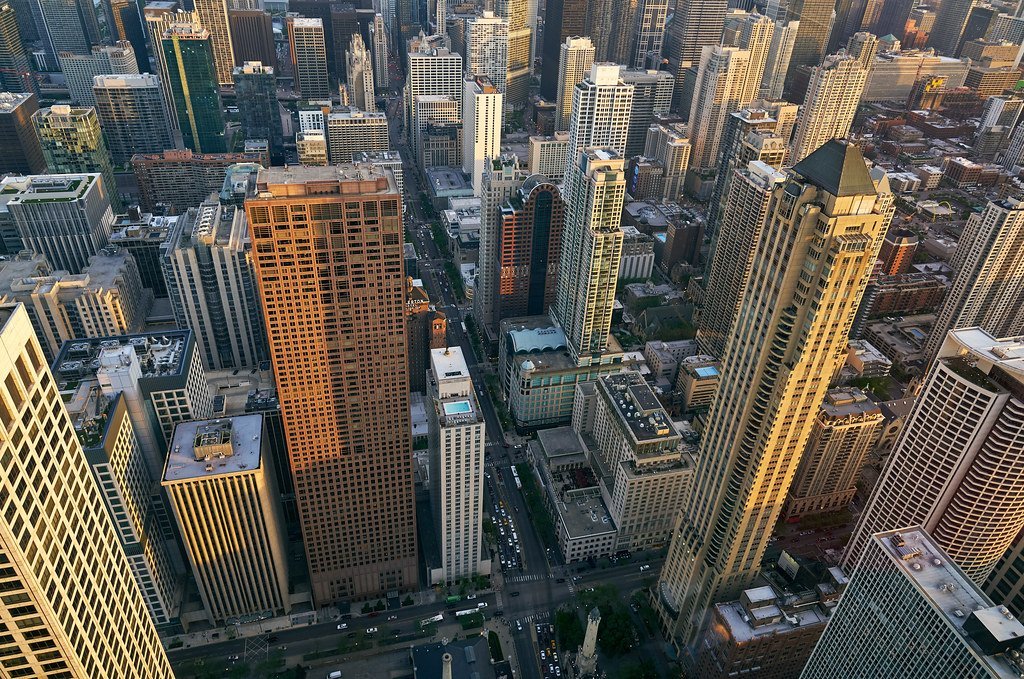
Chicago is a complicated city to include on this list. It is still enormous, still culturally powerful, still dishing out deep-dish pizza and impeccable architecture. Yet the numbers are hard to argue with. Illinois’ story is one of a slow drip of residents leaving year after year. Even though the state still attracts immigrants and has a large base population, it hasn’t been enough to counteract the domestic losses.
The consequences are showing up in representation, as Illinois lost a U.S. House seat after 2020, and the Illinois Policy Institute has argued that Illinois’ population decline is driven entirely by people moving out for “better housing and employment opportunities.” Losing a congressional seat is a quiet but telling signal of a city and state shrinking in influence, not just population.
Neighboring states like Indiana, Wisconsin, and Missouri sometimes lure Illinois residents with slightly lower costs. Indiana, for example, aggressively markets its lower taxes and cost of living just across the border from Chicago. It is almost like Chicago is inadvertently funding its own competition. The irony is hard to miss.
Chicago experienced a 21% decrease in homicides from 308 in the first half of 2024 to 243 in the first half of 2025, a result that coincided with enhanced community violence intervention programs and increased federal assistance targeting gang-related violence in high-crime neighborhoods on the South and West sides. Progress on crime is real. But people are still leaving for states with lower tax burdens and a lower cost of living.
4. Los Angeles, California – The Dream City That People Are Waking Up From
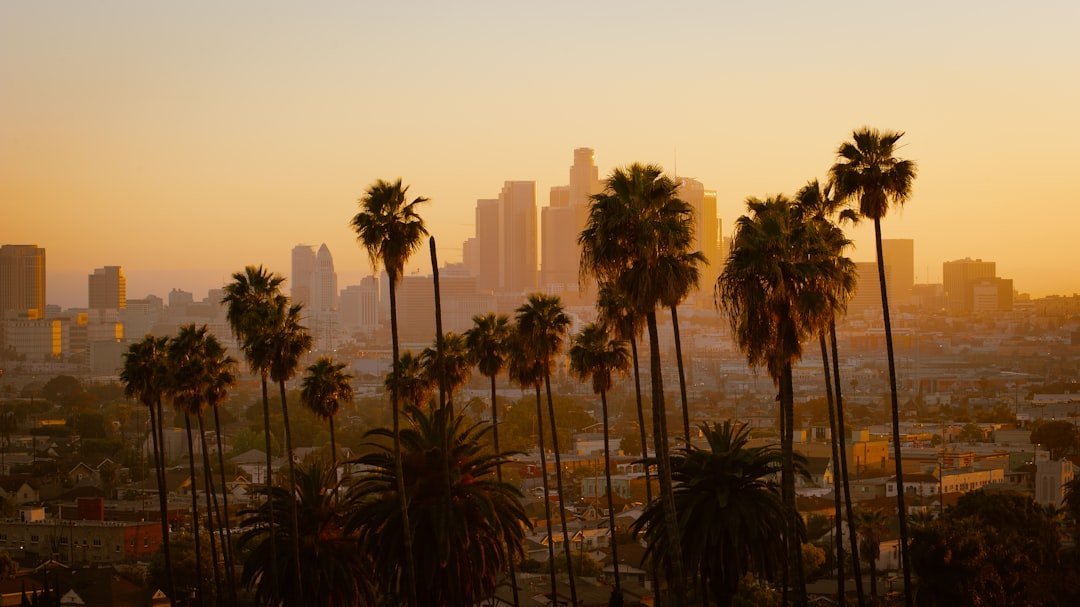
Los Angeles built the mythology of the American dream. Sunshine, fame, possibility. It sold that story for most of the twentieth century, and the world bought every word of it. Now, in 2026, the math is turning against the city in a way that feels genuinely historic. Los Angeles County saw its 2024 population of 9,748,868 drop to 9,694,934, notably down from its 2020 population of 10,017,414.
Los Angeles County has been losing residents all decade, trailing only in recent comparisons to Pinellas County, Florida, which lost nearly 12,000 residents. Think about that for a moment. One of the most iconic counties in the world is literally shrinking, year after year, in what appears to be a sustained trend rather than a pandemic blip.
California suffered an enormous net domestic out-migration, with an estimated 338,000 more people moving out to other U.S. states than moving in. The state still gains some ground through international immigration, but even that buffer is weakening fast. Five states lost population outright between July 2024 and July 2025, with California down roughly 9,000 people.
It is hard to say for sure exactly what breaks the city’s cycle. Housing costs are stratospheric, the cost of living is merciless, and wildfire risk is now a genuine year-round calculation for residents. The dream is still there, technically speaking. It has just gotten too expensive for most people to afford.
5. Baltimore, Maryland – A City Defined by Contradictions
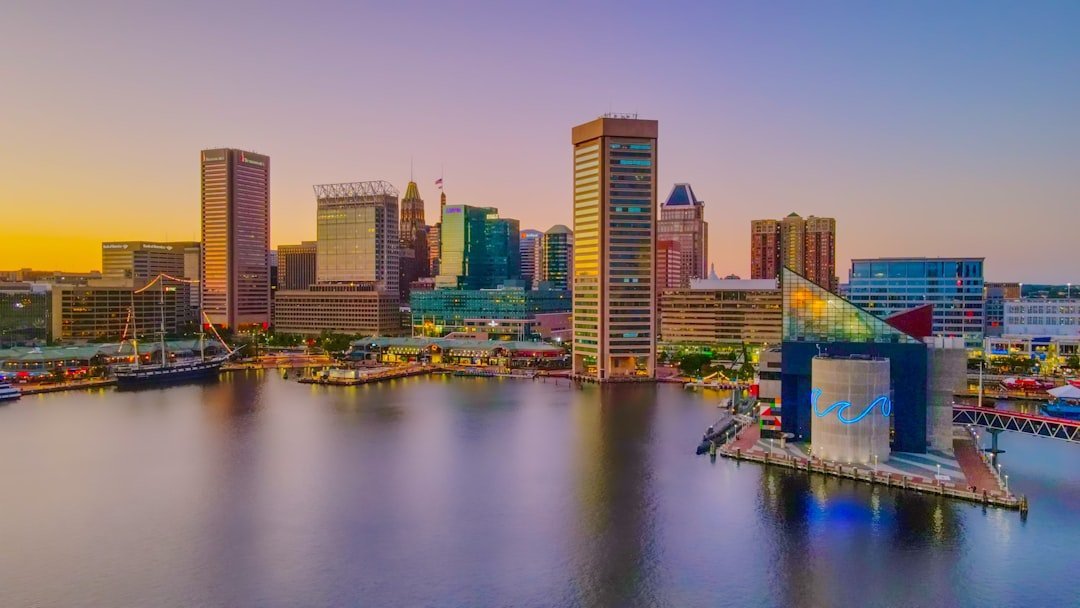
Baltimore is one of those cities that is almost impossible to discuss without hitting a wall of complexity. It has a storied history, a fierce local identity, and a waterfront that would make any city planner jealous. Yet its numbers tell a story of persistent, grinding decline that no amount of Inner Harbor renovation can fully mask. Baltimore ranked second in murders nationally while maintaining its position as the nation’s leader in robbery rates, with its crime challenges stemming from decades of economic decline, the opioid crisis, and other systemic issues.
Baltimore led the nation in robbery rates at 487 per 100,000 residents, yet managed a 19% reduction from its 2024 levels, indicating that even cities with the highest crime rates are benefiting from enhanced law enforcement strategies. That is real progress worth acknowledging. The trajectory of crime in Baltimore is genuinely improving, particularly over recent years.
In 2024, Baltimore’s homicide rate of 35.2 per 100,000 people was between its 2013 rate of 37.5 and its 2014 rate of 33.9. There is movement in the right direction, but Baltimore still ranks among the most dangerous large American cities by nearly every credible metric. The economic underpinnings of that violence have not disappeared.
Population declines continued in the nation’s three largest metros, but Baltimore’s structural challenges are layered differently. Declines in a community’s population result in decreased demand for businesses, housing, and services, which can lead to higher per capita costs among the remaining tax base for maintaining infrastructure and even the closure of local amenities. Baltimore is caught in exactly this spiral, and escaping it requires more than a new stadium or a revitalized neighborhood.
6. New York City, New York – The Giant With a Slow Leak
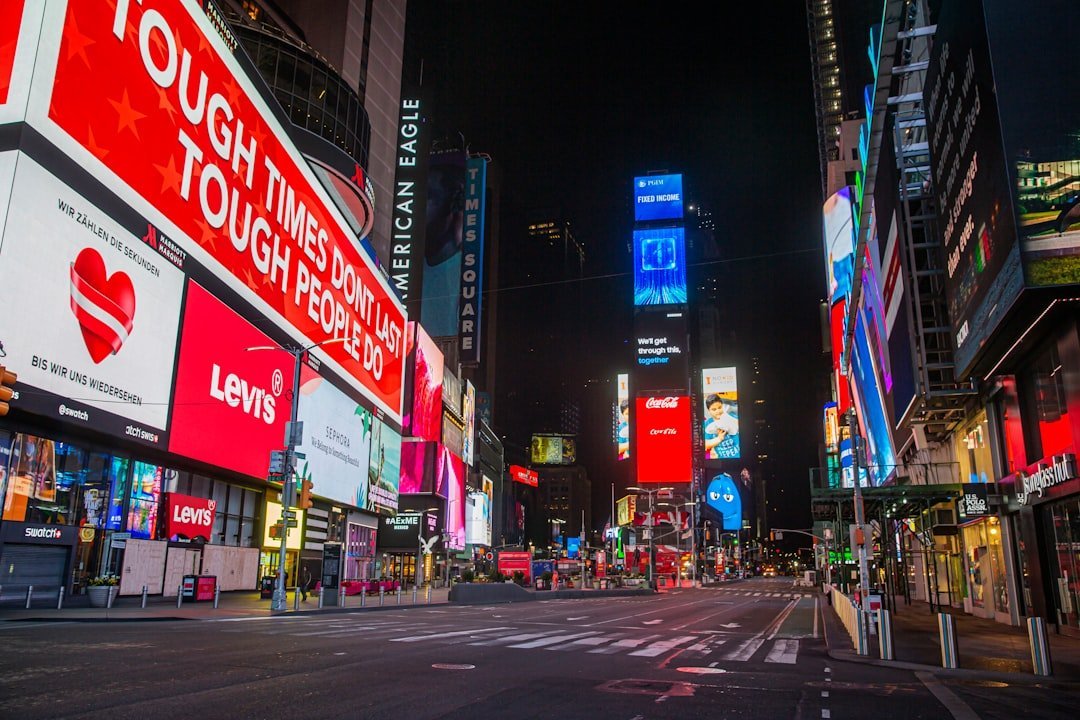
Putting New York City on this list might feel like a stretch. It is still the most globally recognized American city, still the financial and cultural capital of much of the Western world. Yet the data is stubborn. Population declines continued in the nation’s three largest metros, New York, Los Angeles, and Chicago, and New York City lost 78,000 residents in one year alone. That is not a rounding error.
The city’s total population loss since the April 2020 census count is nearly 550,000 people. Half a million people. For context, that is roughly the entire population of a city the size of Atlanta gone from the five boroughs in just a few years. It is an astonishing figure that rarely gets the attention it deserves.
The New York metro area slid from growing by the most people in 2024 to ranking number 13 in 2025, because of the drop in immigrants. That is a stunning fall from the top of the growth charts in just twelve months. The city’s dependency on international migration to offset domestic outflow has become a genuine structural vulnerability.
New York is among the ten states with the highest cost of living, a major factor in why people continue to move out. The people staying often have deep roots or high incomes. Everyone else is doing the math and realizing that the New York premium no longer pencils out the way it used to.
7. New Orleans, Louisiana – Still Paying the Price of Years of Crisis
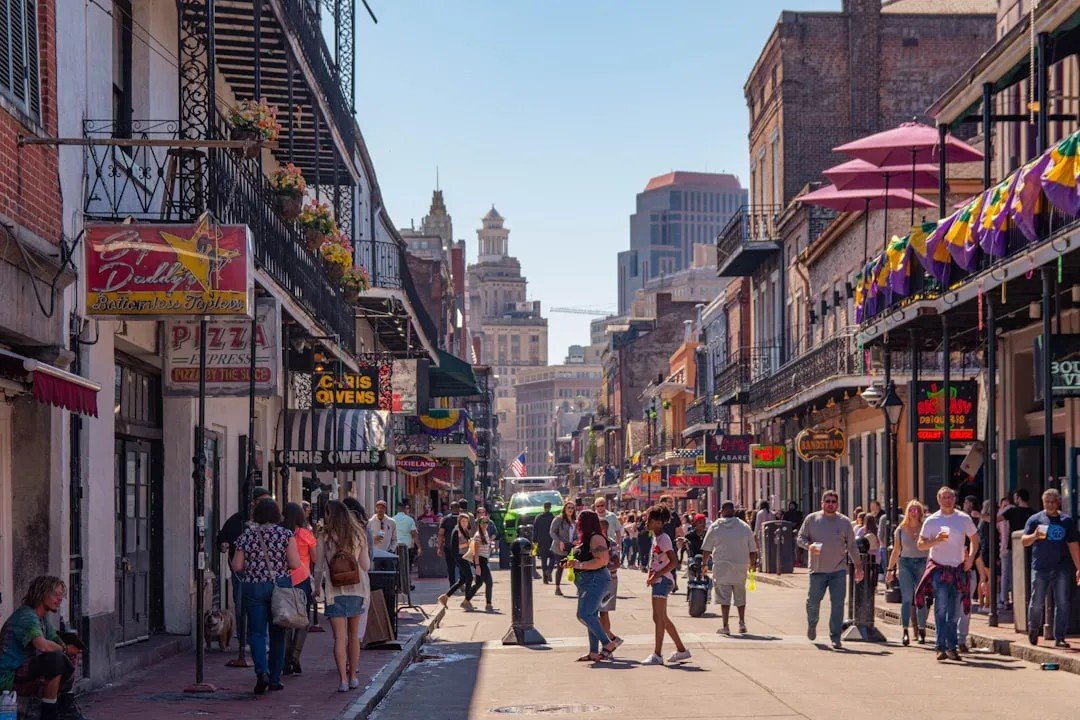
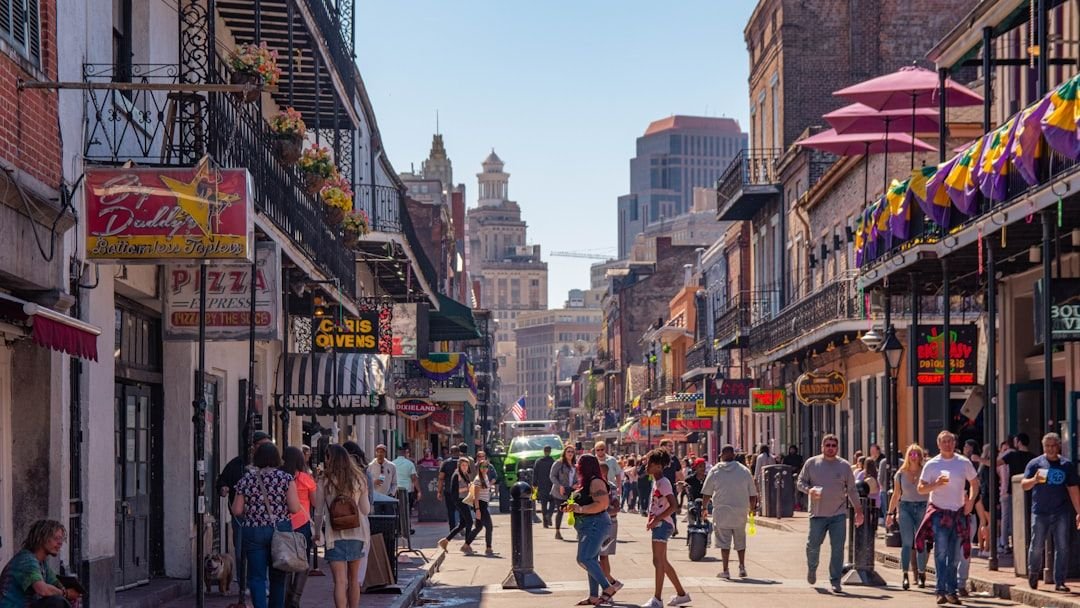
New Orleans is unlike any other city on this list. It has a soul that is almost supernaturally resilient, a culture so unique that it feels like its own sovereign state. Jazz, Mardi Gras, creole cooking. No city on earth sounds, tastes, or feels quite like it. That makes its continued decline all the more heartbreaking to observe. One report noted 17,000 more people moved out of Louisiana than moved in from July 2023 to July 2024, with that domestic outflow being the chief reason Louisiana’s total population dropped.
Louisiana has struggled with issues like crime and education, which motivate out-migration. New Orleans and Baton Rouge have relatively high crime rates, and some families choose to leave in search of safer communities or better schools. It is a painful reality for a city that has already endured the devastation of Hurricane Katrina, from which it never fully recovered in population terms.
New Orleans has one of the highest homicide rates of any city in data compiled for 2025, sitting at 71.9 per 100,000 people. That is a staggering figure. Even as national crime trends are moving downward, New Orleans continues to carry a disproportionate burden of violence that drives residents, particularly families and young professionals, away.
New Orleans is on pace for the fewest murders since 1970, according to end-of-2025 tracking data. That is genuinely striking progress. The city’s culture remains one of the most magnetic and irreplaceable forces in American life. Whether the economic and safety improvements come fast enough to stop the bleed of residents is a question that will define New Orleans for the next decade.
The Bigger Picture: A Nation Quietly Rearranging Itself

These seven cities are not just sad statistics. They represent something larger happening to the American urban landscape. Domestic migration patterns continue to redistribute the population from the largest counties to less populous ones, with the 50 counties holding over a million people collectively experiencing a net domestic migration loss of over 637,000 people. People are voting with their feet, and the direction of movement is clear.
Declines in a community’s population result in decreased demand for businesses, housing, and services, potentially leading to higher per capita costs for maintaining infrastructure and even the closure of local amenities. An aging or shrinking population can further affect the local job market and culture. It is a feedback loop that, once it starts spinning, becomes very hard to interrupt.
A recent study revealed that almost half of the 30,000 U.S. cities will be subject to depopulation by 2100. That is a number that should stop anyone in their tracks. The cities featured here are early movers in a trend that could eventually reshape large swaths of the American map.
Every city on this list still has something worth fighting for. Great cities have come back from worse. Yet wishful thinking is not a urban policy. The data from the U.S. Census Bureau as of March 2026 is clear: these cities are in decline, and reversing that trajectory will take a level of honesty, investment, and political will that has so far been in short supply. What do you think it would take to bring one of these cities back? Tell us in the comments.