
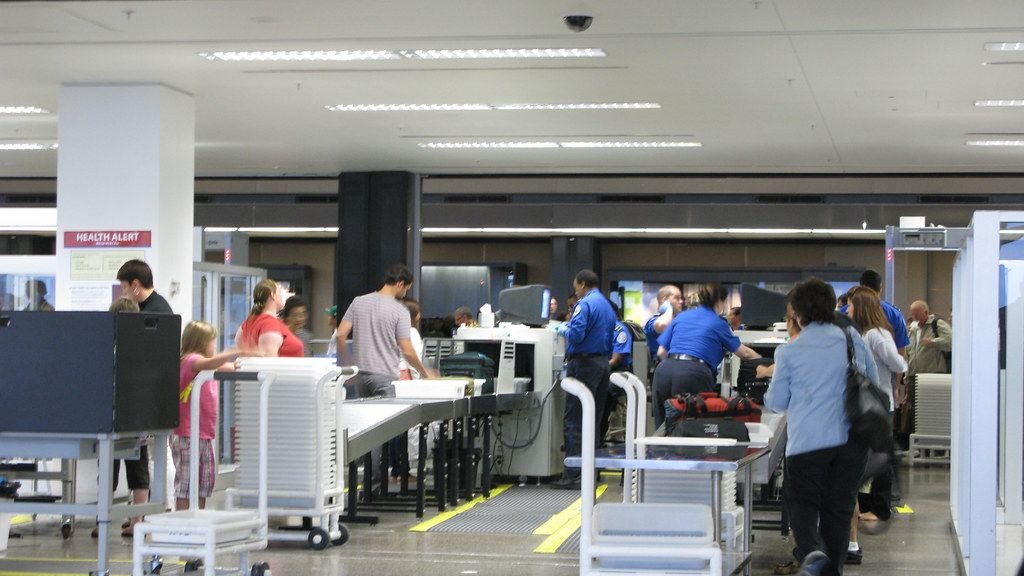
Every seasoned traveler has seen it. The guy at the front of the security line, frantically pulling off his boots, unclipping a chunky belt, digging mystery objects out of what appears to be fourteen cargo pockets, while the rest of the line simmers with quiet rage behind him. Don’t be that person.
The truth is, what you wear to the airport matters way more than most people realize. Security staff are paying far more attention to clothing than you’d expect. From the shape and texture to the number of pockets, some stuff is more likely to get you pulled over for a personalized experience than others. The good news? Avoiding this is completely within your control. Let’s dive in.
1. The Sparkly Holiday Sweater (or Any Sequined Masterpiece)

You might think you look festive and fabulous. The body scanner, however, sees nothing but chaos. The TSA flagged glittery garb in a Christmas-season post on Facebook in December 2024, noting that sequins, beads, and shiny threads often alarm their security equipment for additional screening. This isn’t just a seasonal problem, either.
Even outside of the holiday season, the same rule applies. TSA’s security equipment, including metal detectors and advanced imaging technology, are triggered by density changes found in fabrics woven with metallic threads and adorned with glimmery objects. So that gorgeous bedazzled jacket you saved for your girls’ trip? Pack it in your checked bag and put it on at the destination instead.
2. Bulky Jackets, Vests, and Oversized Hoodies
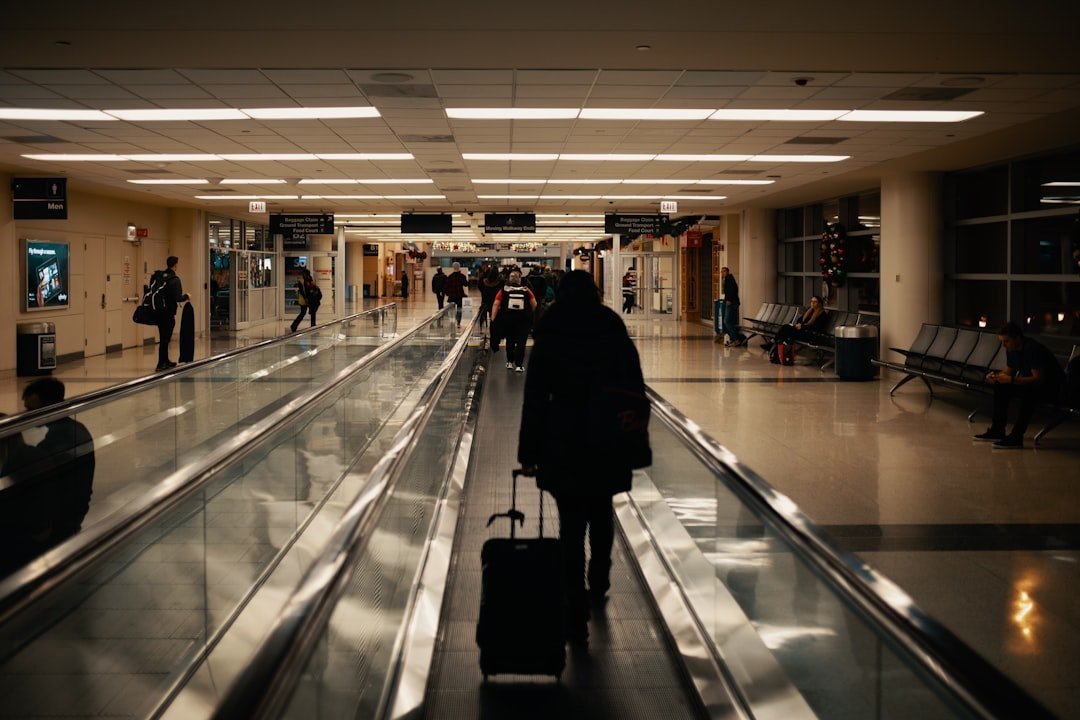
It’s airport screening 101: Travelers must remove coats and jackets, including outerwear like hoodies, sweatshirts, vests, and such, before going through the metal detector at TSA security. Sounds simple enough. Yet, every single day, people seem genuinely shocked when they’re asked to peel off four layers at the checkpoint.
Travelers should be aware that sweaters may have to be removed during the screening process, specifically what the TSA defines as light outer garments or bulky clothing. These outer clothing layers can include windbreakers, vests, light jackets, pullover hoodies, large sweaters, cardigans and ponchos. Honestly, the simplest solution is to wear one solid, fitted layer and toss the parka in your carry-on before you even reach the line. Life becomes so much easier.
3. Cargo Pants With Every Pocket Stuffed
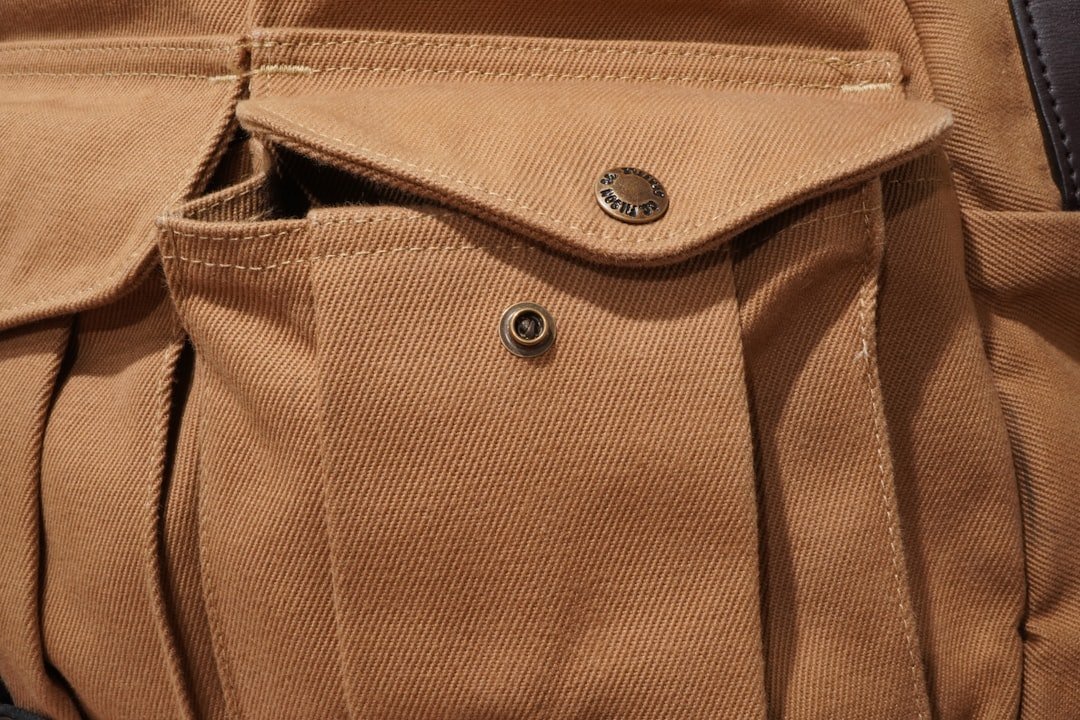
Cargo pants are having a fashion moment right now, I get it. But here’s the thing: the airport security line is not the runway. Former TSA agent Kimberly Pruitt, who spent more than five years at Los Angeles International Airport, calls cargo pants and shorts one of the most difficult items of clothing at the airport, explaining that all the different pockets become a major hassle because they almost always set off the alarm. When being told by an officer to remove everything from your pockets, there is always a lighter or set of keys that you’ve forgotten in a hidden pocket.
While cargo pants are the trend right now, travel experts suggest taking them out of your airport outfit, as the excessive pockets can also lead to suspicion. The irony is brutal: you wear cargo pants because you want to carry more stuff, and then you end up holding everyone up while you excavate all that stuff at the checkpoint. Leave the cargo pants for the hiking trail.
4. Lace-Up Boots and Complex Shoes
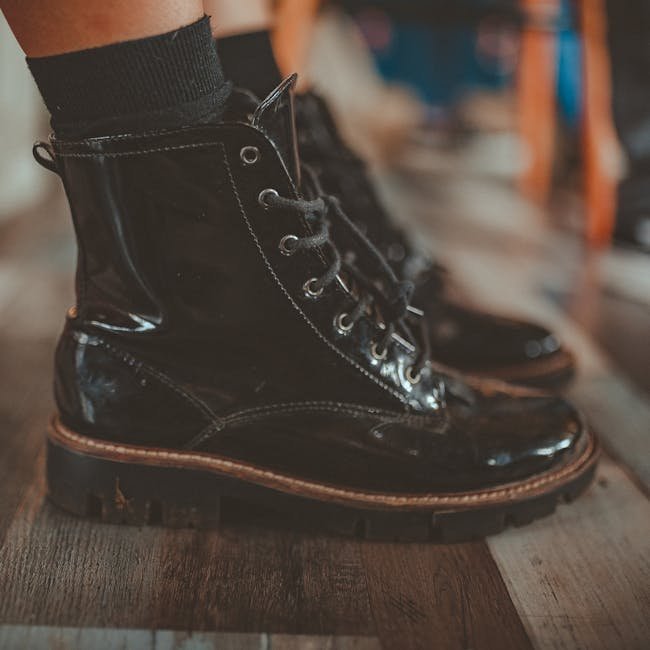
Tall boots with a dozen lace hooks. Platform shoes with hidden compartments. Triple-knotted laces. All of these are a one-way ticket to becoming the most hated person in line. Make sure your shoes are easy to slip on and off because most airport security checkpoints require you to remove them temporarily. You do not want to slow down the line because you’re struggling with strappy sandals or knotted laces.
To avoid holding up the security line, international flight attendant Justin Curtis advises avoiding anything with excessive ties, laces, and closures, particularly on shoes. Think about it like this: if tying your shoes takes longer than two minutes, those are not airport shoes. Simple slip-on sneakers or loafers are genuinely the move here, and they look just as sharp.
5. Metal-Heavy Belts
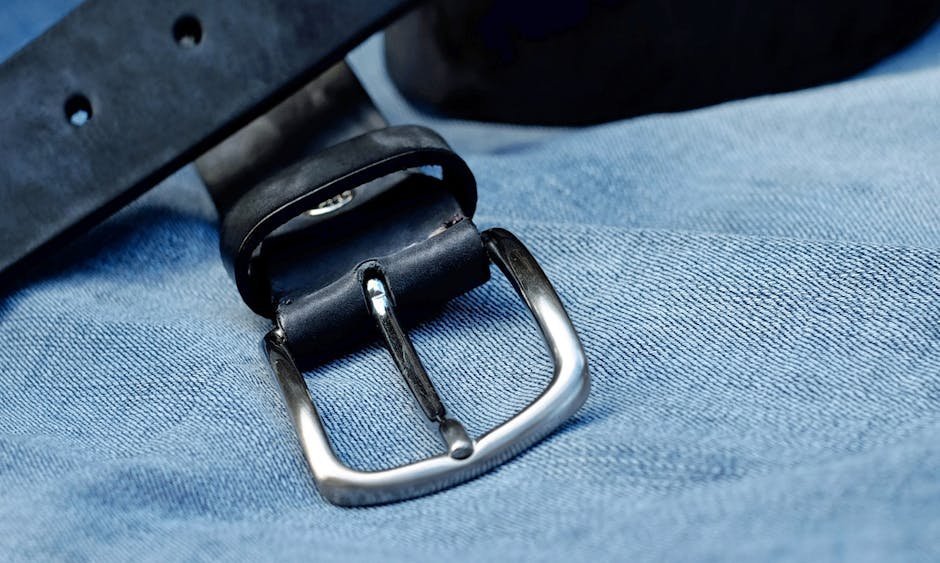
A belt seems harmless, right? It holds your pants up. But at airport security, that chunky metal buckle becomes enemy number one. Belt buckles can easily cause issues, and most TSA rules and regulations require you to remove them anyway. If you want to be a travel pro, choose a belt-free outfit or at least preemptively remove your belt and put it in the bin with your phone and wallet.
If your pants fall down the moment your belt comes off, don’t wear them to the airport. While belts are allowed through security, most flyers must remove their belts before walking through metal detectors since the vast majority of belts have metal clasps. Consider drawstring pants, elastic waistbands, or well-fitted trousers that simply don’t need a belt. Your fellow passengers will silently thank you.
6. Statement Jewelry and Magnetic Metal Accessories
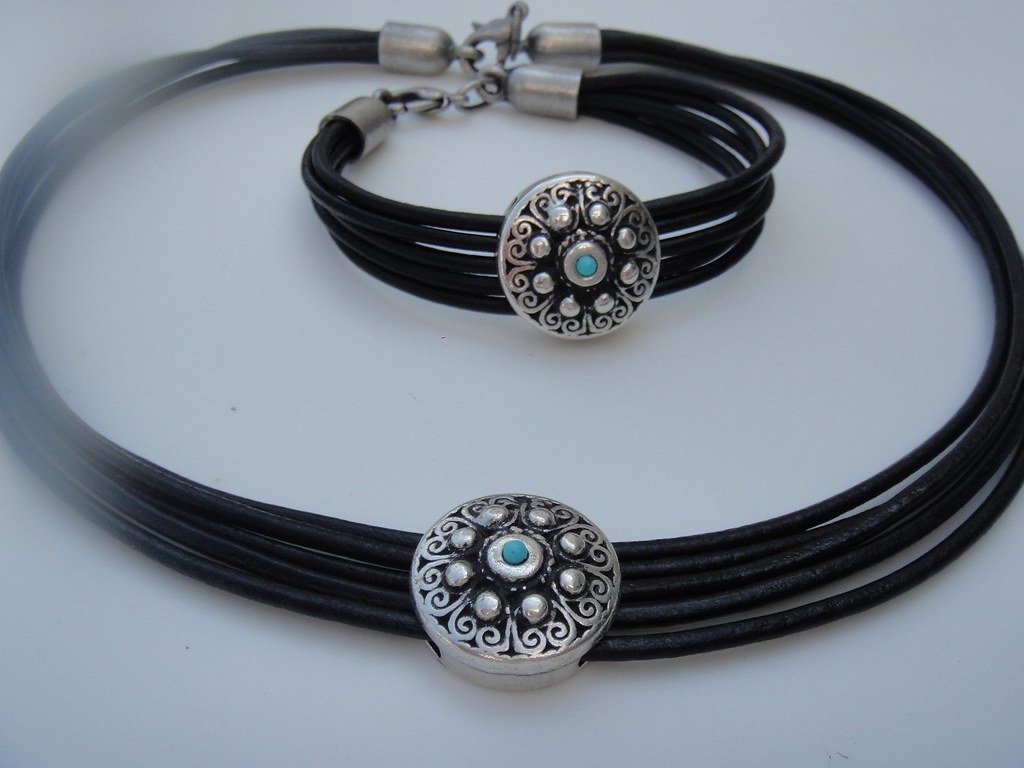
There is a time and a place for your Cartier Love bracelet, your layered gold chains, and your collection of bold bangles. The TSA security checkpoint is none of those times or places. Large metal bracelets and necklaces will set off the metal detector, and former TSA agent Pruitt points out that the biggest problem item is the Cartier Love bracelet. These bracelets can only be removed with a screwdriver, so they become an issue when going through security. It might be wise to put your jewelry on after screening to avoid a pat-down.
Personal stylist Jennifer Koch notes that any jewelry with cheaper metal that’s magnetic is going to be a nuisance at TSA by setting off the metal detector. However, your wedding band and other fine jewelry should go through security just fine. Big statement necklaces, belt buckles and other costume jewelry are going to be asked to be taken off and placed in one of those small circular bins. The rule of thumb: if you have to remove it anyway, just don’t wear it to the airport at all.
7. Baggy, Oversized Clothing
Here’s something a lot of travelers don’t know: wearing extremely loose, shapeless clothing can draw exactly the kind of attention you’re trying to avoid. Loose clothes aren’t prohibited. But travelers sporting baggy apparel, such as droopy pants, flowy skirts, bulky sweatshirts, or even loose garments worn for religious purposes, may be subject to a pat-down inspection if the agent thinks your clothing might be concealing prohibited items.
Clothes with excessive fur, volume or unusual materials may set off the scanner or may require searches from TSA agents. Wearing bulky or especially oversized clothing, whether to be avant-garde or super comfortable, can look suspicious to TSA, leading to a pat-down. I know it sounds crazy, but your intention to be comfy can literally work against you. Fitted, breathable layers are the sweet spot between comfort and a smooth experience.
8. Offensive or Threatening Graphic Tees

Freedom of expression is a real thing, and I respect it. Wearing a shirt with violent imagery or threatening language to an airport, though, is a different story entirely. The TSA’s job, first and foremost, is to protect travelers from any perceived threat. While most people who are actually a threat to others’ safety probably won’t announce their intentions on their t-shirts, if your clothing implies you have weapons on you or you intend to do harm, this will raise the suspicions of security personnel at the airport. The same goes for accessories that are not weapons but resemble them in some way.
Offensive clothing may get you kicked off a plane, but it could also draw extra attention from TSA agents, though it’s more likely that airline staff, rather than an airport security agent, will ban you from flying due to inappropriate or offensive clothing. Stories of flyers being prohibited from planes due to poor wardrobe choices abound, and for most of them, the trouble occurred after they had made it through the screening process. So even if you clear the checkpoint, you might still find yourself being denied boarding at the gate. Not worth it.
9. Elaborate Hair Accessories and Bobby Pins

This one surprises people every time. You’ve emptied your pockets, removed your shoes, ditched the belt. Then the metal detector beeps anyway. The culprit? Your hair. According to the TSA, if you put together an elaborate up-do using a bunch of bobby pins, all those little bits of metal are going to set off alarms in the metal detectors, and you may require a secondary screening as a result. Bows, hairclips, wraps, clip-in extensions, and even wigs can have the same effect, which will also prompt an inspection of your hair. While it might sound preposterous, it does happen.
Former TSA agent Pruitt confirms: too many bobby pins will set off the metal detector, and she suggests getting dolled up after screening. Think of your pre-flight hair game as minimal, functional, and fast. Save the intricate styles for when you land. It’s a small sacrifice for a big time savings at the checkpoint.
10. Heated Clothing With Battery Packs
Heated jackets and vests have become genuinely popular in recent years. They’re a great innovation, honestly. Just not for airport day. Heated coats, vests, and socks are gaining in popularity, and while they may be tempting to wear for your flight, they are more likely to be flagged as you go through security. If you wear heated clothing, remove the battery pack before screening and keep it in your carry-on, since lithium batteries are not allowed in checked bags.
The combination of embedded wiring, battery packs, and unusual density patterns in the fabric creates a near-perfect storm for scanner alarms. Security measures begin long before you arrive at the airport. The TSA works closely with intelligence and law enforcement communities to share information, and additional security measures are in place from the time you get to the airport until you get to your destination. TSA adjusts processes and procedures to meet evolving threats to achieve the highest levels of transportation security. In that context, showing up wired with a battery-powered garment is not exactly a low-profile entrance. Save the heated vest for the ski slopes.
The Bottom Line
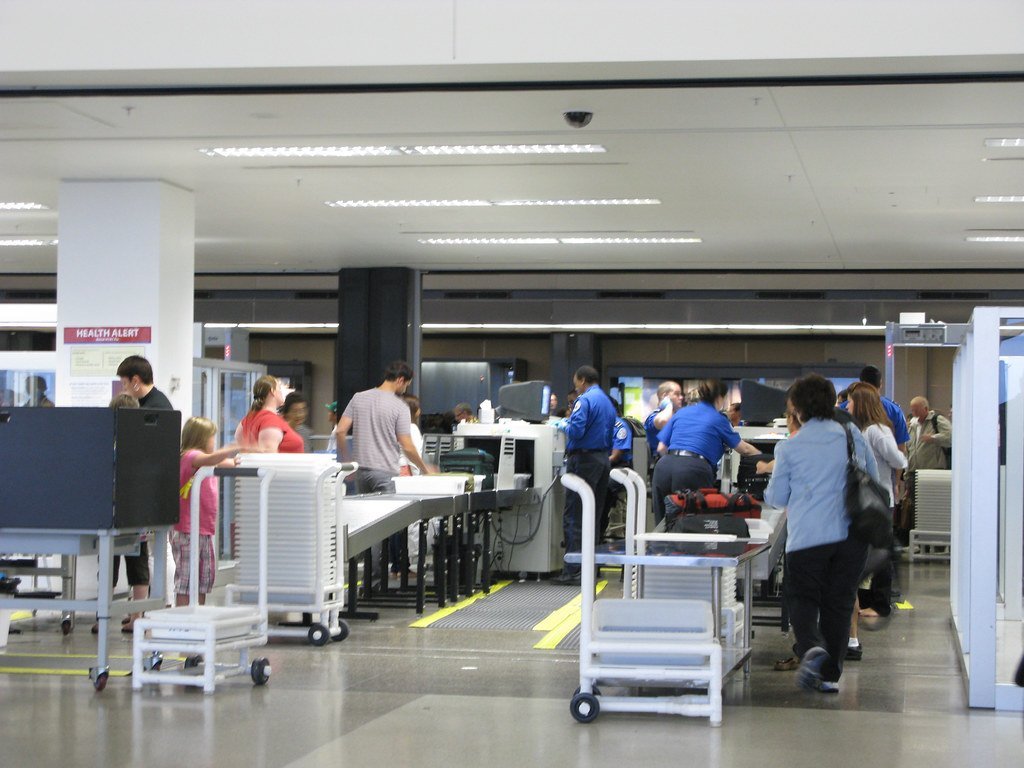
Airport security is not the place to express your full fashion personality. It is a place where speed, simplicity, and practicality win every single time. Other travelers do care about how much you’ve slowed the line by taking your jewelry, thick boots, and puffer jacket off, and the golden rule, which should be obeyed above all else, is to dress for efficiency and not style.
The good news is that dressing smart for the airport doesn’t mean dressing boring. Fitted layers, slip-on shoes, minimal metal, and clean simple fabrics will get you through that checkpoint faster than almost anything else. TSA screens approximately 3.3 million carry-on bags for explosives and other dangerous items daily, which means the checkpoint is genuinely busy, and agents notice everything. Give yourself the gift of a smooth morning.
Next time you’re packing for a trip, do a quick wardrobe audit the night before. Ask yourself: will I have to take this off, unclip it, dig through it, or explain it? If the answer is yes, swap it out. Future-you, breezing through security with time to spare for a pre-flight coffee, will be very grateful. What would you have guessed causes the most delays at security? Tell us in the comments.