
Picture this: you’re deep in the woods, miles from help, when thirst hits hard or the trail vanishes underfoot. Hiking mishaps are climbing, with Yosemite National Park logging 247 search and rescue calls in 2025 alone, up sharply from 191 the year before.[1] Stats reveal why so many get into trouble, from skimping on basics to ignoring weather shifts. These overlooked items could save your day, or life.
I’ve hiked enough rugged paths to know preparation beats regret every time. Let’s dive into the 12 essentials you can’t afford to skip, straight from expert checklists and hard data. Trust me, your pack will thank you later.
1. Plenty of Water
Dehydration sneaks up fast on trails, fogging your brain and cramping muscles before you realize it. Shockingly, nearly 60 percent of hikers pack too little water for their route, spiking risks for heat woes and exhaustion.[2] Plan for at least half a liter per hour of moderate effort, more in heat or altitude. Carry bottles or a bladder, and sip steadily to stay sharp.
Here’s the thing: even short jaunts demand extra, as sweat loss can hit four percent body weight hourly in scorching conditions. I once watched a buddy fade on a mild afternoon trek purely from skimpy hydration. Don’t repeat that mistake, fill up and carry treatment options too.
2. Navigation Tools
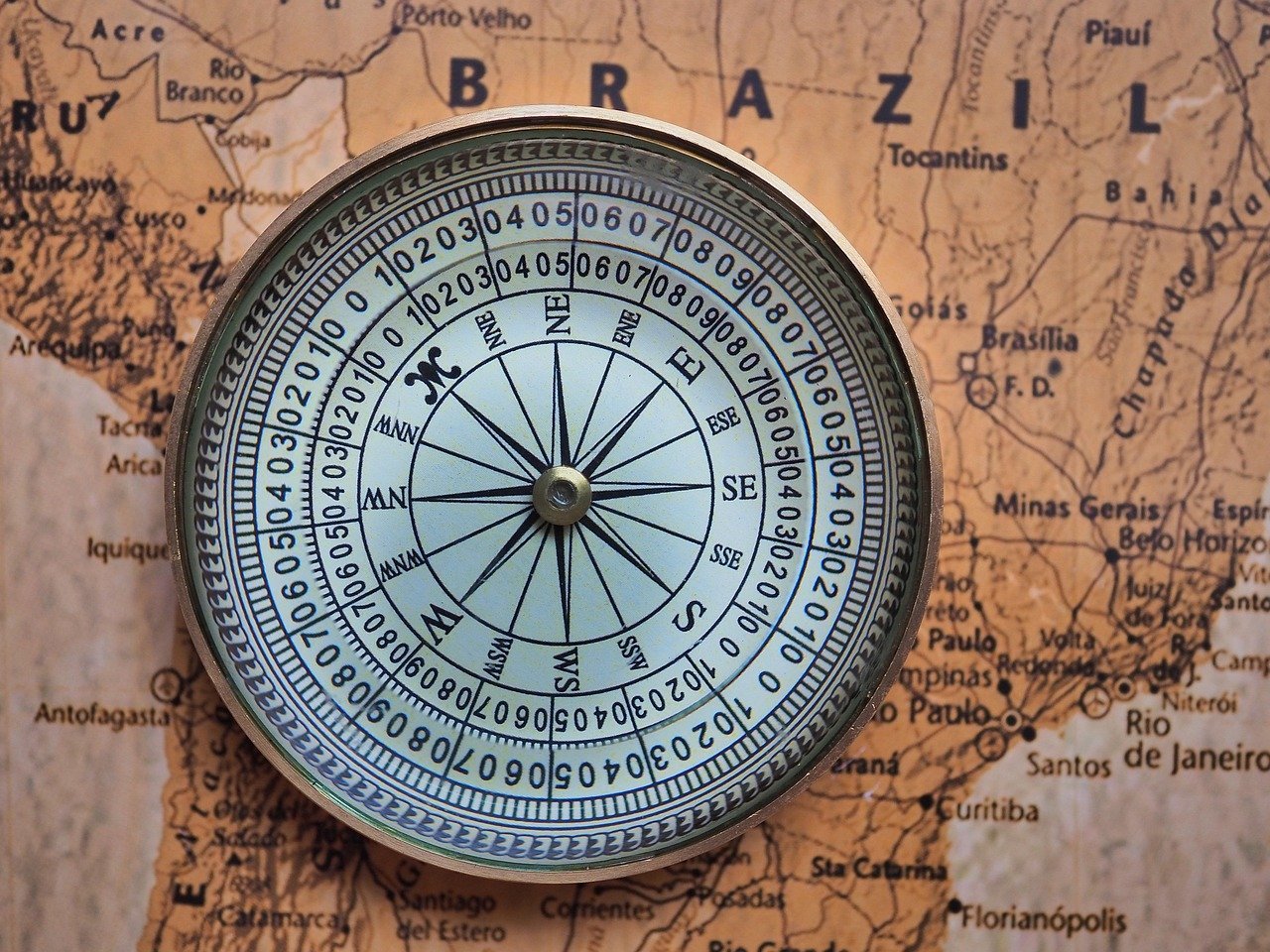
Getting lost tops search and rescue calls at 41 percent, often because folks rely solely on spotty phone signals. About 44 percent skip map and compass altogether, dooming them in unfamiliar terrain.[2] Grab a topo map, baseplate compass, and backup GPS app with offline downloads. Practice beforehand so panic doesn’t cloud judgment.
Cell service drops fast in backcountry, turning apps useless without prep. A simple compass saved my group once when fog rolled in unexpectedly. Layer electronic and paper options for foolproof direction.
3. Headlamp with Extra Batteries
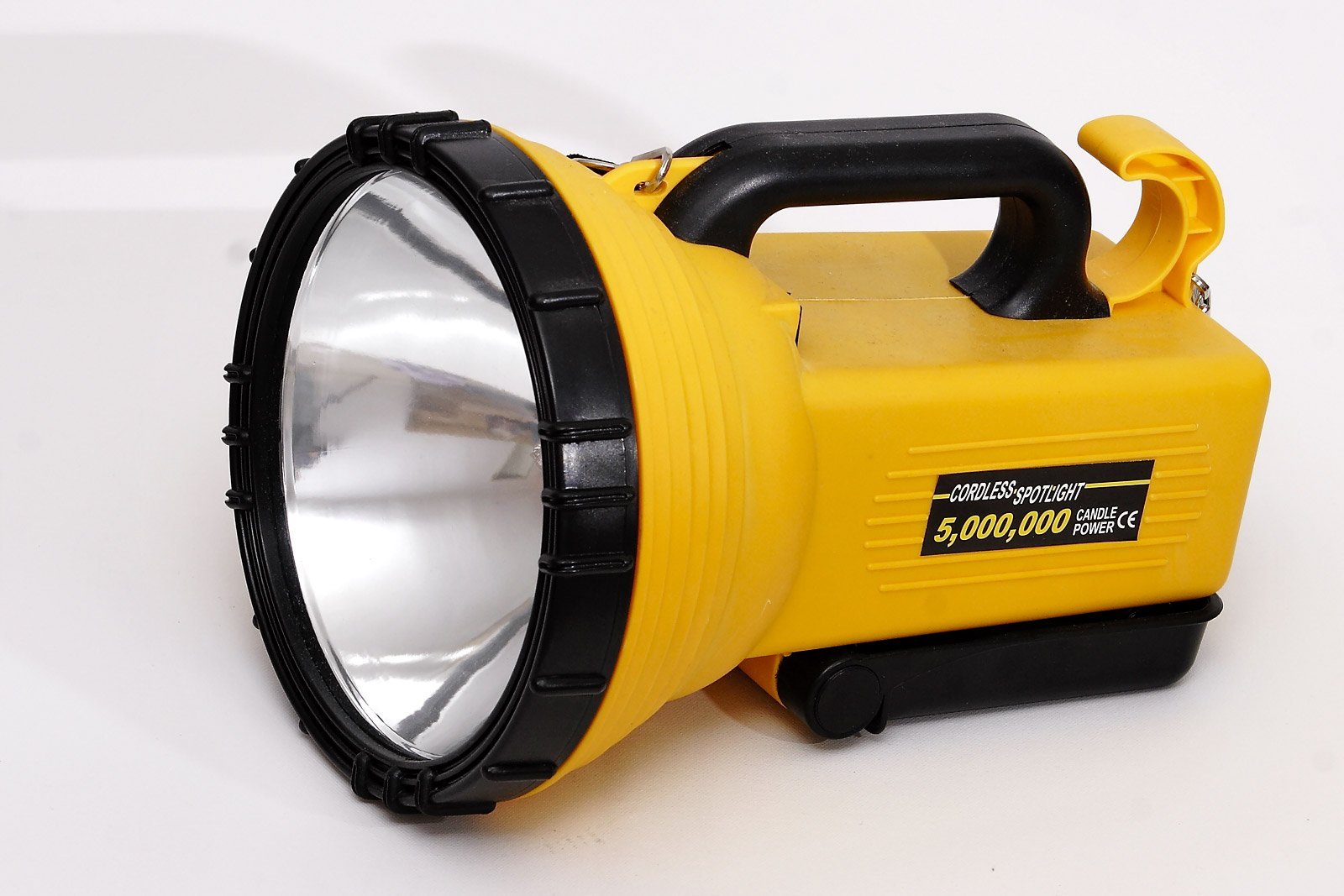
Dusk catches hikers off guard more than you’d guess, especially on longer outings. A headlamp frees hands for poles or snacks while lighting paths after dark. LED models last ages, but pack spares since cold saps batteries quick.
I’ve pushed twilight treks where sudden clouds cut light short. Without one, you’re stumbling blind, inviting twists or worse. It’s tiny, light, and non-negotiable for any hike past noon.
4. Sun Protection

UV rays bounce off snow or water, burning exposed skin even on overcast days. Pack SPF 30-plus sunscreen, reapplied hourly, plus UPF clothes, brimmed hat, and glacier-grade shades. Lip balm with SPF prevents painful cracks too.
Sun poisoning hits hard at elevation, sapping energy you need for the return. Honestly, I’ve seen red-faced hikers bail early from neglect. Shield up keeps the fun going all day.
5. First Aid Kit
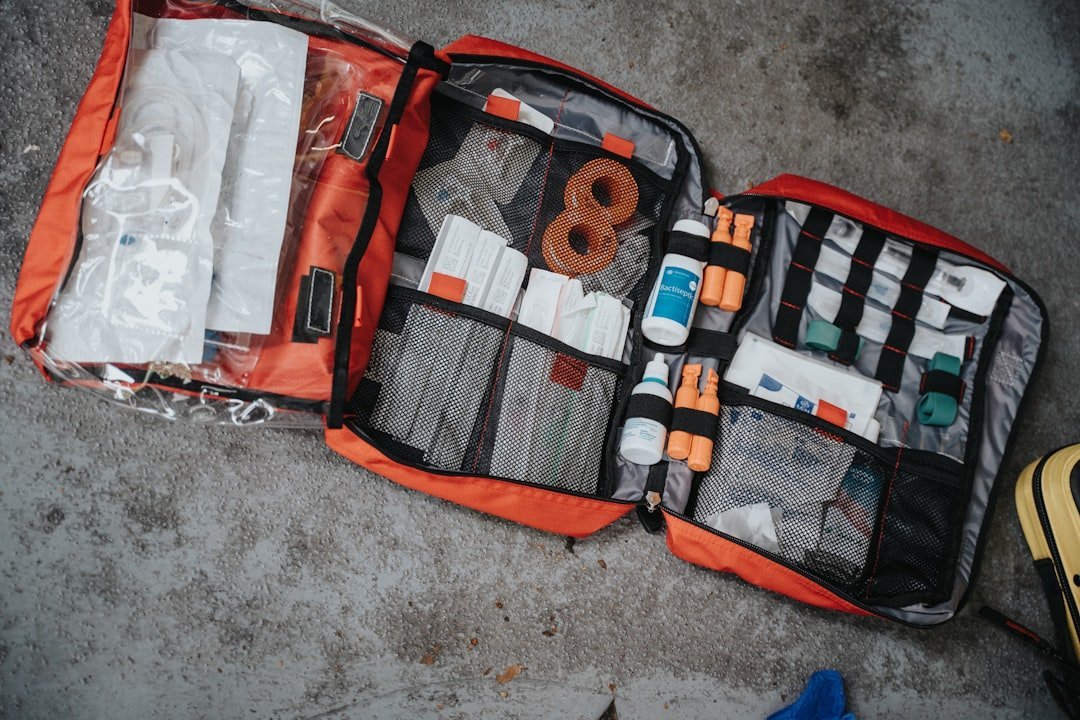
Blisters and sprains plague about 20 percent of hikers, with ankles claiming 42 percent of injuries. Yet only 23 percent bother with a kit, leaving basics like bandages, antiseptics, and pain meds behind.[2] Customize yours for blisters, cuts, allergies, and group needs. Toss in tweezers and gloves for safety.
Falls cause half of mishaps, turning small issues big without supplies. I patched a twisted ankle mid-hike once, avoiding a full rescue. Knowledge beats a stocked pouch alone, so learn basics.
6. Extra Food

Delays from weather or injury stretch hikes, and low blood sugar clouds decisions. Pack beyond plans: energy bars, nuts, jerky for a full extra day. Choose no-cook, high-calorie stuff with long shelf life.
Inadequate snacks factor into 10 percent of incidents alongside thirst.[2] Trail mix kept me steady during a rain-soaked detour last summer. Fuel up prevents bonks that end adventures prematurely.
7. Extra Clothing Layers
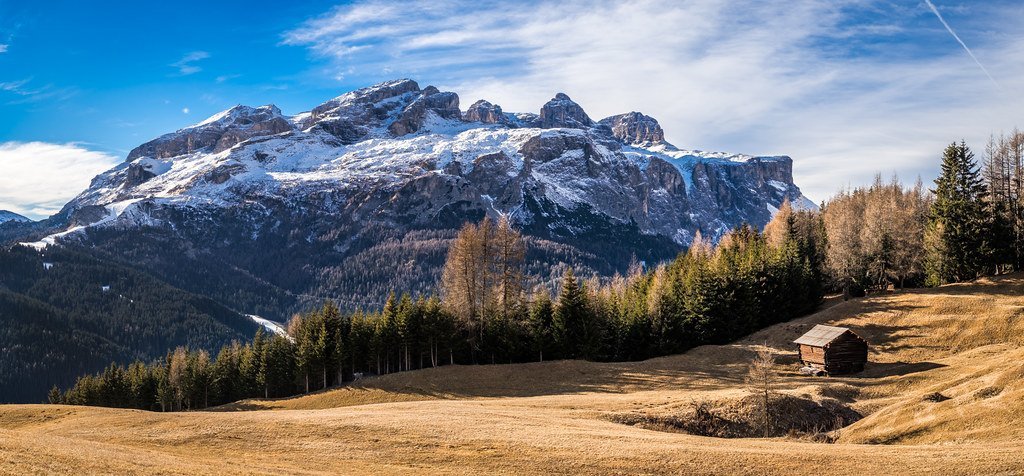
Weather flips fast in mountains, chilling you post-sunset or in rain. Layer moisture-wicking base, insulating fleece, waterproof shell, plus hat and gloves. Synthetics dry quick, unlike cotton traps.
Sudden storms strand folks overnight without warmth. Extra socks ward off trench foot from wet boots. I layer light but always add a puffy, it’s transformed soggy slogs into survivable ones.
8. Knife or Multi-tool
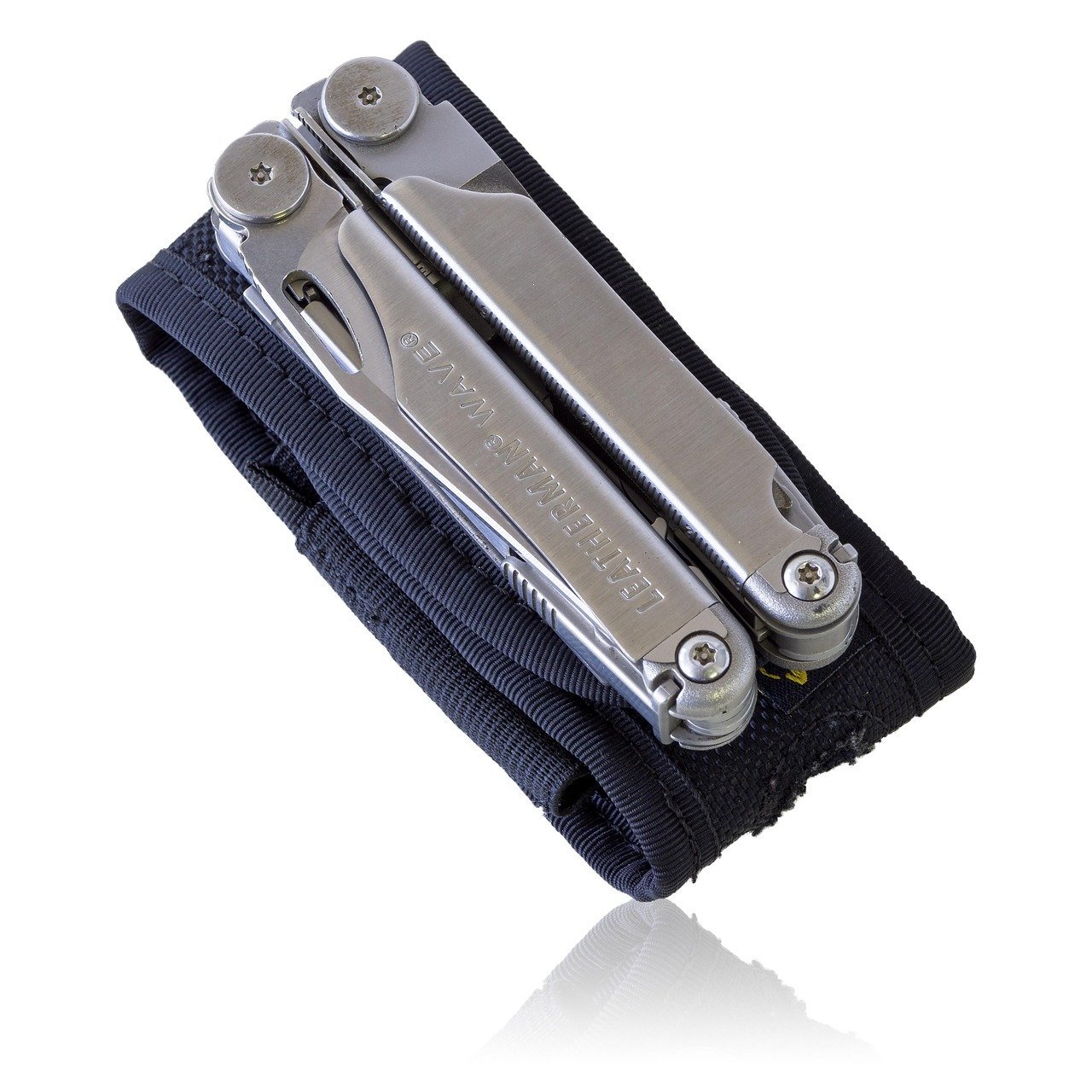
From food prep to gear fixes, a sharp blade proves endlessly useful. Opt for a multi-tool with pliers, scissors, screwdrivers for broader repairs. Every adult packs one, per experts.
Duct tape wrapped on it handles tears or blisters too. Snagged a loose boot lace mid-trail? This kit saves the day without bulk. Versatile and compact, it earns its spot every time.
9. Fire Starter
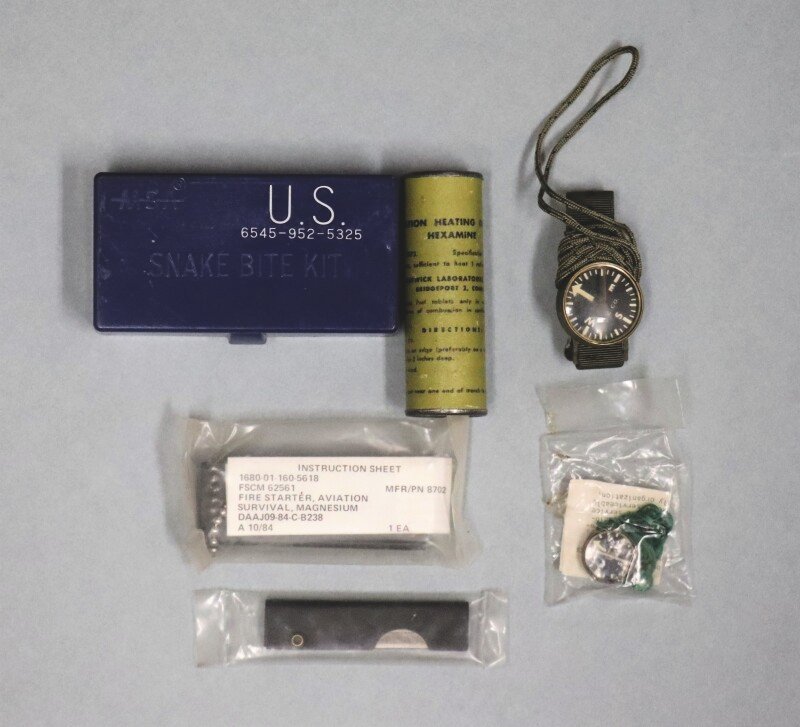
Wet matches fail, so carry waterproof ones, a butane lighter, and tinder like lint or nuggets. Fire warms, signals, boils water in crises. Practice in damp conditions beforehand.
Above treeline or in snow, a stove backups too. Hypothermia lurks without heat sources. One flick warmed my hands during a hail squall, pure relief.
10. Emergency Shelter
Stranded by injury or dark? A bivy sack, tarp, or space blanket blocks wind and rain. Only 18 percent pack one, huge oversight in stats.[2]
Trash bags work in pinches for ponchos or bivies. Ultralight options stuff tiny yet shield effectively. Turned a forced bivy into bearable rest for me once.
11. Whistle
Yells fade fast; a whistle carries miles for help. About 65 percent hike without signaling gear, prolonging rescues.[2] Three blasts signal SOS universally. Clip it to your pack for instant access.
Peaks and canyons swallow voices, but peeps pierce through. Paired with mirror or PLB, it’s lifesaving. Cheap insurance I never leave home without.
12. Water Purifier or Filter

Streams tempt, but giardia lurks without treatment. Portable filters or tabs make any source safe, extending your carry. Essential for longer treks per checklists.
Boiling works, but slows you down. Straw-style squeezers pack light and purify quick. Refilled endlessly on a parched ridge, it kept cramps at bay.
Pack these 12, and you’re set for safer trails ahead. What item surprises you most? Hit the comments with your must-haves.