

Florida has long been the poster child of American retirement. Warm beaches, no state income tax, and a culture practically built around golf carts and early-bird specials. For decades, millions of Americans packed up and headed south like clockwork. But something has changed – and it’s not subtle.
Florida landed at 41st in Bankrate’s 2025 Best and Worst States to Retire Study, dragged down by poor healthcare rankings, high insurance costs, and natural disaster risks. That’s a jaw-dropping ranking for a state that practically invented retirement culture. So where should you go instead? The answer might genuinely surprise you. Let’s dive in.
Why Florida Is Quietly Losing Its Crown

Here’s the thing – Florida still has undeniable appeal on paper. There’s a reason Florida is known as a retirement paradise, with relatively low taxes for retired people, including no estate, inheritance or income taxes. On the surface, it sounds perfect. Then you look closer.
Florida’s vulnerability to hurricanes, flooding, and extreme heat makes climate resilience a top concern for real estate. In recent years, powerful storms like Hurricanes Helene, Milton, and Debby have altered parts of the state, and the ongoing threat of severe weather is pushing insurance providers to pull out of the market.
According to financial data firm Intercontinental Exchange, property insurance rates average $6,225 a year in Miami and $3,602 in Tampa, compared to a national average of $2,290. That’s a brutal reality check for anyone on a fixed income. A single retiree can expect to pay an average of $73,646 a year to live comfortably in Florida – and if you factor that out over 30 years, you would need at least a $2.2 million nest egg.
New Hampshire: The Unexpected Champion
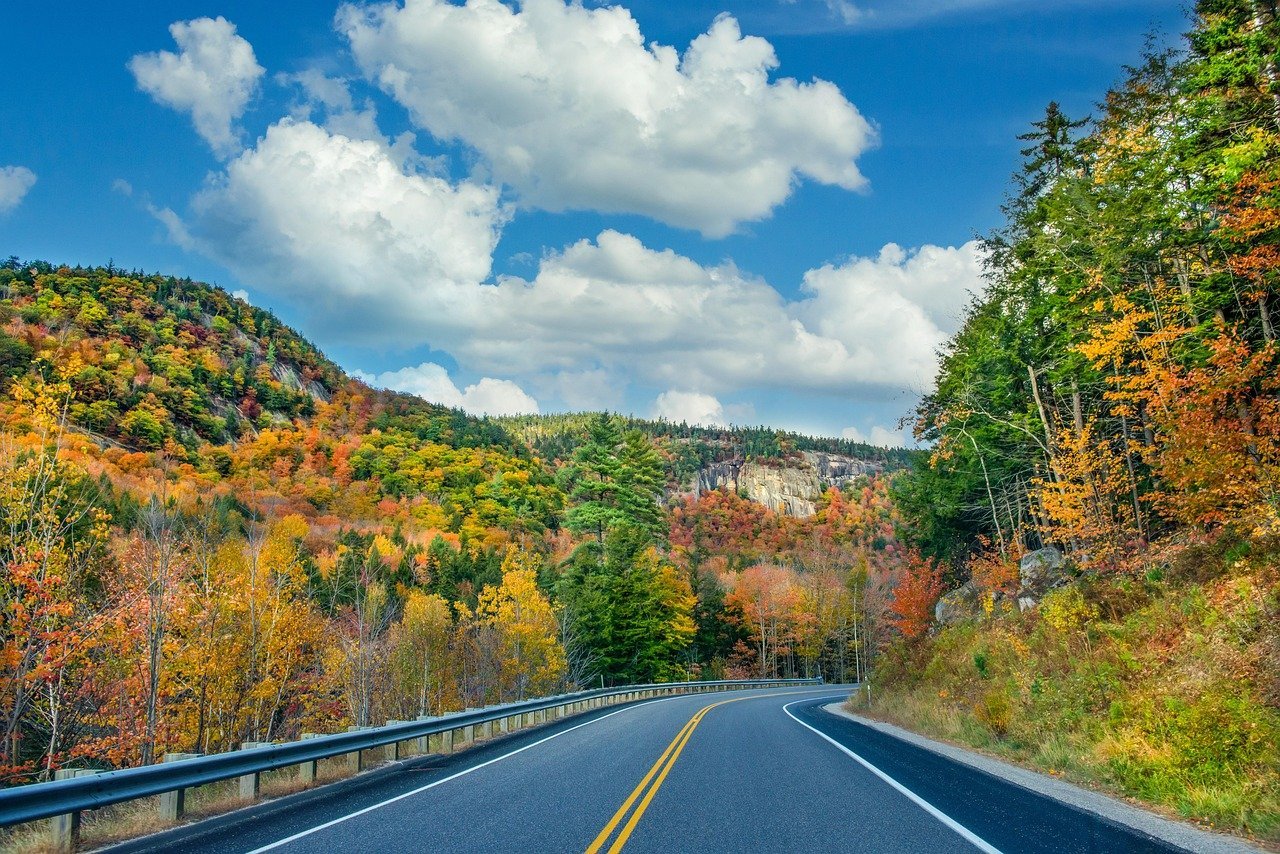
New Hampshire is the best state for retirement in 2025, according to Bankrate’s latest study. The Granite State unseats last year’s top scorer, Delaware, which fell to 11th overall. Honestly, I didn’t see this coming when I first looked at the data. Cold winters and no warm beaches – yet it dominates the rankings.
Despite a low ranking for weather, New Hampshire excelled in nearly every other category. It ranked first for neighborhood safety, fifth for healthcare, sixth for taxes, and seventh for having a large community of similar-aged residents. The state also scored well for cultural and recreational opportunities.
New Hampshire fully joined the no-income-tax club in 2025, when it repealed its tax on dividend and interest income. That’s a major financial win for retirees living off investment portfolios. New Hampshire also ranks among the top states for average Social Security checks, with retirees receiving an average of $2,183.82 per month. Not bad for a place people mostly associate with maple syrup and cold snaps.
Maine: Where Community Meets Coastal Quiet

Bankrate’s 2025 Best and Worst States to Retire Study ranks Maine second overall, right behind New Hampshire. What makes Maine tick for retirees is something you can’t easily quantify in a spreadsheet – a genuine sense of community. But the data backs it up too.
Maine’s strongest attribute is its senior population – roughly a quarter of residents are 65 or older – which creates a deeply retirement-friendly community. The state ranked second for safety, third for healthcare, and fourth for arts and entertainment.
Maine is among the 15 states that do not tax pension income at all. Think about what that means for someone drawing down a pension every month for decades. The savings stack up fast. Maine may not have Florida’s sunshine, but it has something increasingly rare: authenticity. And retirees are noticing.
Wyoming: Big Sky, Low Taxes, Bold Savings

According to WalletHub’s 2026 data, Wyoming is the best state for retirement largely due to affordability reasons. Adjusted for retirees’ needs, Wyoming’s cost of living falls in the more affordable half of the nation. The state is also considered highly friendly to retired taxpayers, offering no estate or inheritance tax.
Wyoming topped the taxes category in Bankrate’s 2025 rankings and ranked fourth for affordability. Safety and recreation also boosted its score, with rankings of seventh and tenth respectively. For outdoor lovers, this is basically retirement nirvana. Yellowstone is practically your backyard.
In Wyoming, which has no income tax along with low sales and property taxes, retirees can expect to have a relatively small tax liability overall. The state also has the fifth-lowest annual cost of homemaker services in the nation, and when it comes to quality of life, Wyoming has the 10th-best elder abuse protections in the country. That last one matters more than most people realize.
Vermont: Number One for Healthcare – Period
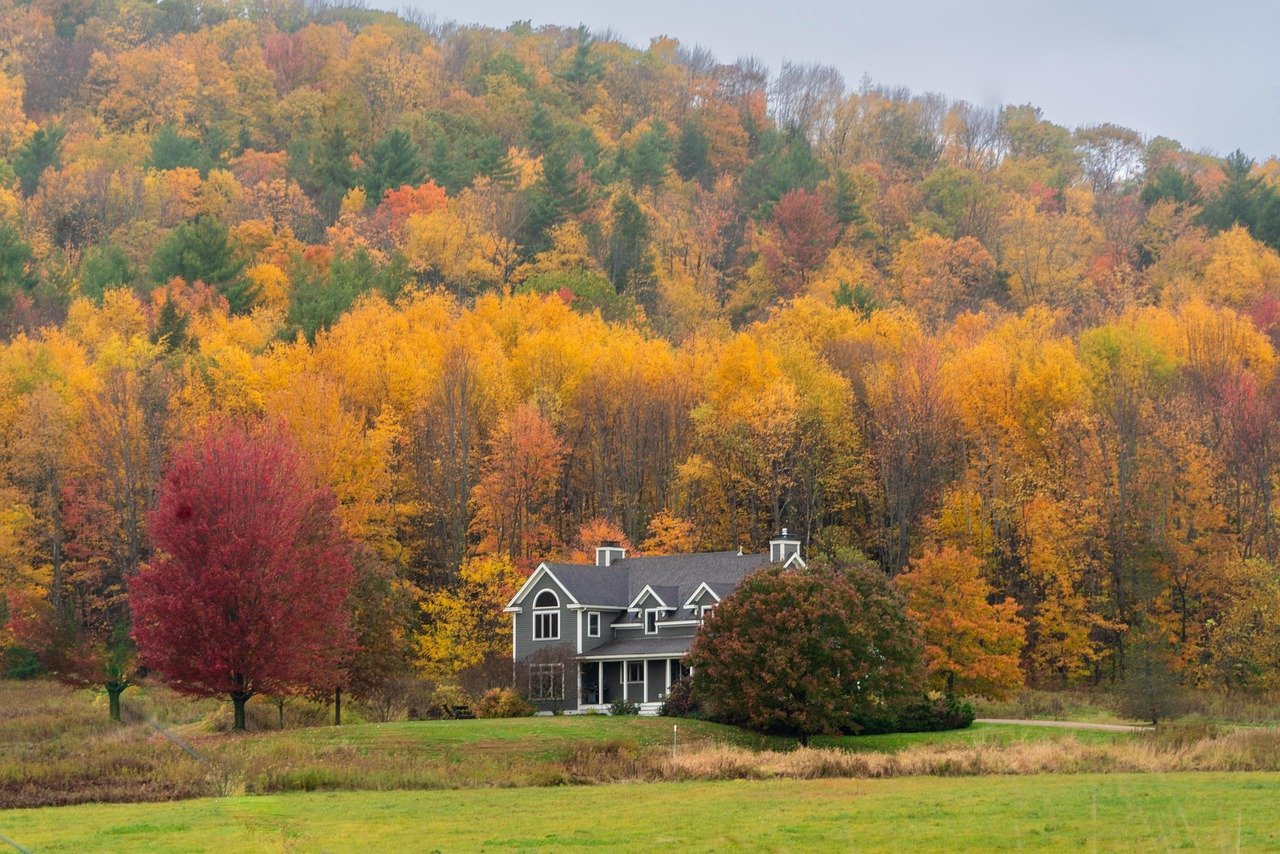
Vermont ranked first for healthcare and first for arts and culture venues per capita in Bankrate’s 2025 study. It also placed second for the proportion of older residents and 12th for affordability. Healthcare is perhaps the single most important long-term factor in retirement planning, and Vermont simply dominates that category.
Vermont showed the second-lowest levels of sunlight exposure on average and fared poorly on weather, but several strong categories turned things around. The state topped the arts category with most venues per capita and was also the best state for healthcare overall.
Let’s be real – trading Florida’s hurricane anxiety for Vermont’s access to top-tier medical care might be one of the smartest financial decisions a retiree could make. Some couples may require as much as $413,000 to pay for medical costs in retirement, which makes healthcare access not just a comfort issue, but a financial one. Vermont takes that seriously.
Idaho: The Gem State Hiding in Plain Sight

Idaho was the seventh-fastest-growing state in 2024 by percentage growth, according to U.S. Census Bureau data. The Gem State scored well in neighborhood safety, ranking third, and had the lowest rate of property crimes in the country. Idaho also performed well in affordability, ranking ninth, and taxes, ranking eleventh.
For military retirees specifically, Idaho is tax-free for disabled retirees and retirees age 62 and older. That’s a meaningful perk for veterans who served the country and deserve to keep more of what they earned. The state is growing fast, which brings new services and amenities – but housing is still far more affordable than coastal markets.
Idaho is the kind of place that quietly checks all the boxes without ever bragging about it. Safe neighborhoods, mountain scenery, growing communities, and reasonable taxes. Idaho introduced a flat income tax rate of 5.3% beginning January 1, 2025, with thresholds adjusting annually for inflation – a stable, predictable system that retirees can actually plan around.
South Carolina: The Affordable Southern Alternative

Retiring in South Carolina provides an affordable alternative to both Florida and North Carolina. The state offers a $15,000 retirement income deduction for those 65 and older, no Social Security tax, and a cost of living that is roughly 11% below the national average. That gap is significant over a multi-decade retirement.
South Carolina gives you the warm weather and coastal lifestyle that Florida promises – without the catastrophic insurance premiums or the hurricane roulette. It’s like getting the benefits with fewer of the risks. South Carolina is among the 41 states plus Washington D.C. where retirees won’t owe any state income tax on their Social Security benefits in 2025.
The state sits at a sweet spot many overlook: four seasons that aren’t extreme, a growing arts and food scene, and enough retiree infrastructure to feel comfortable from day one. It’s not trying to be Florida. It doesn’t need to be.
Delaware: Small State, Outsized Benefits

Delaware regularly ranks among the best states for retirees, offering good healthcare services, proximity to major cities, and retiree-friendly tax policies – including no state or local sales tax and no tax on Social Security benefits. Think about how often you pay sales tax on everyday purchases. In Delaware, that never happens.
Delaware may be small, but it’s full of character. This northeast coastal state is full of charming little towns with plenty to keep retirees busy. From Atlantic Coast towns like Rehoboth Beach to quiet suburban Greenville, there’s something for everyone. Not to mention the state’s close proximity to Baltimore, Washington D.C., and Philadelphia.
Delaware has no state or local sales taxes whatsoever – a distinction shared by only a handful of states. Delaware also offers some of the highest average Social Security checks in the country, at $2,170.63 per month. It flies under the radar, but the numbers tell a compelling story for retirees who want affordability paired with access to world-class cities just a short drive away.
Massachusetts: The Surprising Dark Horse Retirees Are Choosing

I know it sounds crazy, but Massachusetts has quietly become one of the hottest retirement destinations in the country – and the data confirms it. Massachusetts was the number one destination for older adults moving to a new state specifically for retirement in 2024, edging out perennial favorite Florida. The analysis found that just over one fifth of those moving for retirement chose Massachusetts, while Florida drew slightly under one fifth.
For many making the move to Massachusetts, familiarity from past travel is a big factor. People who visited Cape Cod or the Berkshires in their working years often choose to resettle there rather than traditional retirement destinations like Florida or Arizona.
States with high healthcare rankings for seniors include Massachusetts, and the state excels in healthcare access and cost. Yes, the cost of living is higher than some states on this list. It’s hard to say for sure whether Massachusetts is right for everyone – but for those who value healthcare quality, cultural richness, and genuine four-season beauty, the case is undeniably strong. And with an average Social Security check of $2,196.15 per month, Connecticut sits at the top nationally, with Massachusetts-area states closely following.
The Bigger Shift Happening in Retirement America

Eight of the 10 worst states for retirees are now in the Sun Belt, including Alabama, Arkansas, Florida, Louisiana, Oklahoma, California, New Mexico and Texas. That is a seismic shift from the conventional retirement wisdom most of us grew up hearing. The sunny South is no longer automatically the smart choice.
Today’s retirees are weighing more than just warm weather when choosing where to live. Safety, healthcare access, affordability, and overall quality of life are playing a much larger role in the decision-making process. This makes complete sense when you think about it. When you’re in your 30s, good weather feels like the priority. When you’re 70 and on a fixed income, healthcare and safety climb to the top fast.
Social Security remains a cornerstone of retirement security in America, and for roughly two in five seniors, it represents at least half of their total income, according to AARP. Where you live determines how far that income stretches. About 65% of non-retired adults say their retirement savings aren’t on track – which makes choosing the right state not a lifestyle preference, but a genuine financial survival decision. The map of the ideal American retirement has been redrawn. The question is whether your retirement plan has caught up yet.
What do you think – would you ever trade Florida’s beaches for Vermont’s healthcare or Wyoming’s tax savings? Drop your thoughts in the comments.