
Most passengers board a long-haul flight with one goal: survive it. They strap in, throw on their headphones, and hope for the best. What they completely miss is that the entire crew has already sized them up before the seat belt sign even flicks on.
Here’s the uncomfortable truth. Getting noticeably better service on a 12-hour flight has almost nothing to do with the ticket you bought. It has everything to do with how you behave, how you communicate, and a handful of surprisingly small habits that flight attendants absolutely notice. Ready to be that passenger the crew genuinely wants to help? Let’s dive in.
1. Greet the Crew When You Board – It Changes Everything From the Start
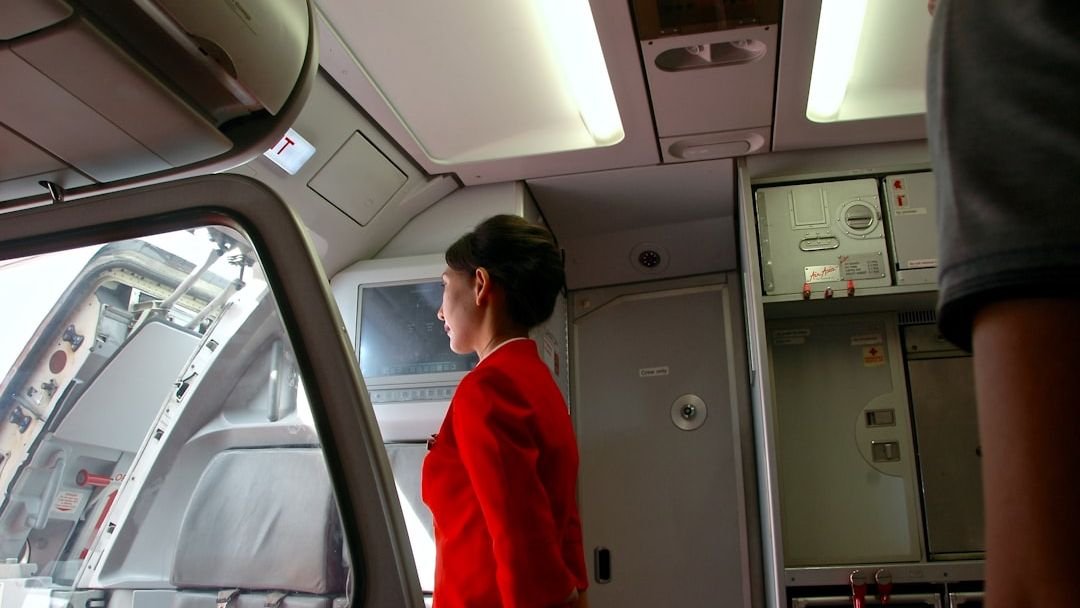
It sounds almost embarrassingly simple, but this single act separates the passengers who get remembered from the ones who get forgotten. Flight attendants genuinely appreciate a kind greeting or a friendly smile, and they notice when passengers acknowledge them with a returned hello at the door. Think of it like showing up to a party and actually introducing yourself to the host rather than just raiding the snack table.
Saying please and thank you while making eye contact is almost unheard of today. Most passengers don’t even acknowledge the greeting when boarding. After a while, the crew gets tired of talking to themselves. Flight attendants always remember the nice passengers. That memory sticks for the entire flight, which on a 14-hour haul is a very long time.
2. Use Please and Thank You – Every Single Time You Order

Honestly, the bar here is almost comically low. Flight attendants love it when you say “Can I have a ginger ale, please?” instead of just “ginger ale.” Basic kindness and manners are noticed because not everyone is doing that. If you specify exactly what you want – coffee with two sugars and oat milk, said politely – you immediately become a standout passenger.
This blows minds every time. Politeness is so uncommon at 30,000 feet that it genuinely stands out like a window seat with a view. It takes zero extra effort and costs you nothing, yet it creates an impression that lasts the entire flight. There is really no excuse not to do this.
3. Sit in Your Assigned Seat Without Drama
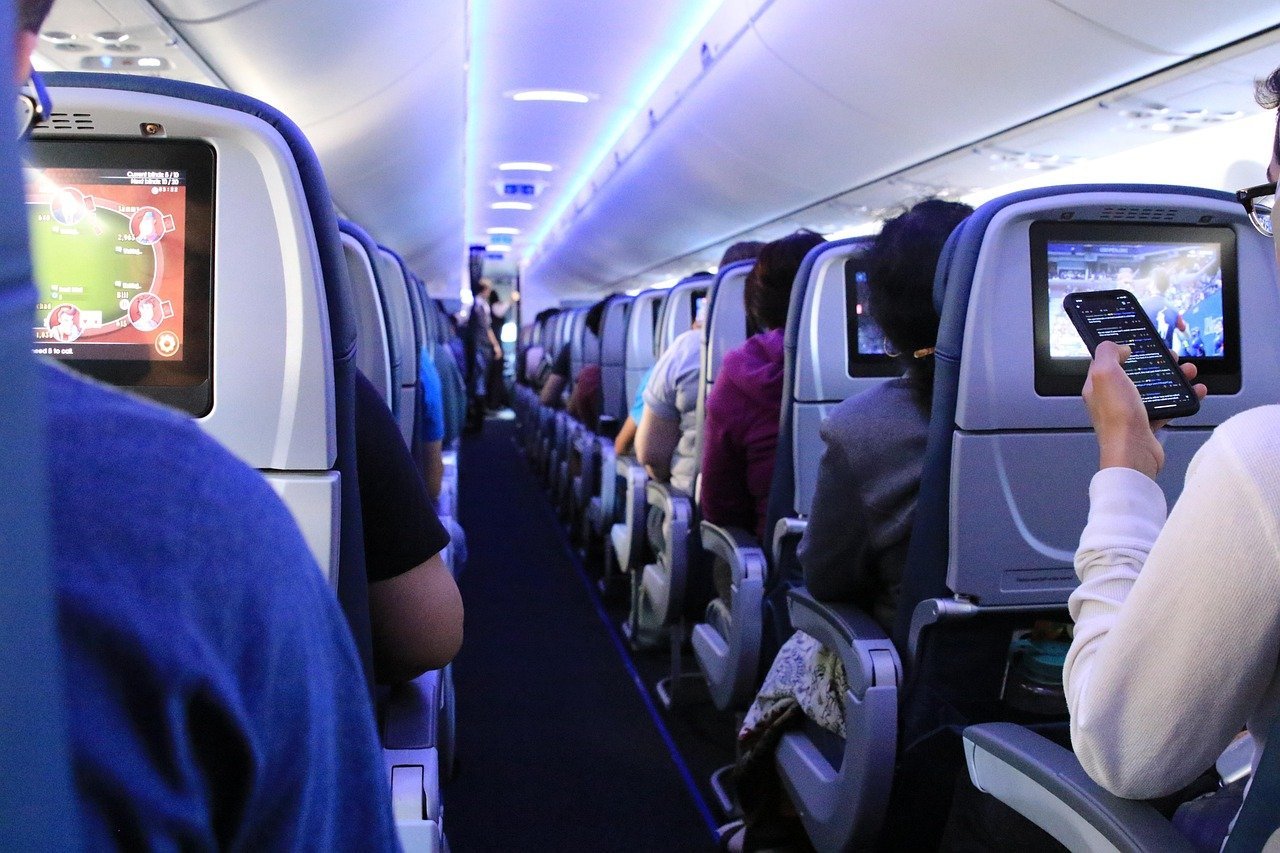
Flight attendants love it when you look at your seat assignment before boarding and sit in the right seat. Sounds obvious, right? Yet the number of passengers who shuffle into any available spot, swap around with strangers, or claim a premium seat they didn’t pay for is genuinely staggering. Every reshuffling creates extra work for the crew before the plane has even pushed back.
Getting this simple thing right signals to the crew that you are a prepared, low-maintenance passenger. That reputation pays dividends. Flight attendant Jennifer Johnson advises: check in early, watch to make sure your gate doesn’t change, eat a healthy snack or meal at the gate, use the restroom at the airport, and smile at your flight attendants when boarding. Arriving organized tells the whole crew you will be easy to work with.
4. Take Your Headphones Off During Service
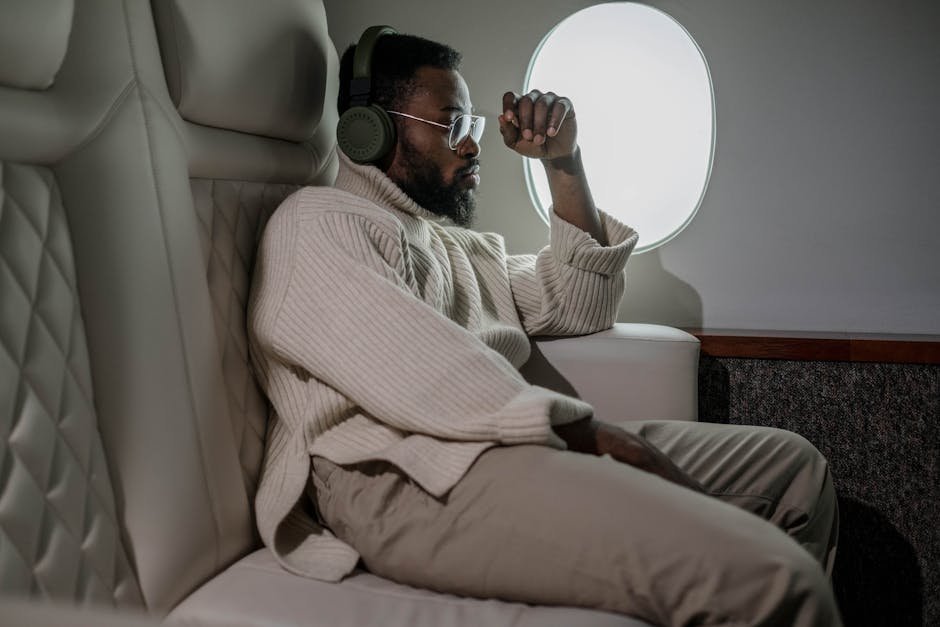
Take off your headphones. Flight attendant Briony Miller recommends removing your headphones or earbuds when a flight attendant is approaching or trying to get your attention. She has found that passengers often have their headphones on when being asked if they would like something to drink or a snack, and then miss their opportunity to reply. “That happens a lot.”
This is one of those habits that feels small but sends a powerful message. Removing your headphones says: I see you, I respect your time, and I am ready to interact like a normal human being. It is also good practice to not block the aisle when attendants are rolling through with a cart. Staying aware of your surroundings during service makes life dramatically easier for everyone involved.
5. Know When – and When Not – to Press the Call Button

Here is the thing. The call button is one of the most misunderstood tools on any aircraft. People are pressing the flight attendant call button way more than they used to – one flight attendant told USA Today it is up to roughly 40 percent more often. That spike in usage has not gone unnoticed, and it is not exactly making passengers more popular with the crew.
Nothing frustrates crew members more than a passenger pressing the bell for a service request when they can visibly see a crew member a few rows ahead attending to everyone. There is usually one crew member for every 50 passengers, and most of them are hungry and thirsty. That said, the courteous passenger is not the one who never asks for anything – it is the one who uses the call button respectfully and understands that sometimes the response might take a moment. The sweet spot is using it purposefully, not reflexively.
6. Help Yourself From the Snack Box Instead of Buzzing for Seconds
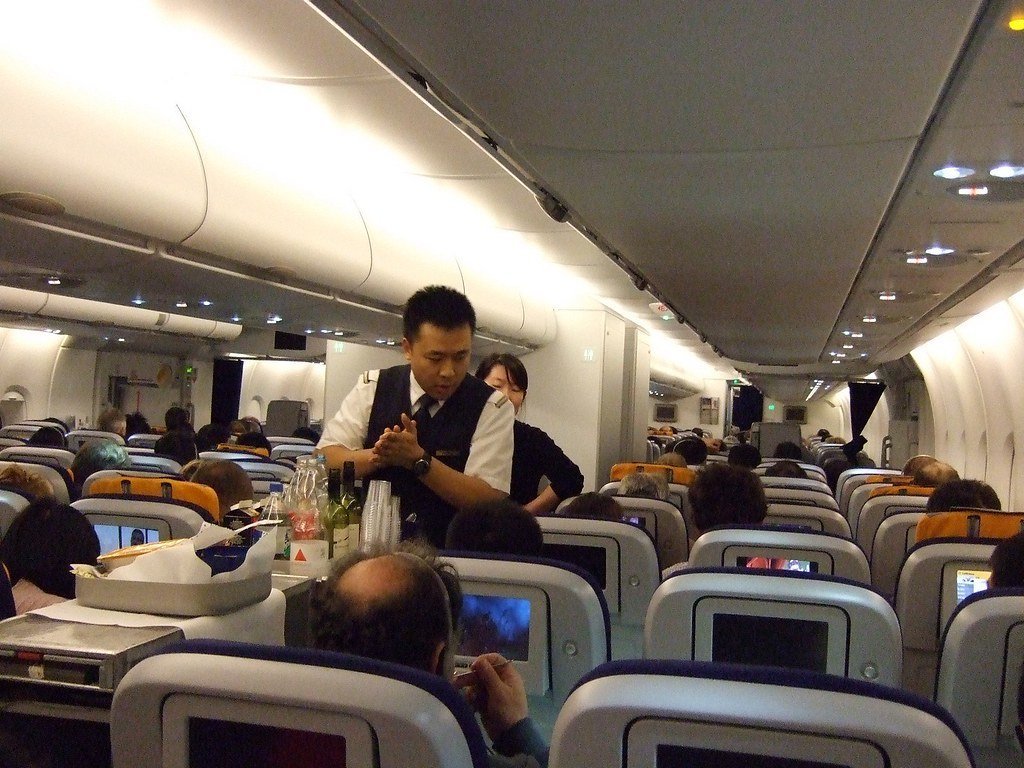
After the first service of food and drinks, flight attendants typically dim the lights – not only for passengers’ rest, but for their own downtime as well. That is also when, instead of ringing the call button to ask for seconds, you can simply walk to the back of the plane and help yourself from the snack box that is usually available. The majority of all long-haul flights have this feature. Most passengers have no idea this even exists.
Walking to the galley instead of buzzing shows awareness and independence – two traits the crew genuinely appreciates. It also builds a moment of real, casual connection with the flight attendants in the back. I think some of the best interactions happen exactly there, standing in the galley eating a pretzel at 2 a.m. over the Atlantic.
7. Stay Calm and Be a Cooperative Passenger Throughout the Flight

In recent years, there has been a rise of disruptive passengers on almost a daily basis. Flight attendants are on the lookout for anyone who may later become disruptive, with the intention of stopping the problem before it starts – since escalation can ultimately result in the aircraft being diverted. Airlines reported over 2,100 unruly passenger cases in 2024 alone, marking an increase from the year prior. Being calm, cooperative, and pleasant is not just good manners – it is genuinely noticed and remembered.
Against that backdrop, a passenger who is simply relaxed and easygoing stands out dramatically. You become, in a very real sense, a safe harbor in a difficult shift. When passengers arrive with preparation, pre-vacation happiness, and kindness, the flight becomes smoother for everyone. That calm energy radiates and gets rewarded with attentive service in return.
8. Bring a Small Gift for the Crew – Seriously, It Works
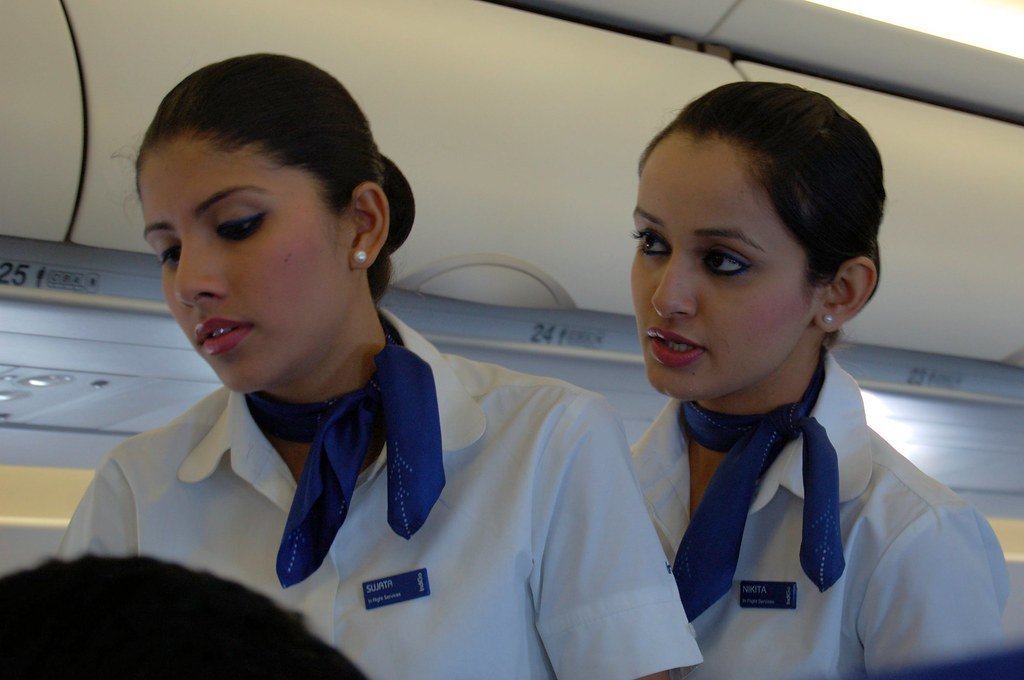
I know it sounds a little over-the-top, but hear me out. Flight attendants love goody bags – anything like Starbucks gift cards, hand sanitizer, Chapstick, under-eye patches, or little snacks. Flight attendants often spend up to 14 hours in the air, and it is simply nice to have a little treat or know they are appreciated. This is not bribery. It is human kindness, expressed in chocolate form.
Most American and European airlines don’t allow flight attendants to accept cash tips. However, they absolutely love getting tipped in snacks. A small bag of candy at the start of a 14-hour flight to Tokyo is the kind of gesture that gets talked about in the galley for the rest of the trip. Just show the crew a little kindness and it will come back tenfold. They do have the ability to give free drinks after all.
9. Stay Hydrated and Respect Basic Cabin Hygiene
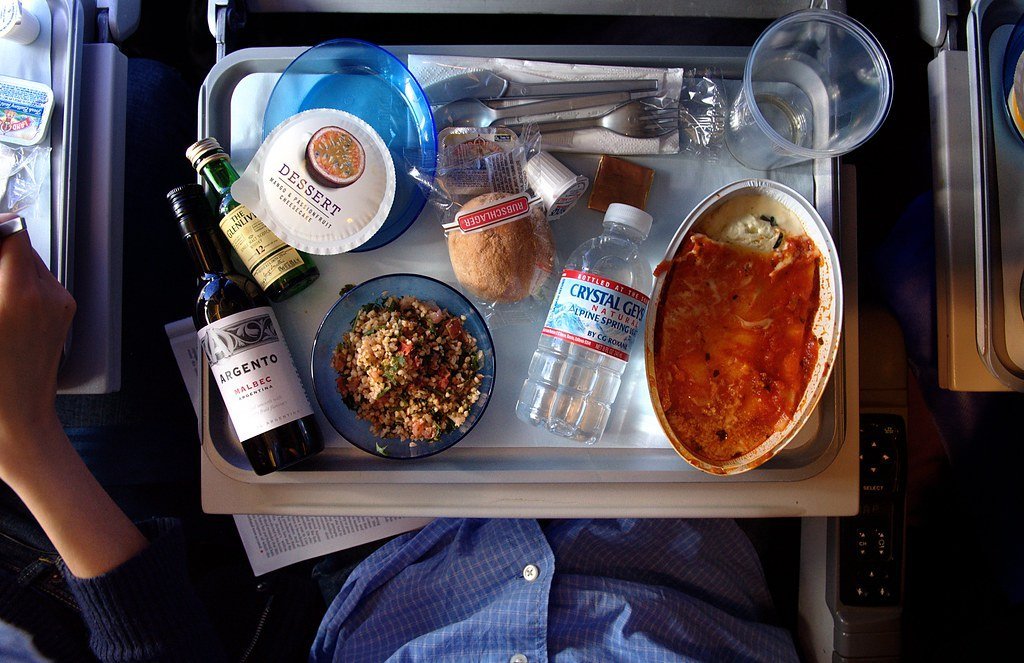
Humidity on an airplane is at a low ten percent, which is drier than a desert. This means that you will dehydrate quickly, especially if you have been drinking alcohol. Bringing your own water bottle onto the plane is highly recommended. According to the Aerospace Medical Association, you should drink about eight ounces of water for every hour of flying, or a liter for every four hours.
Staying hydrated also means you are less likely to feel foggy, irritable, or unwell – all things that make you a harder passenger to serve. Practicing good hygiene on a plane is not just about preventing illness – it can protect you from all kinds of unpleasant things. Passengers who keep themselves together physically are simply easier and more pleasant to assist. Do not remain seated for more than two or three hours in the same position. Get up often and try to stretch in between the flight. Deep vein thrombosis is a real risk even for otherwise healthy travelers.
10. Leverage Your Frequent Flyer Status – and Let the Crew Know It
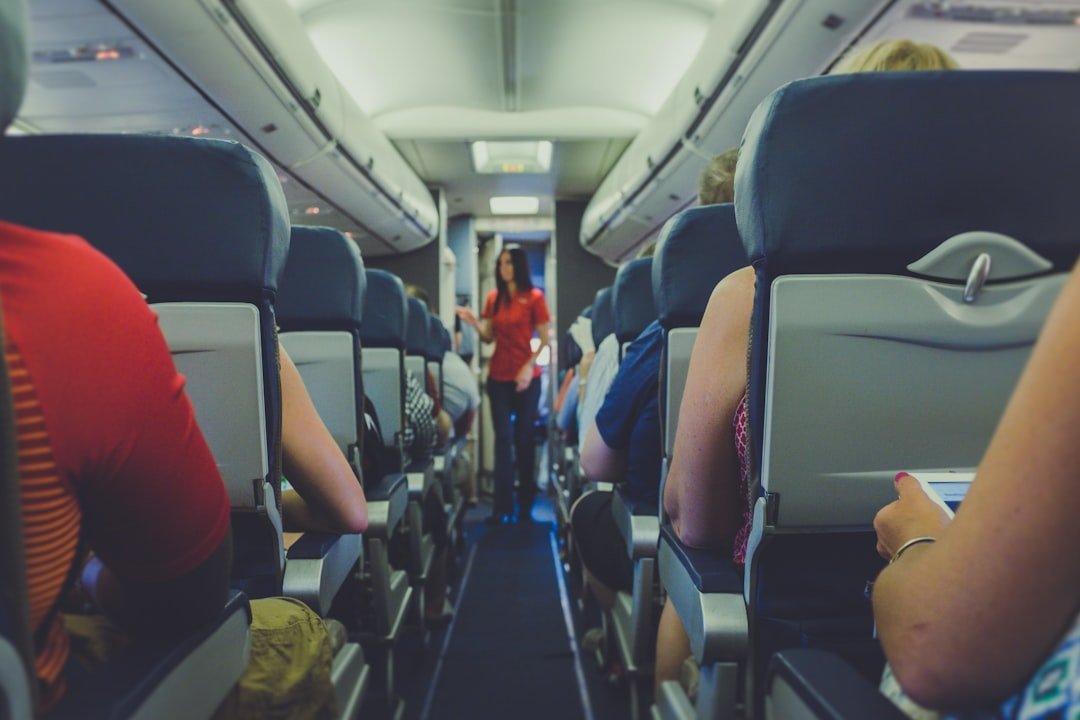
Flight attendants can see the flight status of everyone on a given flight. Customers who fly the most frequently on an airline get noticed and can score additional in-flight perks. These perks can range from seat upgrades to being given other kinds of preferential treatment. Flight attendants know who you are and what status you hold on an airline from the moment you step foot on the plane. It genuinely makes a difference.
Flight attendants are increasingly able to make up for inconveniences by rewarding passengers bonus frequent flyer miles instantly, using their hand-held devices. On the tablets that flight attendants carry, they have been given the power to immediately give customers bonus frequent flyer miles by pushing a button in their pulldown menu labeled “Customer Inconvenience.” That is a real tool that gets used in real time. Being a loyal, registered passenger is not just a perk at booking – it actively shapes the service you receive at 35,000 feet.