
Step inside these mesmerizing aquatic neighborhoods where entire communities have mastered the art of living on water.
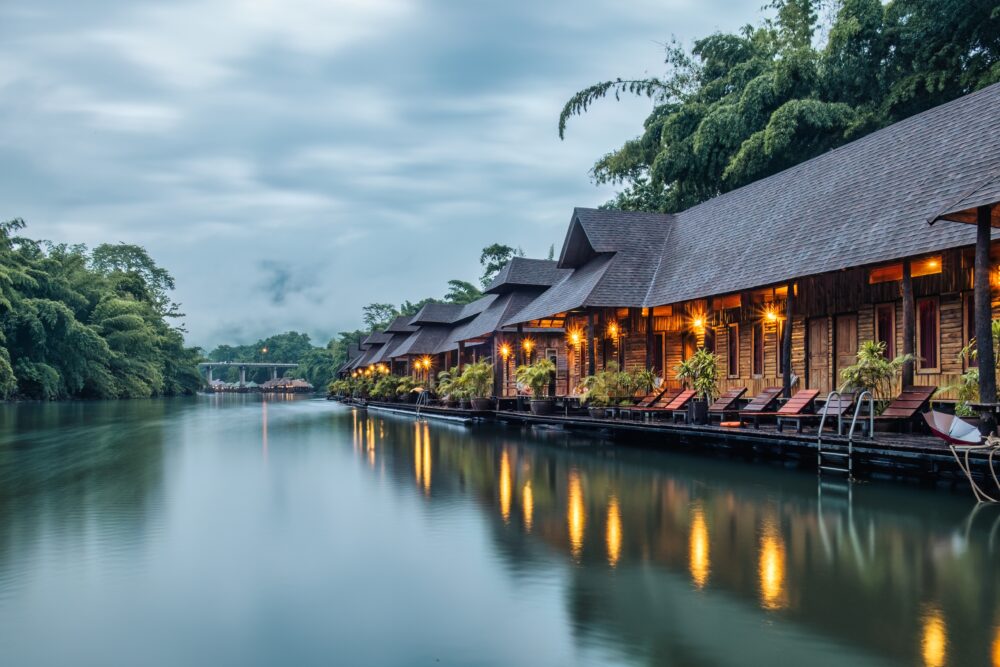
Imagine waking up to the gentle sway of your house, stepping outside to a world where streets are made of water and boats replace cars. These floating villages aren’t just quirky tourist attractions—they’re fully functioning communities where life revolves around the ebb and flow of the tides.
Ingenious, breathtaking, and sometimes downright surreal, these aquatic neighborhoods challenge everything you thought you knew about home. Ready to see how they do it?
1. Kampong Phluk, Cambodia: The Stilted Village That Vanishes in the Wet Season

One moment, it towers over the Tonle Sap Lake on sky-high stilts. The next, it’s nearly swallowed by rising waters. Kampong Phluk is an astonishing example of human adaptability. During the dry season, the wooden houses appear perched above barren land, but when the rains come, the village transforms into a mesmerizing waterworld. Locals navigate by boat, fishing and farming in perfect harmony with the lake’s ever-changing moods. It’s a way of life unlike anything you’ve ever seen.
2. Ganvié, Benin: Africa’s Hidden Venice Where Homes Float on a Lake

No roads, no cars—just an entire community floating on stilts over Lake Nokoué. Ganvié, often called the “Venice of Africa,” is home to thousands who have built a self-sufficient world above the water. The locals, mainly from the Tofinu ethnic group, rely on fishing, trading, and even water-bound markets for survival. Kids paddle to school, and entire families commute by canoe. It’s a peaceful, waterborne existence that feels both ancient and astonishingly resilient.
3. Kampong Ayer, Brunei: The Floating Capital That’s Been Thriving for Centuries

They call it the “Venice of the East,” but Kampong Ayer is so much more than a nickname. For over a thousand years, this sprawling network of wooden homes, shops, and schools has hovered above the Brunei River. Even with the rise of modern skyscrapers in the distance, generations continue to embrace life on stilts, navigating the water with ease. It’s a surreal blend of history and modernity, where floating houses come with WiFi and speedboats replace morning commutes.
4. Uros Floating Islands, Peru: The Handwoven Villages That Literally Float

These homes aren’t just built on water—they’re built from it. The Uros people of Lake Titicaca have crafted their entire village from totora reeds, an ancient technique that allows their floating islands to drift with the currents. Each structure requires constant maintenance as the reeds decay, but that’s just part of life here. Schools, homes, and even churches all rest on this buoyant foundation, making it one of the most unique and fragile communities in the world.
5. Ko Panyi, Thailand: The Jaw-Dropping Fishing Village That Sits on Stilts

A football field floating on the ocean? That’s just one of the wild things you’ll find in Ko Panyi, a village built entirely on stilts in Thailand’s Phang Nga Bay. Founded by Muslim fishermen, the village has grown into a vibrant, colorful community with houses, markets, and restaurants balancing above the water. With no solid land to expand on, locals have turned ingenuity into an art form—proving that home is wherever you’re willing to build it.
6. Ha Long Bay Floating Villages, Vietnam: The Fishermen Who Call a World Wonder Home

Tourists marvel at Ha Long Bay’s towering limestone cliffs, but for generations of fishing families, these waters are home. Scattered throughout the bay, floating villages house entire communities that rely on the sea for survival. Homes, schools, and shops bob on rafts, connected by narrow wooden planks. Life here moves with the tides—literally. It’s a breathtaking yet precarious existence, where every sunrise reflects off the water like a scene from another world.
7. Zhujiajiao, China: The Ancient Water Town Where Canals Replace Streets
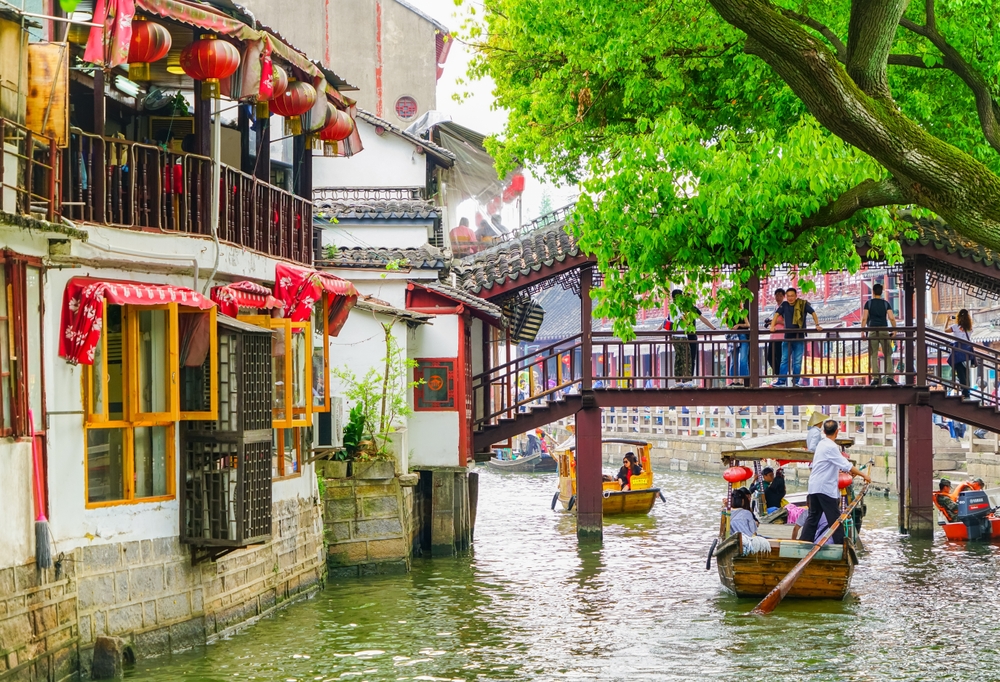
Step into Zhujiajiao, and you might feel like you’ve time-traveled to another era. With bridges arching over narrow canals and wooden boats gliding between centuries-old homes, this water town near Shanghai is as picturesque as it gets. Once a thriving trade hub, it still buzzes with market stalls, tea houses, and tiny alleyways that invite exploration. Unlike other floating villages, its charm lies in its seamless blend of ancient tradition and modern-day tourism.
8. Stilt Fishermen’s Village, Sri Lanka: The Coastal Community That Fishes from Thin Air

Fishing in Sri Lanka takes on an almost gravity-defying twist in this stilted village along the southern coast. Perched on narrow wooden poles above the ocean, fishermen balance effortlessly as they cast their lines into the waves below. It’s an ancient technique passed down for generations, but one that’s increasingly rare. Watching them at work is mesmerizing—an almost meditative scene that showcases the deep connection between the people and the sea.
9. Chong Khneas, Cambodia: The Floating Village That Moves With the Seasons

Nothing about Chong Khneas is permanent, and that’s exactly what makes it incredible. Built on the Tonle Sap Lake, this floating village shifts locations depending on the water levels. Homes, schools, and even pigpens are built on floating platforms, allowing the entire community to move when needed. The sheer adaptability is mind-blowing. With floating restaurants, mobile markets, and boats as the primary mode of transport, life here is a constant dance with the elements.
10. Loktak Lake, India: The Village That Rests on Floating Islands

Not just a floating village—this one has floating islands. Loktak Lake in India’s Manipur state is home to unique circular masses of vegetation called phumdis, which act as natural rafts supporting entire homes. Fishermen and families live atop these shifting islands, coexisting with the delicate ecosystem that sustains them. It’s a surreal sight—tiny houses resting on moving patches of earth, drifting across the lake like something straight out of a dream.