
There is no shortage of alarming travel headlines. Every few months, another destination hits the news cycle for the wrong reasons, and it can start to feel like the world is just getting rougher for travelers. Honestly, that narrative gets a little exhausting. Because here’s what often gets buried beneath the fear: some places are actually turning things around in a meaningful, data-backed way.
Violence against tourists is not a fixed, permanent feature of any country. It responds to policy, to investment, to leadership, and to time. And right now, in 2026, there are real, verifiable stories of improvement unfolding around the world. Let’s dive in.
1. El Salvador: The Most Stunning Turnaround in Modern Travel History

If someone had told you ten years ago that El Salvador would become a tourism success story, you’d have laughed. Understandably so. At its peak, the country recorded approximately 6,656 homicides per year in a nation of just 6.3 million people, placing El Salvador among the deadliest countries on earth. That is not a typo. That is the scale of what existed.
What happened next is almost hard to believe. According to Salvadoran officials, the country’s homicide rate declined by over 98 percent between 2015 and 2024. The national homicide rate fell from 53.1 homicides per 100,000 people in 2018 to 1.9 homicides per 100,000 people in 2024. Let that sink in for a moment.
Homicides fell to just 0.31 per day, or 1.89 per 100,000 people, a record low. El Salvador now experiences entire days without a single murder, making 2024 the safest year in the country’s modern history and a turning point for national security. The travel numbers followed. El Salvador welcomed 3.9 million tourists in 2024, representing a 229 percent increase compared to the period between 2013 and 2016. This remarkable surge puts the country ahead of several traditional regional tourism competitors, including Costa Rica, Guatemala, and Panama.
This new reality is reflected internationally, with El Salvador earning a Level 1 U.S. Travel Advisory, the safest rating possible. It is worth noting that human rights organizations have raised serious concerns about the methods used, including mass incarcerations. Widespread allegations of human rights abuses during the ongoing state of emergency, such as arbitrary arrests, ill treatment in detention, and extrajudicial executions, directly contribute to the risk of damaged relationships with multilateral donors and democratic allies. The safety gains are real. The debate around how they were achieved is equally real.
2. The Philippines: A Quiet Crime Drop That Most People Don’t Know About

The Philippines still carries a complicated reputation. Terrorism alerts, kidnapping warnings in the south, and the constant noise of international advisories make it feel perpetually dangerous to outsiders. The domestic data, however, tells a different story than the headlines.
In a statement released on 31 October 2024, the Department of the Interior and Local Government (DILG) congratulated the Philippine National Police for recording a 62 percent decrease in crime during the first two years of President Marcos’s administration. The department cited official records showing 83,059 incidents from 1 July 2022 to 28 July 2024 compared with 217,830 incidents during the same period in 2016 to 2018.
The trend continued into 2025. According to the Philippine National Police, crime rates in the Philippines decreased by 16.5 percent in the first eight months of 2025, with incidents dropping from 26,969 cases in 2024 to 22,519 in 2025. That is a consistent direction of travel, not a one-year blip. According to police data, crimes against persons decreased by 55.69 percent, with reductions of 34,966 in physical injury cases, 11,641 in murder cases, 2,719 in rape incidents, and 2,420 in homicides.
It’s hard to say for sure how much of this reaches tourists planning their trip, given the gap between local data and international perceptions. None of the examined sources indicate widespread political unrest or a significant rise in violent crime in popular tourist areas during 2024 or 2025. Caution is still warranted in southern regions, but the broader picture is improving. Popular spots like Palawan, Boracay, and Cebu continue to draw millions of visitors, and for good reason.
3. Iceland: The Benchmark That Never Stops Improving

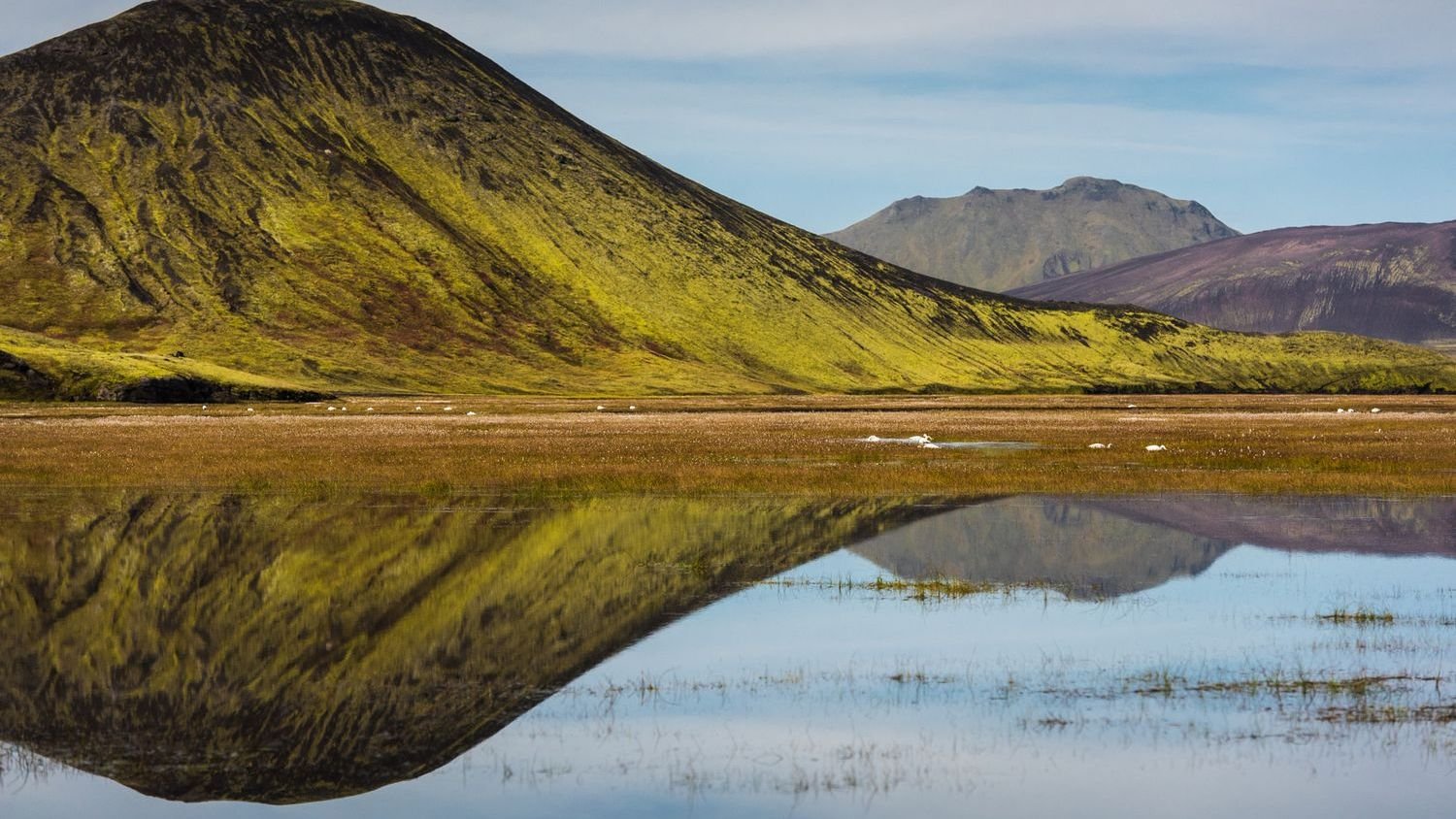
Here’s the thing about Iceland. It doesn’t just appear on safe travel lists occasionally. It dominates them. Consistently. According to the Global Peace Index, Iceland is the safest country in the world for the 15th year in a row. That is not a fluke. That is a cultural and institutional achievement.
Iceland has a very low level of crime, which is typically attributed to its high standard of living, small population, strong social attitudes against crime, a high level of trust in its well-trained police force, and a lack of tension among social and economic classes. Think of it like a society where the foundations that usually push people toward crime have been systematically dismantled over generations. In the HelloSafe Safety Index, Iceland scored 92.4 out of 100, and is famous for low crime and beautiful nature.
Tourists are responding. Iceland’s tourism numbers are soaring, with over 2.32 million visitors expected in 2025, a new record that underscores its appeal as both a safe and stunning destination. With technological advancements like real-time safety apps in Iceland and eco-friendly infrastructures in Denmark, these nations are not only ensuring safety on a traditional level but are also integrating innovation to create a seamless and worry-free travel experience.
4. Singapore: Asia’s Safety Powerhouse
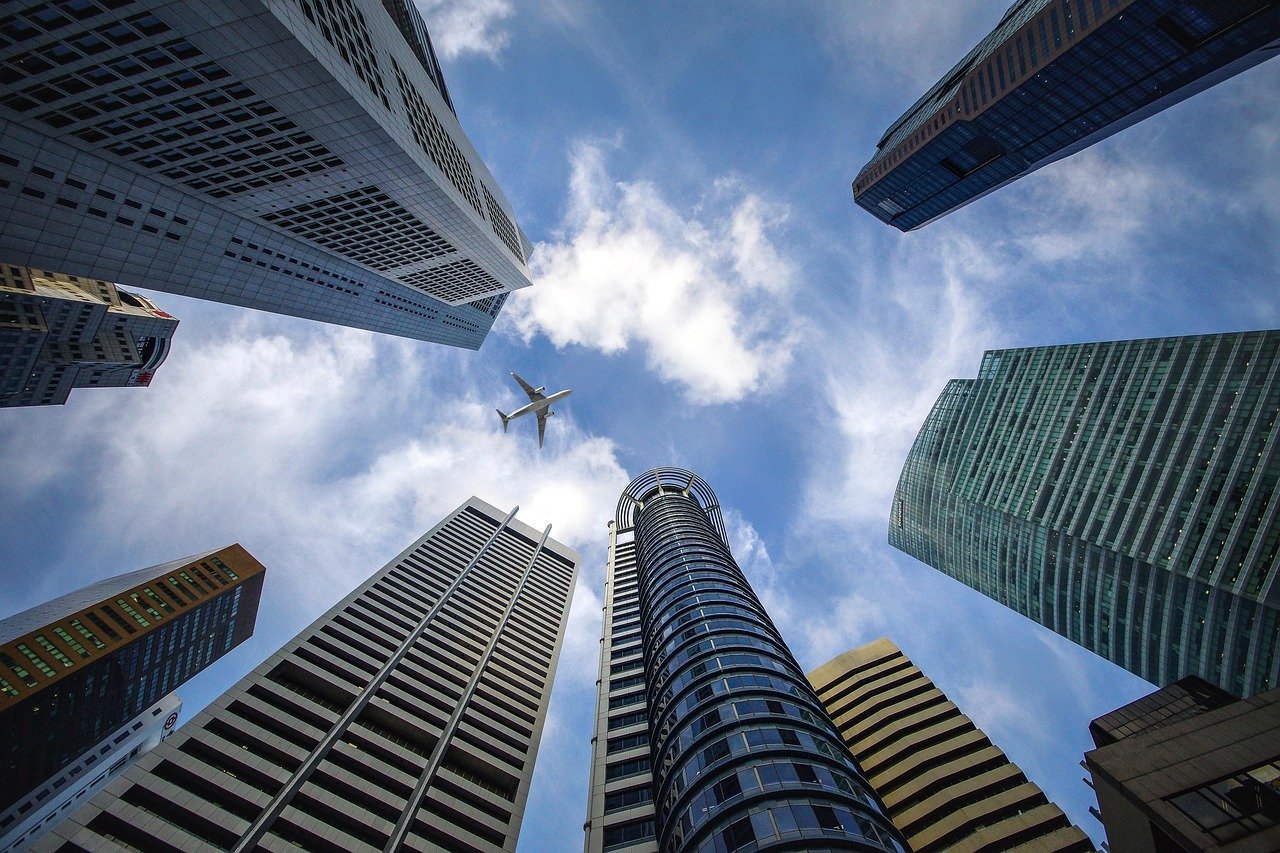
Singapore is almost absurdly safe by global standards. I know it sounds crazy, but tourists from countries with modest crime rates often describe arriving in Singapore and feeling like they’ve stepped into a different reality. The consequences for committing crimes in Singapore are incredibly high, even for smaller crimes. This, combined with high surveillance and police presence, makes Singapore one of the world’s safest countries for travel.
Singapore stands out at the top of the safety ranking with a remarkable score of 19.99 points out of 100, making it the second safest country in the world overall. Northern Europe dominates the rankings, but Asia places two countries in the global top ten, with Singapore ranking 6th and Japan ranking 8th. That Asian pair represents genuine, sustained low violence against tourists.
Singapore and Japan show disciplined societies and modern systems. For Singapore specifically, that discipline translates directly into visitor safety. Singapore scored 88.7 out of 100 in the HelloSafe Safety Index, making it a leader in Asia for city management and digital safety. The city-state has essentially made safety part of its national brand, and it works.
5. Uruguay: Latin America’s Underrated Oasis
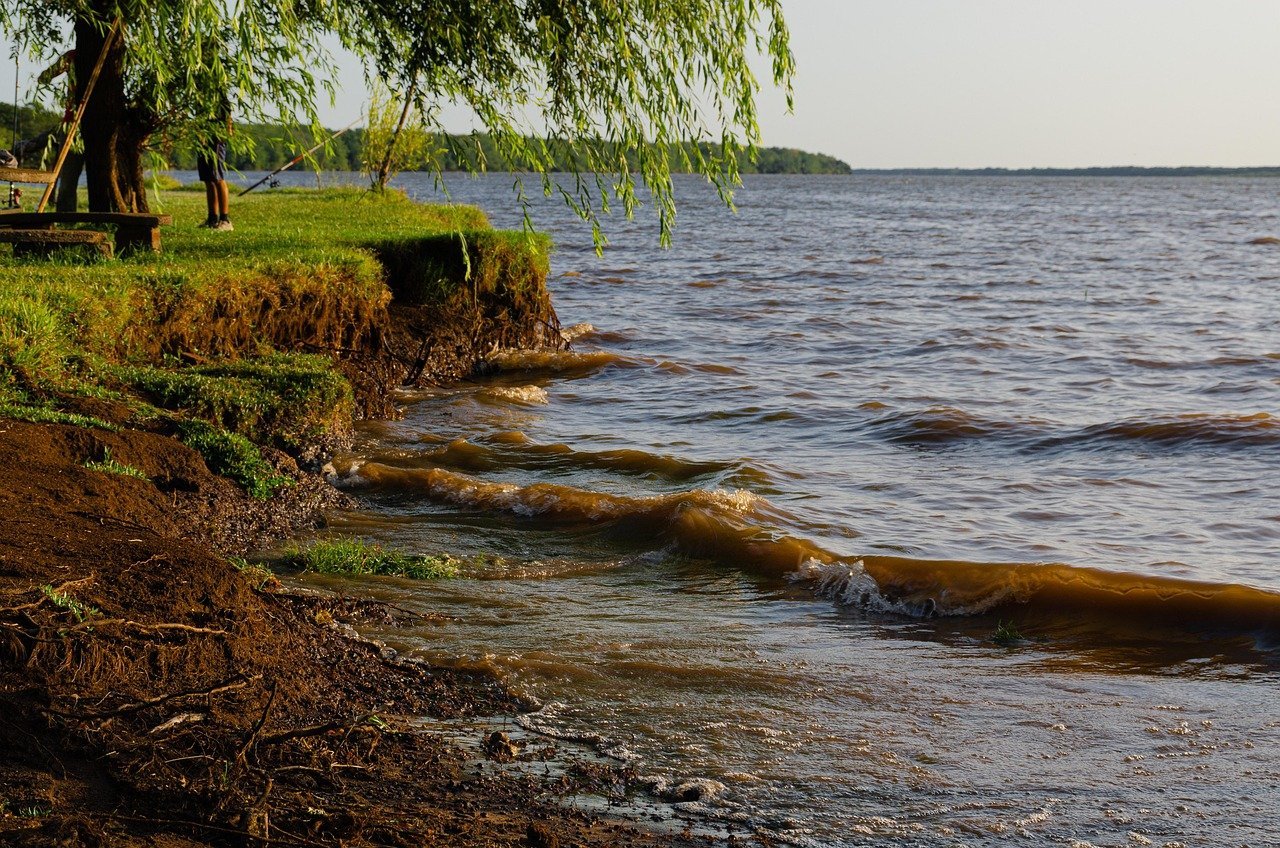
Most people think of Central America or the Caribbean when they imagine safe Latin travel. Uruguay doesn’t always make that mental shortlist, which is honestly a mistake. Let’s be real, this small country punches way above its weight on the safety front.
Political stability, strong rule of law, and minimal violent crime have made Uruguay a model of peace for decades. Unlike other Latin nations, it has kept drug cartels largely at bay. Tourist hotspots like Colonia del Sacramento and Punta del Este are considered exceptionally safe. That last point matters enormously. Many countries claim safety while their tourist zones quietly suffer. Uruguay’s hotspots actually back up the claim.
On the Global Peace Index 2025, Uruguay sits comfortably at 46th in the world, a rank that reflects its long-standing reputation as Latin America’s Switzerland. The Switzerland comparison is apt. It is a place where governance, social investment, and rule of law have combined to keep violence relatively low. Costa Rica, Chile, and Uruguay follow Canada in the Americas region of the HelloSafe Safety Index. The region has inequality, but these nations remain peaceful.
6. Denmark: Consistently Safe, Consistently Underrated by Travelers
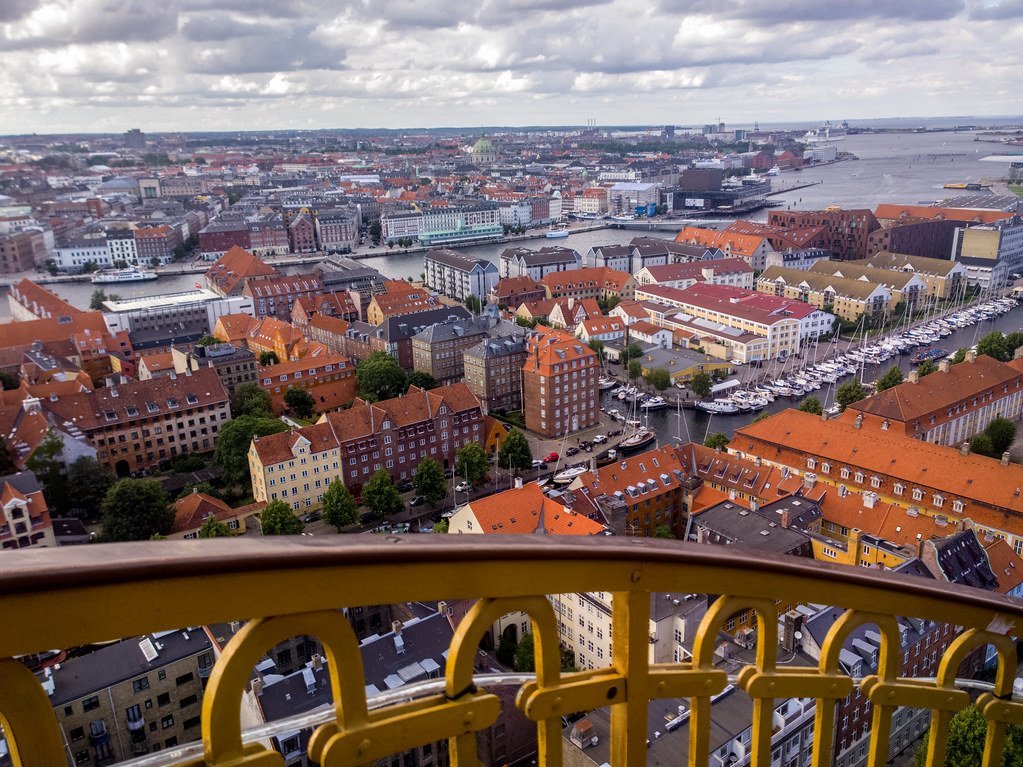
Ask most people to name the top European destinations, and Denmark rarely leads the list. That’s their loss, honestly. Denmark ranks third in the 2025 Global Peace Index, thanks to its stable government, low crime rates, and progressive policies. The Danish capital of Copenhagen is a model of safety, cleanliness, and efficiency. Denmark’s low levels of militarization and commitment to peaceful coexistence make it one of Europe’s safest countries for travel.
The low crime rate is often attributed to strong social safety nets that keep its citizens out of poverty, which decreases petty crimes like theft and pickpocketing. Denmark also has a robust police presence, a relatively transparent government, and high-quality technological surveillance, which makes Denmark an uncommonly safe place to live and travel.
According to the HelloSafe 2025 Travel Safety Index, Iceland, Singapore, and Denmark are the three safest countries in the world to travel to, with Denmark scoring 20.1 out of 100. When you look at what goes into that score, ranging from public safety to political stability to healthcare, it’s clear Denmark’s safety isn’t accidental. It is the product of long-term social investment. Denmark is one of the few countries where people report feeling safe at any time of day or night, even children.
7. South America as a Region: A Surprising Collective Improvement
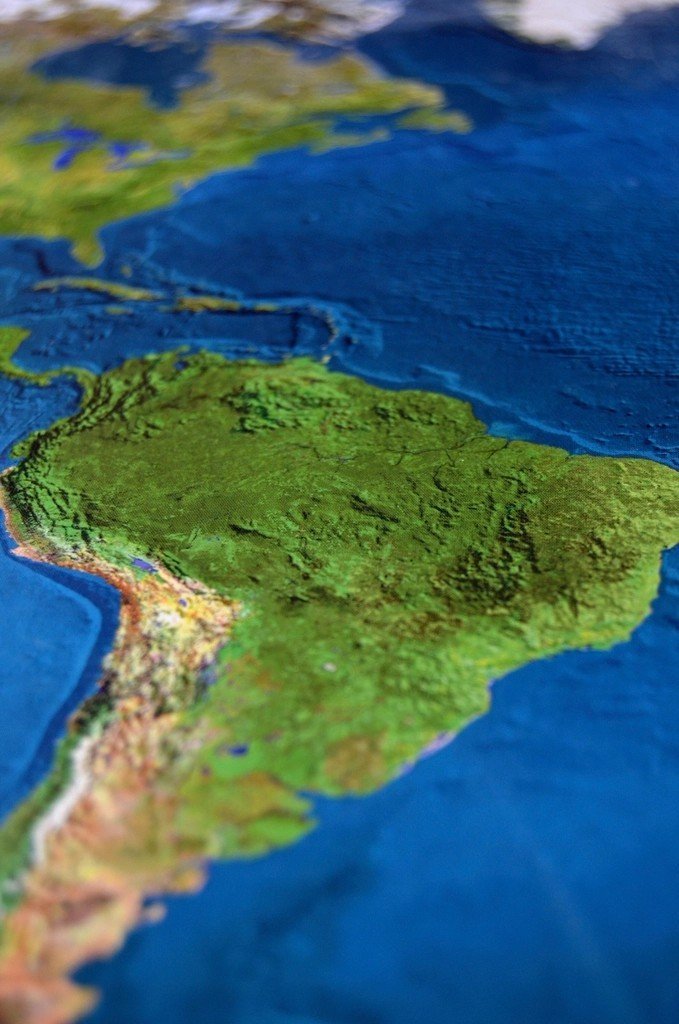
This one surprised me when I first encountered the data. The whole narrative around South America tends to be doom and gloom, cartels and kidnappings. The reality of 2024 and 2025 is considerably more nuanced and, in places, encouraging.
The Global Peace Index notes a surprising trend: South America was the only region in the world to record an improvement in peace in 2024, with overall peacefulness rising by 0.59 percent. Eight out of eleven countries improved their ranking. That is a meaningful, region-wide shift, not just one outlier country cleaning up its numbers.
Argentina has quietly become one of the region’s calm anchors. The Global Peace Index shows its peacefulness improved 3.8 percent last year. Despite austerity measures tied to its economic crisis, Argentina has avoided the large-scale protests and unrest that many had anticipated. Chile and Uruguay also feature strongly in regional safety comparisons. Canada remains a global benchmark, while South America features two destinations widely seen as stable and travel-friendly: Chile and Uruguay. The narrative around South America is shifting. Slowly, but it is shifting.
The Bigger Picture: Safety Investment Is Paying Off Globally

The destinations above did not get safer by accident. Behind every data point is a deliberate policy choice, whether that’s funding better policing, reducing poverty, investing in social infrastructure, or cracking down on criminal networks. Common attributes of the world’s safest countries include high levels of wealth, social welfare, education, effective criminal justice systems, and positive government-citizen relationships. That formula is replicable, even if it takes generations to embed.
Iceland is joining countries like Switzerland, Finland, and Denmark in experiencing a tourism boom in 2025, thanks to their exceptionally low crime rates, political stability, and commitment to sustainability. These nations have become top travel destinations by providing a safe and secure environment for visitors, with minimal crime, robust social systems, and strong rule of law.
It’s also worth noting that technology is playing a growing role. Technological advancements, including AI translation, real-time tracking, and safety alerts, are transforming travel by increasing safety and control for travelers. Travelers today have access to better real-time information than any generation before them, and that matters when navigating unfamiliar destinations. As travelers increasingly prioritize safety and environmental conservation, these countries are attracting millions of global tourists who can enjoy both peace of mind and breathtaking natural beauty.
What This Means for the Traveler Planning Their Next Trip
The most important takeaway from all of this data is that travel safety is not static. A destination that felt dangerous five years ago may have genuinely changed. El Salvador is the most dramatic proof of that. A destination that feels universally safe may have specific pockets of concern, as the Philippines illustrates with its southern islands. Context matters enormously.
Countries that were deemed to have especially low security risks in 2025 by researchers with International SOS, Riskline and Berkshire Hathaway include Iceland, Australia, Canada, Japan, New Zealand, Norway, and Switzerland. All of those countries have Level 1 travel advisories from the U.S. State Department. That’s a solid starting list for anyone prioritizing safety in their travel planning.
Still, the smarter move is to always consult the most current government travel advisories for your specific nationality, because they update regularly and vary by country of origin. The world is moving. Some of it is moving in the right direction, and these seven destinations prove that progress on tourist violence is not just possible. It is actually happening right now.
What destination’s safety improvement surprised you most? Share your thoughts in the comments.