
You walk into a hotel room and everything looks spotless. Fresh towels, a neatly made bed, gleaming surfaces. It all feels reassuringly clean. But here’s the thing – appearances in hotel rooms can be wildly deceiving, and the people who know this best are the ones who clean them.
Housekeepers across the country have been quietly sounding the alarm for years. Under crushing time pressure, housekeepers clean 14 to 16 rooms per eight-hour shift, spending approximately 30 minutes on each room – which means corners get cut, and not always the ones you’d expect. Some of the germiest items in your room aren’t the ones that look dirty. They’re the ones that look perfectly fine. Let’s dive in.
1. The TV Remote Control
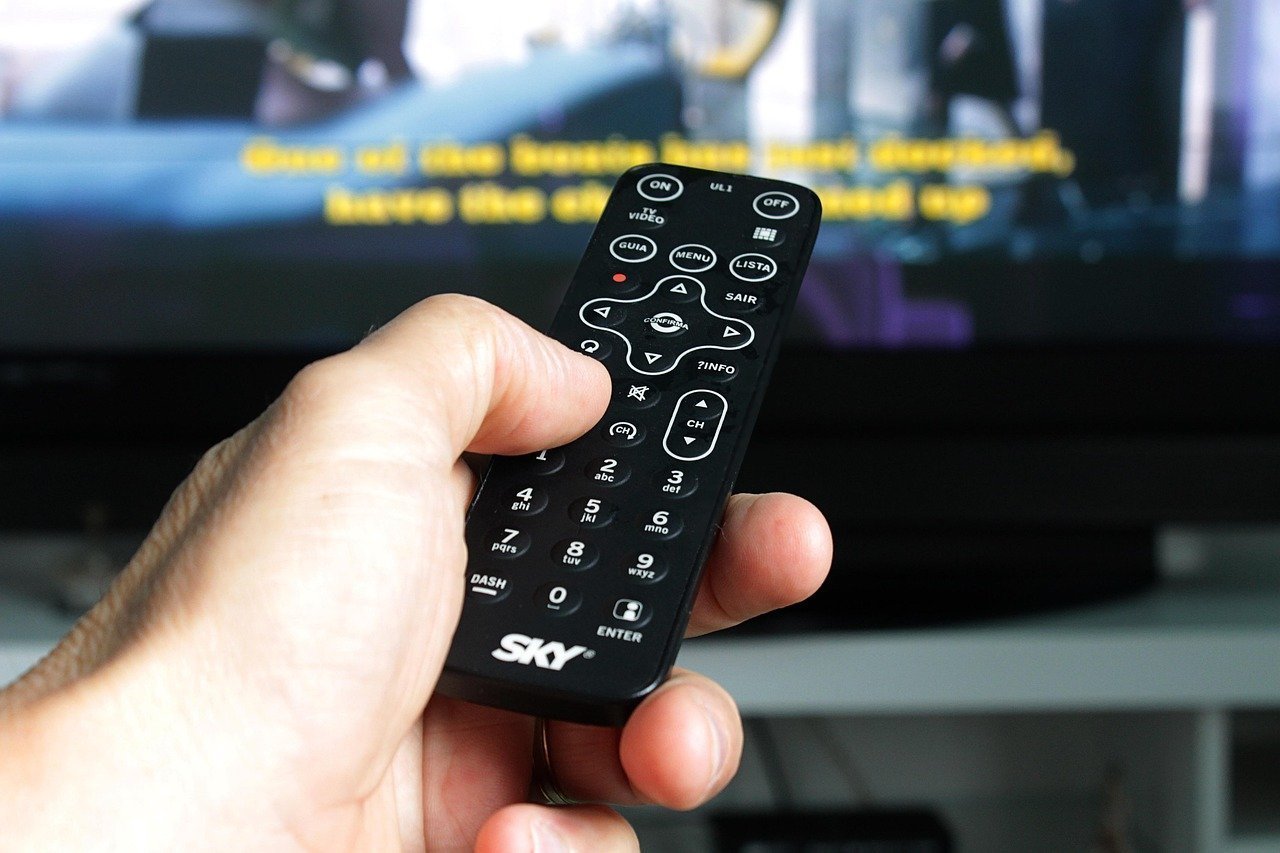
In a 2012 study presented at the annual conference for the American Society for Microbiology, researchers found that the television remote is one of the most contaminated objects in hotel rooms. That little device sitting on your nightstand? It has been handled by every single guest before you, often while eating, lying in bed, or straight after using the bathroom. Every guest touches it, few wash their hands, and it’s rarely disinfected properly. Cleaning a remote takes time – you need to scrub between buttons and let disinfectant sit long enough to kill bacteria. Most housekeepers just give it a quick wipe, if that.
Studying 36 bacteria samples across nine hotels, measured in colony-forming units per square inch, one study revealed the remote control clocked in at 1.2 million CFU – the same level as a bathroom counter. A smart workaround? Slip the remote inside one of the plastic shower caps from the bathroom before use.
2. The Bathroom Counter and Faucet Handles
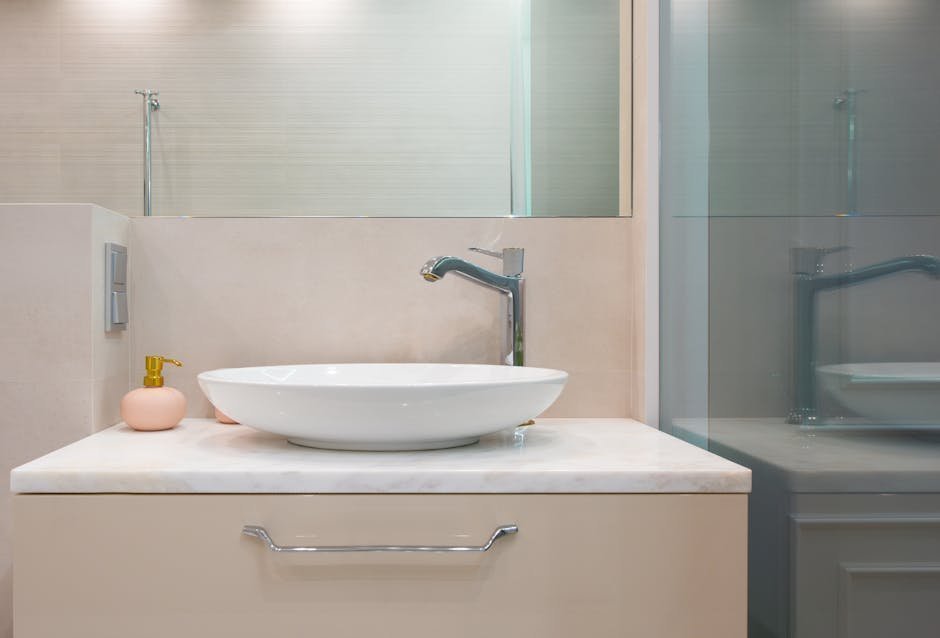
In four-star hotels, the bathroom counter was the most bacteria-laden surface – in fact, it was the single dirtiest surface among all spaces tested. That’s not a budget motel. That’s a four-star hotel. The bathroom counter and faucets can sometimes be cleaned with the same cloth used to clean the toilet, which transfers germs from fecal matter onto the counter and faucets.
Not only can this lead to gastrointestinal infections, but there may also be GI and respiratory viruses lingering on surfaces. Worse yet, the same cloths may be used from room to room. The fix is simple but important: wipe everything down with your own disinfectant wipe the moment you arrive.
3. In-Room Drinking Glasses

This one genuinely shocked me when I first read about it. In 2009, ABC News investigated hotels and revealed that roughly three quarters of glasses had simply been wiped down with a towel or sponge and rinsed instead of properly sanitized. That wrapped glass on the bathroom shelf with a paper cover? The presentation is theatrical. Multiple housekeepers, speaking on condition of anonymity, admitted that glasses are often simply rinsed in the bathroom sink and wiped with the same cloth used to clean other surfaces. Sometimes, they’re not even rinsed – just wiped and replaced.
This isn’t a matter of individual laziness but institutional failure. Proper glass cleaning requires either dishwasher access or specific sanitizing procedures that take time. Your best bet is to wash any reusable glasses yourself using the bathroom soap before you use them.
4. Light Switches
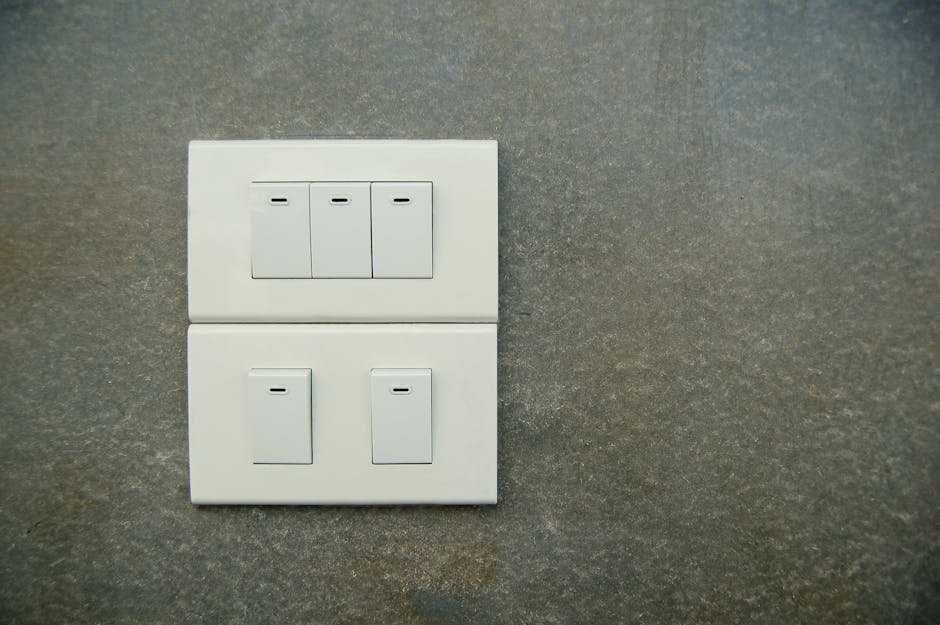
An AAA inspector noted: “When we first started swabbing, the remote control was the germiest, but now it is not as much. It’s usually the light switch at the front door that tends to fail the most for me.” And the reason they stay dirty is almost mundane. Cleaning checklists are broken down by zones like bathroom, bed, and surfaces, and switches don’t neatly fit into any of them. They just get forgotten.
The cumulative effect is staggering. A single light switch might be touched by thousands of hands between proper cleanings, accumulating layers of oils, germs, and viruses. The textured surfaces common on lamp bases and decorative switch plates only compound the problem, creating microscopic valleys where pathogens can thrive. A quick swipe with a disinfectant wipe right when you walk in costs you about five seconds. Worth it.
5. The Bedspread and Decorative Pillows
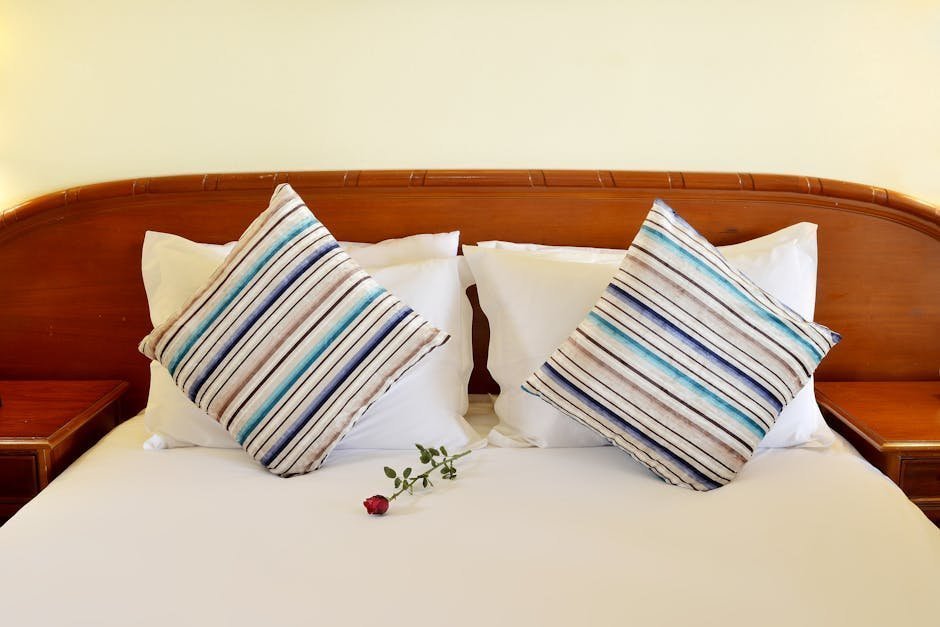
Hotels change sheets and towels before new guests arrive, but many do not frequently wash their bedspreads. Honestly, this is one of the most widespread practices in the industry. The decorative bedspread that gives hotel rooms their polished look harbors a dirty secret: it might not have been washed in months. One housekeeping supervisor at an upscale hotel in Manhattan revealed that while sheets are changed between every guest, bedspreads and decorative pillows often go weeks or even months between cleanings.
While sheets and pillowcases may be more likely to be changed between occupants, bedspreads may not, meaning these fabrics may become invisible reservoirs for pathogens – as much as a toilet seat. The moment you check in, pull the bedspread off and fold it onto a chair or put it in the closet. Every veteran housekeeper will tell you the same thing.
6. The In-Room Telephone
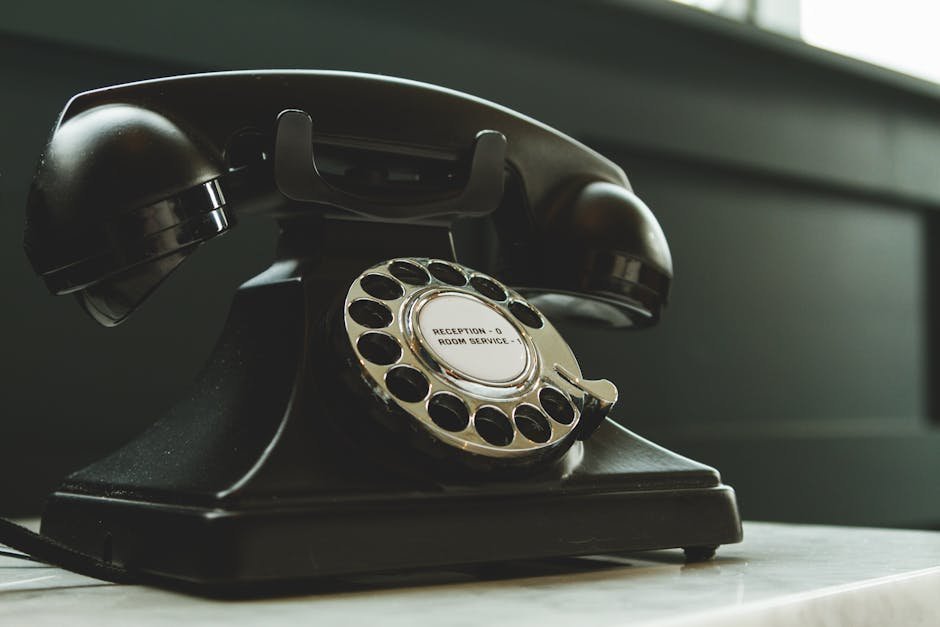
There’s one particularly germ-laden place that will surprise absolutely no one: hotel room phones. They’re germ magnets since handsets are held close to the face and mouth. What makes the hotel phone worse than the remote is that it rarely gets attention even when housekeepers do wipe down electronics. MRSA, or methicillin-resistant Staphylococcus aureus, has been found on phones and remotes, and can cause dangerous skin infections. Phones can also harbor E. coli and respiratory viruses from previous guests speaking into or handling the handset.
One New York housekeeper confided that she has seen phones with sticky residues she didn’t even want to identify. Unlike remotes, phones don’t get swapped out often, meaning years of accumulated use on the same device. Use your mobile. Always.
7. The In-Room Coffee Maker
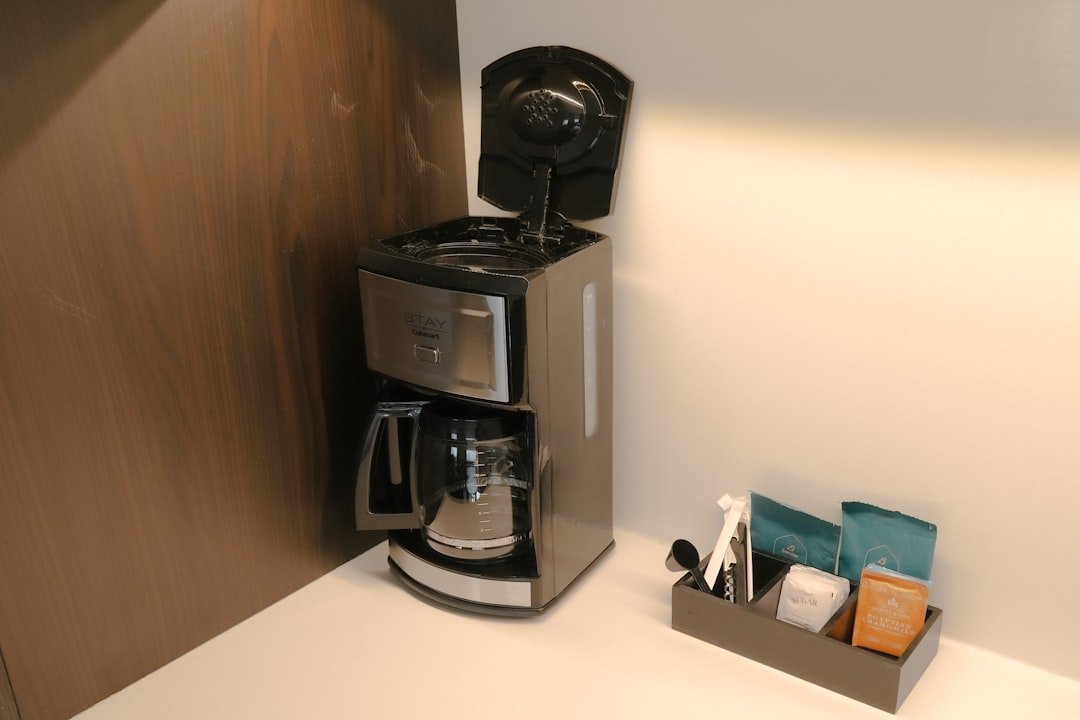
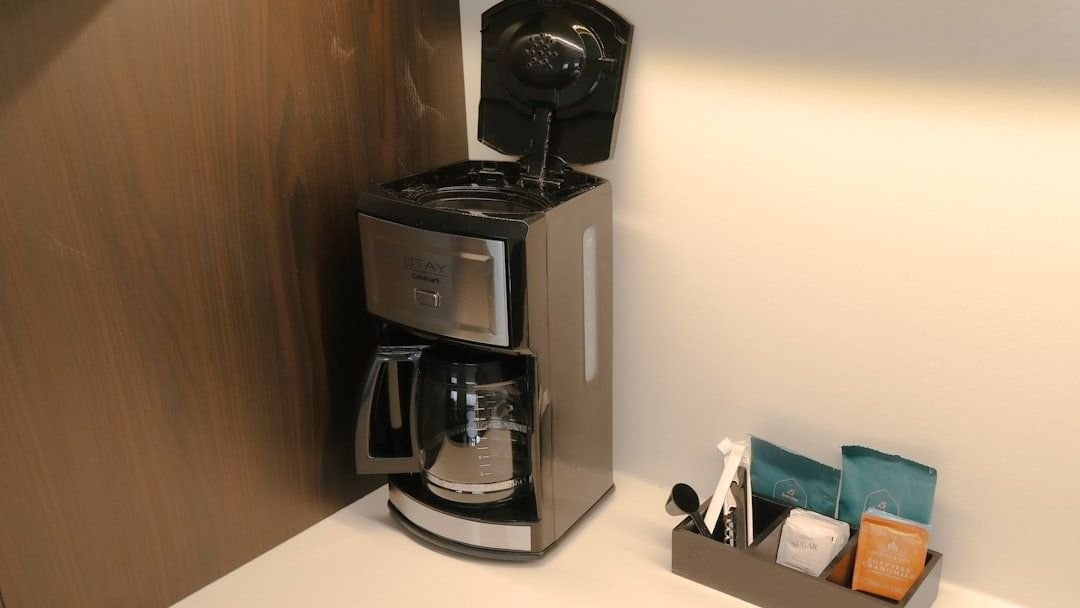
Let’s be real – the coffee maker in your hotel room looks harmless. It practically begs you to use it. Coffee makers can harbor mold and respiratory viruses. In one study published in Scientific Reports, researchers at the University of Valencia found bacteria in nine Nespresso machines after just one year of use. Hotel machines get far more use than that, with far less regular cleaning.
The first thing one former hotel worker said she would never use is the coffee pot or glassware. “Usually the housekeeper just rinses these things out in the bathroom sink and dries them off with the same rag they used to clean the rest of the room with,” she said. If you need your morning coffee, your best bet is heading down to the hotel lobby or a nearby café.
8. The Carpet

You probably aren’t planning to lick the carpet. But walking barefoot on it is almost equally risky, and here’s why. The average carpet can harbor over 91,000 colony-forming units of germs per gram of dust, consisting of roughly 95% bacteria, including bacillus, gram-negative rods and gram-positive cocci. Hotel carpets are vacuumed during turnover, sure. But as microbiologist Jason Tetro points out, “Even though carpets are vacuumed, they’re not disinfected.”
One researcher from the University of Houston’s hotel school noted that the patch of carpet right in front of the hotel room door is the dirtiest area, because people track dirt in on their shoes. Take slippers or thick socks with you so you can avoid walking barefoot on hotel carpets – known to be another dirt hotspot. It’s a small habit that makes a big difference.
9. The Hotel Room Desk

People underestimate this one constantly. The desk looks clean. It may even smell clean. Desks are another frequently-used, high-touch surface that may not be cleaned regularly and are often places where guests and housekeeping might place dirty laundry. Respiratory viruses can remain active on desk surfaces for up to four days. Think about that the next time you unpack your laptop, spread out your snacks, or rest your chin on your hand while working.
The desk ranked third among the germiest hotel surfaces in a study measuring bacteria across nine hotels, clocking in at over 614,000 CFU per square inch. A brisk wipe-down with a disinfecting wipe before you set anything down is simple, fast, and genuinely worth doing. Especially if you’re planning to eat at that desk.
10. The Ice Bucket
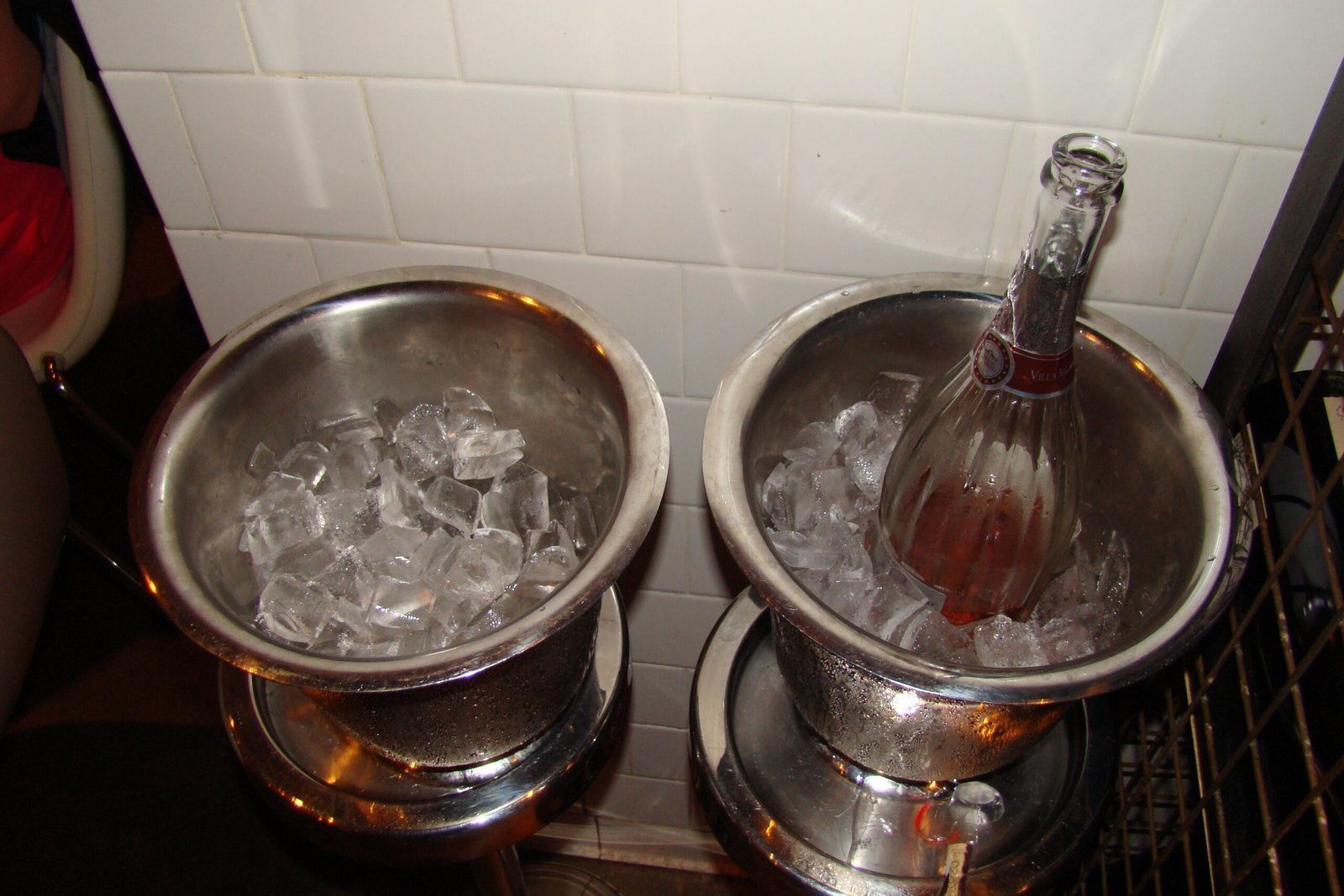
I saved what might be the most surprising one for last. ABC News tested hotel rooms for germs and found one thing in common: ice buckets, in both budget and luxury hotels, were packed with germs. Turns out ice may harbor mold, rust, and bacteria like E. coli, which causes diarrhea and vomiting – as does the norovirus, which has been found in some hotel room ice buckets.
According to former hotel staffers, ice buckets are often used for anything but ice – think pet waste, dirty diapers, and raw meat. It might even have been used as a makeshift vomit container. Unfortunately, hotel cleaning staff tend to at most just give ice buckets a quick rinse between guests, as they only have so much time to clean each room. If you want ice, use the plastic liner that comes with the bucket – or better yet, buy a sealed bag from a nearby store. The FDA inspects packaged ice manufacturers. Hotels? Not so much.
What You Should Do Instead
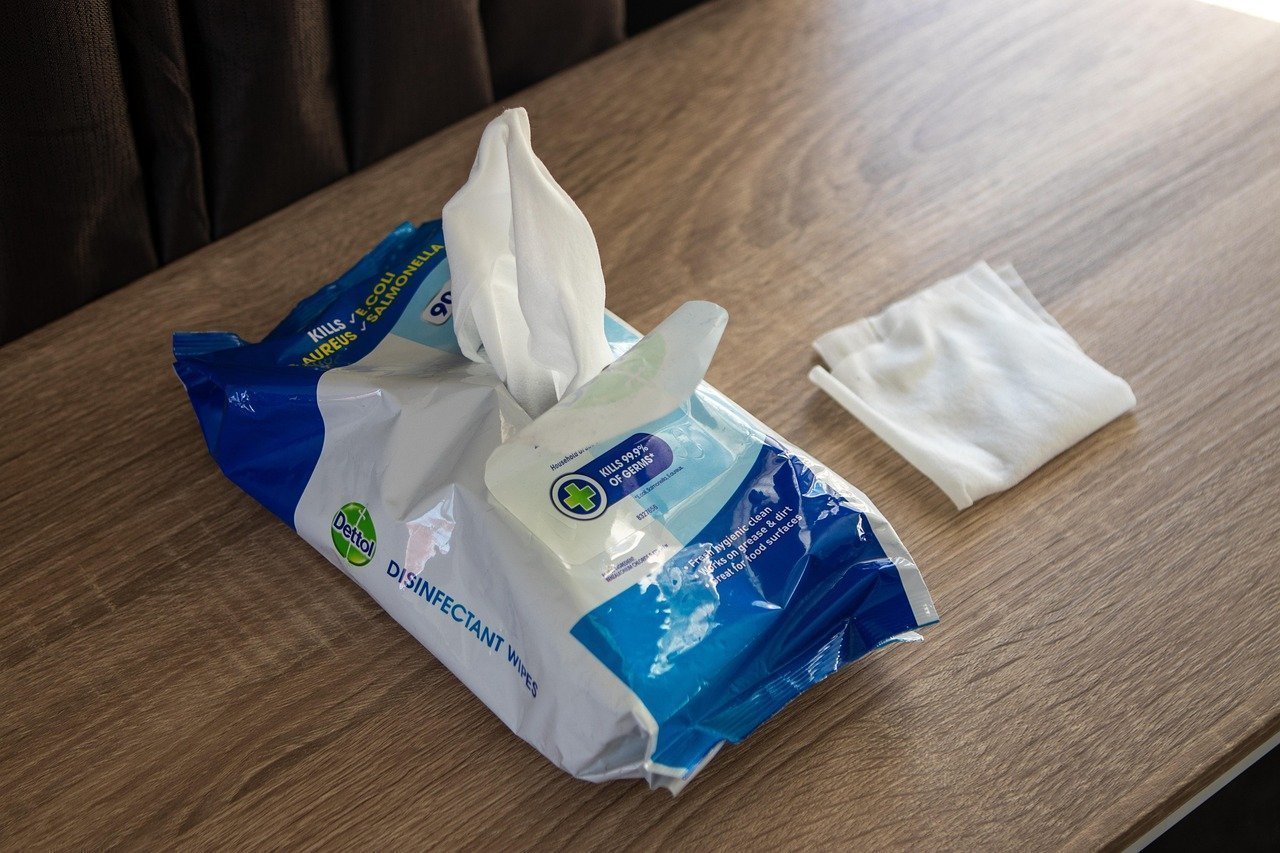
The good news is that none of this requires you to travel in a hazmat suit. A small pack of disinfectant wipes tucked into your carry-on can handle most of these risks in under two minutes. Regardless of how clean a hotel looks, germ experts recommend people disinfect surfaces before they spend a lot of time touching them, and particularly if they’re going to eat off them.
Research also found that the highest levels of contamination were found on the housekeeper’s cleaning cart itself, specifically on the mop and sponge – meaning that bacteria are being carried from room to room. This is not a knock on hardworking hotel staff. It’s a systemic issue rooted in impossible time pressures and institutional shortcuts. Paying a premium won’t guarantee a cleaner, more hygienic room. Your risk of exposure to harmful bacteria has much more to do with how occupied a hotel is than its price or star rating.
Wipe things down, keep your slippers on, and skip the ice bucket. Your immune system will thank you. Did any of these surprise you – or did you already have your suspicions? Tell us in the comments.