
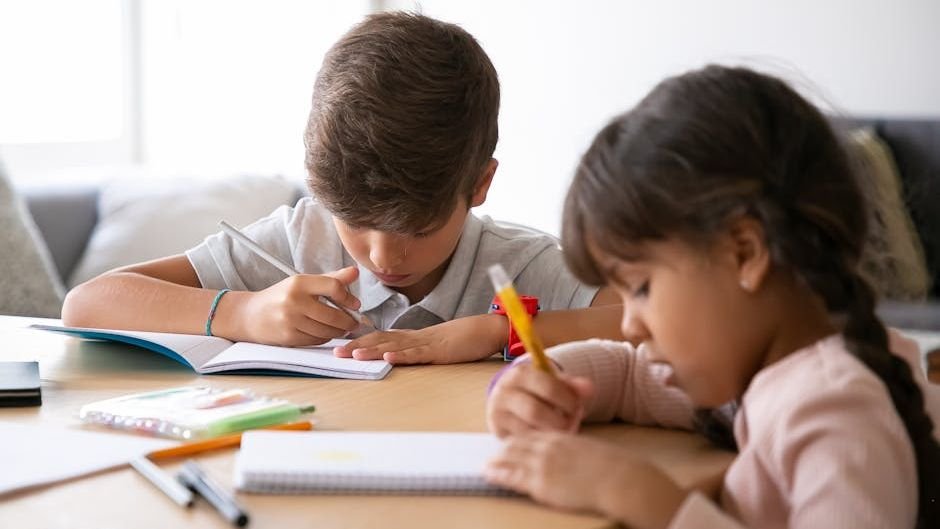
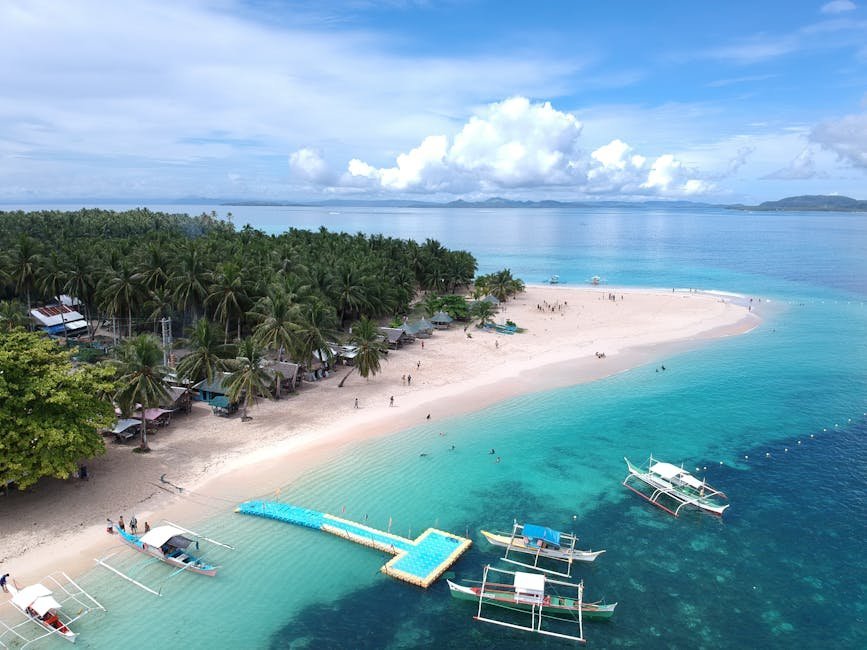
Most people picture the Philippines and think of crystalline water, swaying palms, and a life that exists somewhere between a screensaver and a dream. What they rarely picture is a parent hunched over a laptop at 6 AM, desperately fighting a patchy signal, trying to submit a curriculum plan while a rooster screams outside and their kid asks for the third time if today counts as a “school day.”
That’s the unglamourized version. The real one. We packed up our lives, pulled our kids out of a perfectly functional school, and moved our whole family to a remote island in the Philippines, convinced that the world was our classroom. Some days, it truly is. Other days, it’s nothing like the Instagram feed suggested. Here’s what nobody told us before we went – and what you genuinely need to know if you’re considering doing the same thing.
Buckle up. Some of this will surprise you. Let’s dive in.
1. Homeschooling Is Completely Legal in the Philippines – But Navigating the Rules Is Another Story
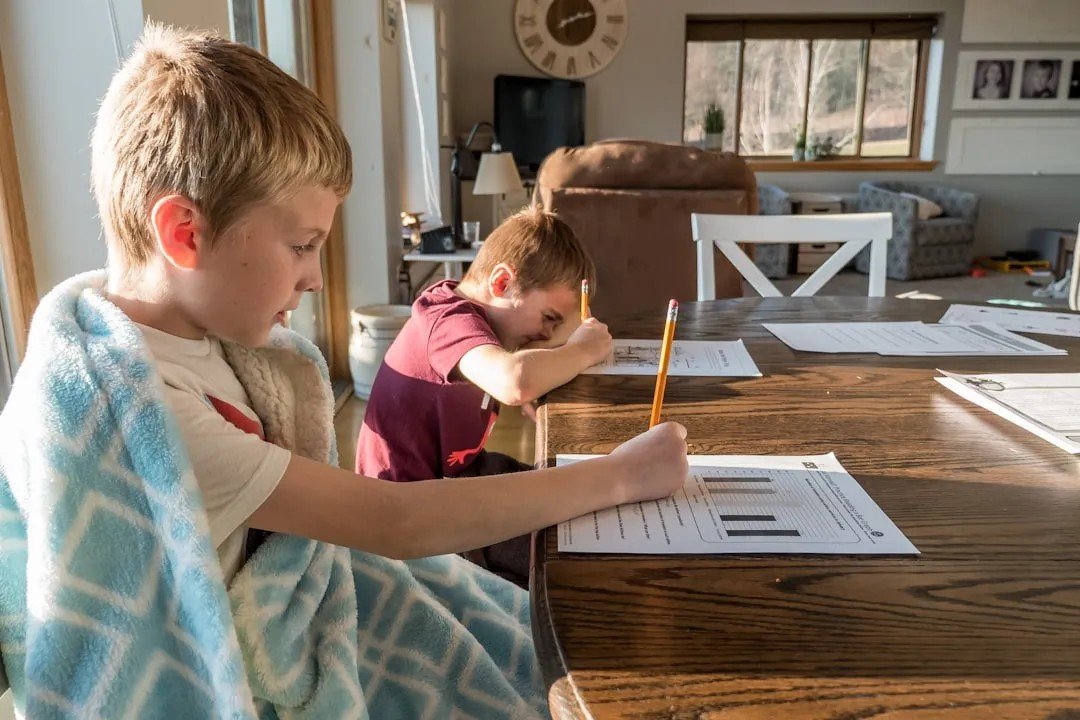
In the Philippines, homeschooling is legal and supported by the Department of Education (DepEd), a foundation enshrined in the 1987 Philippine Constitution, which emphasizes the right of parents to educate their own children. That was one of the first things we confirmed before making our move. It gave us genuine peace of mind. However, the legal picture is nuanced and honestly, a bit of a moving target for expat families specifically.
The legal framework requires families opting for homeschooling in the Philippines to either enroll in a DepEd-accredited homeschool provider or register as independent homeschoolers. Accredited homeschool providers must adhere to DepEd’s curriculum while offering flexibility tailored to individual learners. These providers play a crucial role in supporting homeschooling families, offering resources and maintaining academic records that comply with DepEd standards.
Importantly, the government-recognized option under DepEd is currently available only to Filipino citizens residing in the Philippines. For expat families, this means doing things slightly differently. Many turn to international homeschool providers, which operate outside the DepEd system. Some families transition from a DepEd-accredited homeschool provider to a US homeschool provider, which means the kids are not in the system of the Department of Education in the Philippines and are considered independent homeschoolers.
2. The Internet Situation on Remote Islands Is the Make-or-Break Factor
Here’s the thing nobody prepares you for: your homeschool is only as strong as your internet connection. On a remote Philippine island, that connection is a gamble. I know it sounds crazy, but there were weeks where our entire curriculum depended on whether the signal held up past 8 AM. Spoiler: it often didn’t.
The Philippines’ geography – an archipelago of over 7,600 islands – poses unique challenges for infrastructure. Laying fiber-optic cables and building cell towers across many islands, mountains, and remote areas is both difficult and expensive. This has led to uneven development of internet infrastructure: connectivity is strong in urban centers, but many rural and remote communities still lack reliable access.
As of early 2025, about 97.5 million Filipinos used the internet, representing roughly 84 percent of the population. Yet the Philippines is an archipelago of more than 7,600 islands, which makes laying fiber and building cell towers across distant areas difficult and costly. The good news is that change is coming. In August 2025, the Konektadong Pinoy connectivity legislation became law, benefiting thousands of small internet service providers across the archipelago. Progress is real – it’s just uneven.
3. The Cost of Homeschooling Is Far Lower Than You Might Expect
One of the biggest surprises for us was how affordable homeschooling in the Philippines can actually be. When you stack it up against the fees at an international school in Manila or Cebu, the difference is staggering. Think of it this way: traditional private schooling costs can feel like running a second mortgage, while homeschooling feels more like a reasonable monthly subscription.
Under a US program for families with multiple kids, some providers charge roughly PHP 29,500 for the whole school year for both children. That’s an incredibly modest figure by any Western standard. Of course, expenses per homeschooling family will differ. Families have different needs, prefer different materials and curricula, and lead different lifestyles. The amount you spend on homeschooling in the Philippines depends on how much you are willing to invest.
It is still generally true that homeschooling is relatively cheaper than sending kids to private school, especially when you factor in expenses like travel, daily meals, books, projects, and other miscellaneous fees. On a remote island, you also eliminate all those daily commute costs entirely – which, if you’ve ever sat in Manila traffic, feels like winning a small lottery.
4. The Curriculum Flexibility Is Genuinely One of the Best Parts
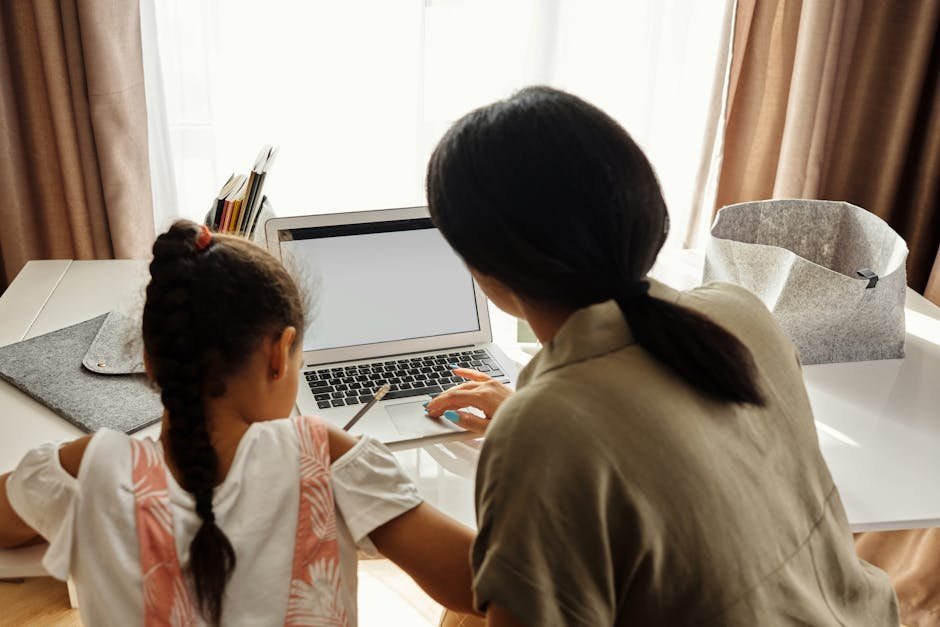
Honestly, this is where island living and homeschooling collide in the most beautiful way. One of the key advantages of homeschooling in the Philippines is the ability to tailor the curriculum to suit the child’s interests and learning pace. Parents can incorporate various resources and innovative methods, including classical education and unschooling techniques, to enrich their teaching processes. Homeschooling allows for a more adaptive educational journey, focusing on both academic and personal development.
For us, that meant biology class happened in a tidal pool. History was a conversation with an elderly neighbor who had lived through decades of Philippine history firsthand. Math got a workout every time we calculated tides and navigation distances. With homeschooling, you can customize your children’s learning. If they’re having a hard time with specific topics, you can extend the time or find a different approach for their studies. If they have strengths you want to improve further, you have the option to introduce additional material as well.
Most of the core curriculum used in the Philippines is from other countries like the US and Singapore, with the added ingredient of Philippine culture woven in. Teaching this mix can be genuinely enriching. We leaned hard into that local cultural layer, and our kids are richer for it.
5. The Socialization Question Is Real – But Probably Not the Problem You Think
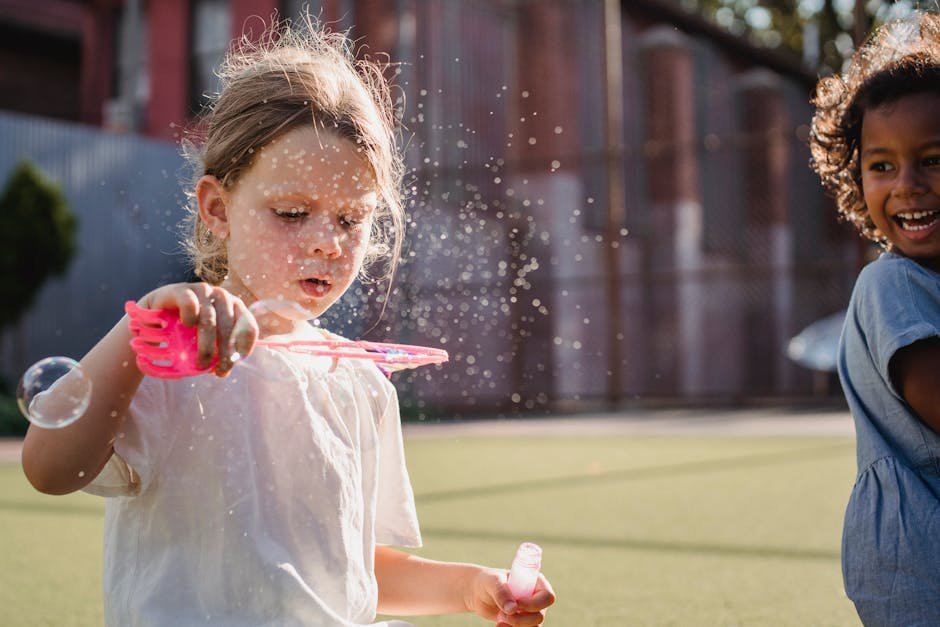
Every single person who found out we were homeschooling our kids on a remote island asked us the same thing: “But what about socialization?” It’s the classic concern, and I get it. Pull your kids out of a classroom environment and stick them on a dot of land surrounded by ocean, and it sounds like a recipe for social isolation. Except it really isn’t – not in the Philippines.
Filipinos by nature are very highly sociable. In the Philippines, it is almost impossible to be an “island family” in the isolated sense. There’s always something going on in the communities families are part of, not to mention the socialization happening within families and extended families, which makes this almost a non-issue.
Some parents do express concerns about socialization opportunities for their children. However, many homeschooling families overcome this by forming vibrant communities that organize group activities, field trips, and co-op classes, thereby ensuring that children develop essential social skills. Our kids made genuine friends – local children, kids from other expat families, and the children of fishermen and boat operators who became unlikely but wonderful companions.
6. Healthcare on Remote Islands Is a Serious Planning Consideration
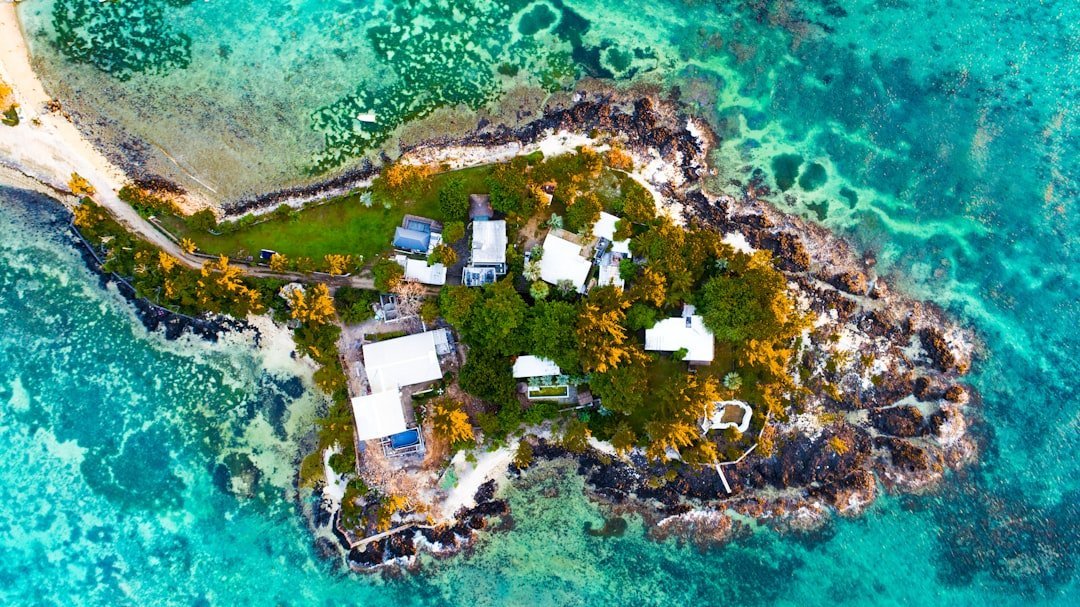
This one is less glamorous to talk about, but it might actually be the most important truth in this entire piece. You can plan your curriculum beautifully, set up a gorgeous little learning space overlooking the water, and source the best online resources – and then someone gets sick. On a remote island, that suddenly becomes a very different situation than it would be in a city.
Private health insurance is especially important if you intend to live in a remote or rural area, particularly on islands that do not have their own hospitals. You will often need to depend on helicopter or boat transport to reach the nearest hospital, which can be very expensive, especially in an emergency.
Rural areas have limited healthcare infrastructure. Healthcare staffing outside major cities tends to be deficient, as few doctors are willing to work in remote regions. Having international health insurance can help expats navigate these potential challenges with confidence in case they need emergency care or want access to more advanced facilities and treatments. We had one medical scare in our first year. Getting to proper care took half a day. Plan accordingly – it is not optional.
7. The Expat Community Is Growing, But Remote Island Life Is Still Far From Mainstream

As of early 2026, the Philippines is experiencing a net inflow of expats, with the Bureau of Immigration reporting a 13 percent increase in registered foreign nationals in 2024 compared to 2023, a trend that has continued into 2025 and 2026. The islands are increasingly on the radar. Yet there is a massive difference between the growing expat scenes in places like Siargao or Dumaguete and life on a truly remote, small island.
Emerging neighborhoods and lifestyle destinations like Siargao and Dumaguete are starting to attract more digital nomads and expats seeking a beach-based lifestyle. But smaller, quieter islands further off the beaten path offer something far different. You trade the comfort of a ready-made expat network for something more raw, more genuine – and significantly more challenging on rough days.
The country’s warmth goes beyond the weather, as Filipinos are renowned for their hospitality. English is widely and well spoken in the Philippines, but understanding local customs and picking up some basic Filipino phrases will help you integrate more smoothly. That integration matters enormously when you’re not living in an expat bubble.
8. The Homeschool Support Networks Are Better Than You’d Expect
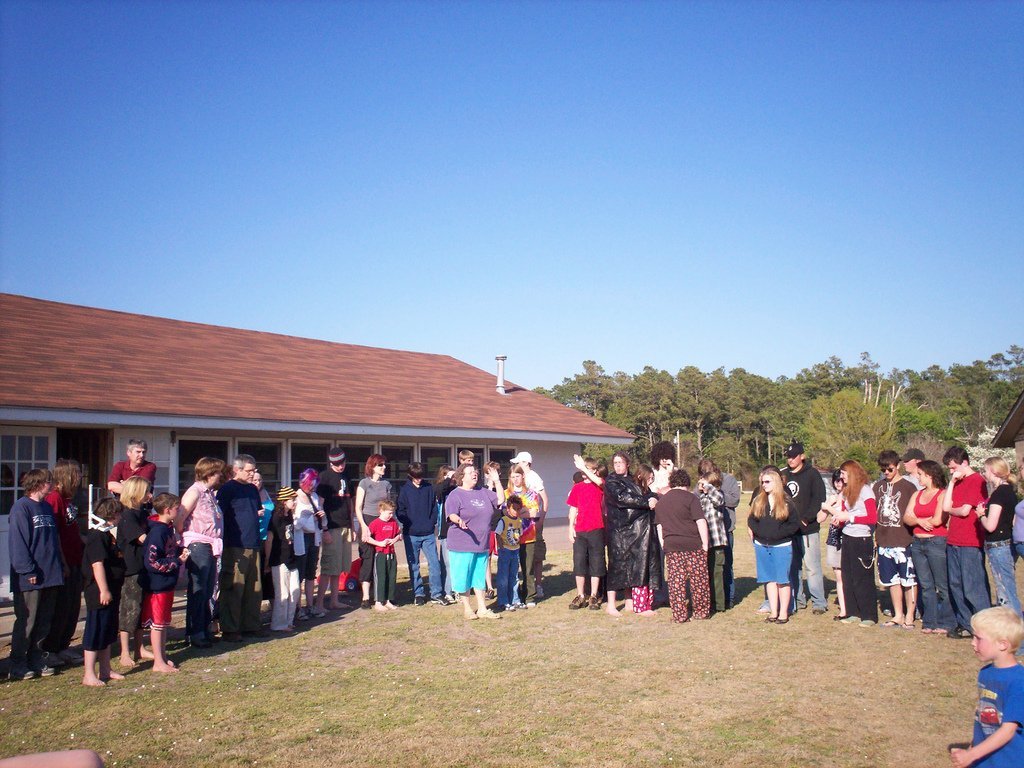
Before we left for the Philippines, I genuinely worried about feeling alone in the homeschooling journey. Who would we turn to for advice? Where would we find community? It turns out that the homeschooling movement in the Philippines has been quietly building something quite impressive for years.
The Homeschool Association of the Philippine Islands (HAPI) is not only an incredible resource for homeschooling families, but is also homeschooling’s biggest advocate and champion. The organization made major strides toward widespread homeschool recognition through the creation of Philippine National Homeschool Day, which occurs every March 3rd. HAPI’s advocacy, with the aid of Senator Francis N. Pangilinan, made this day a reality.
Support networks frequently organize workshops, seminars, and educational outings, which significantly enrich the learning experience for homeschooling families. Such events not only provide valuable learning opportunities but also reinforce the social fabric among homeschooling communities. Providers like Homeschool Global and HAPI often spearhead these initiatives, offering structured programs and informal meet-ups that enhance the homeschooling experience. Even from a remote island, with decent internet on a good day, plugging into these communities is genuinely possible.
9. The Philippines’ Digital Infrastructure Is Changing Fast – But the Gap Still Exists
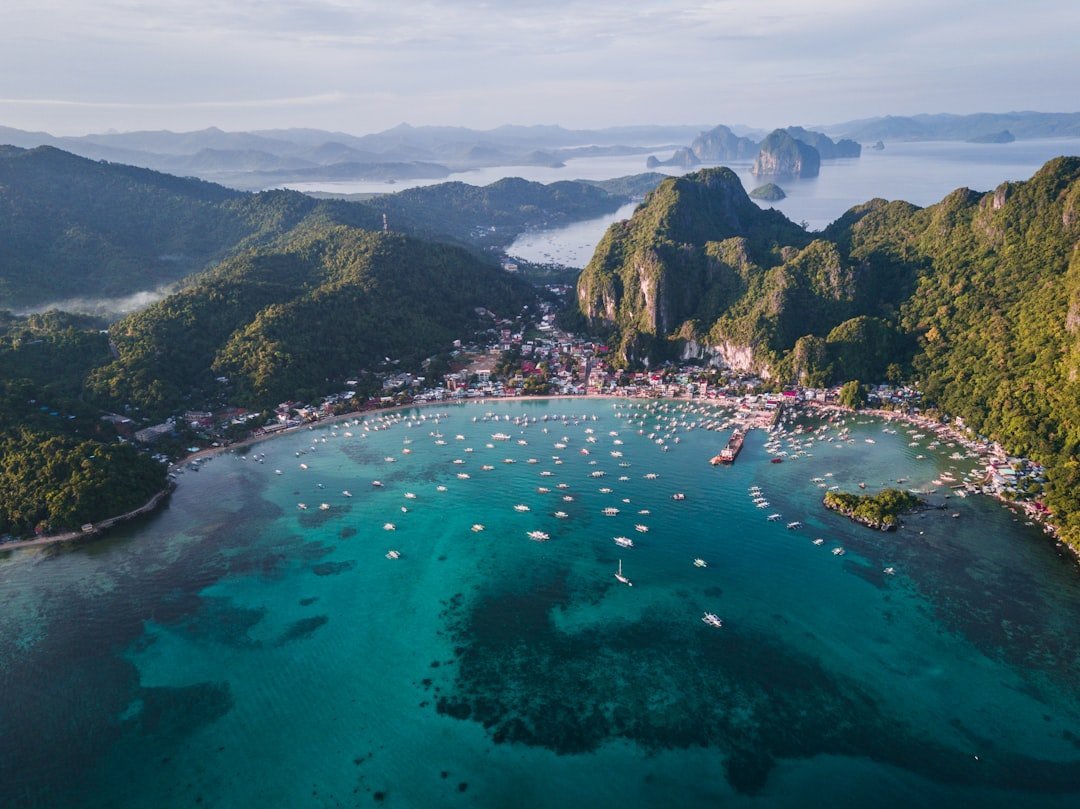
It’s worth being honest about the technology picture here, because it directly impacts every homeschooling family operating in a remote location. Things are improving – rapidly in some regions, frustratingly slowly in others. As of mid-2025, nearly 12,000 schools across the country remain without internet access, a problem the Philippine government has set an ambitious deadline to resolve.
DepEd and DICT are accelerating efforts to achieve full internet connectivity in all public schools nationwide by the end of 2025, aiming to bridge the digital divide and enhance the quality of education through improved access to online learning resources and digital tools. For homeschooling families, satellite internet options are increasingly viable. Thanks to satellite-powered internet, even schools in the mountains and isolated coasts have been able to connect.
The practical takeaway for any family planning to homeschool remotely in the Philippines: do not assume you’ll have reliable broadband simply because the national statistics look increasingly positive. Connectivity is strong in urban centers, but many rural and remote communities still lack reliable access. Research your specific island before you commit. Visit first if at all possible. Then have a backup plan – and a backup for the backup.
10. “Paradise” Is Real, But So Are the Hard Days – And They Make You Better Educators
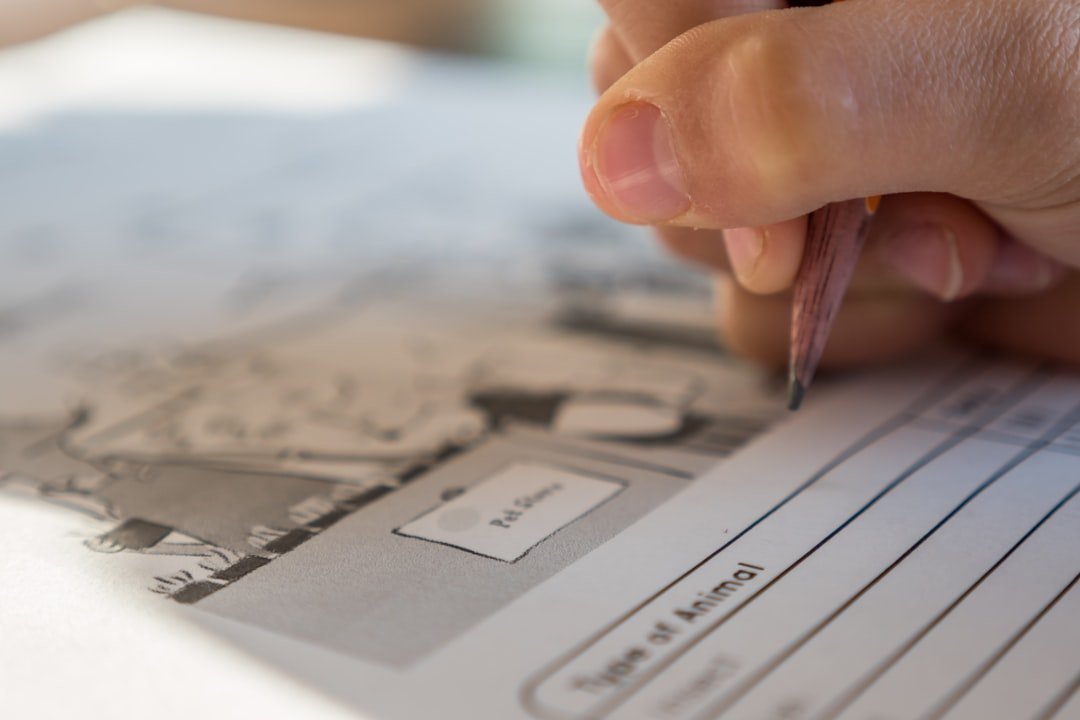
Let’s be real. Some mornings, you wake up to a golden sunrise over the Visayan Sea, your children are curious and alert, and the homeschooling session flows like a dream. Those days exist. They’re more common than you’d expect, and they justify a lot. Research on homeschooling families in the Philippines found that parents consistently prioritized values education, flexibility, quality of learning, strong family relationships, and the importance of homeschooling community.
Other days, the connection drops mid-lesson, someone is sick, the generator is out, and you question every life decision you’ve ever made. Those days also exist, and they’re equally real. The flexibility homeschooling offers in terms of time and location is one of its great strengths. Homeschooling eliminates the daily travel burden and allows families to spend more time engaging in learning and extracurricular activities. For families living in rural areas, homeschooling ensures that their children have access to education without the need for long commutes to distant schools.
What we didn’t anticipate was that the hard days would be where the real education happened – for our children, yes, but also for us as parents. Problem-solving with limited resources, learning to be patient with interrupted plans, finding creative ways to teach when technology fails: these are lessons no traditional classroom would have ever given our family. Homeschooling creates an environment where customized and personalized learning can take place, giving children the opportunity to excel academically. More importantly, the amount of time spent together as a family allows the parents to be the primary influence in their children’s lives, enabling parents to more effectively pass on the values and character traits they want their children to learn.