
Imagine thumbing – no, waving your arm like a local – at cars zipping through Iran’s dusty mountain roads, your pockets lighter than a nomad’s satchel. That’s me, diving into the Alamut Valley, that legendary lair of ancient assassins, armed with just fifty bucks for seven whole days. No reservations, no safety net, just grit and curiosity about this northern Iranian gem tucked in the Alborz peaks.
Between hitchhiked rides from strangers who turned into instant friends, cliffside hikes to crumbling fortresses, and nights under starlit skies, I scraped by on tea invitations and trail-found feasts. Turns out, living lean here reveals secrets most tourists miss. Let’s unpack the ten raw lessons that reshaped how I chase adventure.[1][2]
Lesson 1: Hitchhiking Here is Safer and Simpler Than Anywhere Else
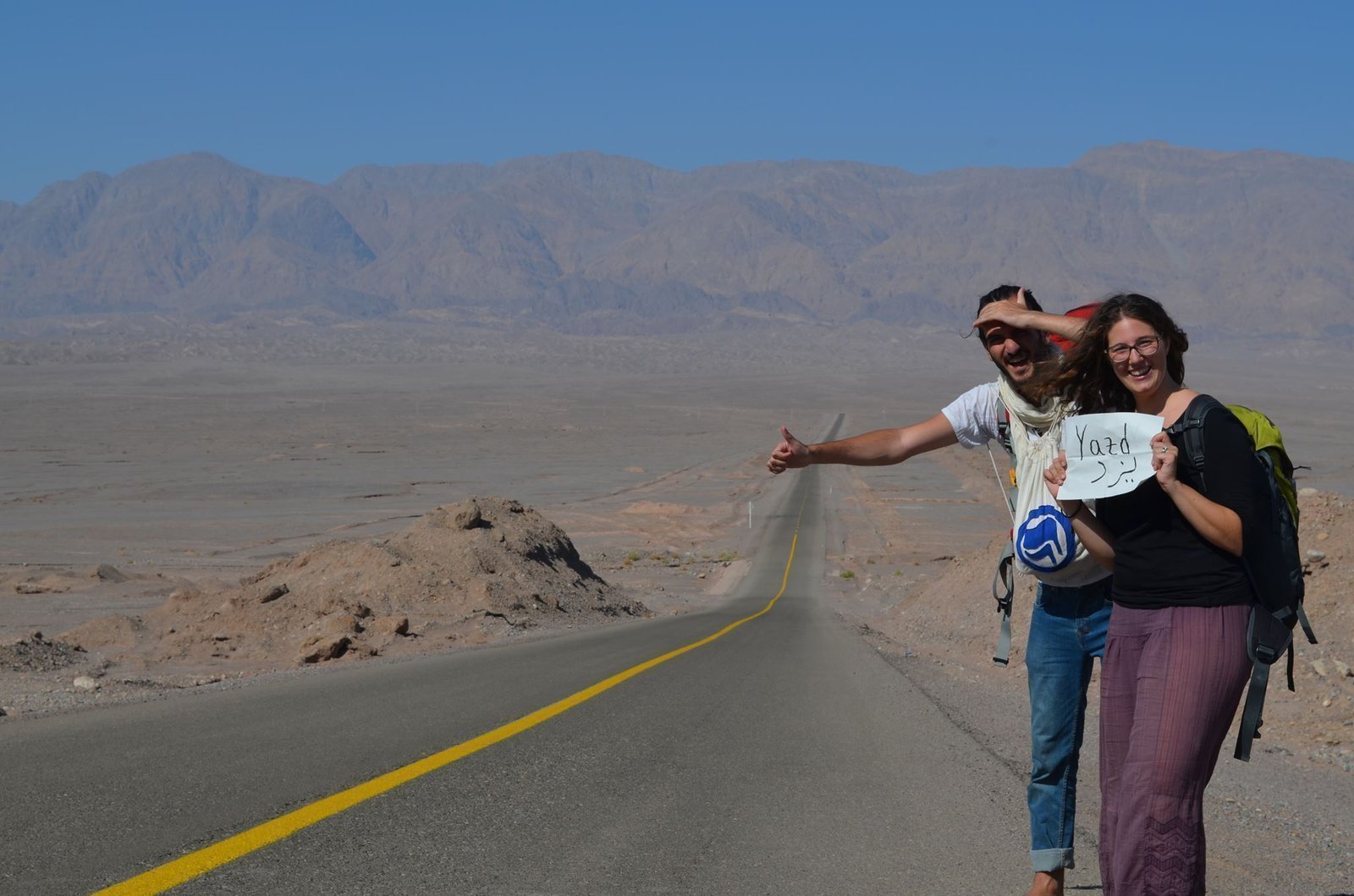
I stuck out my arm on the road from Qazvin, waving like the locals do – no thumbs, just a friendly dribble of the hand. Cars stopped in minutes, drivers grinning wide, often families or truckers heading my way to Gazor Khan village. Hitchhiking covers the valley’s twists for free, and in northern Iran, waits rarely top ten minutes thanks to that innate curiosity toward outsiders.[3][1]
One ride came from a chatty engineer who detoured me past checkpoints without a fuss. Safety? Feels real – low crime, hospitable vibes everywhere, even police waving hello. I clocked over 200 kilometers this way, burning zero fuel cash.[2]
Lesson 2: Taarof Hospitality Turns Strangers into Lifesavers
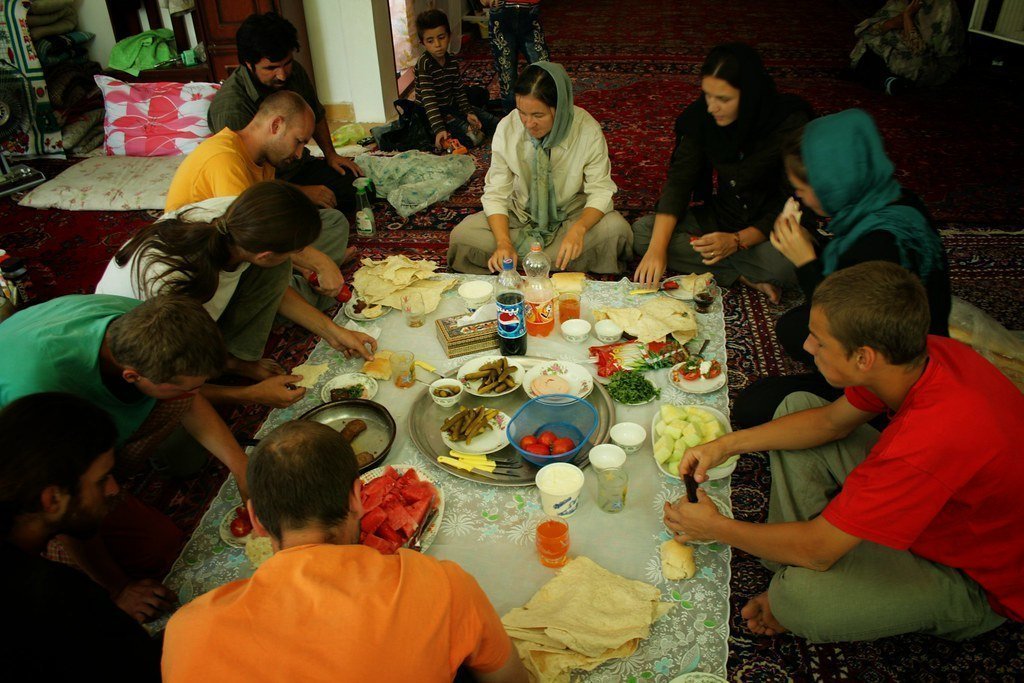
Iranians practice taarof, this polite dance of insisting you take their food or ride first, and it saved my budget big time. A villager in Gazor Khan spotted my dusty backpack, pulled me into his home for fresh bread, cheese, and stew – no bill, just smiles. It’s cultural glue, making solo travelers like me feel adopted overnight.[1]
Twice, families waved off my offers to pay, saying “tarof nist” to confirm it was genuine. This warmth fueled half my meals, stretching that fifty bucks across the week. Honestly, it’s why broke backpacking thrives here.[3]
Lesson 3: Alamut Castle’s Climb Delivers Eagle’s Nest Payoffs
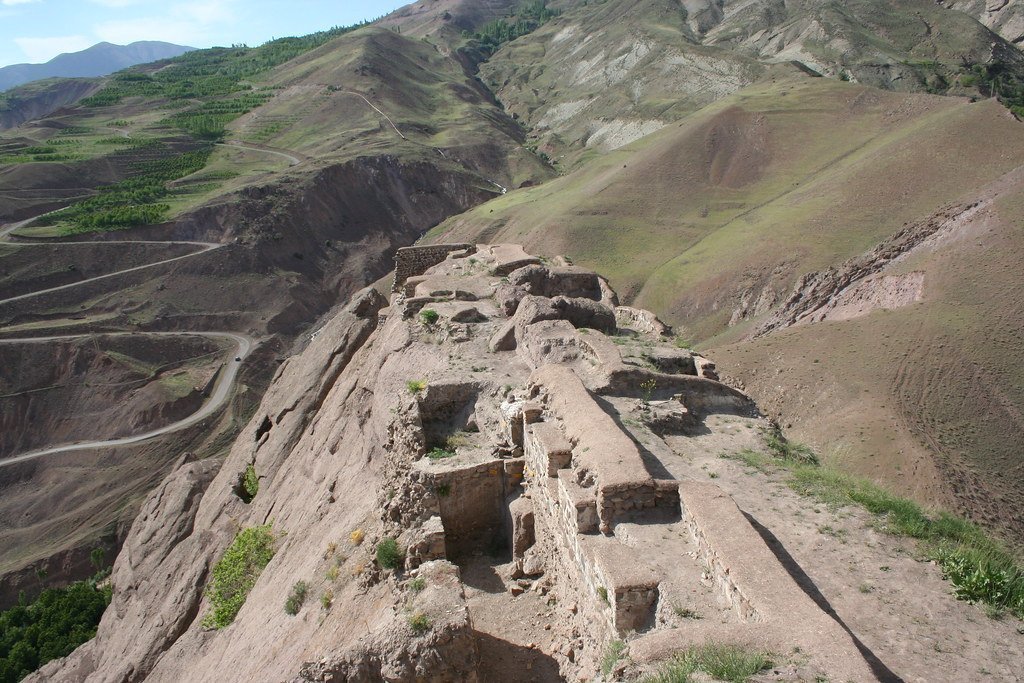
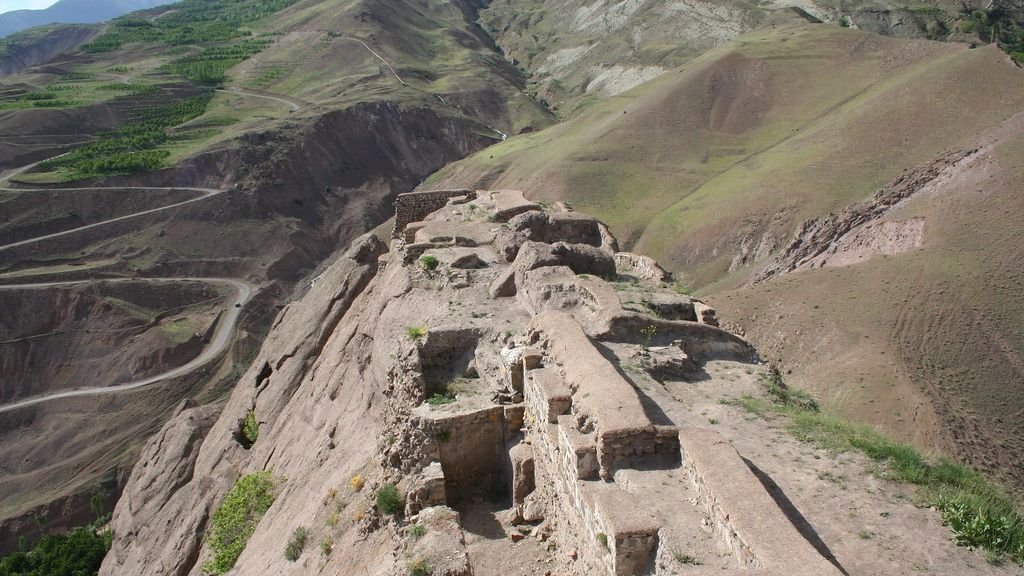
The steep trail to Alamut Castle, Hassan-i Sabbah’s old assassin stronghold, snakes up like a dare from the gods. I huffed the hour-long ascent alone, rewarded by panoramic sweeps of the valley’s green gashes and red rock faces. Entry sets tourists back about three bucks, a steal for ruins whispering medieval intrigue.[4]
Up top, wind whipping through crumbled walls, I pictured eagles nesting – Alamut means that, after all. No crowds, just raw history amid orchards. That hike became my daily ritual, free therapy on the edge.[2]
Lesson 4: Wild Camping Beats Any Guesthouse in the Valley
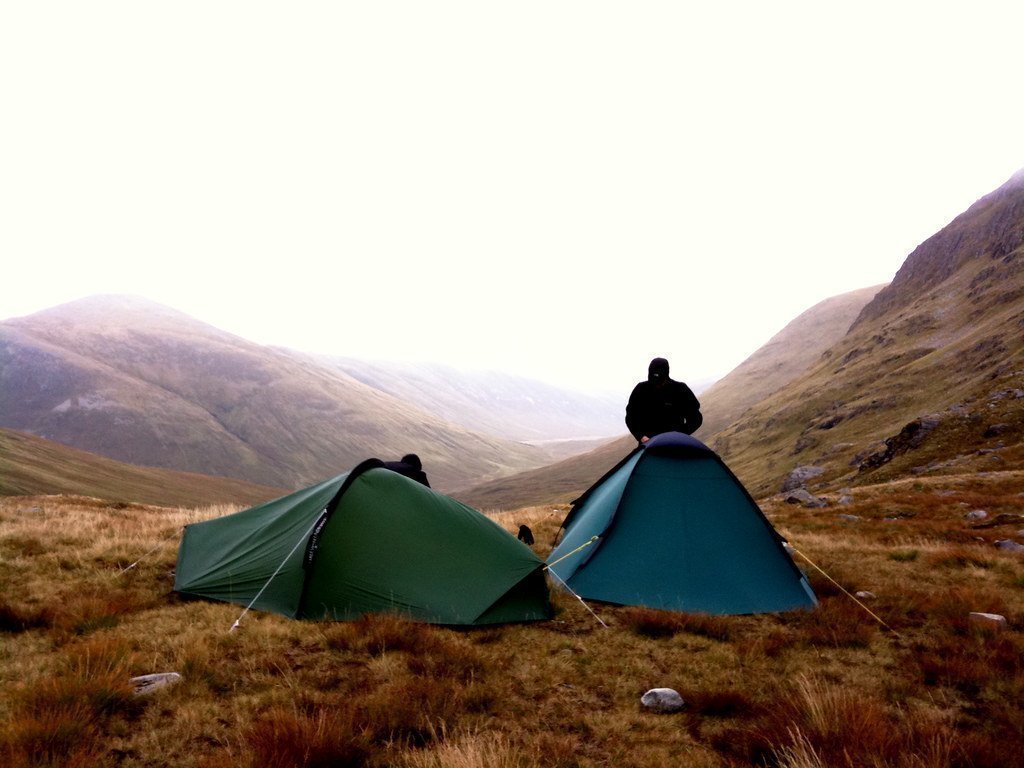
Pitching my tent amid cherry blossoms near Gazor Khan felt wilder than the assassins’ tales. Nights under Alborz stars, with distant village lights twinkling, cost zilch and dodged dorm fees around five to eight bucks. Trails unmarked but guestbooks at spots like Hotel Koosaran tip you off to safe nooks.[1]
Mornings brought dew-kissed views and zero checkout hassles. Sure, pack a filter for sparse streams, but the freedom? Priceless for edge-living. I camped five nights straight, wallet intact.[2]
Lesson 5: Village Meals Are Gifts, Not Expenses

Gazor Khan locals pressed kuku sabzi and yogurt drinks into my hands after hikes, turning potential hunger pangs into feasts. Street eats or home shares run a buck or two otherwise, but hospitality covered most. Northern Iran’s rural spots keep it authentic, no tourist traps.[1]
One evening, a family’s vegetable stew stretched my rations perfectly. Learn “lotfan” for please, and doors – er, plates – open wide. Food budgets? Laughably low at five bucks daily max.[2]
Lesson 6: Shared Taxis Fill Hitch Gaps for Pennies

When hitches lagged, Qazvin savaris to the valley ran two to three bucks, cramming four of us in for the three-hour wind. Early mornings at Qaribkosh square nab the best deals. It’s reliable backup, keeping my total transport under ten bucks all week.[2]
Drivers chatted history, pointing out gorges en route. No solo splurges needed – pool with fellow wanderers. This mix nailed the edge without breaking bank.[4]
Lesson 7: Unmarked Trails Unlock Free Valley Secrets
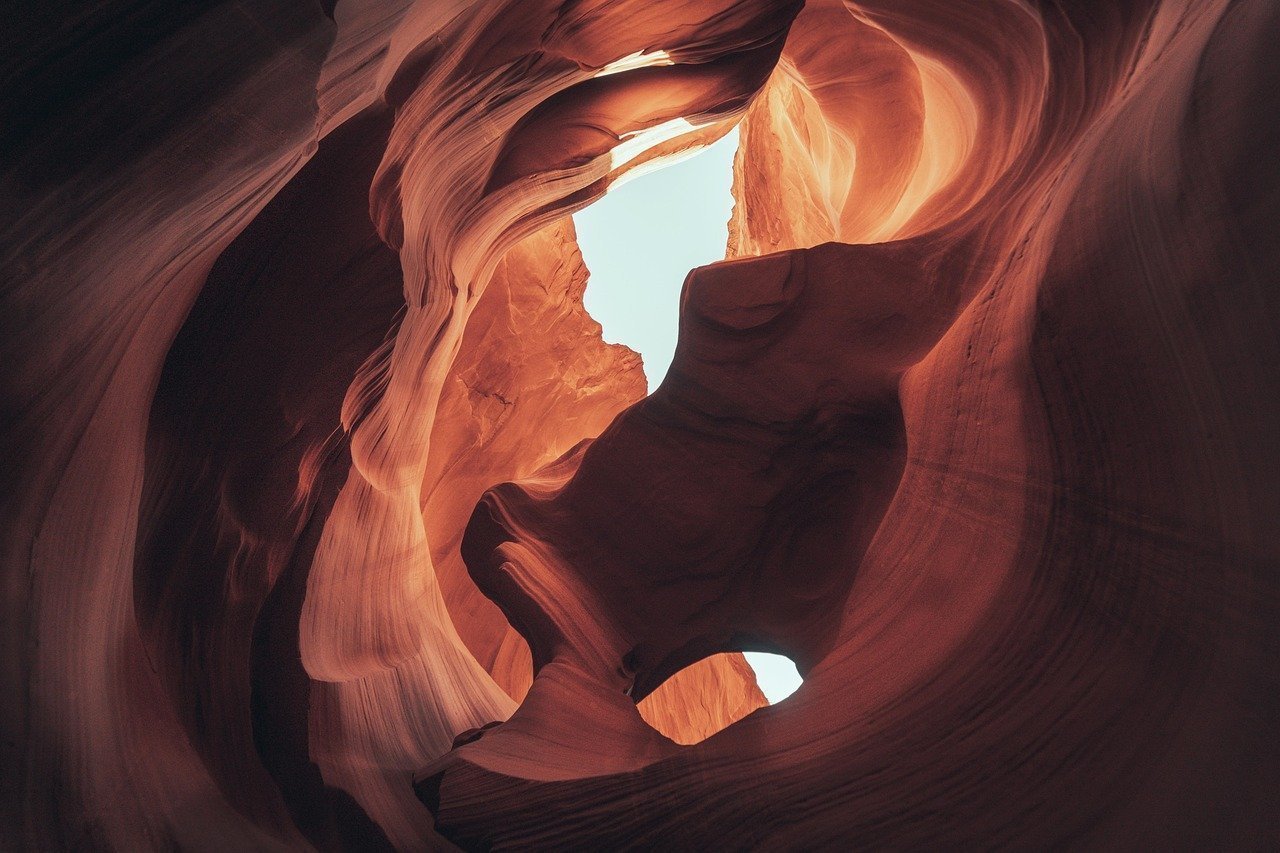
Andej Canyons and Ovan Lake paths twisted through pudding rocks and lush valleys, all gratis adventures from Gazor Khan base. I followed guestbook scribbles for routes skirting red cliffs and nomad herds. Hours vanished in this hiker’s paradise, no guide fees.[4]
Spring blossoms or autumn colors amp the drama – pure immersion. Pack water, as shops thin out. These treks defined my days, body sore but soul full.[2]
Lesson 8: Fifty Bucks Stretches Like Taffy in Iran

Broke backpackers thrive on ten bucks daily here, blending hitches, camps, and invites – my math hit under eight per day. Tourism surged to 7.4 million visitors last year, proving Iran’s cheap allure holds amid black market deals.[1][5]
Castle ticket, a shared taxi splurge, minimal eats – that’s it. Volatility? Change cash smartly. Edge living? Totally doable, shockingly sustainable.[2]
Lesson 9: Locals’ Warmth Makes Solo Travel Feel Packed

Rasoul-types in reviews echo the vibe – guides or not, villagers shared homes, meals, even trek tips during my wanders. Homestays pop up organically, blending you into family rhythms. It’s that Persian pull, rare elsewhere.[6]
No English barriers stopped the bonds; gestures and grins bridged it. Safety wrapped in kindness, even for us outsiders. My week? Loneliness-free zone.[2]
Lesson 10: Alamut’s Edge Sharpens Your Wanderlust Blade

UNESCO whispers for the castle in 2026 amp the buzz, but scraping by honed my resilience amid sheer drops and sparse supplies. Valley life – raw, real, rewarding – flipped my travel script forever. Hitch, hike, trust the flow; that’s the hack.[7]
Left with stories richer than cash, I hit the road changed. Northern Iran’s grip lingers. What’s your tightest travel tale?[4]