
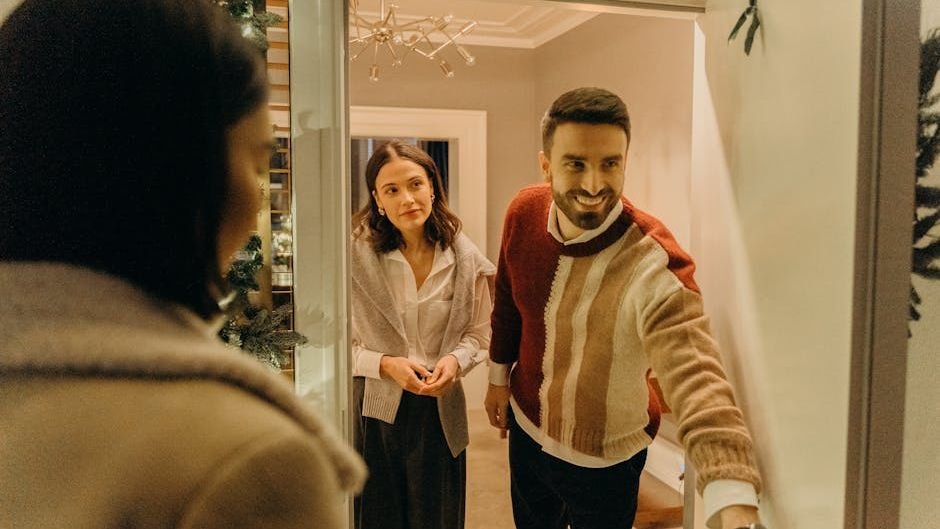
There’s something that nobody tells you before you pack your bag and agree to live inside a stranger’s house for weeks at a time. It’s not the pets, not the jet lag, not even the time zones. It’s that feeling the moment you close the front door behind you and realize that everything around you – the furniture, the smell, the weird knick-knacks on the shelves – belongs to someone else entirely. Someone you barely know.
I spent a year doing exactly that. Moving from house to house across different countries, living rent-free inside lives that were not my own. Some of it was magical. Some of it was deeply unsettling. What surprised me most was how many layers of strangeness just kept peeling back, the longer I stayed. Here’s what really happens when you step into someone else’s world.
1. The House Sitting World Is Bigger Than You Think
House sitting has quietly exploded into a global movement. The lifestyle is growing fast, and as 2025 came to a close, the largest house sitting platform, TrustedHousesitters, claimed 280,000 members worldwide. That is not a niche hobby. That is a full-on community of people sleeping in each other’s homes across every continent.
Since 2022, digital nomads and so-called “slowmads” have become one of the fastest-growing segments on house-sitting platforms. There are now roughly 18 million digital nomads in the US alone – up an astonishing amount since 2019 – and the majority actively seek private, home-like stays of a month or more. House sitting fits that need perfectly. You get a real home. You avoid the cost of a hotel. You just happen to be living among someone else’s belongings.
House sitting effectively eliminates the roughly $137 to $158 per night cost of an average Airbnb stay in exchange for pet care. Over the course of a year, that adds up to a figure that is genuinely hard to ignore. Honestly, once you run those numbers, it’s hard to go back to paying for accommodation at all.
2. The Adjustment Period Is Stranger Than Any Jet Lag
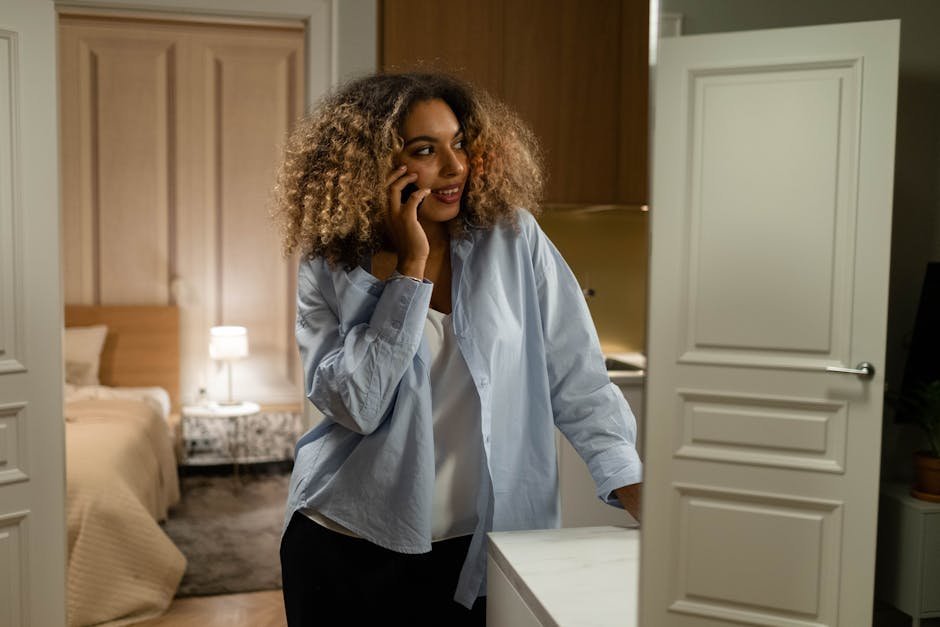
You would think that the hardest part of arriving somewhere new is the language barrier, or the time zone. It isn’t. The adjustment period in the first few days of any house sit tends to be the toughest part of the trip, but as each day passes, you feel more comfortable in the new routine and environment. That is the optimistic version of what actually happens.
The reality is more disorienting. Having to get used to someone else’s way of doing things, the layout of their house or kitchen, and the quirks of their stuff can be frustrating. If you don’t have much time before they leave, you might get a lot of information very quickly, and it’s easy to forget all of it. Imagine trying to decode a stranger’s coffee machine at 6 a.m. in the dark while a dog stares at you, waiting to be fed. That is a Tuesday.
There is also a psychological fog that settles in early. You are surrounded by choices you did not make – furniture you didn’t pick, art you might not like, a bedroom that carries someone else’s energy. I know it sounds dramatic, but it genuinely takes about a week before a new house starts to feel even remotely neutral.
3. You Are Not a Guest. You Are Something Harder to Define.
When you rent an Airbnb, you generally have the run of the place and the hosts try hard to make you feel special. With house sitting, you’re not a guest – you’re more of an employee. You probably won’t even get the nicest room in the house. That shift in dynamic is something most first-time sitters are completely unprepared for.
The relationship between homeowner and house sitter is not based on money but on trust and the free exchange of services for goods – house and pet sitting in return for accommodation. It sounds balanced on paper. In practice, the power tilts toward the homeowner in ways that only become obvious once you’re there. You follow their routines. You respect their rules. You adapt to their world.
As for online reviews, the homeowner and the house sitter both review each other, but the balance of power is different from that on Airbnb. The homeowner’s review of you is far more important than your review of them. If you don’t have all-glowing reviews, most homeowners will opt for someone else. So you smile and stay quiet about the broken shower head. Every single time.
4. The Pets Know Something Is Off Before You Do

Here is the thing about animals: they are brutally honest. They know their owners are gone before you’ve even finished unpacking. Animal psychologists and vets agree that boarding animals for any length of time can place a huge strain on their physical and emotional health. That stress doesn’t disappear just because they’re in their own home with a stranger instead.
Of all the downsides to house sitting, caring for pets is probably the biggest. As nice as it is to have little companions around, looking after animals is a huge responsibility, and they can be difficult. I once had a dog who refused to sleep anywhere other than directly outside my bedroom door. Another one could detect the exact tone of voice his owner used to give commands. Mine didn’t work at all for days.
Many homeowners now think of their pets almost like children – sometimes very pampered children. Those pets will understandably expect to continue to be treated that way. The eerie part is how quickly you start to sense the owner’s personality through how the pet behaves. You learn who these strangers are without ever meeting them properly. It’s a little like reading someone’s diary. You didn’t mean to, but now you can’t un-read it.
5. The Houses Themselves Keep Secrets
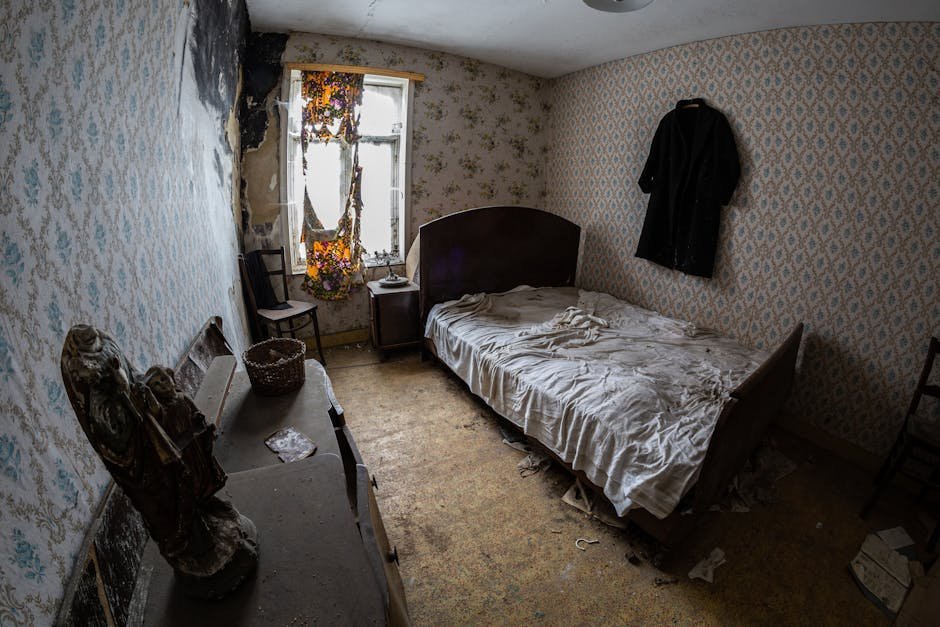
Every house has a room that feels wrong. A locked drawer. A closet you avoid. A sound in the walls at 2 a.m. that you decide, firmly, not to investigate. Living in someone’s home for weeks means you start to notice the things they have stopped seeing. And sometimes, you really wish you hadn’t.
In some cases, what house sitters find reveals uncomfortable truths. One sitter discovered that their hosts were notorious in their friend group for leaving a filthy house and the cats for their friends to look after. The reason they had gotten house sitters was because they had exhausted all their friends’ goodwill. Finding that out three weeks into a thirty-day sit is a very specific kind of horror.
I found journals, old letters, a collection of something I still cannot explain. You inevitably encounter deeply personal traces of other lives. One homeowner returned to find their dresser drawers had been emptied by a sitter. Some of the items in those drawers were deeply personal, including letters from old friends and from a deceased parent. The intimacy cuts in every direction. You are the stranger in someone else’s story, and they are an unfinished story you stumbled into.
6. The Loneliness Hits Like a Wall
No one talks about this part loudly enough. While the house sitting and digital nomad lifestyle offers freedom and adventure, it also comes with the challenge of frequent loneliness. Moving from one location to another makes it difficult to form and maintain deep, meaningful connections. You can be surrounded by beautiful furniture in a gorgeous home in another country and still feel profoundly, embarrassingly alone.
The digital nomad lifestyle has been consistently associated with a heightened propensity for experiencing loneliness. Being distant from family and friends can generate intense feelings of isolation. That weight compounds when you are also sleeping in someone else’s bed, eating off someone else’s plates, and tiptoeing around the edges of a life you don’t quite belong to.
Research on the nomadic life paints a concerning picture that rarely makes it into the glossy travel posts – expatriates report feeling depressed at three times the rate of home-based workers. That stat hit me hard when I first read it. Because on the outside, house sitting looks like the dream. The inside tells a more complicated story. It’s worth knowing before you romanticize the whole thing.
7. The Responsibility Can Become Genuinely Terrifying
There is a very specific kind of panic that arrives when something goes wrong in a house that is not yours. A pipe makes a noise it shouldn’t. The dog stops eating. The boiler switches off and you cannot find the manual. When house sitting locally it’s often much easier to deal with a family or personal emergency, but when you’re a long and often expensive flight from home, things become much more complicated.
The thing about a house sit is that once you’re there, you’re stuck. If you don’t like the place or the pets, or if something happens to make you want to leave, you simply can’t. You gave your word. You accepted the responsibility. You signed up for it. You cannot walk away from a pet that needs to be fed and walked every day, from plants that need watering, or a lawn that needs mowing. These people trusted you with their home and their lives.
I had one sit where an elderly cat developed a serious health issue mid-stay. The homeowner eventually arranged to have a vet-nurse visit every other day, but the sitter still had to administer several daily medications – and both the owner and the sitter were genuinely worried the cat would die during the watch. The emotional weight of that responsibility is something you simply cannot prepare for with a platform profile.
8. The Safety Is Real, but So Is the Unease

Is house sitting safe – staying in a stranger’s home while they’re away? Yes, house sitting can be as safe as hotels or vacation rentals and sometimes even more secure than dormitory-style hostels. While no type of travel is completely risk-free, being proactive about potential safety concerns can mitigate the risks. Most experienced house sitters will tell you the same thing. The real safety risks are not what you expect.
Residential neighborhoods are typically safer than areas with hotels, hostels, bars, and nightlife districts where crimes like muggings, assaults, and break-ins are more common. The eerie feeling of being alone in a stranger’s home at night is mostly psychological. Houses creak. Shadows move. Every unfamiliar sound becomes something it probably isn’t. Most of the time, nothing is wrong. It just feels like something might be.
It helps to remind yourself that the owners have lived in their homes for five, ten, even twenty years with no incidents. It would be very unlucky for something to happen simply because you have come along. That logic works perfectly well during the daytime. At 3 a.m. with the wind rattling a window you haven’t figured out how to properly close yet, it works slightly less well.
9. You Start to Absorb the Owner’s Life Without Meaning To
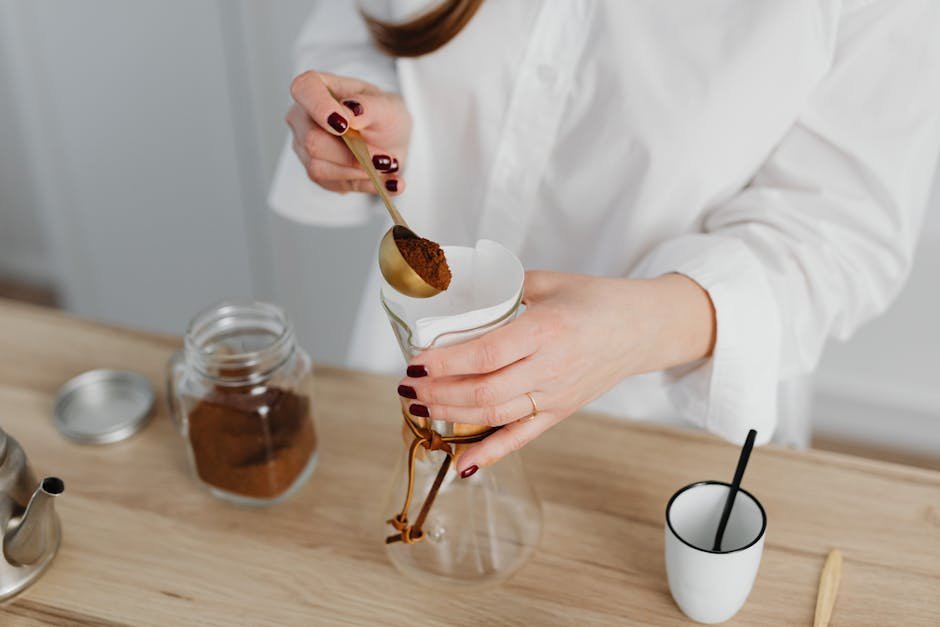
This one crept up on me slowly. By week three of any long sit, I would catch myself doing things the homeowner’s way. Folding towels differently. Making coffee in a specific order. Buying the same brand of cereal I found in their cupboard. It’s subtle but genuinely strange. You start to mimic a life you know nothing about.
Living in someone’s home is an intimate thing, and it’s easy to become fast friends. Sometimes the intimacy goes further than friendship. You start to understand someone’s anxieties through the way they’ve organized their kitchen. You understand their financial situation through their appliances. You understand their loneliness through the number of photos on the walls. None of this is information you asked for.
Long-term house sitters often prefer the freedom to explore the world, living as locals for extended periods in different countries. But there’s an inherent contradiction – security feels limiting, yet “the escape” is when we feel free. Living inside someone else’s home distills that contradiction into something you feel every single morning over a breakfast that isn’t quite yours.
10. Australia Is the House Sitting Capital of the World (and for Good Reason)
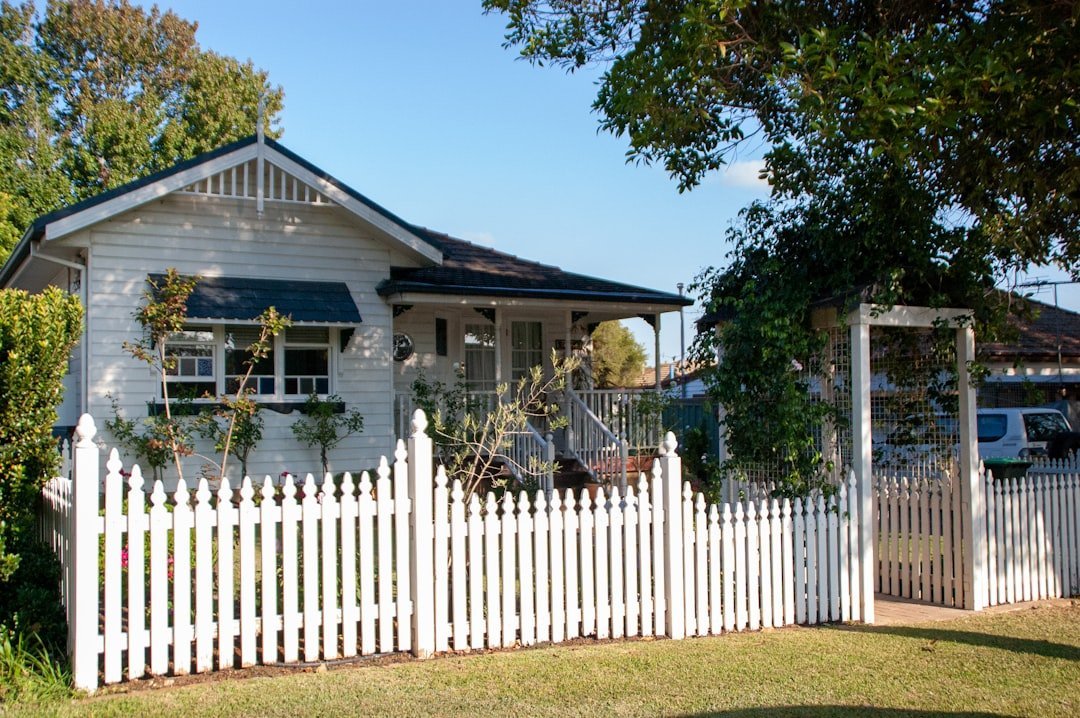
Australia’s dominance as a house-sitting destination is explained by one striking statistic: roughly three-quarters of Australian households owned a pet as of 2025, up from a much lower figure before the pandemic. With tens of millions of animals across the country and a culture that treats pets as family, demand for trusted in-home care is exceptional.
Australia is one of the best places in the world to start house sitting, or to stay local and enjoy slow travel closer to home. With so many Australians heading off on extended trips throughout the year, there is a steady stream of house sitting opportunities across the country – from beachside homes and bush retreats to vibrant cities and quiet coastal towns. The variety is almost overwhelming.
In fact, Australia has more dedicated house sitting platforms than any other country. That tells you something. The culture of trusting strangers with your home and animals is deeply embedded there in a way that feels almost absent in other parts of the world. Going to Australia as a first house sit is a bit like learning to swim in a pool before you try the ocean. A good pool, with excellent views.
11. The Year Changes You in Ways You Did Not Budget For
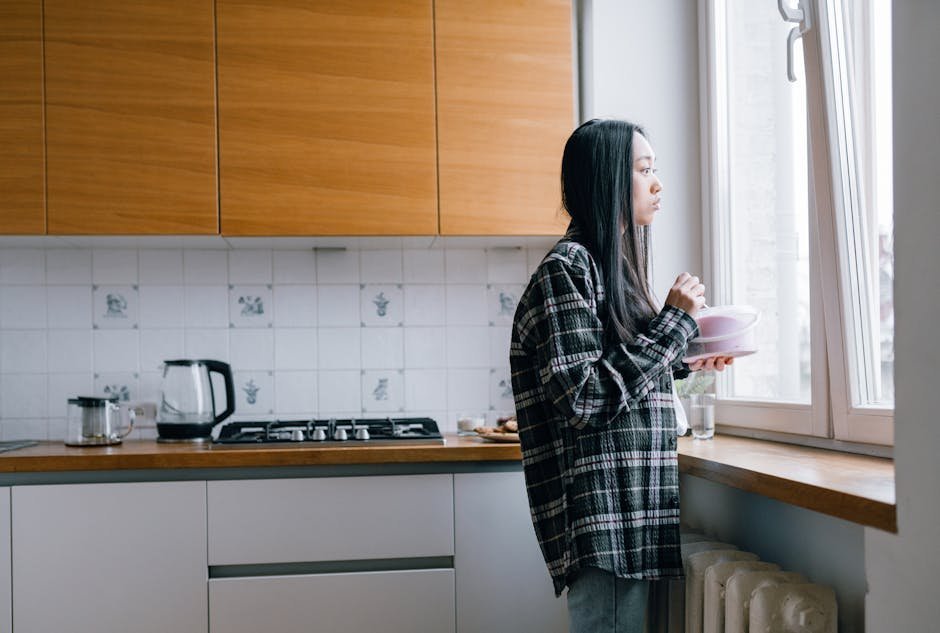
Here is what nobody puts in the brochure. Living in a succession of other people’s homes for a year does something to your idea of what home actually means. You stop taking your own space for granted. You start noticing what you actually need versus what you thought you needed. The distance from your own life becomes clarifying in a way that is equal parts liberating and deeply unsettling.
One full year of house sitting can be staggeringly productive. Some sitters have used the time to write, research, pay off debt, visit wonders of the world, and live inside other people’s international homes. The practical gains are real. The internal ones are harder to measure, and probably more important.
The lack of routine that initially feels liberating often becomes destabilizing over time. Our brains naturally seek patterns and predictability – it is how we conserve mental energy. Without these anchors, many nomads find themselves adrift, struggling with both productivity and emotional balance. By month eleven, I wasn’t just tired of packing. I was tired of not knowing where the light switches were. That, honestly, is when you know the year is up.
House sitting for a year is one of those experiences that sounds like a fantasy until you are standing in a foreign kitchen at midnight, trying to decode the WiFi password while a cat judges you from across the room. The freedom is real. The savings are real. The strangeness – that quiet, persistent, slightly eerie feeling of inhabiting a life between lives – that is real too. Would I do it again? Without a second thought. But I’d pack a nightlight. What would you have thought before stepping through that first stranger’s door?