
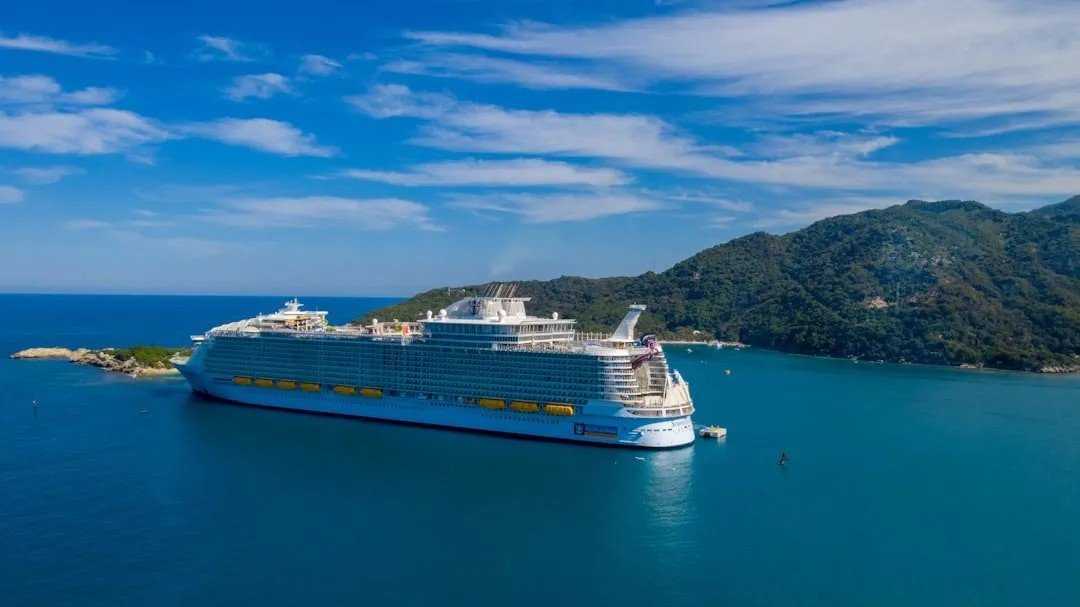
Spend enough time behind the scenes of a floating city, and you start seeing the whole experience differently. The glossy brochures and Instagram-perfect sunsets don’t tell you what happens in the galley at 2 a.m., or what’s actually living on those elevator buttons. After five years working aboard mega-cruise ships, my perspective on onboard life changed dramatically.
Some of it is gross. Some of it is genuinely alarming. Most of it is simply things passengers never get told. So consider this a candid, no-filter insider account of what I personally avoid on a cruise ship – and why the science backs me up. Let’s dive in.
1. The Raw Shellfish and Sushi at the Buffet
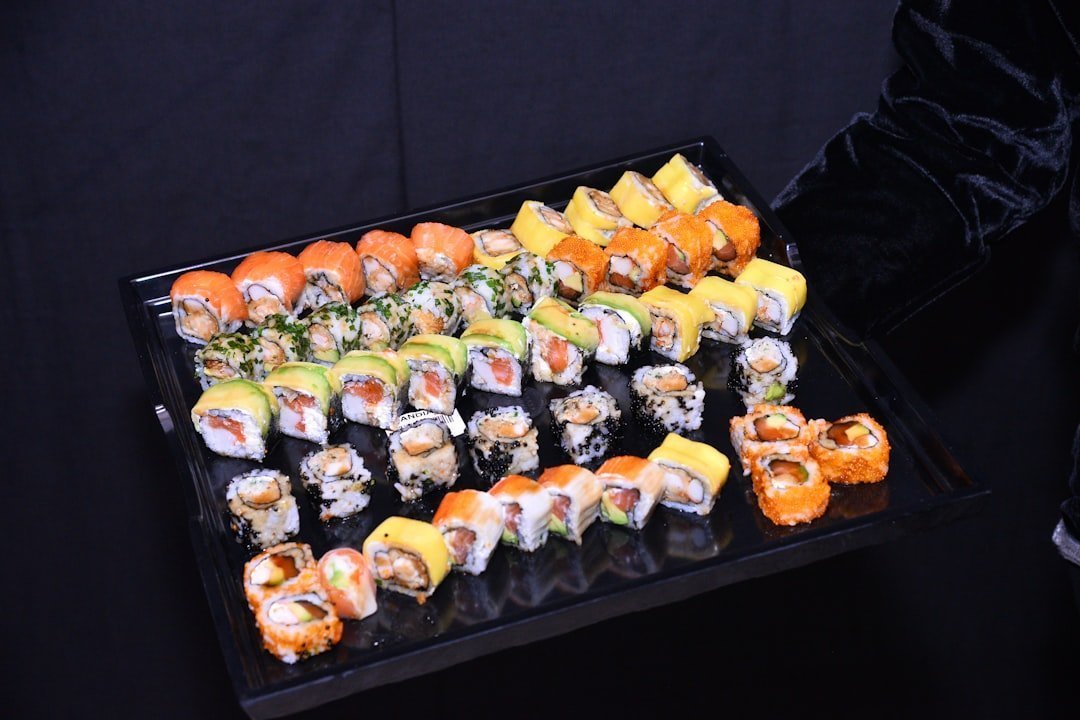
Here’s the thing – shellfish looks gorgeous sitting under those buffet lights. Glistening oysters, perfectly rolled sushi, chilled shrimp lined up in a row. It’s one of the most tempting stations on any mega-ship. I used to walk past it every single shift and think, “Not a chance.”
Shellfish and seafood can easily become breeding grounds for bacteria if not kept at the correct temperature, putting you at risk for serious illness. The problem isn’t just the food itself. Self-serve buffet stations can be hotbeds for cross-contamination, especially when it comes to raw foods like sushi – the shared tongs and utensils used by countless passengers throughout the day increase the risk of harmful bacteria spreading from one dish to another.
The USDA recommends that hot food should not sit out for more than two hours, and cold food should be replaced after the same time frame. On a busy sea day with thousands of passengers cycling through, that window gets crossed more often than you’d want to know. I saw it happen regularly. Raw and me? We’re done.
2. Elevator Buttons – Especially the Lobby Ones
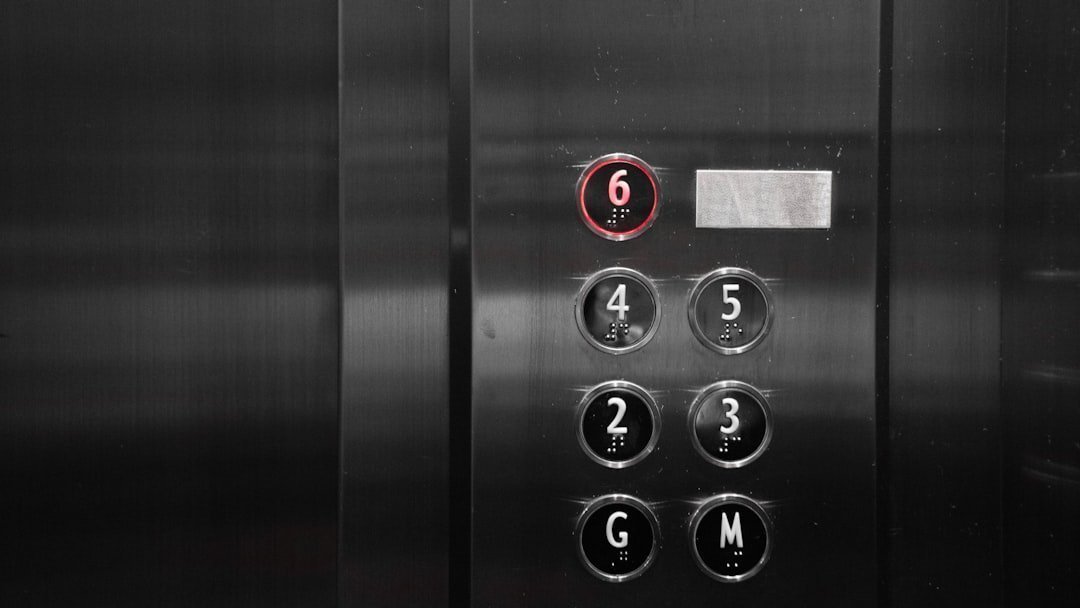
Think about how many hands touch the elevator button for Deck 11 on a ship carrying 5,000 people on a warm Caribbean day. Now think about how many of those people just came from the pool, the restroom, or the buffet. Honestly, even thinking about it makes me uneasy.
Sick people can spread gastrointestinal illnesses to others through food and water and by touching handrails, elevator buttons, shared utensils, and other people. This is a direct warning from the CDC’s Vessel Sanitation Program. Inadequate cleaning can allow viruses and bacteria to linger on high-touch surfaces like railings, elevator buttons and bathroom fixtures – and when cleaning protocols break down, those germs can spread rapidly.
I started using my knuckle, or a paper towel, or simply avoiding elevators altogether when I could. With thousands of guests on a cruise ship, elevators often feel hot and cramped – stairwells, on the other hand, are quieter than elevator banks, and taking the stairs reduces time spent in extra-confined spaces. It’s a small habit that I still keep today, on land and off.
3. Buffet Serving Tongs That Have Been Left on the Food

You’ve seen it. Tongs resting directly on top of the food, handle half-submerged in the pasta salad, because someone just casually dropped them there. That image should bother you a lot more than it probably does. I worked around buffets long enough that I can never unsee what those tongs collect over the course of a single lunch service.
Watch for signs of carelessness at the cruise ship buffet, like tongs left directly on the food or dishes that have clearly been handled excessively – a quick glance can often reveal whether safety precautions are being taken or if it’s time to skip that station altogether. This isn’t being overly paranoid. Despite stringent health and safety protocols, lapses in hygiene practices among food handlers can occur – improper handwashing, inadequate cleaning of food preparation surfaces, and improper storage of food can all contribute to the spread of foodborne pathogens.
When I did eat from the buffet, I always looked for freshly replenished trays and stations with proper tong management. It sounds fussy, I know. But five years of watching a few thousand people use the same utensils changed me forever.
4. Handrails During Active Outbreaks
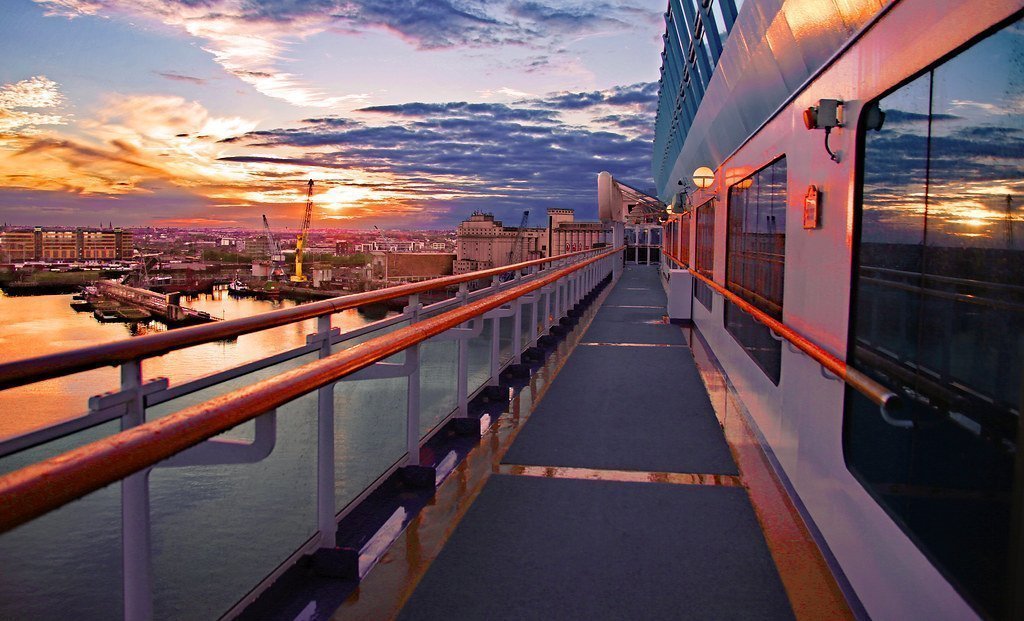
Mega-cruise ships carry anywhere from 3,000 to over 6,000 passengers at once. That’s a small town, crammed onto a vessel, touching all the same surfaces. When a gastrointestinal outbreak starts moving through the ship, handrails become transmission highways. I’ve watched it unfold firsthand.
Annual data released by the CDC revealed that 2024 was the worst year for cruise ship gastrointestinal outbreaks in over a decade – there were 16 reported outbreaks on ships that year, up from 14 in 2023, with most outbreaks attributed to norovirus, though E. coli and Salmonella were also identified. Those aren’t small numbers for an enclosed environment. Passengers and crew alike can unwittingly contribute to contamination, as contact with high-touch surfaces like handrails, tables, and door handles provides a prime route for microbes to spread.
Norovirus can persist on surfaces for days or weeks and is resistant to many common disinfectants. So even a cleaned railing can harbor risk. During outbreaks, I kept my hands off them whenever possible. Touching, then touching your face? That’s practically an invitation.
5. The Ice From Public Dispensers
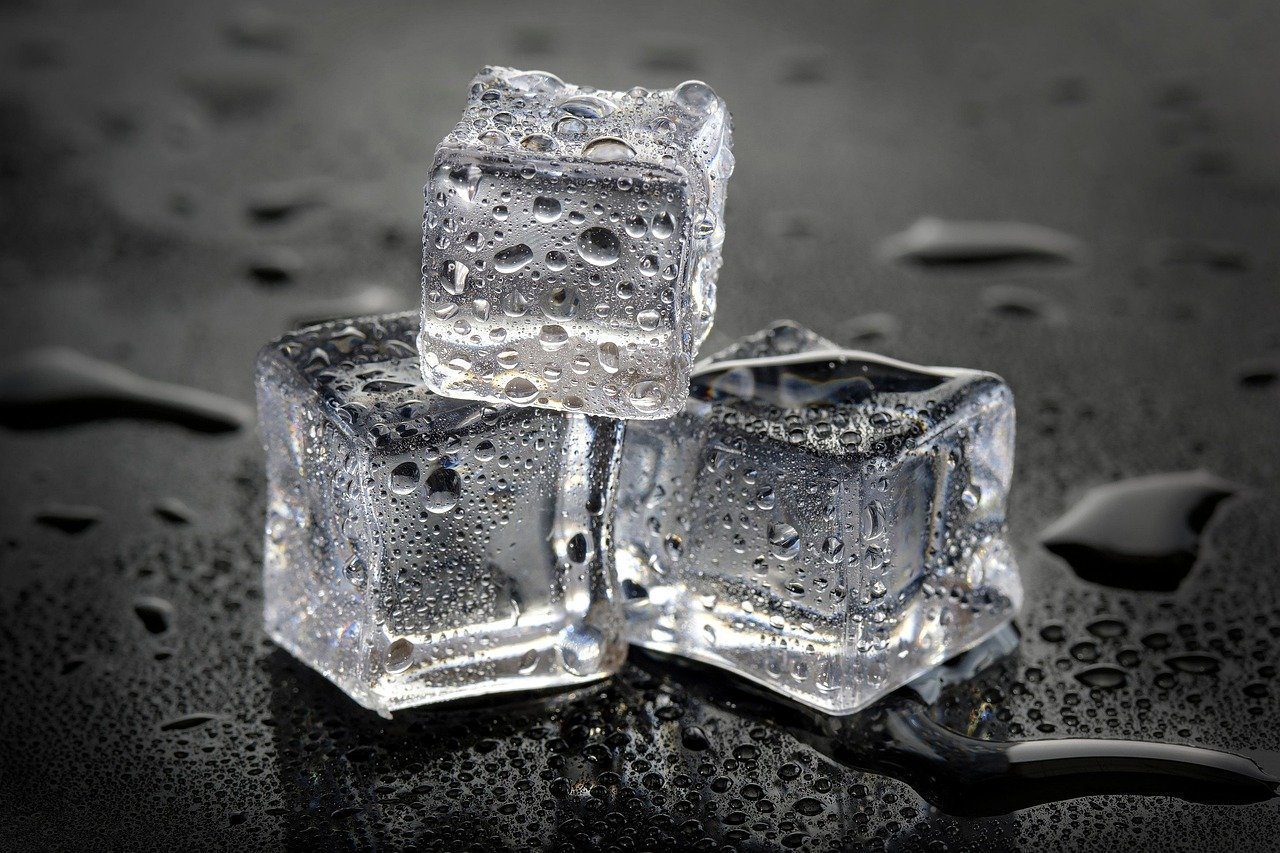
Ice seems harmless. It’s cold, it’s frozen, nothing can live in there, right? That’s what most passengers assume. It’s also one of those quiet assumptions that doesn’t hold up well under scrutiny, especially on a ship where the ice machine nozzle gets touched by hundreds of people daily.
The confined spaces, shared facilities, and high volume of passengers moving through restaurants, elevators, cabins, and public restrooms make sanitation difficult. Public ice dispensers fall squarely into that shared-facility category, and the drip tray and nozzle area are rarely the focus of deep cleaning between uses. With tight spaces for food preparation and dining and the number of hands touching food at buffets, you may be scooping up a contagious virus with your dinner.
The better move, and the one I personally adopted, is to ask for ice from a staffed bar where it’s scooped fresh into your glass. It sounds like a small distinction. In practice, it cuts out a massive shared touchpoint that thousands of people interact with every single day at sea.
6. Communal Hot Tubs
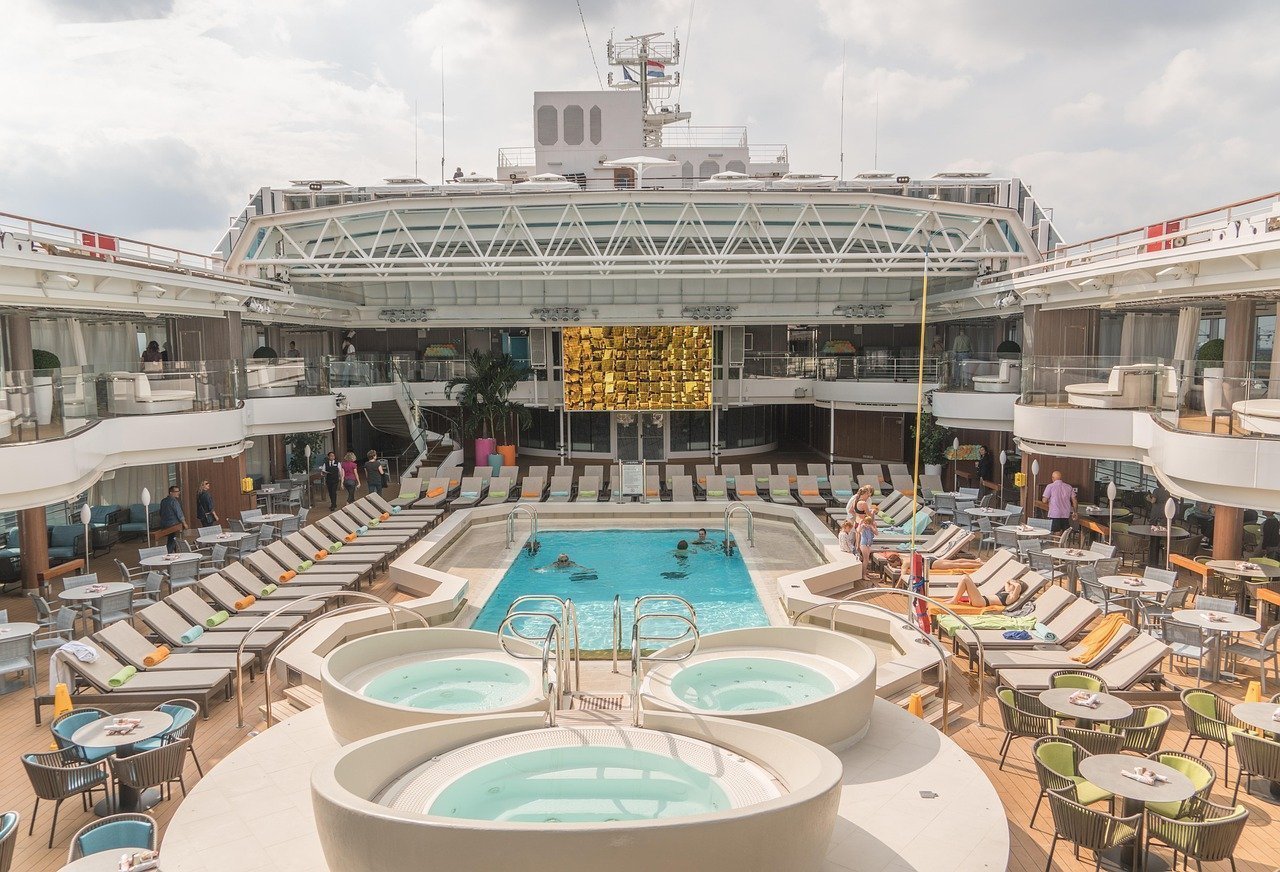
I’ll be real with you: hot tubs on cruise ships are wildly popular and they’re also one of the spots I avoided from around year two onward. When you understand what’s actually happening in those warm, chlorinated, densely occupied tubs, the appeal fades fast. They’re essentially warm water shared among strangers from dozens of countries, maintained at the perfect temperature for certain bacteria to thrive if chemical levels dip even slightly.
Other public health issues on cruise ships can include controlling Legionella, managing pests and insects, and ensuring clean air and water. Legionella, the bacteria behind Legionnaires’ disease, is a documented concern in warm water systems. The CDC significantly strengthened hygiene protection on cruise ships with new Vessel Sanitation Program standards for 2025 – for the first time, the regulations include a mandatory Legionella monitoring programme, as well as stricter documentation and surveillance requirements.
The fact that regulators felt the need to add mandatory Legionella monitoring in 2025 tells you something important. It wasn’t theoretical. The risk was real enough to mandate formal surveillance. Hot tub water and I have a very distant relationship now.
7. Pre-Made Scrambled Eggs at Breakfast Buffets
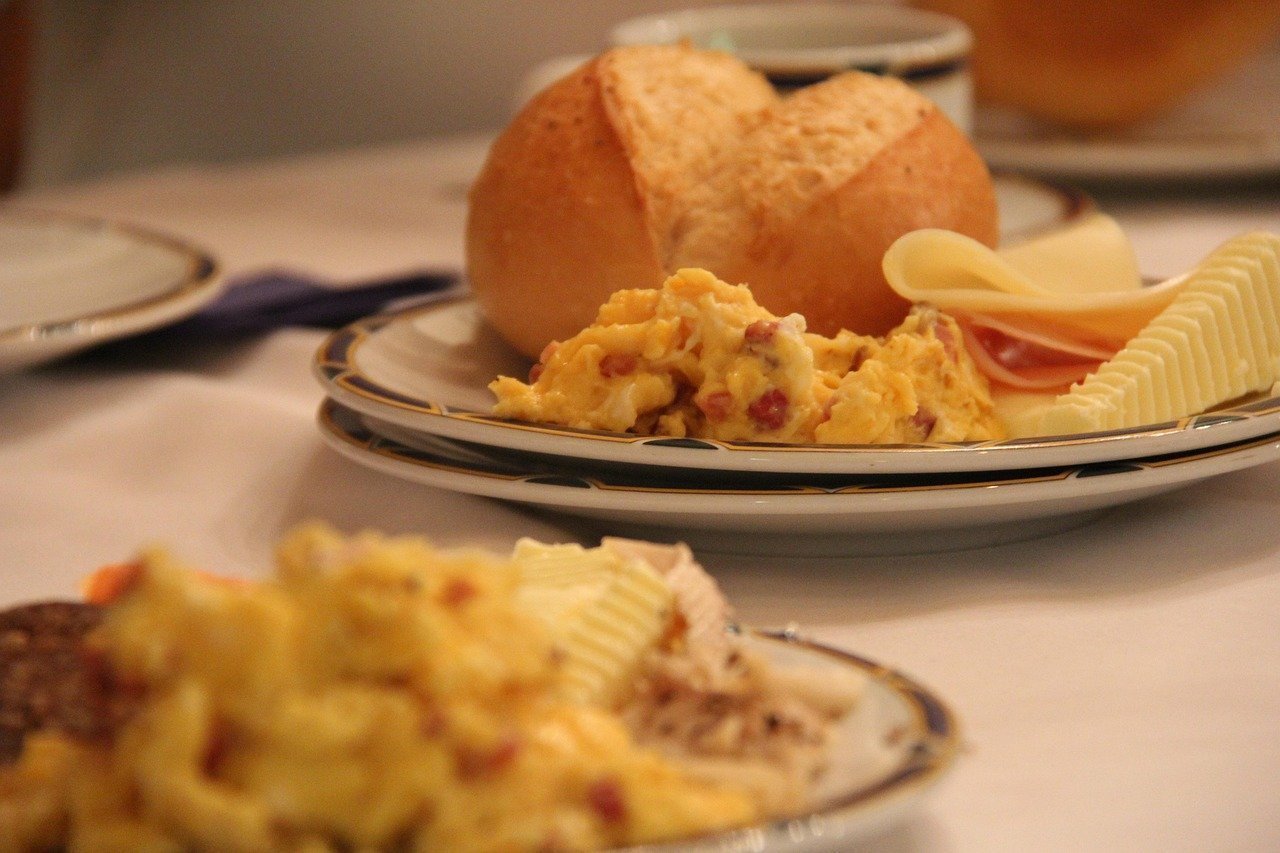
Scrambled eggs are one of those things that look completely fine sitting in a warming tray. Bright yellow, fluffy, totally normal. What you’re not seeing is how long they’ve been there, or what batch number this is as the morning stretches on. I’ve eaten a lot of eggs in my life. Pre-made buffet scrambled eggs haven’t been among them since around my second year onboard.
When eating at a cruise ship buffet, pre-made scrambled eggs for breakfast or fried foods for dinner are often regretted choices – anything that loses its quality when it gets less crispy, or anything that is best made to order, is generally worth avoiding. It’s not just a quality issue. The temperature danger zone, between 5°C and 60°C, is where bacteria multiply rapidly – cruise kitchens are supposed to avoid this range during storage, prep, and service to ensure food safety.
Eggs sitting in a steam tray for extended periods can drift in and out of that danger zone. My rule became simple: if I wanted eggs, I went to the made-to-order station and watched them cook fresh in front of me. Problem solved. Quality dramatically improved too, honestly.
8. Port Water and Ice When Off the Ship
This one extends beyond the ship itself, but it’s something every crew member learns quickly. When you step off at a port of call, the water safety rules change completely. The ship’s treated, monitored water system no longer protects you. You’re on local infrastructure, and that can vary enormously depending on the destination.
While the tap water on the cruise ship is generally safe, the quality of tap water in some port destinations may vary – it is advisable to research the water quality at each port of call and consider using bottled water if necessary. This includes ice. Ice at local restaurants is made from local tap water, and that’s where crew members I knew got sick repeatedly. Cruise lines cannot guarantee the safety of drinking water in all the ports their ships visit, so drinking bottled water is generally recommended when you’re off the ship.
The ship’s water system, for all its complexity, is actually remarkably well controlled. The majority of water onboard a cruise ship is seawater that has undergone a desalination process – cruise ships treat and filter the water to meet the safety standards of both the U.S. Public Health Service and the World Health Organization. The moment you walk down that gangway, those protections go with the ship, not with you.
9. The Pool on Embarkation Day
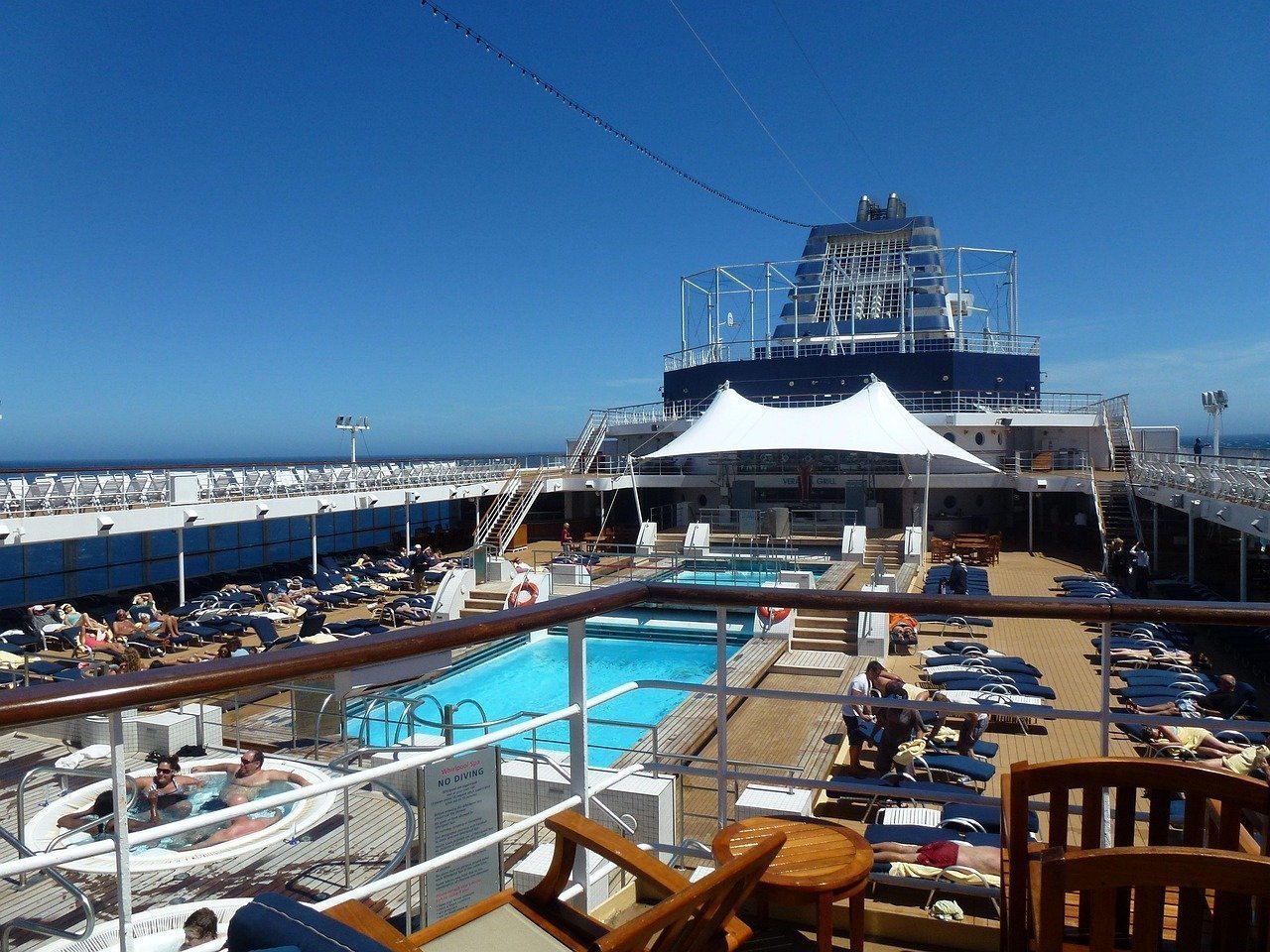
Embarkation day has a specific energy. Thousands of excited passengers boarding all at once, rushing to claim sun loungers, pouring into pools before the ship even leaves port. It’s chaotic, joyful, and from a hygiene standpoint, genuinely one of the riskiest pool moments of the entire cruise. Think about it: nobody knows who’s just boarded carrying what.
When the ship docks, norovirus can be brought on board in contaminated food or water, or by passengers who were infected while ashore – repeated outbreaks on consecutive cruises may also result from infected crew or environmental contamination. The pool fills up before staff have had any real chance to monitor the incoming passenger population. In 2025, cruise ship gastrointestinal illness outbreaks surpassed 2024’s total, with 14 of those caused by norovirus – the close quarters and high population density on cruise ships make them particularly vulnerable to such outbreaks.
I developed a personal rule: wait at least 24 hours before using any pool or hot tub at the start of a new cruise. It sounds extreme. After watching what embarkation day actually looks like from the crew side, it sounds like common sense. Let the ship settle. Let the water chemistry catch up.
10. Shared Utensils at Self-Serve Stations Without Washing My Hands First
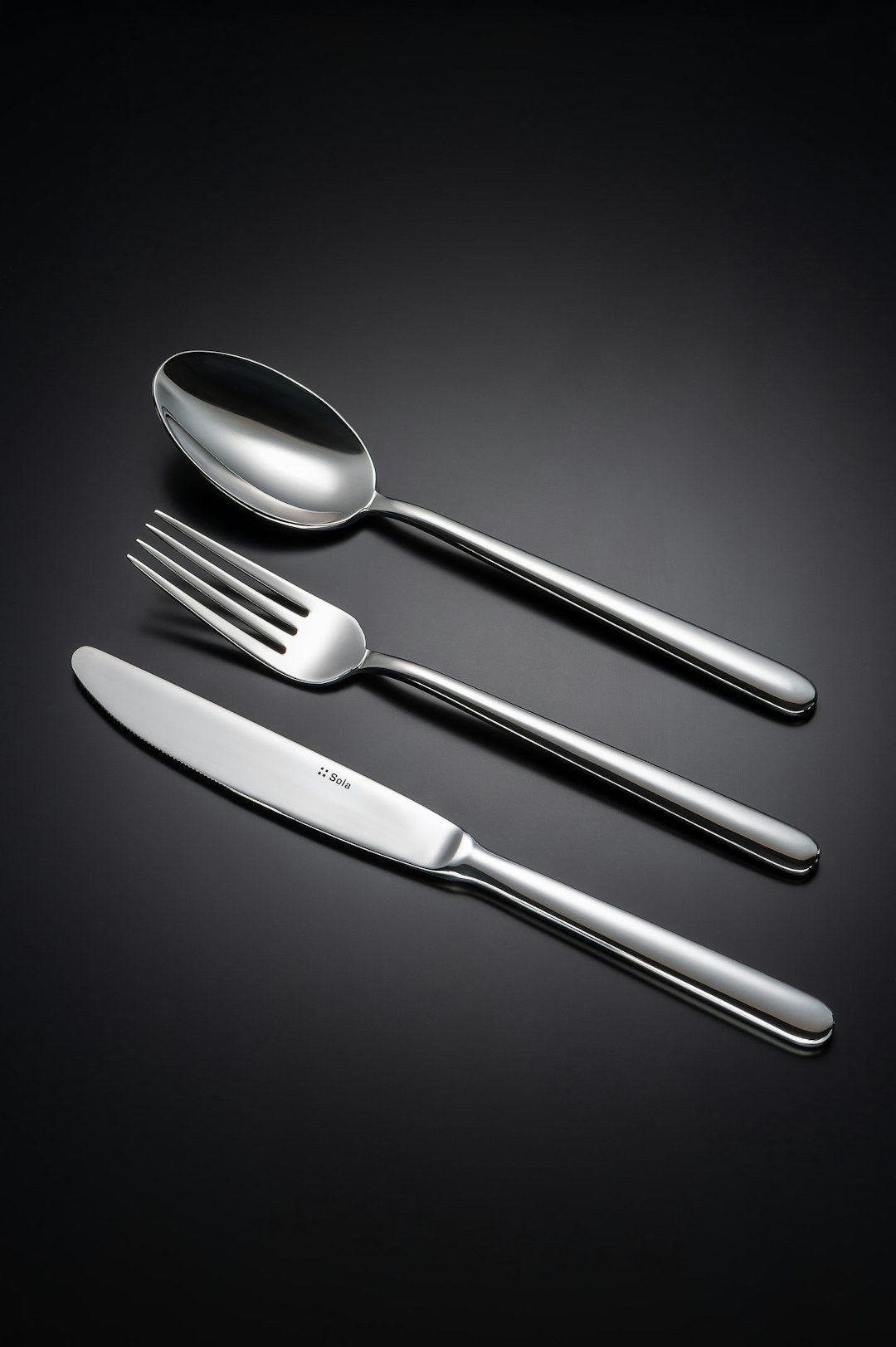
This last one is less about avoiding something entirely and more about a non-negotiable ritual. Shared utensils at self-serve stations, whether that’s salad tongs, soup ladles, or bread basket tongs, are touched by hundreds of passengers in the space of a single meal service. After five years, touching them without clean hands first isn’t something I could ever do casually again.
Numerous studies confirm that a quick application of hand sanitizer doesn’t kill norovirus – it takes about 30 seconds of hard rubbing with hot water and soap, including under the nails, to wash it away. This is crucial. Most passengers glance at a sanitizer station, give their palms a brief swipe, and consider it done. That is not enough. Health experts say the best way to prevent getting norovirus is to wash hands with warm soap and water for 20 seconds – hand sanitizer does not work well against norovirus, and the CDC says people should wash their hands after using the toilet, as well as when eating or preparing food.
Working on a mega-ship for five years taught me that the difference between a healthy voyage and a miserable one often comes down to exactly this kind of small, repeatable discipline. No single shared utensil is dangerous on its own. It’s the cumulative exposure across thousands of shared moments, by thousands of people, that builds the real risk. Wash your hands. Every single time. With soap and water. Not a swipe of gel.
Five years at sea gave me an education no hospitality school ever could. The ships themselves are remarkable feats of engineering and hospitality. The risks are real too, but they’re manageable if you know where to look. Now you do. What would you have guessed was the most surprising thing on this list?