
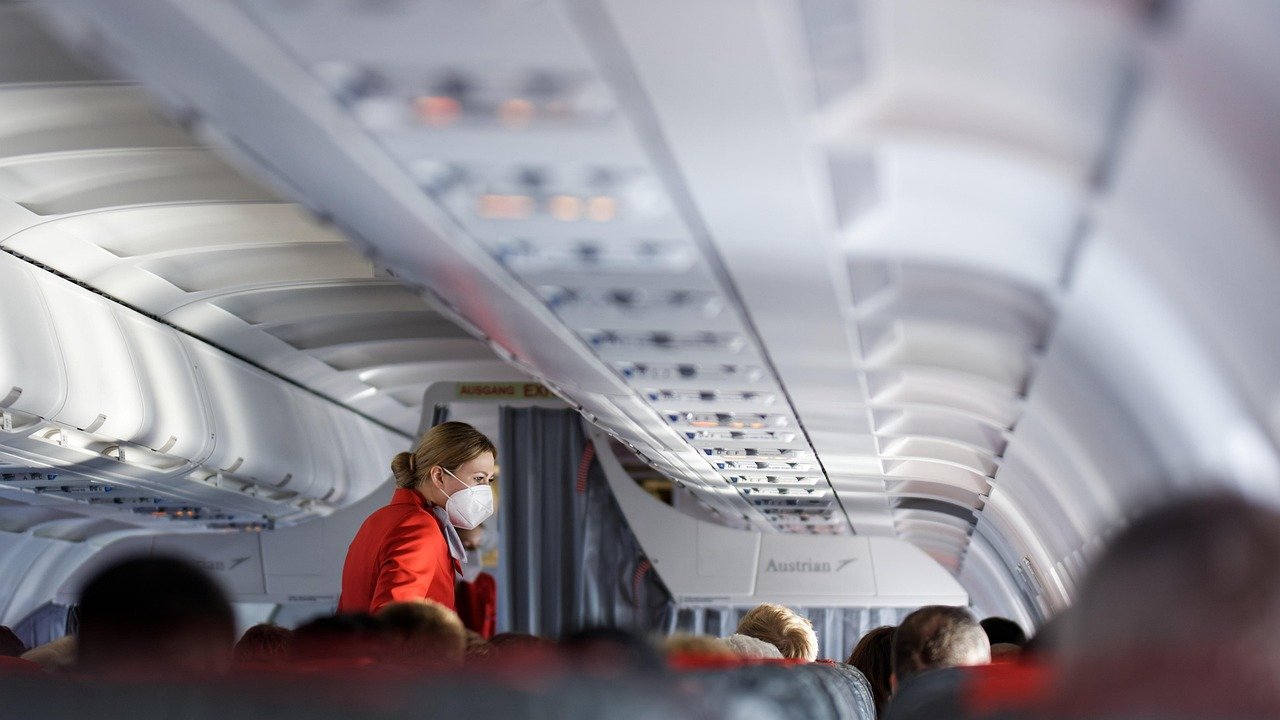
There’s a quiet war happening at 35,000 feet. Not between passengers and turbulence, or between economy seats and human dignity, but between travelers who think they’ve found clever “comfort hacks” and the crew members who have to watch those hacks play out, flight after flight, with increasingly strained smiles.
Honestly, most passengers mean well. They read a travel blog, saw a TikTok, maybe got a tip from a friend. But what feels like a genius move from seat 24C looks completely different from the galley. So let’s talk about it, because some of these habits have gotten wildly out of hand. Let’s dive in.
1. Hammering the Call Button Like It’s a Hotel Concierge Bell

Here’s a statistic that genuinely surprised me: passengers are pressing the flight attendant call button up to 40% more often than they used to, according to one flight attendant cited by USA Today. That is not a small jump. That is a cultural shift in how people expect to be treated at altitude.
Flight attendants are safety professionals first, and when that button lights up, they’re expecting an emergency. Using it to request a specific water brand or ask about a Wi-Fi connection is, to put it plainly, tone-deaf. Think of it less like a hotel concierge bell and more like a fire alarm you should only pull when something’s actually on fire.
Typically, there is one crew member per 50 passengers, so being patient is genuinely important, especially if your request is not an emergency. Overuse can distract from the other jobs that flight attendants have to do during the flight. So if you just want a Diet Coke, wait until someone walks by. It won’t take long.
2. Kicking Off Your Shoes and Going Completely Barefoot

This one passengers defend constantly. “It helps me relax.” “It’s a long flight.” Fair enough, but here’s the thing: former flight attendant Natalia Yepes compared walking barefoot on an airplane to walking shoeless on a public bus. Hundreds of passengers move through a single aircraft each day, and cleaning crews typically have 10 minutes or less during turnarounds, with their priority being to remove crumbs and large debris, not disinfecting every surface.
As flight attendant Hailey Way put it, “By walking barefoot or even in socks around the cabin, you are putting your own health at risk. The lavatory floors are probably the worst place to be barefoot. There’s likely a mixture of water, urine, and other bodily fluids in there.” According to an Airplanes Etiquette Violations Survey by the Vacationer, more than 24 percent of fliers consider it annoying when another passenger removes their shoes.
A number of domestic airlines now have policies that say you can be taken off a flight for coming in barefoot. Delta’s code of conduct says it can remove a barefoot passenger from a flight, and Spirit Airlines says the same. United Airlines also has this rule, as does American Airlines. So that comfort hack could cost you your entire trip.
3. Ignoring the Safety Demonstration Because “You’ve Seen It Before”

I get it. You’ve flown 30 times. The oxygen mask bit feels old. But this habit frustrates crew members more than almost anything else, and the reasons are more serious than you might think. Passengers sit with headphones in during safety demonstrations and often don’t even know where the safety instruction card is. One former flight attendant recalled thinking, “If the situation hit the fan, they wouldn’t have a clue.” People aren’t interested because they think they know it already.
Travelers ignoring safety demonstrations is not a minor complaint, according to the head of the largest flight attendant union in the United States, which represents cabin crews at major carriers including United, Alaska, and Frontier. It is a documented, systemic problem. And it genuinely puts people at risk when things go wrong.
It’s especially rude to make noise during an in-flight safety demonstration. American Airlines flight attendant Ally Case explained why this behavior is inappropriate, and the reasons have a lot to do with airplane rules. Every aircraft is slightly different in terms of exit locations and procedures, and that briefing exists for real reasons.
4. Stuffing Oversized Bags Into the Overhead Bin
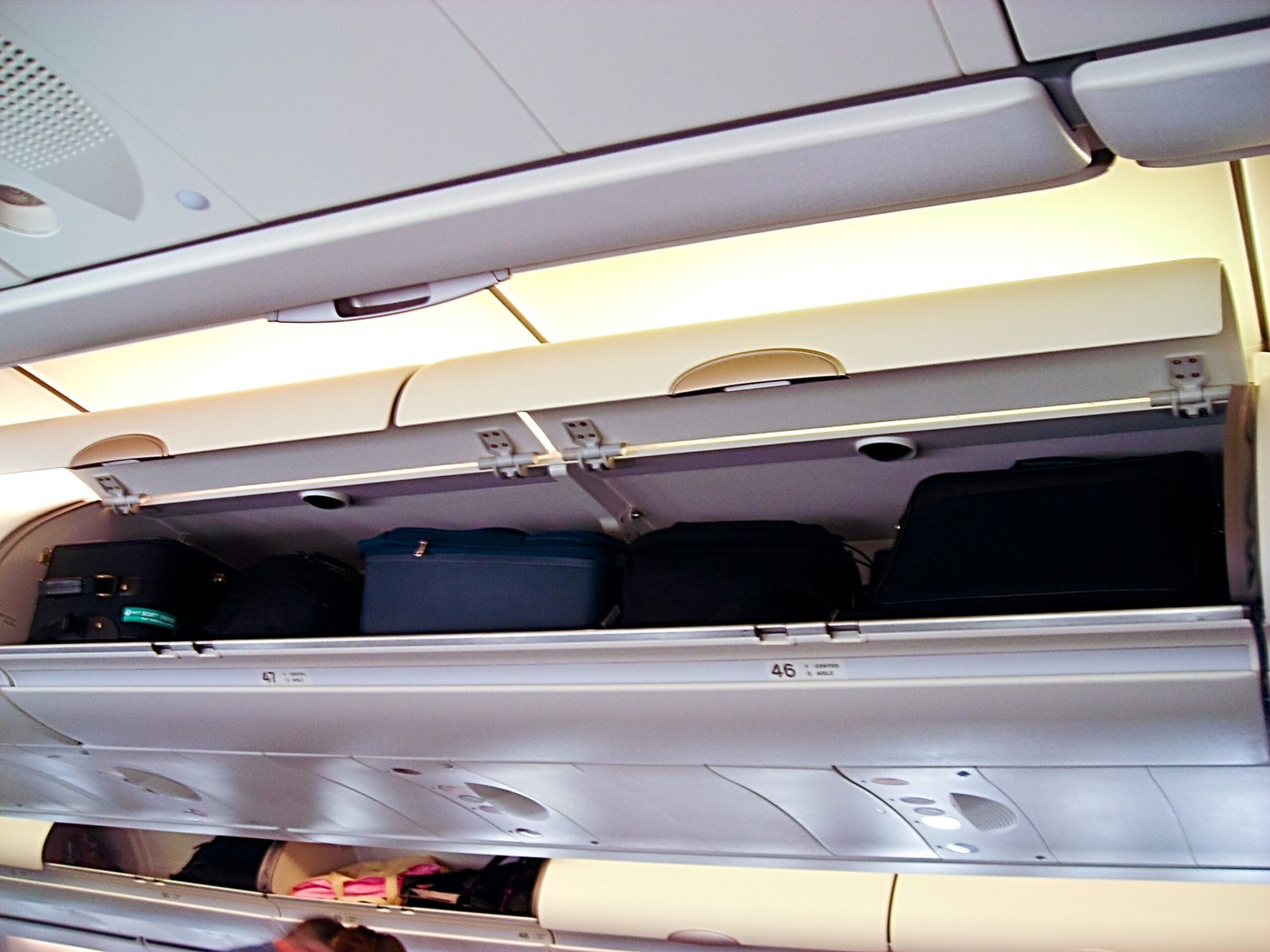
Passengers have gotten surprisingly creative about what they consider a “carry-on.” Some bags barely survive the airport scanner. Others look like someone packed for six months in Patagonia. Bringing too many bags onboard is a surefire way to frustrate your flight attendant. So many aircraft depart late because passengers bring too many bags and there isn’t enough space in the overhead bins, meaning those bags then have to go into cargo, which delays everyone.
The real frustration, multiple attendants said, comes from passengers who bring bags they know are too large, expecting flight attendants to perform miracles. “We’re not magicians,” one attendant said, “but somehow we’re expected to make a bag that barely fit through the airport scanner suddenly shrink to fit in an overhead bin.”
Passengers need to be able to lift their own bags into overhead bins. Flight attendants do not start getting paid until the plane door closes, so if a flight attendant handles luggage and gets hurt, they will not be covered under workers’ compensation. As a result, most flight attendants will not adjust bags in the overhead or will ask passengers to rearrange their luggage. That’s not laziness. That’s a legitimate liability issue.
5. Treating Seat Assignments Like a Mere Suggestion

Some travelers view their assigned seat as a starting point for negotiation. They sit wherever looks comfortable, then expect the crew to sort it out later. One of flight attendant Alisha’s biggest pet peeves is passengers who see their seat assignment as a suggestion rather than a rule. “It’s never open seating,” she says. And yet it keeps happening, on almost every flight.
Announcements about boarding, checking luggage, stowing bags, and finding your seat are designed to streamline the boarding process, and ignoring them can cause delays. The cabin crew may not always call you on it, but they absolutely do notice. Every swap, every shuffle, every “can I just sit here?” adds time and friction to an already complex operation.
6. Touching, Poking, or Tugging on the Flight Attendant

This one genuinely blows people’s minds when they hear it, but it happens constantly. One flight attendant shared that she gets poked or has her apron pulled on pretty much every flight, and it’s one of her biggest pet peeves. Imagine someone grabbing your arm or pinching your sleeve every time they wanted something at your desk job. Maddening, right?
A simple polite wave, raising your hand, or saying “excuse me” works like a charm, and flight attendants are trained to notice exactly those kinds of signals. The physical contact thing is genuinely not okay, and most passengers don’t even realize they’re doing it. It’s a reflex, a tap on the shoulder, but it crosses a line that crew members feel on every single flight.
7. Rushing the Aisle During Deplaning Before the Seatbelt Sign Is Off

The plane lands. The seatbelt sign is still on. Someone in row 17 is already standing, yanking their bag from the overhead, and sighing loudly at the three rows ahead of them. This behavior even has a nickname among crew: “aisle lice.” According to two flight attendants and an unofficial poll of Reddit forums, “aisle lice” are the passengers who leap out of their seats the millisecond the plane arrives at the gate, sometimes even before the seatbelt sign is off, and push their way into the aisle attempting to deplane before the rows ahead of them.
As one flight attendant noted, “It’s not just annoying, but it also slows everything down, making them even less likely to get what they want. We have rules about deplaning for a reason.” Airlines actually have a method to the madness: passengers are supposed to deplane row by row, starting from the front. The person leaping up first almost never gets off sooner. They just inconvenience everyone else.
Flight attendants on Reddit have described watching passengers open overhead bins while the plane is still taxiing, creating genuine hazards as bags shift during movement. It’s not a race. It never was.
8. Ignoring Fellow Passengers’ Complaints About Crying Babies

Let’s be real: this one is a bit of a two-way street. Passengers expect flight attendants to somehow silence crying infants. But crew members find this particular demand deeply irritating, and honestly, it makes total sense why. Some passengers occasionally feel the need to inform flight attendants that a baby is crying, with others even asking the professionals to make the noise stop. In reality, this is a common complaint that fills most flight attendants with rage.
Flight attendant Kat Kalamani, who has worked as a member of a flight crew for at least six years, grew frustrated with the number of individuals who engaged in this behavior and eventually took to social media, posting a viral video about the topic. The crew is managing 150 to 300 passengers at once. A crying baby is not their responsibility to silence any more than it would be yours to quiet a crying child in a restaurant.
It’s hard to say for sure whether passengers genuinely expect flight attendants to have baby-whispering abilities, or whether it’s just venting in the wrong direction. Either way, pointing out the obvious does nothing except add one more frustrated person to the galley’s mental tally. Flight attendants hear the crying too. They’re already doing everything they reasonably can.
9. Demanding Seat Changes Mid-Flight Under False Pretenses

The “comfort hack” version of this goes: tell the flight attendant you have a medical need, a fear of a specific seat location, or some urgent personal reason why you need to move. Sometimes people pull this to sit next to a friend, avoid a middle seat, or snag an empty row they spotted during boarding. Some flight attendants say that not being able to choose seats for free doesn’t give anyone the right to disturb other passengers or coerce airline employees into pressuring someone to switch spots.
The crew sees through this constantly. Flight attendants are trained observers. They notice patterns, remember faces, and notice when someone who claimed a terrible fear of window seats happily sat at one during boarding. These behaviors demonstrate a consistent disregard for others and create operational problems. Flight attendants are evaluated on on-time performance, and when passengers cause delays, it affects their metrics and potentially their own connections.
10. Playing Videos or Music Without Headphones
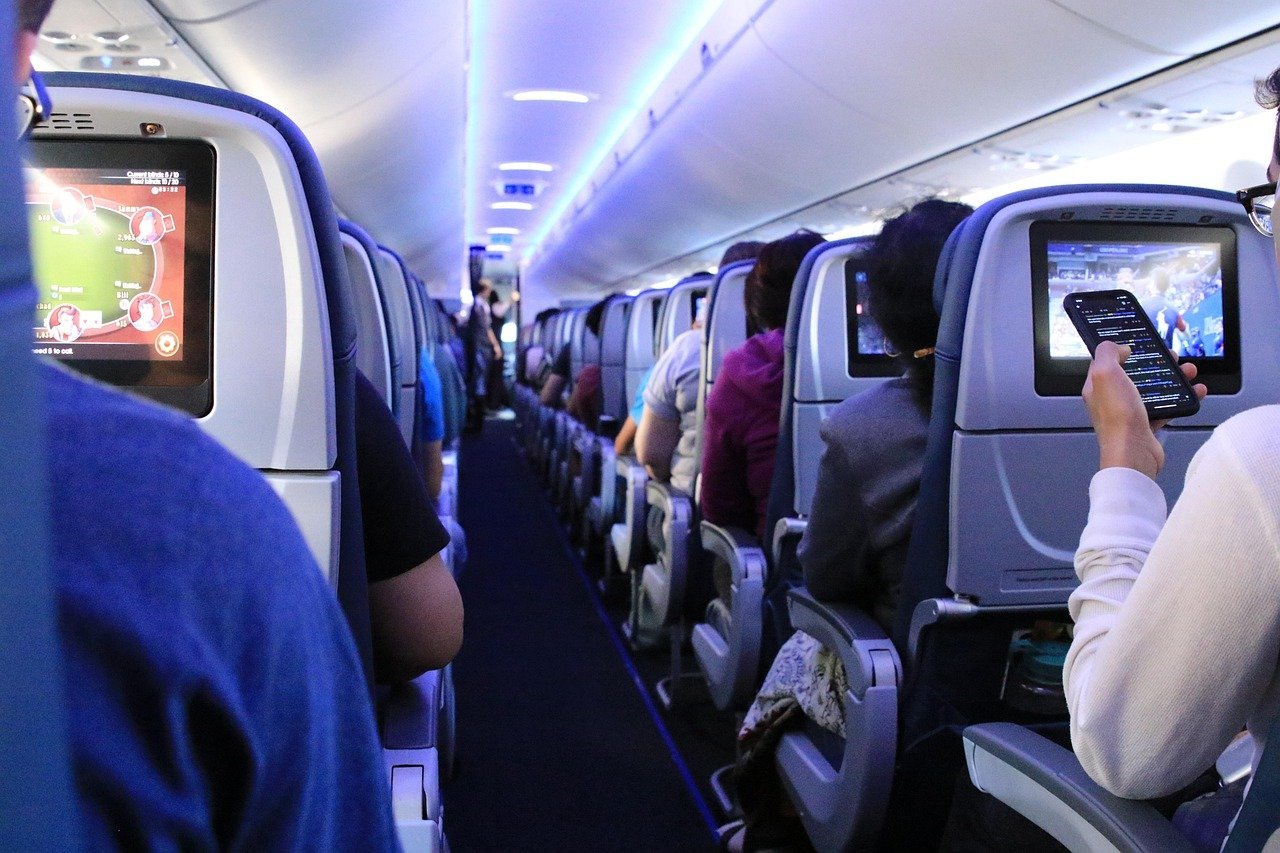
This one has gotten noticeably worse since in-flight Wi-Fi became ubiquitous. People connect their devices, pull up a show, and just let it run at full speaker volume. One Reddit user shared a particular pet peeve about flight attendants not stopping people from playing music and videos without earphones on. But the truth is, flight attendants are actively fielding complaints about this from multiple rows at once.
Some passengers find people watching videos without earphones the worst offense, along with talking on Facetime or speakerphone, as though they think they’re the only ones in the world. The plane is a shared tube of recycled air and amplified sound. What sounds fine through your own ears ricochets differently through an entire pressurized cabin. It’s genuinely disruptive, and the crew hates being put in the position of playing audio police.
11. Letting Kids Hit the Call Button Repeatedly as a Distraction
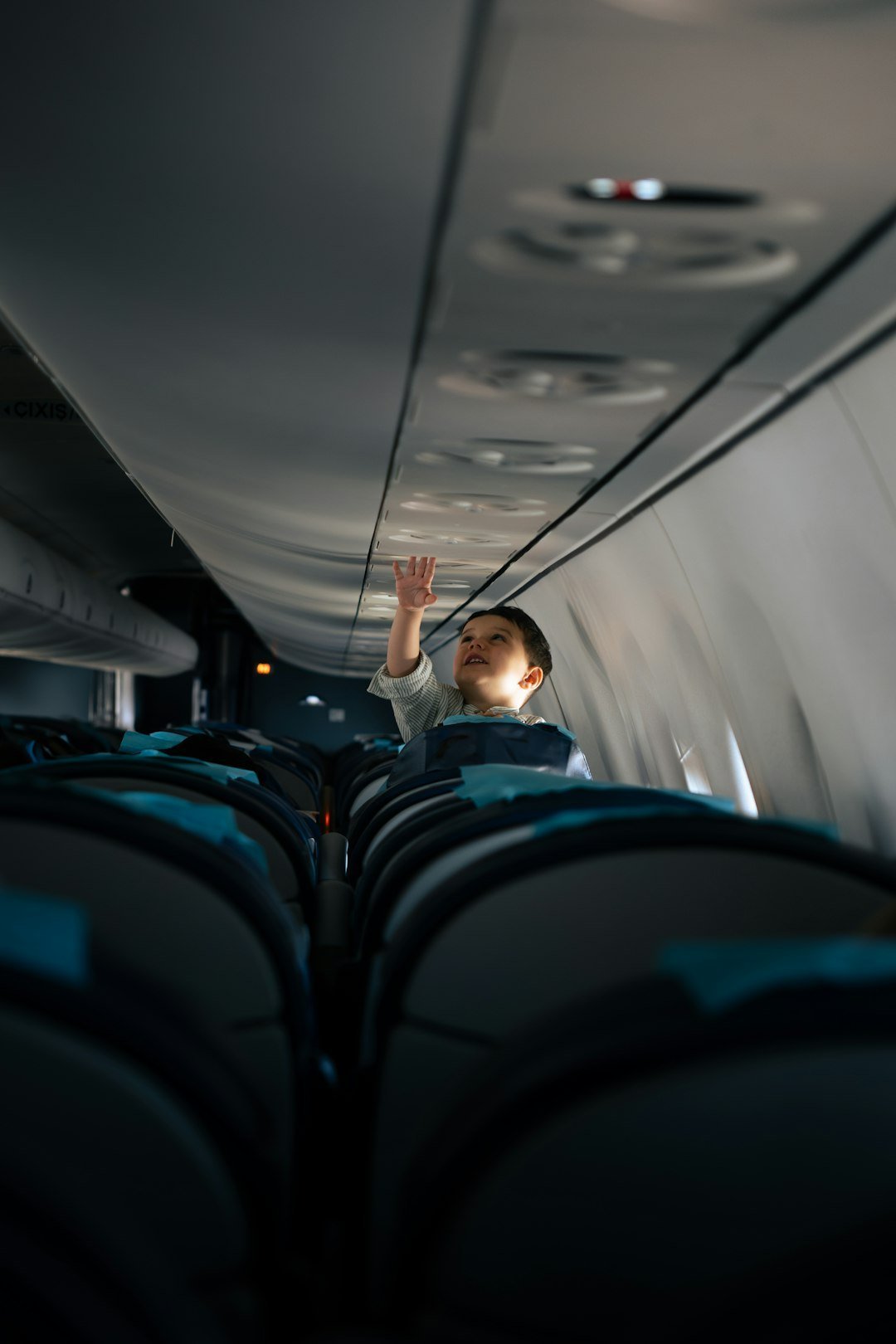
Parents flying with young children face one of the hardest travel challenges that exists. That’s real, and most crew members understand it. But handing a toddler the call button as a toy crosses a very specific line that flight attendants talk about with rare passion. Flight attendants share that they’ve “wasted thousands of steps” going to help a person only to find out it was just a kid playing with a button.
Impatiently pressing a button, especially when an attendant is already serving someone else, also rubs the cabin crew the wrong way. Typically, there is one crew member per 50 passengers, so patience matters, especially when a request is not an emergency. For context, think about a nurse call button in a hospital. You wouldn’t hand it to a four-year-old. The same logic applies here.
The broader picture here comes down to a single uncomfortable truth. 2024 was a difficult year for airlines, with the FAA reporting over 2,102 cases of unruly passengers, up from 2,076 the year before. In total, $7.5 million worth of fees were charged against disruptive passengers in 2024. Most of the 11 habits above won’t land you in legal trouble, but they collectively shape the cabin experience for everyone on board.
Most flight attendants genuinely love their jobs and genuinely want your flight to go well. The question is whether the comfort hacks you’ve convinced yourself are harmless are actually helping anyone, or quietly driving the people responsible for your safety completely up the cabin wall. What would you have guessed was the most common complaint? Tell us in the comments.