
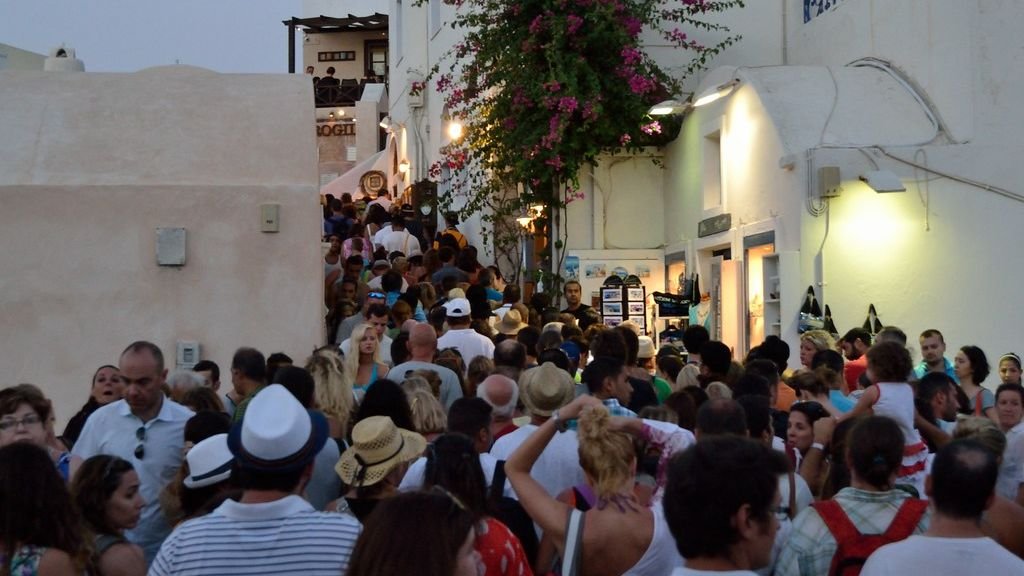
Europe has always been the world’s dream destination. Ancient ruins, cobblestone streets, iconic skylines, world-class food. The postcard is irresistible. But increasingly, behind that beautiful postcard is a very different reality, one that millions of visitors are discovering only after they’ve already landed.
Europe welcomed nearly 340 million international tourists in the first half of 2025 alone, a four percent increase from 2024 and seven percent higher than pre-pandemic levels, according to the United Nations Tourism Organization. That sounds like a triumph. For residents of the most visited cities, it feels more like an occupation. Locals are pushing back, governments are scrambling, and the cities themselves are changing in ways that may be impossible to reverse. So before you book that flight, here is what you really need to know.
1. Venice, Italy – A Floating City That’s Sinking Under Its Tourists
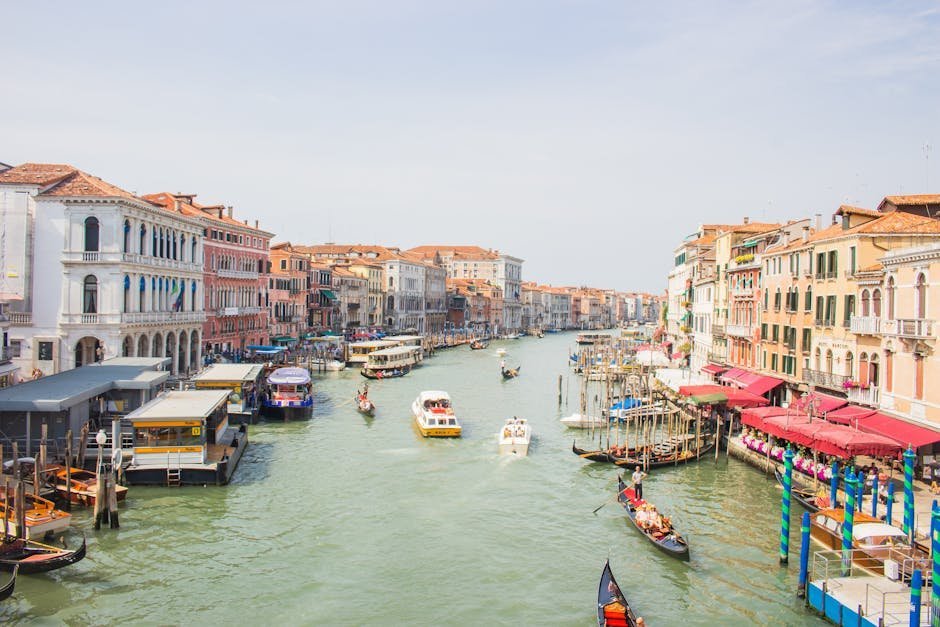
Let’s be real: Venice is the most extreme case of overtourism on the entire continent. Venice has long been plagued by overtourism. A UNESCO World Heritage Site since 1987, the iconic floating city has a population of less than 50,000 but has to contend with a phenomenal 30 million tourists a year, and the hordes of visitors damage its fragile buildings and clog its narrow streets and canals.
In 1951, the historic center boasted a peak population of 174,808 residents. By 2022, fewer than 50,000 inhabitants remained, marking a staggering 72 percent decrease from 1952. That is not a neighborhood in decline. That is a community being erased. Last September 2023, the number of tourist lodging beds actually surpassed the resident population for the first time.
In 2024, a day-tripper tax of €5 was brought in. In 2025, officials extended the number of days on which it applies, covering every Friday through Sunday and holidays from April 18 to July 27, for a total of 54 days. The levy doubles to €10 for last-minute arrivals. Fail to pay and you face fines of up to €300. Walk down the main streets between Rialto and St. Mark’s and you’ll find shop after shop selling plastic masks, cheap T-shirts and gondolier hats. Artisan shops selling genuine souvenirs are closing one by one, while tourist-focused shops have replaced butchers, greengrocers, fishmongers, and other essential services.
2. Barcelona, Spain – Beautiful City, Furious Residents
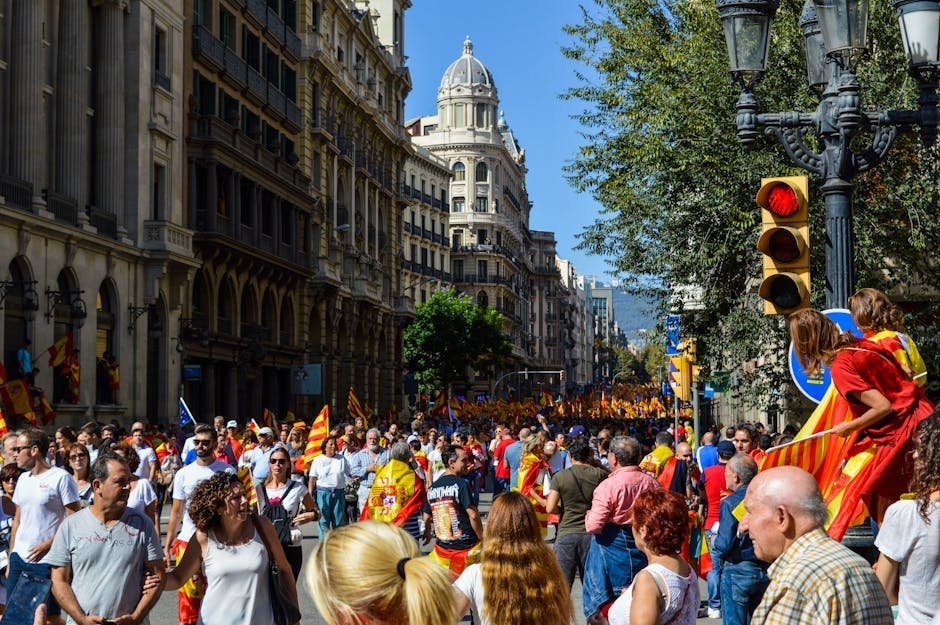
Honestly, Barcelona is one of the most visually stunning cities in the world. The architecture, the food, the beaches. It has everything. Yet in recent years, something has clearly snapped. Barcelona, home to 1.7 million Spaniards, drew 15 million tourists in 2024, prompting water-gun protests about being overcrowded.
In 2024, an activist group called “Tourism is Killing Barcelona” gained serious momentum as a vocal opposition movement against the overwhelming tourist influx. With millions of visitors each year, many locals have seen property rents escalate dramatically, forcing long-term residents out of their neighborhoods. City officials responded by halting the issuance of new hotel licenses and promoting responsible tourism practices, yet tensions remain palpable.
In July 2025, the city of Barcelona announced a significant change to its cruise tourism policy. Two of its cruise terminals at the Moll Adossat port will be permanently closed by October 2026, reducing the city’s cruise traffic by nearly half. This decision was driven by concerns over crowding in the city’s historic neighborhoods, pollution from docked ships, and growing public discontent. Think about that. A world-famous port city essentially shutting the door on half its cruise industry. That speaks volumes about how desperate the situation has become.
3. Amsterdam, Netherlands – A City at Its Limit
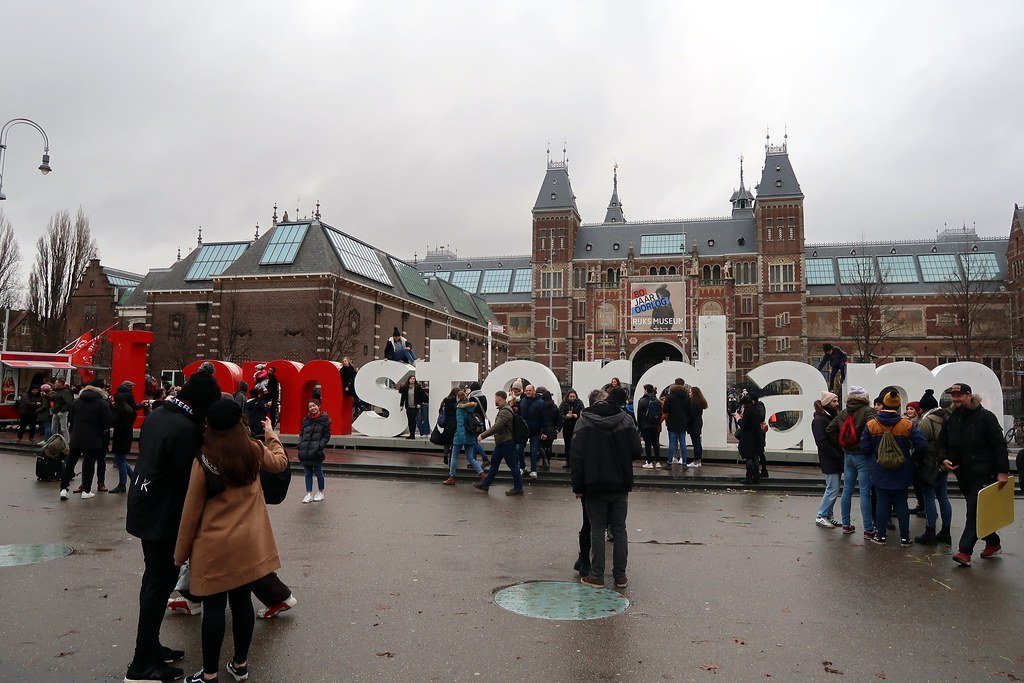
Amsterdam’s historic canals and cultural heritage attracted over 20 million visitors in 2023, leading to significant challenges for residents. Daily life has been affected by overcrowded public transport, rising rents, and noise pollution in residential neighborhoods. The city’s famously laid-back image is being tested to breaking point.
In 2021, the Amsterdam City Council approved a “Tourism in balance” policy that caps visitor numbers at 20 million per year and obliges the municipal executive to act if the figure reaches 18 million. Amsterdam acknowledges that lower-than-expected visitor figures in 2024 were a direct result of its higher tourist tax, limits on river and sea cruises, and a ban on new hotels and holiday rentals. The city has set a goal of reducing overnight stays to 20 million, and officials say additional measures will be needed to reach that figure.
Protests in Amsterdam ended up with city officials limiting boat tours, freezing new hotel construction, and halting active marketing campaigns of the city abroad. A major European capital actively telling tourists not to come. That is a first. According to the 2025 Overtourism Report from Wellness Retreats Magazine, Dubrovnik and Amsterdam rank among the highest in the world for tourist-to-resident ratio, with Amsterdam recording roughly 29 tourists per resident.
4. Rome, Italy – The Eternal City’s Eternal Crowds
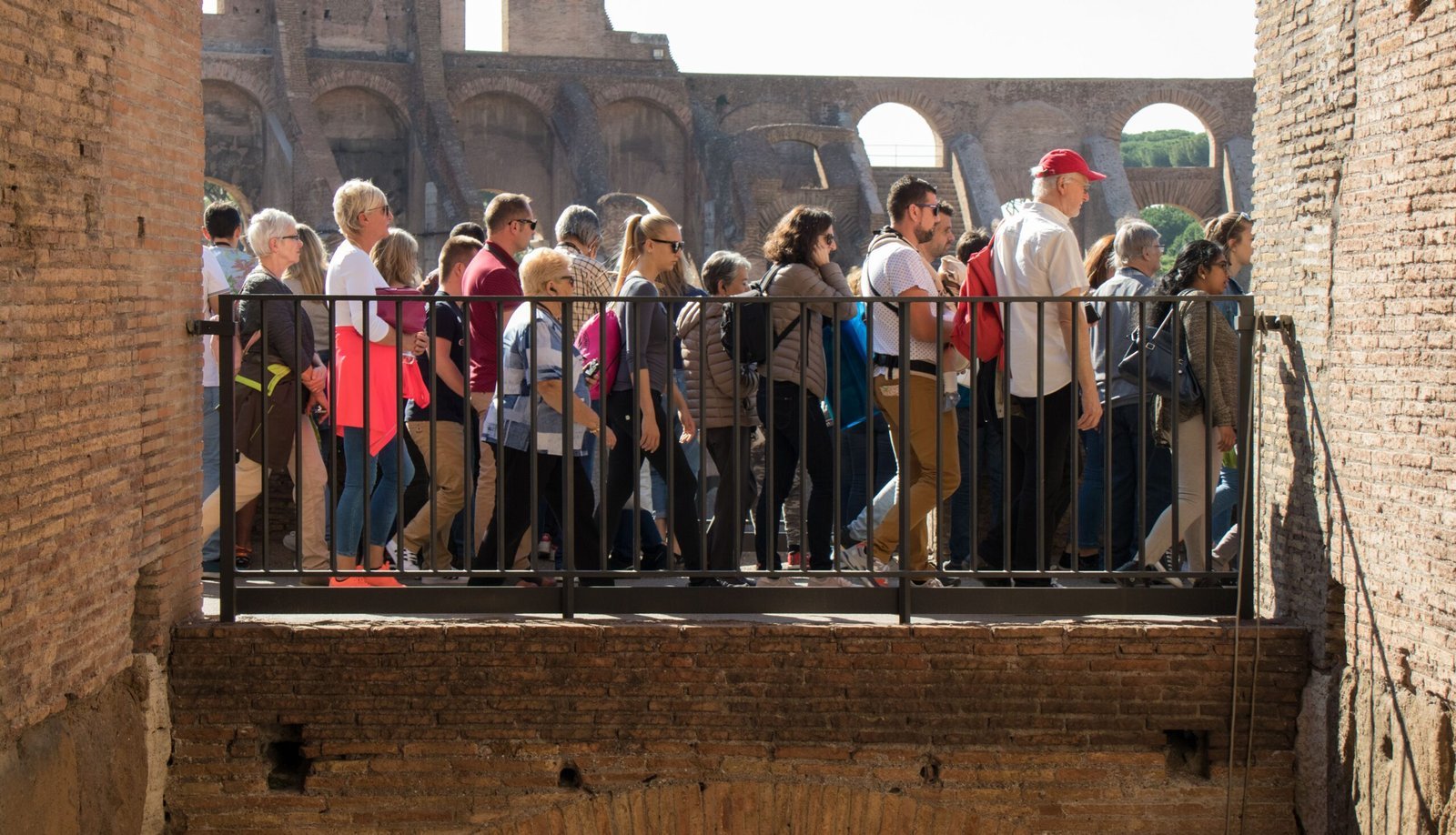
Rome is eternal, yes. Patient with tourists? Not so much anymore. Rome’s Colosseum and the remains of Pompeii are the country’s two most-visited attractions. In recent years, both historic sites have had to introduce visitor caps to cope with demand. The Colosseum capped visitor numbers to 3,000 at any one time in 2019. Following a record high of 36,000 people a day in October, Pompeii went the same way, with a daily visitor cap of 20,000 in place as of mid-November 2024.
Rome is tackling overcrowding at the Trevi Fountain by limiting daily visitors to just 400, a significant reduction from the previous counts that could reach up to 12,000. That is a cut of roughly ninety-seven percent, from a space that was already overwhelmingly crowded. In Paris, workers at the Louvre staged a walkout to protest overcrowding and hazardous working conditions, and Rome faces similar rising pressures at its major cultural institutions.
While Italy sees a more even distribution of visitors compared to Spain, several cities still face challenges related to overtourism. These include the rising costs of daily essentials like groceries and dining out, as well as increased pressure on the housing market. The rise of rental costs is such a large problem in Italy that Florence ended up banning short-term rentals altogether from its historic center in 2023. The reason behind that decision was a staggering 41 percent increase in monthly rent prices in the city.
5. Dubrovnik, Croatia – Game of Thrones Made This City a Nightmare
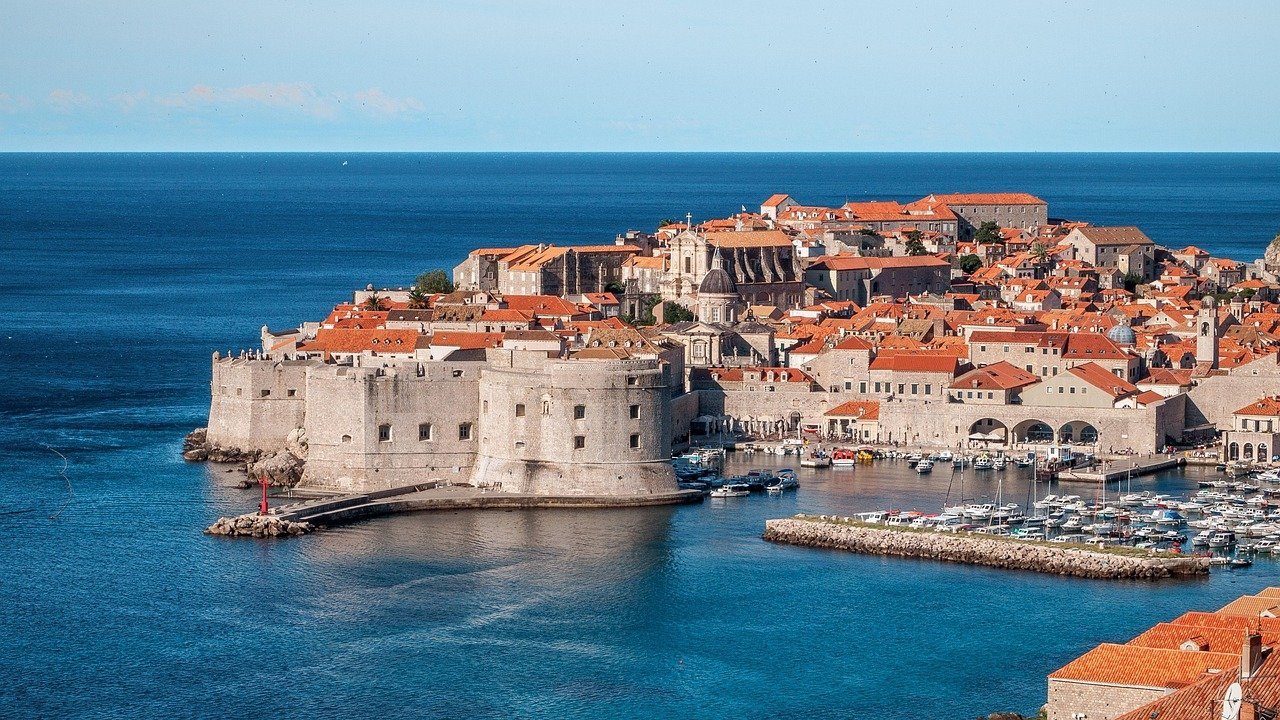
Before a certain fantasy TV series aired, Dubrovnik was beloved but manageable. Then HBO went and turned the city walls into a global pilgrimage site. Cruise ships unloading thousands of day-trippers can overwhelm places like Dubrovnik’s Old Town, where narrow streets fill shoulder-to-shoulder and even the stone pavement has been worn smooth by feet.
Based on the number of tourist arrivals per inhabitant in European cities, Dubrovnik reports much higher tourism intensity than other major travel hotspots like Lisbon or Seville. Dubrovnik, a prime destination since its exposure on “Game of Thrones,” has limited cruise ship arrivals to two per day, with a maximum of 4,000 passengers, to manage the tourist tide.
As of May 2025, tourists aged 16 and over must pay between €6 and €11 per person, per night in tourist tax. Tourist tax revenues are now the third-largest source of income for the city, reaching €106.5 million in 2024. The money is coming in, but so is the damage. After daily caps on cruise visitors were introduced, some port-related revenues declined, but hotel occupancy and length of stay increased, suggesting a possible shift toward slower, higher-value tourism.
6. Santorini, Greece – Overpriced, Overcrowded, and Over It
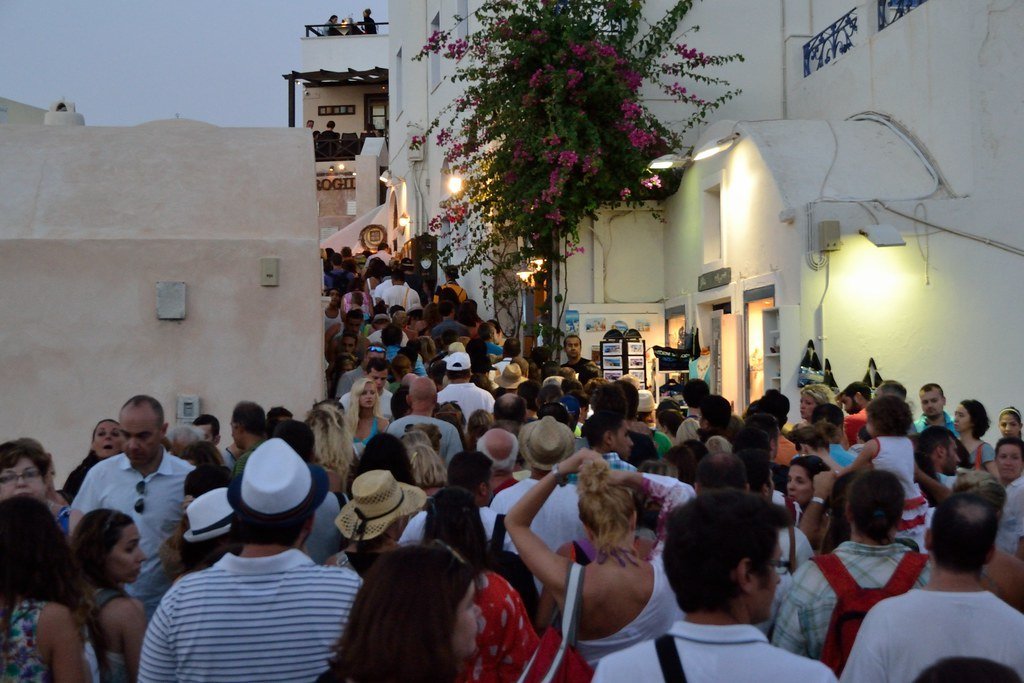
The blue-domed churches, the caldera sunsets, the volcanic beaches. Santorini sells a dream like almost no other place on Earth. The reality on the ground, however, is something closer to a nightmare. In 2024, reports emerged of up to 18,000 cruise passengers overwhelming the island daily, straining resources for its roughly 15,000 permanent residents. Think about that ratio for a moment.
Authorities added a €20 tax for cruise passengers in Santorini and Mykonos during the high season. This fee funds infrastructure repairs and will raise tens of millions of euros. A daily limit of 8,000 cruise passengers also began in 2025. The Greek island is now one of the most expensive destinations in the Mediterranean, with high costs for accommodation, dining, fuel, and transport often delivering questionable value.
For Santorini’s 22,000 regular residents, the benefits of tourism are no longer enough to appease them. Locals describe how the island has lost everything traditional about it, and that it gets worse by the year. In a dramatic turn, Santorini posted a sharp 22.1 percent decline in tourism revenues in the second quarter of 2025, the most dramatic drop in the entire country.
7. Prague, Czech Republic – Europe’s Stag Party Capital
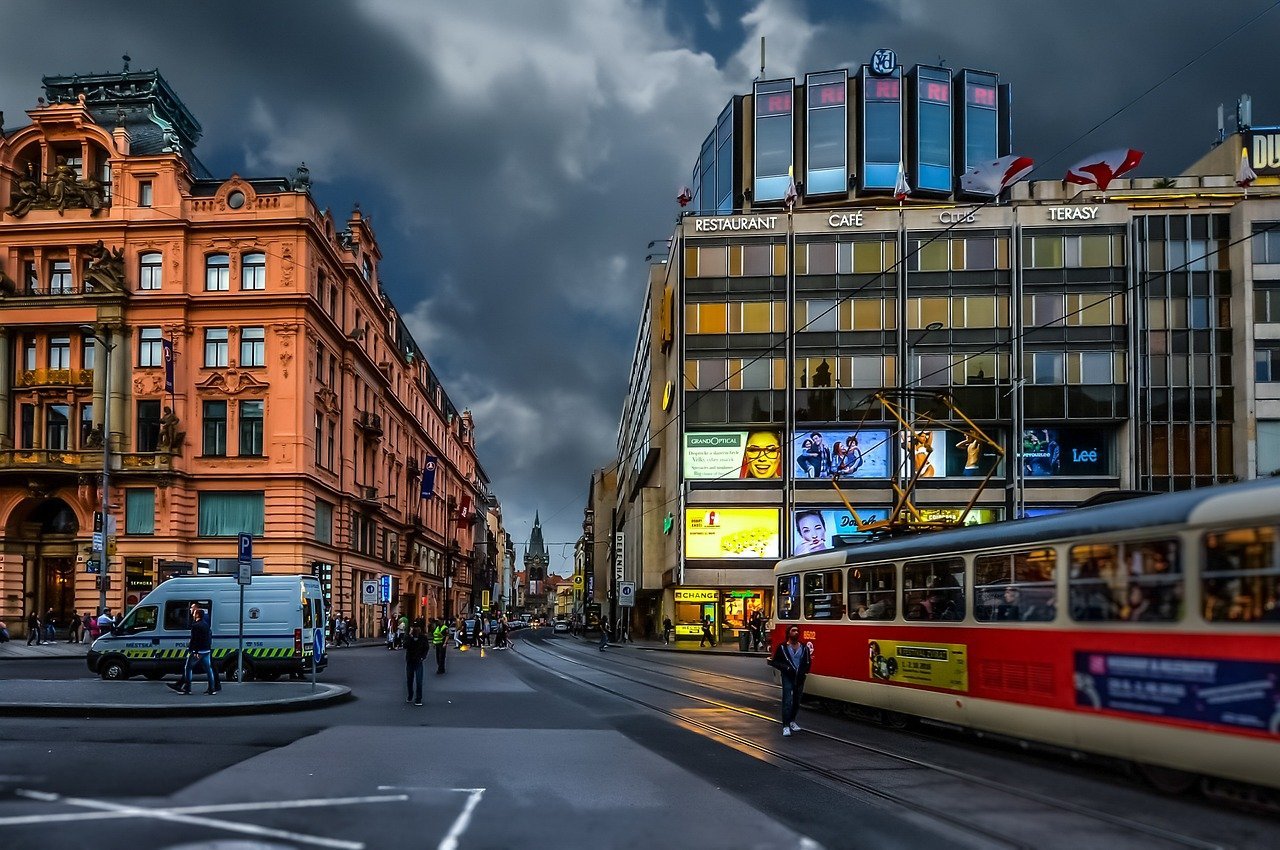
Prague saw around 8.1 million visitors in 2024, a nine percent rise on 2023, absolutely dwarfing its 1.3 million population. That is more than six tourists for every single resident living in the city. I know it sounds like a lot, but walk through the Old Town in August and it somehow feels like even more.
Stag parties are a major problem in the UNESCO-listed city center, and the city council has banned organised late-night pub crawls and explored banning so-called silly stag party costumes. In October 2024, guided bar-hopping tours were banned after 10pm to reduce disruptions from rowdy tourists. A medieval masterpiece of a city reduced to debating costumed pub crawlers. That’s the situation.
Here’s the thing: Prague’s tragedy is that it is genuinely stunning, and dirt cheap by Western European standards. That combination was always going to be a magnet. Budapest, Barcelona, and Prague have recorded sharper compound annual growth rates of domestic overnight stays than Amsterdam or Madrid from 2019 to 2023, showing how fast these previously “underdog” cities have been overwhelmed. The very affordability that once made Prague charming is now fueling the very problem destroying its character.
8. Florence, Italy – Renaissance Art vs. Relentless Crowds
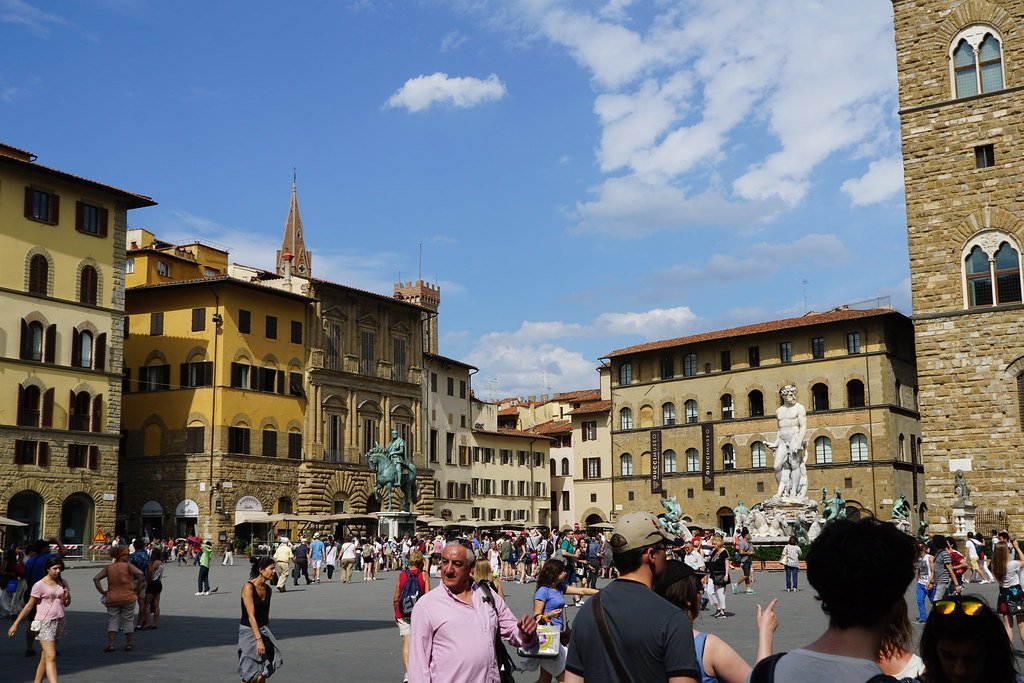
Florence holds some of the greatest artistic treasures on the planet. Michelangelo’s David, Botticelli’s Birth of Venus, Brunelleschi’s dome. It is extraordinary. Yet visiting in peak season feels less like an art pilgrimage and more like rush-hour at an airport. Florence ended up banning short-term rentals altogether from its historic center in 2023 to try countering the rental price crisis. The reason behind this decision was a staggering 41 percent increase in monthly rent prices in the city.
Florence has made a historic decision to ban outdoor dining in 50 of its most iconic streets. Starting in 2026, outdoor dining structures will be banned in the UNESCO-protected historic city center, covering well-known areas such as Ponte Vecchio, Piazzale degli Uffizi, Via Roma, and Via Maggio. The move came after extensive consultations with residents who voiced concerns about overcrowding and chaos. Local citizens complained that their streets had become more like obstacle courses.
Florence has been flagged as one of the Italian destinations where the exponential flow of visitors is overwhelming infrastructure, inflating real estate prices, draining public services, and diluting local culture. It is hard to enjoy art when you’re shoulder-to-shoulder in a queue that stretches around an entire city block. Paris and Florence had far more Airbnb listings per 1,000 residents than Rome and London in 2024, painting a vivid picture of just how thoroughly the short-term rental market has reshaped these cities from the inside out.
9. Mallorca, Spain – Party Island Hitting Its Breaking Point
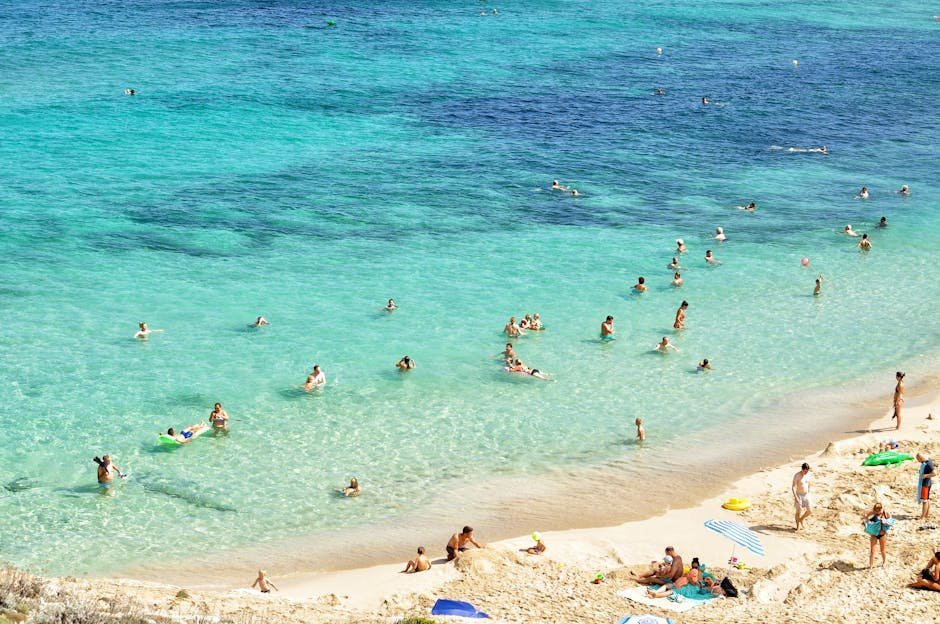
The long stretch of beach near the capital, Palma – the Playa de Palma, home to the infamous Ballermann party zone – is one of the clearest European examples of a destination that has fallen victim to overtourism. Accessibility played a decisive role in the tourism boom that began in the 1960s. Jet aircraft replaced propeller planes, travel to Mallorca became cheaper, and package holidays emerged. Today, around 34 million passengers pass through the airport each year, making Mallorca one of Europe’s most easily accessible destinations by air.
In July 2024, 20,000 people demonstrated against mass tourism in Palma de Mallorca. That is not a fringe protest. That is a movement. In 2024, thousands of people who took to the streets in cities like Barcelona and Palma de Mallorca highlighted that the share of inbound visitors out of total arrivals exceeds 80 percent in those destinations.
Palma banned short-term rental apartments and Airbnbs in city-center residential buildings and has set a cap of 12,000 hotel beds, meaning that for a new hotel to open, another must close. The city has also built up a 50-million-euro fund to buy and remove outdated hotels from circulation. It’s a dramatic measure, essentially engineering a total transformation of who the island’s tourism economy actually wants to attract.
10. Krakow, Poland – Where Budget Travel Meets Cultural Damage
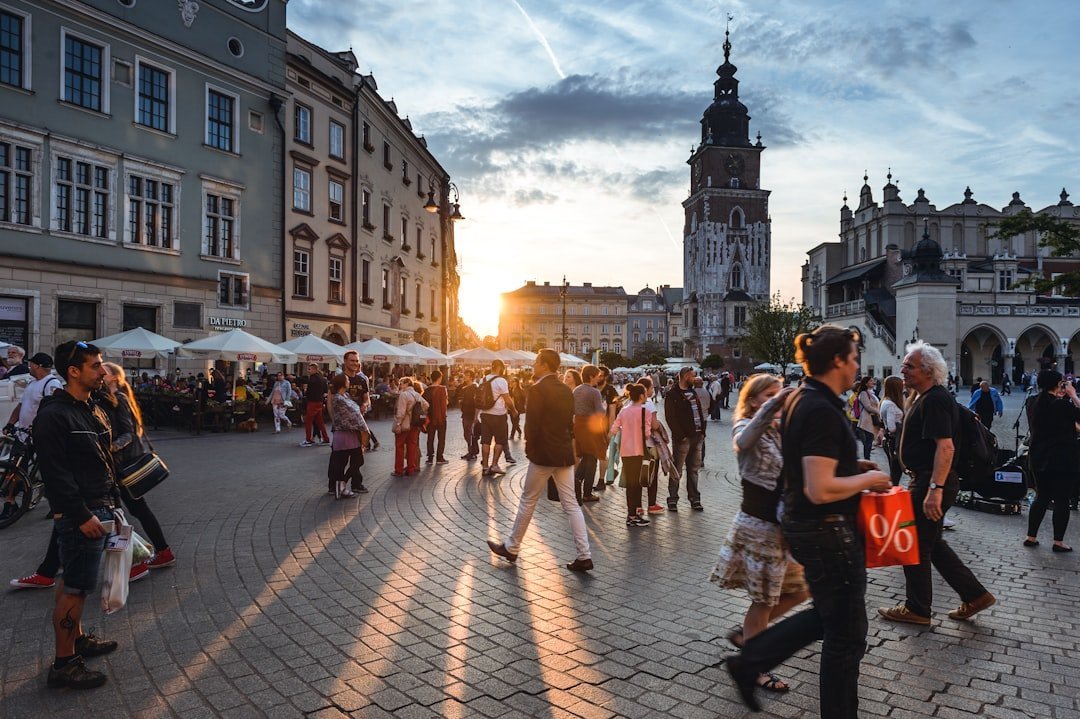
Krakow hosted 2.3 million tourists in 2024 against a population of about 770,000. Poland’s splendid former capital is renowned for its cultural appeal, but has become a magnet for stag party groups and other visitors drawn by cheap alcohol. The ratio of tourists to residents speaks for itself. That is nearly three visitors for every local, and the cultural imbalance is deeply felt.
It is hard to say exactly when Krakow crossed the line from charming destination to tourist trap, but the evidence is everywhere. The medieval city center, which is genuinely one of the most beautiful urban spaces in central Europe, has been hollowed out by souvenir shops, themed bars, and guided pub crawls that operate deep into the night. Rather than protesting against tourism itself, residents across these cities are demanding a more sustainable model, as soaring house prices and overcrowded places have triggered frustration and anger among locals.
As demonstrations against overtourism were particularly well-attended in Spain, a 2024 survey exploring the opinions of Europeans on inbound tourists showed Spaniards had the most unfavorable attitude. Similarly, 54 percent of Spanish respondents supported the initiative of introducing a tourist tax fee to enter popular cities. The sentiment in Krakow is moving in the same direction. As Europe’s tourism sector soars past pre-pandemic levels, the detrimental effects of overtourism continue to loom, including unaffordable housing, deterioration of local environments, and rising dissatisfaction and animosity among locals.
The Bigger Picture: Europe Is Saying Enough
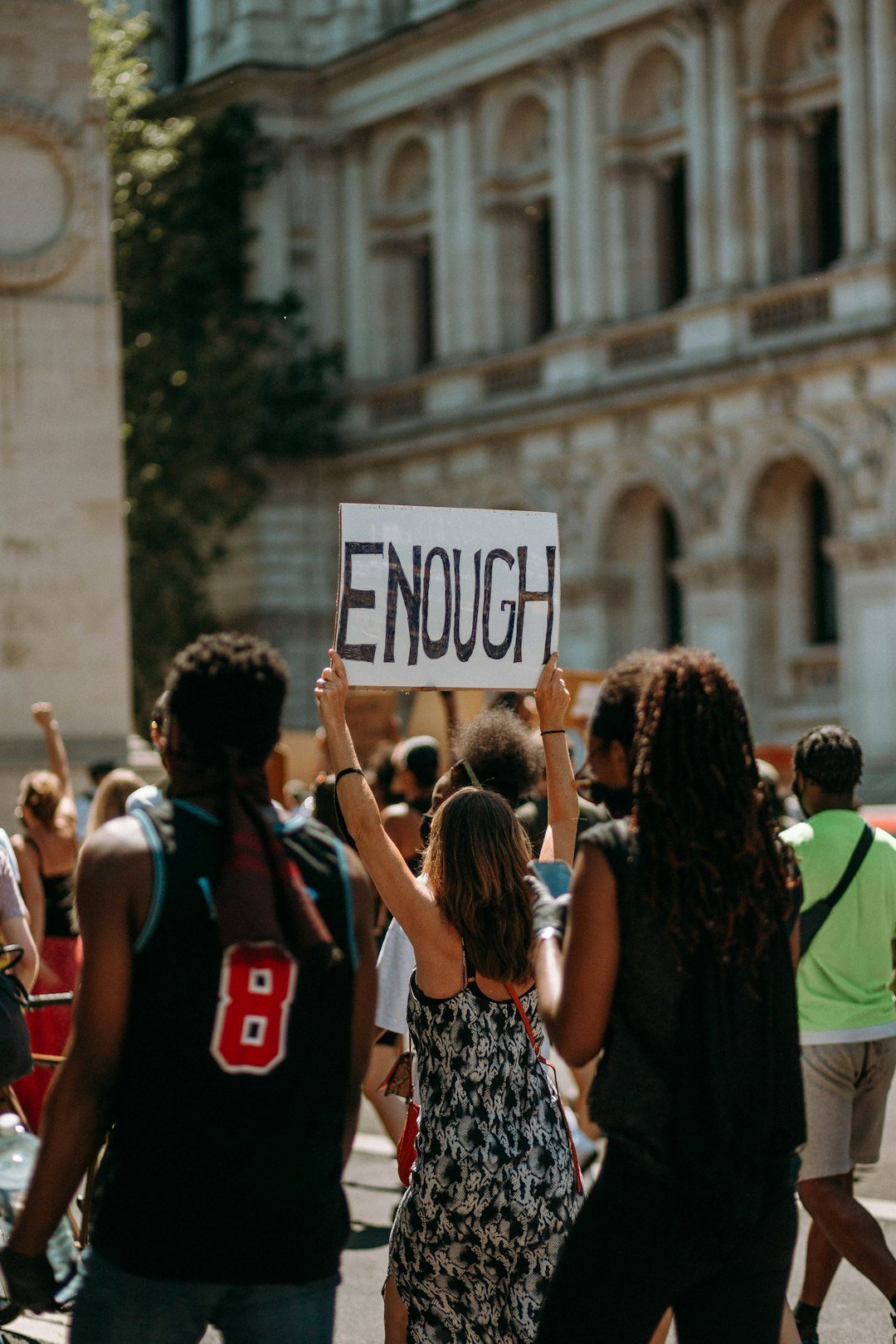
Summer 2025 may go down in history as the season when Europe turned against tourism. That is not an exaggeration. In summer 2024, tens of thousands of locals expressed their growing frustration in anti-tourism rallies and demonstrations across Europe. These are not isolated incidents. This is a continent-wide reckoning.
The European Commission is developing its first common strategy for sustainable tourism, set to launch in early 2026. The plan aims to make the tourism sector more competitive, adaptable, and environmentally responsible. Whether regulations arrive fast enough to prevent permanent cultural damage remains the real question. The detrimental effects of overtourism continue to include unaffordable housing, deterioration of local environments, and rising dissatisfaction and animosity of locals in nearly every destination on this list.
None of this means you shouldn’t go. It means you should go smarter. Visit off-season. Stay longer in one place. Spend your money locally. Wander away from the main squares. The cities on this list are still extraordinary. They simply need visitors who treat them that way. What do you think – does knowing all this change how you plan your next trip to Europe? Tell us in the comments.