
Rental scams have exploded in recent years, hitting renters hard across the U.S. The Federal Trade Commission logged nearly 65,000 reports since 2020, with losses topping $65 million through mid-2025.[1][2] Adults aged 18 to 29 face three times the risk compared to others, often starting with fake ads on Facebook Marketplace.[3]
Long-term rentals for apartments or houses sound straightforward, yet scammers prey on the tight 2026 market. They mimic legit listings to steal deposits before vanishing. Spot these nine red flags to protect your cash and sanity. Let’s dive right in.
1. Rent Prices Way Below Market

Scammers dangle unrealistically low rents to grab attention fast. If a spacious two-bedroom lists for half the neighborhood average, that’s no bargain, it’s bait. The FTC flags this as a top tactic, where fake ads promise dream deals that don’t exist.[2]
Cross-check prices on sites like Zillow or Apartments.com for real comps. In 2025, such listings surged 64% according to reports, luring one in three victims.[4] Here’s the thing: legit landlords price competitively, not impossibly cheap. Walk away and save yourself the headache.
2. Hard Pressure to Book Immediately
Urgency screams scam every time. Landlords pushing “act now or lose it” play on FOMO in hot markets. FTC reports highlight this rush leading to quick payments without verification.[1]
Real deals allow time for tours and checks. Pressure tactics spiked in 2025, tying into fake high-demand stories. Take a breath, verify details slowly. No true owner ghosts you after one chat.
3. Payment Demands via Wire or Gift Cards

Never send money through irreversible methods like wire transfers, Zelle, Venmo, crypto, or gift cards. Scammers love these because victims can’t claw back funds. Zillow warns this tops scam checklists for long-term hunts.[5]
Stick to platform payments or checks for deposits after seeing the place. Upfront demands before tours drained $145 million last year per industry data.[4] I know it feels sketchy, but legit pros use traceable trails. Insist on secure options every time.
4. No In-Person or Video Tour Offered
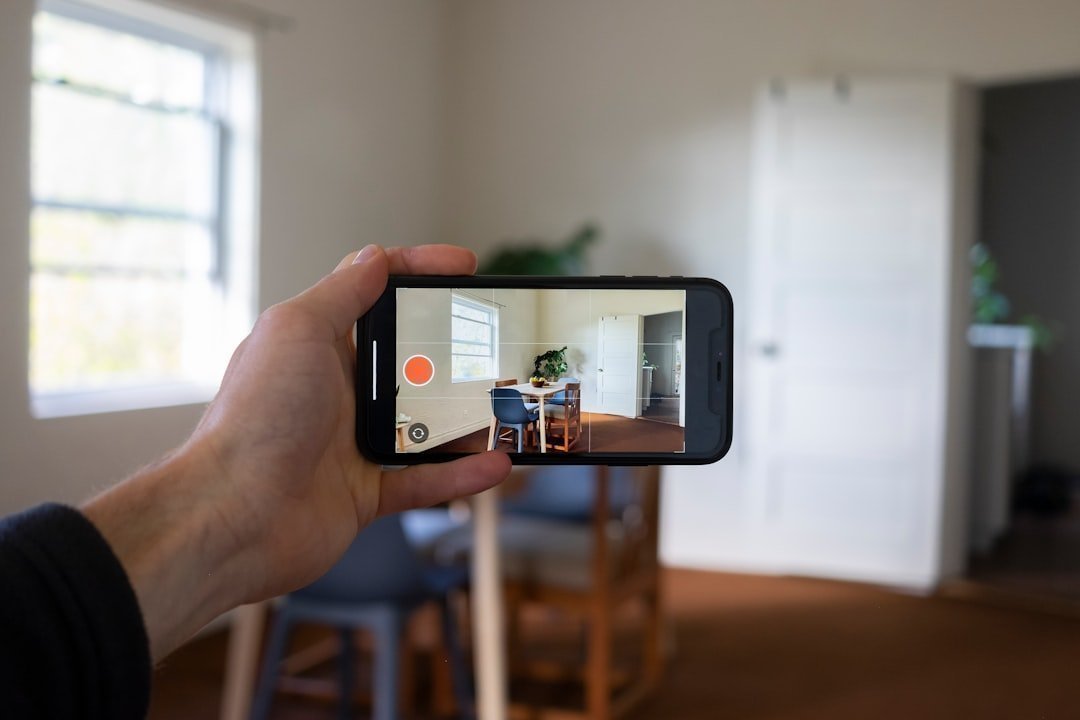
Refusal to show the property raises alarms. Excuses like “use the lockbox code” mean trouble ahead. FTC notes scammers dodge real viewings to hide non-existent units.[2]
Insist on live video or trusted friend visits. Zillow echoes this: unavailable contacts often mail keys that never arrive.[5] In person seals the deal or reveals fakes. Don’t commit blind.
5. Landlord Claims to Be Overseas

“I’m out of the country, trust me” is classic fraud lingo. Scammers fabricate stories to skip meetings. FTC lists this excuse right alongside low rents.[2]
Local owners handle business nearby. Remote tales exploded with online listings. Verify identity through public records or company sites first. Proximity builds trust; distance breeds doubt.
6. Photos Look Stolen or Stock

Reverse image search those pics immediately. Crooks lift legit listing images, swap contacts, and repost cheaper. Half of FTC scams trace to Facebook copies like this.[1]
Google Lens spots duplicates fast. Placerville Realty reports fake listings hit one-third of encounters in 2025.[4] Fresh, unique photos signal real properties. Blurry or repeated ones? Swipe left.
7. Big Upfront Payments Before Viewing

Deposits or fees demanded pre-tour spell danger. Scammers grab cash then ghost. This hustle jumped 40% nationwide last year.[4]
Hold off until you walk the space. Median scam loss hits $1,000 per FTC data, often from these grabs.[1] Smart renters pay post-inspection. Patience pays off here.
8. Early Requests for SSN or Bank Details

Personal info asks before serious talks scream phishing. Scammers snag SSNs for identity theft. WRAL highlights this in 2026 warnings tied to student hunts.[3]
Screenings come after applications, not chats. FTC links this to recurring fee traps. Guard details until leases are real. Better safe than stolen.
9. Sketchy or Missing Lease Agreements

Rushed, incomplete, or no leases mean walk away. Pros provide clear terms upfront. Scammers skip paperwork to snag deposits quick.[4]
Review every clause carefully. Vague docs hide traps. Verify with local laws before signing. Solid paper trails protect everyone long-term.
Armed with these flags, navigate rentals smarter in 2026. Verify relentlessly, and scams lose their bite. What’s the dodgiest listing you’ve dodged?