
Planning a trip abroad with an American passport used to feel like holding a golden ticket. You could glide through dozens of borders, flash that navy blue booklet, and rarely hear the word “no.” Honestly, for a long time, the US passport was one of the most powerful travel documents on earth.
But the world has shifted. Political friction, reciprocal restrictions, security crises, and sweeping policy changes have quietly closed doors that were once wide open. Some of these closures come from the US side, some from foreign governments, and some from a tangled knot of geopolitics that leaves ordinary travellers paying the price.
Here is a gallery of the nine right now, and the real reasons why getting in is either illegal, dangerous, or outright impossible. Buckle up.
1. North Korea: The One Place Where Your Passport Is Literally Illegal
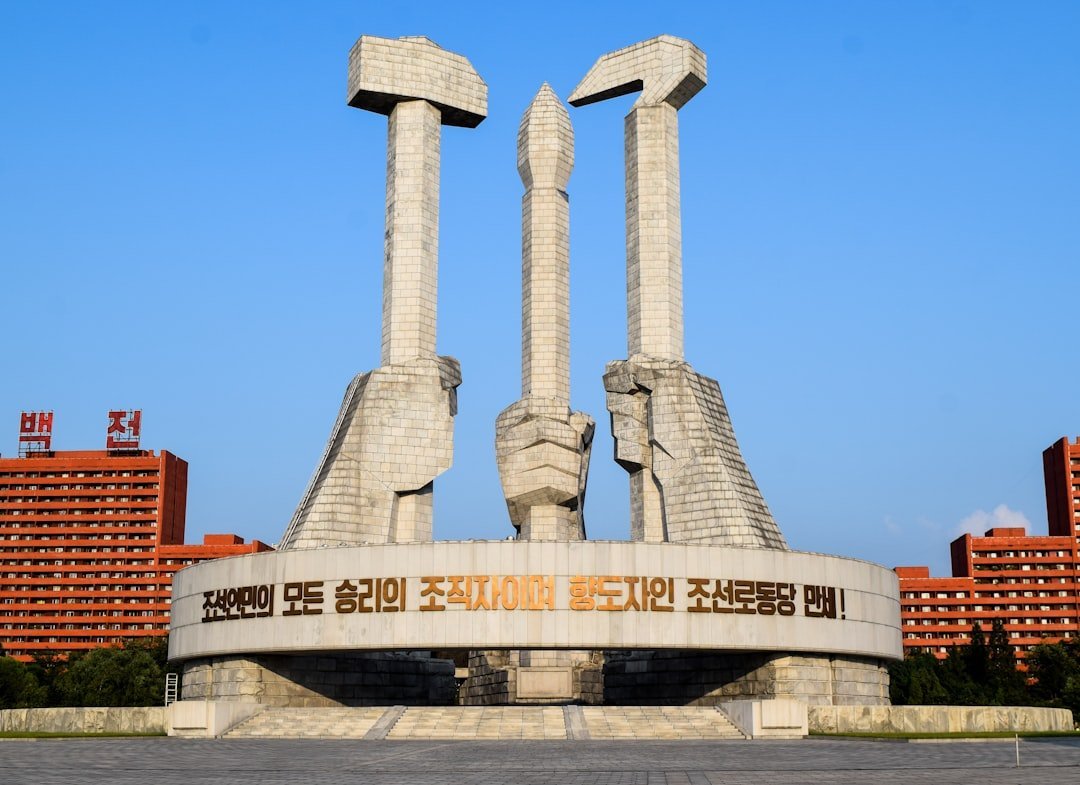
Let’s start with the most dramatic case on the list. US passports are not valid for travel into or through North Korea, due to the serious risk of arrest, long-term, and wrongful detention of US citizens. This is not a travel advisory. It is the law.
The State Department has extended its ban on the use of US passports to travel to North Korea for the ninth consecutive year, citing ongoing concerns over the safety of US nationals in the country. The ban started in September 2017 in the aftermath of the death of Otto Warmbier. Warmbier was detained in North Korea for allegedly stealing a propaganda poster and died shortly after returning to the US in a vegetative state.
North Korea is the only country that legally bans American travel under US law, and the US Department of State enacted the restriction in September 2017 after Otto Warmbier’s death. If you do not have a special validation on your passport and travel to, in, or through North Korea, the State Department may revoke your passport or you may be prosecuted for a felony. So, yes, this one really is as serious as it sounds.
In February 2025, North Korea reopened tourism to foreigners after five years of lockdown, but this does not affect American citizens. The US travel ban remains separate from North Korea’s tourism policies, and Americans still cannot travel regardless of North Korea’s border status. Even as Chinese and Russian tourists started trickling back in, the door for Americans stays firmly bolted shut.
—
2. Iran: Decades of Hostility, No End in Sight
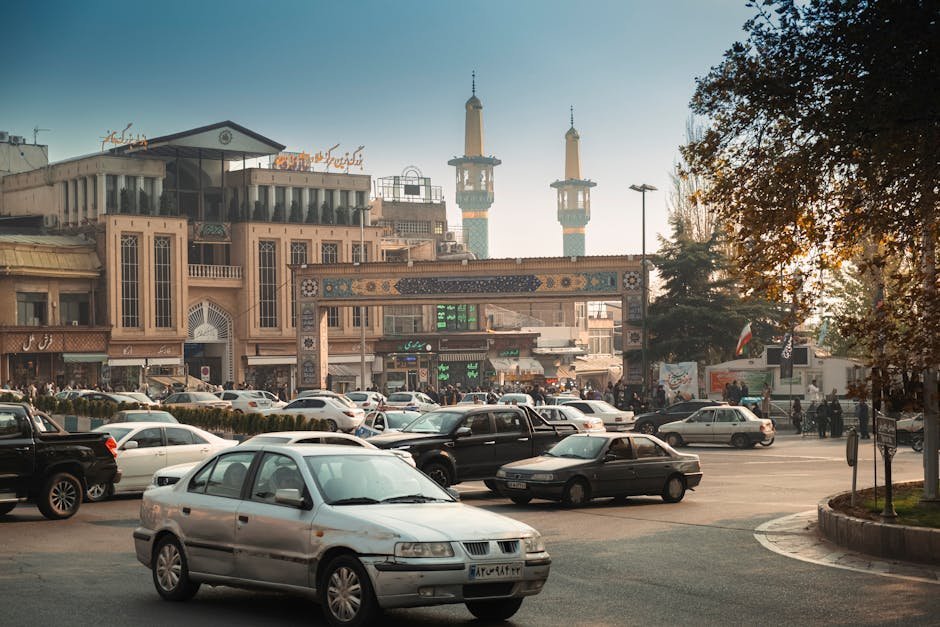
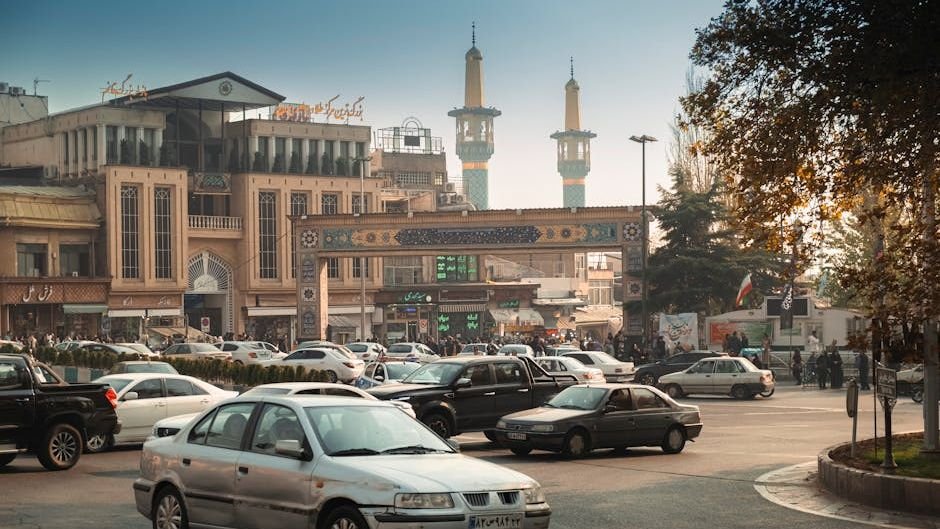
Iran is one of the United States’ staunch geopolitical adversaries, and the Trump administration’s proclamation declares the country a state sponsor of terrorism. Iran’s addition to the travel ban list comes as the United States is enmeshed in a tense diplomatic back-and-forth over Iran’s nuclear weapons capabilities. The tension here is not new, of course. It goes back decades, but recent years have hardened the lines considerably.
Security in Iran is poor, with the US Department of State issuing a strict warning not to travel to Iran for any reason because of concerns over terrorism and kidnappings. The country is not considered a safe place for many civilians, with the United Nations recording a surge in the use of the death penalty in recent years and concerns over rights to free expression and basic needs.
Iran sits firmly on the US Level 4 “Do Not Travel” list, which is the State Department’s highest warning category. Effective January 1, 2026, the Department of State fully suspended visa issuance to nationals of Iran, among 18 other countries, for all nonimmigrant and immigrant visa categories with limited exceptions. The reciprocal frost here is total. American travellers heading to Iran face essentially zero consular support if something goes wrong.
The United States granted 23,154 visas to travelers from Iran between May 2024 and April 2025, showing that prior to the expanded ban, people were still attempting and achieving entry. That window has now effectively closed. For most practical purposes, Iran and the US exist in a state of near-total travel lockdown in both directions.
—
3. Afghanistan: A Country the World Can Barely Reach
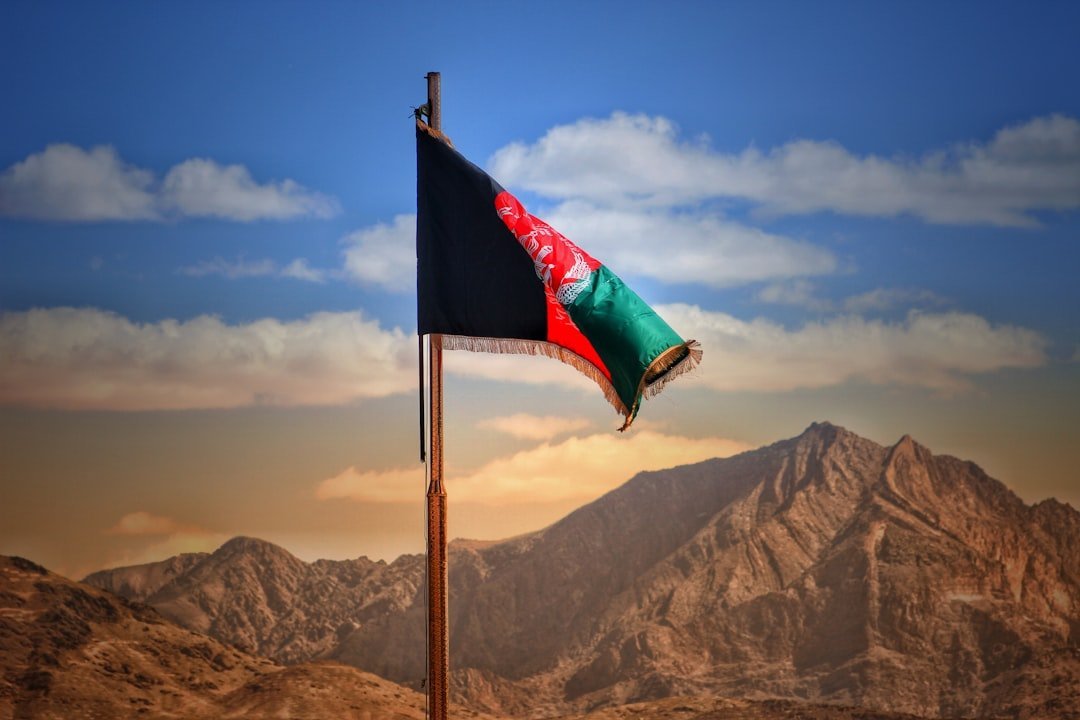
There was a time when adventurous travellers visited Afghanistan’s ancient Silk Road cities. That era feels like it belongs to a different planet now. Afghanistan has experienced severe human rights crackdowns since the Taliban’s return to power in 2021, with women and girls bearing the brunt of the group’s oppressive rule.
At the very bottom of global passport indices, Afghans can travel to just 26 destinations visa-free. The average Afghan earns barely US $415 a year, and unemployment hovers around 13%. Two decades of war, the Taliban’s rule and the near collapse of formal governance have left Afghanistan among the least safe countries on earth. Think about that. Barely two dozen countries will even accept Afghans freely.
For American travellers, this is reciprocal in the worst possible way. Afghanistan sits on the full entry ban list under US Presidential Proclamation 10949, meaning nationals from there cannot enter the US, while Americans heading to Afghanistan face a Level 4 Do Not Travel warning. The US Department of State assigns Level 4 “Do Not Travel” to its highest-risk destinations, and as of March 2026, 21 countries hold this designation due to armed conflict, terrorism, civil unrest, kidnapping risk, crime, or limited US consular support.
Afghanistan is at the very top of that grim list. There is no functioning US embassy in Kabul. There is no reliable emergency extraction. This imbalance can be explained by political factors, including the Taliban’s return to power in 2021, along with economic reasons. It is hard to say for sure when, or even whether, this situation will improve in any meaningful way.
—
4. Russia: A Geopolitical Freeze That Hits Travellers Hard

Russia was never exactly an easy holiday destination for Americans, but since the 2022 invasion of Ukraine, the situation has deteriorated dramatically. Russia has fallen sharply in passport rankings following the invasion of Ukraine. Not only have Canada, the US, and the European Union restricted Russian carriers from their airspace, many no longer issue visas to Russian citizens.
The effect for Americans wanting to visit Russia is similarly bleak. The US State Department maintains a Level 4 “Do Not Travel” advisory for Russia, and direct flights are virtually non-existent. Twenty-one countries have Level 4 “Do Not Travel” advisories as of March 2026, including Russia, Iran, Syria, and Ukraine.
Russia has also dramatically tightened its own entry procedures for American passport holders, especially since 2022. Obtaining a tourist visa is complicated, processing times are erratic, and there is a very real risk of detention or questioning for virtually any reason. The US government is blunt in its warnings that it has severely limited ability to assist Americans in Russian custody. This is not theoretical. Several US citizens have been detained in Russia in recent years under broad and opaque legal pretexts.
Russia has witnessed a decline of 13 positions in passport rankings since 2014, reflecting how much its global standing has deteriorated. For American travellers, the combination of US warnings, near-absent flight routes, and Russia’s own hostility toward American visitors makes this one of the most genuinely unwelcoming borders in 2026.
—
5. Yemen: A Country That Has Functionally Collapsed

Yemen is a tragic case. In 2025, Yemen is still involved in a civil war that started in 2014. What began as a domestic political conflict transformed into one of the world’s most devastating humanitarian disasters, with multiple foreign actors pulling strings in a brutal proxy struggle.
Yemen, with a travel score near the world’s bottom, is gripped by one of the world’s worst humanitarian crises. Average income stands at roughly US $630, and unemployment exceeds 13%. Years of war have fragmented the state, leaving security perilous and infrastructure devastated. There is simply nothing resembling a safe or functional path into the country for foreign visitors.
Since January 20, 2025, Yemen has been the site of active United States military operations, and the entry into the United States of nationals of Yemen as immigrants and nonimmigrants has been fully suspended. In practical terms, the relationship between Yemen and the US is now defined entirely by conflict and restriction. Yemen has fallen by 15 positions in global passport rankings since 2014, one of the steepest drops of any nation.
For Americans, travelling to Yemen is not just inadvisable. There is no US embassy, no consular presence, and no meaningful ability for the US government to assist if you are kidnapped, injured, or arrested. The US State Department’s Level 4 “Do Not Travel” designation makes that abundantly clear. This is one border that should remain firmly on the “absolutely not” list for any traveller.
—
6. Libya: Where Lawlessness Is the Only Law

Libya’s collapse as a functioning state after 2011 created a power vacuum that has never been filled. Libya’s low passport ranking is mainly attributed to government instability and security concerns. That instability extends to anyone who attempts to enter the country, especially those carrying Western passports.
Libya is on the US travel ban list for its “historic terrorist presence,” which poses a national security threat to US nationals, according to the White House. Washington also accused Libya of failing to properly issue passports and civil documents to its citizens. Let that second point sink in. A government that cannot reliably document its own citizens is hardly one that can be trusted to verify the credentials of incoming foreign visitors either.
Effective January 1, 2026, the Department of State fully suspended visa issuance to Libyan nationals for all nonimmigrant and immigrant visa categories with limited exceptions. The conflict is bidirectional. Libyans struggle to enter the US, and Americans are told in the starkest possible terms to stay away from Libya.
I think Libya is one of those destinations where even the most seasoned, adventure-hungry travellers should hit pause. There are no tourist infrastructure, no reliable law enforcement, and armed militias that operate with near-total impunity. Libya’s passport grants access to just 40 countries, which tells you all you need to know about its standing in the international community.
—
7. Sudan: Crisis Layered Upon Crisis
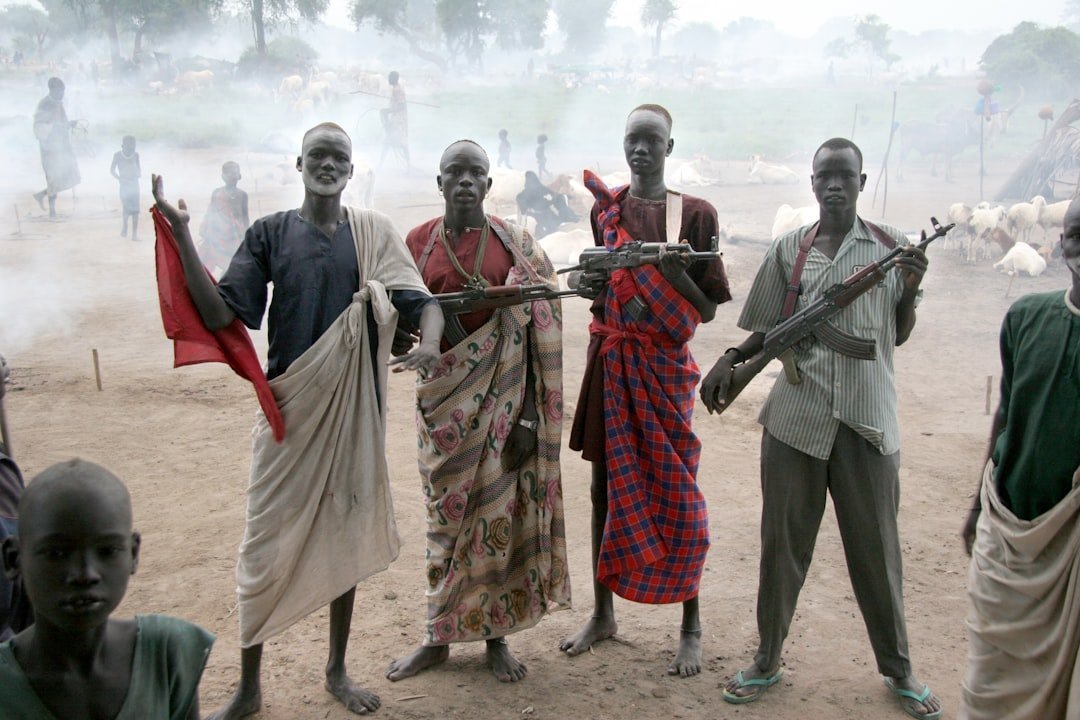
Sudan was already one of the world’s most fragile states before April 2023, when a catastrophic conflict erupted between the Sudanese Armed Forces and the Rapid Support Forces paramilitary group. The fighting turned large parts of the capital, Khartoum, into a war zone almost overnight.
Sudan is among the original 12 high-risk countries established under Proclamation 10949, subject to full restrictions and entry limitations. Americans are not just discouraged from visiting. The State Department has essentially issued as clear a prohibition as it legally can without outright banning travel the way it does for North Korea.
Effective January 1, 2026, the Department of State fully suspended visa issuance to Sudanese nationals for all nonimmigrant and immigrant visa categories. The reciprocal impact on American travellers is significant. With no functioning embassies, a collapsed economy, and active military conflict in major population centres, Sudan is not just unwelcoming. It is genuinely inaccessible for almost any civilian purpose. Sudan is listed among the Level 4 “Do Not Travel” countries as of March 2026.
Here is the thing. Sudan has a rich and genuinely fascinating history. Pyramids, ancient Nubian kingdoms, stunning desert landscapes. For many years, adventurous travellers did visit. Now, that history is quite literally being destroyed by the ongoing conflict, and even getting close enough to mourn it is off the table for US passport holders.
—
8. Somalia: Decades Without a Functioning State

Somalia has been a byword for state failure since the early 1990s. The country has technically had a government for years, but its authority over large swaths of territory remains nominal at best. Somali citizens can travel to around 39 destinations. GDP per capita is estimated at US $820, unemployment over 11%, and security threats from al-Shabaab persist. Despite international assistance, institutions remain fragile.
The UK, the US, Canada, and New Zealand do not recognise Somalia’s passport, severely limiting global access. For Americans, the relationship runs in the opposite direction too. Somalia sits on the full entry ban list, and American travellers face a Level 4 Do Not Travel advisory that cites terrorism, specifically the continued activity of al-Shabaab, as a primary threat.
Somalia is among the original 12 countries identified as high-risk under Proclamation 10949, subject to full restrictions. Effective January 1, 2026, the Department of State fully suspended visa issuance to Somali nationals. The US embassy in Mogadishu has operated under severely restricted conditions for years, and the ability of American consular staff to assist detained or injured US citizens is minimal at best.
Honestly, Somalia is the kind of destination that even experienced conflict journalists approach with extraordinary caution and extensive logistical preparation. For the ordinary American traveller, the border situation is clear. There is no viable path in, and the US government will offer precious little help if you try.
—
9. Mali and Burkina Faso: The New Generation of Closed Doors

Here is something that might surprise you. Some of the newest additions to the list of unwelcoming borders for Americans are in West Africa, not the Middle East. Mali and Burkina Faso have suspended entry for US citizens as of early 2026. That is a remarkable escalation.
Armed conflict between the Malian government and armed groups has persisted for years. Mali has undergone multiple coups since 2012, the nominal government is led by a military junta, and insurgent groups control large regions of Mali. In late October 2025, the US embassy warned US citizens to leave Mali because of a fuel blockade enforced by militants.
Burkina Faso is in similar straits. According to the Department of State, terrorist organizations continue to plan and conduct terrorist activities throughout Burkina Faso. According to the Fiscal Year 2024 DHS Entry/Exit Overstay Report, Burkina Faso had a B-1/B-2 visa overstay rate of 9.16 percent and a student and exchange visitor visa overstay rate of 22.95 percent. Additionally, Burkina Faso has historically refused to accept back its removable nationals.
The junta governments in both countries have grown increasingly hostile toward Western nations, and the decision to suspend entry for US citizens represents a new phase in that hostility. Both Mali and Burkina Faso are included among the Level 4 “Do Not Travel” countries as of March 2026. This is a fast-moving situation, and the diplomatic fallout between these West African military governments and the United States shows no sign of resolution in the near term.
—
The Bigger Picture: How the US Passport Lost Its Edge
It would be wrong to look at this list without acknowledging that the US passport itself has lost considerable ground in recent years. The US passport held the number-one spot on the Henley index in 2014, and as recently as 2024, it ranked seventh. That is a meaningful slide for what was once the world’s most enviable travel document.
Henley and Partners cited a lack of visa reciprocity as a primary reason for the decline, noting that American passport holders can currently access 180 destinations visa-free, but the US itself allows only 46 other nationalities to enter without a visa. That is a staggering mismatch and, frankly, one that other countries have noticed. The loss of visa-free entry to Brazil, exclusion from China’s expanding visa-free list, and new restrictions by Papua New Guinea and Myanmar all contributed to the fall.
Henley’s report also found an unprecedented surge in Americans seeking alternative residences and citizenship options, noting that by the end of the third quarter of 2025, there had already been a 67% increase in applications from US nationals compared to the total for 2024. That tells its own story. When Americans start actively shopping for second passports, something has fundamentally shifted in how the world sees US travel power.
Passport power is not static. It reflects diplomatic relationships, security perceptions, economic ties, and increasingly, the principle of reciprocity. Countries that restrict entry to others often find their own citizens facing similar barriers, a lesson the United States is learning as it falls down the rankings. That is perhaps the most sobering takeaway of all.
What do you think? Are these travel barriers a necessary response to real security threats, or are ordinary travellers simply caught in the crossfire of political disputes they had no part in creating? Tell us your thoughts in the comments.