
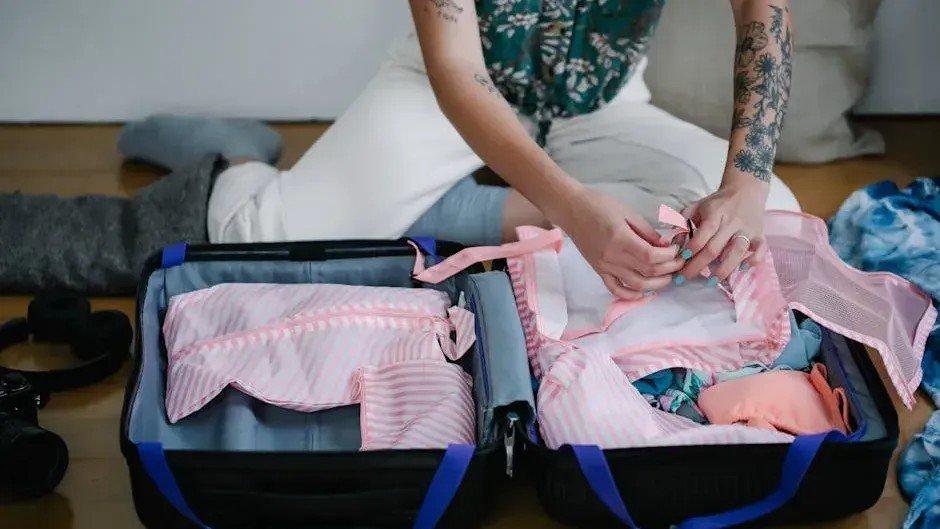
There’s a particular kind of frustration that hits when you’re shivering on a mountain pass at noon and sweating in a coastal town just four hours later – all within the same country, the same trip, the same suitcase. is genuinely one of the most underestimated packing challenges out there. It’s sneaky. You think you know the destination, but elevation changes, coastal breezes, and urban heat islands can throw your carefully planned wardrobe into complete chaos.
The good news? There’s a real science to solving this puzzle, and it doesn’t require dragging around three bags like you’re relocating. Smart packing for variable conditions is about choices – fabric choices, system choices, and mindset choices. Let’s dive in.
Why Multi-Climate Regions Demand a Different Approach
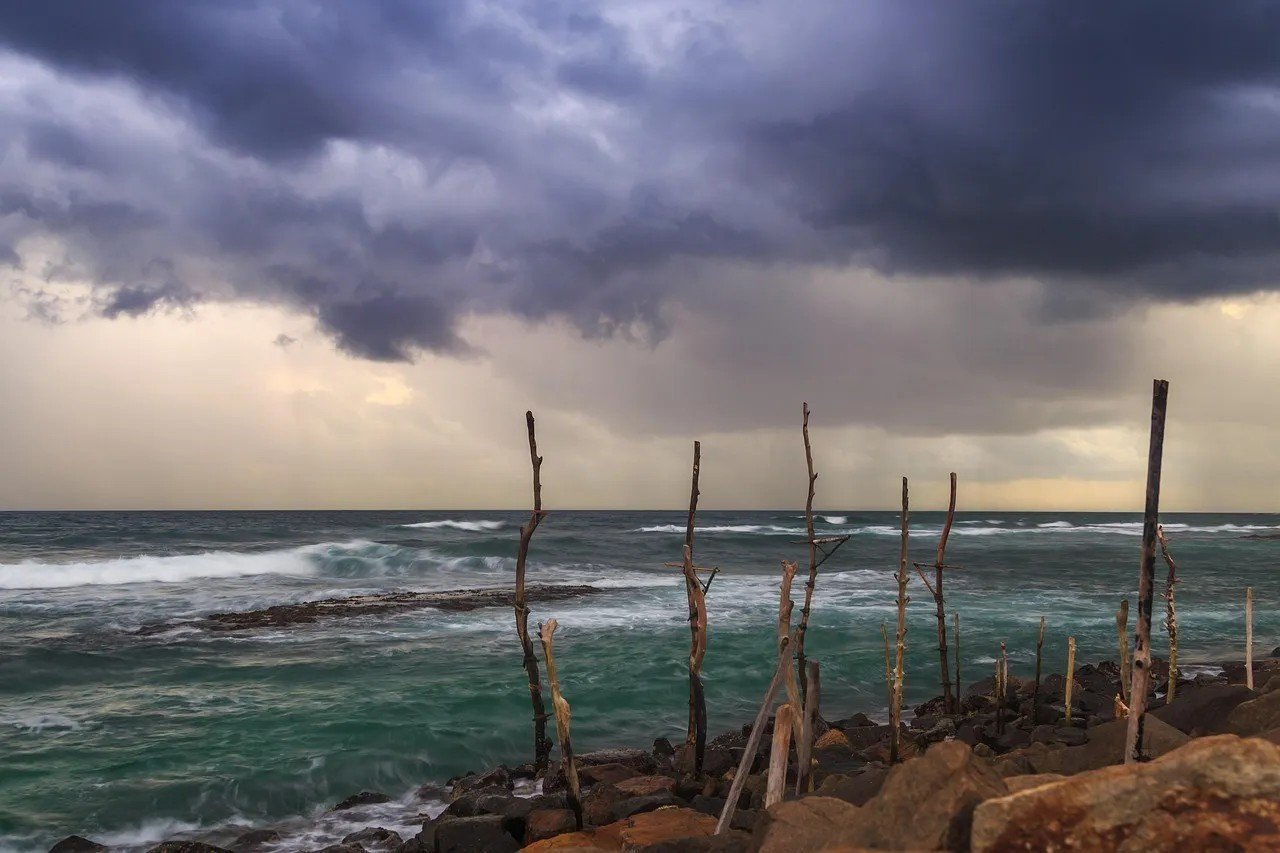
Most packing advice is written for single-destination trips: one week in Bali, ten days in Iceland. But traveling through a region that spans coastal lowlands, interior valleys, and high-altitude terrain changes everything. A trip that takes you from sweltering coastal heat to chilly mountain mornings within just two weeks perfectly illustrates one of the greatest challenges facing modern travelers: how do you pack for a single trip that spans dramatically different conditions?
If you’re planning one of those wonderfully complex itineraries combining alpine cold and tropical heat, you’re facing what some travelers call the “packing paradox” – needing gear for sub-zero temperatures and tropical sun, all within the confines of airline baggage limits. Honestly, most people respond by overpacking wildly, and that creates its own set of miseries. The smarter move is to rethink the entire framework from the ground up.
Build Everything Around the Layering System

Here’s the thing – layering isn’t just a buzzword thrown around by gear-obsessed hikers. Layering truly is your secret weapon for handling dramatic temperature swings. A beautifully simple system involves one quality fleece, one wind and waterproof jacket, and one or two warmer shirts. With this combination, you can stay comfortable from just below freezing all the way up to 30 degrees Celsius.
The core idea is to always start with a base layer closest to your skin that wicks moisture and keeps you dry, a mid layer that keeps you warm, and an outer layer that shields you from wind or water. Think of it like building a house – the foundation matters most, and everything else is adjustable. Layering isn’t just about temperature control; it’s about convenience. When traveling through multiple climates, you don’t want to waste time constantly changing outfits. Layers let you adapt on the go.
Choose Fabrics That Do Multiple Jobs
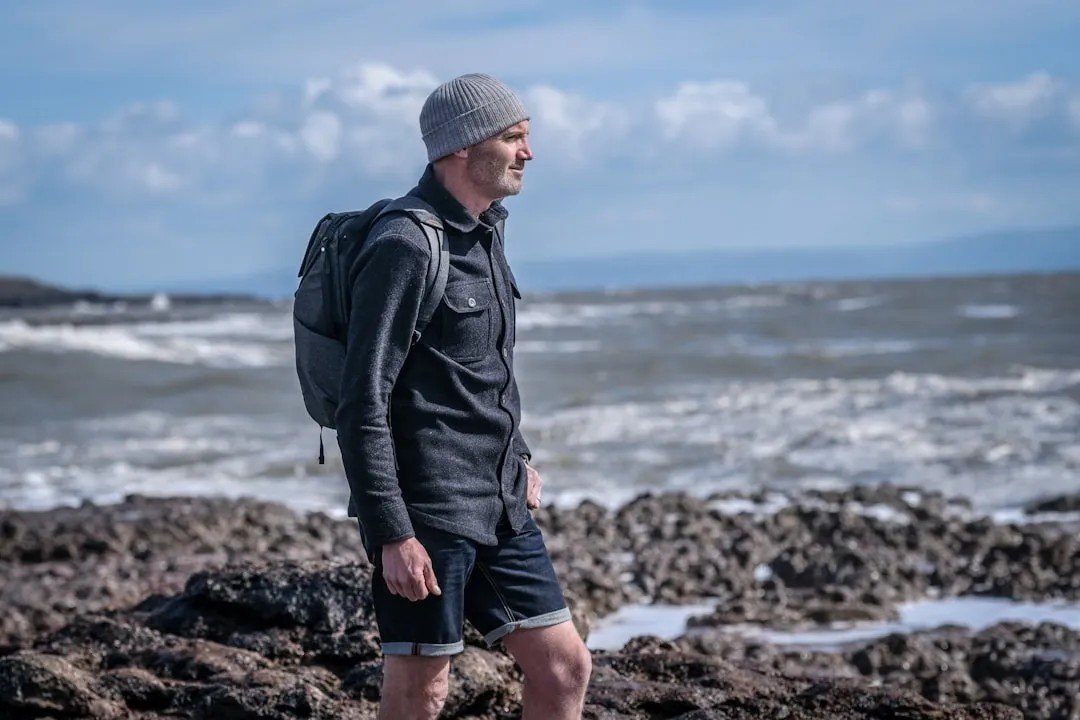
Fabric selection is where most travelers quietly lose the battle. Cotton feels comfortable at home, but it’s genuinely a poor choice for variable conditions. Merino wool naturally regulates temperature in both hot and cold environments. During high activity, it wicks moisture from the skin to cool the body while remaining dry to the touch. When the body temperature is cooler, the natural crimp of the fiber traps air and insulates, keeping you comfortable across a wide range of temperatures.
Merino wool can absorb and retain up to 30 percent of its weight in moisture and still feel dry to the touch. Since the fabric wicks away moisture, odor-causing bacteria don’t have the moist environment they need to thrive – making it comfortable whether you’re in the desert, on the slopes, or in a sweaty city market. The added bonus for multi-climate travelers? You can wear a merino tee for an entire week without it smelling, which means you don’t need to wash it as much and it’s easier to care for on the road. That’s a game-changer for anyone trying to travel light.
Plan Your Wardrobe Proportionally, Not Evenly

One underrated strategy is thinking about your wardrobe in terms of actual time ratios rather than just packing “a bit of everything.” To determine what to bring, think about how many days you will be in warm versus cooler weather. For a ten-day trip spending seven days in the cold and three in warmth, plan for roughly seventy percent of your travel wardrobe to cover cold conditions and thirty percent for the heat.
When planning a mixed-weather trip, keep fabrics in mind – they’re key to helping you stay warm or fresh while also packing light. Avoid bulky fabrics. For cold climates, skip thick sweaters and choose lighter materials that offer maximum warmth yet take up minimal space. I think this proportional mindset genuinely transforms packing from a guessing game into something more like a logical plan. It forces you to be honest about where you’ll actually spend your time.
Use Packing Cubes to Separate Climates, Not Just Categories
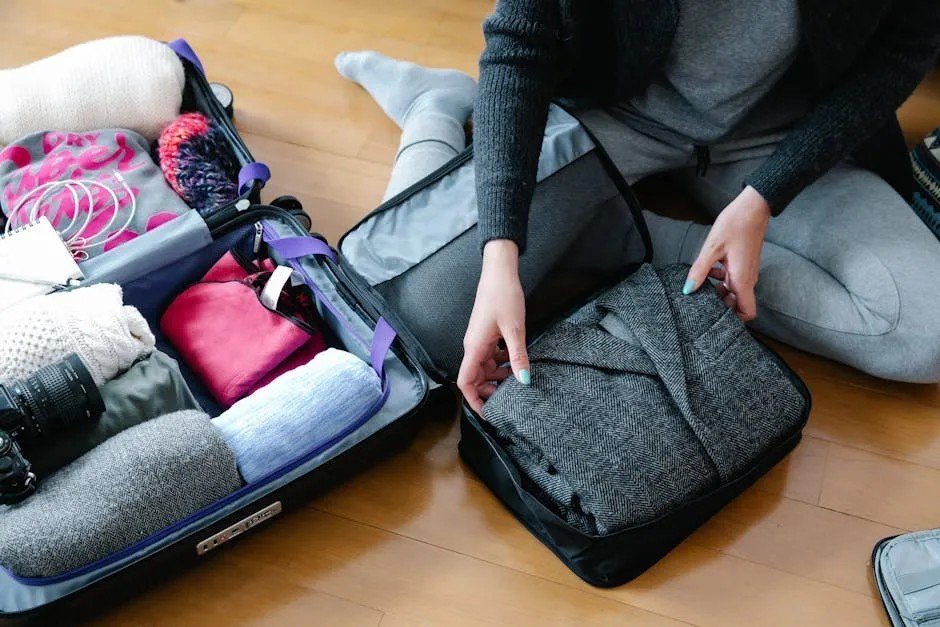
Most travelers think of packing cubes as a general organization tool. That’s true, but there’s a smarter use case for multi-climate trips. One highly effective principle is using packing cubes to separate by climate – packing one cube for summer and one for winter, which makes unpacking and repacking a breeze. It sounds almost too obvious, but it’s surprisingly rare in practice.
Packing cubes keep belongings organized and accessible, making your travel experience more efficient. They also maximize space in your suitcase by compressing belongings, eliminating excess air and creating more room for additional items. This compact design helps reduce wrinkles in clothes, maintaining a polished appearance throughout your trip. You can even pack climate-specific clothes in separate cubes, which means when you arrive somewhere warmer, you’re not digging through cold-weather gear just to find your lightweight shirt.
Master the Art of Versatile Anchor Pieces
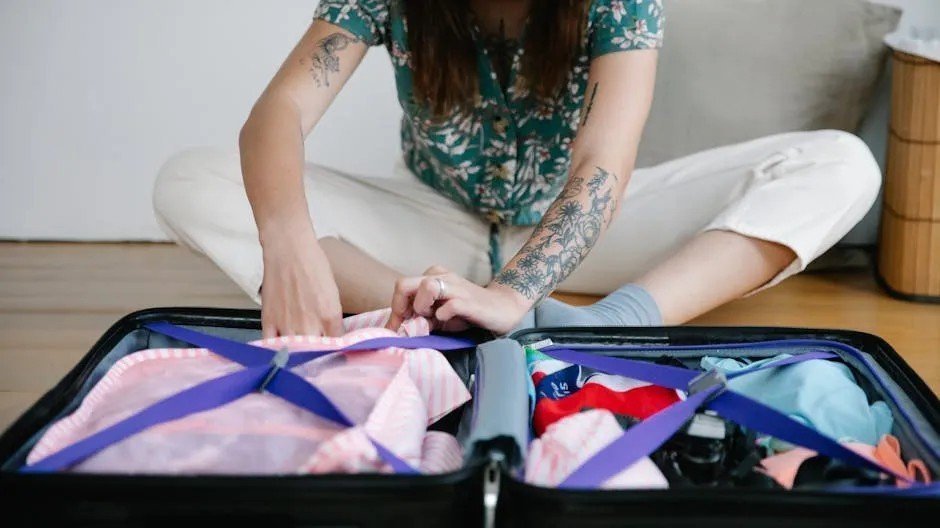
Every well-packed bag for a multi-climate trip needs what I’d call “anchor pieces” – items so versatile they work in nearly any condition. Investing in pieces that transition well between climates matters enormously. A good pair of travel pants that looks appropriate for dinner in one city and doesn’t look out of place on a walking tour in a hot, humid one. Shirts that work layered under a fleece in cool weather and on their own in the heat. The key is choosing fabrics and cuts that adapt rather than having separate cold-weather and warm-weather wardrobes.
Sticking to neutral colors maximizes versatility. Think of your wardrobe like a capsule collection, not a costume box. A pashmina, for instance, can be a scarf, a blanket, or even a beach cover-up. A single item doing three jobs means you can leave three other items at home. That’s the real math of smart packing – it’s about multiplication, not addition.
Solve the Footwear Problem Strategically
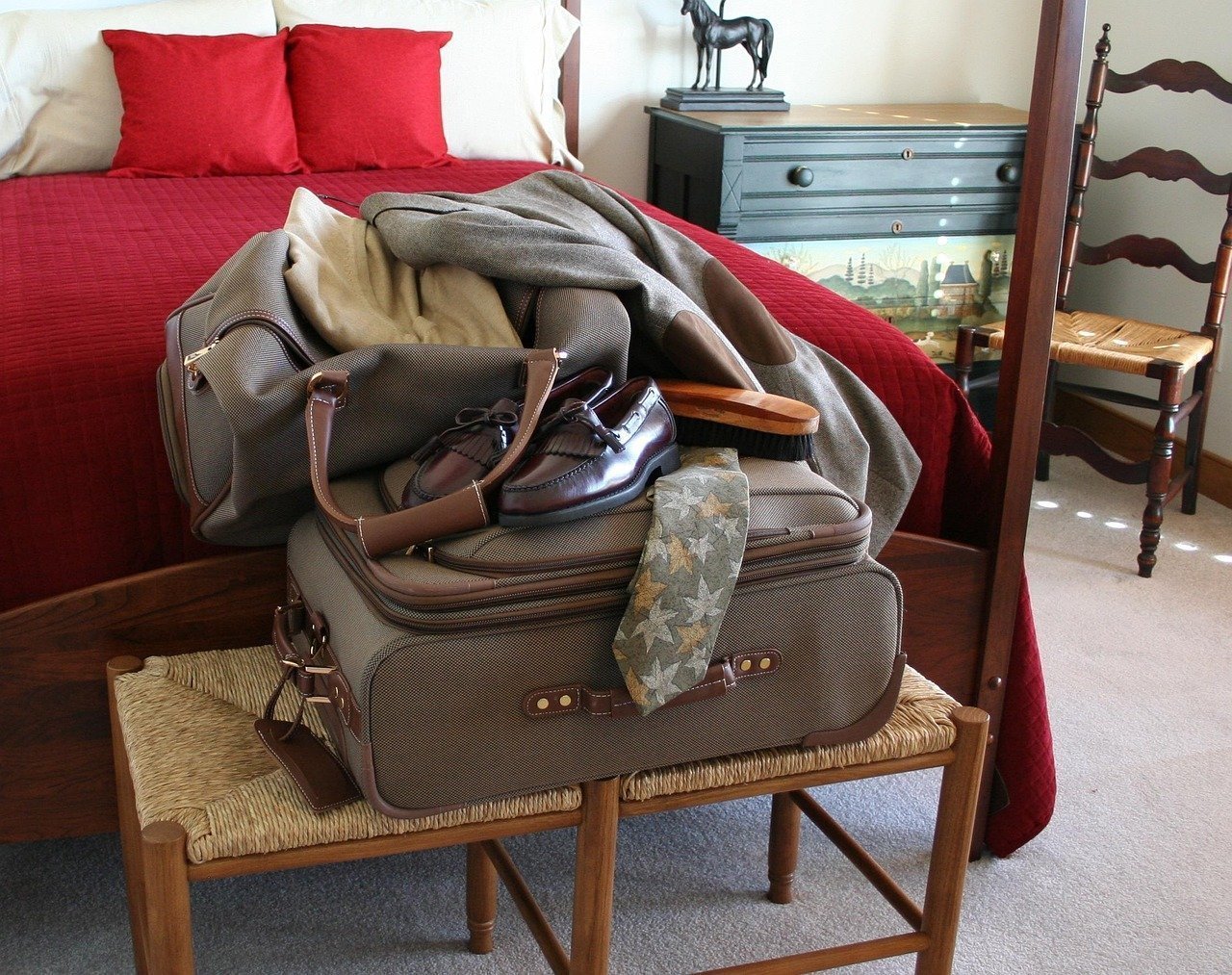
Footwear is where multi-climate packing gets genuinely tricky. Shoes are heavy, bulky, and stubbornly single-purpose. The honest truth is that most travelers pack one pair too many. A key item for going from cold to warm climates is a multi-purpose shoe. Options like breathable styles that look stylish, provide full foot coverage, and work across different settings are ideal.
Pack comfortable walking shoes suitable for exploring your destination. Depending on your trip, you might also want sandals or hiking boots – but rarely all three at once. Choose one pair that can handle the bulk of your activities and add a lightweight second option. If you do need to pack bulkier boots in your suitcase, stuff them with your socks, undergarments, and smaller items to save space. It’s a small trick that frees up surprisingly meaningful room for actual clothing layers.
Minimize Undergarments and Embrace Travel Laundry
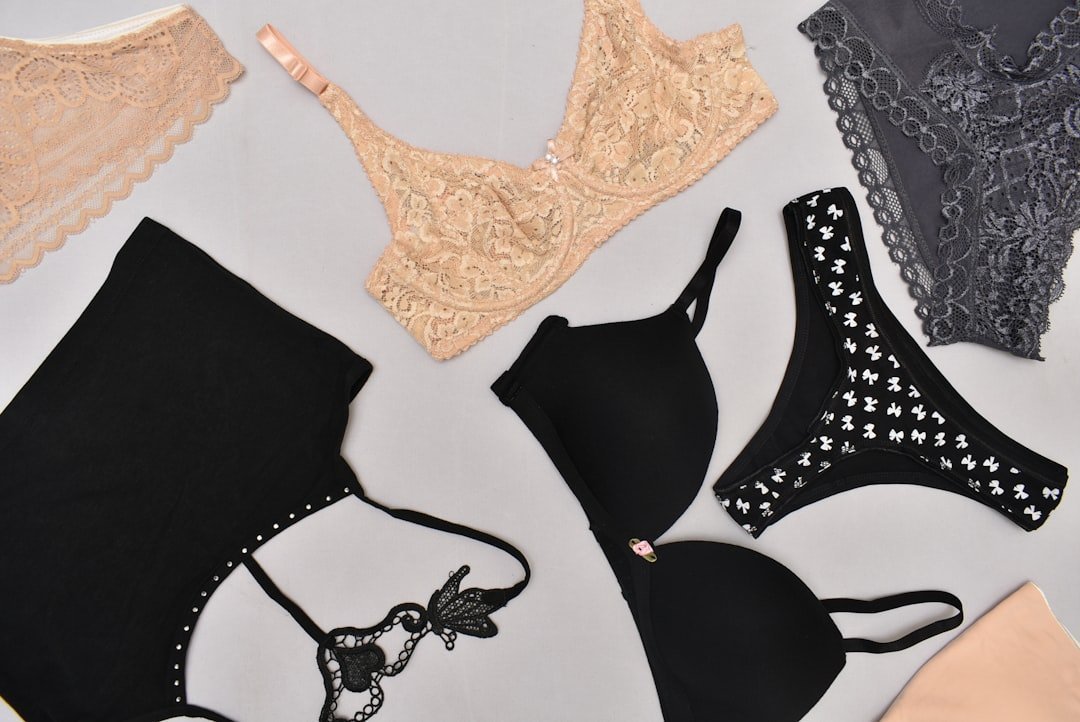
Here’s where you can be genuinely ruthless about cutting weight and volume. Undergarments are an area where you can pack with discipline: socks, underwear, and undershirts can be kept to an absolute minimum because they’re easily washable in a hotel sink or at a local laundromat. Unlike a special jacket or perfect travel pants, these items won’t be ruined by a less-than-perfect washing experience. Packing enough for three to four days, then washing as needed, is a perfectly workable approach.
Modern travel fabrics dry quickly, and this approach alone can save significant luggage space – space better used for that extra layer or comfortable walking shoes. Consider wool socks for colder destinations and moisture-wicking socks for warmer climates, and pick just a few pairs that work across both ends of your regional temperature range. It’s a small concession that pays dividends in pack weight.
Wear Your Bulkiest Items in Transit
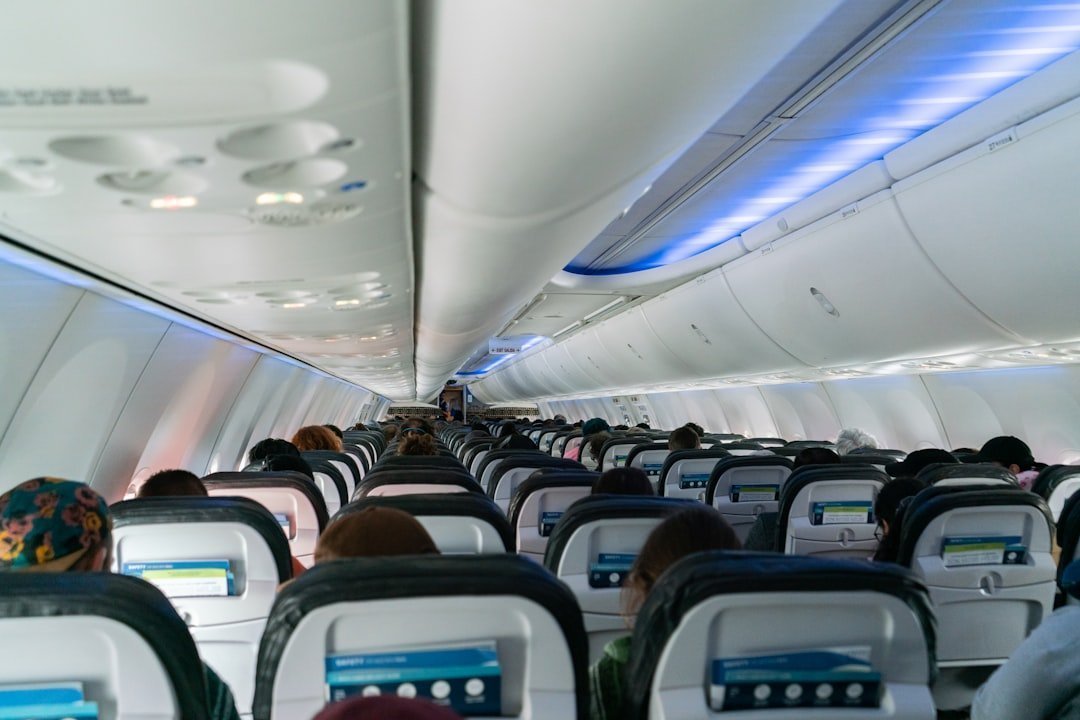
A little trick that seasoned multi-climate travelers swear by: wear your heaviest pieces on the plane. Wearing your coat, chunky sweater, and boots during travel not only saves suitcase space but keeps you warm on typically cold aircraft – so it’s genuinely a win-win. It looks a bit ridiculous in a warm departure terminal, but your suitcase will thank you silently from the overhead bin.
Packing for 80-degree beaches and 30-degree weather in one carry-on is challenging, but even if it means dressing like a rodeo clown on the airplane, the commitment to carry-on-only travel is absolutely worthwhile. The moment you commit to this strategy, you free up a significant chunk of bag space for the items that genuinely can’t be worn but absolutely need to be there. It reshapes how you think about the whole packing exercise.
Build a Pre-Trip Research Ritual

None of these strategies work as well without real information to anchor them. For mixed weather packing planning, always check the forecast first. Using an app like Weather.com ensures you’ll have a clear idea of what to expect at each location. Beyond just weather apps, look at elevation data, typical daily temperature swings, and whether your destinations include a lot of time outdoors versus climate-controlled indoor venues.
A strong strategy when packing for multiple destinations and climates is to plan your clothing list for the specific activities you will be doing once at the destination. A beach town and a mountain village might both sit within the same region, but the wardrobe demands could hardly be more different. Considering the season and specific regions you plan to visit will significantly influence your packing choices, and layering remains the most practical strategy for unpredictable weather – ensuring you’re comfortable no matter what the skies decide to do. Research isn’t the glamorous part of travel planning, but it’s the part that makes everything else work.
Know When to Embrace the Extra Bag
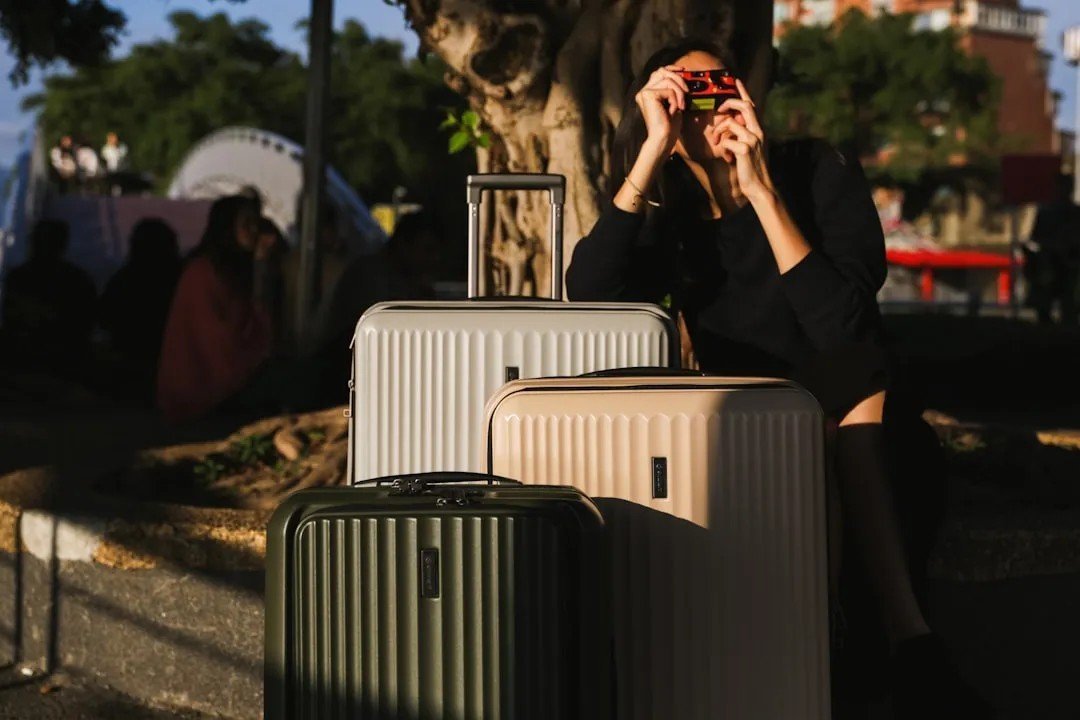
Let’s be real – sometimes the carry-on-only dream just isn’t compatible with true multi-climate travel. There’s no shame in that. Sometimes the math simply works out in favor of paying for an additional checked bag. If you’re traveling from cold conditions directly to tropical heat, that extra bag fee might be worth every penny for the peace of mind and comfort it provides. The cost of an extra bag is often less than what you’d spend on inadequate clothing purchased at your destination.
Multi-climate packing will never be as simple as preparing for a single destination, but that’s part of the adventure. These complex itineraries take travelers to incredible combinations of places and experiences. The key is accepting that you might not achieve the minimalist packing ideal, and that’s perfectly fine. The goal isn’t to impress anyone with light packing skills – it’s to be comfortable and prepared for whatever climate adventure awaits.
Packing for a multi-climate trip within a single region is a skill, and like most skills, it gets sharper with practice. Every trip teaches you something: that you never actually wore the third pair of shoes, that the one merino base layer earned its place ten times over, or that a single compression cube changed everything. The real win isn’t a perfectly minimal bag – it’s arriving at every stop in the region feeling genuinely prepared, whatever the weather decides to throw at you. What would you change about how you pack next time?