
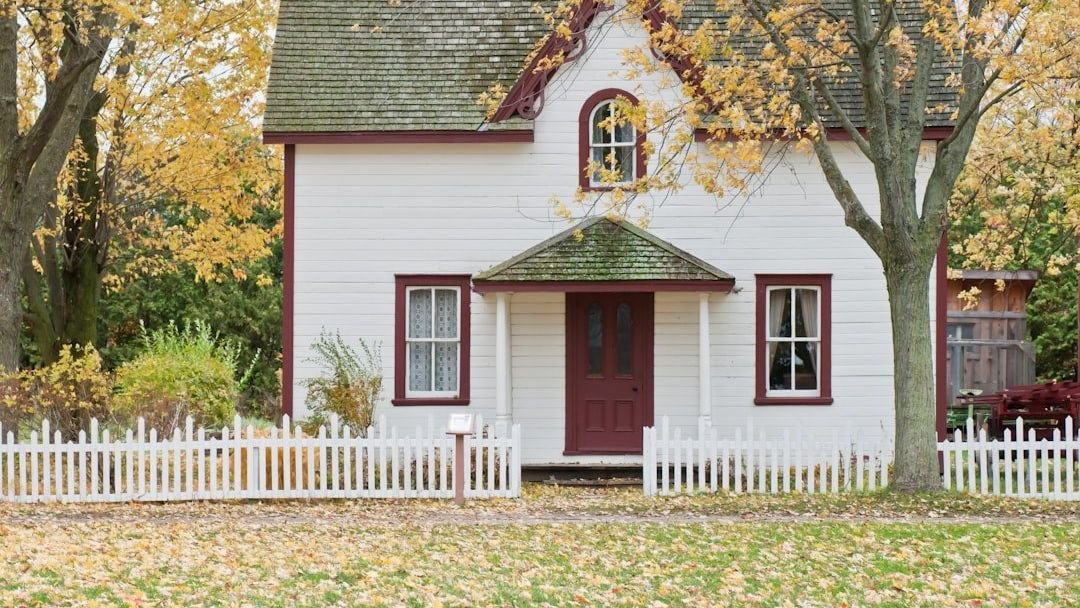
Your home is probably the single biggest financial asset you’ll ever own. It’s a nest egg, a safe harbor, and in today’s market, where the median U.S. home sale price reached $404,500 in September 2024, representing the highest September median on record, protecting that value matters more than ever. Yet every single day, homeowners are unknowingly killing their own property value with mistakes that agents see constantly.
Some of these are obvious. Others will genuinely surprise you. Real estate professionals watch deals fall apart over things that cost almost nothing to fix, and yet sellers miss them every single time. Here’s what agents actually see, and what they want you to know before you list. Let’s dive in.
1. Poor Curb Appeal: The First Five Seconds Can Cost You Thousands
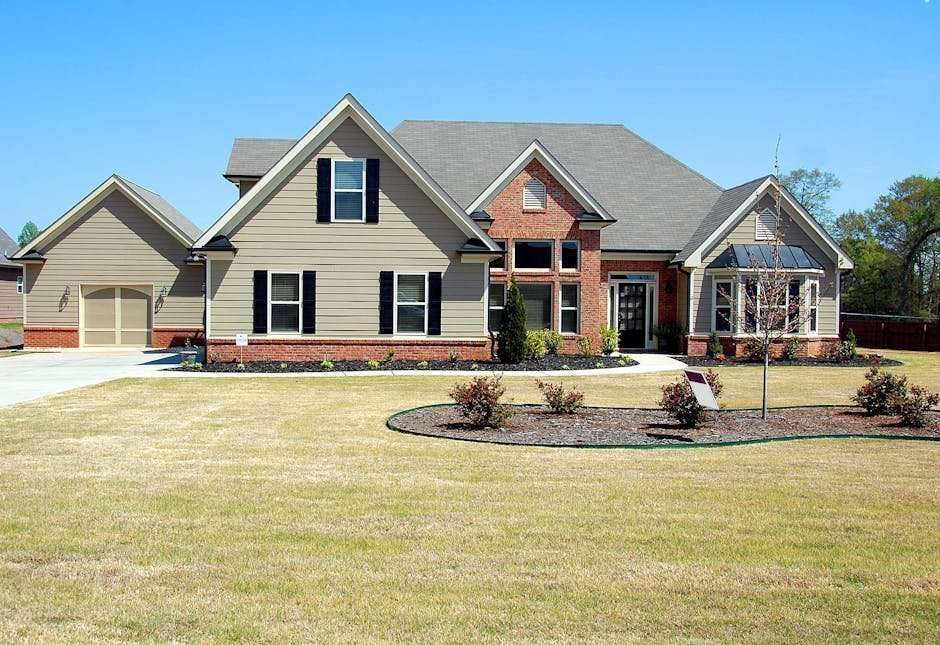
Here’s the thing – buyers decide how they feel about a house before they ever step through the front door. Potential buyers often decide whether they are interested in a property within the first few minutes of seeing it. A well-maintained exterior can create a positive impression and entice buyers to explore further, while a neglected exterior may deter them from even setting foot inside. That’s not a theory. That’s what agents see play out at every single open house.
Homes with strong curb appeal, such as well-maintained landscaping and exteriors, sell for an average of 7% more than similar properties in the same area. This price premium increases to 10 to 11% in slower markets. On a $400,000 home, that’s a potential loss of nearly $28,000 just because the lawn looked rough.
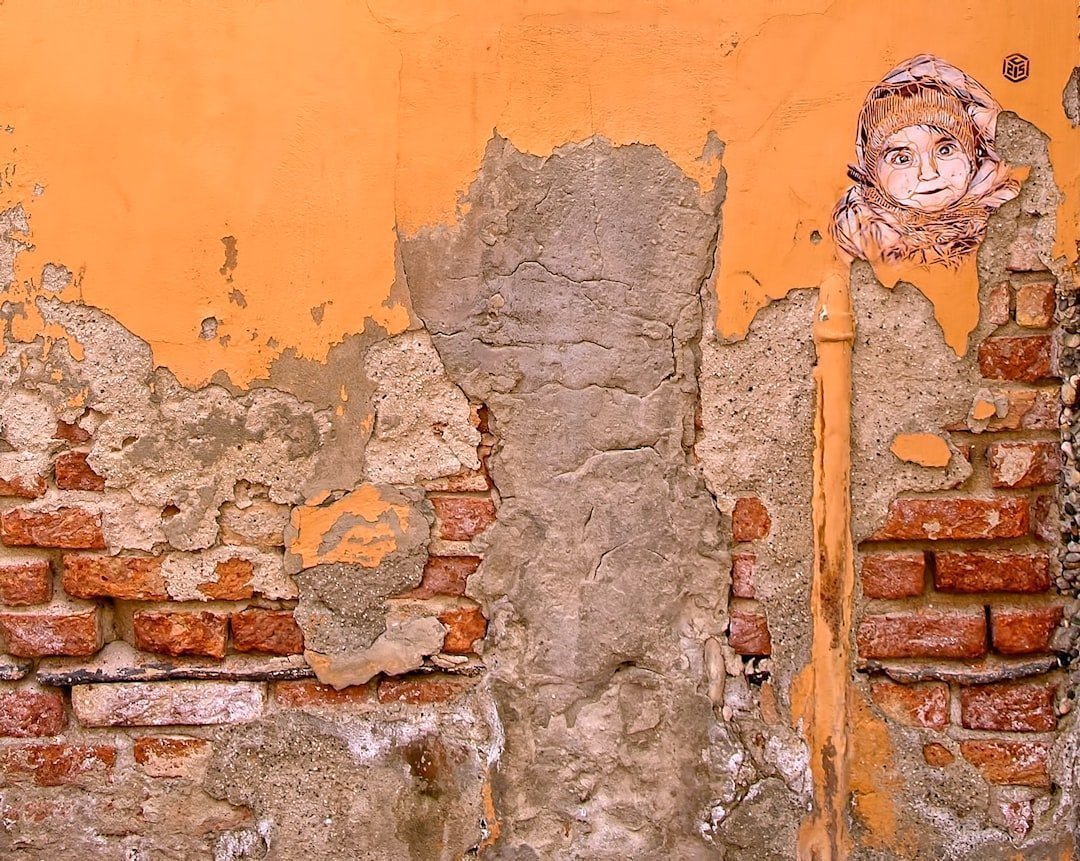
Faded and peeling paint is one of the most telling signs of neglect. Faded colors make even well-built homes look tired and dated. Cracks, oil stains and weeds growing through concrete create an immediate impression of poor maintenance. Honestly, these are fixes that can cost under a few hundred dollars. There’s simply no excuse for leaving them unaddressed.
2. Neglected Maintenance: The Silent Value Killer
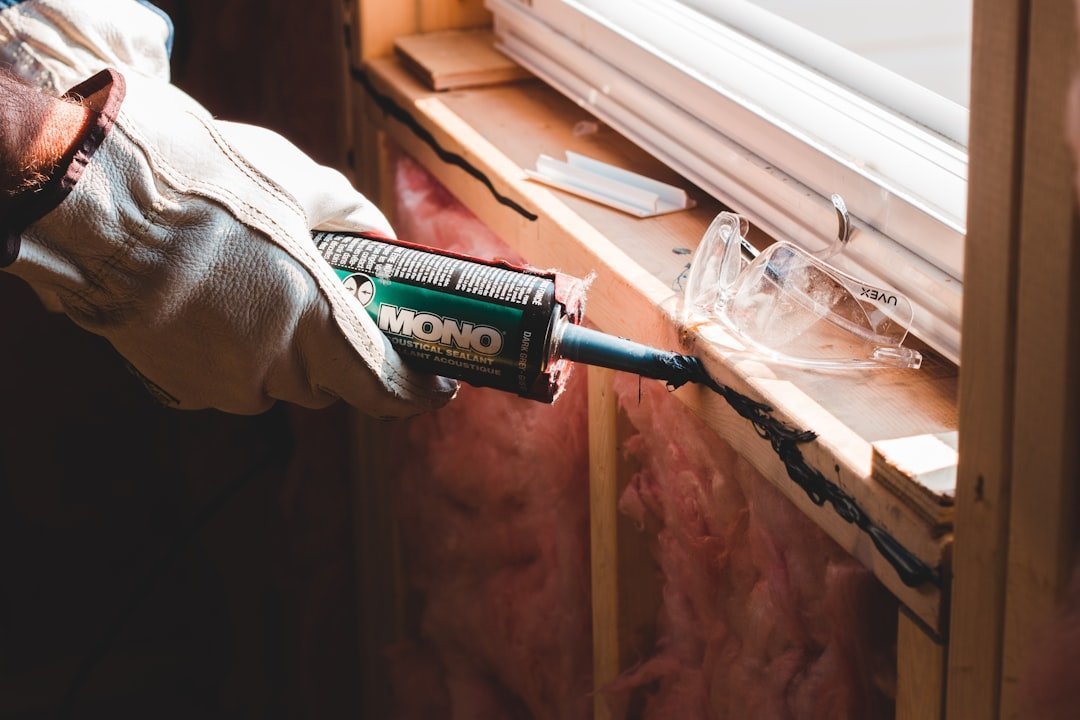
Failing to keep up with routine maintenance tasks, such as fixing leaky roofs or addressing plumbing issues, can decrease your home’s value over time. Regular upkeep is essential to preserve your property’s condition and attractiveness to potential buyers. This one sounds basic, but you’d be stunned how many sellers list a home with a dripping faucet, a cracked tile, and a squeaky door.
If major repairs are left unaddressed – such as structural issues or outdated, inefficient systems – it can significantly reduce a property’s worth and appeal to potential buyers. Think of it like neglecting your car’s oil changes. Small delays snowball into engine failure, and buyers can smell deferred maintenance a mile away.
Rust anywhere is a sign that the home seller doesn’t do proper maintenance on the home. It’s a signal. Buyers start asking: if this is visible, what’s hidden? That shift in mindset almost always means a lower offer or, worse, no offer at all.
3. Outdated Features and Interior Design: Living in the Past
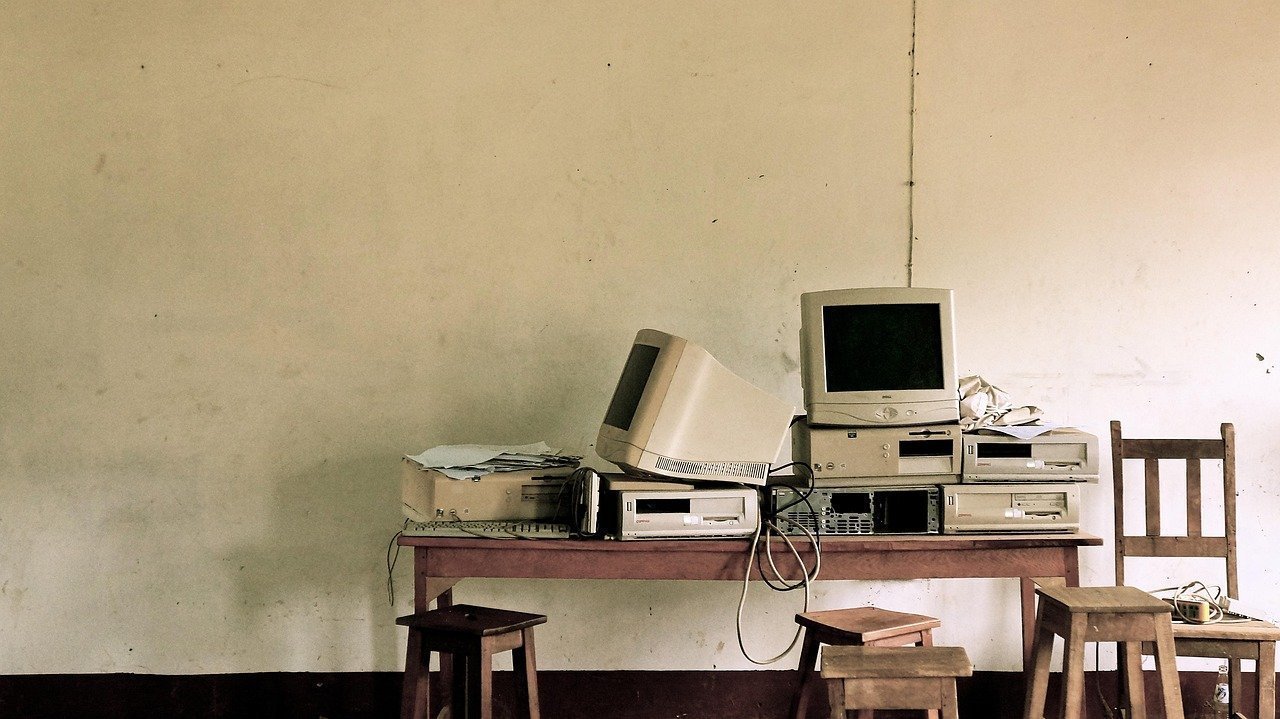
Real estate agents are blunt about this one. You want your house to reflect your taste, but not another time. Things that devalue a home and most clients walk away from immediately are homes where the owner has a 20-year-old house and has not upgraded a thing, with outdated carpet and tile being among the most common complaints.
Outdated features in a home cause homebuyers to assume that nothing in the home has ever been touched since it was built. Purchase offers will tend to reflect the expense of updating the house plus replacing HVAC units, windows, and appliances. Buyers don’t just see old carpet. They see a bill.
It’s worth noting that the average American household spent $9,322 on home improvement projects in 2024, according to Angi’s annual State of Home Spending report. Not every home improvement project will increase the value of your home. Before investing in a home improvement project, consider whether it will pay itself off when it comes time to sell. Focus on the updates that buyers actually notice first, like kitchens, bathrooms, and flooring.
4. Mold and Water Damage: The Deal-Breaker That Hits Hard
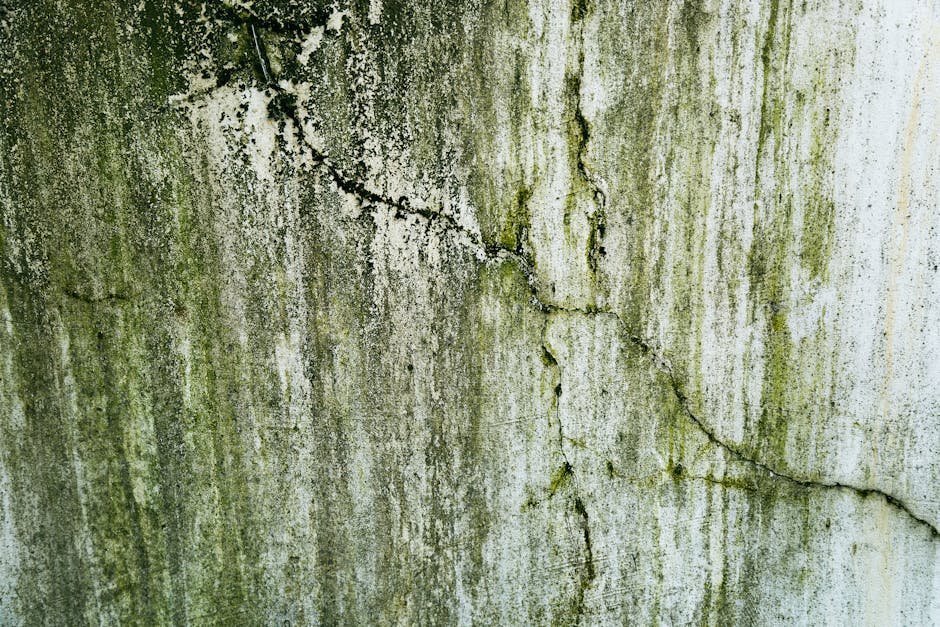
Few things send buyers running faster than signs of water damage or mold. Research published in The Appraisal Journal shows that minor mold issues cause a 3 to 10% reduction in value, moderate problems cause a 10 to 25% reduction, and severe cases can cause a 25 to 50% reduction or render the property unmarketable. Those are not small numbers.
According to research compiled by the National Association of Realtors, environmental issues like mold contribute to nearly 22% of delayed real estate closings. Meanwhile, NIOSH data reveals that roughly half of US homes have visible mold or mold odor. Half. That means this isn’t some rare problem that only affects old properties in wet climates.
Even after professional remediation, half of potential buyers walk away when they learn a property once had mold. The emotional reaction to mold is powerful. Addressing it before listing, with full documentation of the remediation process, is far smarter than discovering it during inspection and watching your deal collapse.
5. Over-Personalization: Your Style vs. Everyone Else’s

This one’s a little painful to hear, but agents say it all the time. Too much customization can devalue your home. While making your home your own is important, you don’t want to go overboard with customization. Too much personalization can make it difficult for potential buyers to envision themselves living in the space. You want buyers to walk in and see their life, not yours.
Even if your home’s lawn is in good condition, landscaping that’s too quirky or personal could hurt your home’s appeal. Real estate professionals advise against “too-personal touches” that might deter buyers who want to develop the yard with their style. This applies indoors, too – bold accent walls, unusual paint colors, and highly specific room conversions all narrow your buyer pool.
Another negative is painting your home an offbeat color. Buyers favor neutral colors like gray, white, cream and beige. So pick your colors with care and repaint the exterior when it starts to look bad. Think of neutral as your best sales tool. You’re not giving up personality. You’re giving buyers a blank canvas, and that’s exactly what they want.
6. Bad Location Factors You Can’t Control (But Must Disclose)

One thing you can’t always control is unfortunately one of the most important determining factors in home value. A bad location means that the home will not be as desirable to potential buyers, which will make it harder to sell and, as a result, will likely result in a lower sales price. Places with a high crime rate, far from amenities, or in a bad school district are examples of bad locations that can devalue a home.
If you’re pricing the property from a seller’s perspective, if you’re on a busy road, it is going to somewhat devalue the property, versus a house on an interior lot that doesn’t get that traffic noise. Noise pollution is one of the top reasons buyers walk away. Homes near highways, airports, train tracks, or busy commercial areas tend to sell for less simply because constant noise is hard to ignore.
Noise can be caused by a number of sources, from trains and highways to factories and loud neighbors. Noticeable and consistent noise will almost certainly devalue your home, especially when it can occur at any time of the day or night. I know it sounds unfair, but location is essentially permanent. Price accordingly and be transparent about it.
7. Nearby Foreclosures and Problem Neighbors
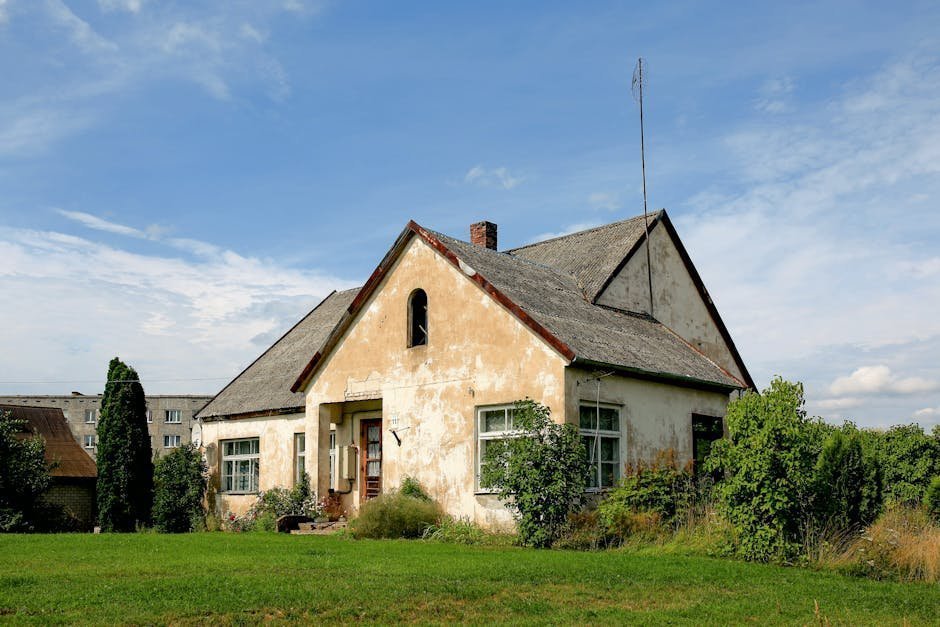
Your property value isn’t only determined by what happens inside your four walls. Living in a neighborhood that has seen many foreclosures or short sells is bad for your home’s bottom line. Each foreclosed house within 250 feet will cost an average of 1% of the property value. In a tough market, several nearby foreclosures can add up to a serious dent.
Homes that are seriously neglected – or considered “zombie homes” because they have been left vacant and deteriorating – can spoil nice neighborhoods. Their dilapidated facades can negatively affect the property value of every other house sitting around them. You could do everything right inside your home and still be dragged down by the property two doors down.
Have a neighbor with a junk-strewn yard, loud dogs or a penchant for wild parties? If so, know that it erodes your property value in addition to theirs. There’s not always a fix for this, but agents strongly advise timing your listing strategically and being honest with buyers so you don’t end up dealing with legal blowback after closing.
8. Unpermitted Renovations: The Hidden Legal Trap
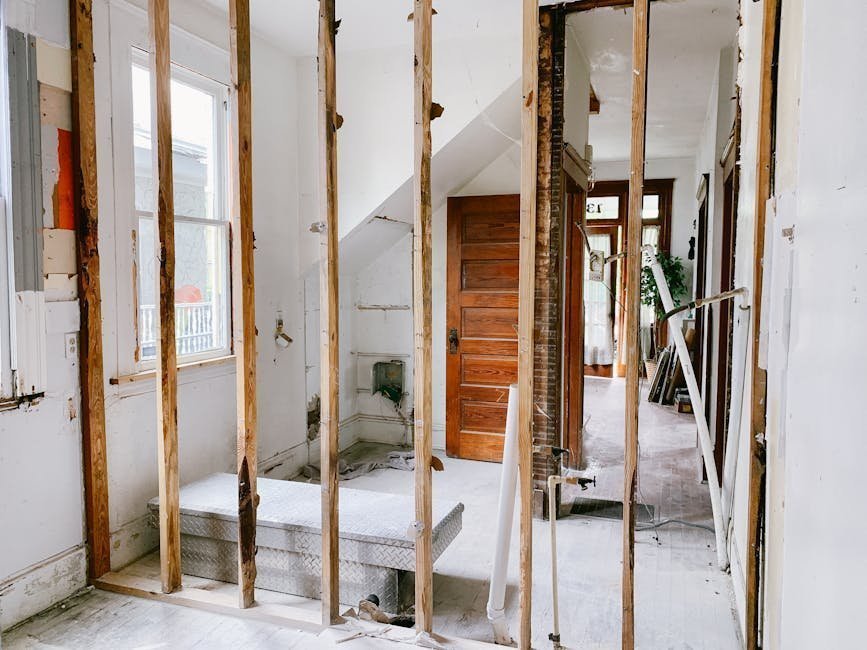
This one trips up so many well-meaning homeowners. Renovations or additions made without proper permits can pose significant problems when selling a home. Buyers may be wary of unpermitted work due to concerns about safety, code compliance, and potential legal issues. What felt like a harmless shortcut at the time of renovation can become a huge obstacle during escrow.
When a buyer’s inspector flags unpermitted work, the buyer suddenly imagines worst-case scenarios. Was the electrical done by someone who knew what they were doing? Is that added bathroom up to code? The most common problems that devalue a home are “shoddy repairs,” and unpermitted work falls squarely in that category, even when the quality of the work itself is fine.
The smartest move is to retroactively permit any past work before listing, wherever possible. It costs time and sometimes money, but it removes the cloud of doubt that can kill a deal or force a significant price reduction. Buyers in 2025 and 2026 are far more savvy than previous generations, and they’re checking everything.
9. Poor Energy Efficiency: Buyers Are Watching the Bills Now
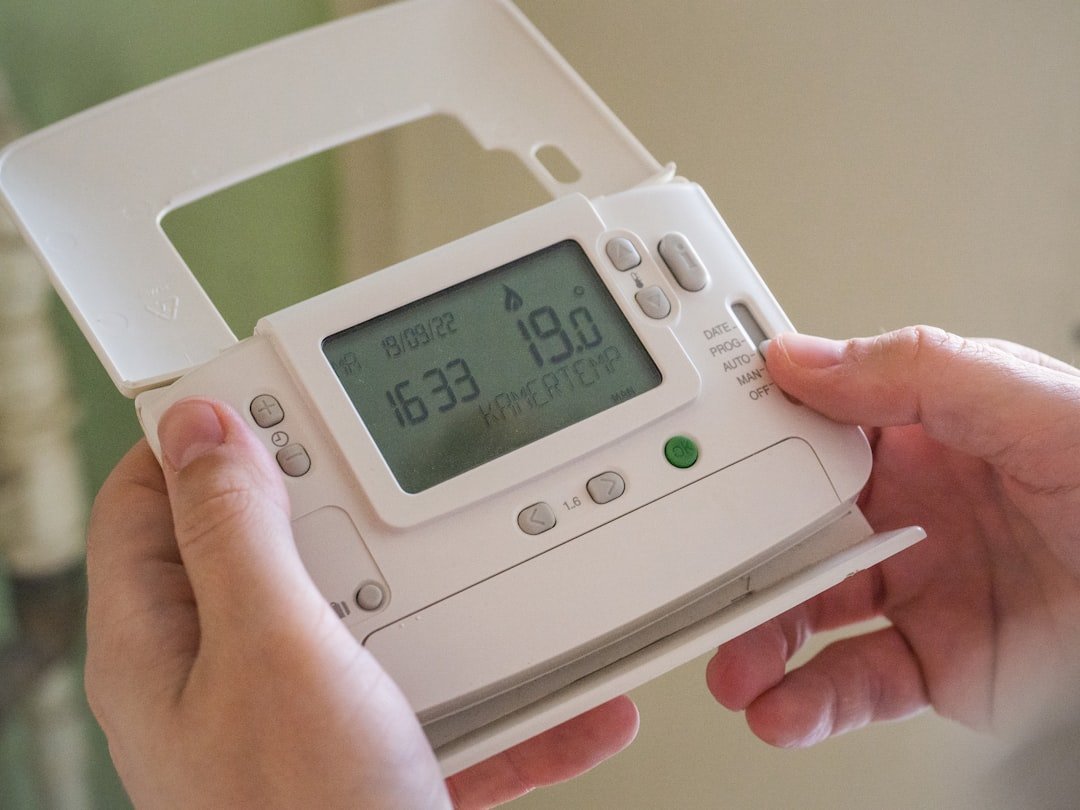
In today’s environmentally conscious market, homes with poor energy efficiency may lose value. Investing in energy-efficient upgrades, such as insulation or energy-efficient appliances, can make your home more attractive to buyers. This used to be a nice-to-have. Now it’s practically a baseline expectation, especially among younger buyers.
Old or outdated electrical wiring can pose safety concerns and deter potential buyers. To maintain or increase your home’s value, consider updating the electrical system to meet modern safety standards. Outdated wiring is a safety red flag and an insurance headache all in one. Many insurers now ask specifically about the age and type of wiring during the underwriting process.
Buyers are likely to have a growing preference for energy-efficient and sustainable homes, reflecting a shift in consumer priorities. To attract buyers in a higher-rate environment, consider pricing competitively and highlighting features that add value to your home. Buyers may prioritize properties that offer move-in readiness and long-term savings through energy efficiency. Energy bills matter now more than ever, especially with elevated mortgage rates squeezing monthly budgets.
10. Shoddy DIY Work: The “I Can Do It Myself” Trap
Let’s be real – there’s a reason professional contractors exist. Experts have warned there are DIY home improvements that will potentially devalue your home. Some are a bad idea altogether whilst others are good in theory but will dent your sale price if badly done. The problem isn’t the ambition. The problem is the execution.
If you don’t prep properly or use the right type of paint or technique, you could end up with streaky, chipped cabinets that scream: “An amateur did this!” Buyers will see this right away, and they’ll note it as something they’ll have to fix if they buy the house. When buyers spot these red flags, the mental calculator starts running immediately, and the number they arrive at is always lower than your asking price.
It’s a bit like presenting a resume with typos. The content might be great, but the presentation tells a story about your attention to detail. Before undertaking a remodeling or repair project, it’s a very good idea to check out what pros like contractors and real estate agents recommend. You may find out some of your plans won’t have upped your home’s value like you thought they would. When in doubt, hire it out – or at least get a professional opinion before you start.
Conclusion: Small Mistakes, Big Consequences
The pattern here is clear. Most of these devaluation traps aren’t big dramatic disasters. They’re small, gradual, and often invisible to the homeowner who’s been living inside the property for years. Fresh eyes – the kind buyers bring during a first walkthrough – catch everything.
The good news is that nearly every single item on this list is fixable. Some require a modest investment. Others just require awareness and a weekend of effort. In a market where the median U.S. home sale price reached $404,500 and every percentage point matters, protecting your investment is simply non-negotiable.
Think about this: real estate agents across the country watch the same mistakes repeat themselves year after year. The sellers who listen, act early, and present their homes with care consistently walk away with more money in their pockets. The ones who don’t? They wonder why their home sat on the market for months. Which side of that story do you want to be on?