

Picture this: you’re lounging on a sun-soaked beach, eyeing that shimmering coral necklace or a handful of perfect seashells. They scream vacation memory, don’t they? Yet U.S. Customs and Border Protection agents see them differently, ready to confiscate with hefty fines.
These seemingly innocent picks violate wildlife laws, health regs, or trade bans. Stick around to uncover the top offenders that could turn your triumph into trouble.[1][2]
Ivory Jewelry and Carvings

Nearly all ivory items get flagged at the border. U.S. customs links them straight to elephant poaching under international agreements like CITES. Even tiny elephant or walrus tusk trinkets require rare antique certifications, which most lack.[1]
Fines can hit thousands per piece. Travelers often grab these in Asian markets, unaware of the crackdown ramped up in recent years. Honestly, it’s heartbreaking for artisans, but conservation wins out.[3]
Coral Necklaces and Decor

That vibrant reef souvenir? Protected species status makes most coral illegal without permits. CBP seizes them to safeguard fragile ocean ecosystems already hammered by bleaching.[1]
Black coral or red varieties top the no-bring list. Exports from places like Hawaii or the Caribbean face strict quotas. One wrong piece, and you’re out hundreds in penalties, no questions asked.
Let’s be real, the ocean needs this protection more than your shelf does.
Turtle Shell Accessories

Hawksbill turtle combs or glasses frames look exotic. Six of seven sea turtle species are endangered, banning their shells under wildlife treaties. No exceptions for small items; all get trashed.[3]
Markets in Mexico or Bali peddle them freely. U.S. rules haven’t budged since 2024 updates. Fines start at $1,000, escalating with intent.
Seashells and Starfish

Pretty shells from tropical shores tempt everyone. Many come from protected mollusks or carry invasive hitchhikers. APHIS and CBP nix them to prevent ecosystem damage.[1]
Large conchs or queen helmets often violate size limits. Even empty ones risk confiscation. I know it sounds picky, but one infested shell could spark a pest outbreak.
Beach Sand and Rocks

Scooping sand into a bottle feels harmless. Biosecurity threats from microbes or seeds make it prohibited nationwide. Hawaii even fines locals for it under state law.[1]
Rocks carry similar risks. CBP agents spot these jars easily on scans. Penalties? Up to $500, plus a ruined mood.
Leave the beach pristine, folks.
Kinder Surprise Eggs
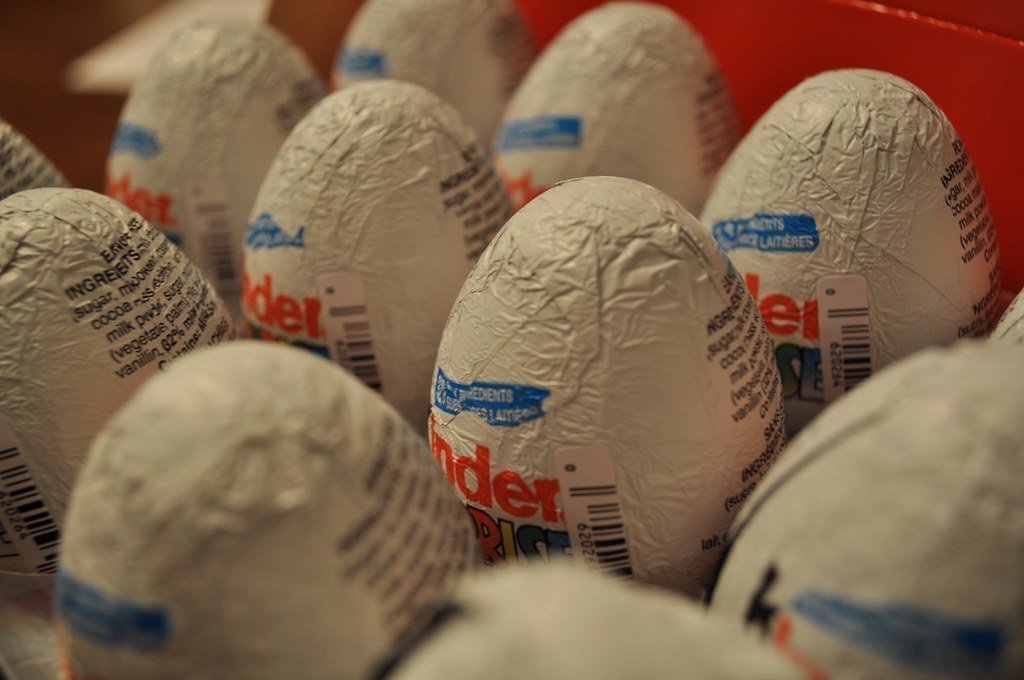
Those chocolate eggs with toys inside delight kids abroad. FDA bans them as choking hazards under 1938 food laws – no non-nutritive embeds allowed. Customs smashes them routinely.[1]
Europeans shrug; Americans face seizure. No fines usually, just crushed dreams. Still illegal after all these decades.
Fresh Fruits and Veggies

Tropical mangoes or citrus seem fresh picks. Pests and diseases prompt a blanket ban by USDA. Even rinsed ones get the axe at inspection.[1]
Exceptions need certificates, rare for souvenirs. 2025 saw tighter fruit fly checks. Eat them there, skip the hassle.
Cured Meats like Salami
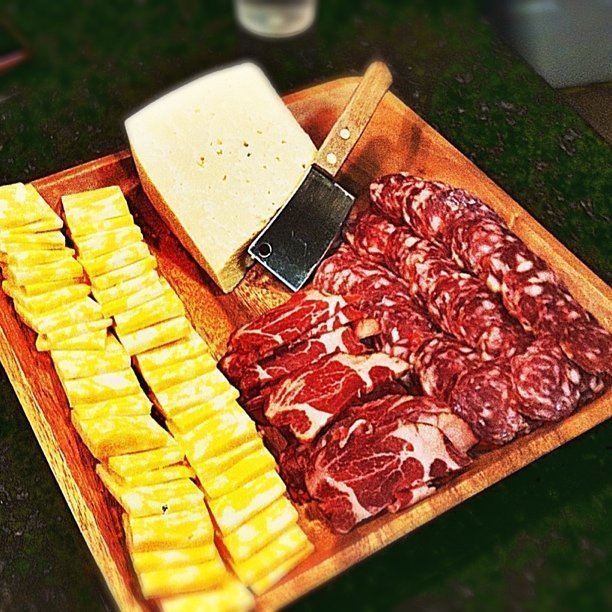
Italian prosciutto or Spanish chorizo waft temptation. Disease risks like swine fever bar uncooked pork. CBP incinerates them on sight.[1]
Canned exceptions exist, but homemade? No way. Fines reach $10,000 for bulk. Vacuum-seal won’t save you.
Exotic Leather Goods

Record in source catalog
DPLA identifier: 9d39fe8546461224b65345bd3f0bb1f3
Missouri Historical Society identifier: 1983-089-0006, No restrictions, https://commons.wikimedia.org/w/index.php?curid=158015133)
Crocodile wallets or python bags dazzle. CITES protects most reptiles; permits are paperwork nightmares. Uncertified ones vanish at borders.[1]
Africa or Asia trips fuel seizures. 2026 enforcement hit records. Splurge stateside instead.
Style shouldn’t cost species.
Untreated Wooden Souvenirs
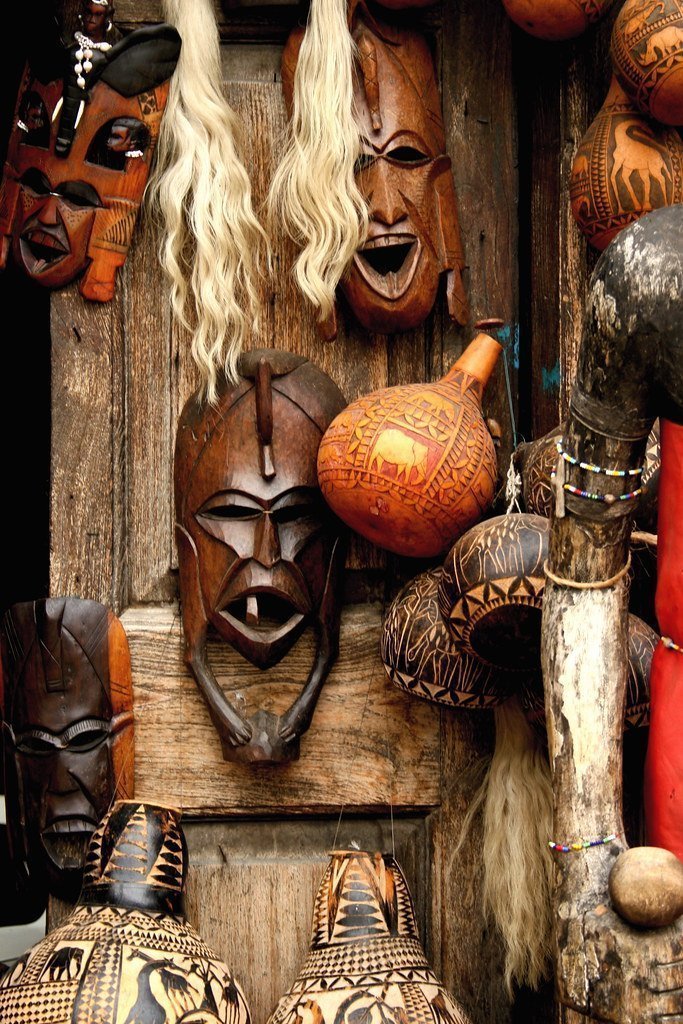
Carved masks or bowls charm markets. Pests in raw wood demand kiln-drying stamps. Missing that? Confiscated.[1]
Balinese or African crafts often skip treatment. Fines vary, but loss stings. Check labels before buying.
Cultural Artifacts and Antiquities
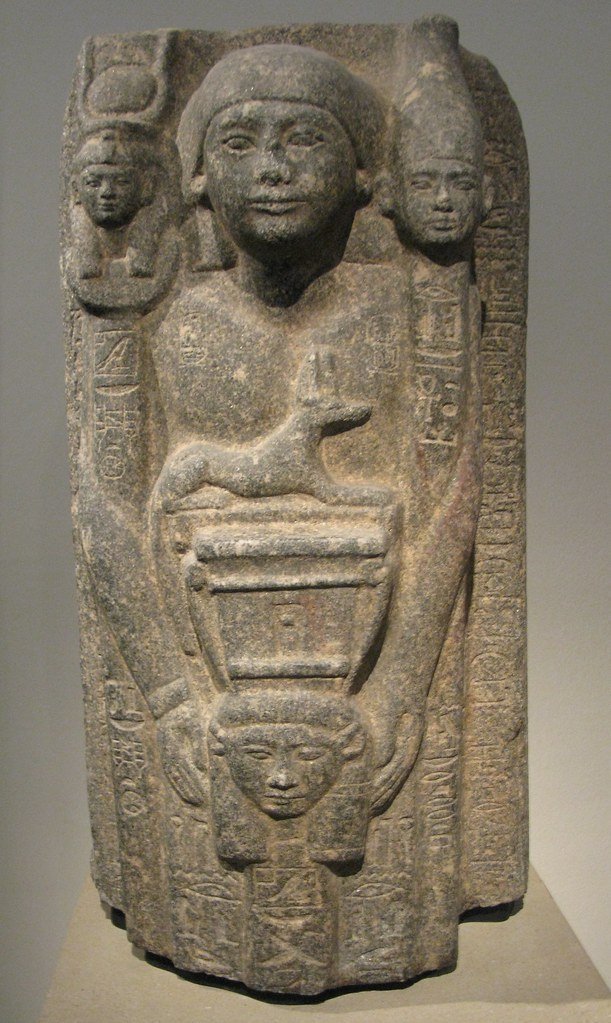
Ancient pottery or tribal relics intrigue collectors. U.S. laws block unprovenanced items to fight looting. CBP partners with source nations on returns.[2]
Even modern “artifacts” need export papers. Penalties soar into five figures. Passion projects turn pricey fast.