
There is something almost theatrical about airports. They reveal human behavior at its most raw, its most rushed, and – let’s be real – its most embarrassing. You can spot the seasoned traveler from a mile away: calm, organized, moving with quiet efficiency. Then there’s everyone else.
The truth is, airports are shared spaces operating at enormous scale. Some 2.8 million people were projected to travel on U.S. airlines each day in March and April 2026, adding up to a record 171 million passengers. With numbers like that, the difference between smooth and chaotic comes down to individual behavior. And some habits, however innocent they seem to the person doing them, brand you instantly as someone who clearly doesn’t know what they’re doing. Let’s dive in.
1. Arriving Unprepared for the Security Line
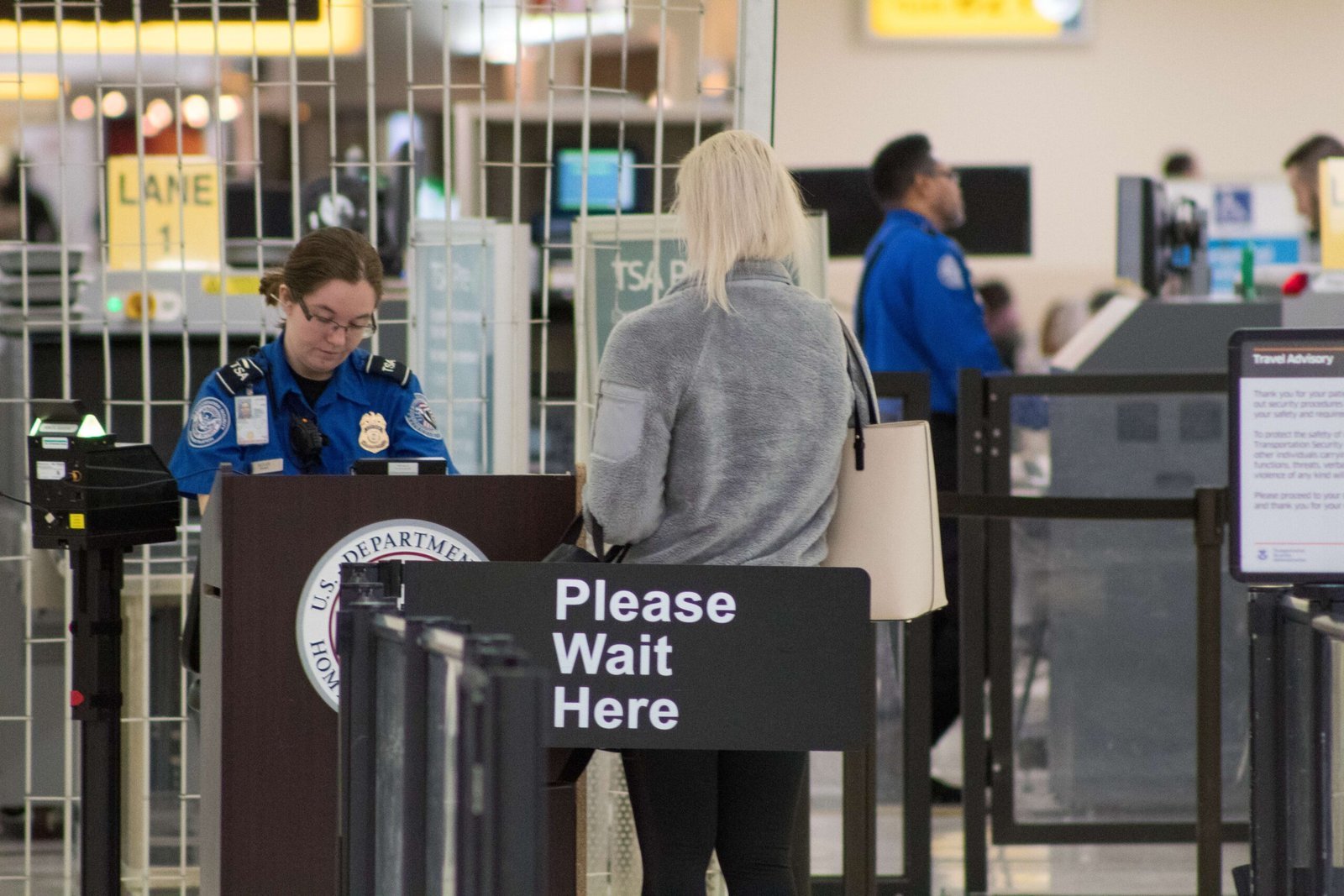
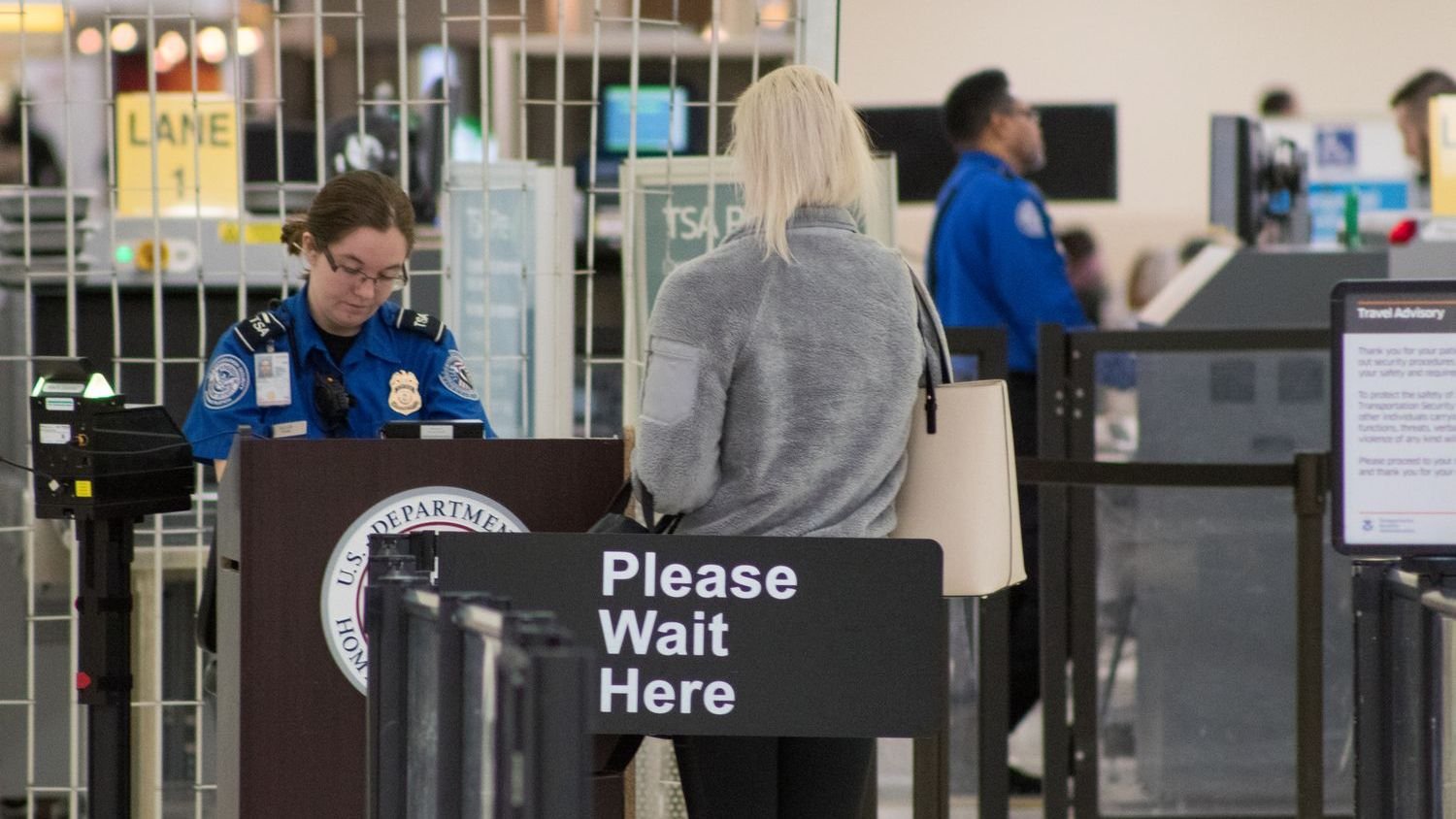
Picture this: you’ve been standing in a slow-moving security queue for twenty minutes. Then the person in front of you reaches the belt and starts frantically digging through their bag, pulling out laptops, shoes, and liquids one item at a time. A passenger reaches the X-ray belt, then starts extracting every tube, bottle, zip bag, laptop, charger, or electronic device at that exact moment – cue fumbling, sighs from fellow passengers, and a security line that grinds to a halt.
This is perhaps the single most recognizable hallmark of a first-timer. Long lines at airport security rank as the top inconvenience among U.S. travelers, cited by roughly three in five respondents in a recent 2024 survey of 1,212 American adults. Security delays occur at approximately 2 per 1,000 flights nationwide, and when they do occur, they tend to last between 40 to 50 minutes. Being that one person who adds five unnecessary minutes to a line that hundreds of people depend on is not a great look. Get your liquids in a ziplock bag, your laptop out, and your shoes ready – before you even join the queue.
2. Being a “Gate Lice” Lurker
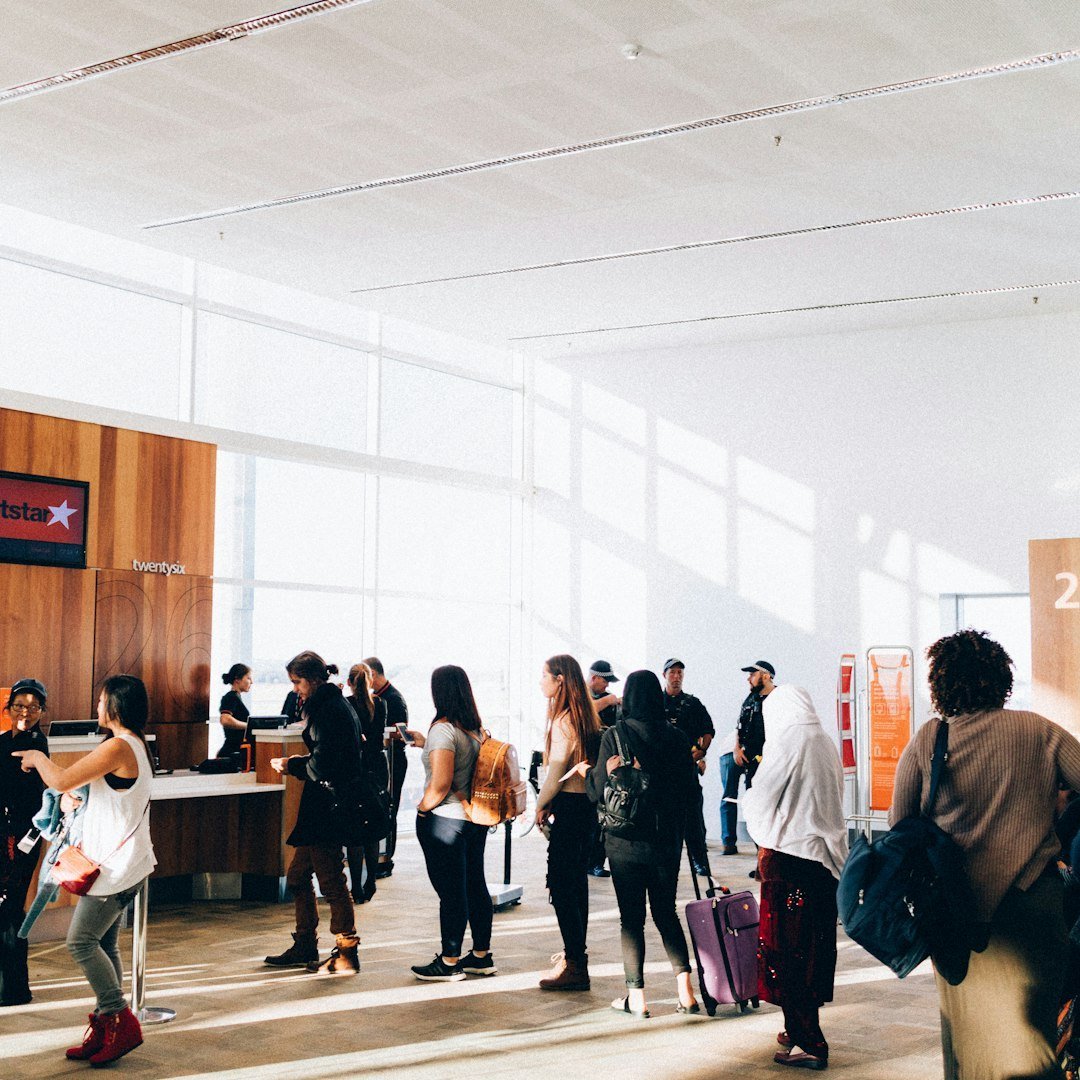
Here’s the thing. Everybody sees you. The gate agent sees you. The other passengers see you. When you hover around the boarding gate twenty minutes before your group is called, bag in hand, inching forward as if proximity to the door will somehow get you there faster, you are doing something that has earned its own unflattering nickname in aviation circles. The airline industry has coined the term “gate lice” for passengers who crowd around departure gates in terminals and try to jump ahead in the boarding queue.
In late 2024, American Airlines expanded new boarding technology to over 100 U.S. airports after successful trials – a system that produces an audible alert when someone tries to board early, aiming to reduce congestion and ensure a smoother boarding experience. Critics note that passengers who try to board out of order add to delays and frustrations, anxieties that can be amplified by complicated boarding hierarchies that can include half a dozen or more zones and groups. Simply sit down, relax, and board when your group is called. It’s a revolutionary concept, apparently.
3. Hogging Seats in the Departure Lounge With Your Stuff
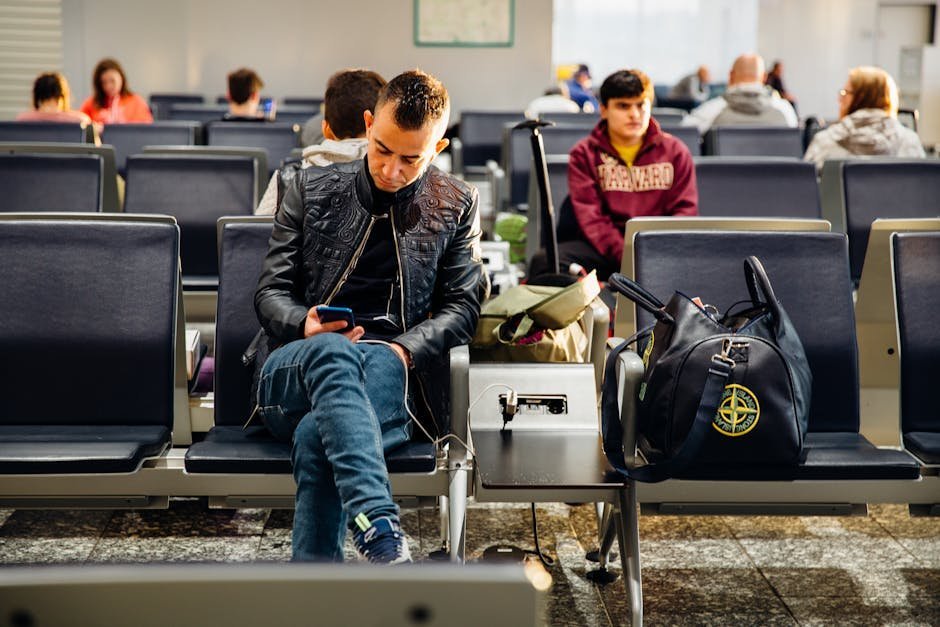
Airports can get extremely crowded, especially during peak travel hours. So when a passenger – and you know you’ve seen this – drapes their jacket over two seats, parks their rolling suitcase on a third, and sets their airport sandwich on a fourth, the math stops working for everybody around them. In a survey of U.S. travelers, roughly half of respondents admitted they had put their bags on seats in the airport terminal.
Surveys show that respondents often witness fellow travelers rushing up to crowd the boarding gate, as well as frequent instances of people saving seats with suitcases, parents allowing children to misbehave, and travelers standing still on the moving sidewalk. Think of the departure lounge like a subway car. You get one seat. Your bag does not get a seat. Your coat does not get a seat. Seasoned travelers know this instinctively. Amateurs, somehow, do not.
4. Not Having Documents Ready at the Right Moment
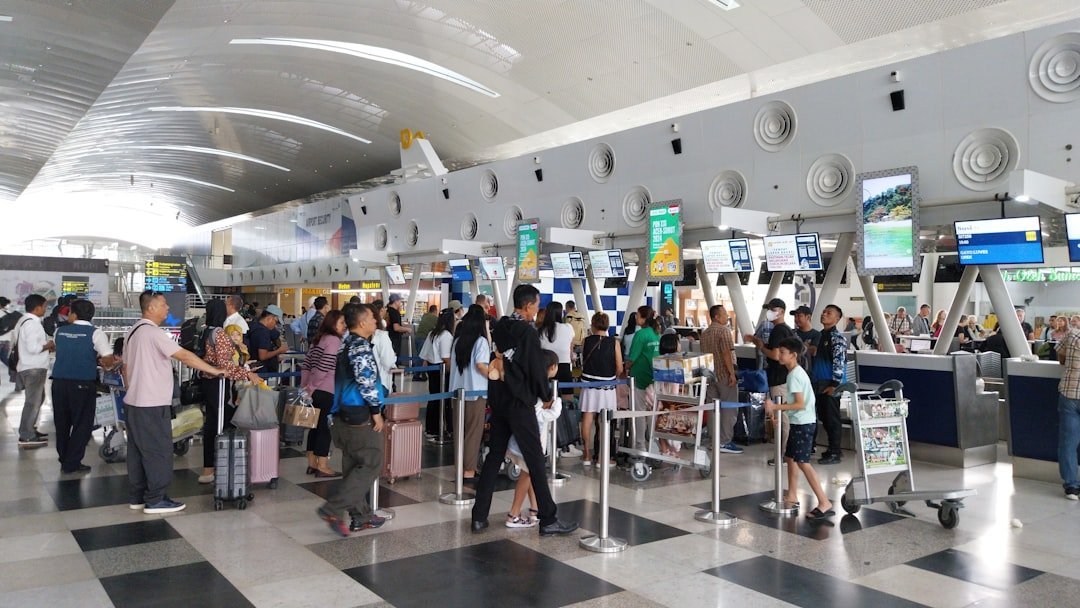
It takes maybe two seconds to pull out your passport or boarding pass. Two seconds. Yet somehow, at virtually every airport on earth, there are travelers who seem genuinely surprised that documents are required – fumbling through three different bags, checking six pockets, while a queue of increasingly irritated people extends behind them. Travelers who don’t have their passports open and ready when boarding are widely considered annoying – and, honestly, that’s putting it mildly.
This is especially problematic at the security checkpoint, where the whole experience is built around speed and flow. You are queuing at the check-in counter or airport security, you reach the front, and suddenly the traveler in front starts fishing around their bag, rooting through pockets, asking “Where is it?” – and for you, behind them, it feels like watching paint dry. Your boarding pass goes in your front pocket. Your passport goes in your jacket. Pick a system. Stick to it every single trip.
5. Playing Audio Without Headphones
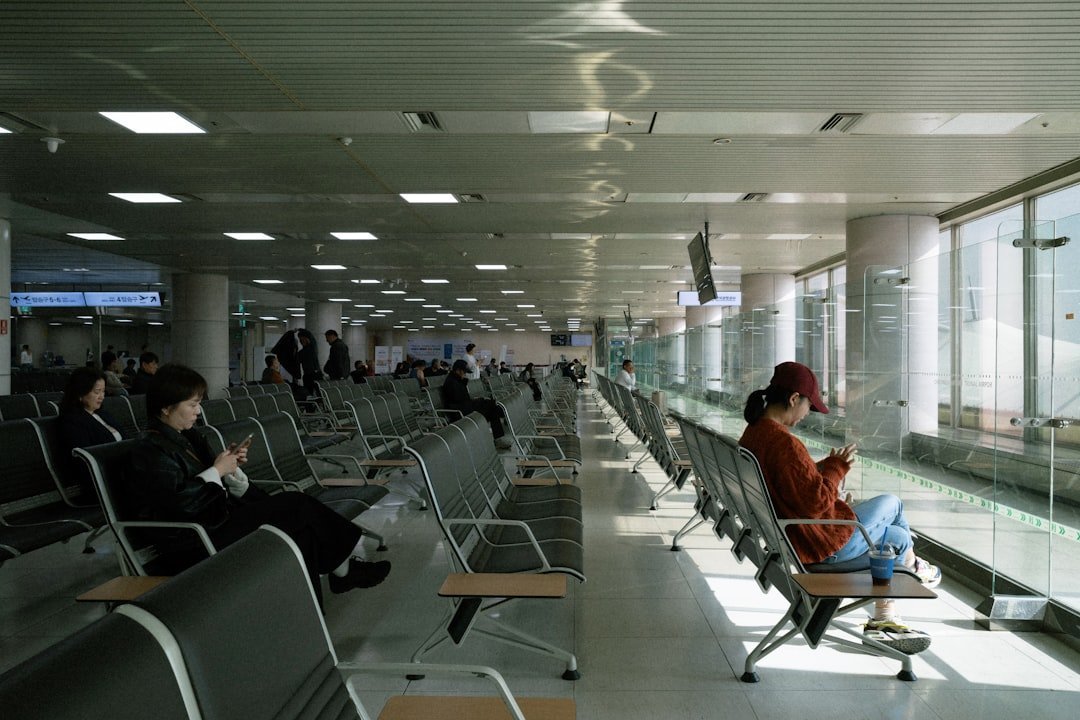
Loud, tinny audio blasting from a phone speaker in a departure lounge is a special kind of social crime. Whether it’s a video call, a YouTube video, or music, forcing everyone within earshot to share your entertainment choices is the behavior of someone who genuinely hasn’t considered that other people exist. Almost six in ten travelers across 18 international markets say they are annoyed by passengers who don’t use headphones while watching or listening to media.
The top pet peeves in airports mainly involve noise and chaos – loud music is the biggest offender, followed by kids running wild and fellow travelers who have had too much to drink at the airport bar. The airport is already noisy enough. The hum of engines, the constant PA system announcements, the general ambient roar of thousands of people moving through a terminal. Nobody asked to hear your video call. Pack headphones. Always.
6. Ignoring the Moving Walkway Etiquette
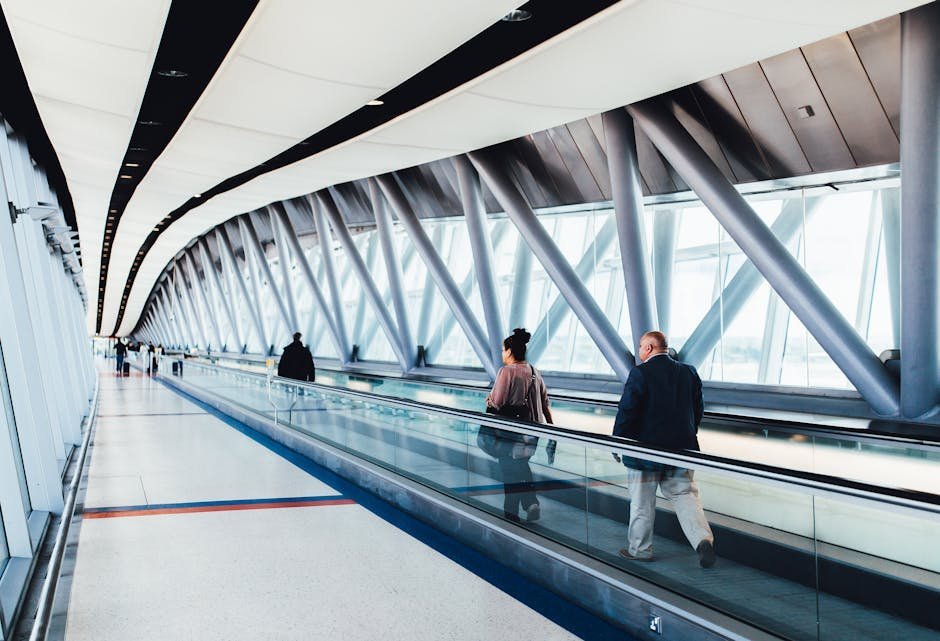
Moving walkways exist for one reason: to help people get somewhere faster. The unspoken rule of civilized airport travel is elegant in its simplicity – stand on the right, walk on the left. It mirrors escalator culture. It mirrors general flow management. It is not complicated. Yet, with almost clockwork regularity, someone will plant themselves directly in the center of the walkway and simply stop, as if they’ve been placed there to admire the terminal ceiling.
Some travelers apparently feel moving walkways were designed like a theme park ride, meant to be enjoyed arm-in-arm with shopping bags as they gawk at the exotic sights passing by at 1 mph – and standing to the side to make room for travelers with a plane to catch remains an unattainable skill for an aggravating number of passengers. The traveler with a connecting flight in 20 minutes who is sprinting behind you will not thank you. Step aside. Let the flow move.
7. Being Rude or Aggressive Toward Airport Staff

Delays happen. Cancellations happen. Gate changes happen. These are frustrating, genuinely so. However, taking that frustration out on the gate agent standing in front of you – who almost certainly did not personally reroute your flight – is both unfair and, increasingly, something with real consequences. Disruptive passenger incidents doubled in 2024 compared with 2019, while in-flight outbursts ranging from inappropriate behavior to physical attacks surged 400% by 2025.
Unruly behavior can affect your TSA PreCheck eligibility or land you on an internal no-fly list for an airline, and interfering with the duties of a crewmember violates federal law. The FAA can propose fines of up to $43,658 per violation for unruly passenger cases, and one incident can result in multiple violations. So beyond the obvious moral argument for basic human decency, there’s also a very practical financial and legal incentive. Be kind to airport staff. They’re doing a difficult job under enormous pressure.
8. Cramming an Oversized Carry-On Into the Overhead Bin
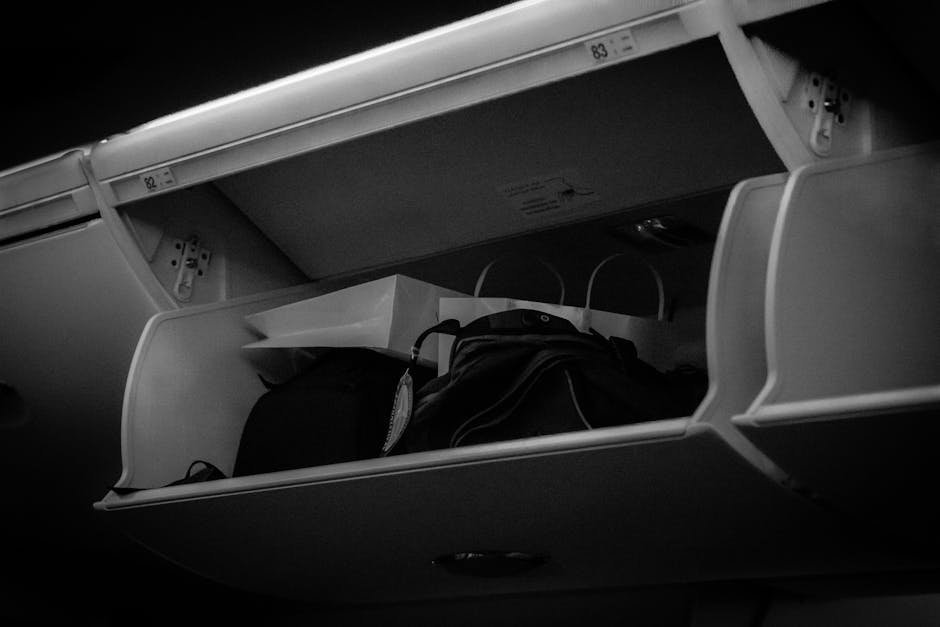
The overhead bin situation at airports has, honestly, reached a kind of low-grade social crisis. Passengers arrive at the gate with bags that are clearly too large, try to force them into compartments that were never designed to accommodate them, and then spend five agonizing minutes blocking the aisle while everyone else waits to sit down. Many passengers fail to consider that their actions – particularly rushing and struggling to fit oddly-shaped or oversized bags in the bins – can have a ripple effect on the entire boarding process.
Boarding can be up to roughly one fifth faster in situations where bags are placed strategically, creating a domino effect of quicker loading and faster movement through the gate area. Part of the problem is structural. Airlines have conditioned travelers to board as early as possible by monetizing checked luggage and failing to guarantee overhead space. Still, bringing a bag that is visibly too large for any known overhead bin, and then acting surprised when it doesn’t fit, is an amateur move no matter how you frame it. Measure your bag. Know the rules. Pack accordingly.
9. Taking Up Phone Conversations at Full Volume in Quiet Spaces

There are few things that expose a newcomer to airport travel quite like the full-volume personal phone call conducted in the middle of a crowded terminal. It’s not just an inconvenience – it’s an invasion. People forget they are in a shared, quiet-ish space – you will overhear loud personal conversations, arguments, and endless phone calls echoing across the terminal. Many airports now have designated phone zones and quiet areas precisely because this behavior became so widespread.
Honestly, I think most people doing this genuinely don’t realize how far their voice carries in a large, acoustically live space like a terminal. The ceiling acts like a sound reflector, and what feels like a normal speaking volume to you can sound startlingly loud three rows of seats away. The proportion of respondents who find loud and noisy behavior from passengers above the age of four to be unacceptable is nearly twice the proportion of those who object to crying babies. Step aside. Lower your voice. Or better yet, use a quiet corner.
10. Completely Ignoring Airport Announcements
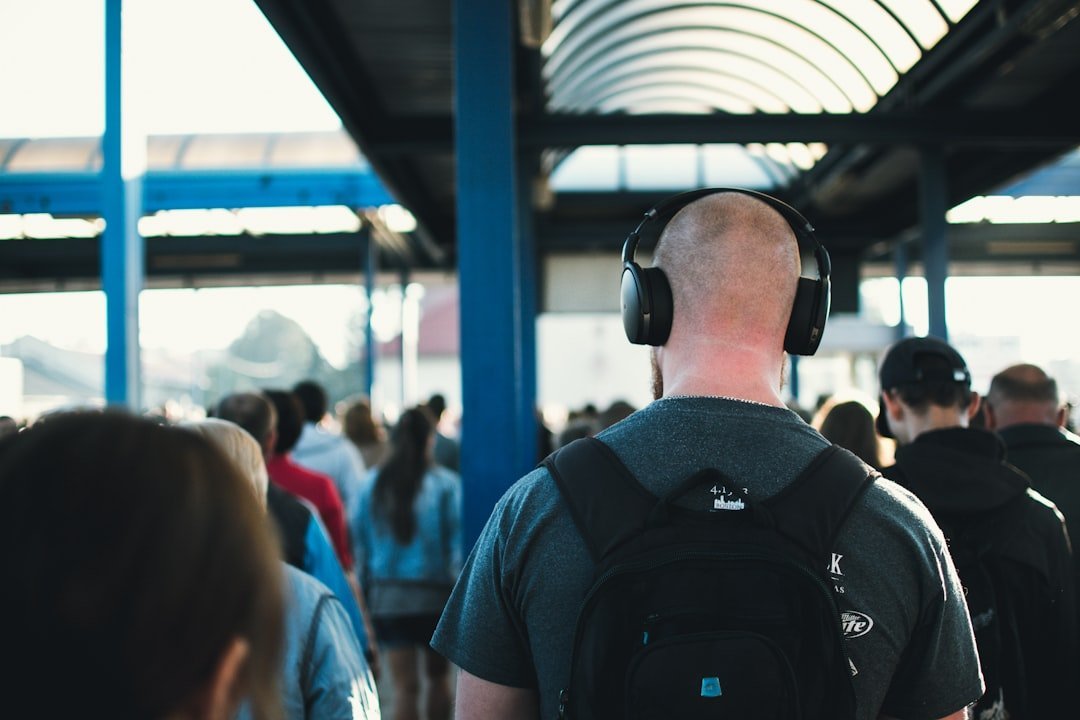
Gate changes. Final boarding calls. Security alerts. Airports communicate through their PA systems for very specific and important reasons. Yet it is remarkably common to see passengers sitting with headphones cranked up, deep in a movie or a podcast, blissfully unaware that their gate has changed to the other end of the terminal – and that final boarding was called seven minutes ago. Whether it is the call for final boarding, gate changes, or airport security instructions, ignoring them can get you into trouble or cause delays, and some will continue browsing shops obliviously until their flight leaves.
Here’s the thing about modern travel – airports are dynamic environments. Things change at the last minute, constantly. A large majority of those surveyed – roughly four in five – feel that airline etiquette has declined in recent years. Part of that decline involves a growing sense among passengers that the airport experience is something that happens to them rather than something they participate in. Stay aware, keep one ear open to announcements, and check the departure board periodically. It’s not complicated. It’s just common sense – and apparently, it isn’t that common.