
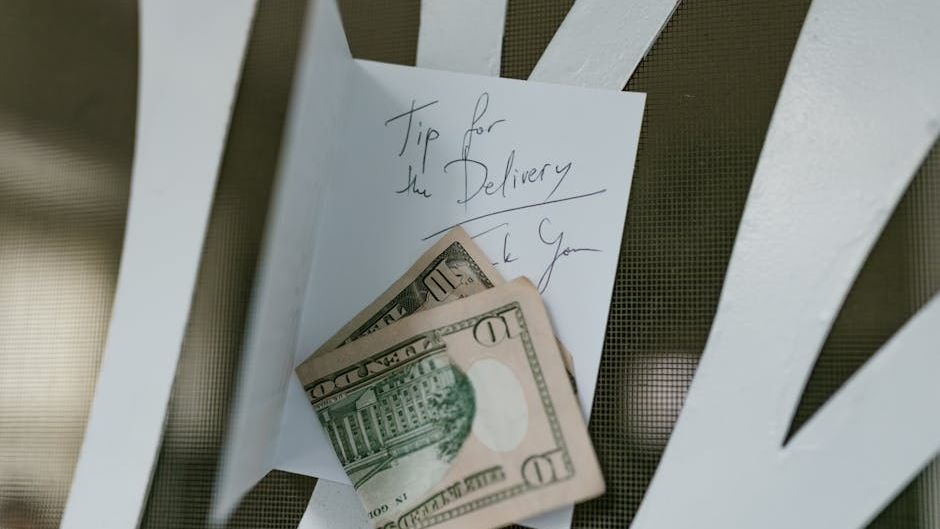
Most Americans grew up with a very clear idea of how tipping works: you leave roughly a fifth of the bill, every single time, no questions asked. It’s practically second nature. The problem? Step off a plane in Tokyo, Copenhagen, or even Paris, and that same instinct can get you into surprisingly awkward territory.
Tipping is one of those things that seems simple until it suddenly, really isn’t. What reads as generous in New York can feel insulting in Kyoto, confusing in Stockholm, or downright ostentatious in parts of Southern Europe. Survey respondents admitted that tipping inappropriately was a top 10 mistake they made while traveling internationally. That’s a telling statistic, and honestly, not that surprising. Let’s dive into what Americans keep getting wrong, and why good intentions don’t always translate into good manners abroad.
1. Tipping in Countries Where It’s Considered Rude
This is probably the biggest one, and it still catches people off guard. Here’s something that surprises many Americans: in some countries, tipping is actually insulting. In Japan, leaving money on the table suggests the server needs charity or that their employer doesn’t pay them properly. That’s a completely different meaning attached to the same gesture.
In places like Japan and South Korea, tipping is historically not practiced and can even be seen as rude. The logic is that good service is expected as part of pride in one’s work – offering extra money might imply the worker is not paid enough or needs incentive to do their job, which could be taken as an insult.
In Japan, servers have reportedly chased tourists down the street to return “forgotten money,” viewing tips as suggesting they can’t earn proper wages. The cultural logic there is completely sound, even if it feels foreign to American travelers. Japanese people see tipping as insulting. The Tip Project, a plan to normalize tipping in Japan in 2021, was met with severe backlash from locals who deemed the practice “un-Japanese,” and the project was abandoned in early 2023.
2. Applying the 20% Rule Everywhere in the World
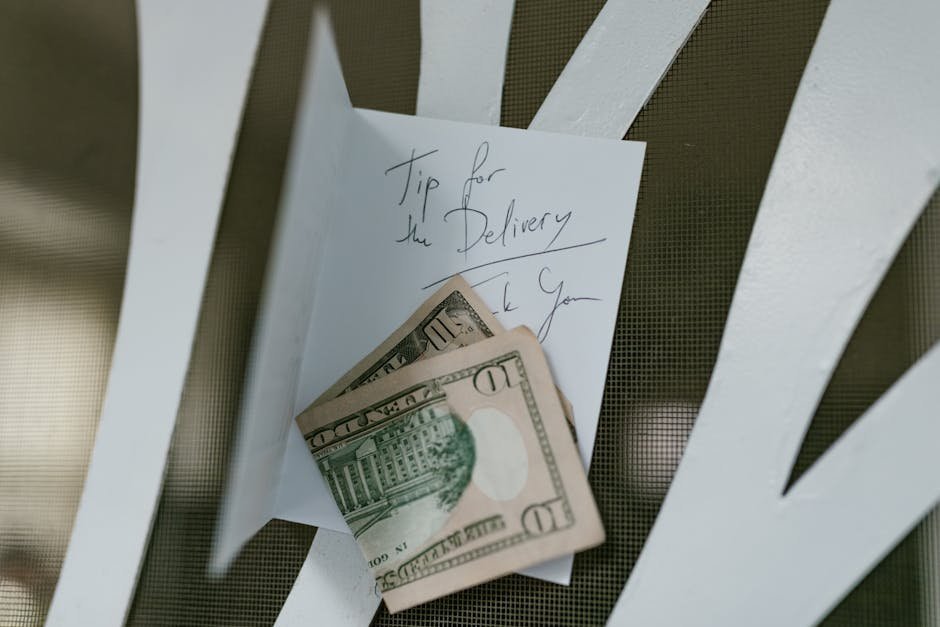
While customs vary by region, “the U.S. is the most tip-happy country,” according to Michael Lynn, a professor of consumer behavior and marketing at the Cornell University School of Hotel Administration. Americans carry that habit everywhere, whether it’s appropriate or not.
Tipping culture in Europe is more relaxed than in the United States, so there’s a lot less pressure to know all the rules. Whether you’re tipping in Spain, France, or one of the other 44 European countries, it’s seen as nice but not always necessary. Dropping a full twenty percent on a café table in Amsterdam or Berlin can raise eyebrows rather than warm hearts.
The big difference is that Europeans generally see tipping as a bonus for exceptional service, whereas Americans see it as part of the payment. That’s rooted in wage differences and history. Think of it this way: in most of Europe, a tip is like a gold star for extra effort, not the baseline grade every server expects just for showing up.
3. Not Checking If a Service Charge Is Already Included
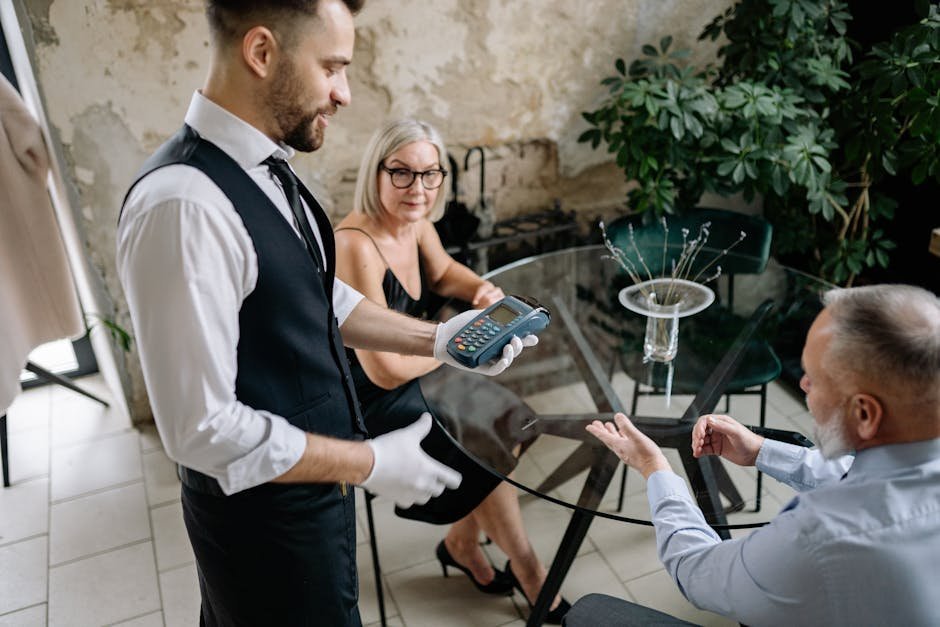
This one quietly costs travelers real money and causes real embarrassment. In many European countries, service charges are often included in the bill at restaurants, cafés, and bars. This means that tipping may not be necessary or expected, especially if the service charge is clearly stated on the bill.
Paris is a cautionary example. It’s common in France that service at fifteen percent is included in the menu prices or bill, so many locals don’t add anything extra beyond perhaps leaving small change. American tourists often still tip extra out of habit. That’s essentially paying twice for the same thing, which nobody really needs to do.
Some tourist areas in Italy will add a coperto, meaning a “cover charge,” to the bill, but this gratuity isn’t always shared with the staff. So if you do wish to tip in Italy, leave cash to make sure the server actually receives it. Skipping that detail means your well-meaning gesture may never reach the person it was intended for.
4. Tipping in the Wrong Currency or the Wrong Amount

Americans love using dollars abroad. It feels familiar and easy. When traveling to countries with different currencies, be mindful of how much you’re tipping. A generous tip in one currency might not translate to the same amount in another. What seems like a decent tip at a glance could be worth almost nothing once converted.
Leaving tips in cash in the local currency is the clearest, most respectful approach. Handing over a wad of small dollar bills in, say, Prague or Bangkok may be accepted, but it creates an unnecessary burden for the recipient. They have to find somewhere to exchange it, often losing a percentage in the process.
It’s also worth remembering that tipping amounts vary drastically even within regions. Around 66 countries welcome a ten percent tip. Knowing whether you’re in a “round up” country versus a “full percentage” country makes all the difference between fitting in and standing out for the wrong reasons.
5. Tipping in Countries With Strong “No-Tipping” Wage Structures

Let’s be real: not all service workers around the world depend on tips to survive. In countries with no tipping, service workers rely on higher base wages, easing the financial burden on consumers. In the Czech Republic, for example, waiters are paid enough, so tips are a bonus, not a necessity.
Iceland is the big exception to that rule. It has a firm no-tipping culture, and restaurant staff are well paid. In fact, you likely won’t even see a line for a tip on the credit card bill. Trying to force a tip in such a setting can come across as patronizing, as if you’re assuming the country’s workers are underpaid.
In Oceania, for the most part tips aren’t expected, but if you feel like adding a little bit extra to your bill, it is generally under ten percent. In Australia and New Zealand, service workers are paid a living wage, so they don’t depend on tips, but they will likely accept one if you offer it. A tip there is a nice gesture, not an economic lifeline. That context changes everything.
6. Tipping Publicly or Loudly in the Wrong Cultural Setting

The way you give a tip matters just as much as whether you give one at all. In parts of Europe, aggressive tipping can come across as showing off your wealth. Placing a dramatic pile of bills on the table while announcing your generosity is, honestly, the fast track to looking like a caricature of the “ugly American” traveler.
Hand money to people, when possible, rather than leaving it on a table or going through a third party. That small difference in delivery signals discretion and cultural awareness. In Japan, if a tip is ever given in special circumstances, there is a set of traditions and customs regarding giving money as a gift, so tipping may cause confusion or be considered rude if the money is given without being placed in a special gift envelope first.
The lesson here is simple but easy to overlook. Even in countries where a small tip is acceptable, the manner of giving says more about you than the amount. Quiet, direct, and unobtrusive is almost always the right approach in any culture that isn’t America.
7. Assuming Tourist Areas Reflect the Real Local Tipping Culture

Here’s a trap that catches even seasoned travelers. Restaurants and bars near major tourist attractions have started adapting their tipping prompts specifically for American visitors. In recent years, more and more restaurant checks in Europe have “TIP NOT INCLUDED” stamped in English. One high-end tourist-trap restaurant in Dubrovnik featured a handheld terminal with a tipping screen with preset values of ten, fifteen, and twenty percent. That’s designed for you, not for locals.
Places that cater to tourists have grown to expect an American-style tip of fifteen percent or more. But that expectation is artificial. It’s a reflection of where you chose to eat, not a reflection of what that country’s culture actually values or practices.
For Americans traveling abroad, researching local tipping customs prevents both overtipping, which can create unsustainable expectations, and undertipping, which can appear disrespectful. The tourist bubble is real, and it distorts everything, including what a “normal” tip looks like in any given place.
8. Not Researching Tipping Norms Before Arriving
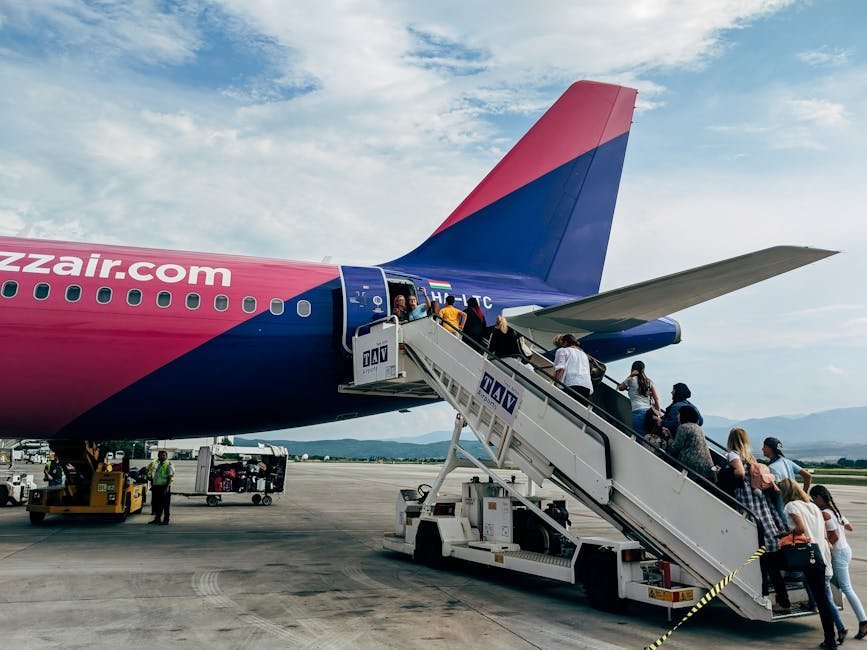
It’s no wonder that thirty-five percent of survey respondents are worried about tipping appropriately while traveling. Anxiety is understandable, but the fix is genuinely simple. A bit of homework before you board the plane goes an extremely long way.
There are 48 countries in Asia, and their views on tips vary widely. Chinese tipping culture isn’t the same as tipping in Japan, which is totally different from tipping in Thailand. The best rule of thumb is to look up the guide for the specific Asian country you’re traveling to. That applies to every region on the planet, honestly. Broad assumptions are where most mistakes begin.
Understanding and respecting the local tipping customs is crucial for fostering positive interactions with service workers during travels. Tipping can be a sensitive subject, and what may be considered generous in one culture could be seen as presumptuous in another. It costs nothing to look it up, and it can save you from unintentionally offending someone who takes genuine pride in their work. What would you have guessed before reading this? Share your thoughts in the comments.