

We all think we’re perfectly well-behaved grocery shoppers. You grab your cart, navigate the aisles, check out, and head home. Simple, right? Except – honestly – there are a handful of deeply ingrained habits that the people on the other side of that register quietly dread. Every single shift. Every single day.
The average American visits the grocery store once every 4.7 days and spends about 46 minutes shopping. That’s a lot of time, a lot of transactions, and frankly, a lot of opportunities for things to go sideways at checkout. So let’s get into the habits that cashiers wish they could post a sign about. You might recognize yourself in a few of these.
1. Cramming a Full Cart Into the Express Lane
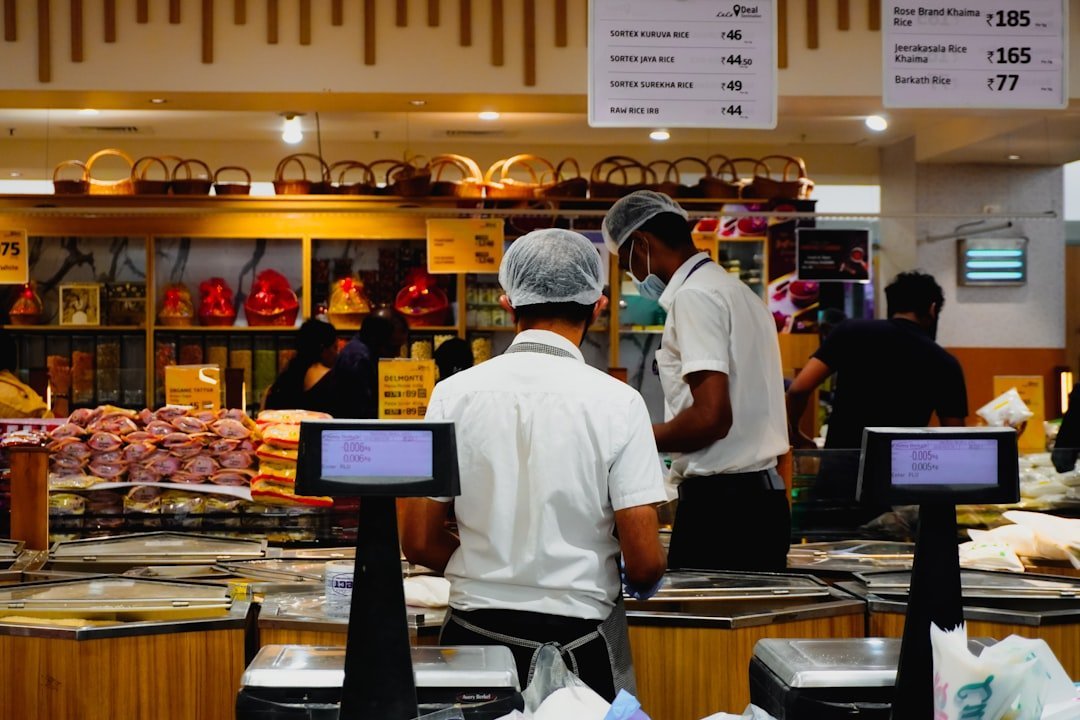
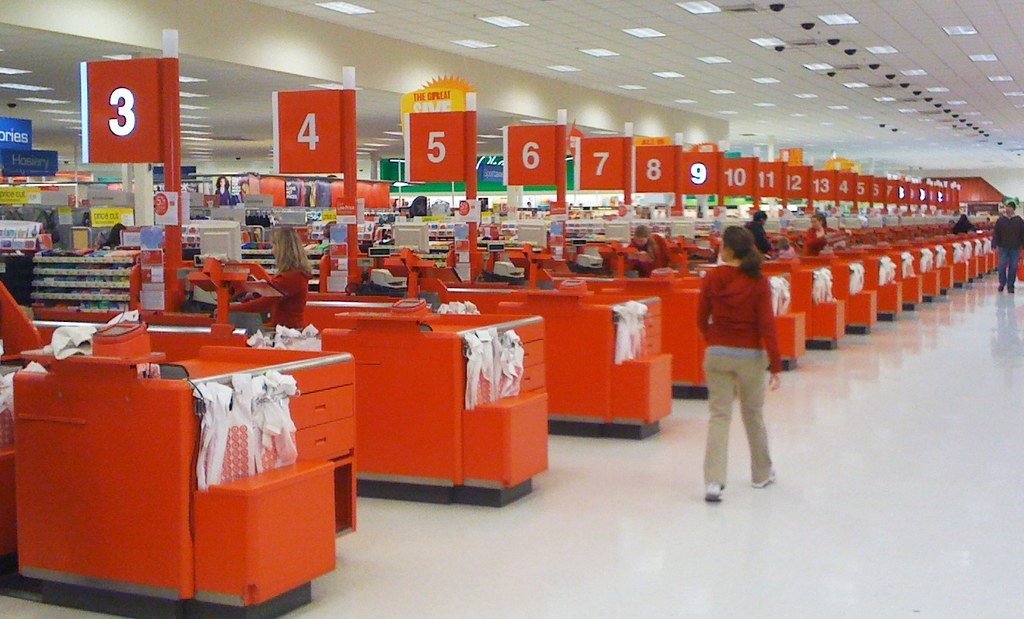
That express lane with the “10 items or less” sign isn’t just a suggestion. When you roll up with a cart full of groceries in the express lane, you’re not just bending the rules – you’re creating a bottleneck that affects everyone behind you. Express lanes are designed for quick transactions, allowing people with just a few items to get in and out quickly.
Cashiers consistently rank this as one of their top frustrations. According to etiquette experts, sticking to the posted limits is basic checkout courtesy. The limit typically ranges from 6 to 15 items depending on the store.
Coming through with 25+ items? That’s definitely crossing a line that makes both cashiers and fellow shoppers silently fume. Think of it like being the person in an HOV lane with one passenger. Technically close. Practically infuriating.
2. Being Glued to Your Phone During Checkout
Talking on your phone during checkout is not just annoying to other shoppers – it’s also rude to the person trying to serve you. It’s not OK to ignore the cashier when they are trying to help you. This can make them feel bad, but it can also take them longer to check you out if they need to ask you a question and can’t get your attention.
Unless it’s an emergency, phone conversations can wait. Whenever a customer is on their phone during checkout, the process takes so much longer. Either they’re not paying attention when it’s time to pay, or they want to change something about their order after they’ve been rung up and the cashier has to start the whole process over again.
A recent survey found that excessive or disruptive cellphone usage ranks high on the list of behaviors that both store employees and other customers find frustrating. If you must take a call, most cashiers suggest stepping aside briefly or asking the caller to hold for a moment while you complete your transaction. This simple courtesy acknowledges the cashier as a person, not just a scanning machine.
3. Waiting Until the Last Second to Get Your Payment Ready
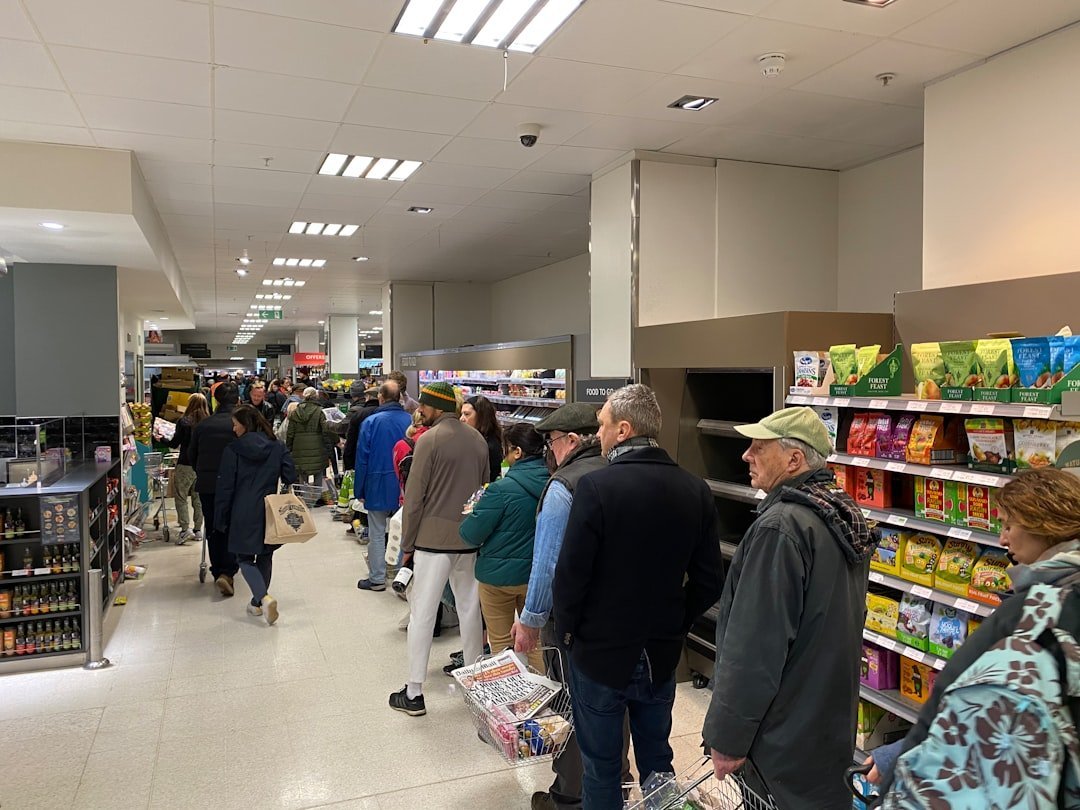
We’ve all been stuck behind someone who acts surprised when it’s time to pay, as if the total appearing wasn’t the expected conclusion of scanning all their items. Waiting until everything is scanned to start digging through your purse or wallet for payment slows down the entire process.
Reddit users and grocery store employees agree on this one. The cashier is scanning your stuff, bagging the items, totals the bill, and tells the “Oblivious One.” Then comes five minutes of searching for a credit card, a shopper loyalty card, or that one coupon that’s probably expired but they want to use anyway. These people always frustrate cashiers the most because there is no excuse. While you are waiting for your items to be rung up, you can get all of these things taken care of.
It’s like waiting in a drive-through and then deciding to look at the menu only after you pull up to the window. Every time.
4. Dropping Cash or Cards on the Counter Instead of Handing Them Over

When a cashier extends their hand and a customer drops money onto the belt instead of simply placing it in their outstretched palm, employees almost universally interpret it as pretty dismissive. It may seem like an insignificant exchange, a small gesture that means nothing. But from the copious amounts of times it is mentioned as a sticking point online, this one clearly carries weight.
Cashiers appreciate eye contact and a simple handoff. What they don’t appreciate is when you dramatically toss your cash, card, or coupons onto the counter like you’re dealing cards at a casino. It comes across as dismissive and disrespectful, even if that wasn’t your intention. A simple hand-to-hand exchange creates a human connection and keeps your money from sliding under the register.
5. Abandoning Items in the Wrong Aisle
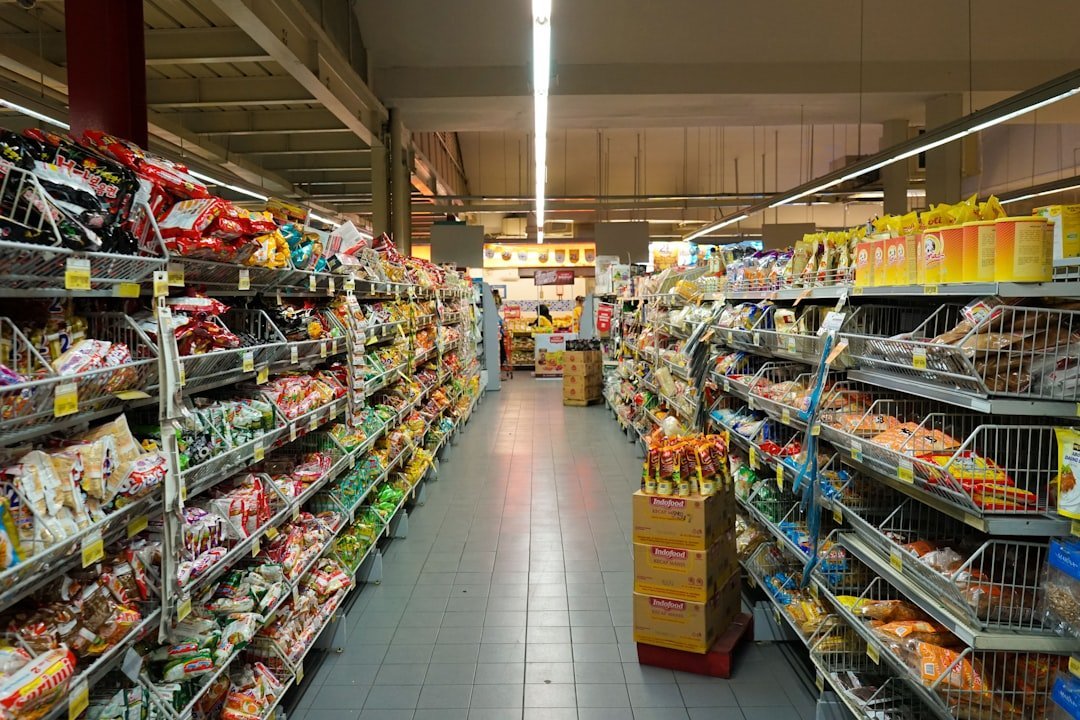
You might not think it’s a big deal to leave that box of cereal in the baking aisle when you decide you don’t actually need it. But it’s inconsiderate to the employees who will have to put it away later on. One Reddit user who worked in a grocery store said, “Especially if it’s chilled or frozen food!” – which becomes a waste issue on top of an inconvenience.
Cashiers have seen frozen chicken left in the cereal aisle and milk sitting next to potato chips. Not only does this create extra work for employees, but it can also ruin perishable items entirely. There’s a special kind of judgment reserved for the person who abandons ice cream in the cleaning supplies section.
Here’s the thing – just hand it to a cashier or flag down an employee. Takes five seconds. Saves everyone from a mess.
6. Complaining About Prices to the Cashier

Maybe you’re just venting about the cost of living these days, but please don’t complain about the store’s prices to the cashiers. It’s one thing to make conversation, and it’s another to be belligerent about the cost of your shopping trip. As one cashier put it: “You are the one shopping; if you don’t like the prices, then don’t shop here.”
When an item doesn’t scan at the price you expected or a coupon doesn’t work, it’s natural to feel frustrated. Directing that frustration at the cashier rarely helps and often makes their day worse. Cashiers don’t set prices, decide store policies, or control inventory. When you complain to them about these issues, you’re shooting the messenger.
Many cashiers report that customers becoming angry about factors beyond their control is one of the most stressful parts of their job. Grocery workers deal with hundreds of customers a day. Being the tenth person to complain about egg prices doesn’t make you unique – it just makes you exhausting.
7. Using Expired Coupons and Arguing About It

Rules on coupons may vary from store to store, but most don’t accept expired coupons – that date is there for a reason. “Happy to honor current coupons, but the store I work at doesn’t allow for any that are expired,” says one cashier. “I’ve had so many shoppers try to argue their way into having me accept it anyway. I can’t. I’m just doing my job.” Cashiers don’t set the sales tax either, so do not ask them if there’s a workaround.
Honestly, using a coupon that expired three months ago and then arguing about it is a bit like insisting your gym membership is still valid after you cancelled it. The cashier didn’t write the expiration date. They just work there.
8. Blocking the Aisles and Creating Traffic Jams

Some people like to take a leisurely stroll through the grocery store with their giant overloaded carts while playing on their phones. These folks seem oblivious to other shoppers trying to get around them to complete their own shopping. Redditors expressed frustration at these folks, with one saying it’s even more annoying “when they bring their whole family and walk side by side down the aisle.”
One common complaint: “I hate it when people are standing in the middle of the aisle having a full-length meeting and not moving.” Instead, if you meet a friend while shopping, consider catching up at the end of the aisle or just agree to catch each other later on.
Most people view shopping for everyday necessities as a chore – often looking to get in, get what they need, and get out – without any added stress. Lifestyle and etiquette expert Elaine Swann says having a pleasant shopping experience comes down to respect. Simple as that.
9. Bringing a Filthy Reusable Bag

Reusable bags are really trending right now. Grocery store employees salute customers who use them – until you roll up to the register with a reusable bag that no human should ever have to touch. That shopping tote may be environmentally friendly, but you also have a responsibility to your local grocery store baggers to not make them sick. Baggers despise the dirty, stinky reusable satchel scenario because they are required to handle whatever is handed to them.
Employees describe smelly, sour, moldy, or worse bags that go beyond just the need of a slight airing out. Honestly, it takes two minutes to toss a reusable bag in the washing machine. Your cashier will appreciate it more than you know.
10. Paying With a Massive Pile of Loose Coins

Several cashiers expressed frustration with customers paying in coins. Coins are indeed legal currency, but maybe count them out before it’s your turn to pay – and leave your penny collection at home.
Slow checkout is a real and measurable frustration in the grocery world. According to Progressive Grocer’s 2025 Consumer Expenditures Study, roughly one in seven shoppers cite checkout being too slow and a need for better-trained cashiers as a top complaint. Dumping a handful of mixed coins into someone’s open palm at a packed checkout line at 5 p.m. on a Friday does not help that cause. At all.
Think about it from the cashier’s perspective: they’ve scanned hundreds of items, handled dozens of awkward interactions, and stood on their feet for hours. A loose coin avalanche right at the end of a transaction is the cherry on top of a very long day.
Conclusion: It’s Really Not That Complicated
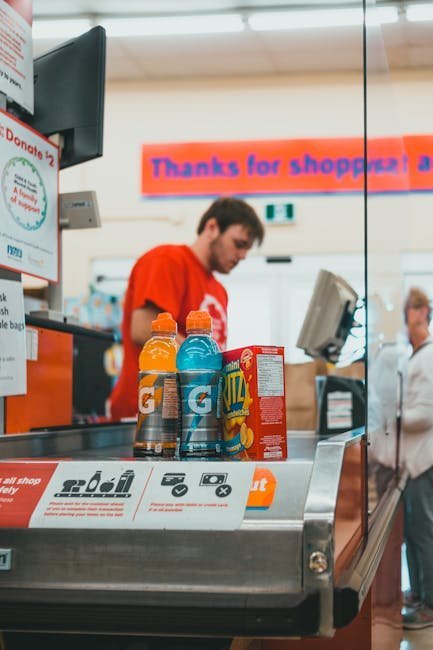
Here’s the bottom line. Cashiers are so important, yet they often don’t get the recognition and respect they deserve. From long hours on their feet to interacting with potentially rude customers, they navigate a great deal during their day-to-day behind the register. It’s important to make sure you’re not making a cashier’s life more difficult, even if you’re doing so unintentionally.
Most of these habits aren’t malicious. They’re just mindless. A bit of awareness goes a long, long way. Put down the phone. Have your card ready. Return that frozen chicken to the freezer section. These are small things, almost laughably small. Yet they add up into either a smooth, pleasant experience for everyone – or a shift from a very long day in retail hell.
Lifestyle and etiquette expert Elaine Swann says having a pleasant shopping experience comes down to respect. “Approach the grocery store just like any community. You should always exercise thoughtfulness towards others.” The key, she says, is being aware of how your behavior affects those around you.
So next time you’re rolling your cart toward checkout, take a quick moment to ask yourself: am I being the shopper I’d want to stand behind? What would you have guessed was the single most common complaint? Drop your thoughts in the comments – the cashiers of the world are quietly cheering you on.