
The clock is ticking for some of the world’s greatest wonders.
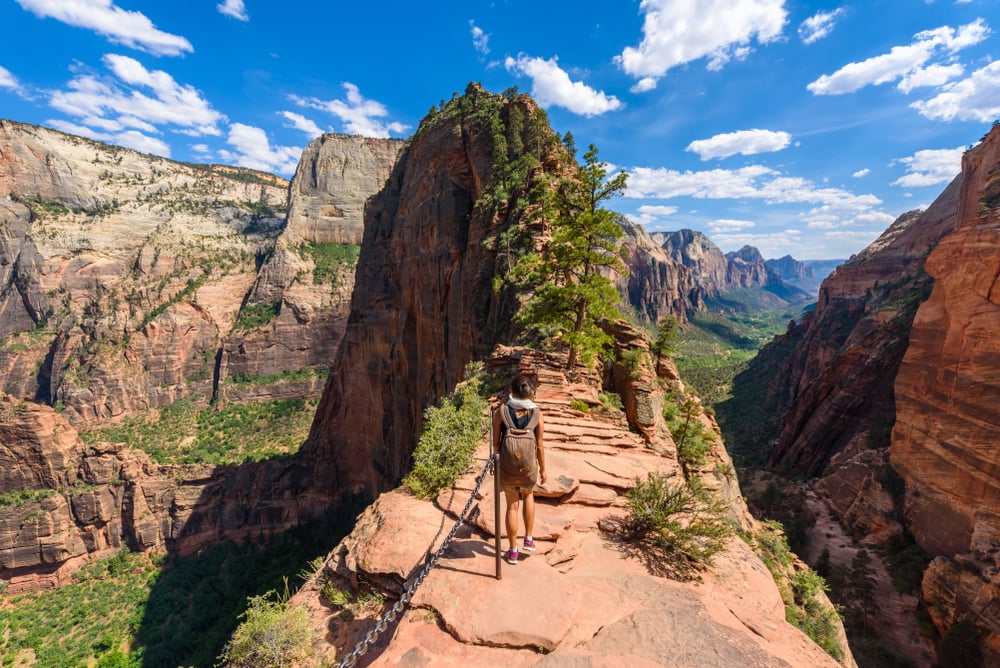
The world is full of breathtaking places that feel timeless and eternal, but a fragile combination of climate change, environmental degradation, and human pressure is putting many of them at imminent risk. A new and somber form of tourism, often called “last-chance travel,” is on the rise as people rush to see these endangered wonders before they are altered forever or disappear completely.
These are the destinations where the window of opportunity to see them in their current, magnificent state is rapidly closing.
1. The Great Barrier Reef in Australia is facing a bleaching crisis.
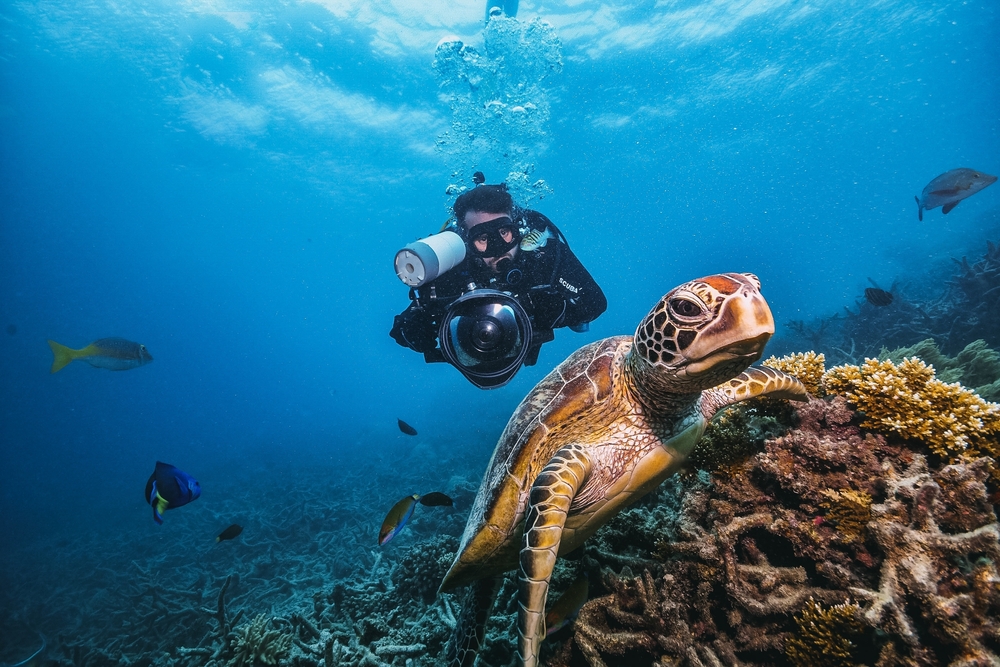
The world’s largest living structure, the Great Barrier Reef is a kaleidoscope of vibrant color and biodiversity that is so vast it can be seen from space. This incredible ecosystem, however, is in a fight for its life. Rising ocean temperatures, driven by climate change, have caused a series of catastrophic mass bleaching events in recent years, as mentioned at Rough Guides. When the water gets too warm, the corals expel their life-giving algae, turning a ghostly white.
While some corals can recover if temperatures cool, repeated and prolonged bleaching events can be a death sentence. Scientists warn that the reef as we know it may not survive the coming decades. A visit today is a chance to see its breathtaking beauty, but also a sobering look at a wonder in peril.
2. The glaciers of Glacier National Park in Montana are rapidly vanishing.
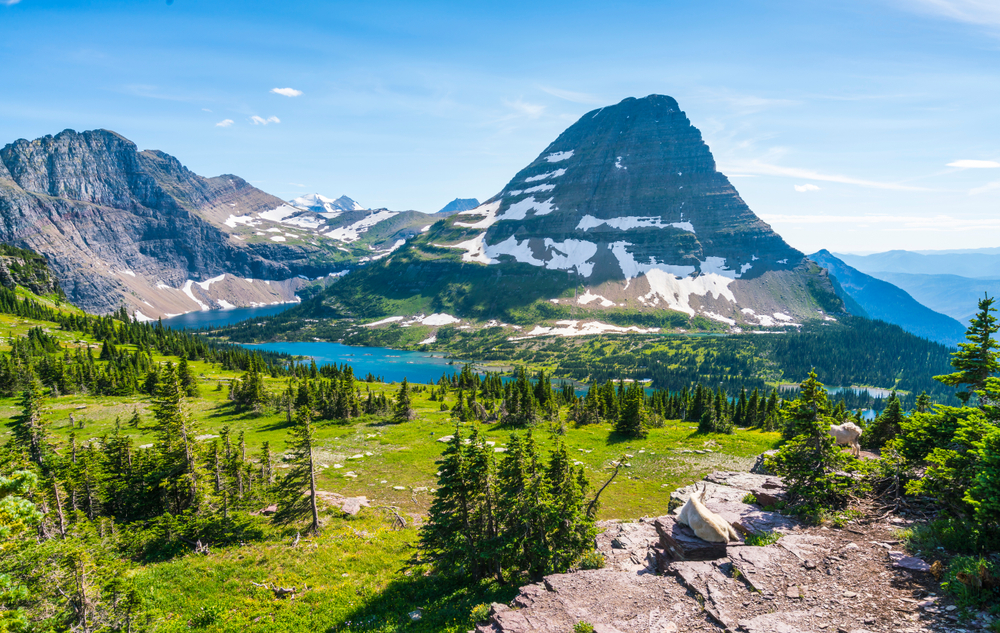
The name of this majestic park in Montana may soon become a historical footnote. At the time of its founding, the park was home to over 150 glaciers, but as of 2025, fewer than 25 active glaciers remain. Climate change is causing them to melt at an unprecedented and accelerating rate, and scientists predict that most, if not all, could be gone in the next few decades.
The disappearance of the glaciers is not just a cosmetic change; it will have a profound impact on the entire ecosystem, affecting water temperatures and the species that depend on the cold meltwater, The Independent reports. A visit now is a last chance to see these magnificent rivers of ice before they become just a memory.
3. Venice, Italy is sinking faster than ever.

The enchanting city of Venice has been battling the sea for its entire existence, but it is a battle it is slowly losing. A combination of the city’s natural land subsidence and accelerating sea-level rise is causing more frequent and severe flooding events, known as “acqua alta.” The city’s historic squares and the ground floors of its ancient basilicas are now underwater on a regular basis.
The constant exposure to saltwater is corroding the foundations of its priceless architecture. While massive floodgates offer some protection, they are a temporary solution to a permanent problem. The Venice of the future will be a city constantly under siege by the water, and the experience of visiting it is being irrevocably altered, according to Hostelworld.
4. The Maldives is the world’s lowest-lying nation.
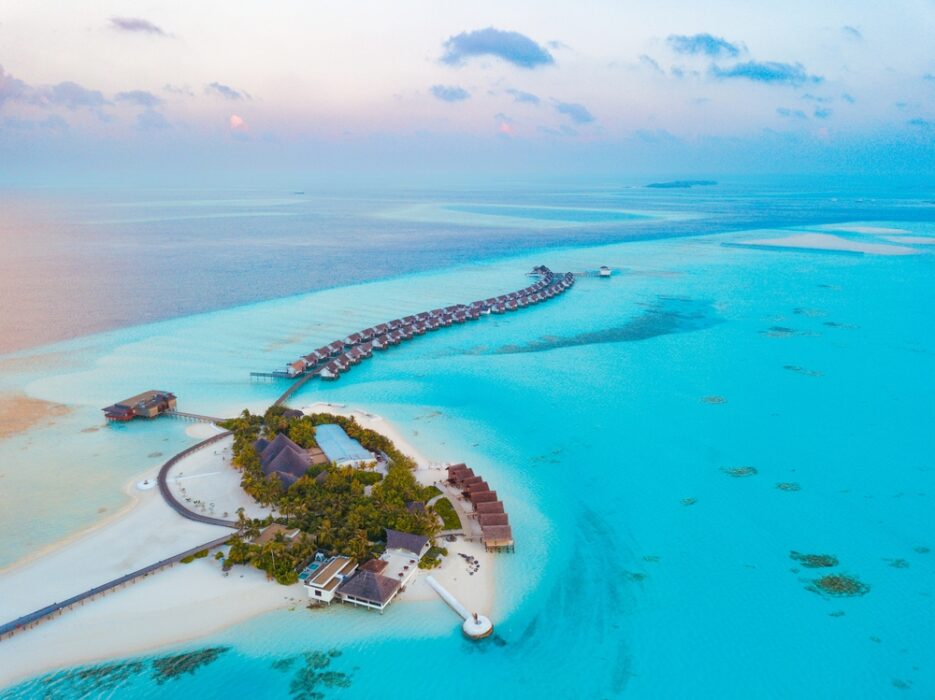
The island paradise of the Maldives, with its idyllic overwater bungalows and pristine white sand beaches, is facing an existential threat from rising sea levels. With an average elevation of just 1.5 meters, it is the lowest-lying country on earth. The rising Indian Ocean is already causing severe coastal erosion that is washing away beaches and threatening the islands’ limited freshwater sources.
The nation’s government is taking drastic measures, including building higher artificial islands, but the long-term prognosis is grim. It is possible that large parts of the country could be uninhabitable by the end of the century, making a visit today a chance to see a nation in a desperate race against the tide.
5. The Amazon Rainforest is being cut down at an alarming rate.
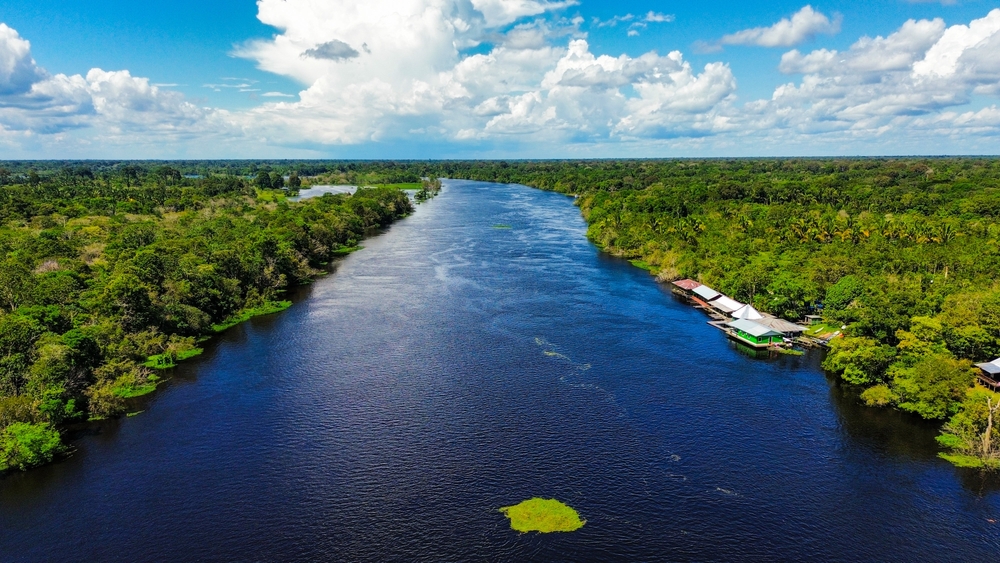
The Amazon Rainforest, the “lungs of the planet,” is being destroyed at a catastrophic rate. Massive swathes of the forest are being illegally clear-cut and burned every single day to make way for cattle ranching, soybean farms, and logging operations. This deforestation is not only destroying the most biodiverse ecosystem on Earth but is also a major driver of global climate change.
Scientists warn that the rainforest is approaching a dangerous tipping point, beyond which it may not be able to recover, turning much of it into a dry savanna. A visit now is a chance to experience its incredible biodiversity before more of it is lost forever.
6. The Dead Sea is shrinking before our eyes.
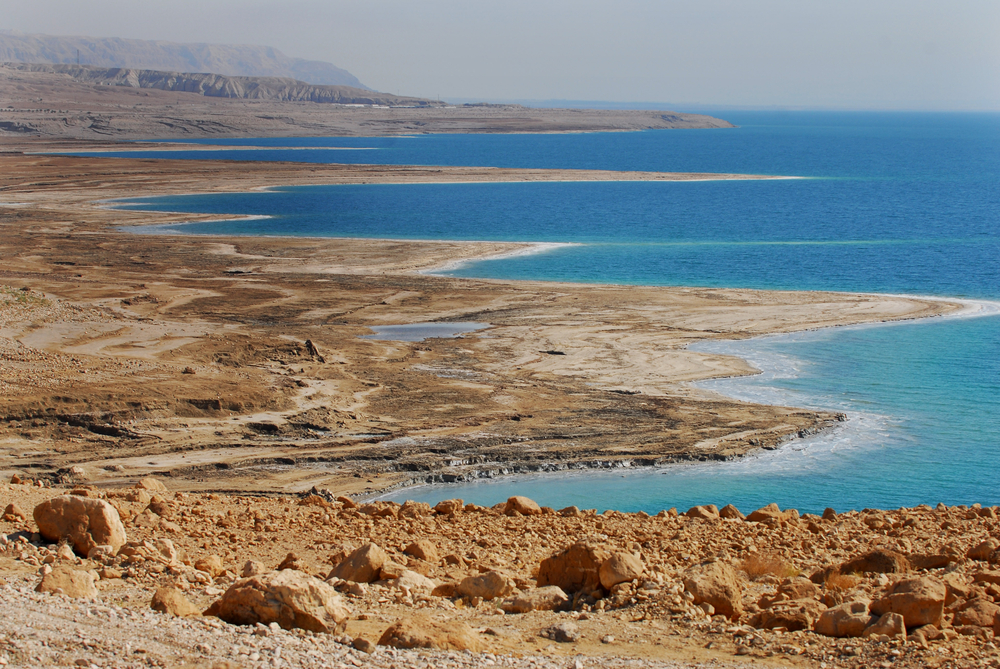
The famous, hyper-saline lake that allows you to float effortlessly on its surface is disappearing at an alarming rate. The Dead Sea is shrinking by more than three feet every single year. The primary cause is the diversion of water from its main source, the Jordan River, for agricultural and industrial use by the surrounding countries.
This has created a bizarre and dramatic landscape where former seaside resorts and beaches are now located more than a mile from the water’s edge. The sinkholes that are appearing along its receding shoreline are another dangerous side effect. The Dead Sea as we know it is vanishing, a victim of the region’s water crisis.
7. The iconic glaciers of the European Alps are melting away.
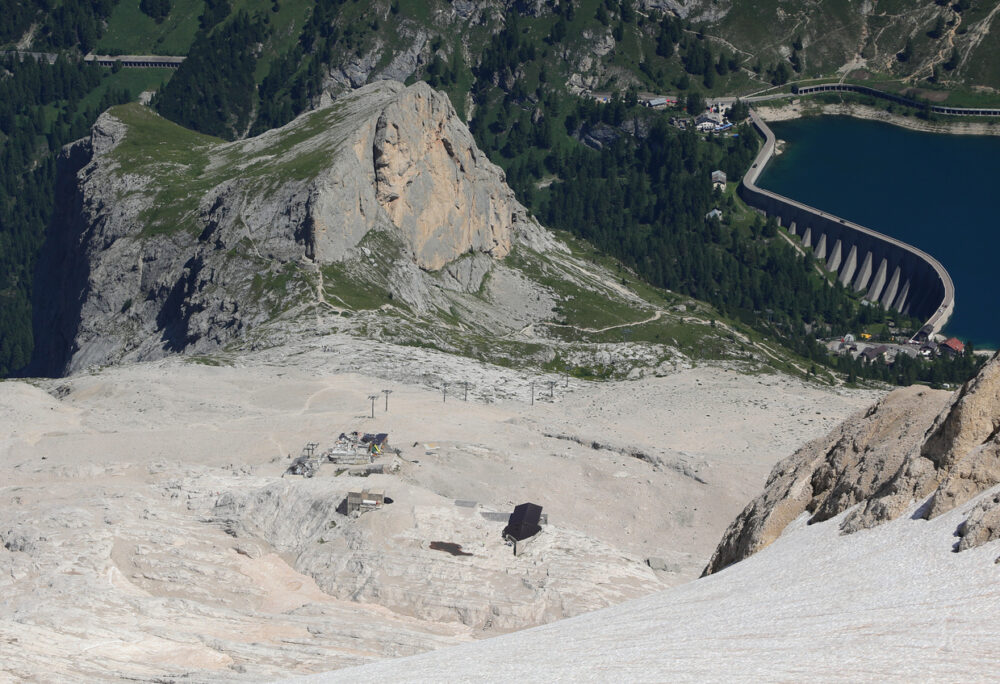
The majestic, snow-covered peaks of the Alps have been a dream destination for skiers and hikers for centuries. The glaciers that are so central to this alpine landscape, however, are in a state of rapid retreat. Rising temperatures mean that these iconic glaciers, from Mont Blanc in France to the Matterhorn in Switzerland, are losing a significant amount of their volume every single year.
The melting ice is not only changing the scenery but is also creating new dangers, such as an increased risk of rockfalls and the formation of unstable glacial lakes. The Alps of the future will be a much less icy and more barren landscape.
8. Madagascar’s unique biodiversity is on the brink.
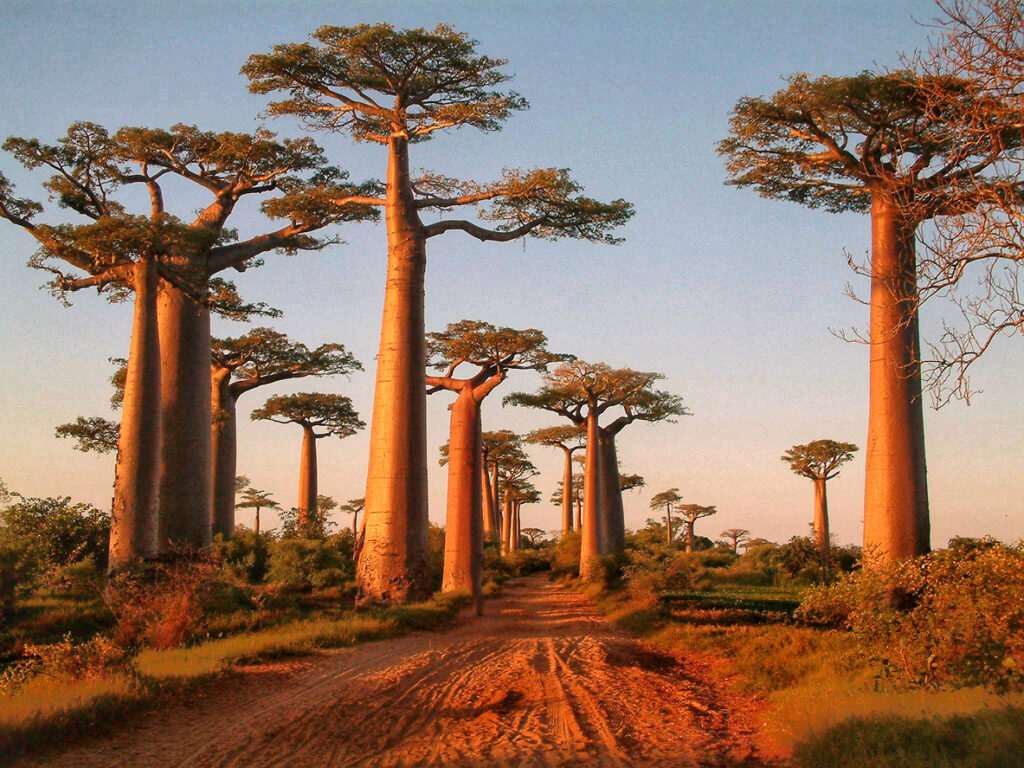
Madagascar is like a living museum, an island where evolution took a unique path, resulting in an incredible array of plants and animals that are found nowhere else on earth, most famously its many species of lemurs. This one-of-a-kind biodiversity is facing an extinction crisis due to massive deforestation. The island has lost the vast majority of its original forest cover to slash-and-burn agriculture and logging.
This habitat loss is pushing countless unique species toward extinction. A trip to one of Madagascar’s remaining national parks is a chance to see this incredible and unique wildlife, but it is also a glimpse of a world that is tragically disappearing.
9. The Sundarbans mangrove forest is threatened by the sea.
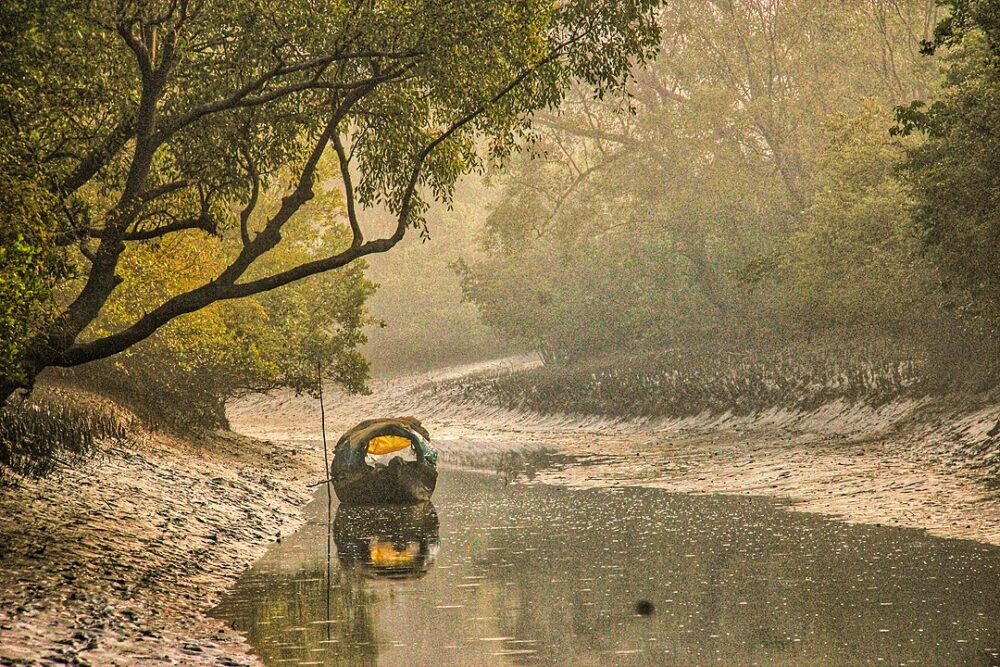
The Sundarbans, a massive and labyrinthine forest of mangrove trees that straddles the border of India and Bangladesh, is the largest of its kind in the world. This UNESCO World Heritage site is a critical habitat for the endangered Bengal tiger, which has uniquely adapted to this aquatic environment. The entire ecosystem is now threatened by sea-level rise and coastal erosion.
The rising, salty water is killing the mangrove trees and shrinking the tigers’ habitat. The increasing frequency and intensity of cyclones in the Bay of Bengal is also accelerating the destruction of this fragile and unique landscape.
10. California’s giant sequoia groves are burning.
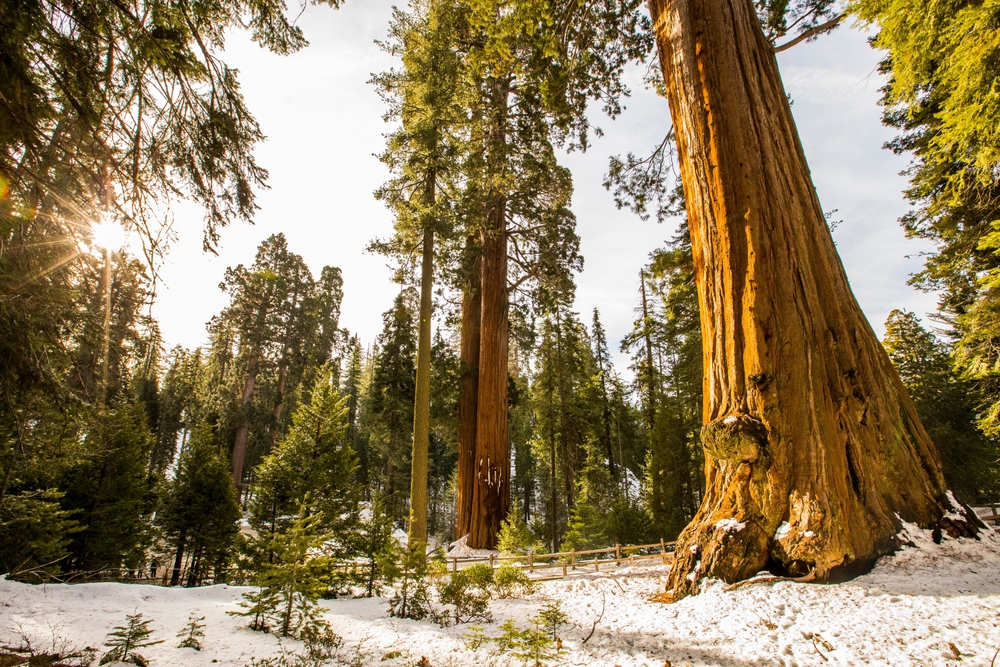
Even the most ancient and seemingly indestructible trees on earth are now at risk. The giant sequoia groves of the Sierra Nevada, home to trees that have lived for over 3,000 years, are facing an unprecedented threat from mega-drought and a new breed of catastrophic wildfire. Here in California, we have seen recent fires kill a shocking percentage of the world’s largest trees in just a few years.
These ancient giants, which have adapted to survive normal fires, cannot withstand the intensity of the new blazes. A visit to see these magnificent trees now comes with a somber understanding that we are in danger of losing a wonder that was once thought to be eternal.
11. The unique ecosystem of the Galápagos Islands is in peril.
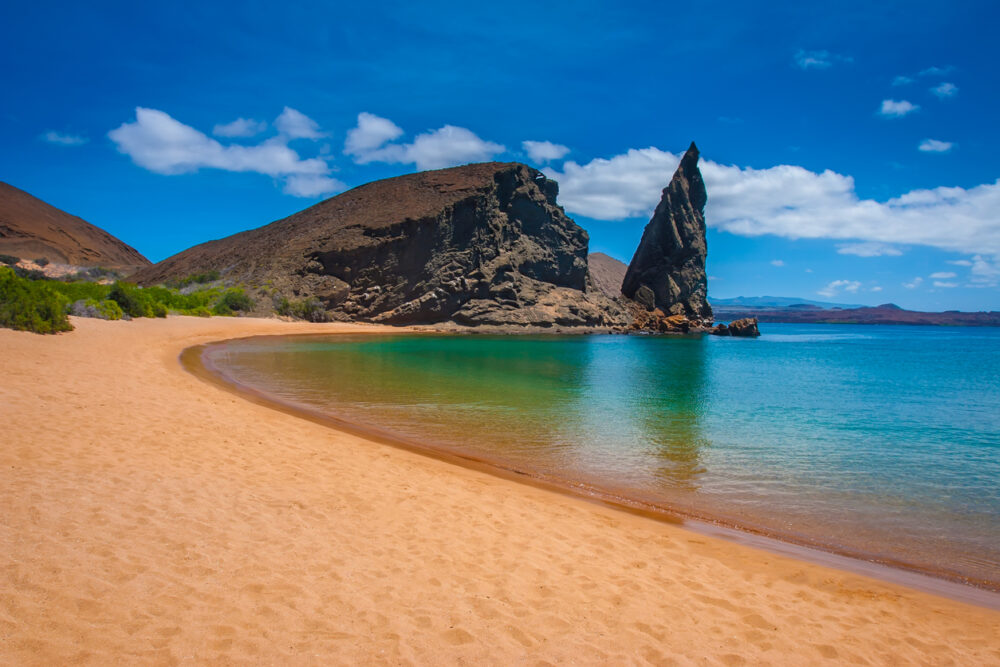
The Galápagos Islands, the remote volcanic archipelago that inspired Charles Darwin’s theory of evolution, are a place unlike any other. Its incredible collection of fearless and unique wildlife is the main attraction. This fragile and isolated ecosystem is now facing a host of threats, from the pressures of tourism and the introduction of invasive species to the impacts of climate change.
Rising sea temperatures and changing ocean currents are disrupting the delicate food web that supports the islands’ marine iguanas, penguins, and sea lions. A visit here is still a magical experience, but it is also a look at a fragile ecosystem in a precarious balance.
12. The pristine beauty of Antarctica is under threat.
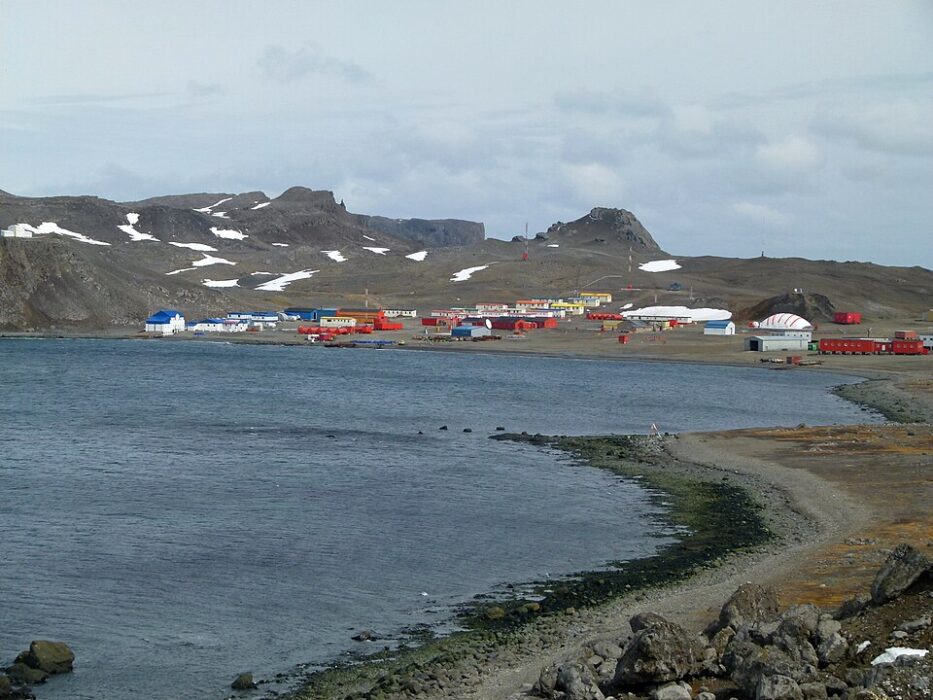
For a long time, Antarctica was the most remote and untouched continent on earth. The rise of tourism, however, is changing that. A growing number of cruise ships are now visiting the Antarctic Peninsula, bringing thousands of visitors each year. While the industry is highly regulated, the simple presence of so many people and ships increases the risk of pollution and the introduction of non-native species.
At the same time, this part of Antarctica is one of the fastest-warming places on the planet, with its massive ice shelves melting at an alarming rate. A trip today is a chance to see the continent in a relatively pristine state, a state that is being irrevocably altered by both tourism and climate change.