
Something unusual is happening in Cape Town. Remote workers from New York, Berlin, and London are landing at OR Tambo or Cape Town International, and many of them never leave. Talk to anyone who has lived in Cape Town for even a couple of months, and you will start hearing a familiar pattern: “I came for two weeks and stayed six months.” The digital nomad landscape is evolving, and savvy remote workers are looking beyond the traditional hotspots. While Bali, Lisbon, and Thailand continue to attract nomads, South Africa is rapidly emerging as the next must-visit location for location-independent professionals. The country offers something that most nomad destinations simply cannot match: an entire continent’s worth of adventure at your doorstep, and a genuine CEO-standard lifestyle for a fraction of what that would cost elsewhere.
The Real Cost of Living: Can You Truly Get By on $1,500 a Month?

Singles in South Africa typically need between $800 and $1,400 per month, while rent ranges from $300 to $900 depending on the city and apartment size. For a single adult in Cape Town, the average cost of living sits at approximately $800 to $1,000 per month, depending on lifestyle choices and accommodation preferences. South Africa delivers extraordinary value for digital nomads earning in foreign currencies. The favorable exchange rate means your USD, EUR, or GBP stretches significantly further than in traditional nomad destinations – a similar lifestyle in Lisbon or Barcelona would cost two to three times more. So yes, $1,500 a month is not just enough – it is actually a comfortable, well-furnished life with room to spare.
The Digital Nomad Visa: South Africa Gets Legal
South Africa’s Digital Nomad Visa officially entered the Immigration Regulations framework on 28 March 2024, and it was not until March 2025 that applications officially opened, marking the visa’s practical implementation. Officially categorized under Section 11(1)(b)(iv) of the Immigration Act, the Remote Work Visa allows foreign nationals to live in South Africa for up to 3 years while continuing to earn their foreign income, maintaining foreign income streams while taking advantage of the highly favorable exchange rate. As of October 9, 2024, applicants must earn a minimum gross income of ZAR 650,976 per annum – reduced from the previous amount of ZAR 1,000,000 per annum, making it more accessible to a wider pool of remote professionals.
Cape Town: Africa’s Premier Remote Work City
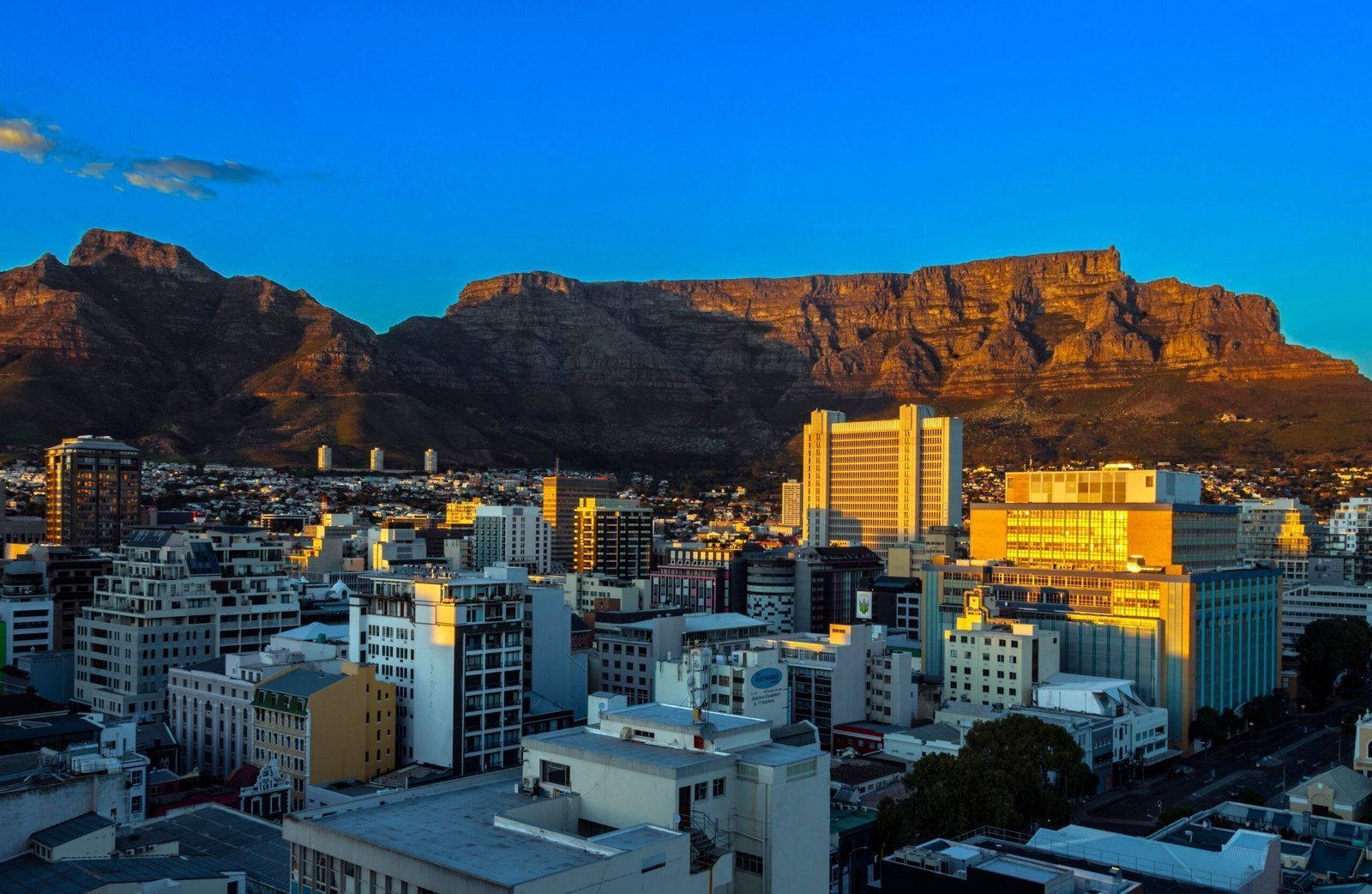
South Africa’s major cities are rapidly building reputations as international business and nomad hubs, with Cape Town – often called “the Lisbon of Africa” – hosting a particularly vibrant community of remote workers, entrepreneurs, and creatives. Cape Town has gained attention as a top global remote work hub, ranking among the top 30 international cities for long-term remote workers, supported by world-class infrastructure, strong internet connectivity, and the highest quality of life in Africa. Cape Town is firmly on the world map of digital nomad cities due to its mild climate, affordable cost of living, and favorable time zone for doing business in Europe. It is, in short, a city engineered for people who work hard and live even harder.
Coworking Infrastructure: Built for Serious Professionals
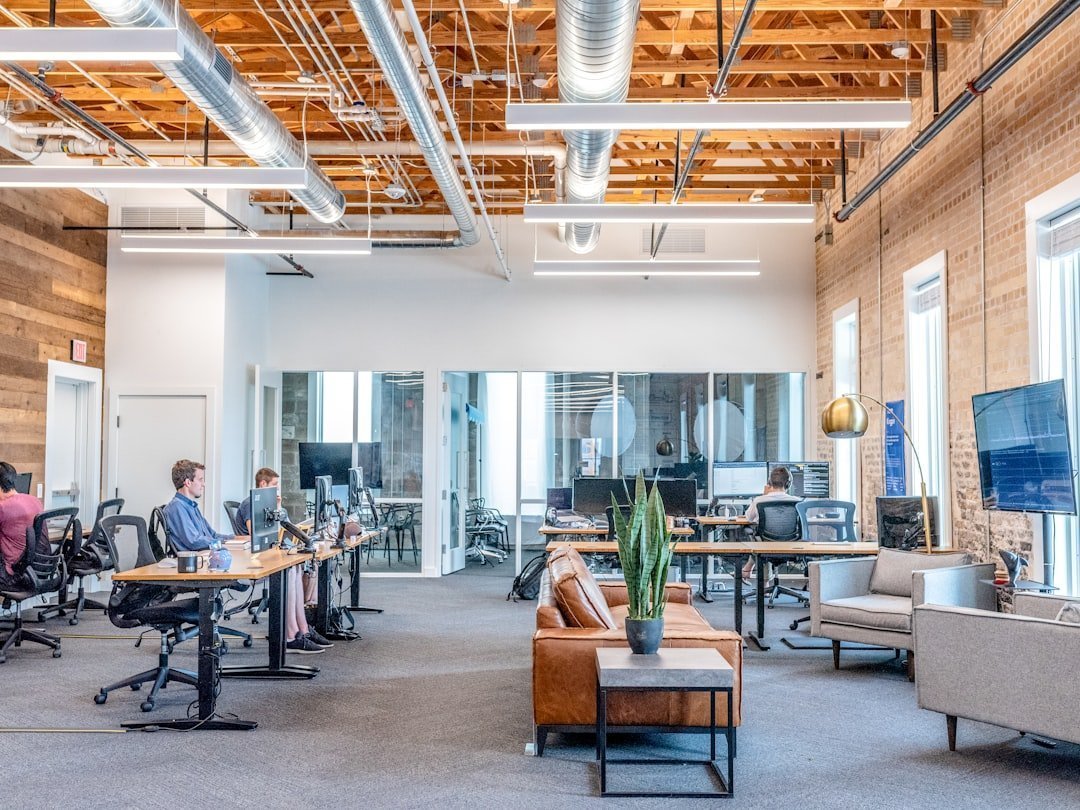
Cape Town alone hosts over 50 coworking spaces, from beachfront locations in Camps Bay to trendy spots in the creative Woodstock district, with many spaces offering day passes, monthly memberships, and even nomad-specific community programs. WeWork offers flexible memberships, 24/7 access, and networking events in Cape Town, Johannesburg, and Durban. AfricaWorks provides affordable hot desks from £20 per day, while Workshop17 offers award-winning spaces with flexible plans, IT support, and community-driven growth across South Africa and Mauritius. Monthly coworking space memberships near the city center typically range from $50 to $150 depending on the facilities and amenities provided. For that price, you get generator-backed power, fiber internet, and a professional address – a setup that rivals anything you’d find in London or Amsterdam.
Internet Speed and Connectivity: No More Excuses

Fiber connection is quite common in South Africa, and as a result, download and upload speeds are usually very good – download speeds exceeding 100 Mbps and uploads over 25 Mbps – with great stability overall. Major cities like Cape Town, Johannesburg, and Durban offer reliable internet and mobile coverage, with SIM cards and prepaid data widely available from providers like Vodacom, MTN, or Rain for both mobile and home data plans. Cape Town coworking spaces run on backup power, meaning the lights, Wi-Fi, and coffee machines keep going even when the grid does not – a direct response to South Africa’s well-known load-shedding schedule. The infrastructure story here is far better than most people expect.
The Nomad Community: Small Enough to Be Real, Big Enough to Matter
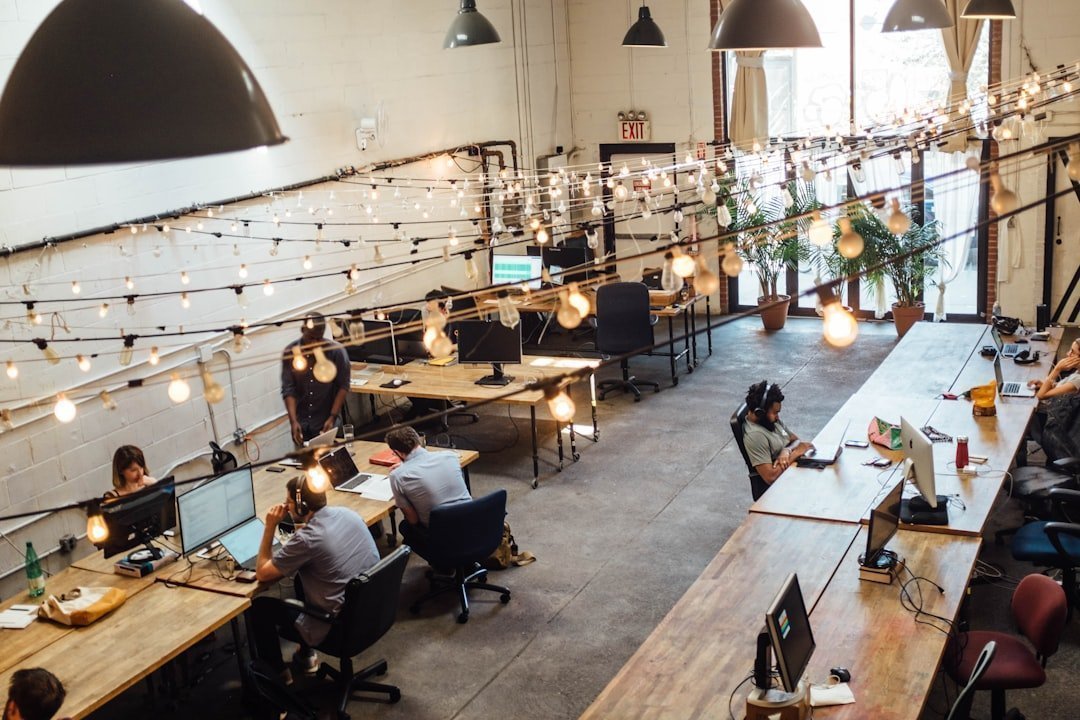
The Nomad Week Cape Town event brought together over 300 digital nomads at The Bay Hotel in Camps Bay for a week of keynote speakers, unconference sessions, outdoor adventures, and networking events – and it has become the must-attend annual gathering for nomads considering or already based in Africa. The City of Cape Town and Work Wanderers partnered to host Nomad Week, with Cape Town Mayoral Committee Member for Economic Growth James Vos stating: “Hosting Nomad Week reinforces our commitment to positioning Cape Town as Africa’s top destination for remote workers.” South Africa has one of the most underrated nomad communities – small enough to feel intimate, big enough to find your tribe, with people who are warm, expressive, and easy to talk to.
Safari, Wine Country, and Coastline: The Lifestyle No Other Hub Offers

South Africa truly differentiates itself from every other nomad destination through the ability to combine productive remote work with authentic African safari experiences – something impossible to replicate in Bali or Berlin. South Africa’s geographical diversity is unparalleled among nomad destinations. You can finish a client call and be wine tasting in Stellenbosch within an hour, or spot the Big Five after wrapping up your workday. The lifestyle balance is remarkable – you can enjoy sophisticated urban amenities while having access to wilderness adventures that would require international travel from other nomad hubs. There is genuinely no other place in the world where this combination exists at this price.
Economic Impact: Why South Africa Wants You There

The rise in demand for coworking spaces, cafes, and services for digital nomads has led to job growth in hospitality, tourism, and technology sectors. Statistica forecasts Cape Town’s direct tourism contribution to GDP at approximately R70 billion ($3.7 billion) by 2026, with the influx of skilled individuals boosting productivity, fostering innovation, and creating new employment opportunities for the South African economy. According to 2025 data, the average digital nomad earns $124,000 per year and spends between $1,000 and $3,000 per month in the host country on accommodation, food, leisure, coworking, and transportation. The country is turning its focus on digital nomads, who tend to stay in destinations longer than a traditional tourist, therefore better boosting the local economy.
Tax Considerations: What You Actually Need to Know

There is no specific digital nomad tax under South Africa’s laws, but you will still be liable for income taxes while living and working there. If you stay for at least 183 days, you will be considered a tax resident and must pay tax on all income. If you stay less than this in any given year and your income is foreign-sourced, you should be exempt from paying income tax in South Africa. To support this setup, South Africa’s Department of Home Affairs and National Treasury have proposed measures to exempt digital nomads from registering with the South African Revenue Service, as long as their income is foreign-sourced and they comply with visa conditions. Because this visa category is heavily scrutinized, income verification, tax considerations, and contract clarity can present immediate grounds for rejection if not structured correctly. Getting solid tax advice before you arrive is not optional – it is essential.
Safety, Neighborhoods, and the Honest Picture
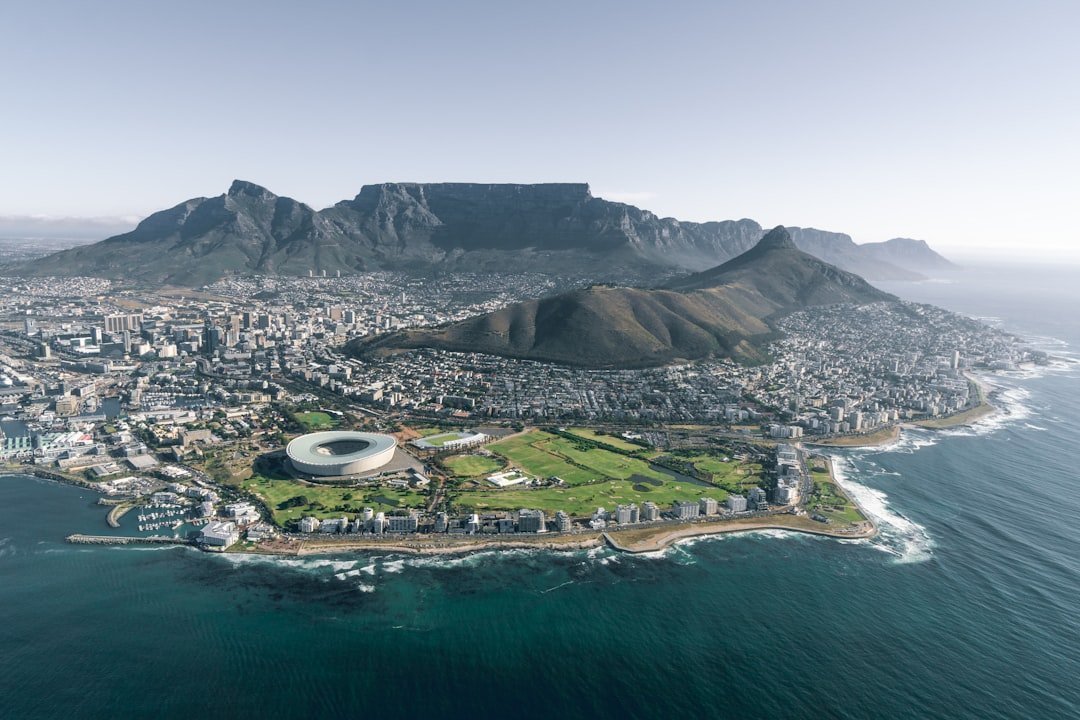
South Africa offers a balanced lifestyle with modern conveniences, affordable living costs, and exceptional natural beauty. It is suitable for professionals, digital nomads, and retirees who want a comfortable lifestyle at moderate prices, provided they choose safe neighborhoods and plan for occasional power interruptions. Some of the best neighborhoods for digital nomads in Cape Town include the City Bowl, which offers easy access to amenities and coworking spaces; Woodstock, known for its creative vibe and galleries; and Green Point, close to the city center and the waterfront with a relaxed atmosphere. Work Wanderers research shows that digital nomads in South Africa typically earn well above the minimum income threshold – ranging from US$50,000 to US$123,000 per year, giving them solid financial footing to afford safer, better-serviced parts of the city without stretching their budget.