
These beautiful destinations have a darker, more dangerous side.

The vast majority of international trips are perfectly safe, but in a handful of popular destinations, a disturbing pattern of American tourists vanishing has emerged. These are not cases of travelers in active war zones; these are disappearances that occur in countries known for their beautiful beaches, ancient ruins, and vibrant cultures. The reasons are often a complex mix of opportunistic crime, treacherous natural environments, and a sometimes-ineffective local law enforcement response.
Understanding the specific risks in these countries is crucial for any traveler venturing off the beaten path.
1. Mexico’s cartel violence can spill into tourist zones.
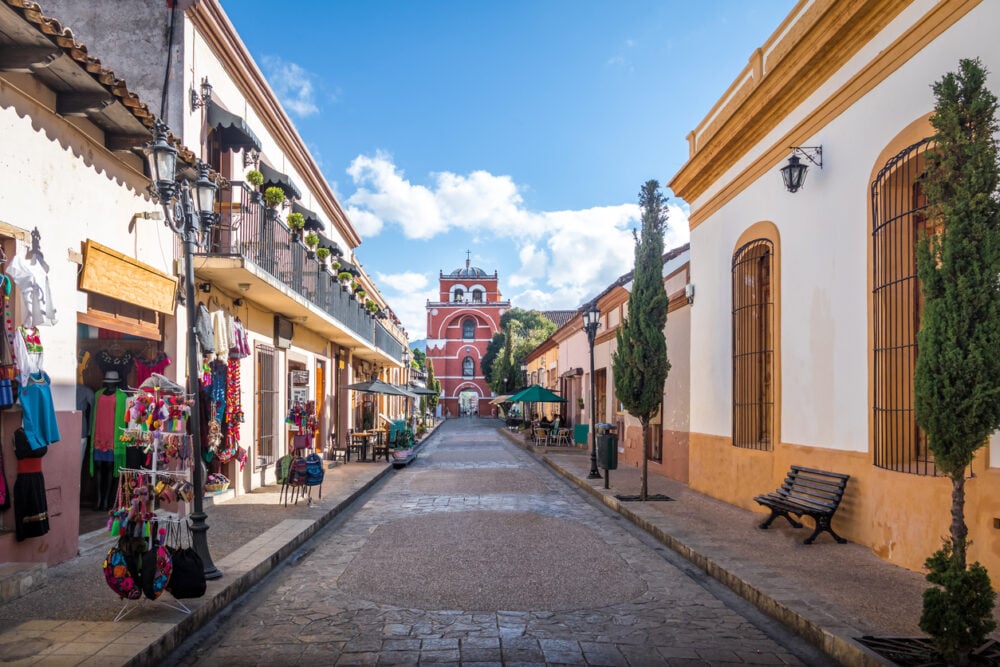
Mexico is the number one international destination for Americans, and most visits are trouble-free. However, it is also the country where the highest number of American citizens go missing. The primary reason is the country’s ongoing struggle with powerful and violent drug cartels. While the violence is not typically aimed at tourists, it can and does spill over into popular resort areas like Cancún, Tulum, and even here in the border region of Baja California, as per Global Aware.
Tourists can be the victims of opportunistic kidnappings or can simply be in the wrong place at the wrong time during a dispute between rival gangs.
2. Costa Rica’s wild jungles and rivers can be treacherous.

Costa Rica is a paradise for nature lovers, but its wild and rugged terrain can be incredibly dangerous for those who are unprepared. A significant number of the disappearances here are not due to crime, but are the result of tourists getting lost or having an accident while exploring the dense jungles, remote hiking trails, and powerful rivers, according to savingadvice.com.
A hiker can easily get disoriented and wander off a trail, or a swimmer can be swept away by a sudden flash flood in a river. The country’s incredible biodiversity comes with the real risks of the wild, and some visitors underestimate these dangers.
3. Colombia’s security gains are still fragile.
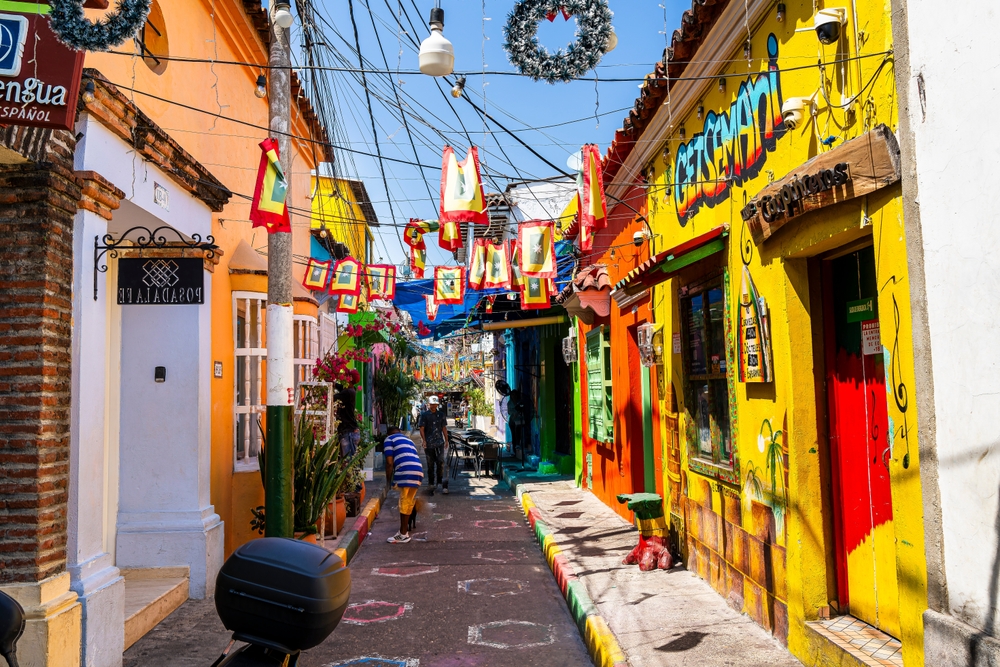
Colombia has made incredible progress in improving its security situation over the past two decades, but the dangers have not been completely eliminated. In major cities like Medellín and Bogotá, tourists who let their guard down can become targets for opportunistic crime. A common tactic is the use of scopolamine, a drug that can be slipped into a drink to render a victim completely compliant, leading to them being robbed, as reported by U.S. News & World Report.
In more remote, rural areas, illegal armed groups are still active. Tourists who venture into these areas can be at risk of kidnapping, a terrifying holdover from the country’s more violent past.
4. The Bahamas’ vast and remote islands create a mystery.

The Bahamas is a sprawling archipelago of over 700 islands, many of which are completely uninhabited and remote. While the main tourist hubs of Nassau and Paradise Island can have issues with violent crime, many of the disappearances in the country are shrouded in more mystery. They often involve small boats or private planes that go missing in the vast expanse of the ocean between the islands.
The sheer size and remoteness of the “out islands” can make finding a person who has had an accident or run into trouble incredibly difficult, sometimes leaving their fate a permanent and heartbreaking mystery for their families.
5. Peru’s remote hiking trails pose a significant risk.
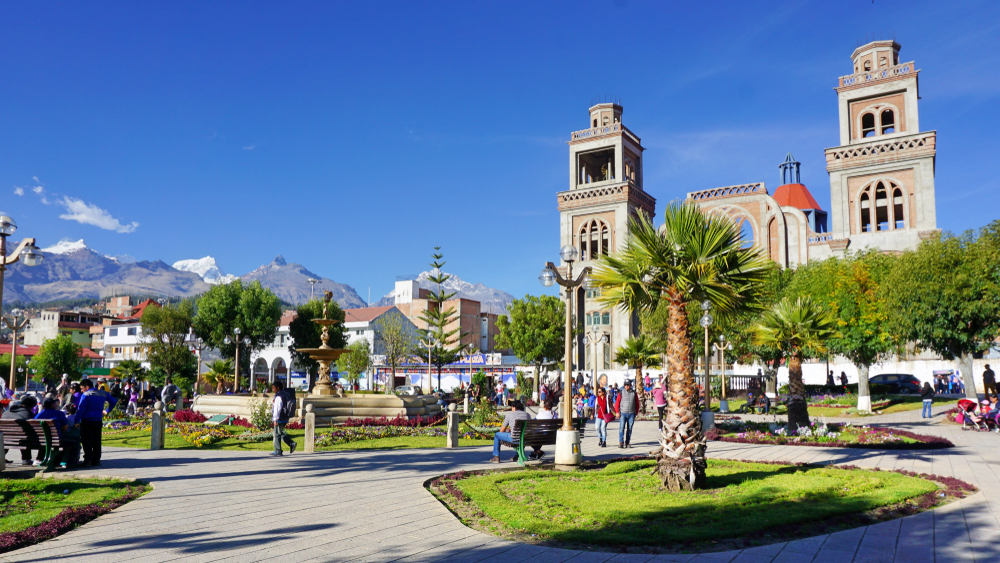
Peru is a major destination for adventurous travelers and hikers, drawn by the incredible beauty of the Andes mountains and ancient sites like Machu Picchu. However, the country’s high-altitude and incredibly remote hiking trails can be very dangerous. A solo hiker can easily get lost, suffer a fall, or be overcome by severe altitude sickness, which can be disorienting and life-threatening.
There is also a risk of armed robbery on some of the more isolated trails. The combination of natural dangers and the potential for crime in these remote areas has led to a number of tragic and unsolved disappearances over the years.
6. Jamaica’s high crime rate can affect tourists.
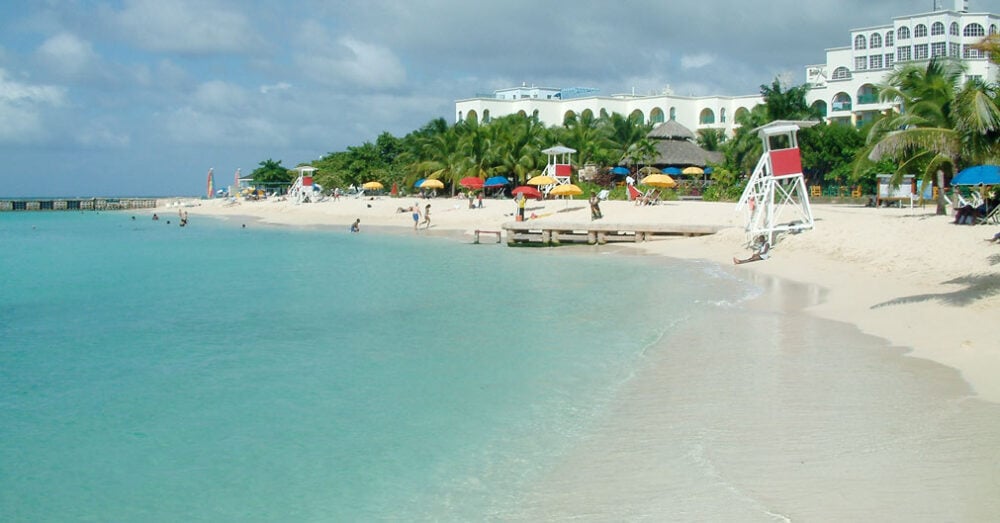
The island of Jamaica is a beautiful and popular destination for its all-inclusive resorts and vibrant music culture. It also has one of the highest homicide rates in the world. While the vast majority of this violence occurs between locals and away from the heavily secured tourist areas, it can sometimes spill over. Tourists who leave their resorts to explore on their own can wander into dangerous neighborhoods.
There have been a number of disturbing cases of American tourists, particularly women, who have gone missing or been the victims of violent crime after leaving their resort. It is a place where a high degree of caution is required.
7. The Philippines’ remote southern islands are a “no-go” zone.
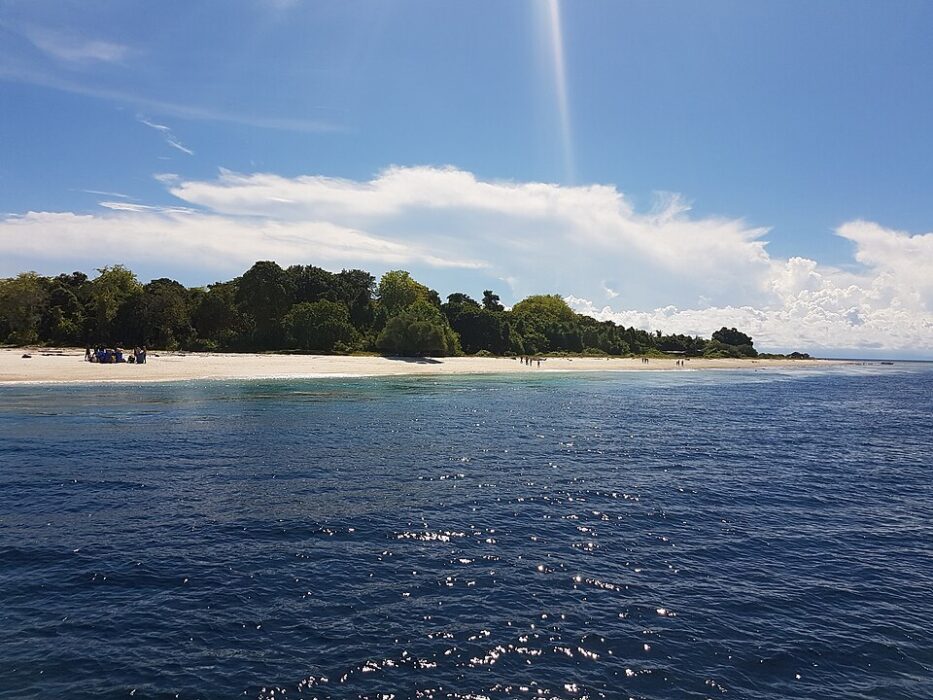
The Philippines is a beautiful country made up of over 7,000 islands. While most of the country is safe for tourists, the U.S. State Department has a long-standing “Do Not Travel” advisory for the southern Sulu Archipelago and parts of the island of Mindanao. This is due to the presence of extremist and terrorist groups, like Abu Sayyaf, that are known for kidnapping for ransom.
These groups have a history of targeting foreigners, and there have been numerous cases of tourists being abducted from resorts or private boats in this specific region. While the rest of the country is safe, this remote southern area poses a very real and life-threatening risk.