
Africa is a continent that genuinely takes your breath away. Not just because of its animals or its landscapes, but because of its cities. Cities that layer ancient history on top of modern ambition, where the smell of spices mixes with ocean air, and where every alleyway feels like it holds a secret.
One of the most seductive and understudied continents in the world, Africa is rich in mystery and history. From the tropical African savannah to historic architectural marvels and arresting metropolitan culture, the most amazing towns in Africa nestle among millennia of wild fascination. Honestly, choosing just seven cities from a continent this vast feels almost criminal. Yet here we are. Let’s dive in.
1. Cape Town, South Africa – Where Mountains Meet the Ocean
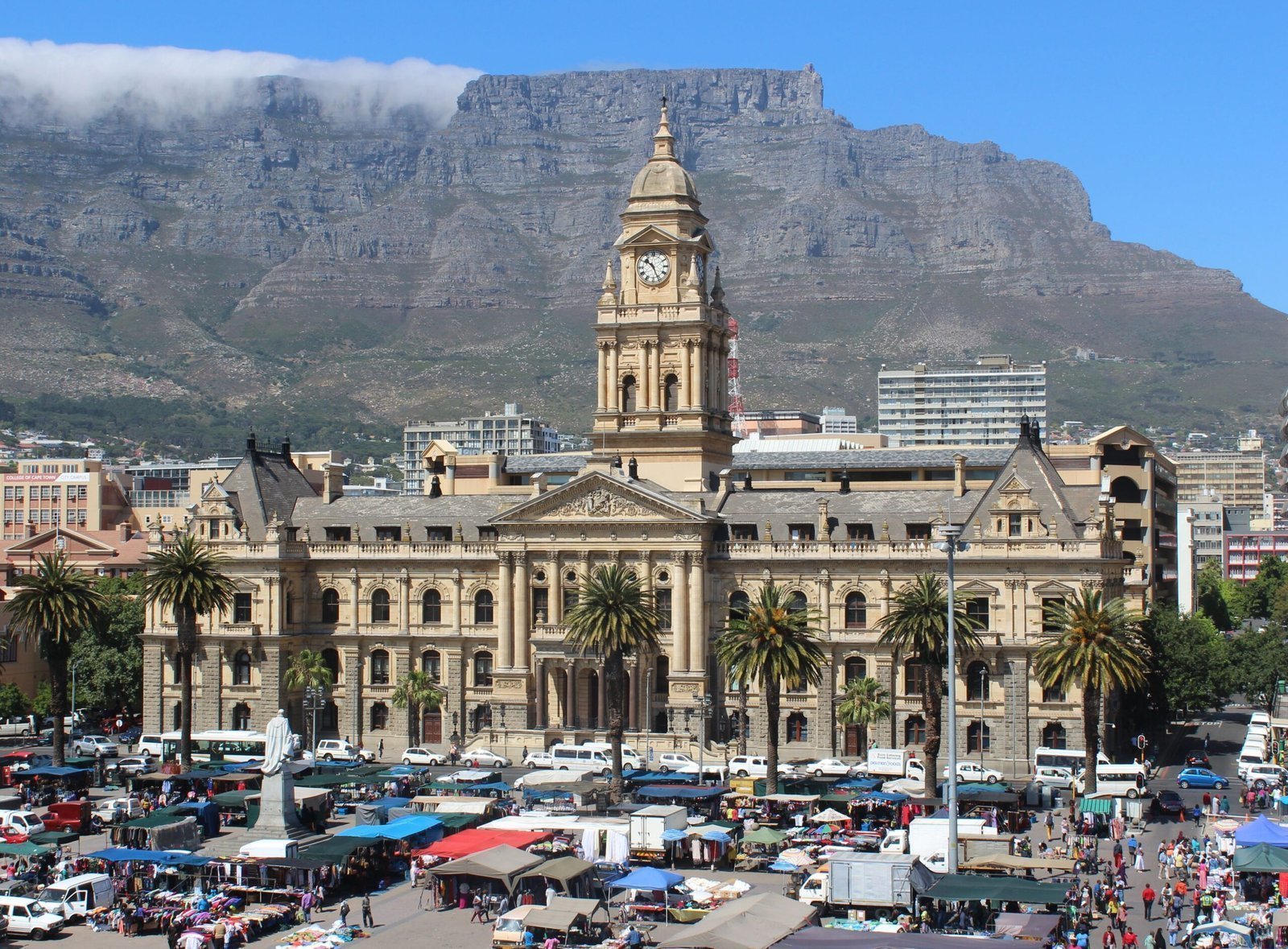
There is a reason Cape Town keeps showing up at the very top of nearly every list. It is almost unfair how beautiful it is. Cape Town is often hailed as one of the most picturesque cities globally, thanks to its stunning setting between Table Mountain and the Atlantic Ocean, and this cosmopolitan city offers a perfect mix of natural beauty and urban sophistication.
Cape Town is home to 5.06 million people in its metro area, and it is known for its iconic Table Mountain, functioning as a major economic hub in the Western Cape, particularly for tourism, agriculture, and tech. Think of it like nature and a world-class city decided to share the same address and somehow made it work perfectly.
Cape Town is home to top-tier private hospitals and the historic Groote Schuur Hospital, where the first heart transplant took place, and it includes the University of Cape Town, ranked as Africa’s best university by multiple global indexes. It is a city that truly has it all. South Africa welcomed 8.92 million visitors in 2024, reaffirming its status as one of Africa’s leading travel destinations.
Cape Town remains one of Africa’s most iconic cities and continues to set the standard for urban travel in 2026, framed by Table Mountain and the Atlantic Ocean, offering an extraordinary mix of natural beauty, cultural diversity, and world-class cuisine. I think no photograph you’ve ever seen of it does it real justice.
2. Marrakech, Morocco – The Red City That Never Sleeps
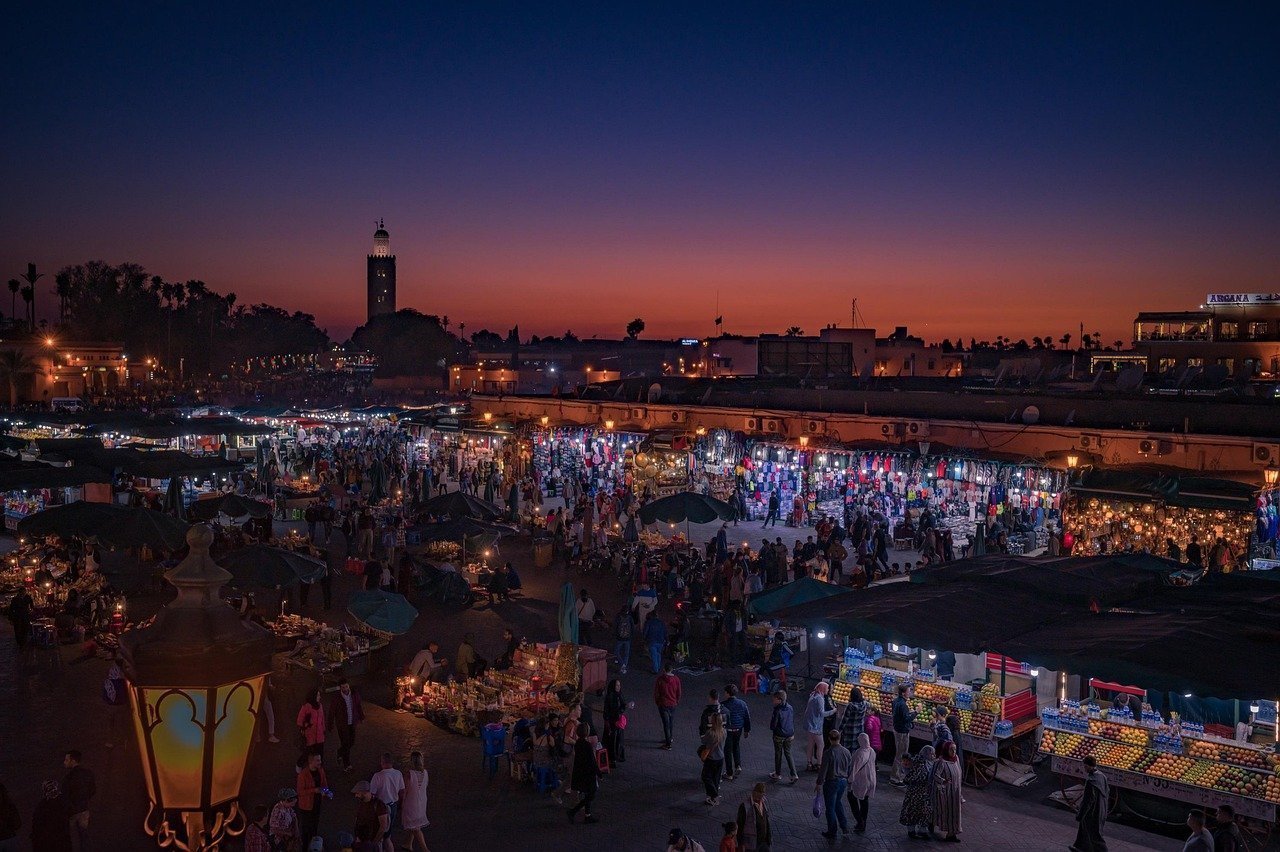
Known as the “Red City” for its iconic terracotta buildings, this Moroccan gem offers a perfect blend of history, culture, and adventure. From bustling souks to serene gardens, Marrakech invites you to explore its unique charm and immerse yourself in its rich traditions. Walking through the Medina for the first time feels like stepping into a vivid, chaotic dream you never want to wake up from.
One of the most enchanting experiences in Marrakech is wandering through the Medina, a UNESCO World Heritage site. Lose yourself in its maze-like alleys, where vibrant markets, historic mosques, and hidden riads await. The sights, sounds, and scents of the Medina will transport you to another world, offering a glimpse into the city’s soul.
Marrakech recorded 5 million overnight stays in the first half of 2025, a 6% increase from the same period last year, according to Morocco’s Tourism Observatory, and the city’s hotel occupancy rate reached 71%, up from 68% in the first half of 2024, reinforcing its status as the country’s top tourist destination. These are not small numbers. This is a city the world is actively choosing.
Morocco also set a new tourism record in 2024, welcoming 17.4 million tourists, a 20% increase compared to the previous year, according to the country’s Ministry of Tourism. Tourism plays a crucial role in Morocco’s economy, contributing approximately 7% to the nation’s GDP and serving as a key source of employment and foreign currency. Marrakech is the crown jewel driving that remarkable momentum.
3. Stone Town, Zanzibar – An Island Frozen in Elegant Time
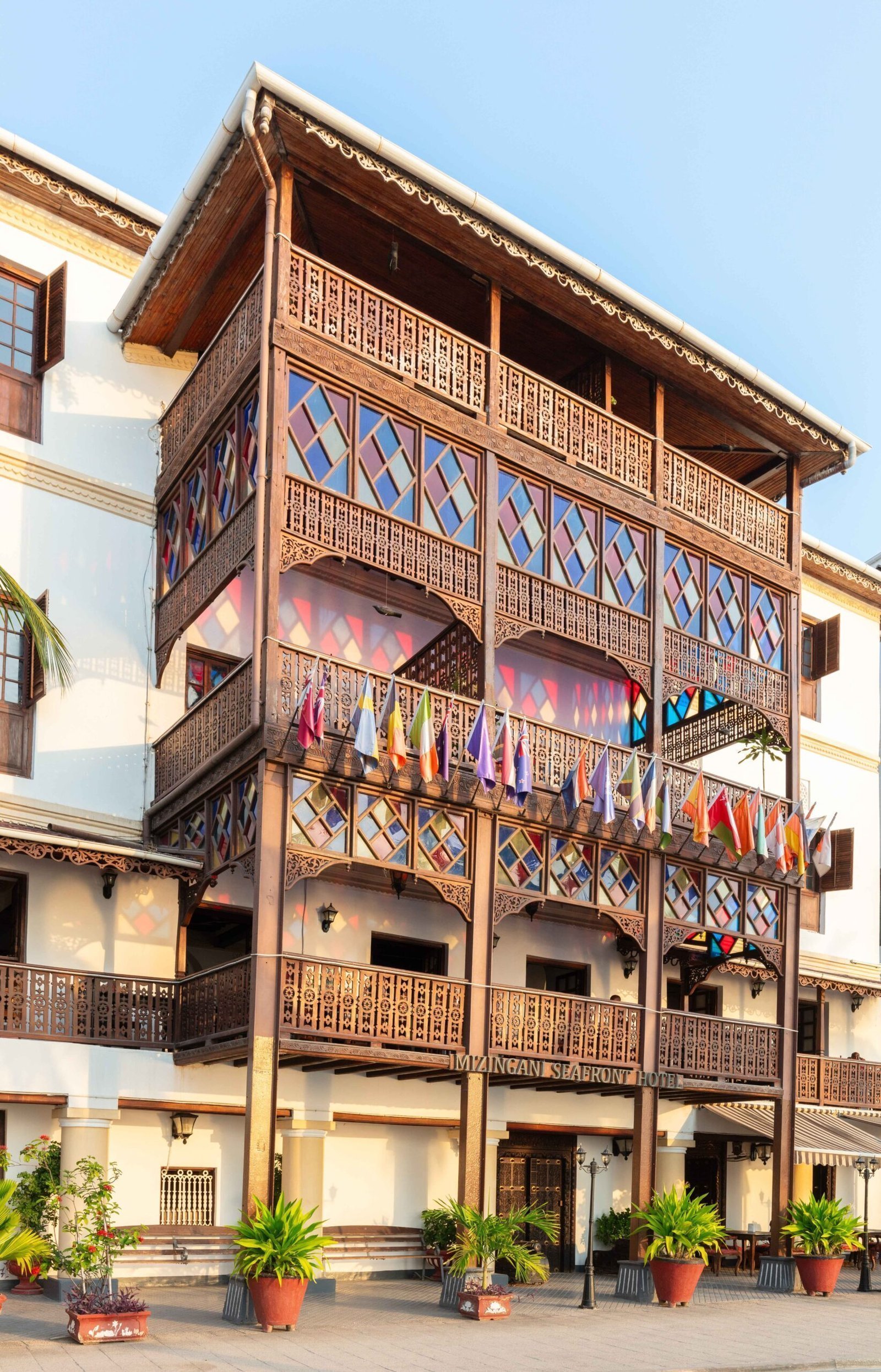
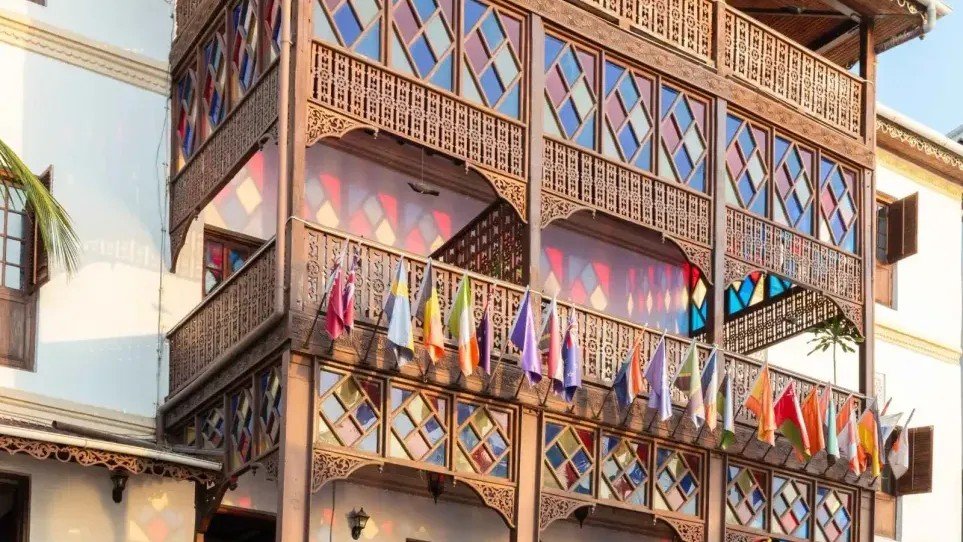
Here’s the thing about Stone Town: it should not exist. A labyrinth of coral stone buildings, carved wooden doors, and narrow winding alleys sitting right at the edge of turquoise Indian Ocean water. It feels fictional, like something a novelist invented to make readers jealous. Zanzibar City is the island’s capital, and its historic core, Stone Town, is a UNESCO World Heritage Site. This maze of narrow alleyways, carved wooden doors, and coral stone buildings is the cultural heartbeat of the island.
Stone Town’s cathedrals, mosques, and museums echo centuries of Arab, Swahili, and European influence, and its vibrant street food scene, artisan shops, and rooftop dining make it a must for any visitor. The layers of history here are genuinely staggering. You can taste Arab trade routes in the spiced coffee and feel centuries of commerce in every doorway.
In 2024, the number of international arrivals to Zanzibar reached a record high of nearly 737,000, a 15.4% increase from 2023, and by then, tourism accounted for almost a third of Zanzibar’s overall GDP. The world discovered this treasure, and the numbers prove it beyond any doubt.
Zanzibar officially recorded a staggering 917,167 international arrivals in 2025, representing a near 25 percent increase from the 736,755 visitors seen in 2024. European travelers remain the backbone of the industry, accounting for over 60 percent of all arrivals. Stone Town is no longer a hidden gem. It is a fully confirmed global destination.
4. Kigali, Rwanda – The Cleanest and Most Surprising City on the Continent
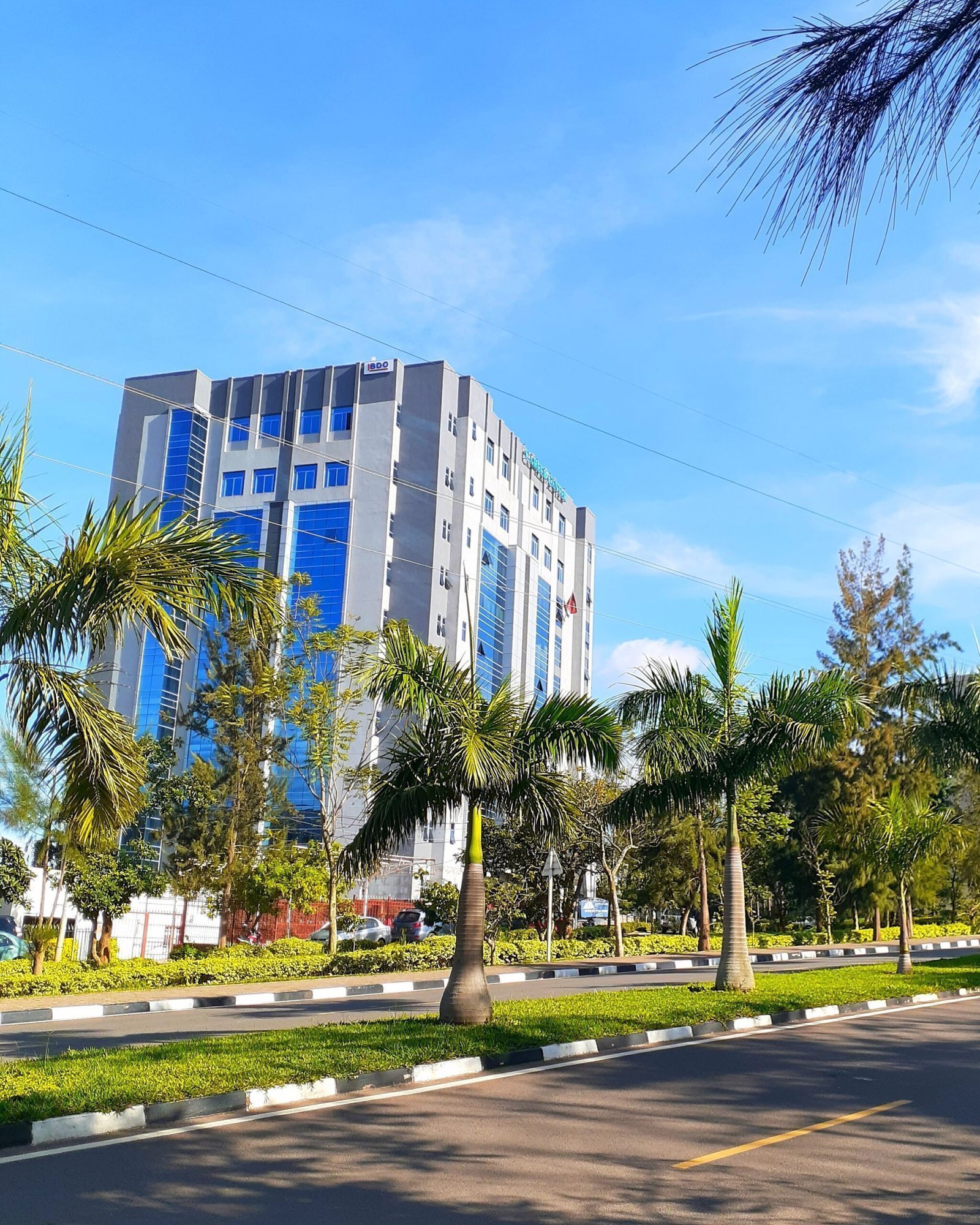
Kigali might be the most surprising entry on this list. Most people have never seriously considered it as a travel destination. That would be their mistake. Kigali held first place in the 2025 ranking of Africa’s cleanest cities, exactly the same as the year before. Cleanliness, in this case, is not a small thing. It completely transforms how a city feels to walk through.
Kigali banned plastic bags in 2008, imposing heavy fines for offenders, and the last Saturday of each month is dedicated to city cleanliness, with participation from everyone. That level of civic commitment creates something special. A city where order and pride are genuinely visible on every single street.
In 2026, Kigali continues to lead in sustainable development and eco-tourism. The city serves as a base for gorilla trekking adventures while offering museums, memorials, art galleries, and a growing culinary scene that reflects Rwanda’s cultural resilience. Kigali is ideal for travelers who value responsible tourism, cultural reflection, and well-organized city life. Its calm atmosphere and scenic hills provide a refreshing contrast to larger, more chaotic capitals.
Kigali is adorned with lush greenery and well-maintained parks, contributing to its aesthetic appeal and overall livability. The city has invested in creating green spaces and urban parks where residents can relax, exercise, and connect with nature. Initiatives such as tree planting campaigns and landscaping projects have transformed Kigali into a verdant oasis amidst urban sprawl. It is, I genuinely think, one of the most underrated cities anywhere in the world.
5. Nairobi, Kenya – The Green City in the Sun
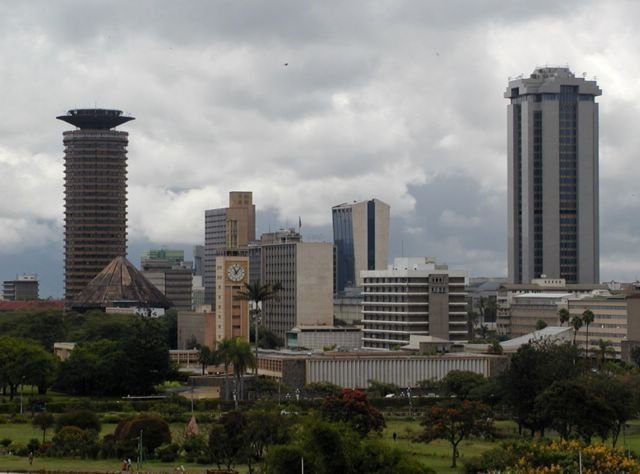
Nairobi is the kind of city that demands respect. It is fast, ambitious, layered, and offers experiences you simply cannot find anywhere else on the planet. Where else can you watch giraffes wandering near a city skyline? Nairobi is a city surrounded by modern facilities, local and international transport systems, and nightlife, and one of the prominent places there is the Nairobi National Park, where you can get to view wildlife including giraffes, monkeys, elephants, and lions.
Due to its hills, valleys, and vast green parks, Nairobi is known as the “Green City in the Sun.” Most Nairobi residents travel on foot, by public transportation, or by bicycle, significantly reducing carbon dioxide emissions compared to similar-sized cities, and residents are also enthusiastic about composting and recycling waste. That environmental consciousness gives the city a freshness that is rare at this scale.
Between January and May of 2025, Kenya recorded 922,961 arrivals, a 2.3% increase compared to the previous year. Nairobi’s prominence as a gateway hub and its connections to Europe, the Middle East, and Asia have bolstered this growth. Moreover, the visa-free entry system introduced in 2024 further strengthened this trend.
Tourism accounts for roughly 10% of Kenya’s GDP. Nairobi is not just a gateway to the wild. It is increasingly a destination in its own right, with a roaring food scene, an emerging tech community that locals call “Silicon Savannah,” and a cultural energy that is genuinely electric.
6. Marrakech’s Northern Rival – Fez, Morocco’s Living Medieval City
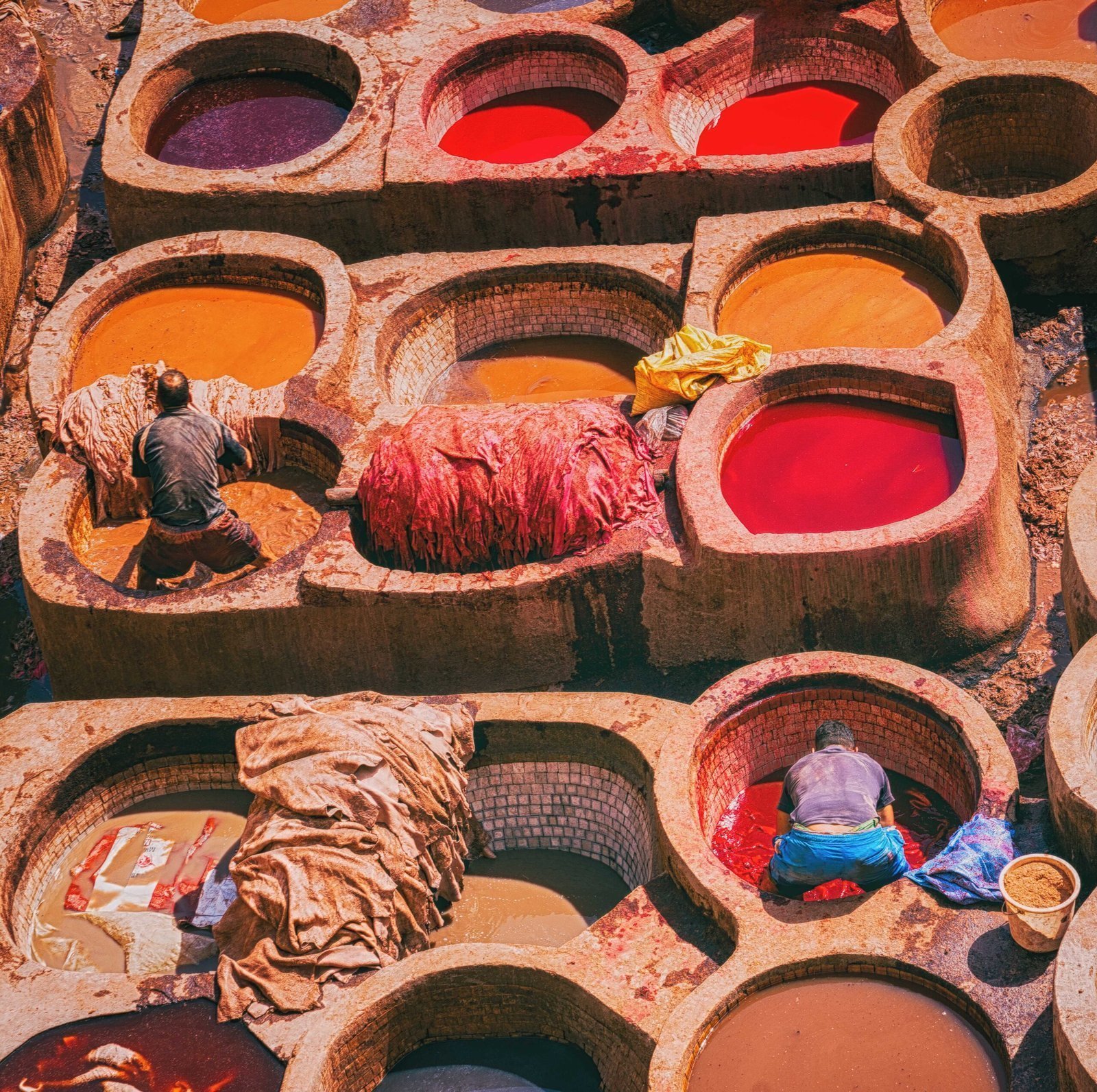
Less visited than Marrakech but arguably even more visually arresting, Fez is Morocco’s cultural soul. Visitors to Morocco flock to its ancient cities like Marrakesh and Fez, wander through maze-like souks, explore the Atlas Mountains, and venture into the sweeping Sahara dunes. Fez carries something Marrakech sometimes loses to commercialization: genuine, unfiltered medieval atmosphere.
The Fez el-Bali medina, a UNESCO World Heritage Site, is widely regarded as one of the world’s largest and best-preserved medieval city centers. It contains over nine thousand streets and alleys, many too narrow for a car to pass. You navigate by instinct, by smell, and by sound. It is overwhelming in the best possible way.
Fez, Tangier, and Agadir are also experiencing strong growth alongside Marrakech and Casablanca, reflecting how Morocco’s tourism momentum is spreading beyond its most famous hubs. Morocco now aims to attract 26 million tourists by 2030, coinciding with its role as a co-host of the FIFA World Cup alongside Spain and Portugal. That ambition will inevitably shine a brighter spotlight on Fez.
Morocco welcomed an impressive 17.4 million visitors in 2024, and renowned for its vibrant markets, historic cities such as Marrakech and Fez, and breathtaking desert landscapes, Morocco has cemented its position as a global tourist hotspot. Fez is central to that reputation, even if it prefers the quieter corners of the spotlight.
7. Addis Ababa, Ethiopia – Africa’s High-Altitude Capital
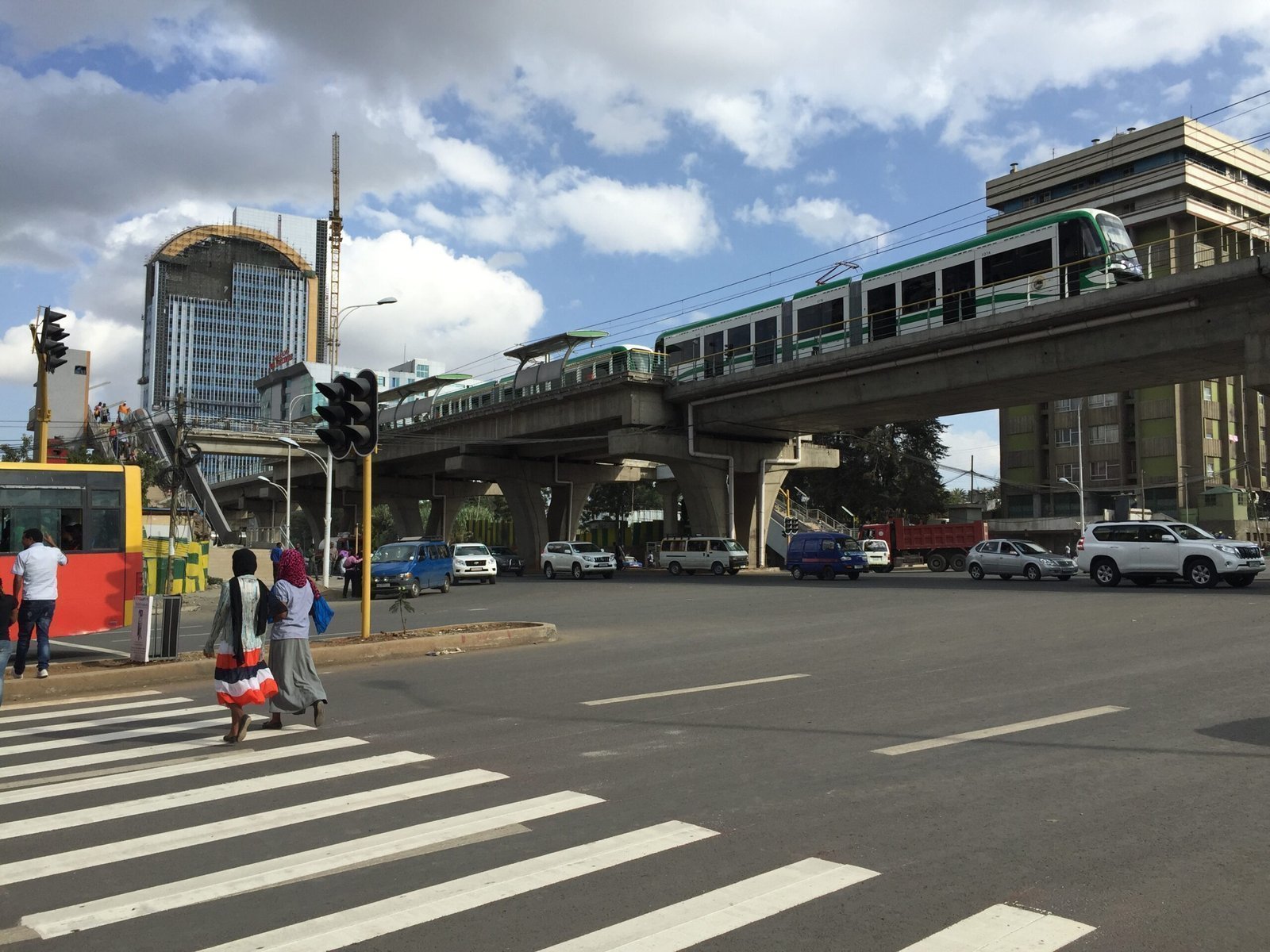
Addis Ababa is not just a city. It is a statement. The city is perched at over 2,300 meters above sea level, making it the highest capital city in Africa. It is a highly developed city, with a reputation for being the political capital of Africa, given its diplomatic influence and importance for the continent. It is one of the rare African cities with serious skyscrapers all over the place.
History unfolds at the National Museum, home to the famous Lucy skeleton, one of the oldest hominid fossils ever discovered. This is a city where you can touch the very beginning of human existence. That’s not a metaphor. It is literally on display in the museum downtown. Few cities on earth carry that kind of weight.
Addis Ababa is considered a highly developed city and the cultural, artistic, financial and administrative center of Ethiopia. Since the turn of the century, Addis Ababa has seen rapid socioeconomic changes and physical transformation marked by development-oriented government and the private sector. In 2022, Addis Ababa generated 29% of Ethiopia’s urban GDP and 20% of national urban development.
The city is served by Addis Ababa Bole International Airport, a railway that links it with Djibouti, and a light rail that operates within city limits – the first in sub-Saharan Africa. Ethiopia’s visitors explore Lalibela’s rock-hewn churches and the Simien Mountains, and cultural tourism, including the Timkat festival, grew by 7% in 2024, contributing $700 million to the economy. Addis is catching up fast, and honestly, it deserves every bit of the attention it is getting.
The Bigger Picture: Africa’s Tourism Is Booming
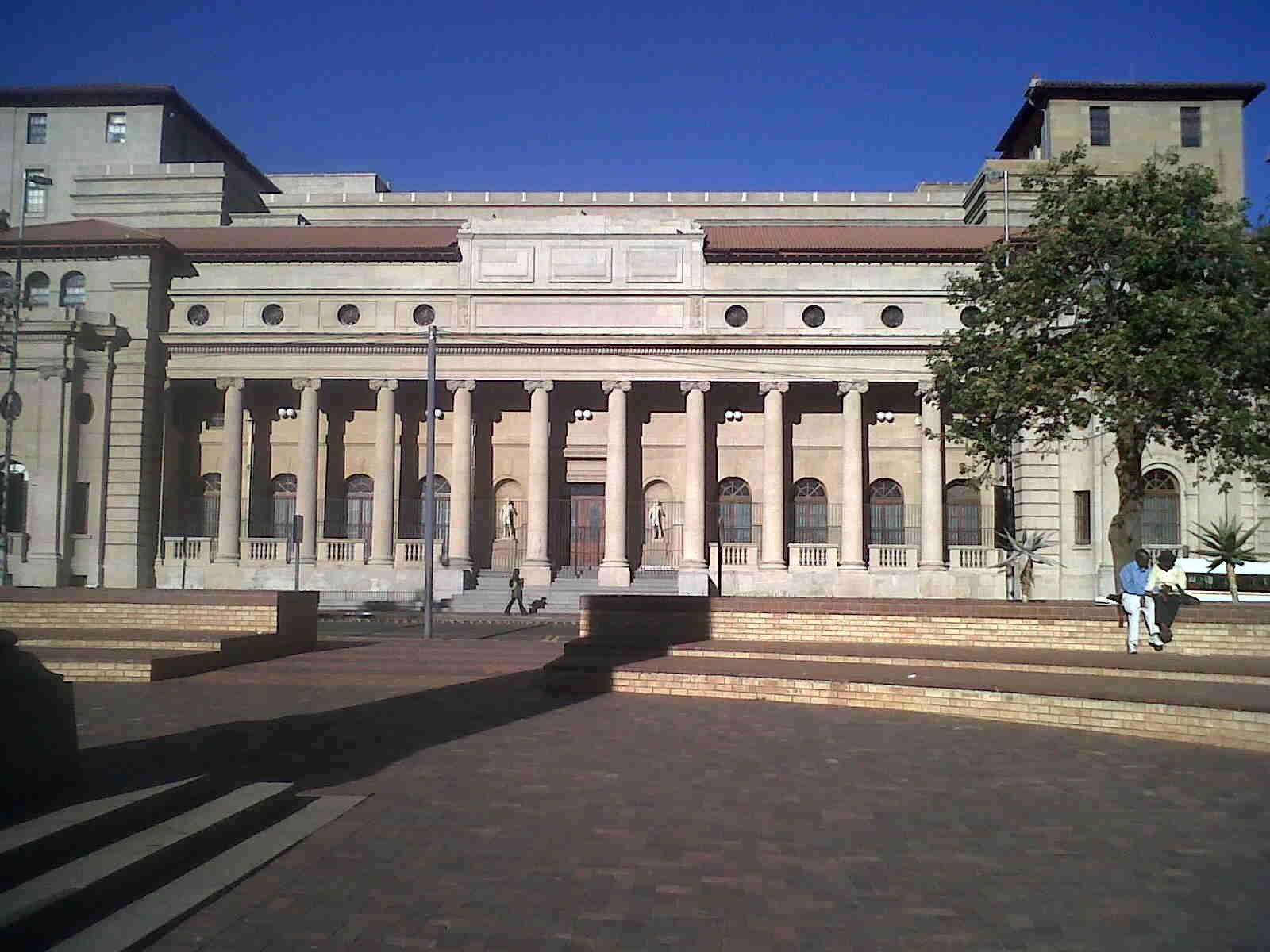
It is worth stepping back for a moment to appreciate just how dramatically Africa’s travel profile has shifted in recent years. Africa has become a growing hub for tourism, with its diverse landscapes, rich cultures, and historical landmarks attracting millions of visitors annually. According to the UN Tourism Barometer, Africa welcomed 6% more tourists from January to September 2024 compared to the same period in 2019.
In 2024, Africa recorded significant growth in international arrivals, with some countries experiencing a sharp rise in visitor numbers compared to 2023. This upward trend highlights Africa’s increasing global appeal, boosted by improved infrastructure, enhanced digital connectivity, targeted marketing campaigns, and a growing appetite for cultural, adventure, and eco-tourism experiences.
Africa in 2026 stands at an exciting crossroads for global travelers. The continent’s cities are evolving rapidly, blending ancient history, creative energy, modern infrastructure, and a renewed focus on sustainable tourism. From Atlantic coastlines and desert medinas to wildlife-rich capitals and cultural powerhouses, Africa’s urban destinations now offer immersive experiences that go far beyond traditional sightseeing.
The Travel and Tourism market in Africa is growing at a pace that demands attention. The Travel and Tourism market in Africa is projected to reach a revenue of $25.16 billion by the end of 2025, growing annually at 7.45%. These are not the numbers of a sleeping continent. Africa is very much awake, and its cities are leading the charge.
What Makes an African City Beautiful? Beyond the Obvious
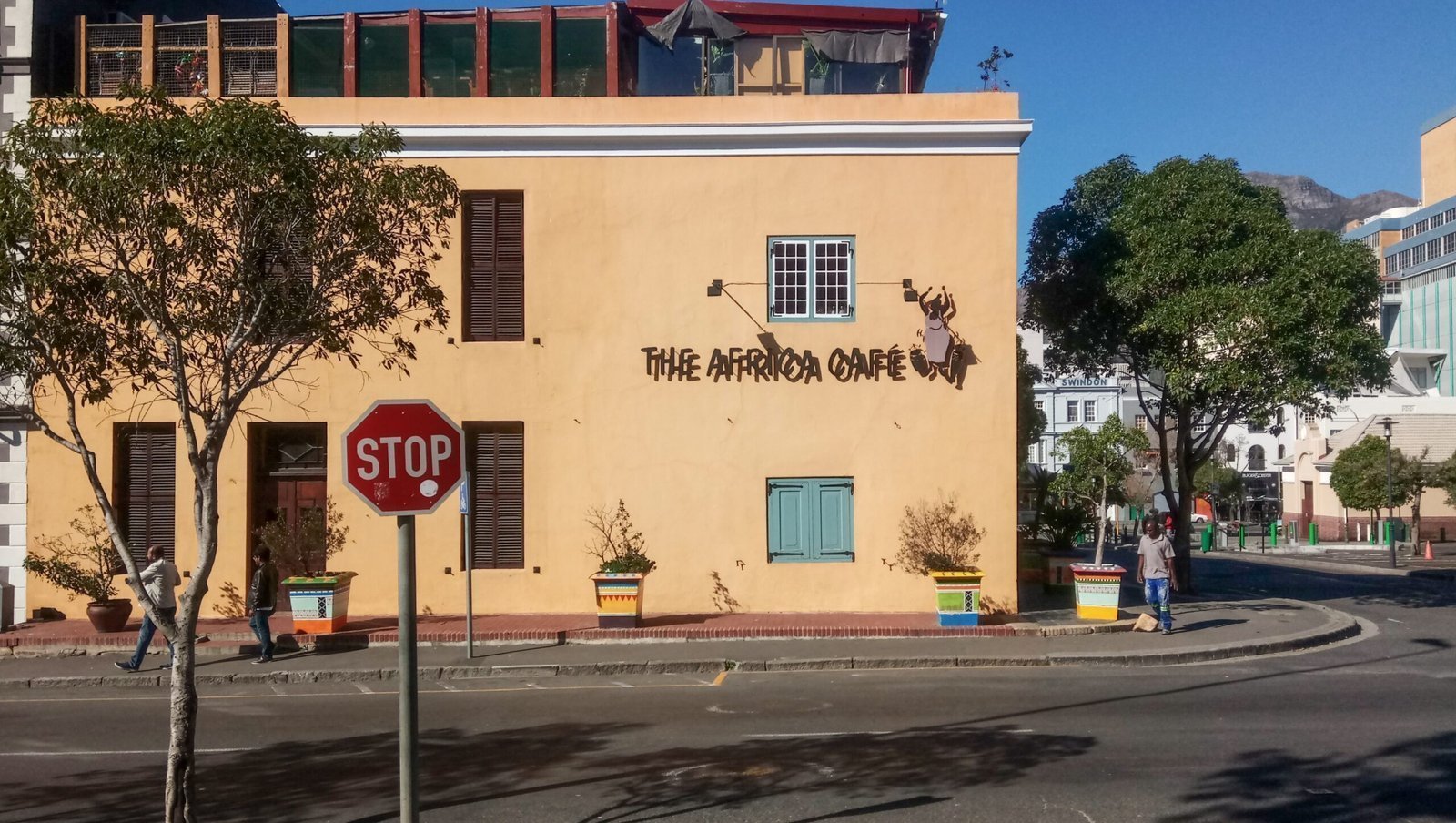
Beauty in an African city is rarely just about aesthetics. It’s about the layering of cultures, the collision of old and new, and the way communities hold onto identity while pushing forward simultaneously. Some cities are notable for their historic architecture, others for their scenic setting, and others still for their contemporary urban life. The most beautiful ones somehow manage to do all three at once.
Think of Stone Town’s carved wooden doors, each one telling a different story of Arab, Persian, Indian, and African influence meeting in one doorframe. Or the way Cape Town’s Bo-Kaap neighborhood erupts in color against the grey bulk of Signal Hill behind it. The Bo-Kaap neighborhood explodes with color, with rows of houses painted in every shade imaginable, lining narrow streets. That kind of street-level beauty is impossible to manufacture.
Kigali proves that urban beauty also lives in order and intentionality. Kigali’s transformation into the cleanest city in Africa is a testament to the power of good governance, community involvement, and sustainable development. The city’s success story serves as an inspiration for other urban centers across Africa. With its emphasis on cleanliness, environmental education, and forward-thinking urban planning, Kigali sets a high standard for the future of African cities. Beauty, it turns out, is also something you can build.
A Final Thought

Africa’s most beautiful cities are not museum pieces. They are living, breathing, growing places where millions of people build their lives every day. That, more than any mountain or mosaic or marketplace, is what makes them truly beautiful. These cities not only highlight the diverse beauty of Africa but also reflect the continent’s rich history, vibrant cultures, and awe-inspiring landscapes. Each offers a unique experience, making Africa an endlessly fascinating destination for travelers from around the world.
The question is no longer whether Africa belongs on the world’s travel map. It clearly, undeniably does. The only real question left is: which of these seven cities are you visiting first?