

Choosing a Caribbean destination is never just about the beach. Safety, ease of spending, and peace of mind all factor into the equation, especially for American travelers who want to skip the currency confusion entirely. Fortunately, several stunning islands across the region combine genuinely low crime rates with full or near-full acceptance of the US dollar, making them ideal for worry-free getaways. These seven islands stand out in both categories, backed by real data from 2024 and 2025.
1. Anguilla: The Caribbean’s Safest Island
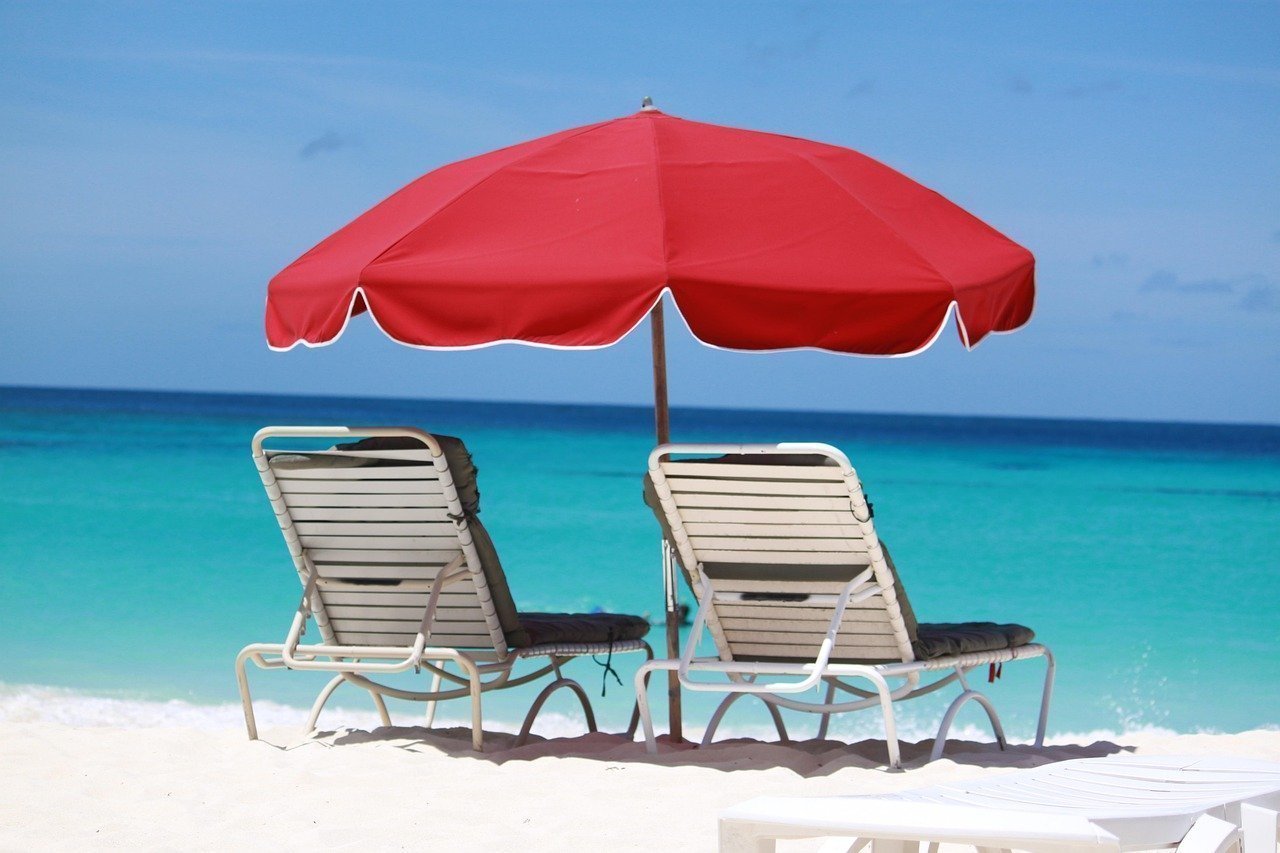
Anguilla was named the safest destination in the Caribbean, according to a 2025 ranking from World Population Review, which evaluates crime, policing, and political stability based on data from the Global Peace Index. Anguilla’s crime rates are among the lowest in the Caribbean, with very few violent and petty crimes to mar its reputation as a tropical oasis. Its isolation and limited access points also reduce cross-border criminal activity, and tourism is managed in a more controlled, boutique environment, according to John Rose, chief risk adviser for Altour. The US dollar is the legal currency of the British Virgin Islands and Puerto Rico, and is also recognized just about anywhere you go in Anguilla, making it a seamless destination for American visitors with no need to exchange cash.
2. St. Barthélemy (St. Barts): Zero Homicides and Luxury Calm
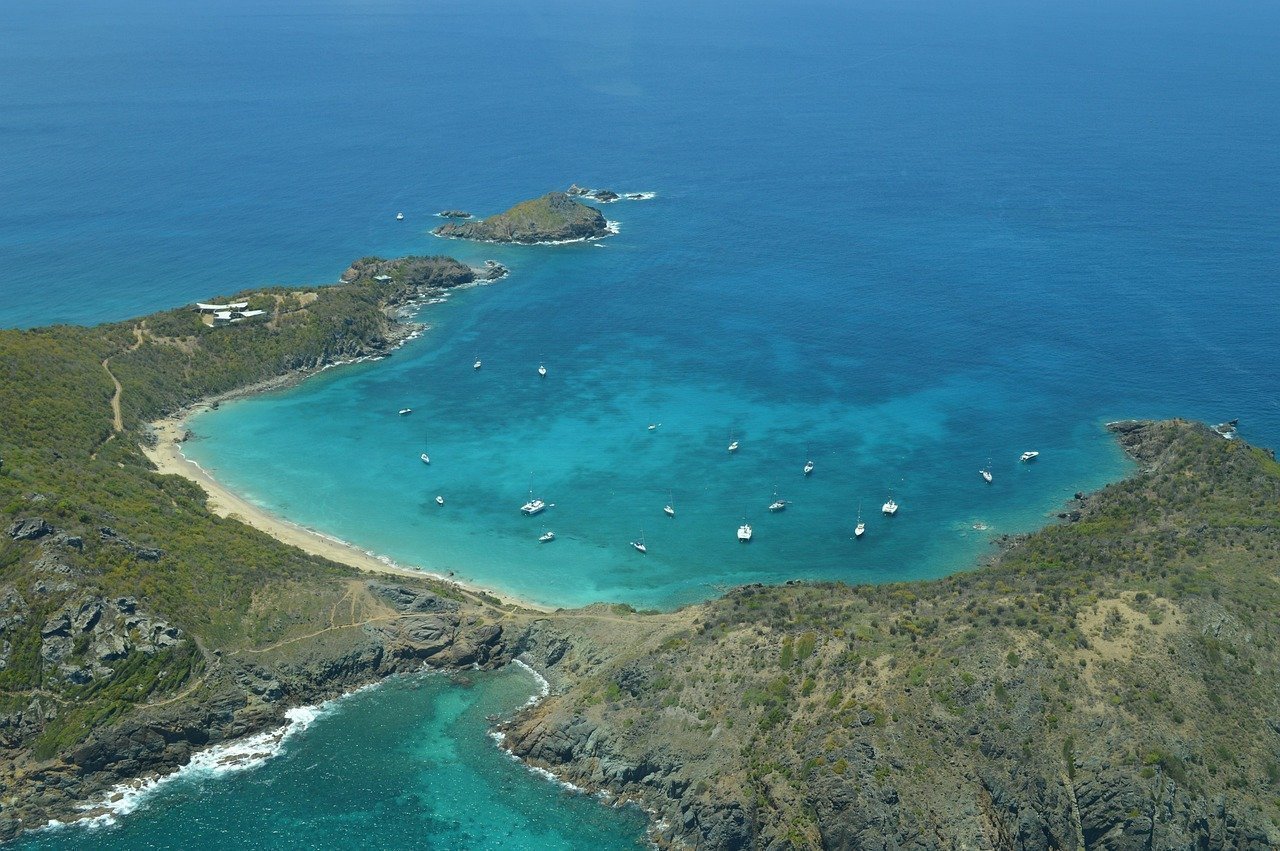
The safest island in the Caribbean was Saint Barthélemy, according to a study from travel platform Going, which said the island is known for its “exceptional security” and for having the lowest crime rates. St. Barts boasted a zero homicide rate in both 2023 and 2024, and is considered so safe that locals can leave their cars unlocked. The US State Department classifies the French West Indies, of which St. Barts is included, under its lowest Level 1 travel warning, telling Americans to “exercise normal precautions” when visiting. The US dollar is widely accepted across the island’s upscale restaurants and boutiques, making transactions straightforward for American travelers despite the official euro designation in French territories.
3. Cayman Islands: Tax-Free, Dollar-Friendly, Remarkably Secure
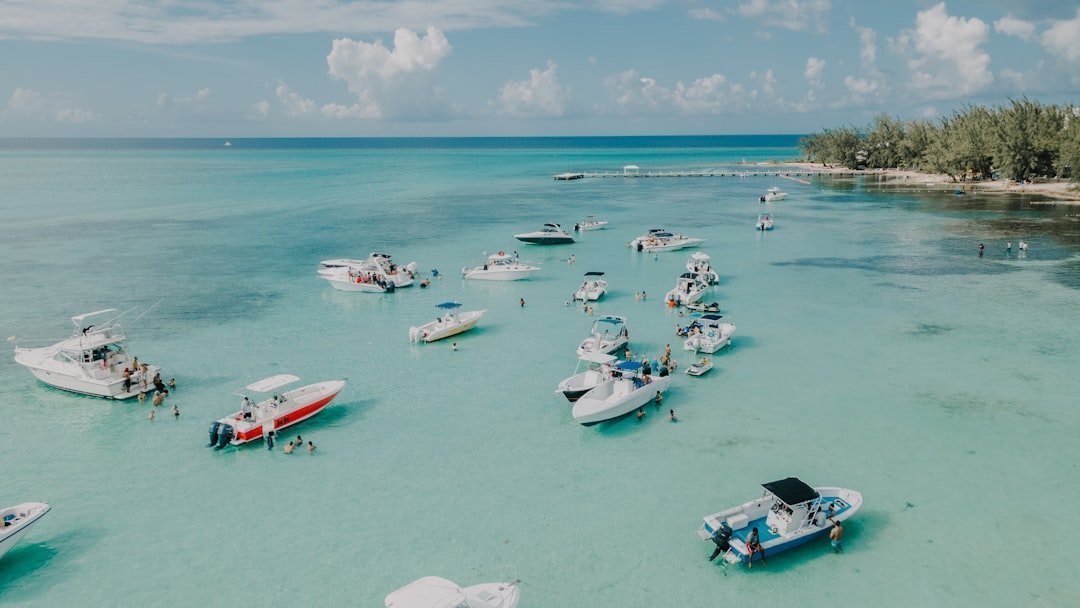
According to most expat reports and safety indexes, the Cayman Islands ranks as the safest place to live in the Caribbean, due to its stable economy, political neutrality, and low crime rates compared to other islands. Numbeo’s 2025 Caribbean Crime Index placed the Cayman Islands at a crime index of 30.8, giving it a safety index of 69.2, the highest of any rated Caribbean nation in the index. The Cayman Islands Dollar is tied to the US Dollar at a fixed rate of CI$1 = US$1.20, and US dollars circulate freely and are the best currency to exchange throughout the islands. For American visitors, that fixed peg eliminates any meaningful currency risk and makes budgeting simple from the moment you land.
4. Turks and Caicos: Official US Dollar Territory
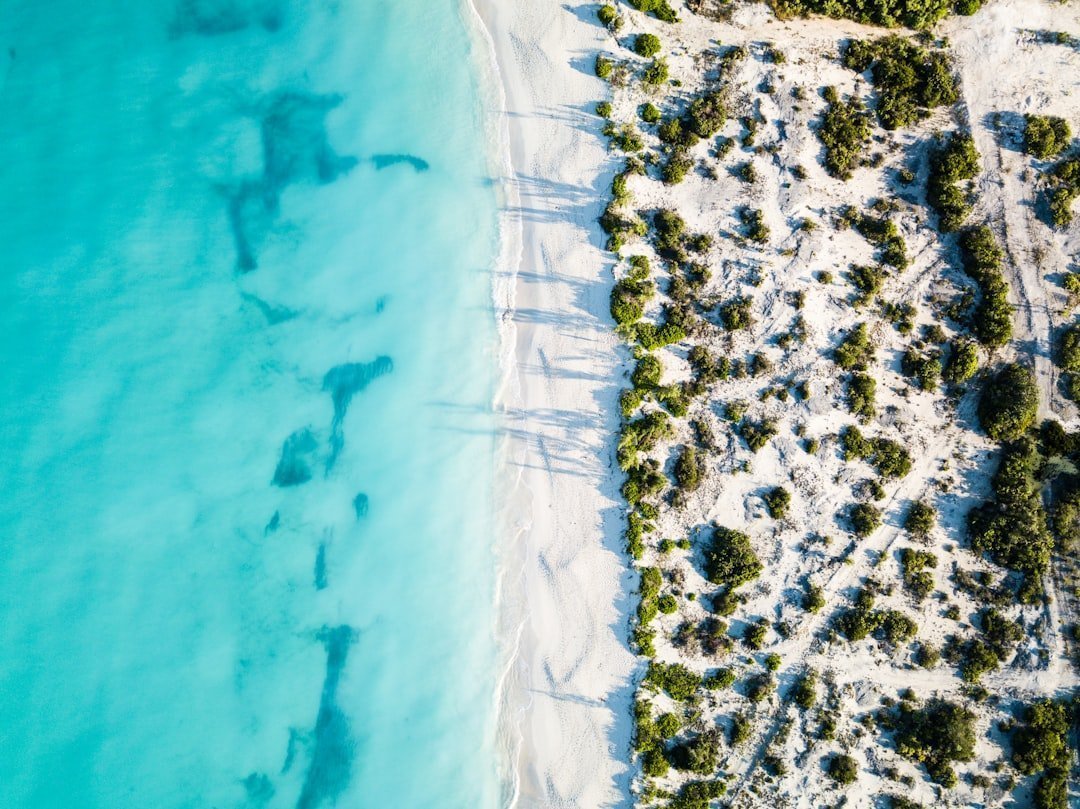
Turks and Caicos offers a tranquil environment with low crime rates, especially in tourist areas, and the islands have reliable infrastructure and healthcare services ensuring visitors’ safety and comfort. The US dollar is the official currency of Turks and Caicos, which means there is absolutely no conversion needed at any point during your stay. While the region is susceptible to hurricanes, effective preparedness measures are in place, and the stable political climate along with dedicated tourist support services make it a secure destination. The combination of dollar-native spending and consistent Level 1 State Department advisory status makes this destination one of the most frictionless in the entire Caribbean.
5. British Virgin Islands: Dollar Currency, Sailing Paradise
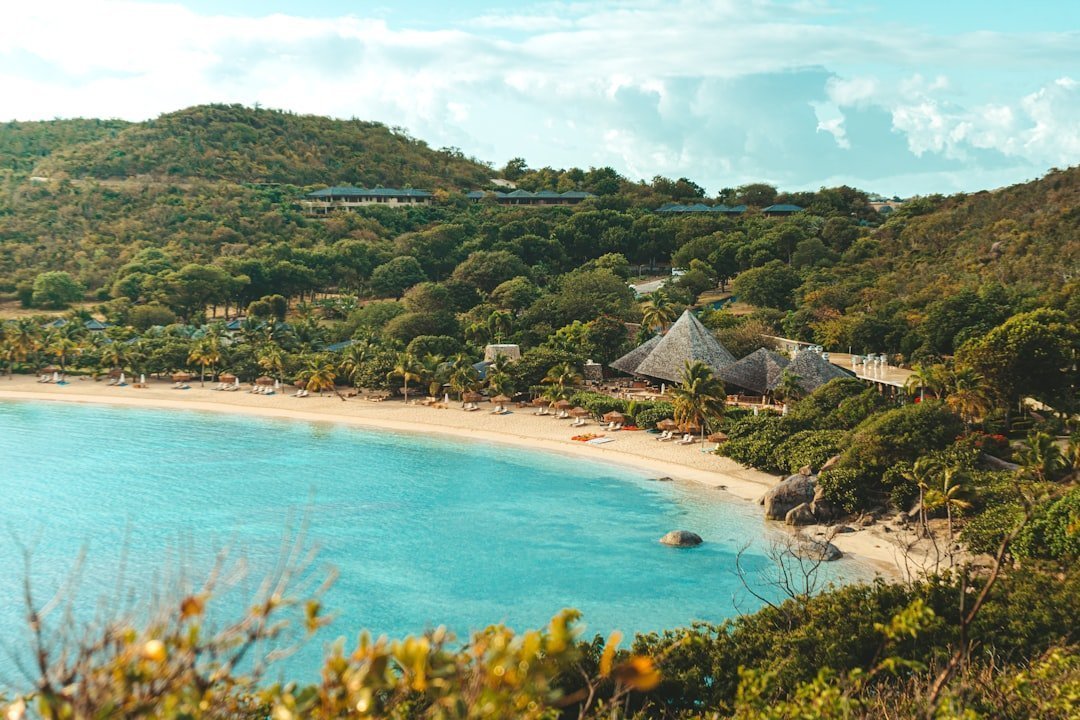
The British Virgin Islands’ official currency is the US dollar, and the territory of roughly 30,000 residents uses it as its national currency. This chain of nearly 50 islands offers a laid-back sailing culture and stunning natural beauty, and the main islands of Tortola, Virgin Gorda, Jost Van Dyke, and Anegada are considered very safe. The British Virgin Islands are a haven for boaters, offering a safe and serene environment with low crime rates. Tourism accounts for approximately 45% of national income, so the entire local economy is oriented toward making visiting Americans feel comfortable, safe, and very much at home.
6. Aruba: One Happy Island, One Reliable Dollar
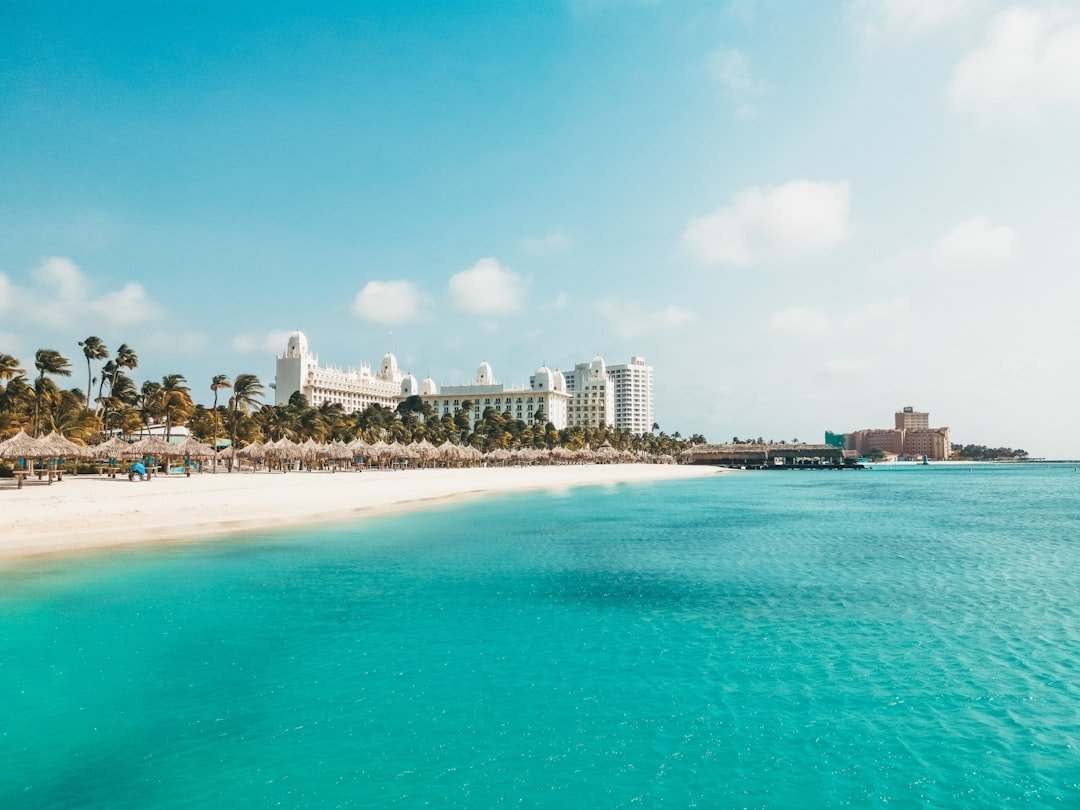
Aruba rounded out the list of the safest Caribbean destinations according to Going, thanks to its location outside the hurricane belt, “well-trained local police, excellent healthcare infrastructure,” and more. The island maintains one of the region’s lowest crime rates while offering expanded healthcare facilities through Horacio Oduber Hospital, which provides 248 beds for approximately 120,000 residents plus roughly 15,000 daily tourists. While the Aruban Florin (AWG) is the official currency, the US dollar is widely accepted, and most businesses including restaurants, hotels, and shops list prices in USD and give change in a mix of both currencies. The Central Bank of Aruba keeps the exchange rate fixed at 1.79 AWG for every USD, which has remained stable since 1986, giving travelers exceptional predictability.
7. Barbados: Consistent Safety Record with Dollar-Friendly Commerce

Barbados is another gorgeous Caribbean country with minimal crime, and has been seeing further decreases in its already-low crime rates year after year since 2018. Barbados has a low crime rate compared to many of its Caribbean neighbors, and holds a Level 1 rating from the US State Department, indicating that it is safe to visit. Barbados has enhanced tourism safety with increased police presence and improved lighting in visitor areas as of 2024 and 2025. Most shops and restaurants in Barbados are happy to accept US dollars as well as Barbadian dollars, and given that the Barbadian dollar has been pegged to the US dollar at a rate of 2:1 since 1975, there is virtually no exchange rate confusion for American travelers navigating the island.
What the US State Department Says About These Islands
The top-performing islands consistently maintain Level 1 (“Exercise Normal Precautions”) travel advisories from the US State Department, low crime rates, robust healthcare systems, and minimal hurricane exposure. These islands not only offer welcoming environments and first-class medical facilities but also appeal strongly to a variety of visitors, including couples and solo travelers. The Cayman Islands and Anguilla maintain relatively low crime rates compared to regional averages, and travelers should focus on tourist-zone safety rather than island-wide statistics. This perspective is especially useful when weighing destinations against broader national crime data that can skew perception.
How to Read Caribbean Crime Data Accurately

The Always All Inclusive Caribbean Island Safety Index 2025 analyzed expert data across four major safety categories: travel advisories, crime and tourist safety, hurricane risk, and healthcare infrastructure, combining them into a clear safety score for each island. National crime rates don’t always reflect the risks to tourists. Jamaica has very low rates of violent crime against tourists especially in resort areas, while the Bahamas has experienced multiple reported incidents involving tourists, especially in Nassau, including robberies and assaults near beaches. For dollar-spending travelers, understanding the distinction between tourist-zone safety and national statistics is the key to making a truly informed decision.
Hurricane Risk and Its Impact on Safety Planning
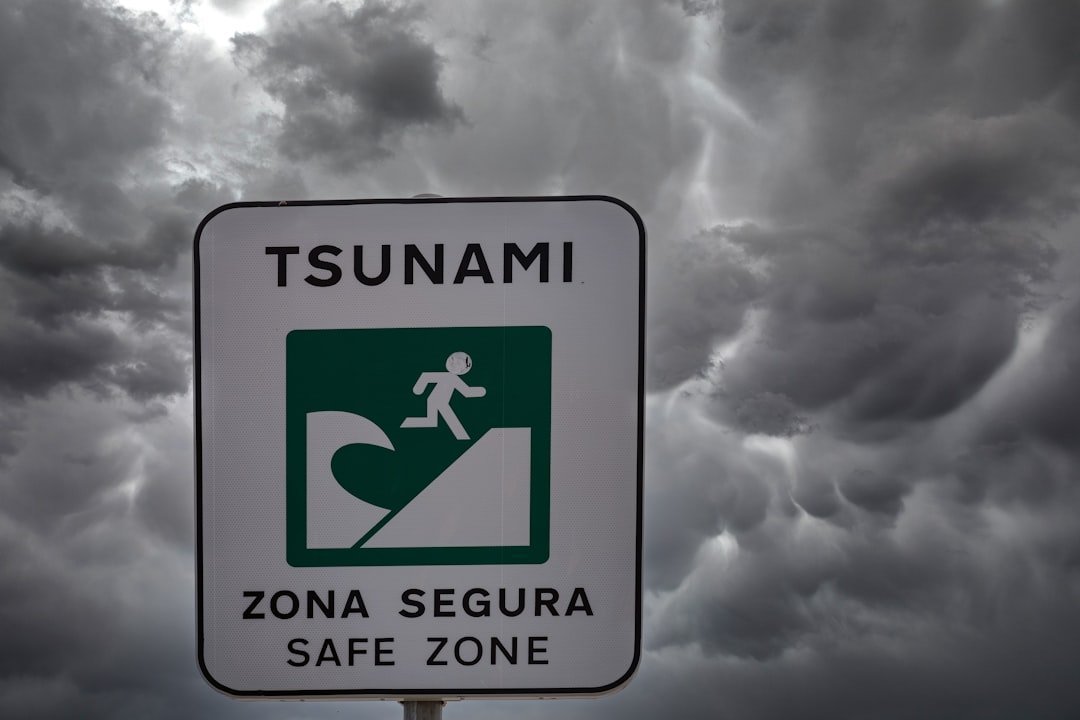
Islands like Puerto Rico and the Bahamas are frequently affected by hurricanes, while Aruba, Curaçao, and Barbados remain largely outside the storm zone. Caribbean travelers must consider hurricane season, which runs from June through November, with increasing seriousness. While hurricane season lasts from May to November, serious hurricanes are infrequent in some islands, and the most resilient destinations are well-equipped to recover quickly. For all seven islands featured in this article, the combination of safety infrastructure and dollar accessibility remains strong throughout the year, though traveling outside of peak storm months adds an extra layer of peace of mind.
Why Dollar Acceptance Changes the Travel Experience

There are a number of currencies serving multiple Caribbean territories, with the US dollar serving five of them officially, making it the single most accepted form of payment across the region. Thanks to tourism and Aruba’s cultural diversity, the US dollar has long been widely accepted in restaurants, shops, and tour operators across the top-rated safe islands. If you plan a Caribbean getaway in 2026 and prioritize safety, consider visiting islands like Anguilla, Barbados, the Cayman Islands, Turks and Caicos, and Aruba, known for their low crime rates and traveler-friendly environments. On these seven islands, the US dollar is not just tolerated, it is expected, and that single fact transforms the everyday experience of traveling from stressful to seamless.