
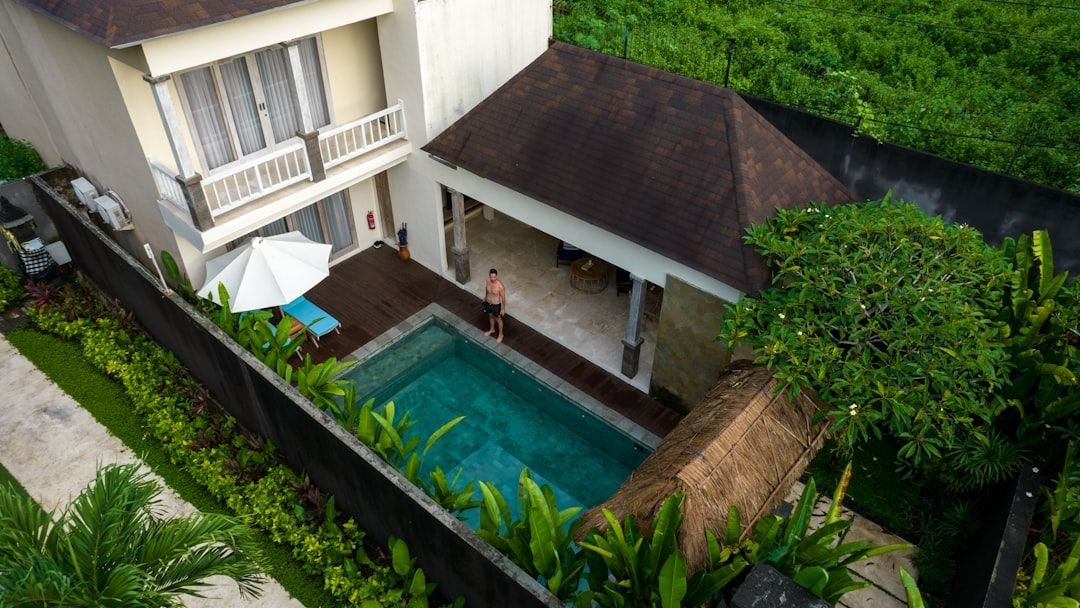
Bali has long been sold as paradise in a laptop bag. Sun-drenched rice paddies, $3 coffees, world-class surf, and a buzzing creative community – the dream seemed almost too good to be true. Turns out, for a growing chunk of the global nomad crowd, it was. Beneath the coconut smoothies and golden-hour Instagram shots lies a reality that is complex, expensive, and frankly exhausting in ways that nobody’s Reels are going to show you.
Digital nomads are fleeing Bali in 2025 due to tighter visa rules, rising living costs, burnout from overtourism, and a shift toward lesser-known destinations offering better digital infrastructure, affordability, and quality of life. The island that once defined location-independent work culture is now pushing its own residents out. Here is why – all ten uncomfortable reasons – and what the data actually says about it. Let’s dive in.
1. The Cost of Living Has Quietly Exploded

Nobody shows up to Bali expecting to blow their budget. That was the whole point, right? The promise of geo-arbitrage – earning in dollars, spending in rupiah – turned Bali into a magnet. But that math has quietly fallen apart.
In 2025, housing prices have doubled in key nomad hubs like Canggu, Ubud, and Seminyak, driven by increased demand from influencers, developers, and global expats. What once cost $800 per month now easily exceeds $2,000, without significant improvements in services. Think about that. You’re now paying more-than-European prices for infrastructure that hasn’t upgraded to match.
Locals and expats alike point to inflation in imported goods, “nomad-targeted” cafes, and visa uncertainties as driving up weekly living costs. The trendy almond-milk latte culture has priced out the very people who built that culture in the first place. Room prices in Canggu jumped from IDR 3–6 million in 2022 to IDR 8–15 million or more in 2025, with nomads now effectively paying “more than Europe” for their daily lifestyle.
2. The Visa Situation Is a Legal Minefield

Here’s the thing nobody tells you before you book that one-way ticket: working legally in Bali has always been murky, and it’s only gotten murkier. The legal grey zone that digital nomads once happily occupied is shrinking fast.
Indonesia is not known for being particularly welcoming to foreigners who want to stay in the country long-term to work and live. With a rush of new digital nomads coming to Bali after the lockdown was lifted, regulations and rules have been tightening. Despite new digital nomad visas being announced regularly, the current visa options for remote workers are expensive and limited, making legally working in Bali very difficult.
The local government has been cracking down on misbehaving foreigners, even going so far as to implement a hotline which can be used to report people. Even volunteering or looking for a tenant for your room after you leave is seen as working in Bali, leading to dozens of deportations and bans of foreigners every month. Most digital nomads are getting fed up with paying for expensive work permits or worrying about accidentally breaking the rules. That psychological weight adds up.
3. Traffic Congestion Is Genuinely Life-Draining
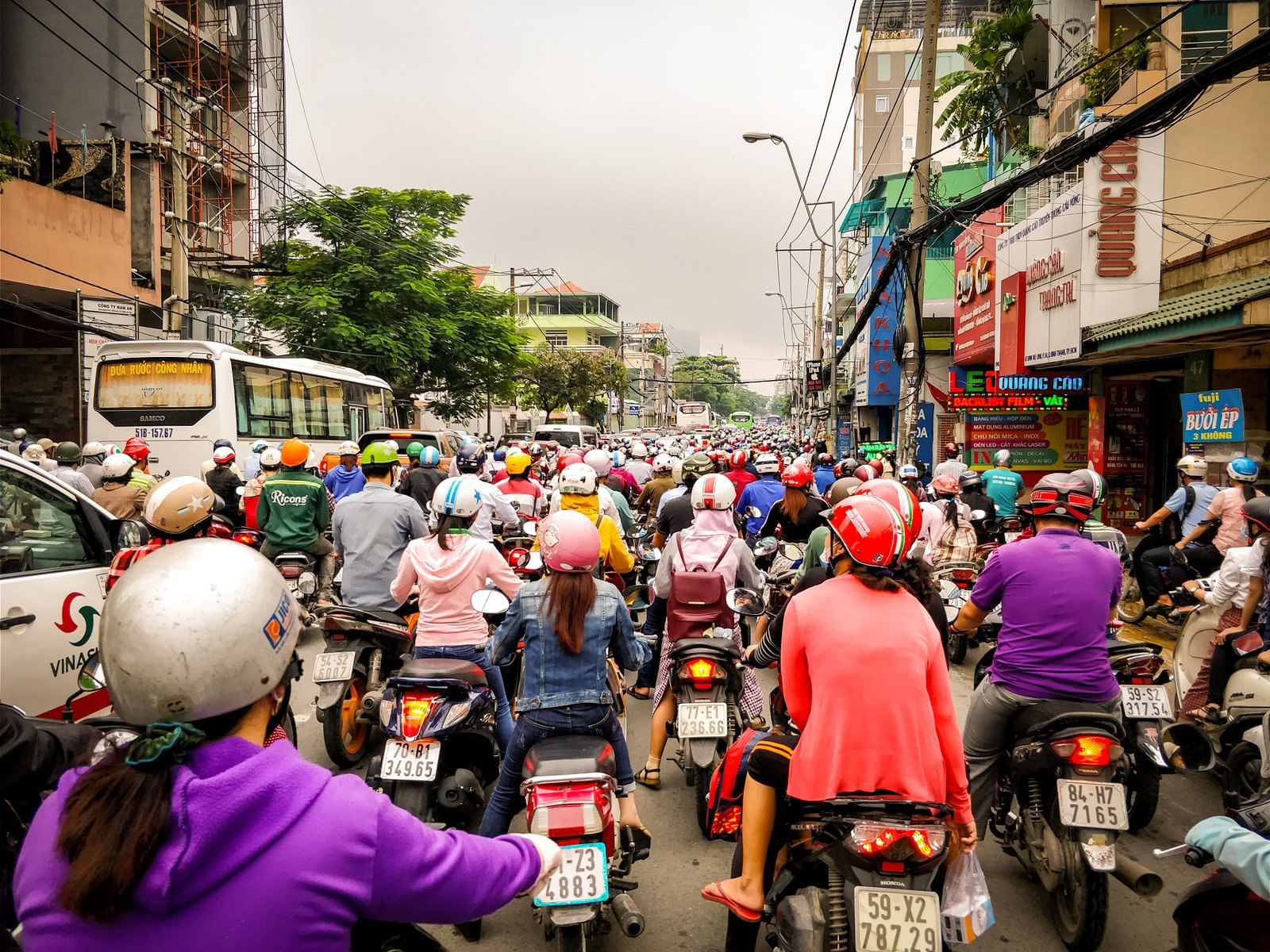
Imagine spending three hours in a scooter traffic jam – sweating, honking, going nowhere – just to cover eighteen kilometers. Sounds like a nightmare. For Canggu residents, it’s Tuesday.
Traffic conditions in neighborhoods like Canggu, Ubud, Seminyak, and central Uluwatu have become catastrophic, leading to congestion that makes getting anywhere in southern Bali take several hours, even with Grab or Gojek. To get from Canggu, where a lot of coworking spaces and facilities for digital nomads are located, to the airport, people now plan at least two to three hours, even though the distance is less than 18 kilometers. It has even taken some residents three hours for that route.
The road system is not equipped to handle the nearly 5 million annual visitors coming to the island, and it’s difficult to expand it due to a lack of space in populated areas. Traffic conditions in popular neighborhoods have become catastrophic. Traffic in Bali is terrible year-round now, even during the low season. When your commute eats your morning, your productivity, and your mood in one go, the island starts to lose its magic fast.
4. Overtourism Has Shattered the Peaceful Vibe
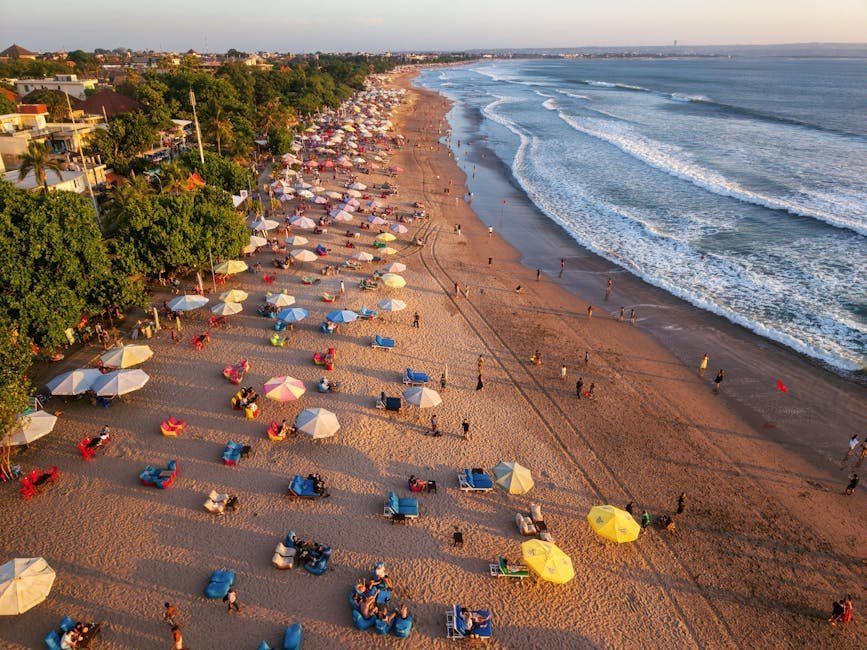
Bali’s entire appeal was built on tranquility. Cultural richness, spiritual stillness, that sense of being somewhere quietly extraordinary. That vibe is under serious siege. The numbers don’t lie.
In 2024, a record-breaking 6.3 million international tourists visited Bali. While this surge should have been a reason to celebrate, it has brought with it unsustainable growth that is starting to erode the very things that made Bali unique. The island, which once offered serenity and breathtaking landscapes, now struggles with overcrowded streets and pollution. In tourist hotspots like Ubud, Kuta, and Seminyak, the once calming atmosphere has given way to congested areas filled with tourists, plastic waste, and rows of sunbeds occupying Bali’s pristine beaches.
Bali’s rapid growth in popularity has created serious issues with overtourism. Popular areas are overrun with traffic jams, pollution, and noise. Locals have expressed growing frustration with insensitive tourists and disrespectful behavior from remote workers who treat the island more like a backdrop than a home. It’s a vicious cycle. Nomads came for the peace, then collectively destroyed it by arriving in mass.
5. The Waste and Pollution Crisis Is Unavoidable

Social media Bali and real Bali are two very different places. The filtered lagoon shots don’t show the rivers clogged with plastic or the beaches buried in trash after every monsoon season. This is one of the most jarring culture shocks for newly arrived nomads – and one of the most cited reasons for leaving.
Based on data from the National Waste Management Information System, waste generation in Bali Province in 2024 reached 1.2 million tons. Denpasar City is the most significant contributor, with around 360 thousand tons of waste, with organic waste dominating at 68.32 percent. To put it even more bluntly: Bali generates 3,436 tons of waste daily, with landfills overflowing into illegal disposal.
Trash accumulation and weak waste management are now daily realities, even in scenic areas. Seasonal crop burning worsens haze and degrades air quality – something longtime residents say becomes harder to ignore over time. Honestly, I think this is the one factor that surprises nomads the most. You can mentally prepare for expensive rent. You can’t really prepare for the smell.
6. The Hustle Culture Burnout Is Very Real

Bali was supposed to be the antidote to burnout culture. Ironically, it has become a petri dish for a whole new strain of it. The laptop-on-the-beach aesthetic metastasized into something far more intense and inescapable.
After a couple of weeks, many nomads feel a deep level of burnout. You go to a cafe – people are on their laptops. You go to a restaurant – people are on their laptops. You go to a bar – people are on their laptops. You go to the beach – people are on their laptops. You can’t escape it. The hustle culture is everywhere.
The very popularity that made Bali attractive has become a downside. Many digital nomads report burnout from the party-heavy, influencer-driven culture that now dominates places like Canggu. What used to be a place for productivity and quiet inspiration has become more about social appearances, brand deals, and noise. There is a particular exhaustion that comes from being surrounded by people all performing the same dream at maximum volume.
7. The Community Feels Shallow and Transient

This one is harder to quantify but arguably the most emotionally brutal. Bali attracts an endless revolving door of people. Everyone is “passing through.” Genuine, lasting friendship becomes almost impossible to build, and the loneliness of that hits harder than expected.
Many relationships in Bali feel fleeting. People are constantly passing through. “Where are you from?” and “How long are you here?” become the default icebreakers, not “How are you, really?” Even when you find your crew, you have to accept that every friendship has an expiration date.
Isolation is a major challenge for digital nomads, and community engagement helps prevent burnout. Yet the structure of Bali’s nomad scene almost works against that. While some digital nomads spend their entire lives hopping from place to place, the average duration for most is around three or four years. After the initial excitement of living in paradise, the experience has started to fade for many. When your social circle dissolves every few months, the emotional toll is real.
8. Overdevelopment Is Destroying What Made Bali Beautiful
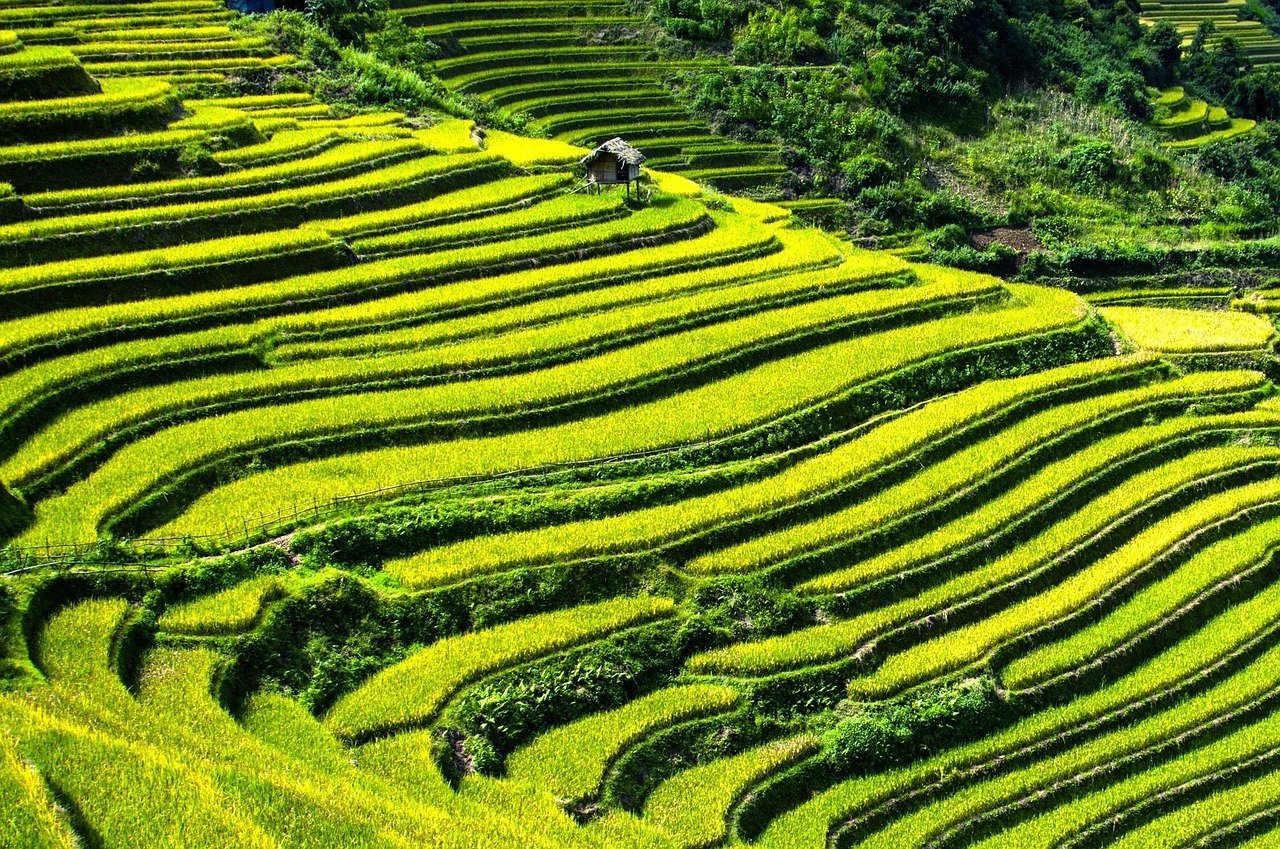
The island’s soul – those iconic rice terraces, those still-sacred temples surrounded by tropical quiet – is slowly being paved over to build yet another infinity pool villa. This is not just aesthetically sad. It actively breaks the reason people wanted to be there.
As more foreigners and investors arrived, housing prices surged, particularly in hubs like Canggu and Ubud. In 2024, the Indonesian government imposed a moratorium on new hotels and villas in parts of Bali to stem overdevelopment. That’s a telling signal – even the government admitted things had gone too far.
Locals and long-term residents have raised concerns about rising pollution, noise, and the pressure on local resources. Water shortages in southern Bali, overflowing landfills, and increased energy consumption are just a few examples of the strain. Rice fields are disappearing for villa construction, creating a pollution crisis and cultural strain. At some point, the postcard-worthy backdrop you came for simply no longer exists.
9. The Rise of Far Better Alternatives

Let’s be real: the global nomad market has matured significantly. Remote workers in 2026 are spoiled for choice in ways they simply weren’t five years ago. Bali’s competitive edge has eroded on nearly every measurable axis.
Vietnam is now about 35% cheaper than Bali for digital nomads in 2025. Da Nang costs around $900 per month compared to Canggu’s $1,400, saving nomads $500 per month or $6,000 per year. That’s not a small difference – that’s a plane ticket every month.
Taipei, Taiwan launched a six-month digital nomad visa in 2025 with strong infrastructure, culture, and safety. Siargao in the Philippines offers a surf and Wi-Fi lifestyle with a rising nomad community. Tbilisi, Georgia provides a low cost of living, easy visa access, and growing remote infrastructure. Portugal, Spain, Estonia, and Malta offer strong digital nomad policies and European stability. The world opened up, and Bali didn’t keep pace.
10. The Influencer Illusion That Keeps Luring the Unprepared
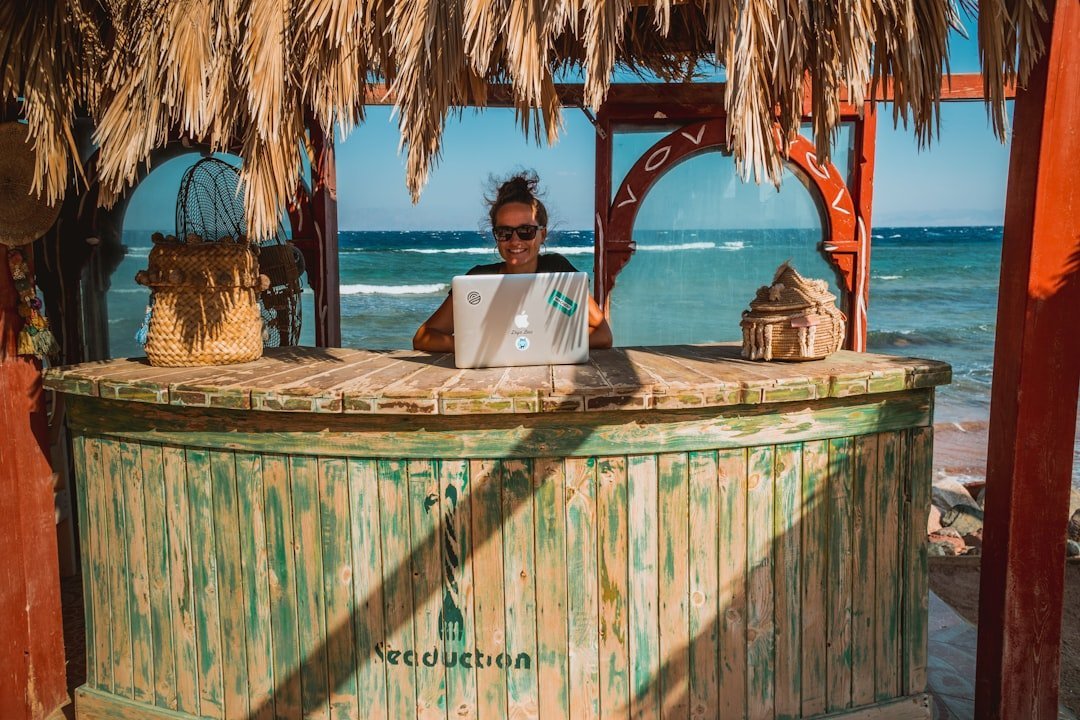
Perhaps the cruelest irony in all of this: Bali keeps attracting fresh waves of nomads precisely because the people who already left there still have old content circulating. The algorithm is still serving up 2019 Bali to someone sitting at a 2026 desk job.
There has been a well-documented influencer culture cropping up in Bali with people who have only been there for a few weeks or a few months, making photoshopped and edited posts that promote Bali as a destination, usually to get likes or for some other form of self-interest. The gap between marketed Bali and lived Bali is enormous. And that gap is exactly why so many nomads arrive with sky-high expectations and crash hard within six months.
Bali’s early promise as a remote-work utopia is colliding with reality – rising costs, environmental strain, and policy backlash. While it still holds appeal as a short-term base, many digital nomads are moving on in search of more sustainable, stable, and legally secure homes. The nomads who leave aren’t failures. They just woke up faster than the algorithm did.
Conclusion: The Dream Was Real. The Reality Changed.
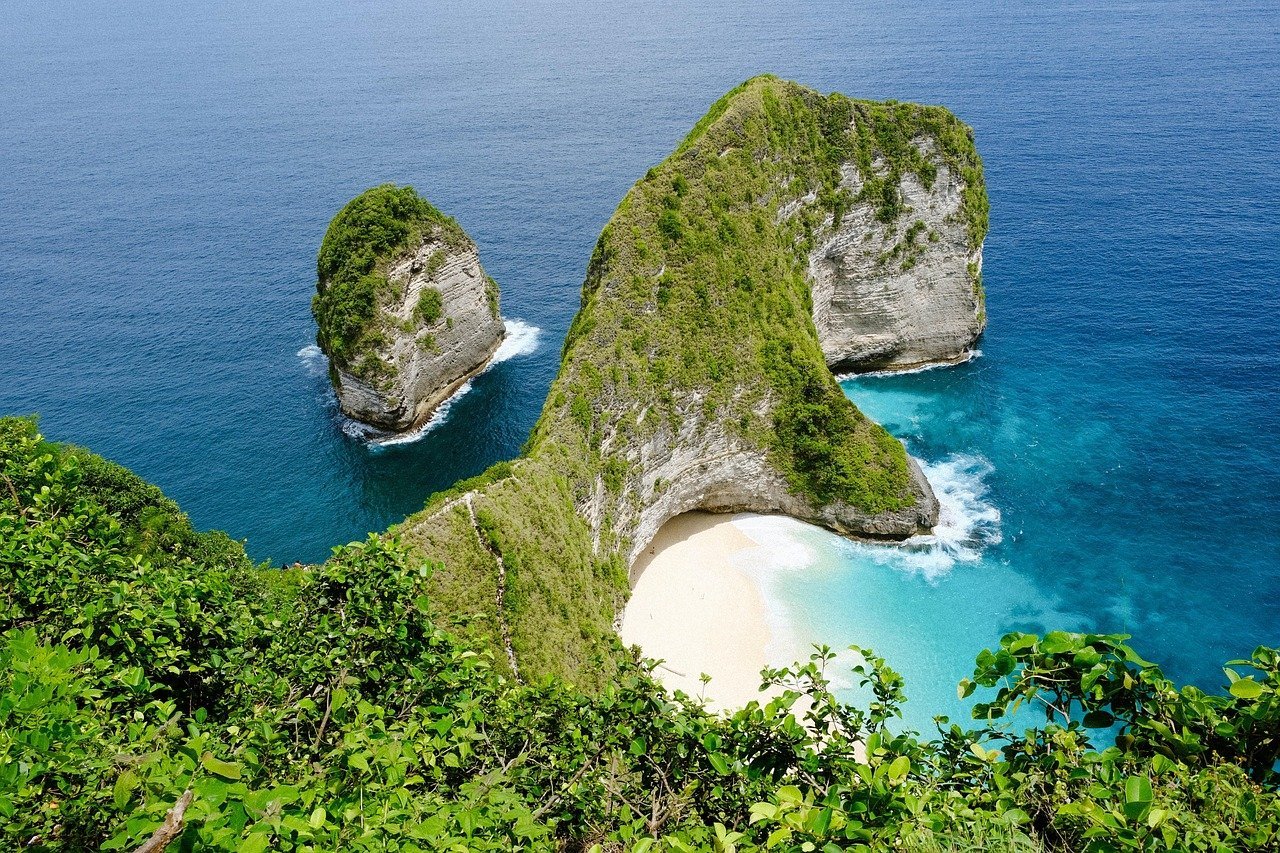
Bali wasn’t always a burnout machine. There was a window – roughly 2012 to 2019 – when it genuinely delivered on the promise. Affordable, beautiful, open, spiritually alive, community-rich. That window is not fully closed, but it is definitely narrowing.
In 2025 and beyond, digital nomads are becoming more intentional, mindful, and mobile. The current migration shows a shift in values – away from hype and toward sustainability, affordability, and deeper cultural engagement. The nomads leaving Bali aren’t abandoning the lifestyle. They’re refining it.
The “Bali Burnout” is real, documented, and growing. It’s part economic reality, part environmental reckoning, part collective disillusionment. And maybe that’s not entirely Bali’s fault. When millions of people rush toward the same dream at once, the dream changes shape under the weight of them. Have you experienced Bali’s burnout firsthand – or are you still convinced the island can still deliver? Tell us in the comments.