

There’s a moment every traveler knows – that brief, silent exchange at the border counter where a uniformed officer holds your passport a beat too long and fixes you with a look that seems to see straight through you. That look has a name in behavioral science circles: it’s the assessment stare, and the officer behind it is trained to read far more than just your documentation. What they’re watching, in those fleeting seconds, are the involuntary flickers crossing your face – micro-expressions so fast they vanish in a fraction of a second, yet powerful enough to redirect your entire travel day into a secondary inspection room. Understanding what border officers are trained to look for isn’t about learning to deceive them. It’s about understanding the intersection of behavioral science, government policy, and human psychology that shapes one of the most high-stakes social encounters modern travelers face.
1. What Secondary Inspection Actually Is – and Why It Happens
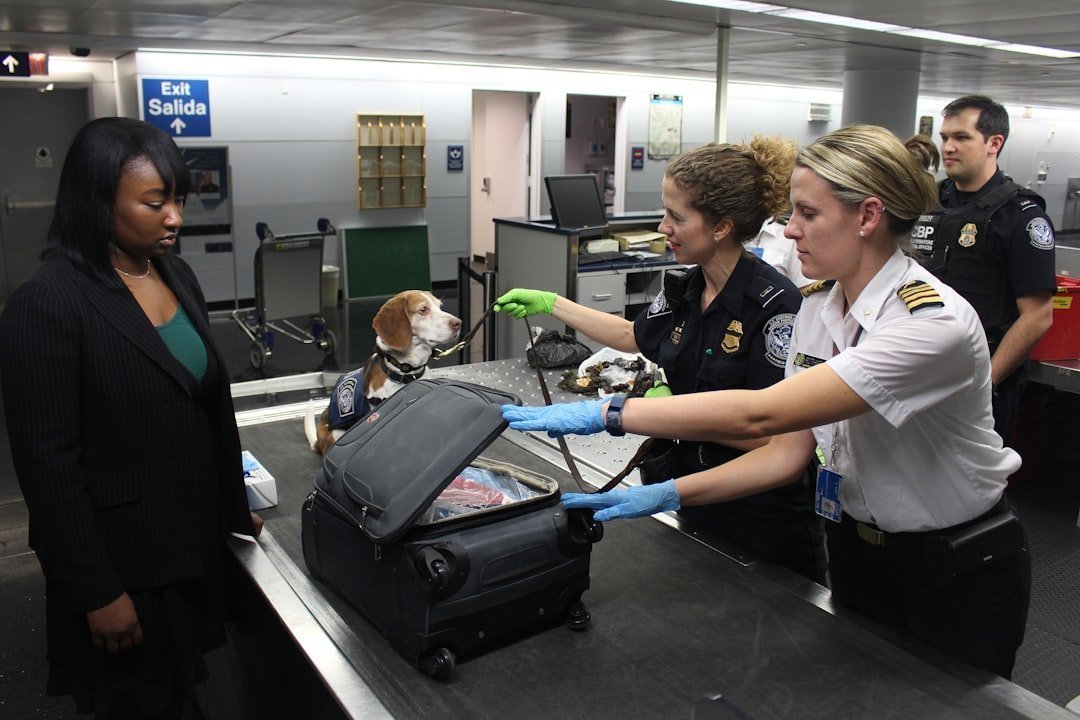
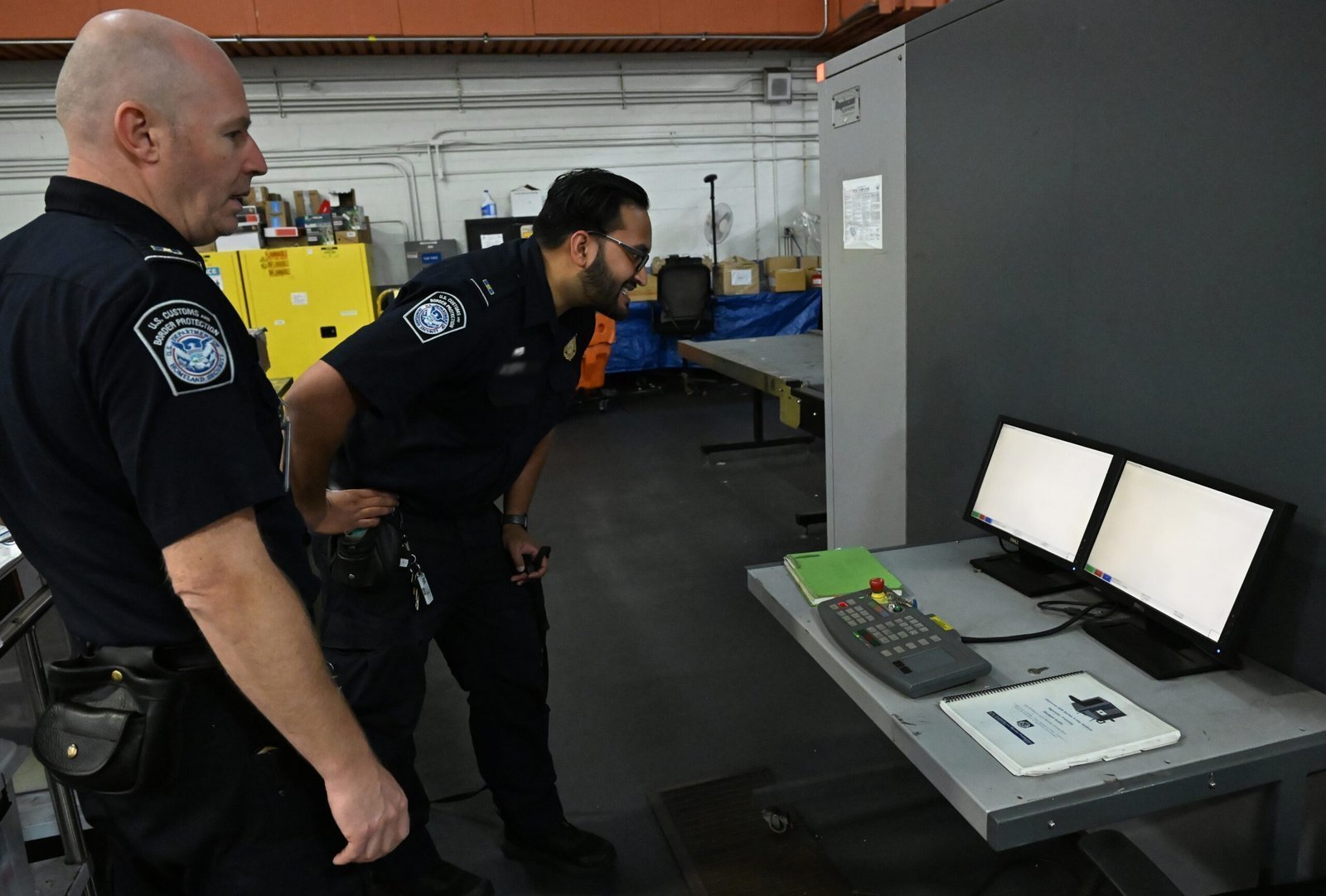
If the U.S. Customs and Border Protection (CBP) officer at the port of entry cannot verify your information, or if you do not have all of the required documentation, a CBP officer may direct you to an interview area known as “secondary inspection,” which allows inspectors to conduct additional research in order to verify information without causing delays for other arriving passengers. That’s the official line – straightforward, almost clinical. But the reality is broader and more layered than missing paperwork. Reasons that a traveler may be referred for secondary inspection include, but are not limited to: address issues with documentation supplied by the traveler, potential administrative immigration violations, inquiries regarding potential violation of civil or criminal laws, screening at random, or if CBP officers believe at their discretion that further inspection is needed. In practice, officer discretion sits at the heart of the entire process. CBP relies upon the judgment of individual officers to use their discretion as to the extent of examination necessary, and officers use diverse factors to refer individuals for targeted examinations – with instances when their best judgments prove to be unfounded.
2. The Science Behind Micro-Expressions
A microexpression is a brief and subtle facial movement which usually lasts from 1/25 to 1/5 of a second, revealing an emotion a person is trying to conceal. These involuntary flickers were first documented by researchers Haggard and Isaacs, and later formally named by psychologist Paul Ekman. Ekman observed that although deceivers strive to conceal genuine feelings with neutral or friendly facial expressions, true emotions can surface in fleeting involuntary facial movements called microexpressions – rapid shifts such as a momentary flash of fear or anger that may persist for only a few frames yet betray the individual’s underlying emotional state. The foundational theory draws on a concept Charles Darwin wrote about. Darwin observed that genuine emotions often escape full suppression – a principle central to microexpression theory. Ekman extended this insight by creating the Facial Action Coding System, which systematically maps facial muscle movements to specific emotions.
3. The Flash of Fear – Raised Inner Brows and the Forehead Furrow

Among the most telling micro-expressions officers look for is the fear flash – a split-second contraction of the inner corners of the eyebrows, pulling them upward and together while the forehead creases. Among the micro-expressions that are difficult to voluntarily control, some involve the forehead – for example, when the inner corners of the eyebrow are pulled upward – and the mouth area, such as narrowing the lips. This is significant because these movements are largely involuntary. According to the inhibition hypothesis, the movements of some facial muscles are mostly involuntary, meaning it is difficult to control them deliberately, and these muscles are considered cues of deception because humans are not able to inhibit their activation with the purpose of concealing an expression. The fear expression at the border isn’t always about guilt – it can reflect entirely innocent anxiety – but trained officers are watching for it regardless. Actual travelers face higher stakes, more complex emotional states, and someone may be anxious yet truthful or, conversely, a calm liar.
4. The Contempt Smirk – A One-Sided Lip Curl

Contempt is the only asymmetric emotion in Ekman’s classification system, and it shows up as a slight one-sided tightening or raising of the lip corner – think of it as half a sneer. The Micro Expressions Training Tool (METT) is a self-directed form of training intended to help improve the detection of the micro-expressions of sadness, anger, surprise, fear, disgust, contempt, and happiness. At the border, a flash of contempt can register as hostility toward authority – a red flag in an environment built on cooperation and compliance. TSA’s 92-point behavioral checklist is divided into various categories, including a final category for “signs of deception” that encompasses cues like covering the mouth with a hand when speaking and a fast eye blink rate. Officers interpreting a contempt expression may read it as an attitude of superiority or dismissiveness toward the inspection process itself. Speaking with travelers and closely examining their documentation are some of the ways CBP looks for what it terms mala fide or improperly documented travelers.
5. The Disgust Flash – Nose Wrinkle and Upper Lip Raise

Disgust is a hard expression to fake – and equally hard to hide. It involves the nose wrinkling upward and the upper lip curling, often in response to something the traveler finds offensive or distressing. In a secondary inspection context, a disgust flash can appear when a traveler is asked a question that makes them internally recoil – even if they answer calmly. According to the theory of emotional leakage, a person’s true feeling briefly appears on their face before they return to a neutral expression – imagine someone insisting “I have nothing to hide,” only to betray a split second of fear across their forehead. Psychologists refer to these fleeting reveals as microexpressions. The problem, as researchers have noted, is that cultural background matters enormously. There is a fundamental issue with the concept of deeming individuals’ facial expressions as ‘masked’ or ‘genuine,’ since facial muscle reactions are not consistent in or among individuals, or even between cultures.
6. The Suppressed Anger Flash – Tightened Lips and Jaw Set

Suppressed anger is one of the most common micro-expressions officers encounter – and one of the most misread. A traveler frustrated by a long flight, a language barrier, or a perceived intrusion on their privacy can involuntarily compress their lips into a tight, thin line and clench the jaw. This kind of facial expression usually occurs in high-stakes situations where people have something valuable to gain or lose. The officer across the counter, trained in behavioral analysis, may interpret this expression as hostility or concealment rather than simple exhaustion. The “Othello error” consists in judging a truthful person as a liar, often confusing the signs of fear of being falsely accused as fear of being discovered. This cognitive pitfall is well-documented in the academic literature and represents a real risk in border inspection environments where time pressure runs high. The previous literature assumed that detecting deception from facial cues is extremely cognitively expensive, as it requires paying attention to a huge number of details in a very short time, and the limited resources of the cognitive system do not allow a human judge to catch enough information.
7. Gaze Aversion and the Fast Eye Blink Rate

Perhaps the most universally recognized behavioral cue is the avoidance of eye contact – and it’s explicitly listed in official behavioral screening documents. Those passengers pulled over for additional inspection are scored based on categories including “signs of deception,” which include “covers mouth with hand when speaking” and “fast eye blink rate.” A traveler who repeatedly looks away from the officer’s face or dramatically increases their blink rate may inadvertently signal stress or concealment. The fast blink rate is physiologically connected to anxiety and cognitive load – the brain working harder than normal to manage a conversation. All tested classifiers performed better when a cognitive load was imposed on the interviewee, confirming that the technique of increasing cognitive load during an interview facilitates deception recognition. However, experts emphasize that gaze aversion is deeply cultural. In many cultures, looking directly at an authority figure is considered disrespectful, meaning an innocent traveler may unwittingly score points on a behavioral checklist simply by following their cultural norms.
8. The Surprise Expression – Raised Brows and Open Mouth

Surprise is the briefest of all the basic emotional expressions, typically lasting under a second. When a traveler shows genuine, uncontrolled surprise at a question – particularly one they should have anticipated – it can flag an officer’s attention. According to Ekman, a microexpression is considered to reflect a human’s real intent, especially one of a hostile nature. Surprise in the wrong context – for instance, when asked about undeclared goods or travel history that should be routine – can suggest the traveler was not expecting the question to arise. Questions asked by AI-assisted lie detection systems have included “What’s in your suitcase?” and “If you open the suitcase and show me what is inside, will it confirm that your answers were true?” – with systems analyzing microgestures such as minor eyelid movements to determine if travelers were being truthful. Even EU-funded research projects have explored this territory, seeking to detect what researchers called “biomarkers of deceit.” The deception detection tool envisaged subjecting a traveler to an interview with an avatar in order to identify “biomarkers of deceit,” including non-verbal facial micro-expressions associated with lying.
9. The Behavioral Detection Programs Behind the Stare
The TSA’s SPOT program is a controversial system to identify potential threats based on behaviors thought to indicate stress or deception – known as Screening of Passengers by Observation Techniques – which employs specially trained officers known as Behavior Detection Officers to watch and interact with passengers going through screening. The program has been operating for nearly two decades, and the investment has been massive. Despite concerns, TSA has trained and deployed thousands of Behavior Detection Officers, and the program has cost more than $900 million since it began in 2007, according to the GAO. Yet the scientific community remains divided on its effectiveness. In 2013, the Government Accountability Office found there was no evidence to back up the idea that behavioral indicators can be used to identify persons who may pose a risk to aviation security, concluding that the human ability to accurately identify deceptive behavior based on behavioral indicators is the same as or slightly better than chance. The debate has never been fully resolved at the policy level. GAO and DHS/TSA continue to disagree as to whether the techniques work, and both are able to cite relevant academic and scientific literature supporting their respective arguments, which places the debate firmly in gridlock.
10. The Science vs. the Stare – What the Research Really Shows
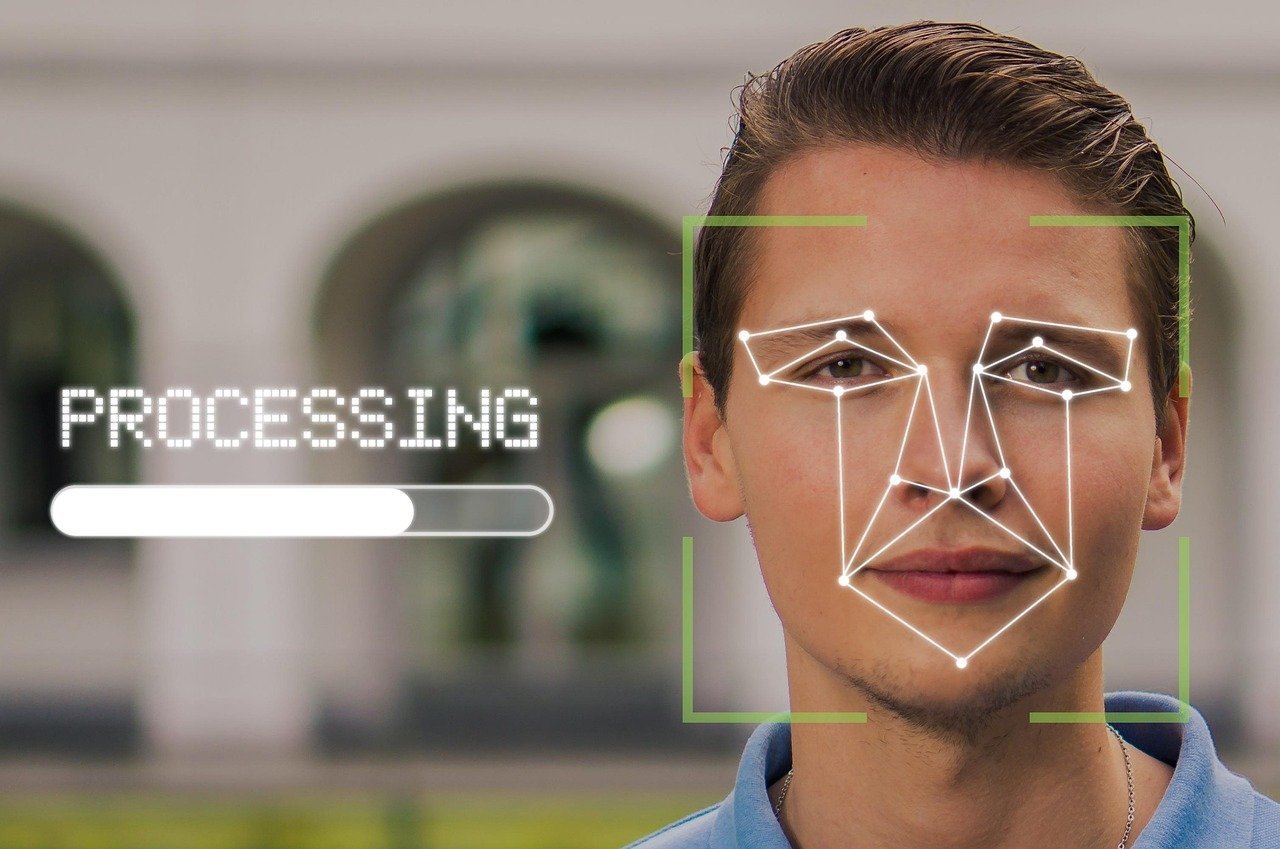
The honest scientific verdict on micro-expression-based deception detection is far more complicated than border agency training materials suggest. Recent academic studies show more evidence opposing the claim that micro-expressions can be detected by real-time human observation, and that non-verbal cues cannot definitively diagnose deception. The Micro Expressions Training Tool itself has faced rigorous scrutiny. Findings do not support the use of METT as a lie detection tool – the METT did not improve accuracy any more than a bogus training protocol or even no training at all, and did not improve accuracy beyond the level associated with guessing. On the other side, defenders of behavioral detection argue that the stakes matter enormously. Under conditions of high-stakes deception, people often undergo intense emotions such as fear, guilt, or excitement – making real-world border crossings categorically different from laboratory experiments. Meanwhile, technology is rapidly changing the landscape. The use of facial recognition biometrics for border control and travel has grown rapidly, bringing both new opportunities and critical discussions about its future role in society. CBP uses a tool called Babel that helps compile social media and open-source information on travelers who may be subject to further screening for potential violation of laws that CBP is authorized to enforce or administer. The border guard stare, it turns out, is no longer just human – it now has algorithmic allies watching alongside it.