

You’ve seen the signs a thousand times. “Zero Commission!” Plastered in neon across airport currency exchange booths, printed in bold on high street kiosks, and splashed across fintech landing pages. It looks like great news. It is almost never what it seems.
The truth is that currency exchange is one of the most quietly profitable industries in the world, and the “zero commission” promise is, at best, a half-truth. Travellers, businesses, and everyday consumers are losing staggering sums to fees that are expertly designed to be invisible. So let’s pull back the curtain, one trick at a time. Let’s dive in.
1. The Exchange Rate Markup – The Oldest Trick in the Book
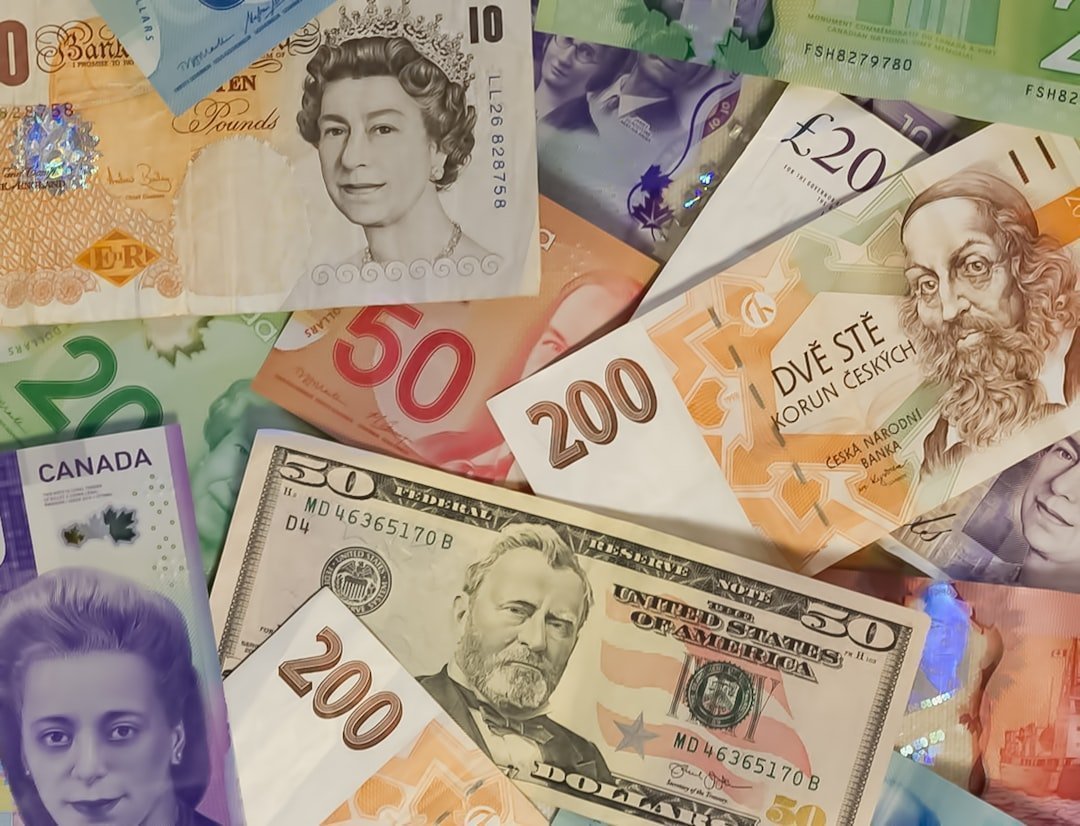
Banks and traditional financial institutions don’t typically offer you the mid-market rate. Instead, they add a markup – essentially a hidden fee built directly into the exchange rate itself. This is the core of the entire scam. Think of it like a store that advertises “no delivery fee” but quietly raises the price of every product by fifteen percent before you check out.
Your bank’s exchange rate typically includes a two to three percent markup over the interbank rate. Airport kiosks and tourist-area exchanges, on the other hand, often mark up eight to ten percent or more. That is not a small rounding error. That is a genuine chunk of your travel budget gone before you’ve even taken a step outside the terminal.
2. The “Zero Commission” Label That Legally Means Nothing
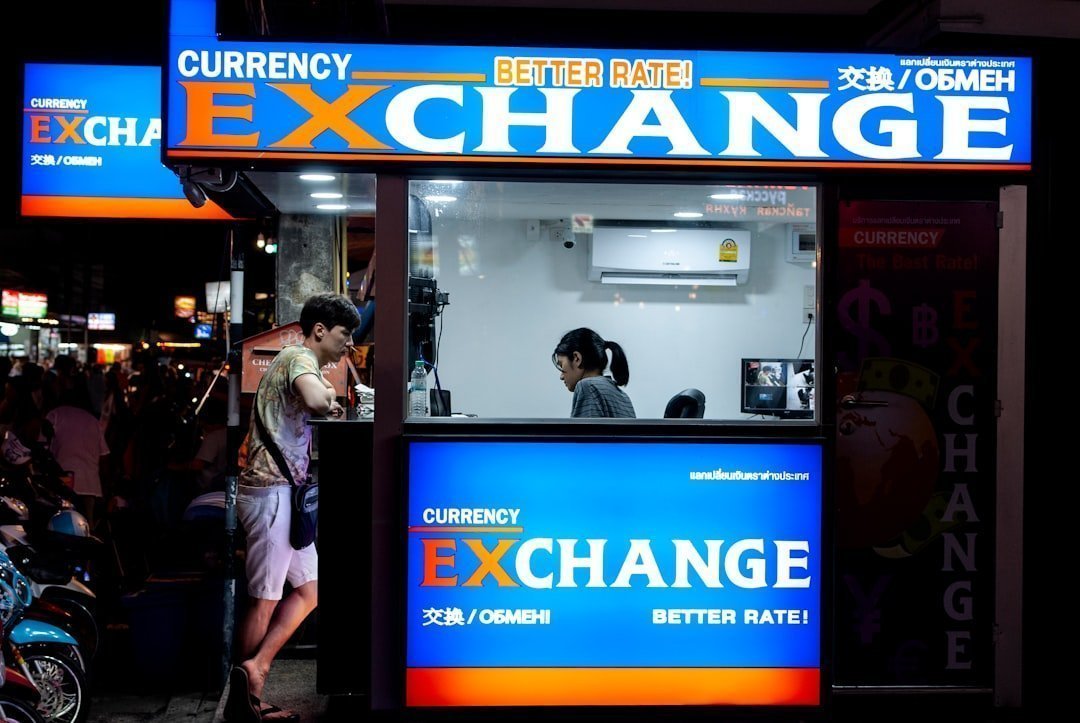
Here’s the thing: the phrase “zero commission” has a very specific, and very narrow, legal meaning. When a currency exchange business advertises “zero percent commission money transfers,” they are simply offering customers no upfront transfer fees when you send money with them internationally. That’s it. Nothing more.
Many currency exchanges charge a transaction fee, typically between one and three percent. A “commission-free” exchange may not bill you a separate fee, but it can bundle the cost into a less favorable exchange rate, possibly adding hidden fees in the process. The commission didn’t disappear. It was just folded into a number that most people don’t think to question.
3. Airport Kiosks – A Captive Audience Pays a Captive Price

Airport currency exchange kiosks serve a captive market, so there is no real competition. This can lead to poor exchange rates, which drives up the costs of currency exchange and leaves you with less to spend on your vacation. You’re tired, you’ve just landed, and you need cash. That desperation is, honestly, their business model.
Airports make money by adding markups to the exchange rate. This markup can be as high as ten percent or more. For example, exchanging one thousand dollars at an airport with a ten percent markup could cost you one hundred dollars. That’s the equivalent of a decent dinner in most European cities. Handed over for the “convenience” of a booth fifty meters from your arrival gate.
4. The Rate They Show You Isn’t the Rate You Get
Airport kiosks prominently advertise “no fees” but make their profit on exchange rates marked up far above market prices. These seemingly small differences add up quickly, especially when exchanging larger amounts. It’s an elegantly simple misdirection. Like a magician telling you to watch his right hand.
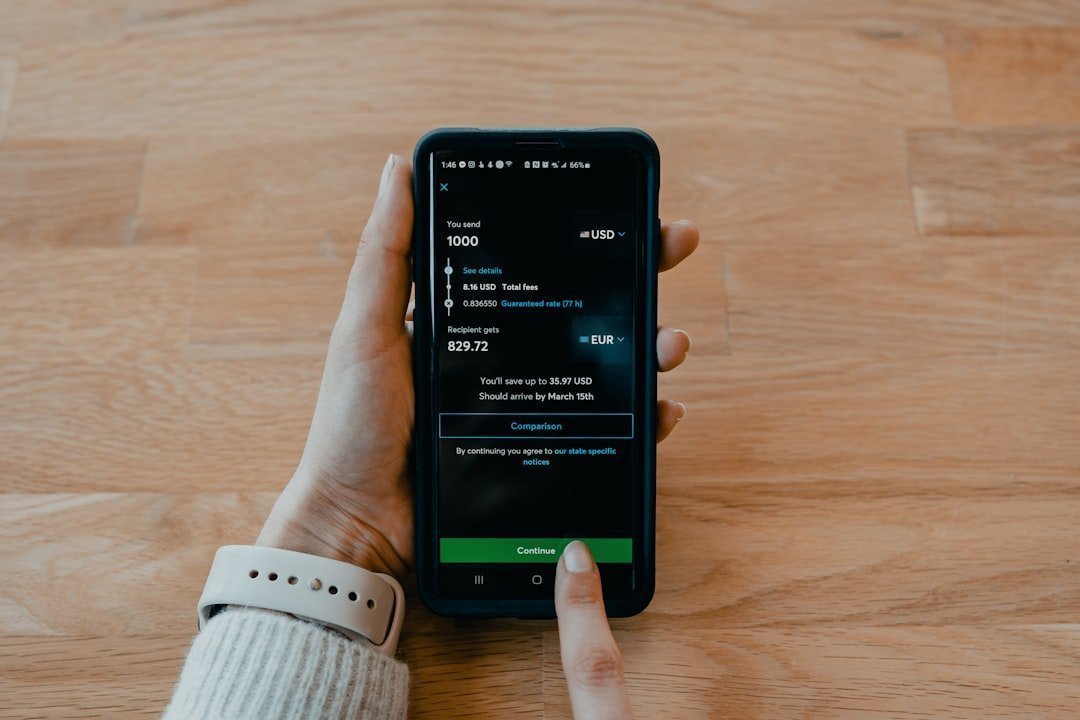
The markup works like this: if the mid-market rate for USD to EUR is 0.85, your bank might offer you 0.82. That three-cent difference per euro might seem small, but on a one hundred thousand dollar transaction, you’re paying an extra thirty-five hundred dollars in hidden fees. For an everyday traveller, the numbers are smaller. The principle is exactly the same.
5. Dynamic Currency Conversion – The “Helpful” Option That Isn’t
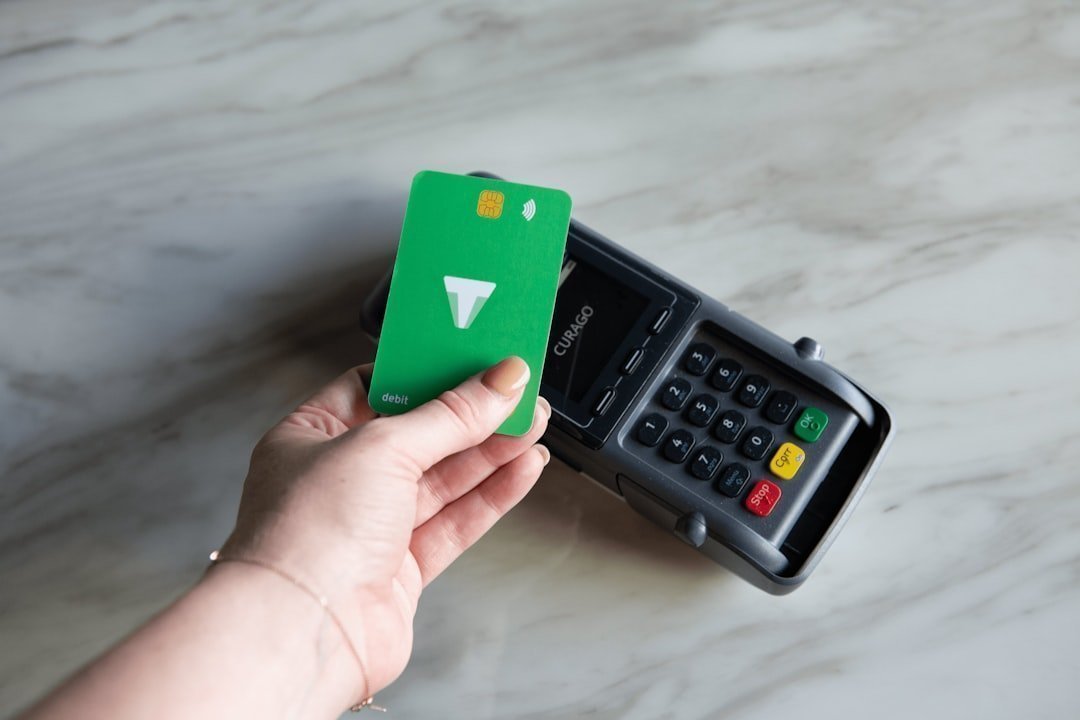
You’re at a restaurant abroad. The waiter brings the card terminal and asks if you’d like to pay in your home currency. It feels friendly, familiar, and transparent. This service, called dynamic currency conversion, adds a hidden three to four percent markup to every transaction. Merchants push this option heavily because they profit from the marked-up exchange rate.
British consumers traveling abroad are being charged five hundred million pounds every year in dynamic currency conversion fees. That’s a genuinely staggering number. Interestingly, roughly half of international customers still opt for DCC even though conversion via their home bank is cheaper in almost all cases. The design of the choice – familiar currency, instant clarity – is engineered to exploit exactly that psychological comfort.
6. The Fine Print Fees That Appear After You’ve Already Agreed

The CFPB has received consumer complaints about companies that market “free” remittance transfers through digital wallet and other prepaid products, but that fail to sufficiently disclose costs for currency conversion or for withdrawing funds from the product. In other words, the free transfer is only free until you try to actually use the money.
Certain companies’ websites market “free account-to-account transfers” or claim that “receiving money from a friend” is free. Providers may disclose only in fine print, however, that these transfers are only free when there is no currency conversion, and that for the recipient to withdraw and use funds in their local currency, they must pay a currency conversion fee. It’s a classic bait-and-switch, dressed in clean digital design.
7. Service Fees and Handling Charges Stacked on Top
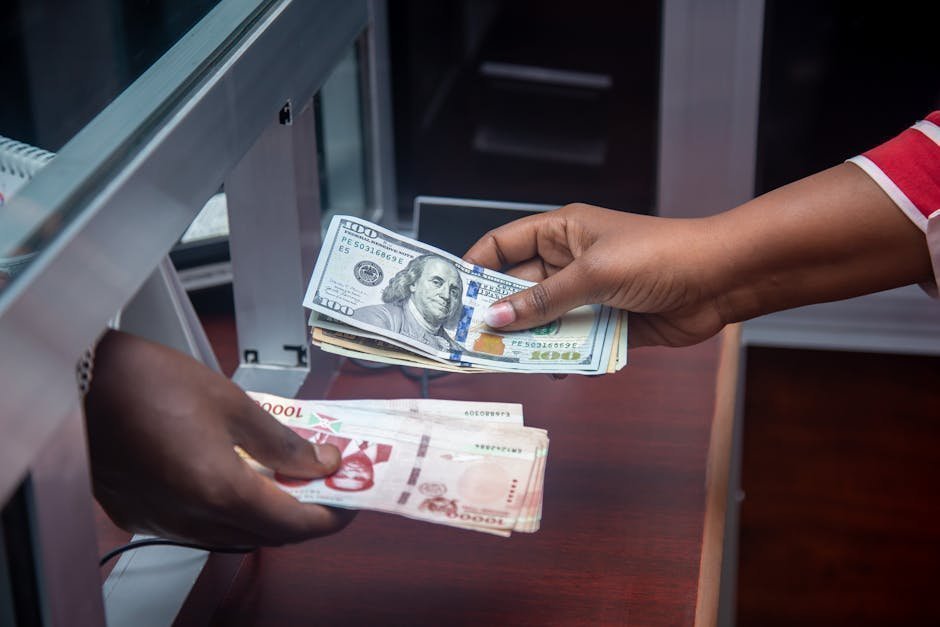
Some providers add service fees covering handling and administrative costs. These are common in airport exchange booths and tourist-heavy locations, where convenience drives up the price. Think of it this way: you’ve already accepted a bad rate, and then they add a flat “service fee” on top. It’s like being charged for the privilege of being overcharged.
Certain providers impose minimum fees, which can disproportionately affect those exchanging small amounts of currency. If you’re only exchanging two hundred dollars and there’s a ten dollar minimum handling charge, that’s already five percent gone before the rate markup even enters the equation. Travelers exchanging modest amounts are hit hardest of all.
8. The Spread – Two Rates, One Profit
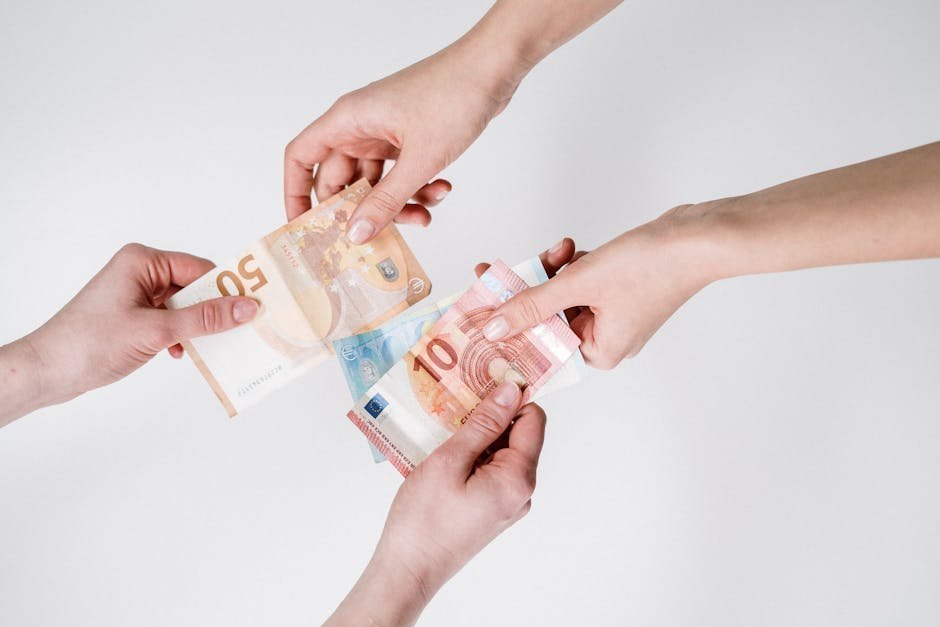
Every currency exchange booth operates with two rates simultaneously: the rate at which they buy your currency, and the rate at which they sell. The gap between those two numbers is called the spread, and it’s pure profit. The exchange rate offered to consumers often reflects a spread, meaning a percentage difference between the retail exchange rate offered to the consumer and some wholesale exchange rate.
Traditional banks typically display one rate, whereas the interbank rate tells a different story. Your suppliers receive less, your business pays more, and banks capture the difference. For tourists, this means every single currency transaction is quietly taxed twice: once on the way in, once on the way out if you ever convert unused cash back home.
9. Hidden Markups on Traditional Bank Transfers
It’s tempting to assume your bank is more trustworthy than a neon-lit airport kiosk. Sometimes it is. Often, the difference is smaller than you’d like. Traditional banks embed three to five percent forex markups on business payments without clear disclosure. Companies paying suppliers in multiple currencies lose between fifteen thousand and fifty thousand dollars annually per one million dollars in payment volume.
While your bank advertises “competitive rates” or “no transfer fees,” it still takes a two to five percent fee on every cross-currency payment through rate manipulation. For businesses sending fifty thousand dollars monthly to international suppliers or contractors, this translates to twelve thousand to thirty thousand dollars annually disappearing into undisclosed margins. For individuals, the losses are smaller but the percentage is exactly the same.
10. The “No Fees” Digital Platform That Earns Through Spreads
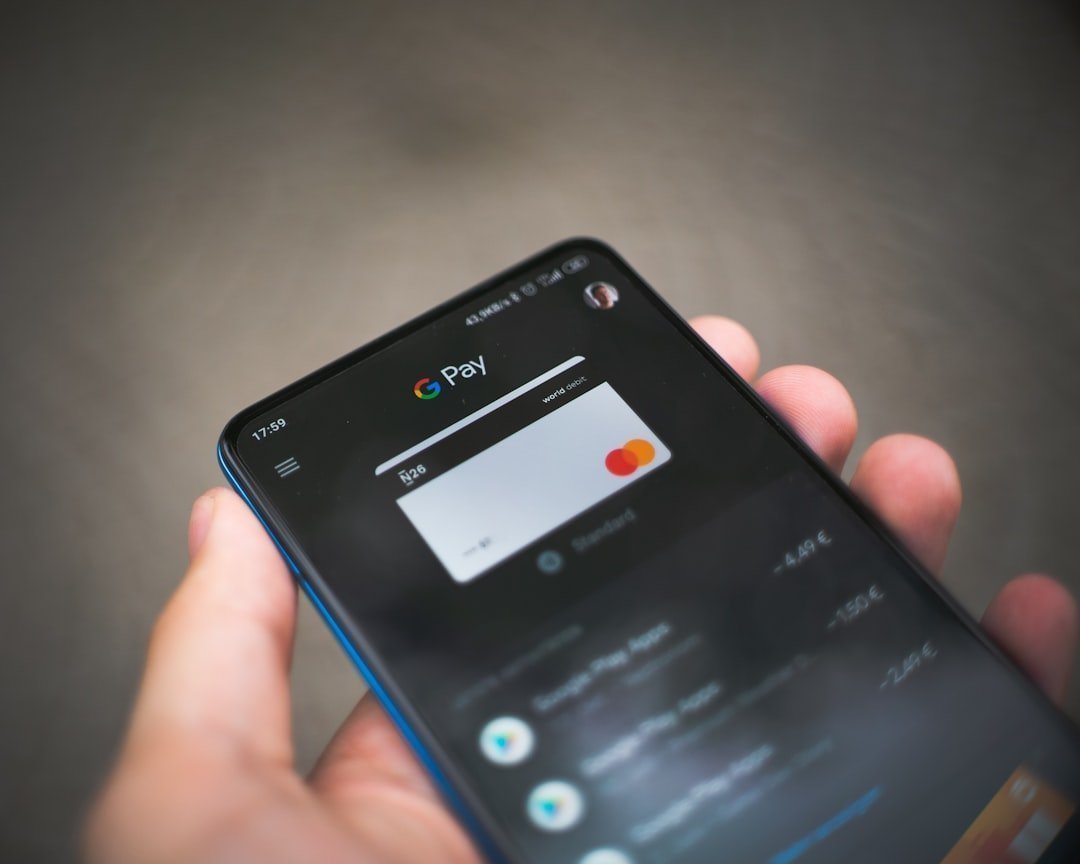
Fintech apps and online platforms have marketed themselves aggressively as the antidote to the old banking model. Some genuinely are. Many are not. Some exchanges offer conditional zero fees – on certain pairs, order types, or subscription tiers. Others call it “commission-free,” yet hide spreads or network costs in the background. The marketing has changed. The mechanism hasn’t.
This information is often in fine print, and you may miss it. Platforms that make a zero percent fee claim tend to require users to maintain high trading volumes, such as at least one hundred thousand dollars per month, to access this incentive. Honestly, that rules out virtually every ordinary traveler or small business owner. The zero-fee headline doesn’t apply to them, but the advertisement still reeled them in.
11. Paying in Your Home Currency Online – A Sneaky E-Commerce Trap
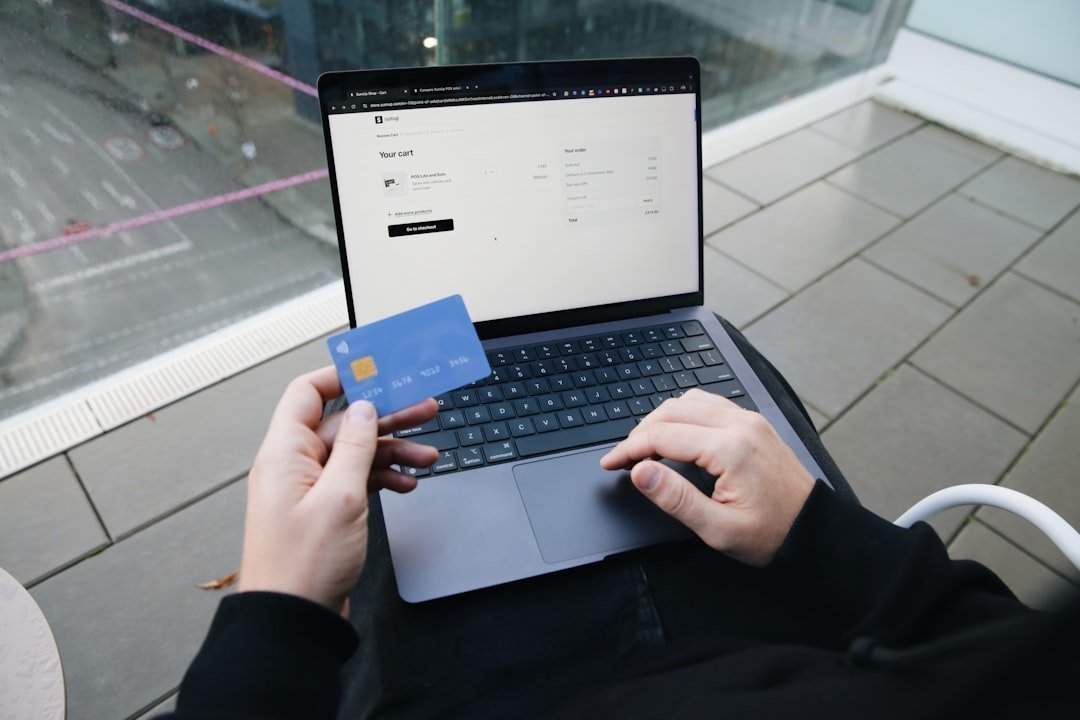
Online shopping from international retailers carries its own version of the same trap. When you shop from overseas retailers, both in person and online, the checkout price is only part of the total cost. You’ll also face currency exchange fees, foreign transaction fees, international shipping charges, customs duties, or ATM withdrawal fees if you’re paying in cash while traveling.
Foreign transaction fees are charges your bank or card issuer adds when a foreign payment network processes a purchase. This includes shopping online from an international retailer, buying in person when traveling abroad, or making an overseas ATM withdrawal. The typical range is one to three percent. Stacked on top of a rate markup that you may not even know you’re paying, the real cost of that “great deal” from an overseas shop can be significantly higher than the price tag suggested.
12. The Sell-Back Penalty – You Lose Twice on Leftover Cash
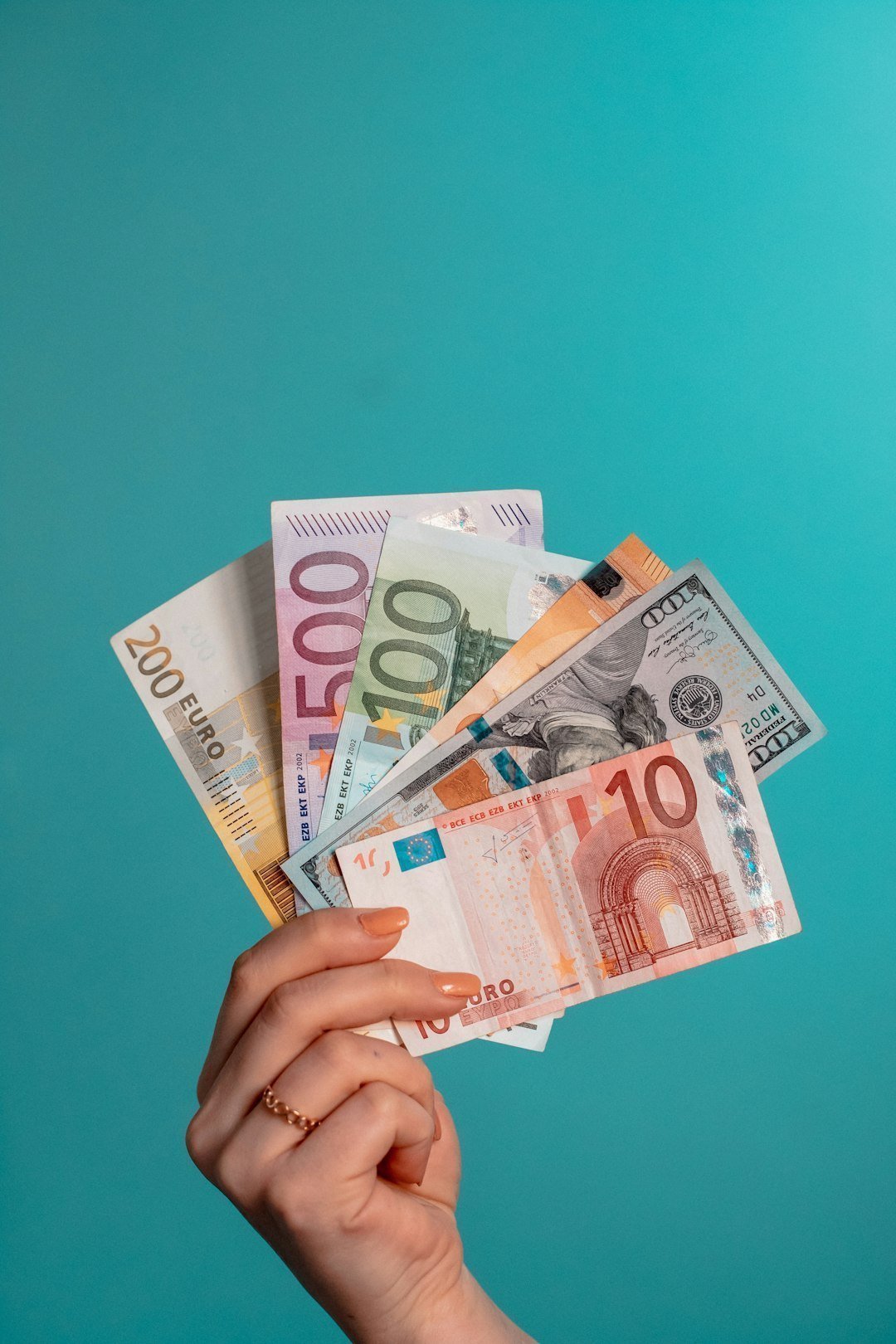
Typically, foreign coins and smaller denomination notes won’t be exchanged back, and there is usually a fee to pay, either upfront or as a markup on the exchange rate. The exchange rate for switching foreign currency back to dollars is not usually as good as the rate offered when you were sold the foreign currency in the first place, which means you lose out.
This is a double whammy that barely gets talked about. You pay a bad rate going in, and you pay another bad rate coming back out. If at all possible, it’s far better to exchange only what you need so you don’t have to pay currency exchange fees twice. Every single note you exchange back is another small victory for the booth and a small defeat for your wallet.
13. The Transparency Illusion – Regulations That Don’t Go Far Enough
Despite some regulators looking to enhance transparency of DCC for consumers, a key challenge for many payments providers in the industry is understanding how different providers are pricing for currency exchange. Regulations require disclosure, but disclosure alone doesn’t prevent consumers from being misled. A two-point-five percent fee buried in a rate comparison few people will bother to run is technically disclosed. It is not meaningfully transparent.
Consumers have complained to the CFPB that fees are unexpected when they convert currencies and withdraw funds transmitted through digital wallets and other prepaid products. The legal framework is catching up slowly, but the currency industry moves faster. Google Trends data highlights that searches for the term “DCC fee” have risen significantly in the last three years, with the average monthly relative search volume hitting a peak in August 2025 versus the same period in 2024. Awareness is growing. But growing awareness and actual savings are still two very different things.