
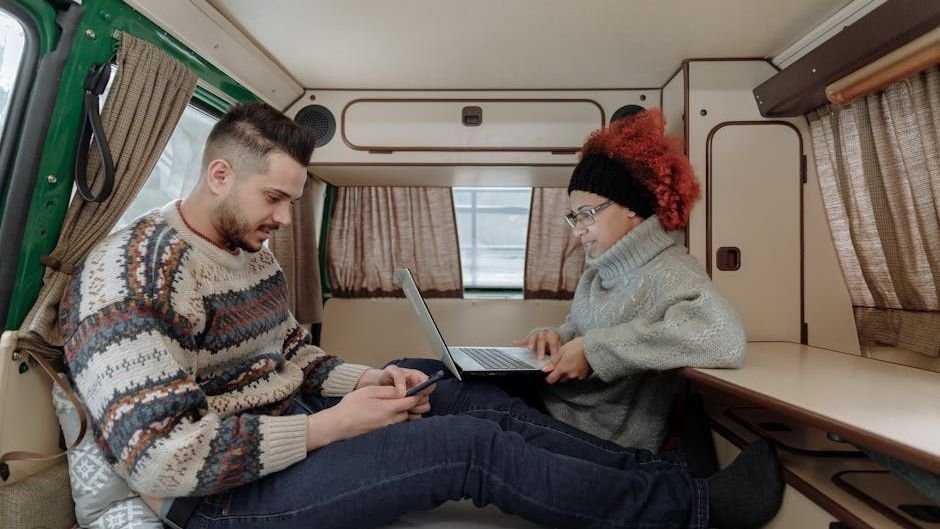
There is something undeniably magnetic about the idea of van life. The open road. The freedom. Waking up in a different state every week with nothing but a coffee maker, a mattress, and Instagram-worthy views through your rear windows. It sounds like the kind of life people quit their jobs for. And honestly, plenty of them do.
But here is the part the glossy #vanlife hashtag never quite tells you. So many people see the gorgeous photos and think living in a van is all about sunsets, cooking outside, and swimming in the ocean. What you don’t see are the mosquitos, hot and sweaty nights, and the constant struggles of living in such a small space. After spending real time in a van, the romance has a way of wearing off fast. Let’s dive into the 10 reasons I eventually handed in my keys to the open road and signed a lease like a regular human being.
1. The Vehicle Breakdown That Changed Everything
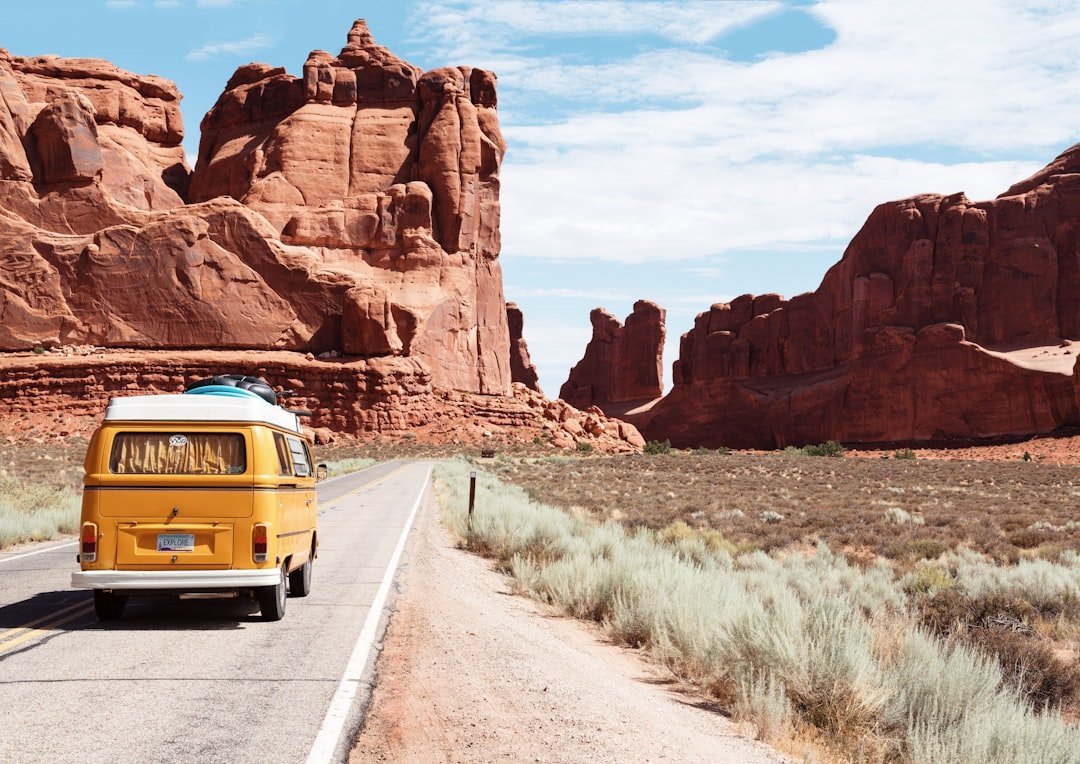
Let’s be real. Your van isn’t just your transportation. It’s your bedroom, your kitchen, your office, and your entire life crammed into a metal box on wheels. The danger of putting all your eggs in one clunky, gas-guzzling basket is that anything can happen on the road. Engines break down, cars get towed, stolen, or crashed into. When your van breaks, everything stops.
After a few smooth coast-to-coast runs, a transmission can give out at the worst possible moment, and you’re left rolling into a parking space while calling local repair shops. Just like that, the good times go up in smoke. The cost of rebuilding a transmission can wipe out all your savings in one fell swoop. I know people who cried in a Walmart parking lot while waiting for a tow truck. It is not as cinematic as it sounds.
2. The Real Cost of Van Life Was Never What I Expected
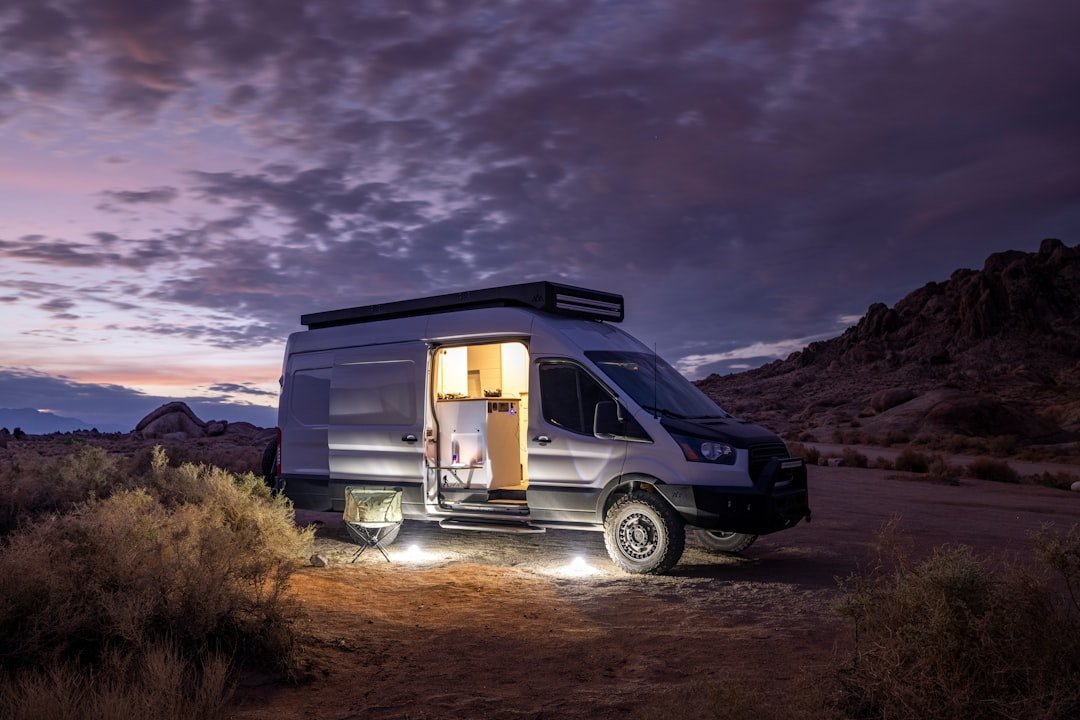
Despite being touted as an accessible and affordable way of living, the original Insta-version of van life failed to factor in the initial investment required and the financial responsibility of owning, driving, building, and maintaining a campervan. The sticker shock alone should give anyone pause. When choosing your home on wheels, costs can range from $3,000 for a basic minivan up to $75,000 for a new Mercedes Sprinter, and you should expect to pay somewhere around $25,000 to $40,000 for a used cargo van like a Ford Transit.
Van life costs can range from $800 to $2,000 per month, depending on your lifestyle choices and travel habits. Stack that against fuel, which for a couple driving regularly can hit an average of around $459 per month or over $5,500 per year, and the budget starts looking far less romantic than the brochure. While some opt for free camping spots, many rely on paid campsites for amenities like electricity, water, and waste disposal, which can cost anywhere from $15 to $100 per night, and urban areas often lack free parking options. Repeatedly paying for campsites can rival monthly rent in some regions.
3. Maintenance Costs Are a Constant, Merciless Monster
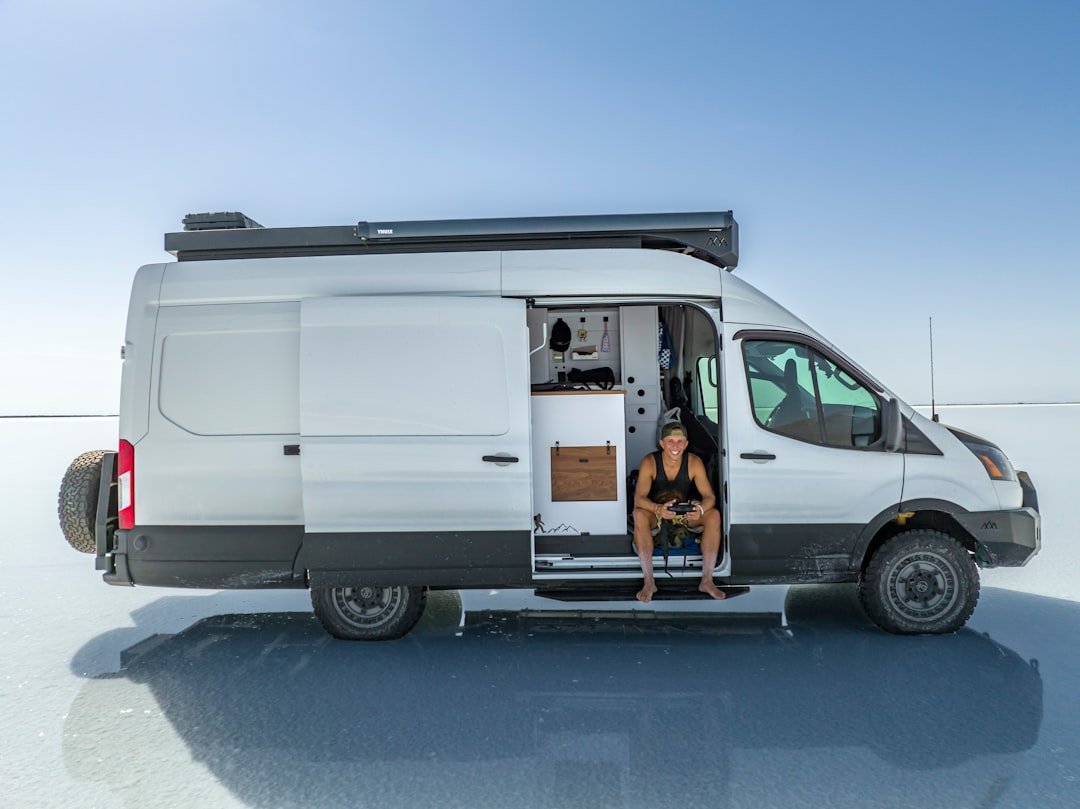
The annual cost of maintenance is a category that van lifers consistently underestimate. It feels manageable at first. An oil change here, a tire rotation there. Then one afternoon a mechanic hands you an invoice that makes your vision blur. The average annual maintenance on a Mercedes Sprinter Van alone runs $900 to $1,400, while a RAM ProMaster comes in at $1,000 to $1,500, and a Ford Transit at $700 to $1,400.
The hidden costs of ownership often surprise even seasoned van lifers, as maintenance, unexpected repairs, and operational expenses can add up quickly, making budgeting a critical and stressful aspect of van ownership. Experts recommend setting aside roughly ten percent of your vehicle’s purchase price annually as a buffer for unexpected expenses. Think about that. On a $50,000 build, that is five thousand dollars a year just sitting in reserve, waiting for disaster. It’s less “freedom fund” and more “anxiety fund.”
4. The Legal Minefield of Parking and Sleeping
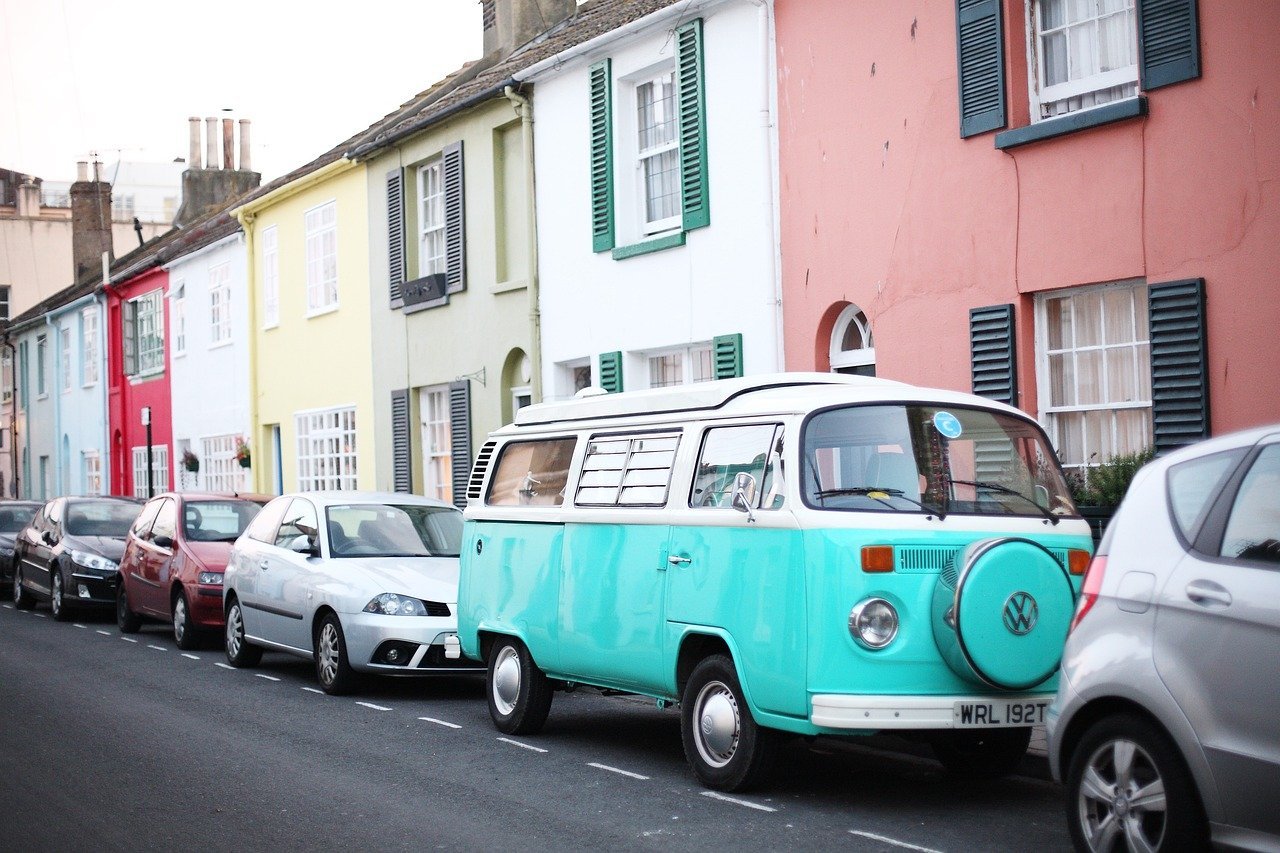
This one genuinely shocked me when I started living full-time in a van. The difference between a stress-free night of sleep and a knock on the window at 2 a.m. usually comes down to city ordinances, campground regulations, and how long you stay in one spot. Each state, county, and municipality can set its own rules, which means what’s perfectly fine in one town could get you ticketed in the next. That is not a stable way to live.
Cities like Los Angeles, San Diego, and San Francisco have ordinances against sleeping in vehicles, largely because they’re trying to regulate homelessness and limit long-term parking in neighborhoods. Things have been getting stricter, not looser. Florida’s 2024 homelessness law set statewide rules around public camping or sleeping on public property, taking effect on October 1, 2024, with lawsuits over local noncompliance allowed starting January 2025. The legal landscape for van dwellers is tightening fast, city by city, state by state.
5. The Loneliness Nobody Posts About

Here is the thing. Social media van life looks like a non-stop community event. The reality is profoundly different. It can be lonely working on the road by yourself. You move constantly, which means you never put down roots anywhere. The friendships you make at a campsite evaporate the next morning when someone drives off toward the horizon.
A large body of research shows that social isolation and loneliness have a serious impact on physical and mental health, quality of life, and longevity. The US Surgeon General’s advisory confirmed that about one in two adults in America reported experiencing loneliness, and loneliness is associated with a greater risk of cardiovascular disease, dementia, stroke, depression, anxiety, and premature death, with the mortality impact being similar to smoking up to 15 cigarettes a day. Living in a van accelerates exactly this kind of disconnection. I felt it more after month three than I ever expected.
6. Hygiene Becomes a Part-Time Job
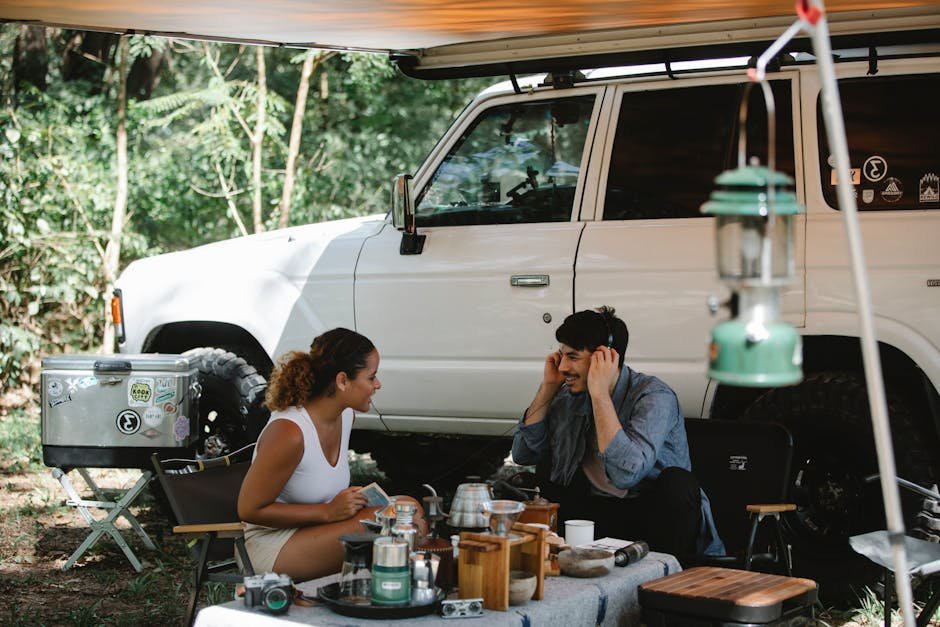
One of the biggest problems with living in a van full-time is showering. In a van, you will likely not have a shower, and some vans do have portable showers, but not all, and these are not the most convenient to use. Honestly, nothing kills the romance of van life faster than doing arithmetic to figure out if a gym is open at 6 a.m. so you can wash your hair. The most common way to bathe for van lifers, at roughly more than a quarter of them, is by utilizing a gym membership.
Maintaining personal hygiene without a built-in bathroom requires alternative solutions. Many van lifers invest in gym memberships primarily for shower access, and laundromat visits for clothing and bedding add to monthly expenses. Purchasing portable toilets or shower setups involves upfront costs and ongoing maintenance, and these hygiene-related expenses are often overlooked but are essential for comfort and health. After a while, chasing down a working shower feels less like adventure and more like exhaustion.
7. Working Remotely From a Van Is Harder Than It Looks
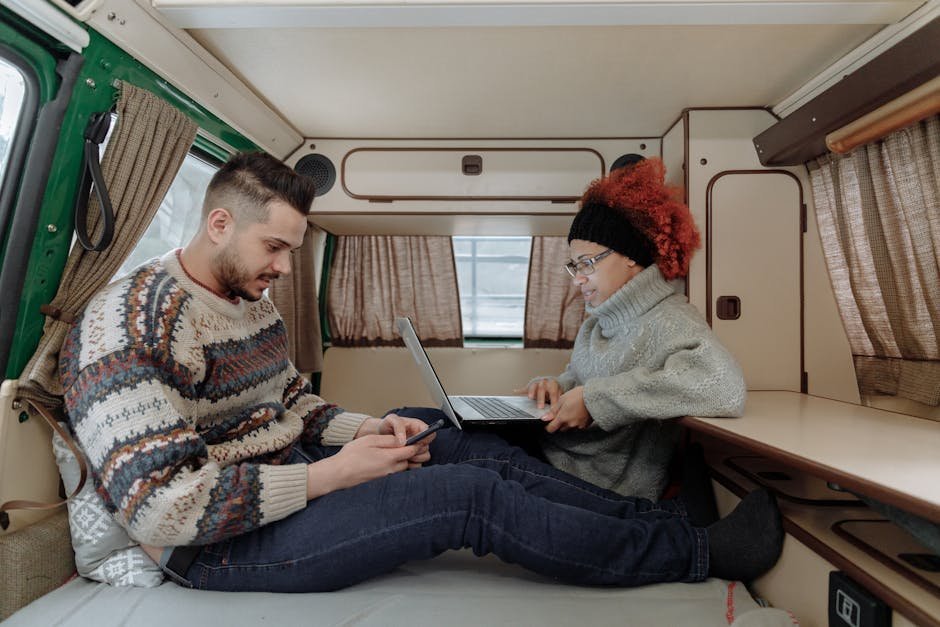
The fantasy is working from your laptop while parked on a cliff overlooking the Pacific. The reality is hunting for a cell signal while a truck idles loudly behind you in a strip mall parking lot. Internet access on the road is genuinely unpredictable, and if your income depends on reliable connectivity, this is a serious problem. Hidden expenses include data plans and internet access, with services like Starlink costing $150 per month.
That’s on top of everything else in your budget. Cramped living quarters and the unsustainability of trying to permanently live, work, and travel have proven to be an immense undertaking that most people don’t have the time or money for. Trying to maintain a professional image on video calls while parked behind a coffee shop, hoping their WiFi holds, is the kind of thing you laugh about once. After the twentieth time, it stops being funny. Productivity suffers in ways that genuinely damage your career.
8. Extreme Weather Is No Joke Inside a Van
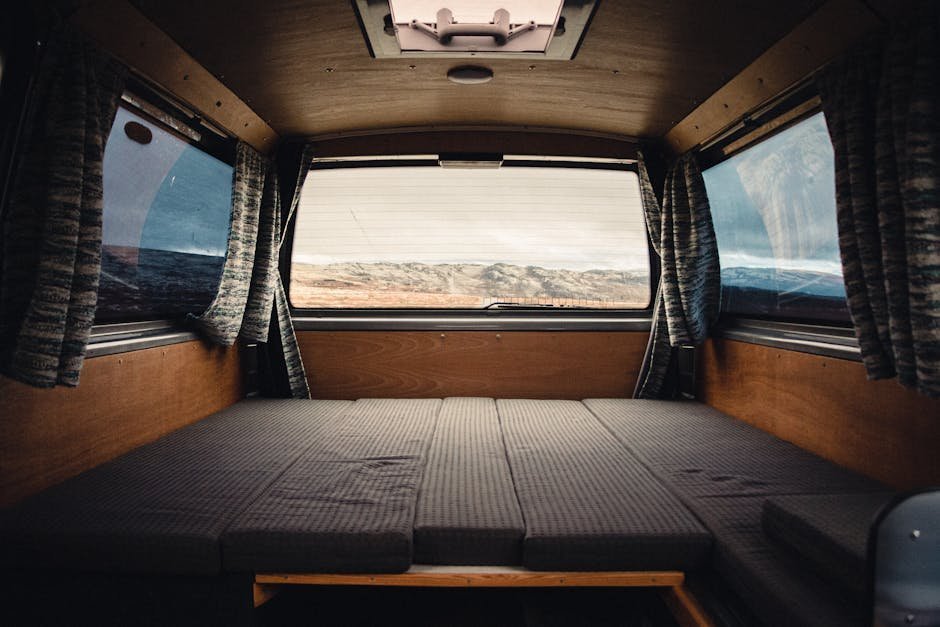
A van is essentially a metal tin can. In summer, it becomes an oven. In winter, it becomes a refrigerator. There is very little insulation standing between you and whatever the sky decides to do that week. People tend to underestimate just how brutal temperature extremes feel inside a small enclosed space with minimal ventilation options.
Colorado, California, Florida, Oregon, and Washington attract the highest numbers of van lifers partly due to their beautiful environments and relatively mild weather, making it easier to live outdoors without worrying about harsh conditions. But even in those states, winters hit. Summers bake. And the moment you’re parked somewhere without shade in July, you realize no amount of reflective window covers actually solves 105-degree heat. Like most trends, the planning seemed smart and the results dazzling, but the reality in execution was not only difficult to set up but too challenging to maintain, and the positives of full-time van living could not always outweigh the negatives.
9. The Social Stigma Is Still Very Real
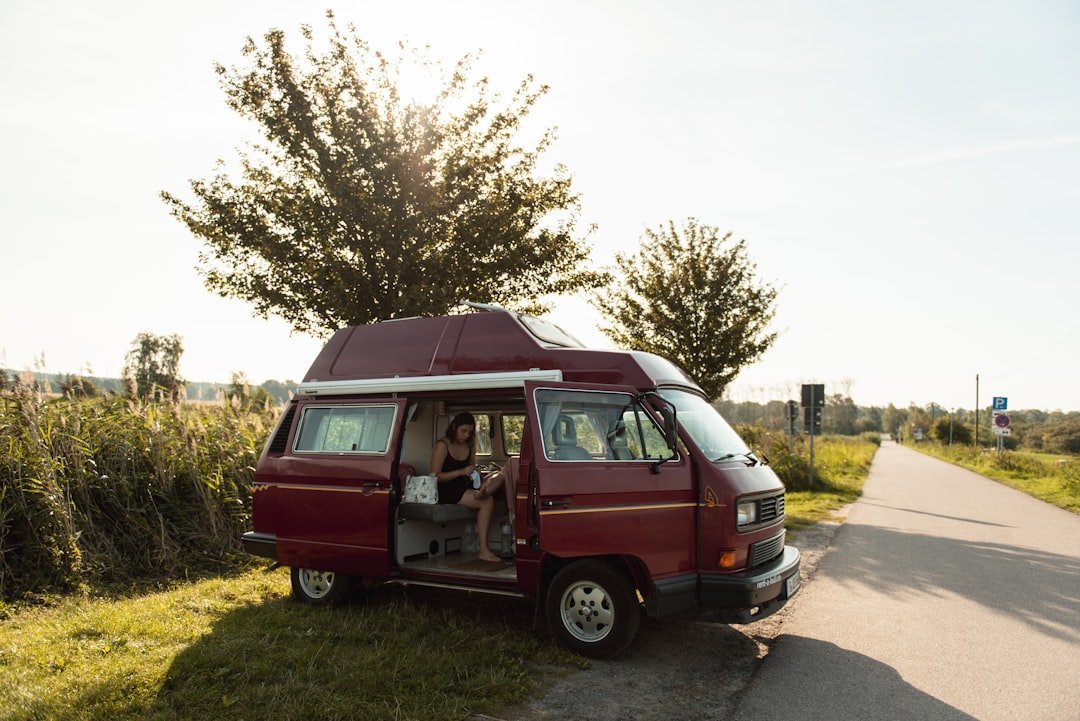
People do not always see a free-spirited adventurer when they look at your van. Sometimes they see something entirely different. There is still a stigma somewhat attached to living in a van. While younger travelers see it as representative of freedom and a minimalist lifestyle, not everybody thinks that way. “Living in a van down by the river” is a common phrase used to describe becoming a failure in life.
City policies rarely separate someone with a $70,000 converted van from someone sleeping in an old sedan. Both can face the same enforcement. That stings in ways that are hard to fully articulate. You’ve invested serious money and energy into building a mobile home, and you can still be treated like you’re in crisis by law enforcement, neighbors, or business owners asking you to move along. The struggle to find safe parking, the worry about being ticketed in the middle of the night, and reliance on gyms and libraries for basic needs reveals how thin the line can be between “doing van life” and “being homeless.”
10. The Trend Itself Has Been Cooling Off – For Good Reason
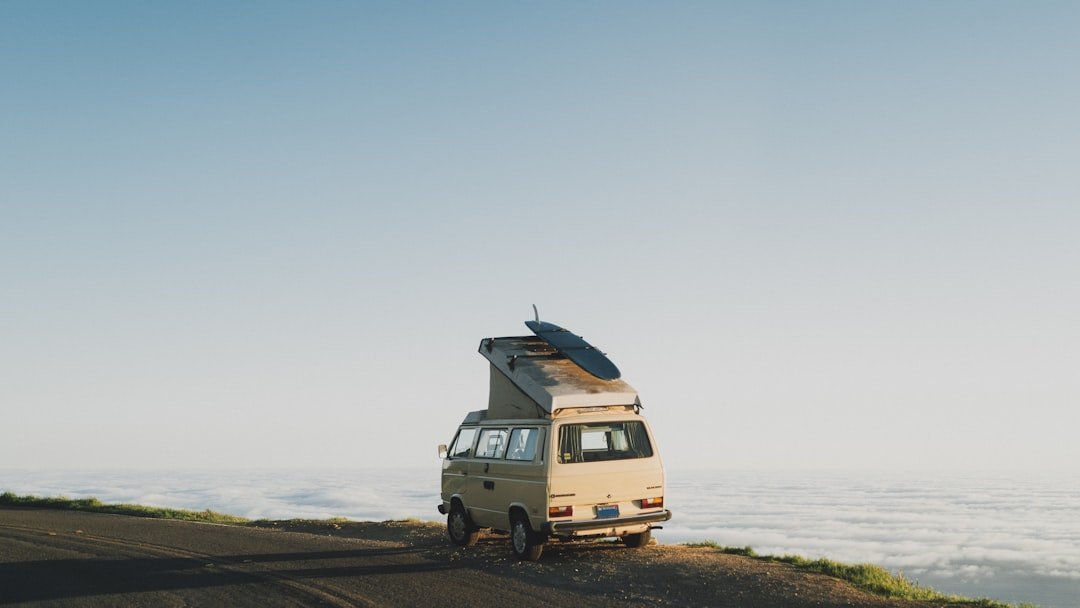
After a boom during the pandemic, Americans are no longer embracing van life with as much enthusiasm as they did during lockdown. Plenty of pandemic-era habits have stuck around, but living out of a van freely on the open road has not had the same staying power. The numbers tell a clear story. By 2024, the share of relatively new campers had dropped to 16 percent, returning to levels that were typical before the pandemic hit.
Even those who embrace living in their car do so only for a short time before returning to a more traditional lifestyle. Honestly, that tracks. Van life as a permanent lifestyle asks a lot. It asks you to sacrifice privacy, stability, physical comfort, and social connection for something that looks better on a screen than it feels in practice. It was inevitable that the van life trend would sputter out eventually. Like most trends, the planning seemed smart and the results dazzling, but the reality in execution was too challenging to maintain. The open road is beautiful. Living on it full-time is a different story altogether.
Final Thoughts: There Is No Shame in Choosing Four Walls

I don’t regret the time I spent in my van. I genuinely don’t. It taught me things about simplicity, resourcefulness, and what I actually need to feel like myself. Those are lessons no apartment lease could have given me. Still, there came a point where the romance stopped outweighing the reality.
A fixed address means a reliable shower. It means knowing where you’ll sleep without checking local ordinances. It means being present for the people who matter to you. The longest running scientific study of happiness, health, and aging found that the strongest predictor of positive mental health and well-being over time was the quality of a person’s social connections. That is something a beautifully converted Sprinter van simply cannot give you.
Van life is real, and for some people it genuinely works. But the version that gets sold online, all golden-hour filters and carefree smiles, is a highlight reel. The actual experience is messier, more expensive, lonelier, and far more legally complicated than anyone’s Instagram feed will ever admit. What do you think – does the freedom of the road outweigh everything it costs you?