
There was a time, not so long ago, when a truly beautiful place could stay beautiful precisely because not enough people knew about it. Word spread slowly. Travel guides took years to update. That quiet waterfall, that forgotten Alpine village, that crystal-clear lagoon – they were safe in their obscurity.
Then TikTok happened. TikTok’s travel content views soared by a staggering 410% between 2021 and 2024, significantly reshaping global tourism trends. A single 30-second video can now do what a travel agency used to take a decade to achieve. The result? Some of the world’s most magical places are drowning in selfie sticks, litter, and the relentless hum of tour buses. Let’s dive in.
1. Roccaraso, Italy – When 260 Buses Showed Up Uninvited
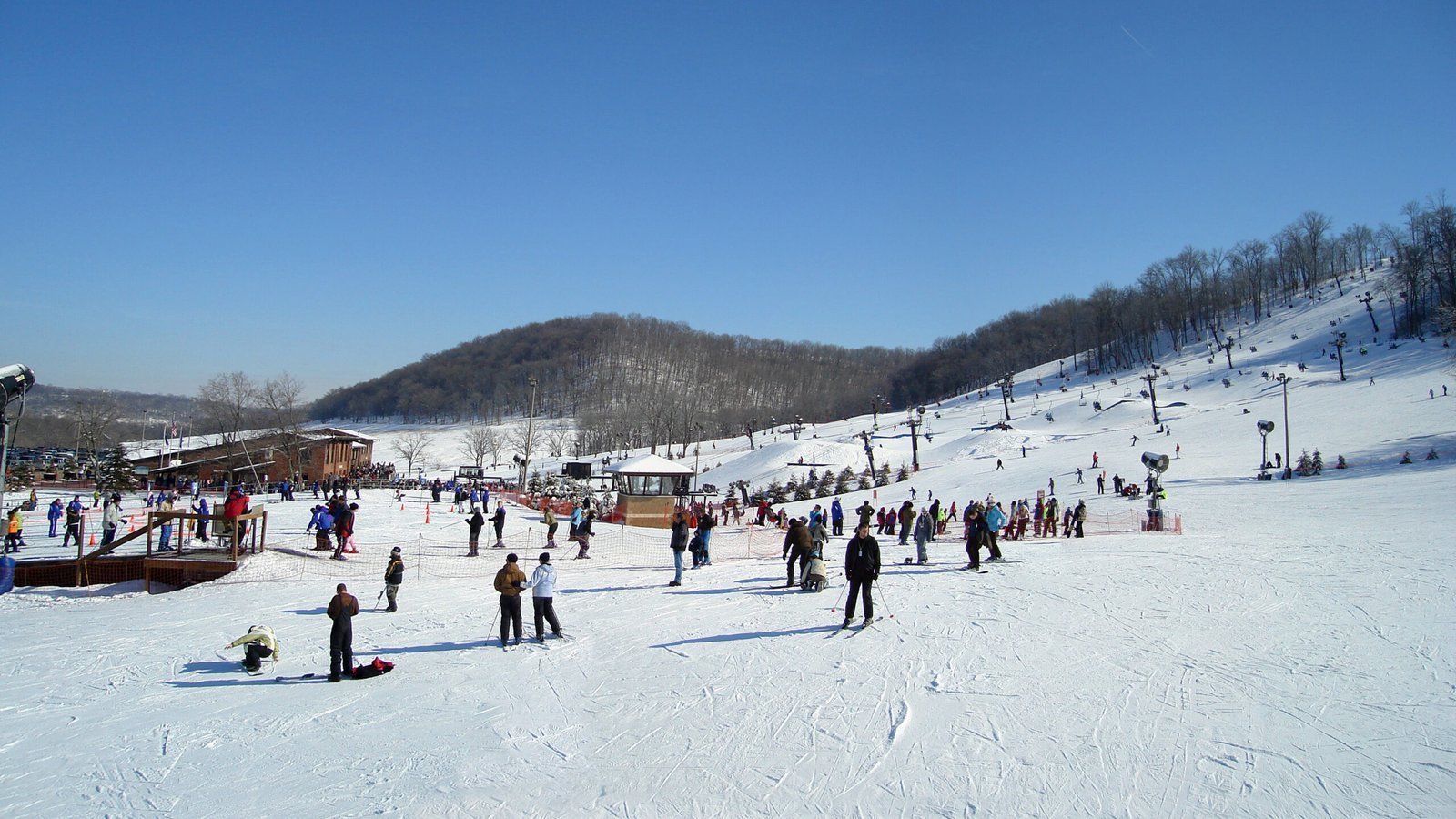
If you need one case study to understand the raw, chaotic power of a single TikTok, Roccaraso is it. This small ski resort in Italy’s Abruzzo mountains, home to just 1,500 residents, became the most talked-about tourism disaster of early 2025.
The chaos unfolded after Neapolitan TikTok star Rita De Crescenzo posted a series of videos promoting the resort to her 1.7 million followers, with content showcasing Roccaraso’s snow-covered slopes that went viral and attracted an unexpected surge of visitors. The result was immediate and overwhelming.
The mayor of the resort was forced to clamp down on day-trippers after the town was suddenly overwhelmed by 260 buses bringing more than 10,000 visitors from Naples and the surrounding Campania region. The onslaught severely clogged the road leading up to Roccaraso and overcrowded its ski slopes. Residents were furious after the crowds left the resort strewn with rubbish.
Viral social media footage captured scenes of large crowds struggling to access ski lifts, impromptu sledding on makeshift contraptions such as saucepans, and abandoned trash, including discarded barbecues and even evidence of fires set directly on the slopes. Roccaraso authorities have since introduced crowd-control measures, capping the number of tourist buses that can enter the town on weekends at 100, while also requiring bus operators to pre-book their trips online.
2. Hallstatt, Austria – The “Frozen” Village That Lost Its Peace
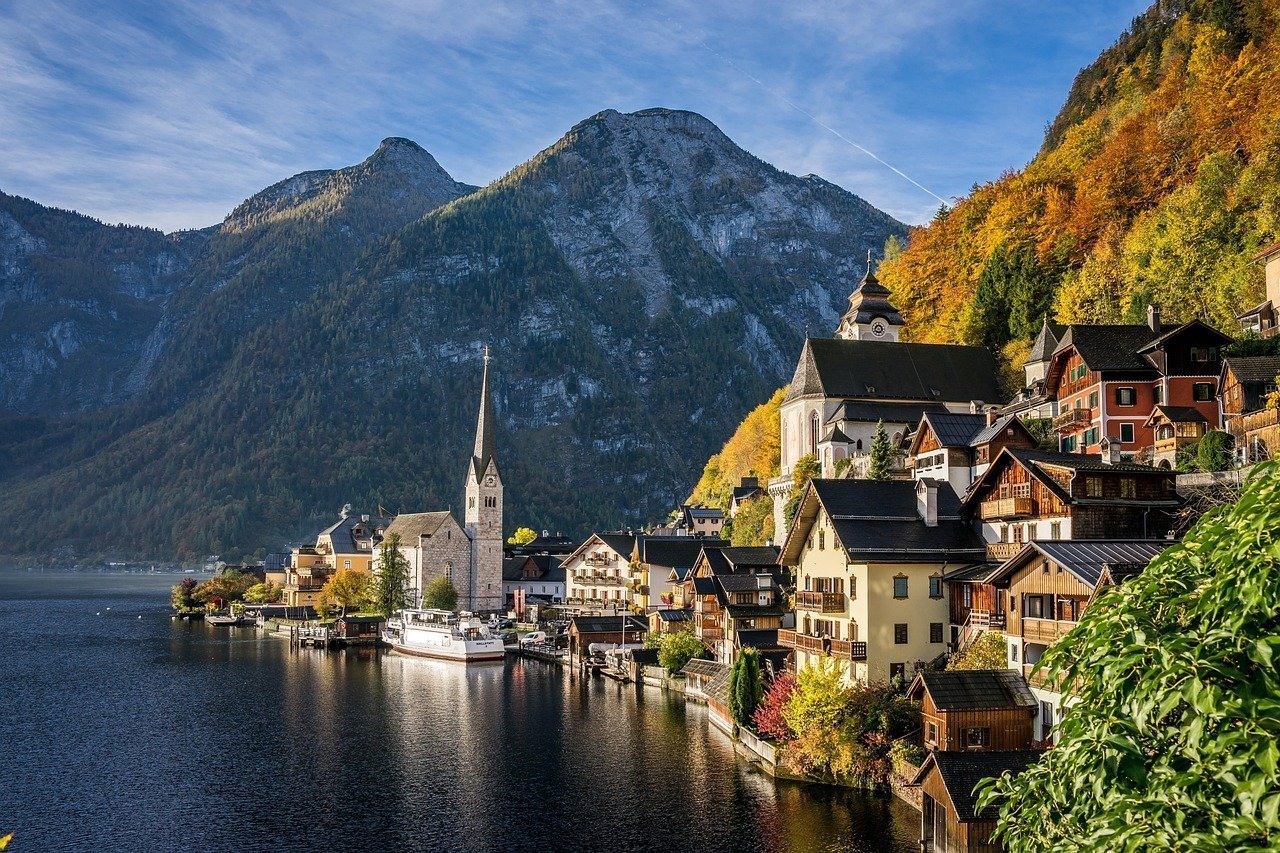
Hallstatt looks like it was designed by someone who had never actually seen a fairytale but wanted to create the perfect one anyway. It has a shimmering salt lake, dramatic Alpine peaks, and wooden houses with flower-box windows. Honestly, it’s almost too perfect. And that, as it turns out, is the problem.
On Instagram alone, the hashtag #hallstatt appears in hundreds of thousands of posts, while TikTok videos rack up millions of views. With around 760 residents but over one million visitors each year, Hallstatt faces a critical question: how much tourism can a UNESCO World Heritage village sustain?
On peak days, up to 10,000 visitors crowd through its narrow lanes between lake and rock face. What was once defined by silence and craftsmanship has become a global phenomenon, with tour buses arriving by the minute, cameras lining the lakeshore, and drones hovering above rooftops.
Residents put up a wooden fence, blocking the famous view in hopes of discouraging the endless stream of selfie-takers. The backlash was immediate – outraged visitors took to social media to complain, forcing the town to take the barrier down. Still, the message was clear: Hallstatt was not just a prop for influencer content – it was a real town with real people who were tired of their home turning into a chaotic tourist playground.
3. The Fairy Pools, Isle of Skye, Scotland – Beauty That Became a Bottleneck
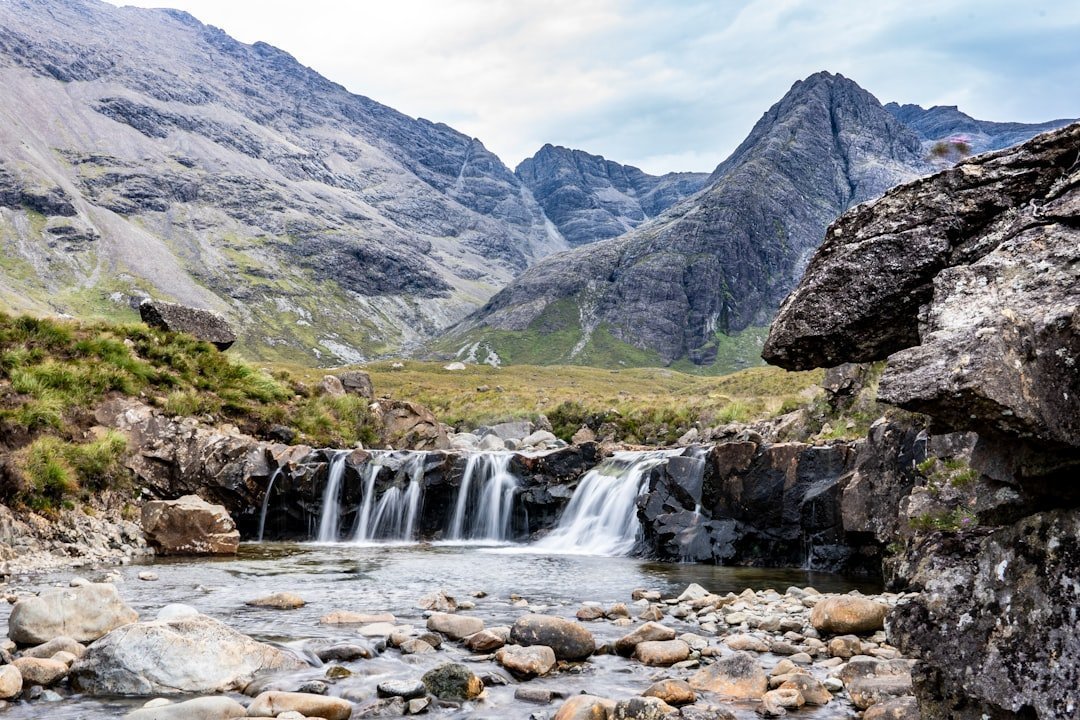
There are few places on Earth that make you feel quite so small and lucky as the Fairy Pools on the Isle of Skye. Crystal-clear glacial water, dramatic basalt rock, and a sky that seems to change colour every five minutes. It’s breathtaking. It was also, until recently, relatively undiscovered by the masses.
The impact of overtourism has become a blight to those who live there permanently, with the Fairy Pools closing often due to the disrespectful behaviour of tourists wanting the perfect capture for their social channels and crossing boundaries that cause damage not only to the Pools themselves but to the roads around them.
Reportedly, in the summer of 2024, there were times when the people of the Isle of Skye were unable to get in and out of roads, with people unable to get to work or even medical appointments as the roads were clogged from morning to night. Let that sink in. Real people, unable to reach a hospital, because of a travel video.
This is overtourism at its most damaging. It’s not just inconvenient. It’s genuinely dangerous, stripping locals of their basic right to navigate their own community. Foot traffic near waterfalls and alpine meadows can destroy plant life that takes decades to recover, and improvised paths created by visitors often lead to erosion and habitat loss.
4. Santorini, Greece – An Island on the Brink
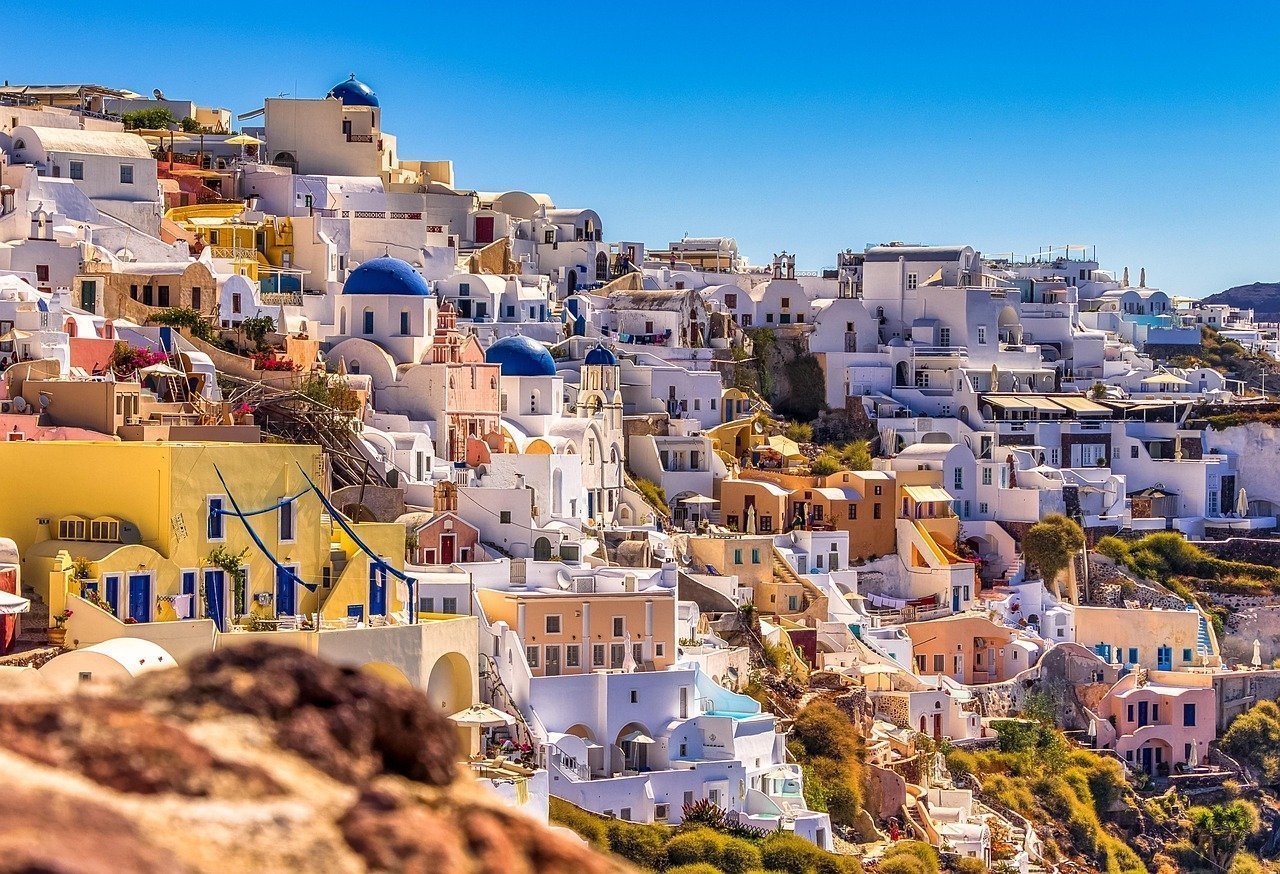
Santorini has been iconic for decades. But the TikTok era pushed it into a completely different kind of pressure. The island is now less of a Greek escape and more of a live-action content factory, with its blue-domed churches functioning as little more than backdrops for influencer feeds.
On 23 July 2024, 11,000 tourists disembarked from cruise ships on the Greek island of Santorini. Famed for its seaside architecture yet home to only 20,000 people, the wave of cruise tourists prompted the municipality to post a warning for residents to remain indoors. Locals responded with fury, arguing that tourists were given free reign of the island in exchange for their own confinement.
It was in 2013, right when Instagram began to attain widespread usage, that visitor numbers started to sharply increase, reaching a total of 3.4 million tourists in 2023. Widely hailed as Greece’s “Instagram Island” with 8 million posts tagged #santorini on the platform, the lure of photogenic blue-and-white architecture has flooded the island with tourists.
Santorini attracted over 2 million visitors in 2024. Residents have staged protests to “send cruise ships home,” while the Greek government has introduced fees per cruise passenger, cruise docking limits, and sustainable tourism plans.
5. Fujikawaguchiko, Japan – The Mount Fuji Photo Spot That Got Walled Off
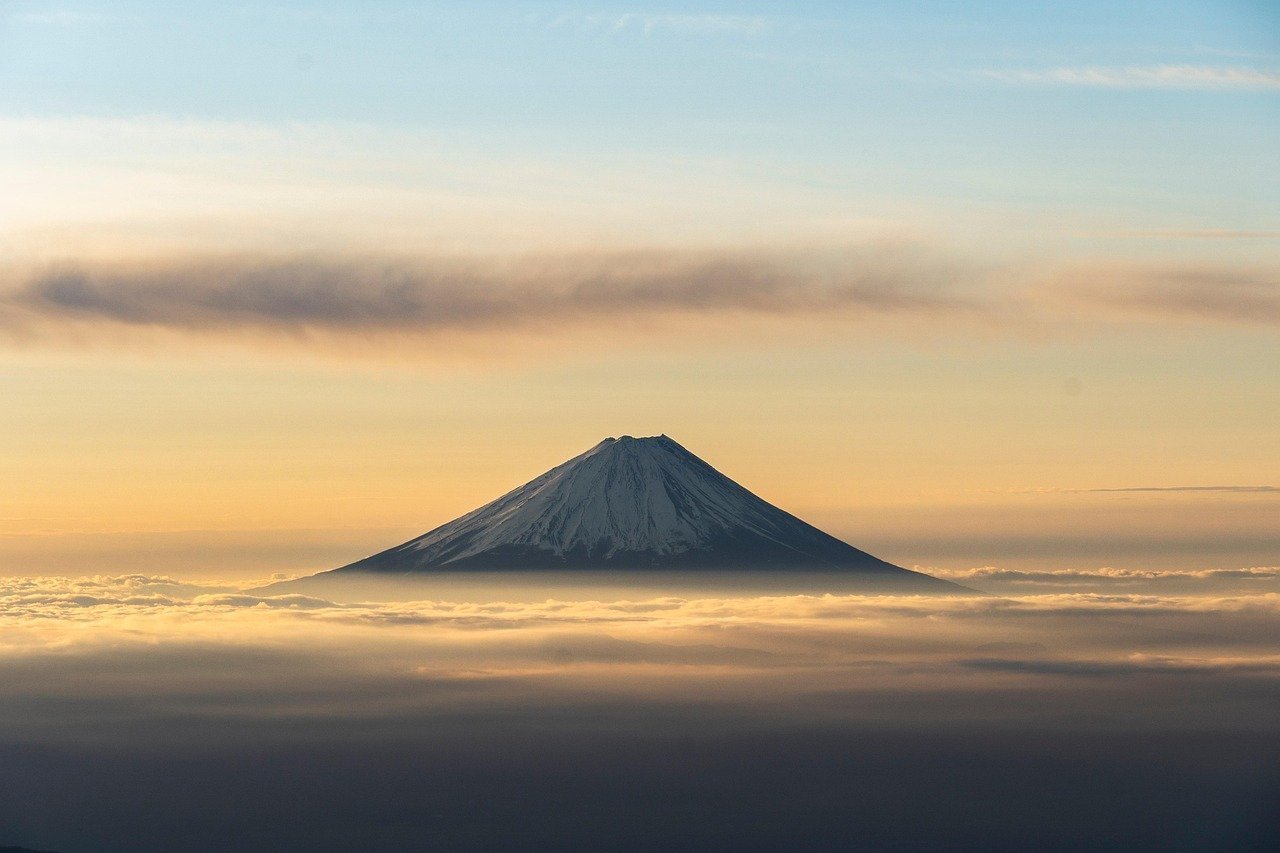
There is something both absurd and deeply telling about this story. A small Japanese town became so overwhelmed by tourists chasing a specific TikTok-famous angle of Mount Fuji that the local government had to physically block the view. Not limit it. Block it entirely.
In Fujikawaguchiko, tourists were running into the road to take a photo of Mount Fuji behind a shop. This was dangerous and annoying for locals. In 2024, the town put up a high black screen to block the view. The barrier worked and crowds left, making the road safer.
The barrier was removed later, but the town says it will go back up if problems return. Japan has also added entry fees and limits for climbing Mount Fuji itself. The idea of a government erecting a literal wall between its residents and tourist chaos is quite the metaphor for where TikTok tourism has brought us.
I think what makes this story particularly striking is how passive the whole situation is. No one meant to destroy the peace of a small Japanese town. They just wanted a cute photo. Multiply that impulse by millions of people and you get a crisis that requires physical infrastructure to contain.
6. Bali, Indonesia – Sacred Spaces Turned Into Viral Content
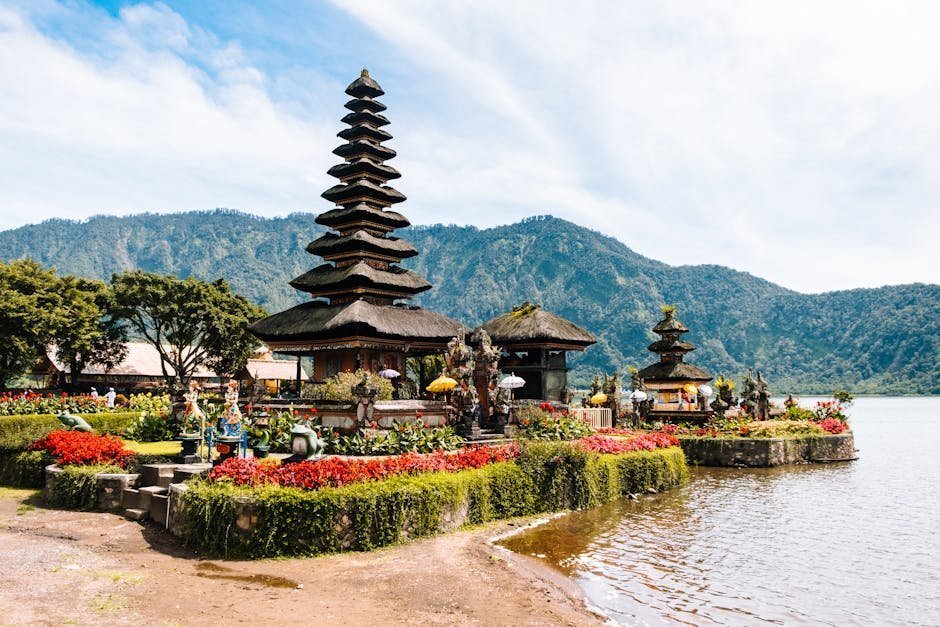
Bali has long been on the tourist radar, but TikTok accelerated and intensified the problem in ways that felt genuinely shocking. The issue here isn’t just crowds; it’s something deeper, a fundamental disrespect for the cultural and spiritual significance of the places being filmed.
Bali is famous for its temples and beaches, but TikTok trends have encouraged some visitors to act badly. Some rode motorbikes on temple grounds. Others posed nude at holy sites. These aren’t minor infractions. These are acts that deeply offend the Balinese people and their religion.
The once-idyllic island saw nearly 15 million visitors in 2024, sparking heavy backlash. Locals and grassroots activists are protesting the disappearance of sacred paddy fields, illegal construction of resorts, and untreated plastic pollution on beaches. The government has responded with a visitor levy, expanded eco-tourism initiatives, and bans on single-use plastics and tourist motorbike rentals.
7. Barcelona’s Bunkers del Carmel – From Local Secret to Morning Stampede
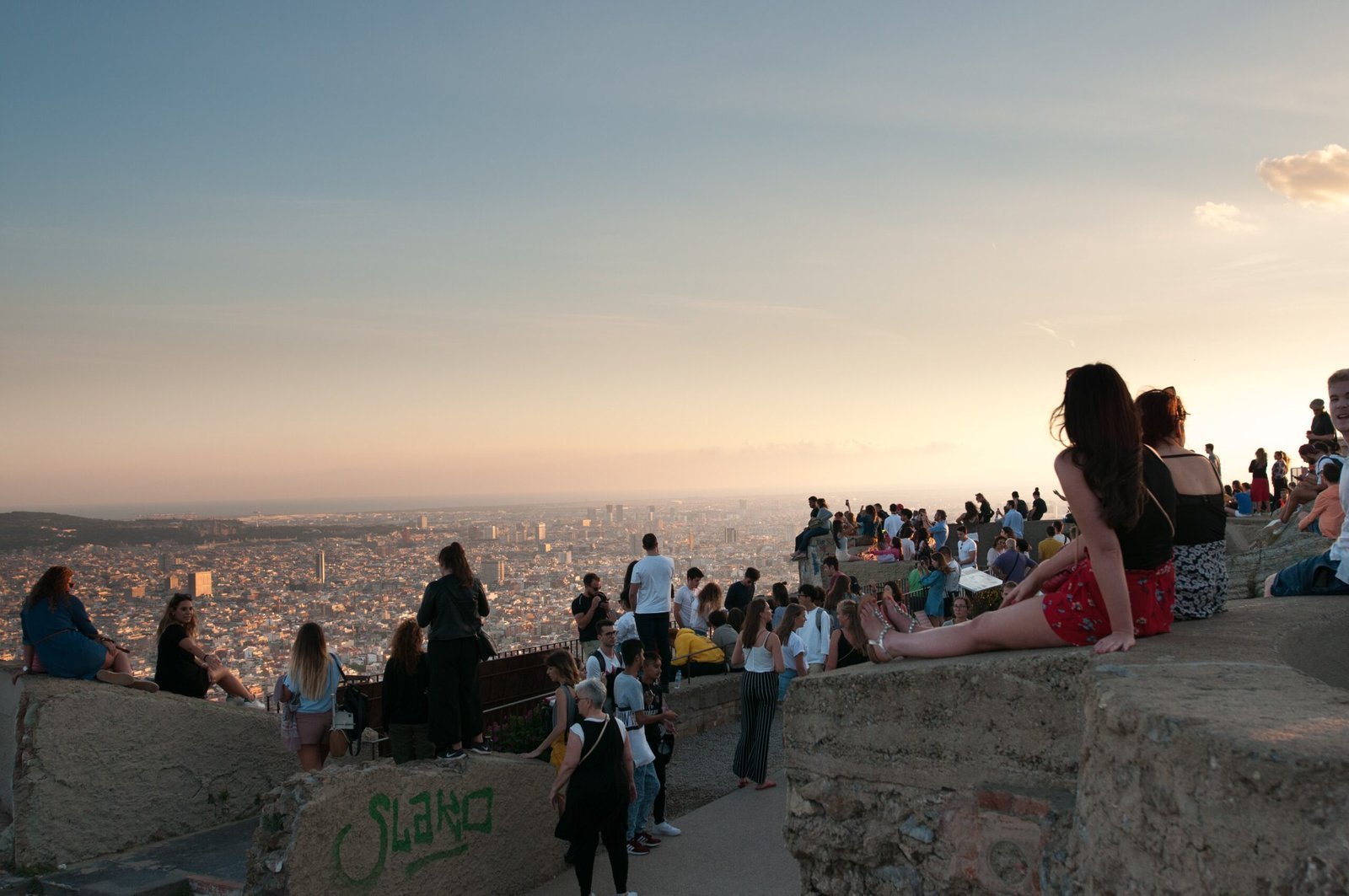
Ask any Barcelona local about their favourite sunset spot and for years the Bunkers del Carmel was a name whispered almost reverently. A ruined Civil War antiaircraft battery sitting high on a hill, offering a 360-degree panorama of the entire city, completely free, often quiet, always spectacular. Then it went viral.
A single TikTok post can turn a quiet viewpoint like Barcelona’s Bunkers del Carmel into a morning stampede of selfie-seekers, compounded further by what experts call “revenge travel.” The viewpoint that locals used to enjoy in near-solitude now sees queues forming before sunrise.
The city of just 1.6 million residents welcomed over 26 million tourists in 2024, with more than 15.6 million staying overnight. That’s over ten times the local population, and those numbers don’t even count the cruise ship day-trippers, which add another 1.6 million visitors a year.
Barcelona suffered from severe overtourism, which resulted in 3,000 residents protesting in July 2024. Residents demanded reduced tourist numbers and for the government to prioritise fairer economies. The city that gave the world Gaudi and tapas is now better known for its anti-tourism graffiti.
8. Kyoto’s Gion District, Japan – Geishas Harassed for Content
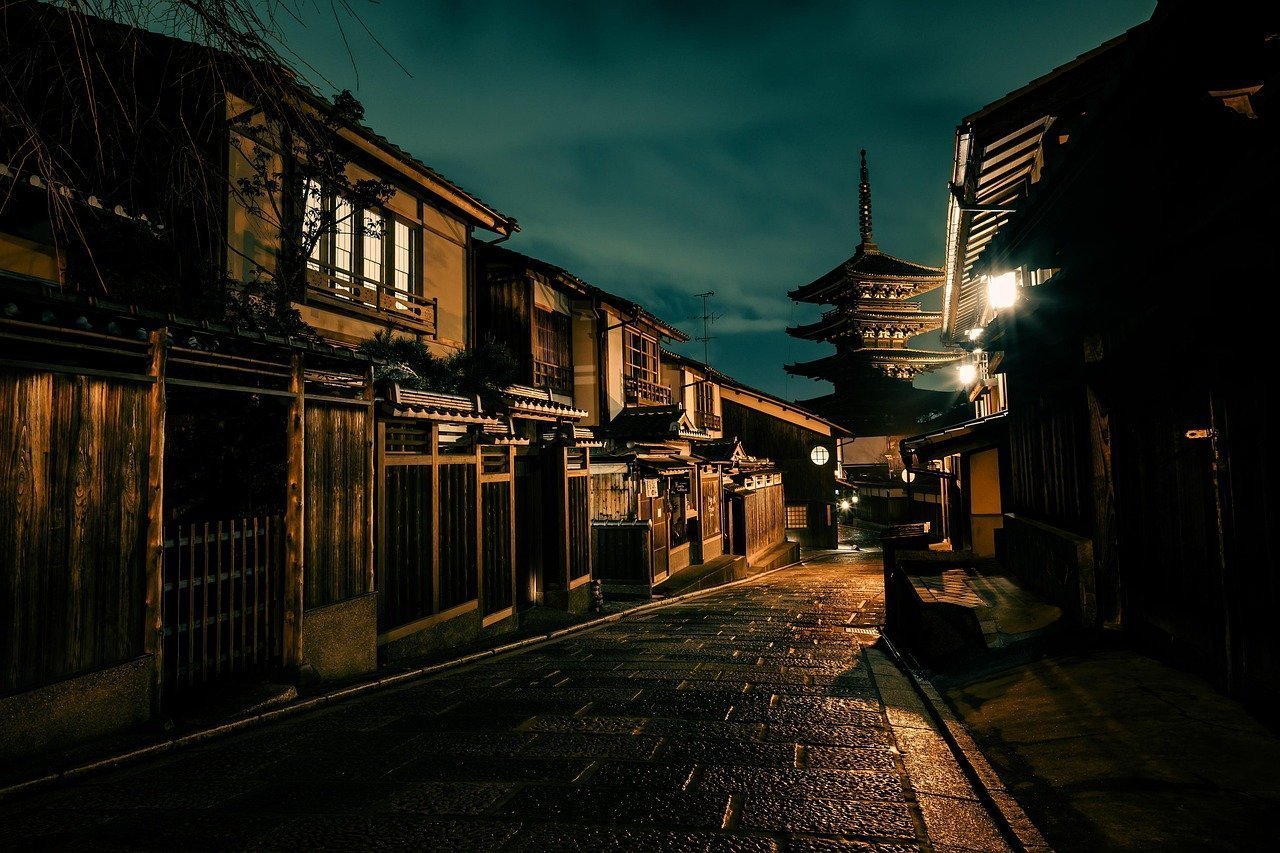
Kyoto is one of the most culturally rich cities on the planet. Its Gion district, with its ochre-coloured machiya townhouses and the occasional flash of a maiko’s silk kimono, has been the subject of photography for over a century. But there is a very clear line between admiring beauty and turning living people into tourist attractions without their consent.
In Kyoto, tourists are now banned from some alleys in the Gion district specifically to protect geisha from harassment. That a government had to legally protect its own citizens from tourists is remarkable. Remarkably sad, honestly.
Viral footage of runaway crowds in the Sannenzaka district triggered a national conversation about mass tourism. The city is now piloting timed entry and encouraging off-peak visits, while issuing fines up to ¥10,000 (roughly $65) for disruptive behaviour and implementing etiquette campaigns.
Japan saw its highest number of visitor arrivals on record in 2024, and numbers for the first half of 2025 were already up 21 percent compared to the same period the previous year, according to the Japan National Tourism Organization. TikTok’s role in that surge cannot be overstated.
9. Maya Bay, Thailand – Closed, Reopened, Closed Again
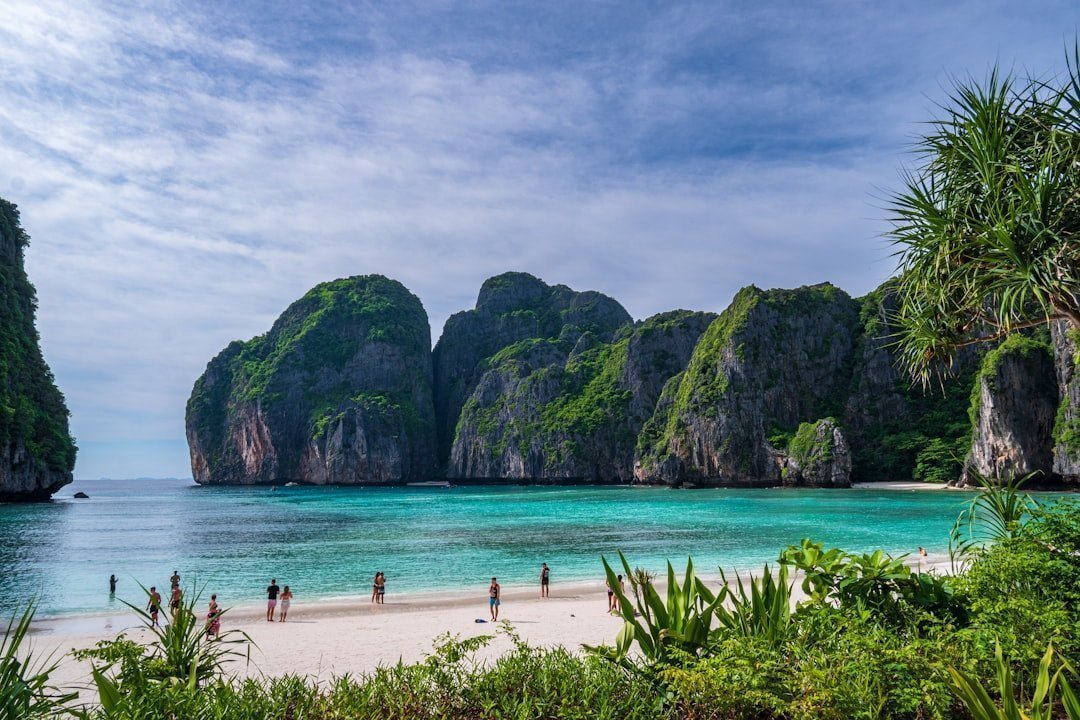
Maya Bay is one of those places that almost seems fictional. A white-sand cove framed by sheer limestone cliffs in southern Thailand, it is genuinely one of the most spectacular natural settings on Earth. It’s also a textbook case of what happens when viral fame collides with a fragile ecosystem and zero preparation.
The “revenge tourism” trend and influencer content sent 28 million tourists to Maya Bay, Pattaya, Phuket, and other popular Thai destinations in 2023, a drastic increase from 11 million visits in 2022. This wasn’t the first time Thailand was affected by an overflow of tourists. The country became popular in the 2000s after the Leonardo DiCaprio movie “The Beach,” which depicted Maya Bay as a hidden paradise. By June 2018, Thai beaches were completely ruined.
The authorities shut down the bay for tourists indefinitely to give its natural habitat time to recover. The bay was reopened in 2022 to boost halted tourist activity and closed again shortly after. Since then, Thailand has introduced annual seasonal closures from August to September that help reduce the impacts of irresponsible tourism.
The cycle of open, damage, close, recover, repeat is exhausting and unsustainable. Every new wave of TikTok tourism threatens to undo whatever fragile recovery the ecosystem has managed to achieve.
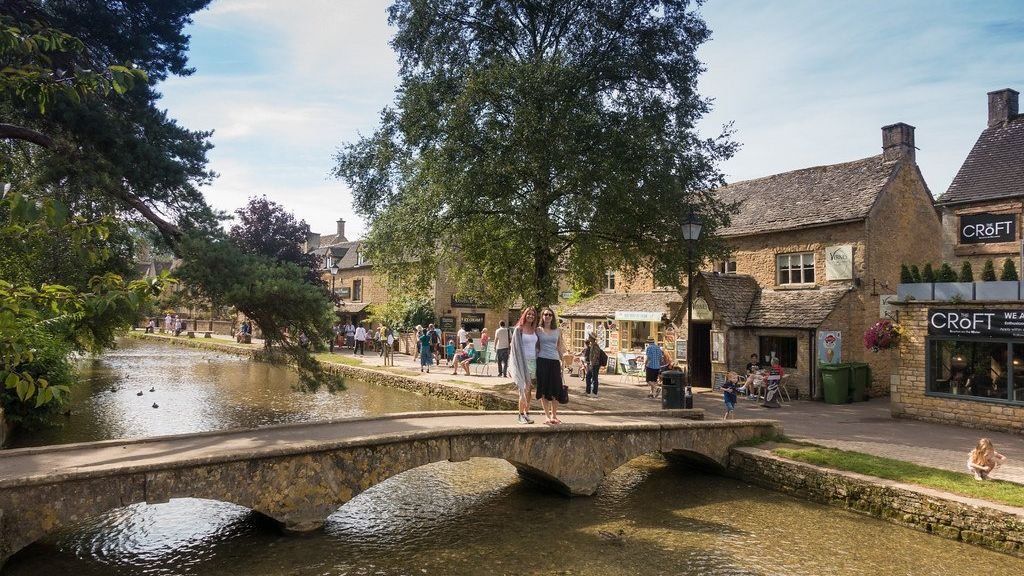
10. Bourton-on-the-Water, England – A Cotswolds Village Consumed
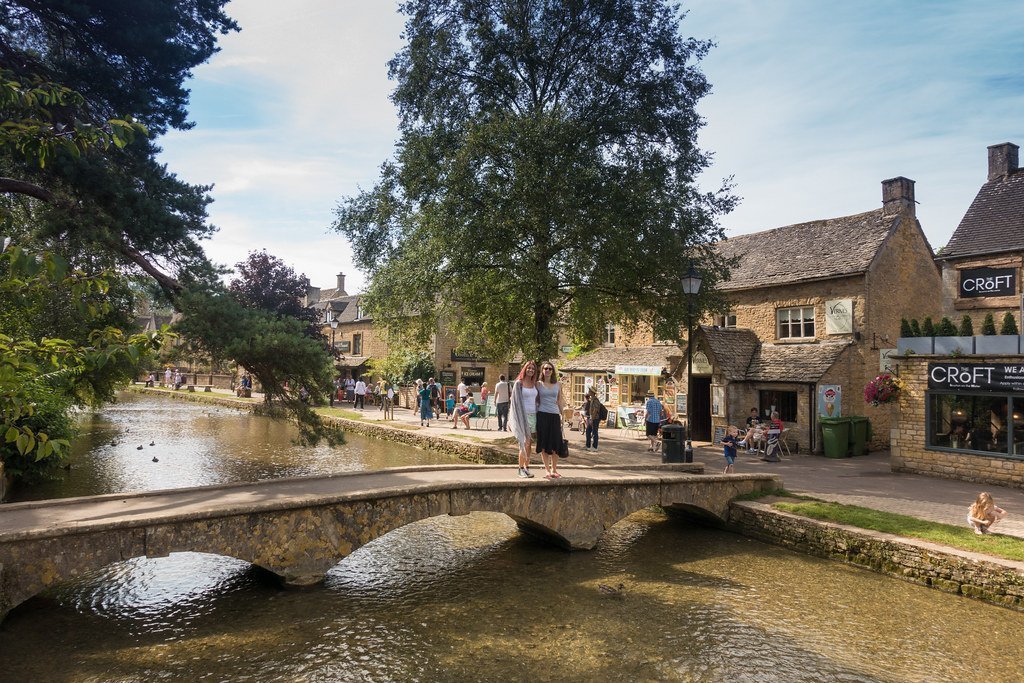
You’d be hard-pressed to find a more postcard-perfect English village than Bourton-on-the-Water. Low stone bridges crossing a shallow river, honey-coloured limestone cottages, ducks waddling past well-dressed tourists. It sounds lovely. It increasingly is not, at least not for the people who actually live there.
Known for its charming low arched bridges, yellow limestone houses, and peaceful natural environment, the village is increasingly being “ruined” by visitors more interested in clicks than culture. A local councillor has raised concerns about the growing influx of social media-driven tourists who flock to the village solely to shoot TikTok videos, Instagram reels, and take selfies, without a genuine interest in the area’s heritage or natural beauty.
This so-called “TikTok tourism” has led to a rise in litter, particularly on the green, which is popular with visitors. These tourists tend to leave little behind but waste and frustration, contributing to traffic congestion, noise, and a sense of disruption among residents.
The recent surge in tourism is making it increasingly difficult for the residents of Bourton-on-the-Water to maintain a sense of normalcy and peace. The rise of social media-driven tourism is affecting several Cotswolds villages, causing residents to feel as though their privacy is being violated. The growing number of social media-driven tourists has made it harder for locals to retain a sense of privacy and control over their own environment.