
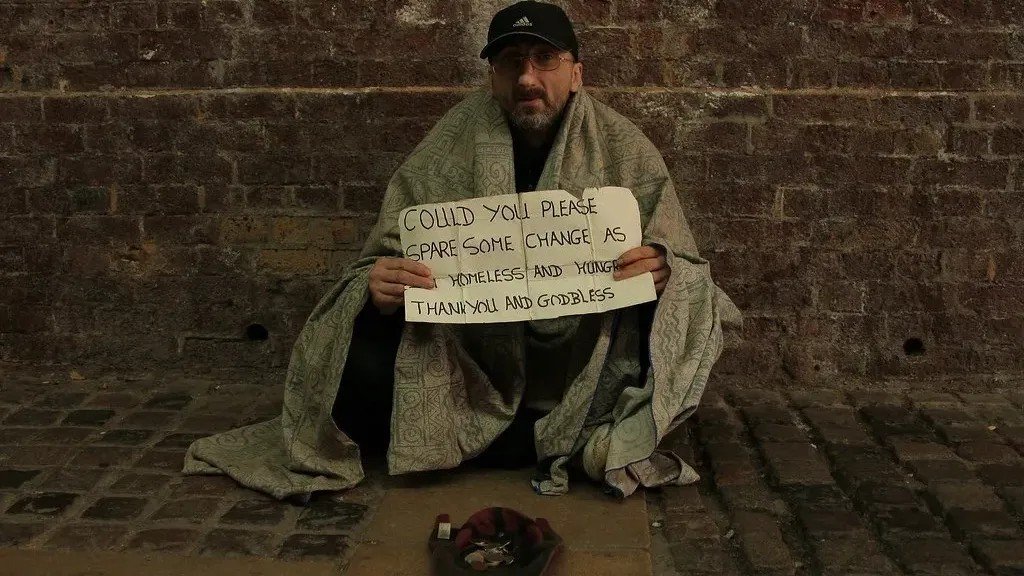
There’s something quietly haunting about the modern hostel. From the outside, it looks like a backpacker’s paradise, a buzzing social hub with bunk beds, communal kitchens, and a corkboard full of local event flyers. From the inside, for a growing number of people, it’s something far darker. It’s not a stopover. It’s home. Indefinitely.
The global housing crisis has crept into places we never expected. Hostels, once built for budget travelers passing through, are now quietly absorbing people with nowhere else to go. The question is: how do you know when “temporary” has become a crisis in disguise? Let’s dive in.
1. The Affordable Housing Collapse Is Filling Beds That Were Never Meant for This
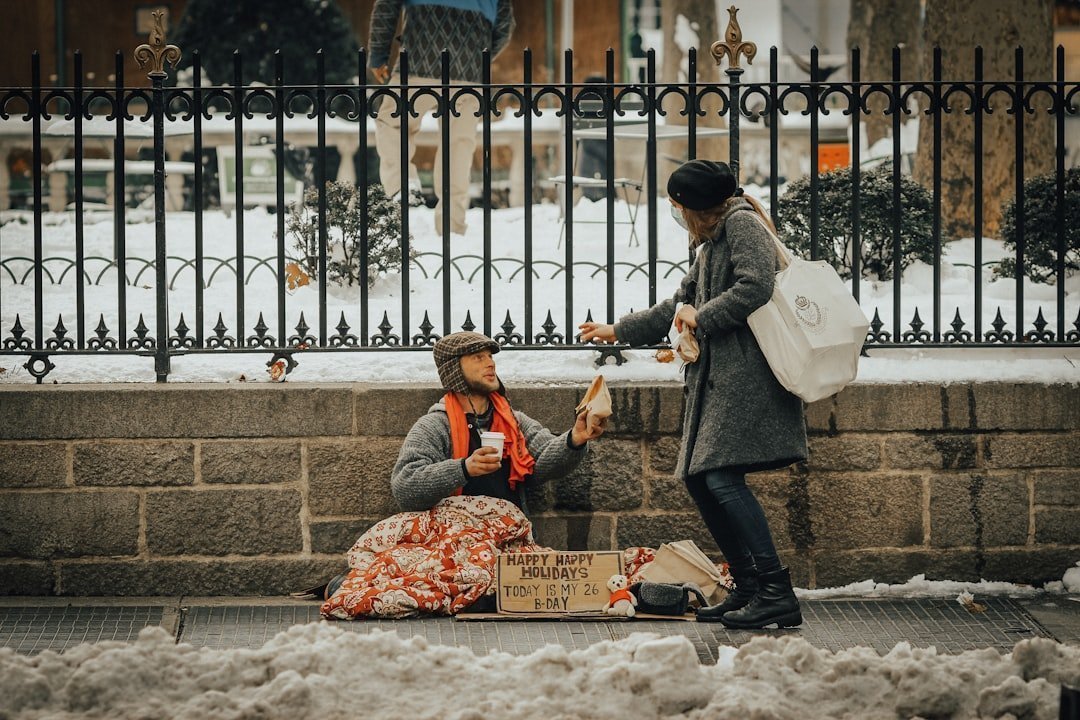
Here’s the thing nobody wants to say out loud: hostels are being used as a pressure valve for a housing system that is bursting at the seams. According to the latest UN-Habitat estimates, 318 million people are homeless worldwide, while 2.8 billion people lack access to adequate housing. That’s over a third of the global population living without a decent roof over their heads.
Given rising prices and the shortage in housing supply, individuals are experiencing a lack of adequate options, leading to increased homelessness. In 2024, more than 770,000 people in the US were experiencing homelessness, the highest number ever recorded. When the bottom of the housing market falls out, people scramble upward into whatever shelter they can find, and often, that’s a hostel bunk.
A record-breaking 8.53 million households were reported struggling with worst-case housing needs, while there is a shortage of 7.3 million affordable and available homes for extremely low-income renters. These are not abstract numbers. They represent millions of real people sleeping in places never designed for long-term living.
2. You’ve Stopped Counting the Weeks

There’s a creeping psychological shift that happens when short-term accommodation stretches into months. In most cases, hostels are supposed to be a short-term solution, usually up to two years, mostly working within a recovery-focused model, with the aim of facilitating access to addiction and health services, training and meaningful activities to enable a move out of homelessness. The key word there is “supposed to be.”
The share of households staying in a shelter for longer than six months increased from roughly one in six in 2019 to nearly one in four in 2021. And reports since then suggest the trend has only deepened. When weeks turn to months, and months blur into seasons, the hostel has stopped being transit housing. It has become the housing.
Data from England shows that 22.4% of households with children in temporary accommodation stay for more than five years. Some households remain in temporary accommodation for over a decade. Think about that for a moment. A decade in a hostel or temporary bunk is not a gap year. It’s a housing crisis with a friendly name.
3. The Numbers Behind the Doors Are Record-Breaking
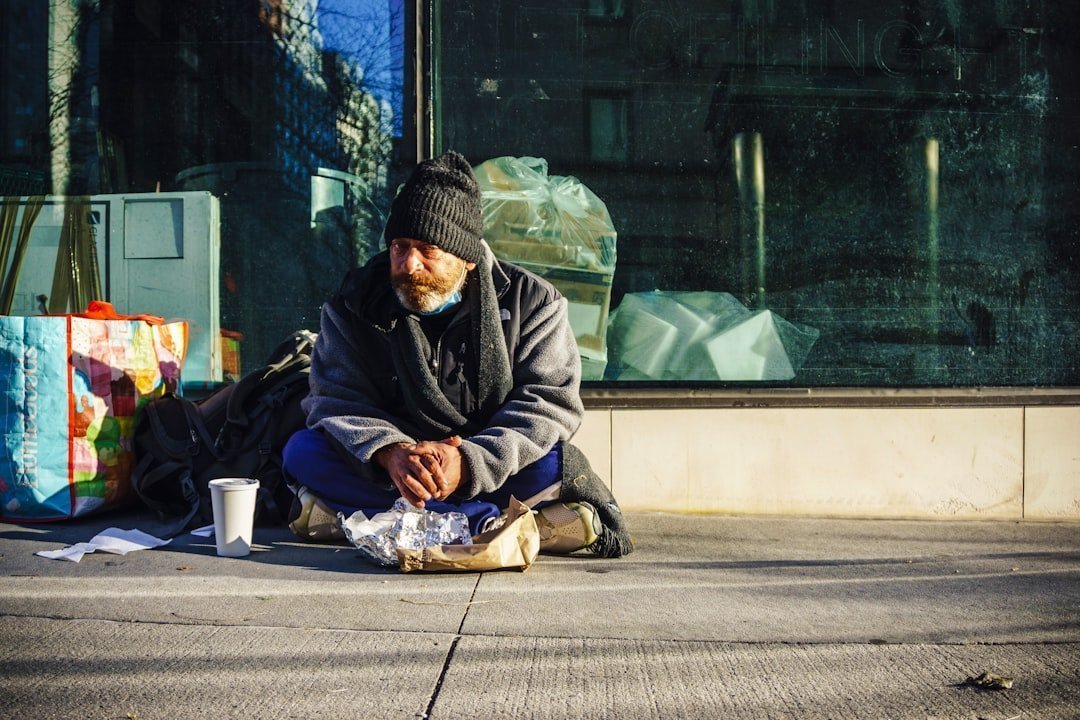
Let’s talk hard numbers, because the scale of what’s happening is genuinely shocking. The United States experienced an unprecedented rise in homelessness, driven by the nation’s affordability crisis. Homelessness increased 18 percent, from roughly 653,000 people during the 2023 count to 771,480 people during the 2024 count. That’s not a blip. That’s a surge.
Chronic homelessness, defined as those experiencing long-term or repeated homelessness, has nearly doubled since 2016. Meanwhile, in England, the number of households in temporary accommodation reached record levels every quarter for two and a half years straight, rising to 131,140 at the beginning of 2025. This represents a 156% increase compared with 2010.
New research from Crisis revealed that almost 300,000 families and individuals across England are now experiencing the worst forms of homelessness, including being forced into unsuitable temporary accommodation such as nightly-paid hostels. The state of the nation report shows that 299,100 households in England experienced acute homelessness in 2024. The hostel as a safety net has become a revolving door.
4. The Health Crisis Nobody Talks About
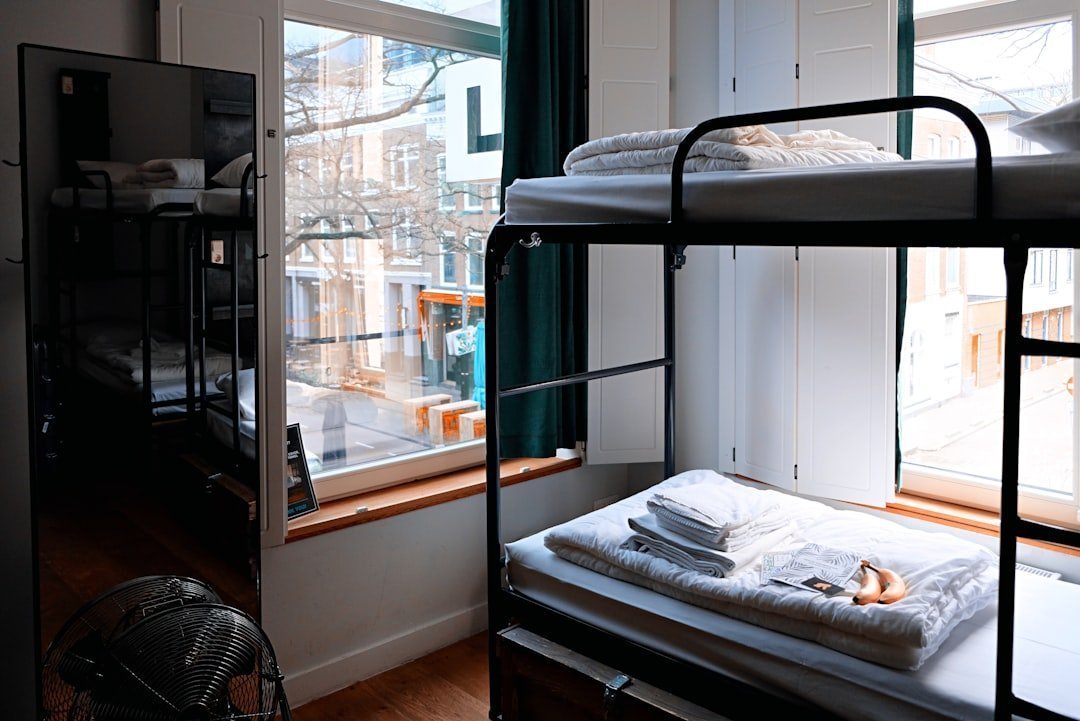
Hostels are not hospitals. They are not designed to manage the complex medical, psychological, and social needs of long-term residents. Yet the reality of who is living in them tells a very different story. In a survey covering 58 hostel managers and information on 2,355 clients, 64% had substance use disorder, 56% had mental health issues, and 37.5% were in poor physical health.
People experiencing homelessness often have very complex health problems including what is called tri-morbidity, a combination of mental health, physical health, and substance misuse problems. Throw long-term hostel living into the mix, and those problems intensify rather than resolve. Death rates among homeless populations are high, and the average life expectancy is low.
Although hostel environments and their staff are rarely equipped to support individuals with care needs, many people remain in hostels without adequate support or end up back in hospital. In the absence of sufficient alternatives, hostels are having to flex to support people as best they can. Supporting people who are inappropriately housed disproportionately redirects resources away from other residents. Honestly, it’s a system asking a band-aid to do the work of surgery.
5. Rents Have Become Mathematically Impossible for Many
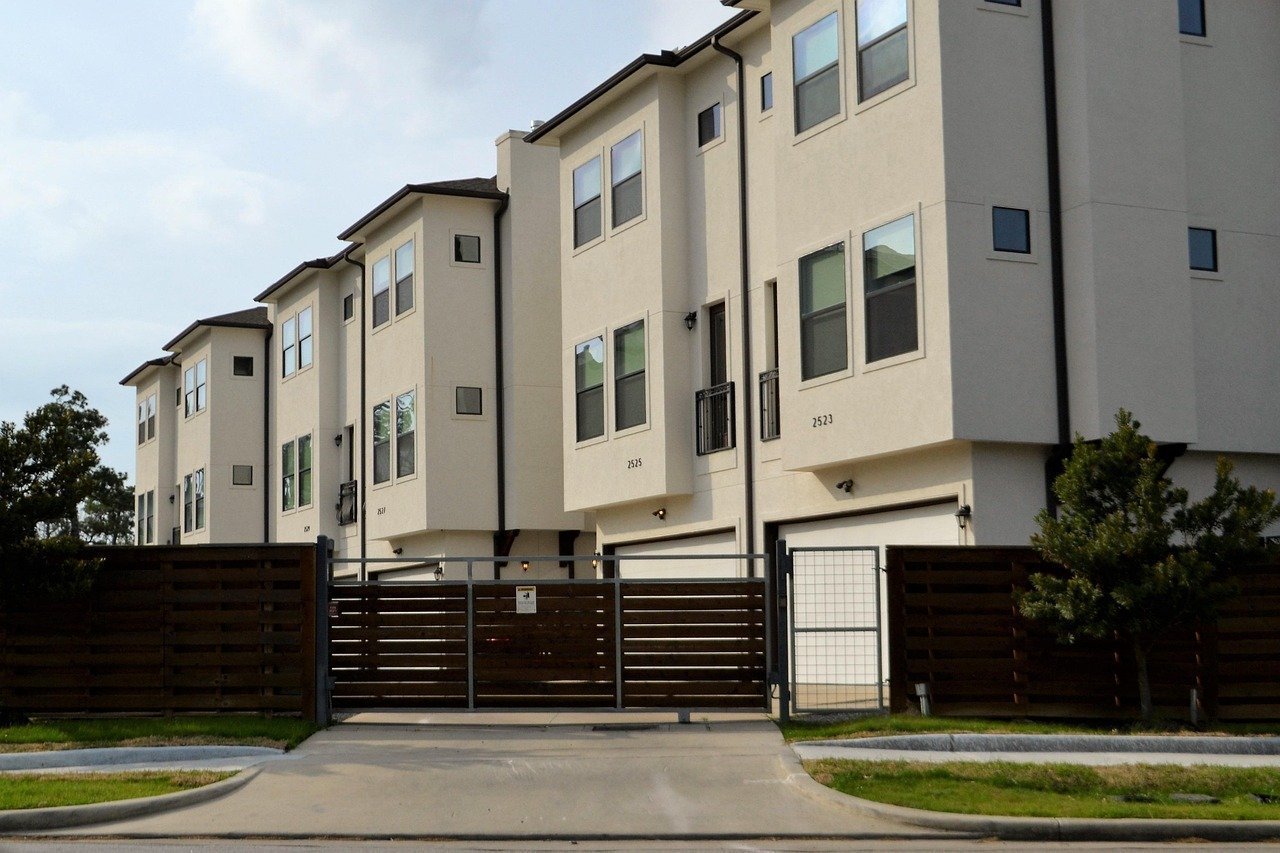
One of the most reliable signs that a hostel is functioning as a housing crisis symptom is simply this: the private rental market has become genuinely unreachable for enormous numbers of people. Between 2020 and early 2024, rents for professionally managed apartments increased by 26%, even as rent growth relaxed to just 0.2% year-over-year in early 2024.
Analysis by Crisis found that, between April and October 2024, fewer than three in every 100 private rented properties in England were affordable for people who relied on Universal Credit or Housing Benefit to cover their rent. That is a staggering statistic. Fewer than three properties in a hundred. For tens of thousands of people, a hostel bunk is not a choice. It’s the only option still with a door.
According to the U.S. Government Accountability Office, when a community’s median rent increases by $100, homelessness rises by 9 percent. The math is brutally simple. As rents climb, people fall, and many of them land in a hostel bed with no clear path forward.
6. Children Are Now Part of the Picture

Nothing signals a systemic failure quite like children growing up inside facilities designed for adults in transit. The number of families placed in temporary accommodation is at a record high, with figures from September 2024 showing that 164,040 children were residing in this accommodation alongside the rest of their household. These are school-age kids doing homework in common areas, not tourists killing time before their next adventure.
Temporary accommodation has been cited as a contributing factor in the deaths of 74 children in the period between April 2019 and March 2024. That is a chilling number. It makes the hostel-as-housing crisis not just uncomfortable but genuinely deadly in its consequences.
There were 84,240 households with children in temporary accommodation, containing a total of 172,420 children, in June 2025, seven percent higher than a year earlier and 36 percent higher than in 2019. When children are the fastest-growing segment of hostel and emergency accommodation residents, something has gone deeply wrong at the structural level.
7. The Cost of “Temporary” Has Exploded
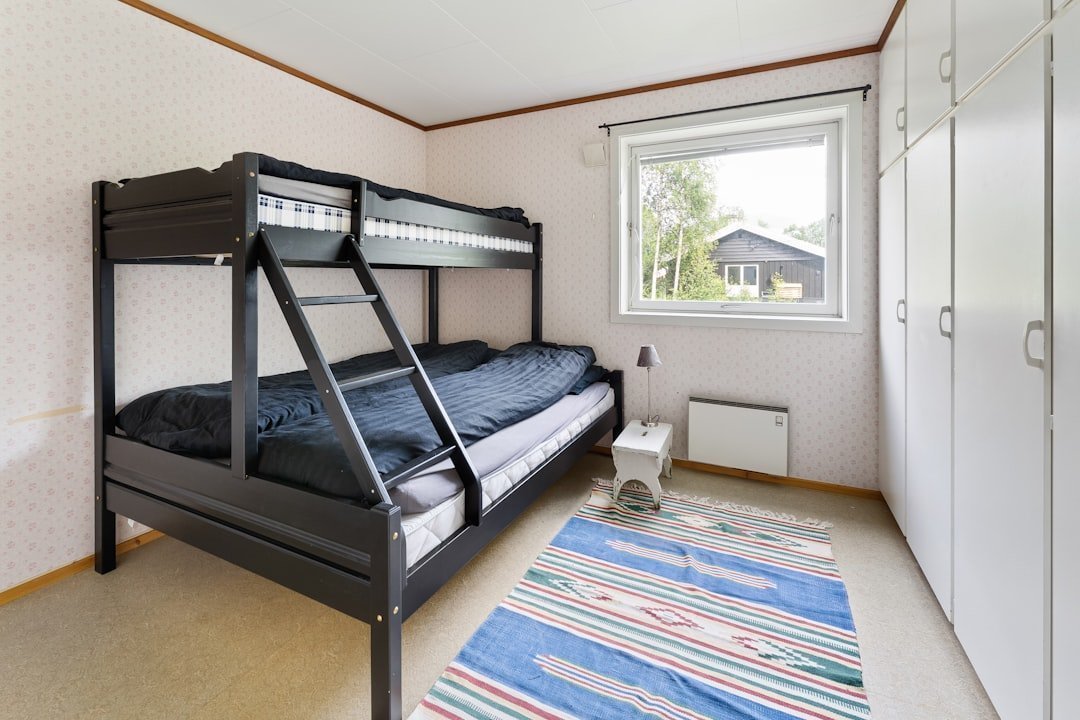
Here’s a deeply uncomfortable irony. Temporary accommodation, including hostels, is now one of the most expensive parts of the housing system, and taxpayers are footing the bill. Research conducted by LSE and commissioned by Crisis showed that approximately 56,000 households stayed in hostels, B&Bs and other nightly-paid accommodation in 2023/24 in England. The net expenditure for this emergency accommodation totalled £732 million, a more than fivefold increase from the £135 million spent in 2017-18, accounting for the majority of overall net expenditure on temporary accommodation by local authorities.
Figures released by the Ministry of Housing, Communities and Local Government showed that between April 2024 and March 2025, local authorities spent £2.7 billion on temporary accommodation for homeless households. This is up 26% on the previous year. For context, that’s enough to build thousands of permanent homes. Yet it’s being poured into emergency beds instead.
The rising use of costly forms of temporary accommodation is largely driven by necessity: councils must house families to stop them sleeping rough but are rapidly running out of options. This pressure has weakened their bargaining power, and in some cases, opened the door to increased profit-making. Council leaders described landlords shifting properties from the private rental market into nightly paid accommodation to maximise returns.
8. The Older You Are, the More Trapped You Become
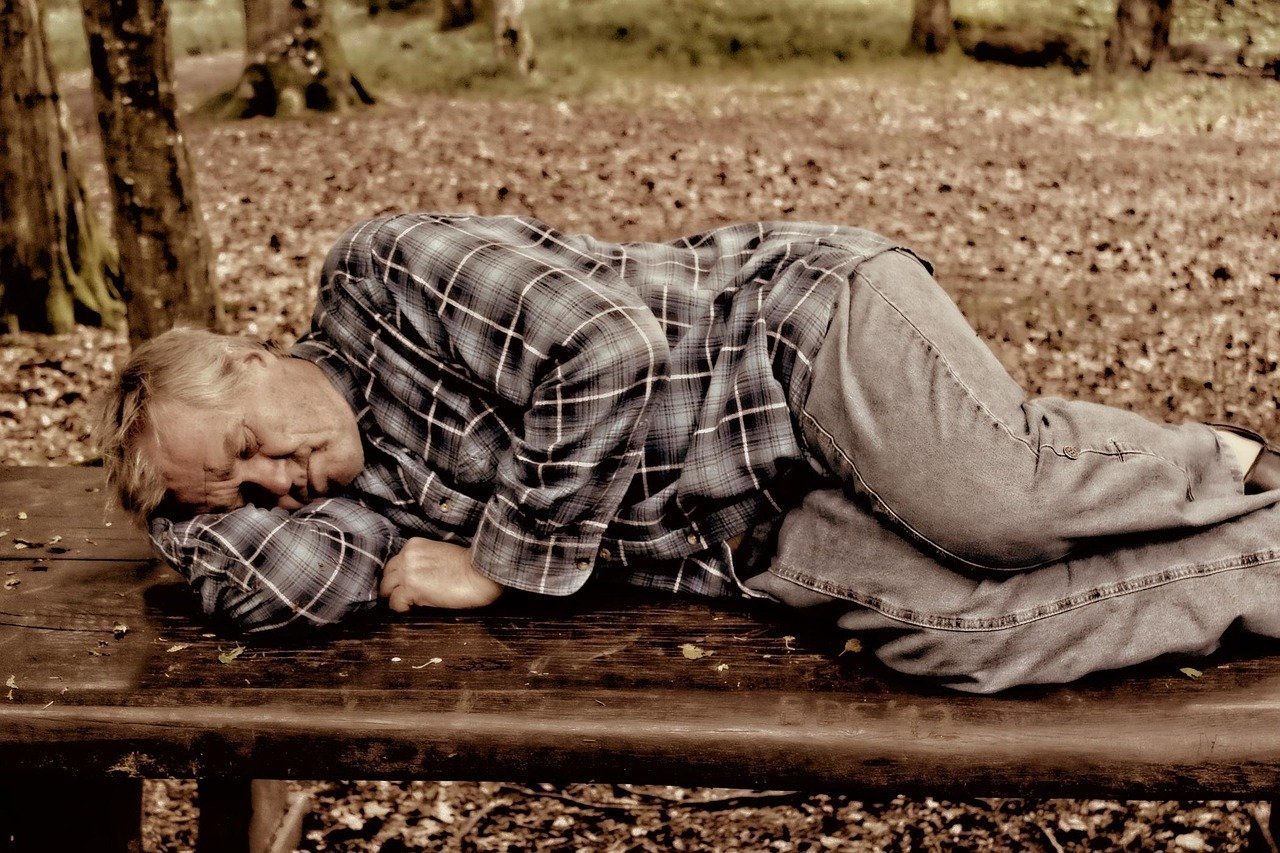
Older adults in hostel accommodation are a demographic almost entirely invisible in mainstream housing debates. Yet the data is stark. Older adults, those 55 and older, face unique challenges. They are the fastest-growing group of people experiencing homelessness in America and are increasingly cost-burdened as rising costs of living exceed Social Security Income. The number of older adults experiencing homelessness is estimated to triple between 2017 and 2030.
Hostels support residents with co-occurring mental health issues, cognitive impairments, substance misuse, and other health or social challenges, although they do not provide direct health or personal care input. An older person with cognitive decline living in a noisy, communal, ever-rotating hostel environment is not receiving appropriate care. They’re simply enduring it.
It’s hard to say for sure how many elderly residents are quietly aging inside emergency accommodation across the world, because the data is patchy. But we know enough to say this is a massive, underreported dimension of the long-term hostel crisis, one that demands far more policy attention than it currently gets.
9. The Affordable Housing Shortfall Is Structural, Not Accidental
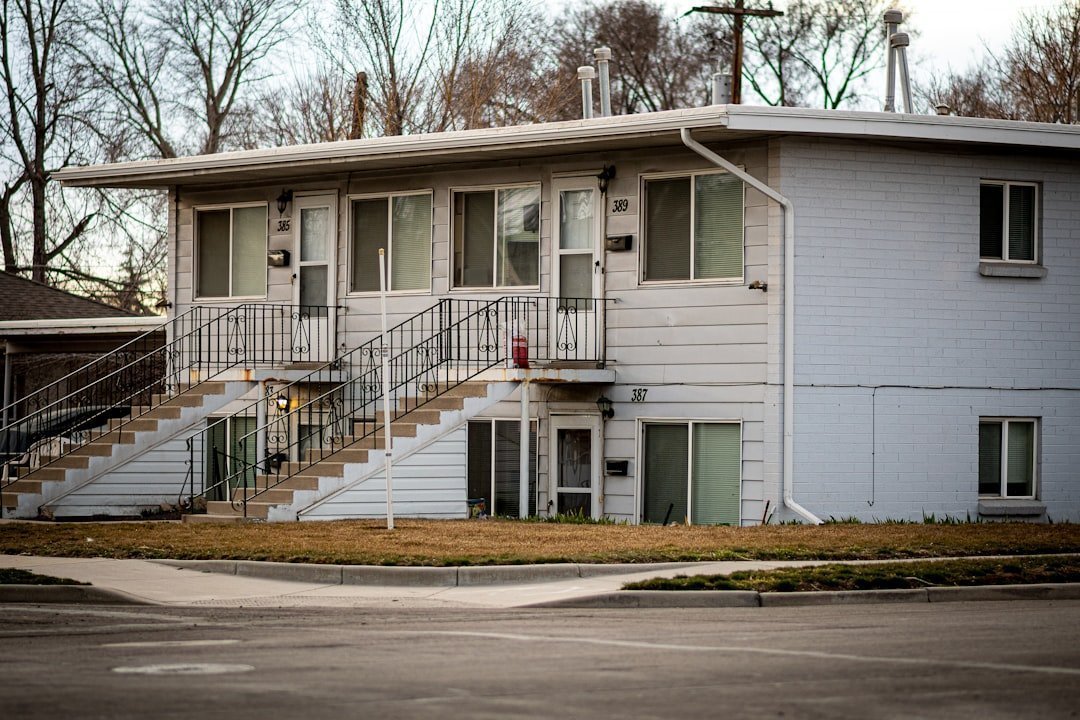
Let’s be real: people aren’t staying in hostels long-term because they prefer it. They’re staying because the alternative, a stable, affordable home, simply does not exist at the scale needed. The National Low Income Housing Coalition has confirmed a national shortage of 7.1 million homes affordable and available for extremely low-income renters in the US alone. That number is not a rounding error. It’s a structural emergency.
Demand for temporary accommodation is mainly driven by a shortage of social rented housing and the unaffordability of private rented housing for low-income households. For most of this century, the UK has had a housing shortage, but for one section of society, that shortage has become a crisis. Prices have risen so much that people who need social housing are completely locked out of the private renting market.
A worsening national affordable housing crisis, rising inflation, and stagnating wages among middle- and lower-income households have stretched homelessness services systems to their limits. When systems reach their limits, the overflow has to go somewhere. Right now, that somewhere is a bunk in a hostel corridor, and it’s been that way far too long.
10. Institutional-Like Settings Are Damaging Mental Health

There’s a growing body of research suggesting that long-term hostel and emergency accommodation is not just inadequate as housing. It’s actively harmful. Research found that government-operated facilities, including hostels and reception centres, were institutional-like and did not provide an environment that supported wellbeing or facilitated integration. The design itself, the shared spaces, the transient culture, the lack of privacy, creates stress rather than stability.
The health of people experiencing homelessness is negatively impacted by a lack of appropriate accommodation, exclusion from services and lack of person-centred support. As their health continues to deteriorate, there are increasingly fewer accommodation options that can provide the high and consistent levels of support required to address health and care needs.
Explorations of how homeless hostels can be strengthened to improve health and wellbeing and reduce harm would be worthwhile, according to researchers publishing in Health and Social Care in the Community in 2025. That sentence feels like an understatement. Strengthening them is necessary, but it shouldn’t serve as an excuse to keep people trapped in them. The real sign of a housing crisis is not just who is in the hostel. It’s who can never leave.
The hostel ghost is not a supernatural thing. It’s a real person, young, old, with a family or alone, sitting on a narrow bunk, waiting for a housing system to notice them. While temporary shelters offer immediate relief for people in a housing crisis, they are not designed to be a long-term solution. All communities must balance their needs to expand emergency shelter for everyone who needs it, while also exiting people to permanent housing so that beds are available for the next person who needs them. Until that balance is truly struck, the ghost stays. And the crisis keeps growing.
What would it take for you to realize the hostel next door isn’t just for travelers anymore?