
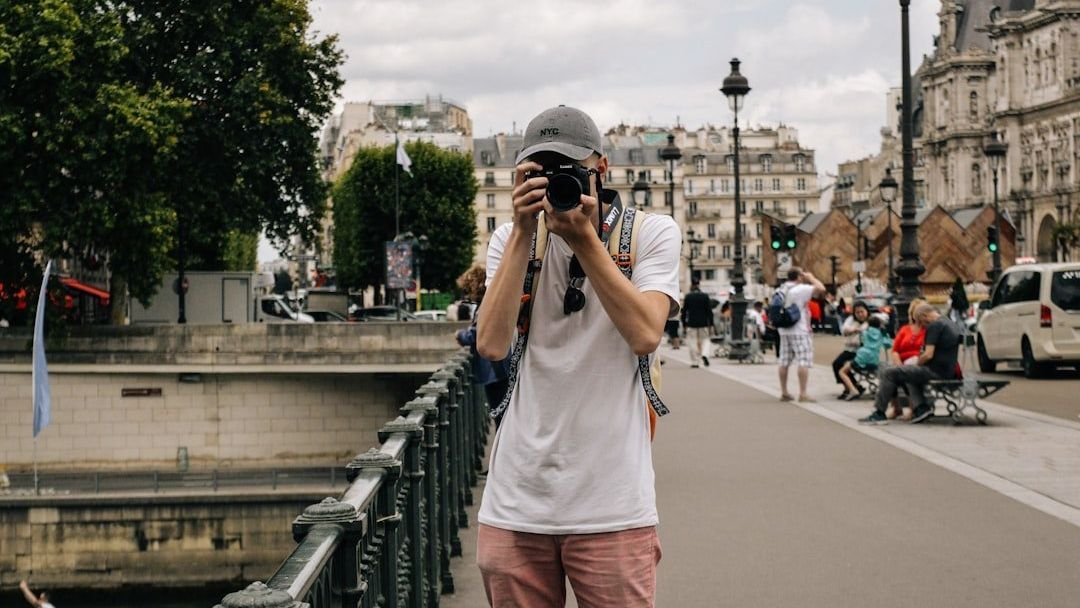
There is something quietly ironic about a travel blogger sitting in a centuries-old village square, sipping local wine, and typing words like “unspoiled,” “off the beaten path,” and “best-kept secret.” Because the moment those words go live, that secret ceases to exist. Honestly, I think most travel bloggers mean well. They genuinely love the places they write about. That is exactly what makes this so complicated.
The relationship between “authentic travel content” and the communities that content features is more fraught than most people want to admit. Villages that survived for generations without tourist infrastructure are now suddenly centers of a global media cycle. The consequences go far deeper than a few extra cars on a cobblestone road. Let’s dive in.
1. One Viral Post Is All It Takes to Shatter a Village’s Quiet
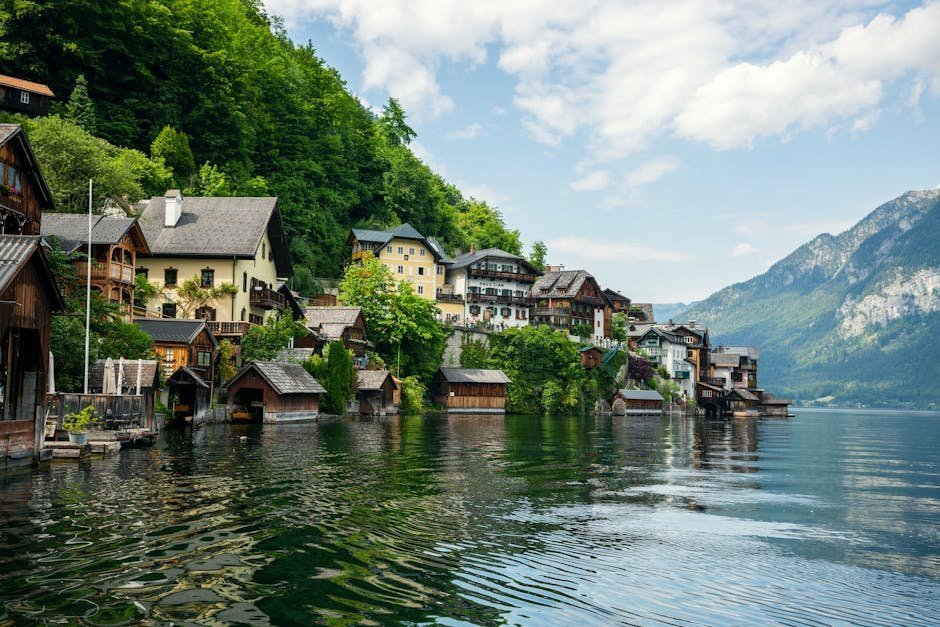
The speed at which a single piece of content can transform a place is genuinely alarming. Sometimes, all it takes is a viral social media post or a list of “10 must-visit villages” to overwhelm a place unprepared for mass visitation. Think of it like dropping a stone in still water. The ripples spread far faster than anyone anticipated.
Social media is often cited as a major cause of overtourism, less to cities than to specific, remote spots, fuelled by the geotagging of aspirational influencers. A village that had perhaps a handful of curious visitors per week can find itself overrun on a single holiday weekend, simply because one post hit the right algorithm at the right time.
2. The “Authentic” Label Is a Marketing Weapon, Not a Promise
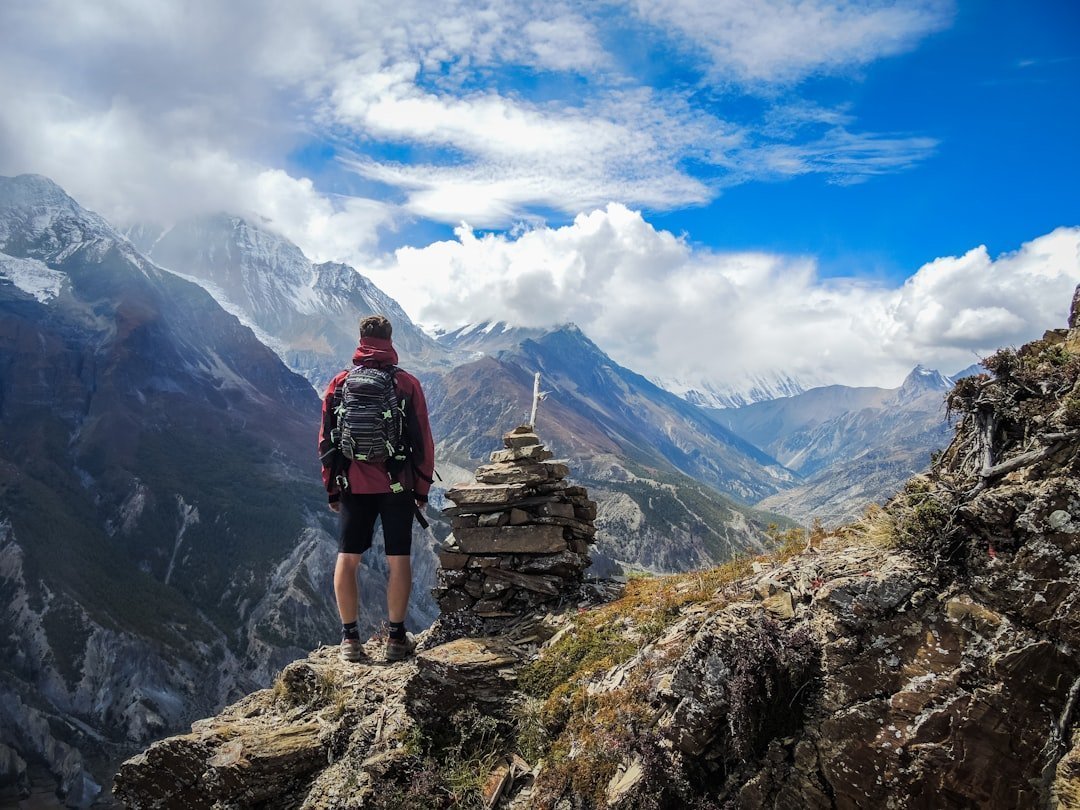
Instagram and TikTok have redefined how we travel. We no longer seek the unknown, we chase images that are already well-known and highly shareable, affirming our place in a global community. We travel pursuing stories shaped by others, where the experience is influenced more by digital narratives than personal exploration. The word “authentic” on a travel blog is less a description of a place and more a sales pitch dressed in linen trousers.
The logic of viral content has led to the compulsive consumption of increasingly homogenized, less authentic destinations. In other words, the very process of labeling something authentic and broadcasting it to millions of followers begins the process of stripping that authenticity away. It is a paradox that the travel industry has not yet figured out how to solve.
3. Overtourism Is No Longer Just a Big-City Problem
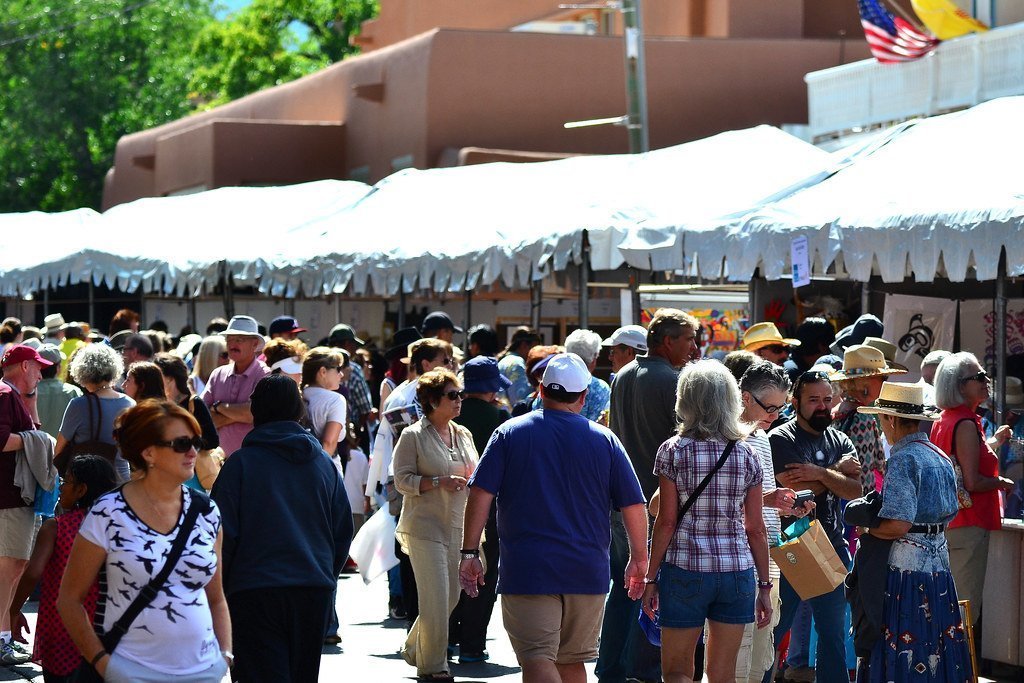
Let’s be real. When most people hear “overtourism,” they picture Venice or Barcelona. But the pressure has long since spilled into rural and village settings. Overtourism happens when a destination experiences too many visitors for its infrastructure to handle, leading to environmental, social, and cultural strain. Small villages, by definition, have almost no infrastructure buffer.
Overtourism is a rising concern among the world’s most experienced travelers, according to the Fall 2024 Global Rescue Traveler Sentiment and Safety Survey. As tourism continues to grow globally, three out of four travelers expressed concerns about overtourism, while nearly a third personally experienced it in 2024. That is not a fringe worry. That is a mainstream alarm signal, and hidden villages are increasingly caught in the crossfire.
4. Local Housing Prices Skyrocket After the Bloggers Arrive
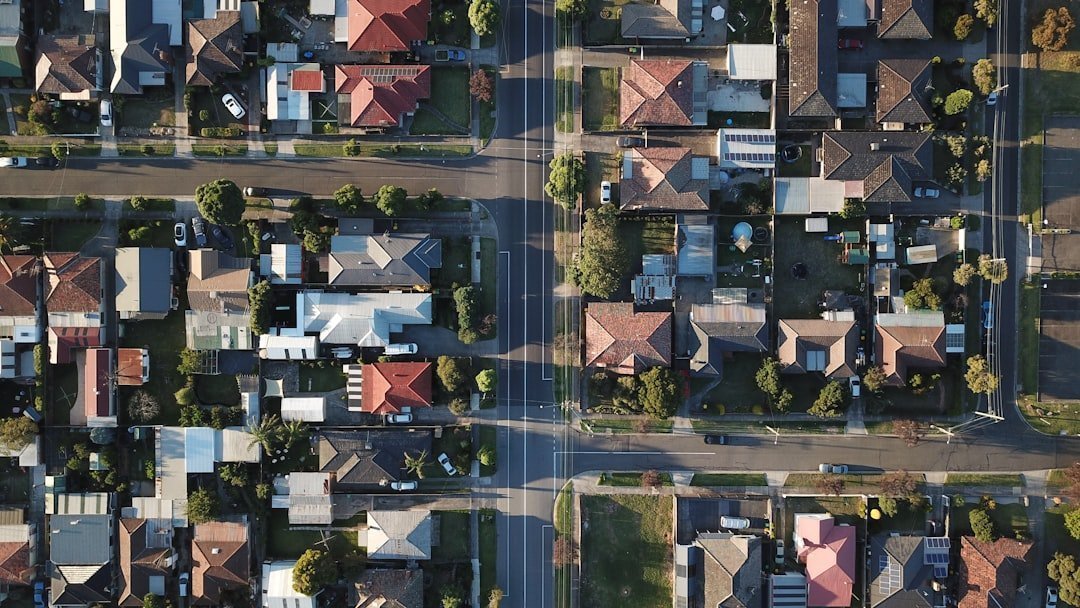
Here is the thing: a charming write-up about a village does not just bring visitors. It brings investors. Airbnb has been linked to gentrification, particularly in urban neighborhoods that were once affordable but have become desirable to short-term visitors. As property values rise due to the profitability of short-term rentals, long-term residents, often from lower-income or marginalized communities, are increasingly unable to afford their homes. This process of gentrification is accelerated by investors who purchase properties specifically for short-term rental use, driving up real estate prices and altering the character of neighborhoods.
The numbers tell the story bluntly. A 2024 study found that Airbnb-style rentals raised annual rents in Berlin by between one and nearly three percent. An earlier study in Portugal showed an average house price increase in major cities, but in the historic centres of Lisbon and Porto, where short-term rentals are heavily concentrated, prices were pushed up by more than thirty percent. Scale that dynamic down to a small village with fifty houses and the consequences become devastating within just a few years.
5. The “Off the Beaten Path” Redirect Just Creates New Victims
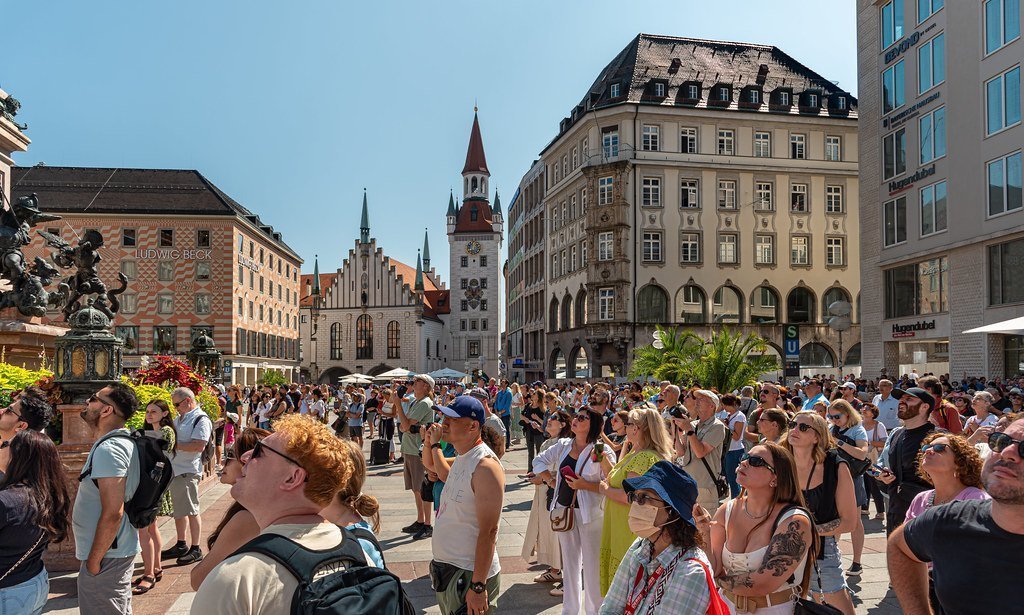
Tourism authorities and travel bloggers both love the idea of redistributing tourists away from overcrowded hotspots toward lesser-known destinations. It sounds responsible. It sounds progressive. Dispersing tourists to less crowded locations may seem like the obvious solution to overtourism, but it’s only part of the equation. While shifting the flow of visitors can alleviate some pressure on overtouristed destinations, it doesn’t fully address the underlying problem: an imbalance in how tourism impacts local communities and environments.
Encouraging travelers to explore “off the beaten path” destinations may appear to be a solution to overtourism, but it can unintentionally reproduce the same patterns of strain and exclusion. A village previously untouched by tourism does not suddenly gain the resilience to handle bus groups, parking demands, or the sheer volume of waste that comes with mass visitation. The problem is not just where tourists go. It is how many go, and how fast.
6. Local Residents Are Being Pushed Out of Their Own Communities
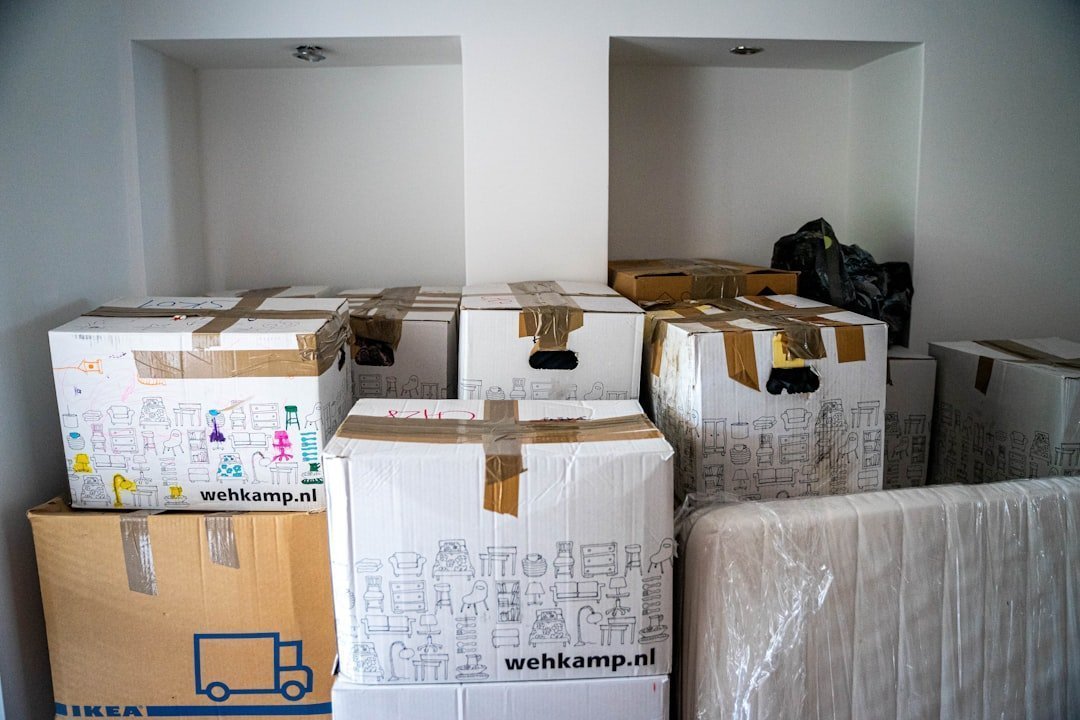
Displacement is not an abstract concept. It is a family packing boxes because their landlord converted their apartment into a holiday rental. In cities like Barcelona, intense tourism has caused a housing crisis, as homes are converted into short-term rentals, driving long-term rental prices up to a substantial share of the average local wage by 2024. This makes it difficult for residents to afford living in their neighborhoods, weakening communities and displacing locals for tourists and digital nomads.
As neighborhoods become dominated by short-term rentals, long-term residents often face disruptions from the constant turnover of visitors, noise, and a lack of community cohesion. This can lead to a decline in the overall livability of these areas, further contributing to the displacement of long-term residents. The community that a travel blogger found so “warm” and “tight-knit” is quietly dissolving under the economic pressure that blogger helped generate.
7. The Culture Gets Commodified, Then Hollowed Out
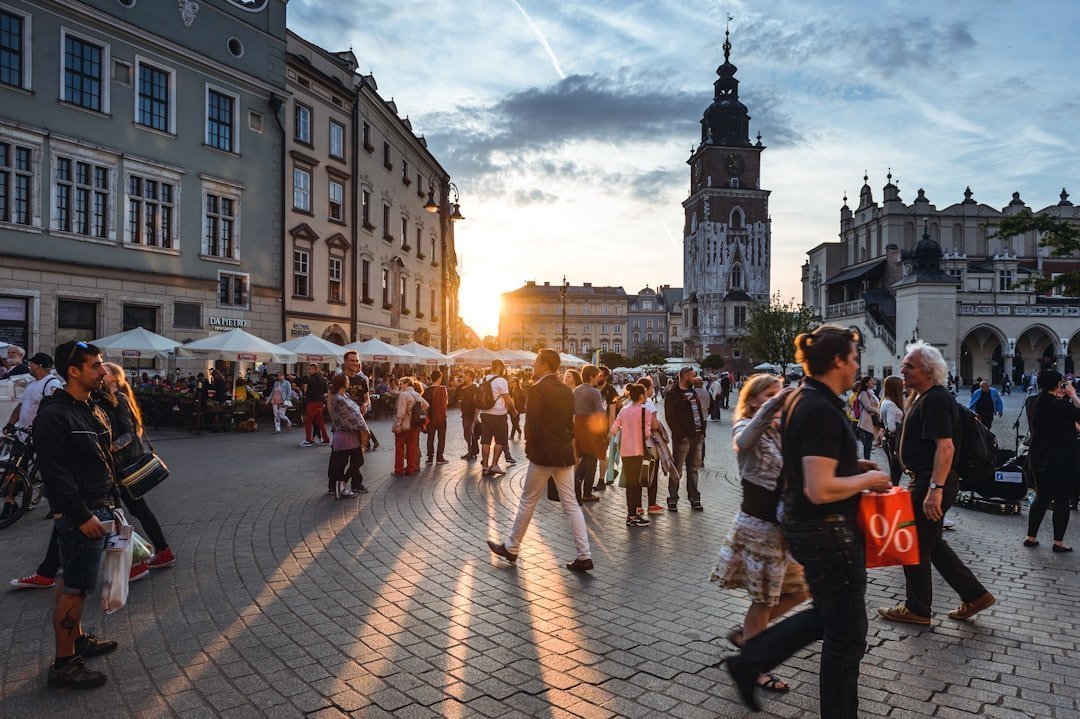
Cultures are living systems. They evolve slowly, on their own terms, through generations of shared experience. Tourism, especially when it arrives too fast, does something different: it turns culture into a product. This imbalance occurs when visitor numbers exceed what these areas can sustainably manage, causing tourism’s consequences to outweigh its benefits. This results in environmental degradation, cultural erosion, and declining local quality of life and visitor enjoyment.
Property values soar, rent prices increase, and higher-income residents settle in, often at the expense of existing communities and the very same artists who led the urban renewal. The unique cultural fabric that once defined the area is gradually replaced by a more homogenised, commercialised environment. What the travel blog described as a “cultural gem” becomes a theme park version of itself within a few seasons.
8. The Infrastructure Was Never Built for This
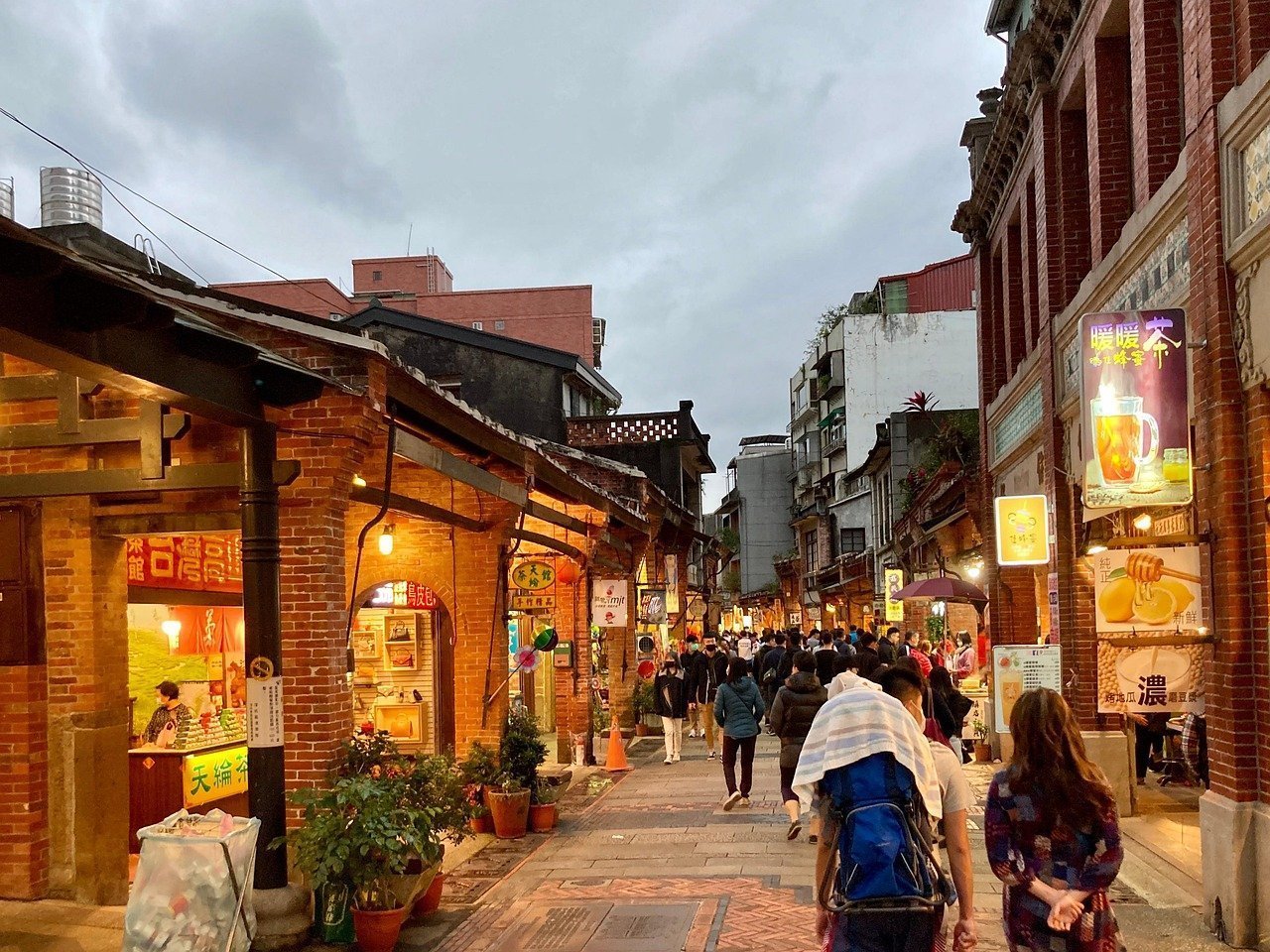
Small villages typically have roads designed for donkeys and horse carts, not Instagram tour buses. Santorini’s charm is in its quiet, picturesque villages and crystal-clear waters, but the flood of tourists has led to severe overcrowding. In peak season, visitors often outnumber the island’s residents several times over. This has resulted in traffic jams, overbooked hotels, and overwhelmed restaurants. Now picture a village a fraction of that size, with none of those baseline amenities.
Overtourism in popular destinations can strain local infrastructure, harm ecosystems, and dilute cultural authenticity. The sewage system breaks down. The single grocery store runs out of food. The road leading to the village becomes a permanent traffic jam every weekend. The locals who have lived there for decades find their daily routines shattered, and nobody in those viral travel posts is talking about it.
9. The Anti-Tourism Backlash Is Already Here, and Growing
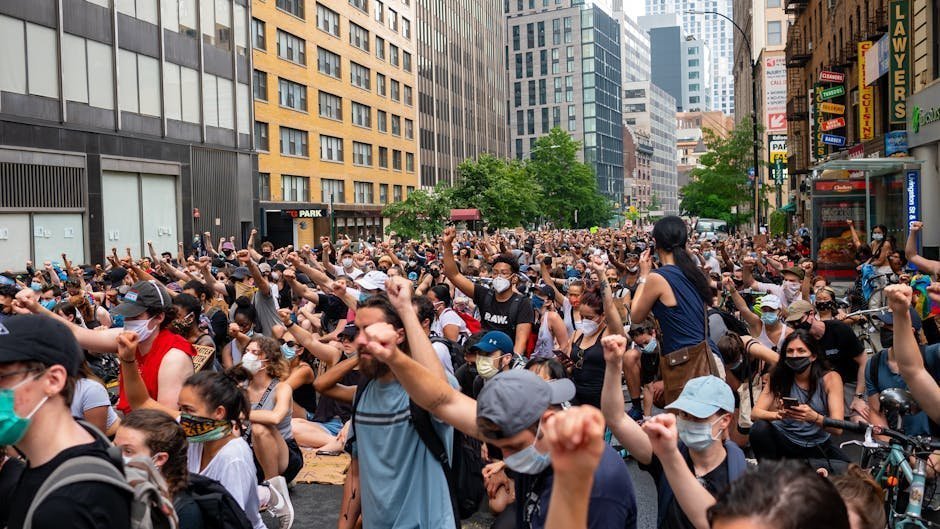
Residents are not quietly accepting this transformation. In summer 2024, tens of thousands of locals expressed their growing frustration in anti-tourism rallies and demonstrations across Europe. These were not fringe protests. These were ordinary people who had simply had enough.
It was one of the most memorable images of 2024: a group of Barcelona residents spraying tourists in outdoor cafes with toy water pistols, shouting “tourists go home.” It captured the anger felt in many cities toward tourism gone too far. Meanwhile, in Japan, authorities of one overrun town erected a barrier in spring 2024 to prevent tourists from snapping selfies with Mount Fuji. These are not isolated incidents. They are symptoms of a system pushed past its breaking point.
10. Ethical Travel Is About More Than Just Showing Up and Spending Money
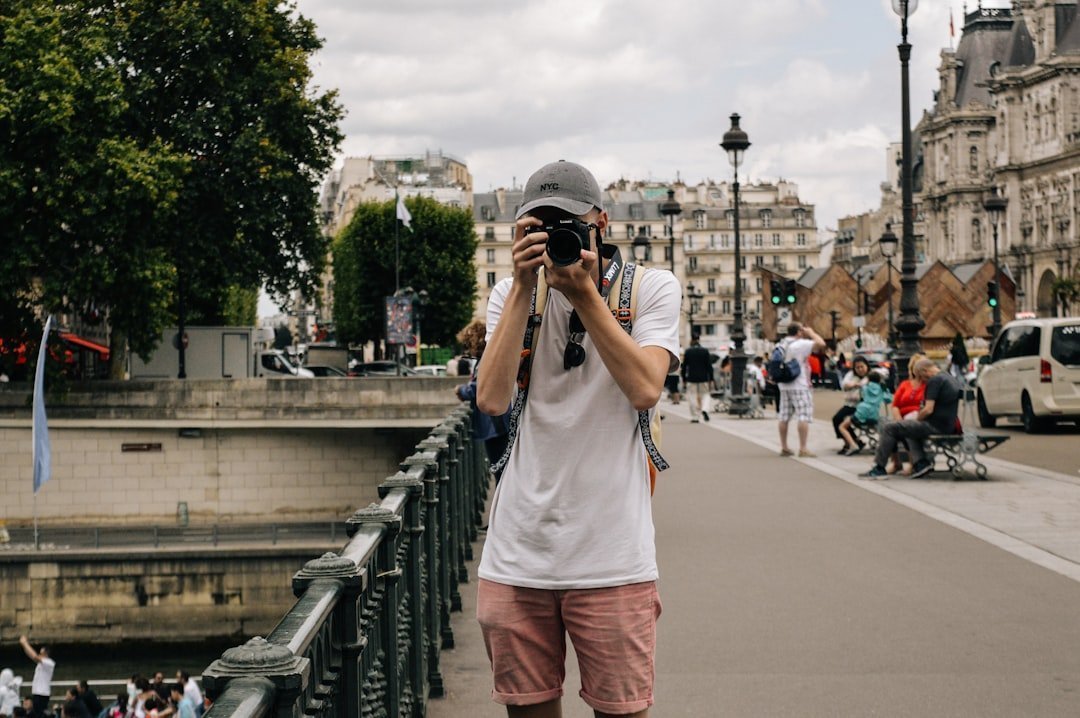
There is a comfortable myth that visiting a place is automatically good for it. That every tourist euro or dollar filters down to local hands and builds something lasting. The reality is far more complicated. Ethical travel is also about balance: ensuring that the benefits of tourism are shared while protecting places from exceeding their carrying capacity. Spending five euros on a coffee in a village that has been overwhelmed by tourists does not offset the damage done by publishing that village’s GPS coordinates to two hundred thousand followers.
Ultimately, ethical travel isn’t about discovering hidden gems. It’s about questioning why they were hidden in the first place, and actively working towards inclusion and fairness in how we engage with the world. That is a more demanding standard than most travel bloggers are willing to apply to themselves. Resisting the social media hype looks like supporting local businesses, respecting the culture, and being mindful of the space you take up. By being thoughtful about where we go and why, we can stop overconsuming travel and contributing to overtourism, while finding more meaningful experiences in more personal travel habits.