
There’s something seductive about dangerous destinations. The forbidden always pulls at something deep in human nature. We’ve all seen the breathtaking photos, the travel influencers perched on ancient ruins or smiling against spectacular backdrops in places the rest of us wouldn’t dare step foot in.
Honestly, I get it. The thrill of going somewhere off the beaten path, somewhere raw and real, is hard to resist. But there’s a difference between adventure and recklessness. Some destinations right now aren’t just challenging. They’re genuinely, statistically, verifiably lethal. Research by Europe-based risk analysis companies Safeture and Riskline concluded that the security situation has deteriorated in 77 countries around the globe. The world’s risk map is more alarming in 2026 than it has been in decades. Let’s dive in.
1. Afghanistan: Where Every Checkpoint Could Be Your Last
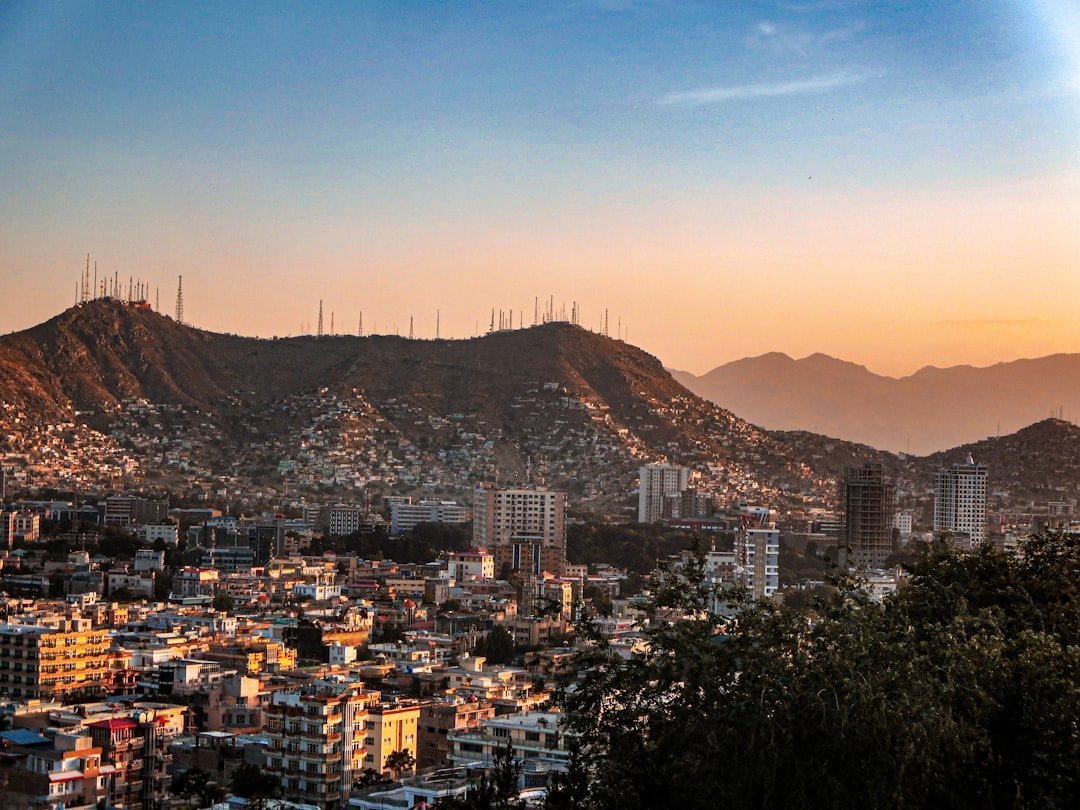
Let’s be real. No matter how dramatic the landscape photos look on social media, Afghanistan in 2026 belongs nowhere near a bucket list. Afghanistan remains one of the clearest examples of a destination that can derail travel planning before a ticket is even issued. The latest U.S. advisory, updated in February 2026, keeps the country at Level 4, with warnings tied to civil unrest, terrorism, kidnapping, wrongful detention, crime, natural disasters, and limited medical care.
No province in Afghanistan should be considered immune from violence, and the potential exists throughout the country for hostile acts, either targeted or random, against U.S. and other foreign nationals at any time. Think about that for a second. Not one single province. Multiple terrorist groups are active in Afghanistan. U.S. citizens are targets of kidnapping and hostage-taking, and may become targets for violence. There is a high risk of wrongful detention of U.S. nationals in Afghanistan.
Do not travel to Afghanistan on a tourist trip, even with reputable tour operators. Foreigners have been targeted, and recent incidents include the killing and injury of tourists. The Australian government’s advice may be the most brutally honest of all: understand that you could die and make a will before you go.
2. Haiti: A Nation Swallowed by Gang Rule
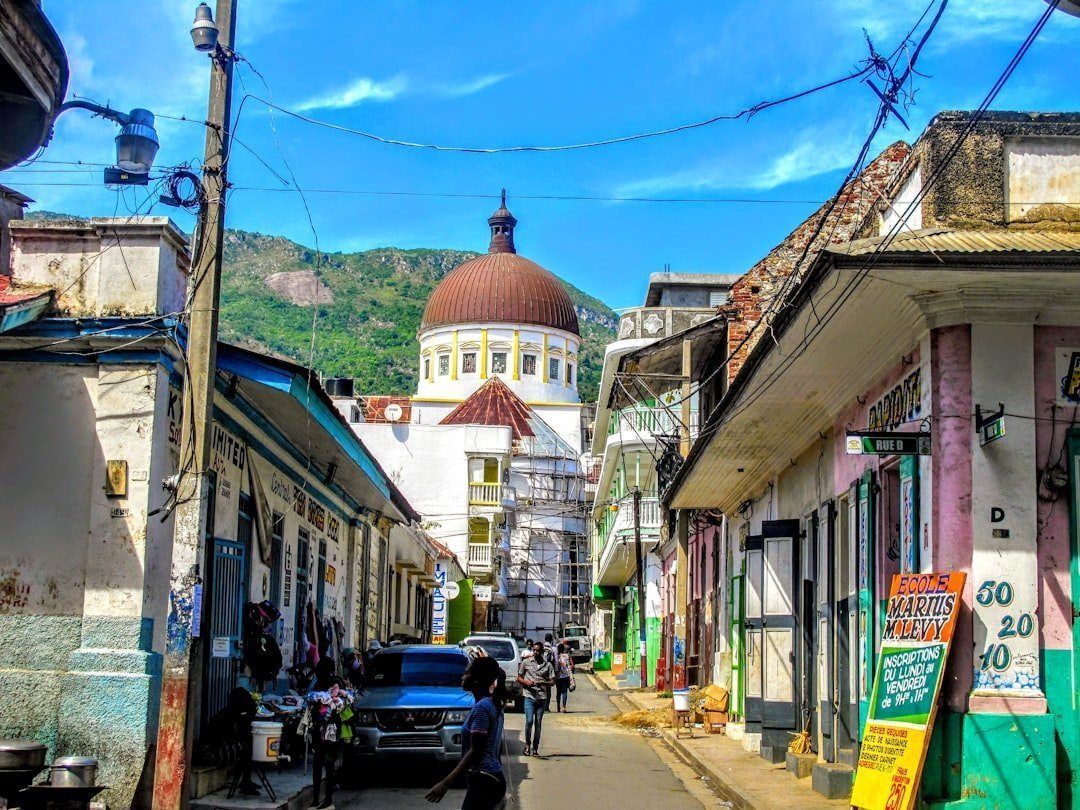
Haiti was once one of the Caribbean’s most compelling destinations, with layers of history, stunning coastline, and a culture unlike anything else in the hemisphere. Today, the reality is something far darker. Gangs have formed larger criminal coalitions that control a considerable part of the country, including an estimated 80 to 90 percent of Port-au-Prince, Haiti’s capital, in addition to key areas in the Artibonite and Central Departments.
According to data verified by the UN Human Rights Office, at least 5,519 people were killed in Haiti and 2,608 injured between 1 March 2025 and 15 January 2026. Those aren’t war statistics from some distant conflict. That’s one Caribbean nation, in roughly ten months. Travel in Port-au-Prince and surrounding areas is extremely unsafe, with gangs controlling all main roads. Toussaint L’Ouverture International Airport has faced repeated closures after aircraft were hit by gunfire.
Haiti is facing one of the world’s most severe humanitarian crises. Armed gangs now control much of the country, driving widespread violence, hunger and displacement, while humanitarian funding continues to fall short. This is one destination where removing it from your bucket list isn’t a lifestyle choice. It’s a survival decision.
3. Yemen: Beauty Buried Under Bombs and Landmines
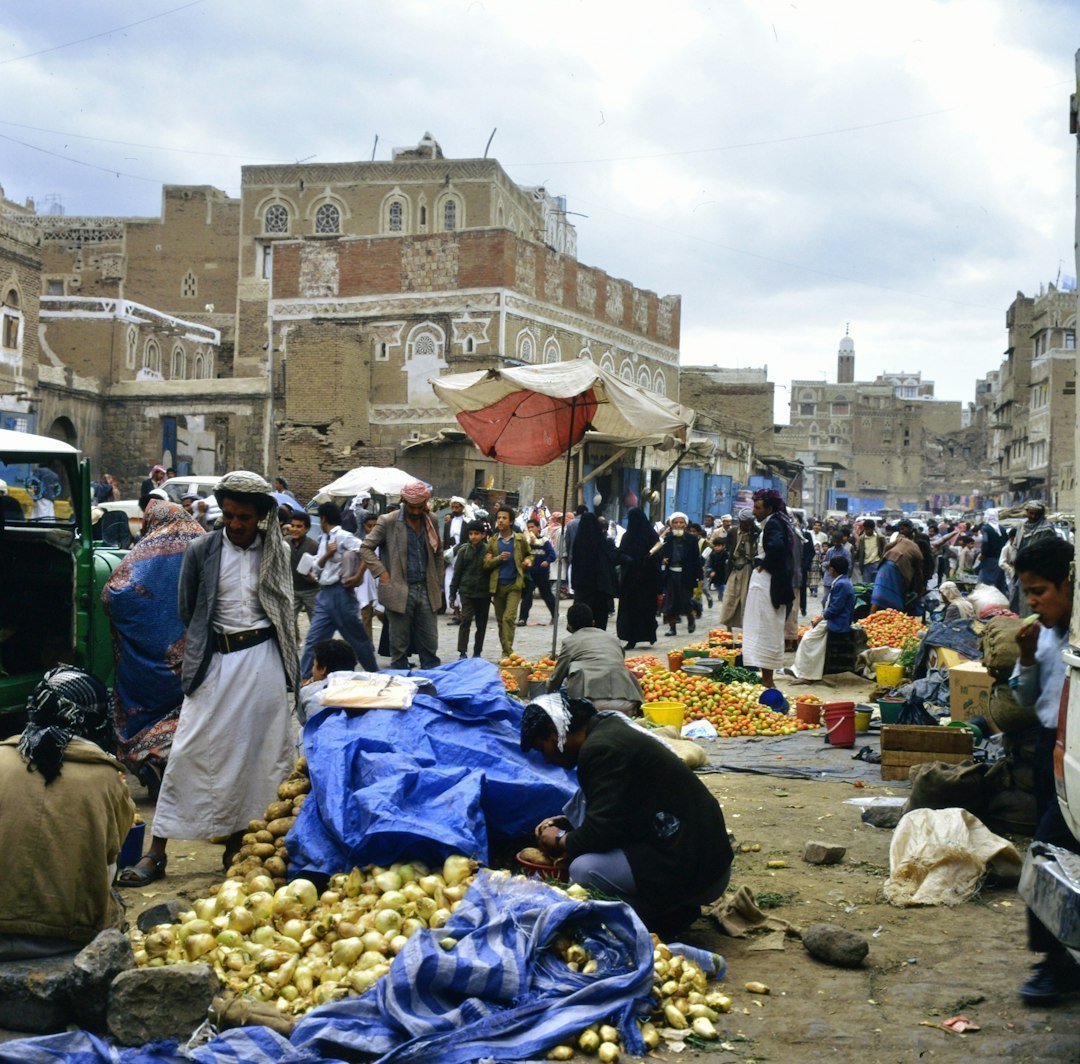
Yemen sits at one of those tragic crossroads of extraordinary ancient history and absolute modern catastrophe. Travelers who discovered Socotra Island before the conflict know what an otherworldly place this region once was. Those days are, for now, completely gone. Yemen remains one of the strongest examples of why “scenic” does not mean “safe.” Riskline includes Yemen in its 2026 “Worst for health and medical care” list, while the U.S. State Department places Yemen at Level 4 and cites terrorism, unrest, crime, health risks, kidnapping, and land mines.
The same advisory states that the U.S. Embassy in Sana’a has suspended operations and that the U.S. government cannot provide routine or emergency consular services there. If you get into trouble in Yemen, you’re on your own. Completely. The advisory says not to travel to Socotra or any part of Yemen, and warns that some companies outside Yemen have misrepresented safety and sold unofficial, invalid visas. Someone is out there selling fake “safe tours” to one of the most dangerous places on earth. Don’t fall for it.
4. Syria: Rebuilding Doesn’t Mean Safe

There’s been cautious optimism about Syria in some travel circles, fueled by images of rebuilding cities and returning diaspora members. It’s worth tempering that enthusiasm with hard data. On the health and support side, Syria stands out immediately. Riskline places Syria in its 2026 “Worst for health and medical care” list, and the U.S. State Department goes further by placing Syria at Level 4 and citing terrorism, unrest, kidnapping, hostage taking, crime, and armed conflict.
U.S. Embassy operations in Syria have been suspended since 2012 and the U.S. government cannot provide routine or emergency consular services there because of safety risks. That’s over a decade of zero consular safety net. Syria remains highly uneven and unpredictable after years of conflict, with shifting control lines, foreign military involvement, and extremist activity still reported in some areas. Many governments keep their strongest travel warning level in place because risks include terrorism, arbitrary detention, kidnapping, and the presence of unexploded munitions.
5. Venezuela: Kidnapping Capital and Economic Collapse
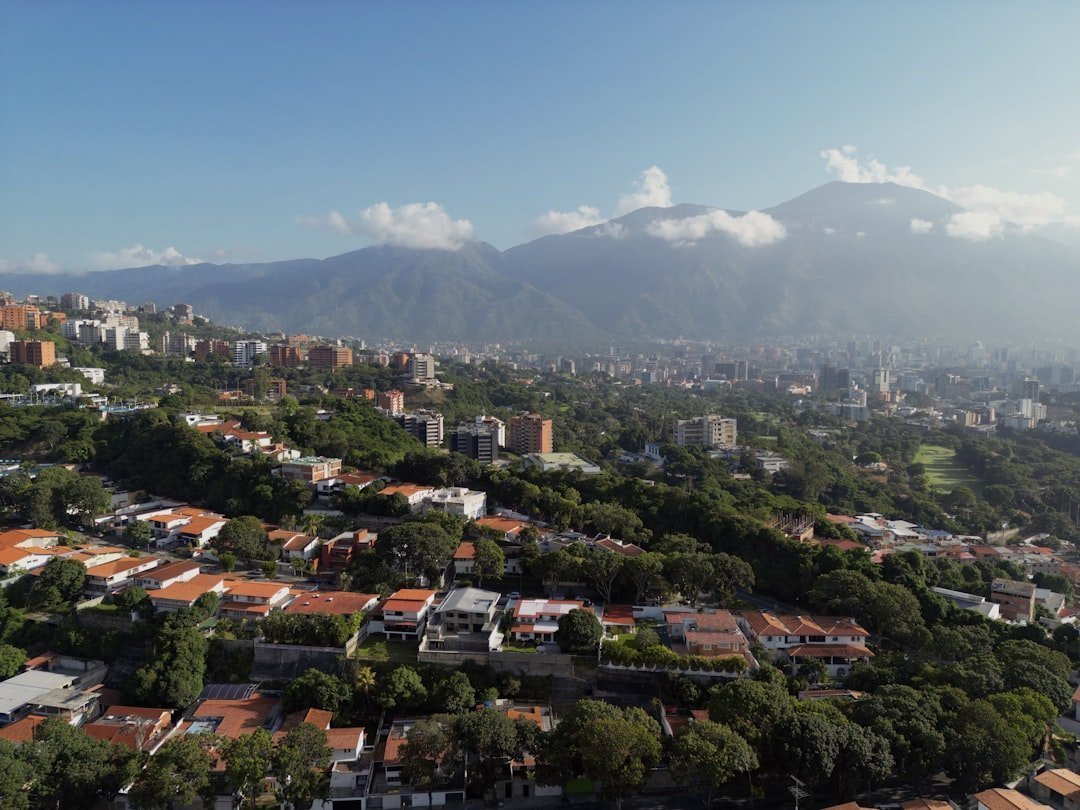
Venezuela was once South America’s crown jewel, a country of jaw-dropping natural wealth, from Angel Falls to the vast llanos plains. The collapse of the past decade has been breathtaking in the worst possible way. Venezuela is not just risky by the standards of Latin America. It has one of the highest rates of violent crime, corruption, and unrest in the world. The capital city of Caracas is a focal point for violent demonstrations, organized crime, robbery, kidnapping, and homicide.
Most kidnappings are “express” and last less than 48 hours, frequently targeting people leaving hotels, traveling in taxis, or walking in wealthier areas. The term “express kidnapping” sounds almost mundane until you realize it means being grabbed off the street, forced to drain your bank accounts, and released – if you’re lucky. The Level 4 advisory, reissued in December 2025, cites wrongful detention, torture in detention, terrorism, kidnapping, arbitrary enforcement of local laws, crime, civil unrest, and poor health infrastructure.
6. South Sudan: The World’s Newest Country, Among Its Deadliest
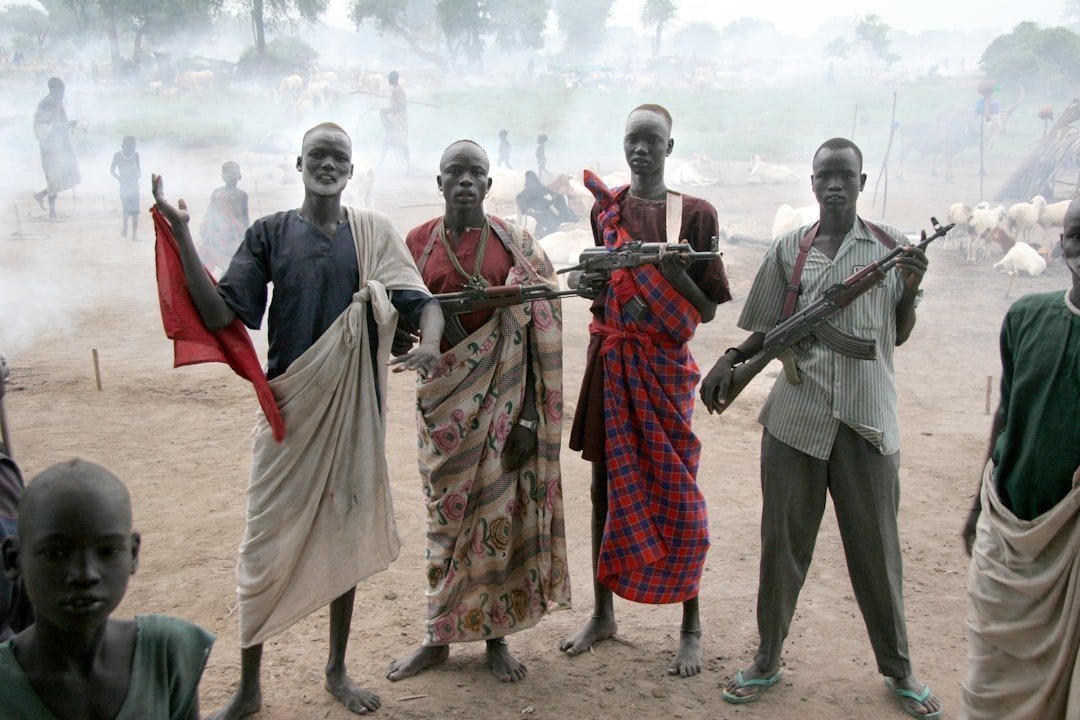
South Sudan gained independence in 2011 with enormous hope attached to it. That hope has been systematically extinguished by cycles of civil conflict, ethnic violence, and governmental collapse. The most dangerous countries to visit in 2025 include Afghanistan, the Central African Republic, Iraq, Libya, Somalia, South Sudan, Sudan, Syria, Ukraine and Yemen according to the latest Travel Risk Map, produced by security specialists at International SOS.
African nations Libya and South Sudan have emerged as places with “extreme” security risks, which is associated with countries with “minimal or non-existent government control and law and order” and barely functional government and transport services, according to International SOS. That phrase, “barely functional,” deserves more attention than it gets. It means that if your vehicle breaks down, if you’re injured, if you’re attacked, there is essentially no system in place to help you. Infrastructure for tourists is nearly nonexistent, and aid organizations operate there under constant threat.
7. Mali: Terrorism Has Made the Sahara Lethal
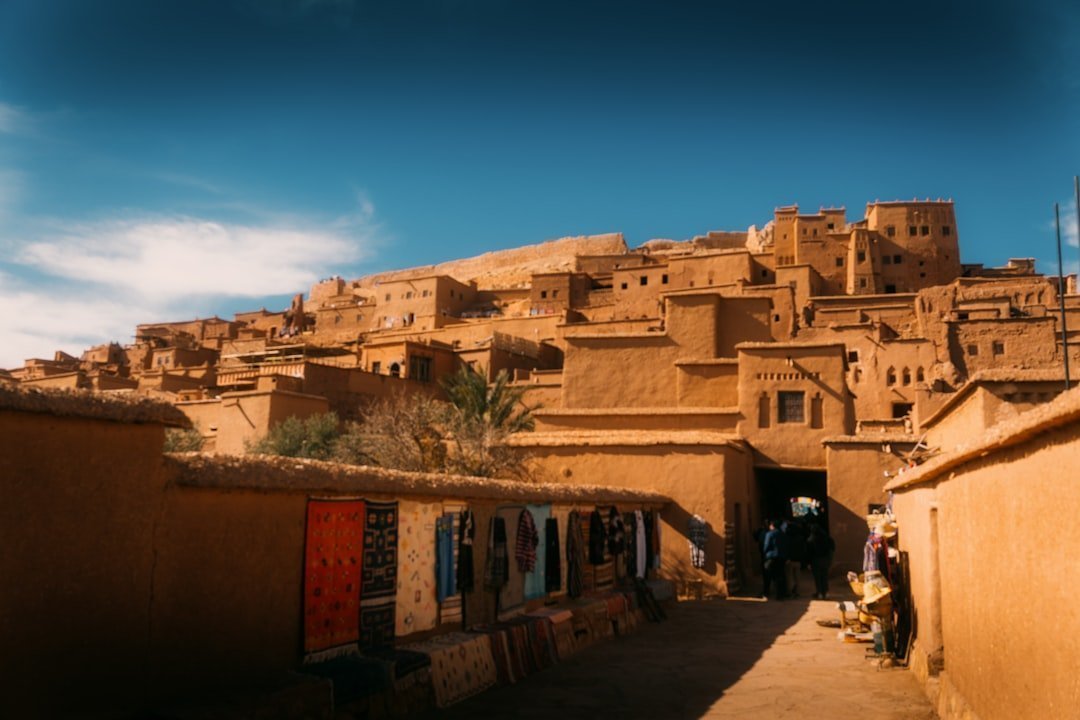
Mali once attracted adventurous travelers to Timbuktu, one of the legendary cities of the ancient world. It was the kind of destination that made people feel genuinely far from civilization in the best possible sense. That magic is now buried under a severe security crisis. Mali is another country affecting 2026 itineraries because the latest U.S. advisory, updated in January 2026, keeps a Level 4 warning in place. The notice points to crime, terrorism, kidnapping, unrest, and health risks, and notes that non-emergency U.S. personnel and family members had previously been ordered to leave due to safety concerns.
Burkina Faso, Mali’s neighbor, is an extremely dangerous destination where local security forces do not have full control of the country. The whole Sahel region has been transformed into a zone of active jihadist insurgency. Countries like Afghanistan, Iraq, Mali, Syria, and Ukraine all rank as some of the most dangerous destinations for business and pleasure travel in the world, according to the recent Travel Risk Map. Timbuktu will have to wait. Indefinitely.
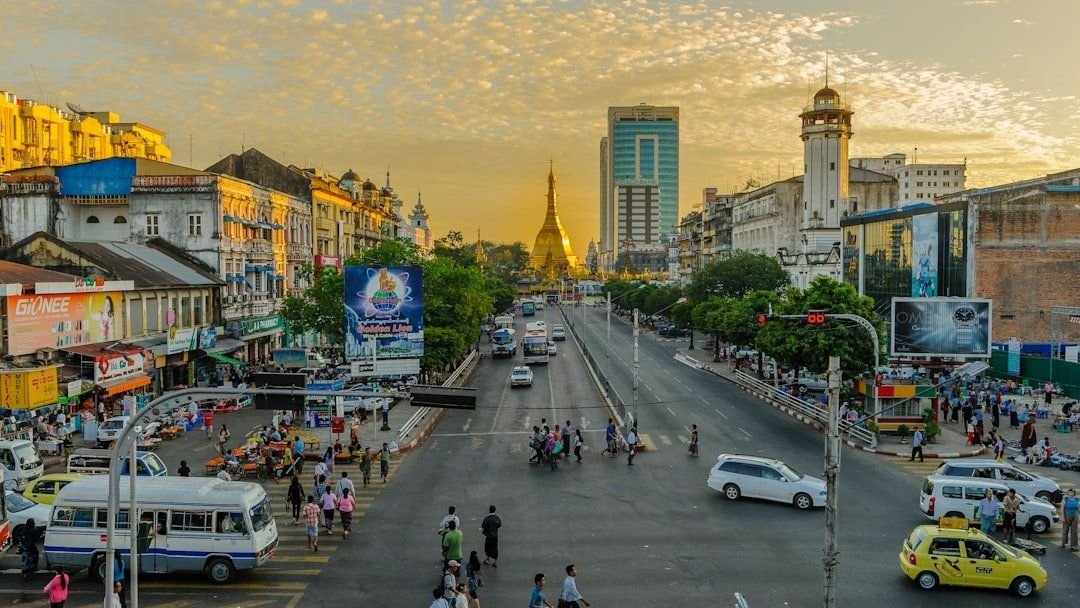
8. Myanmar (Burma): Civil War Beneath the Golden Pagodas

I think Myanmar is perhaps the most heartbreaking entry on this entire list. It was, not long ago, one of Southeast Asia’s most magical destinations. The temples at Bagan are among the most awe-inspiring sights on Earth. The reality in 2026 is devastating. Myanmar carries a “do not travel” level warning due to civil unrest, armed conflict, and arbitrary enforcement of laws.
Overall, the global security situation remains unstable in many regions. Afghanistan, Myanmar and Pakistan continue to top the list of least safe countries, driven by militant activity, border tensions and weak governance, according to Riskline’s 2026 Risk Map. The military junta that seized power in 2021 has waged a brutal campaign against civilian populations, with entire regions swept into active armed conflict. Travelers have faced arbitrary arrest, and the risk of being caught in crossfire between military forces and resistance groups is not theoretical. It is documented and ongoing.
9. Somalia: Piracy, Terror, and Zero Safety Infrastructure
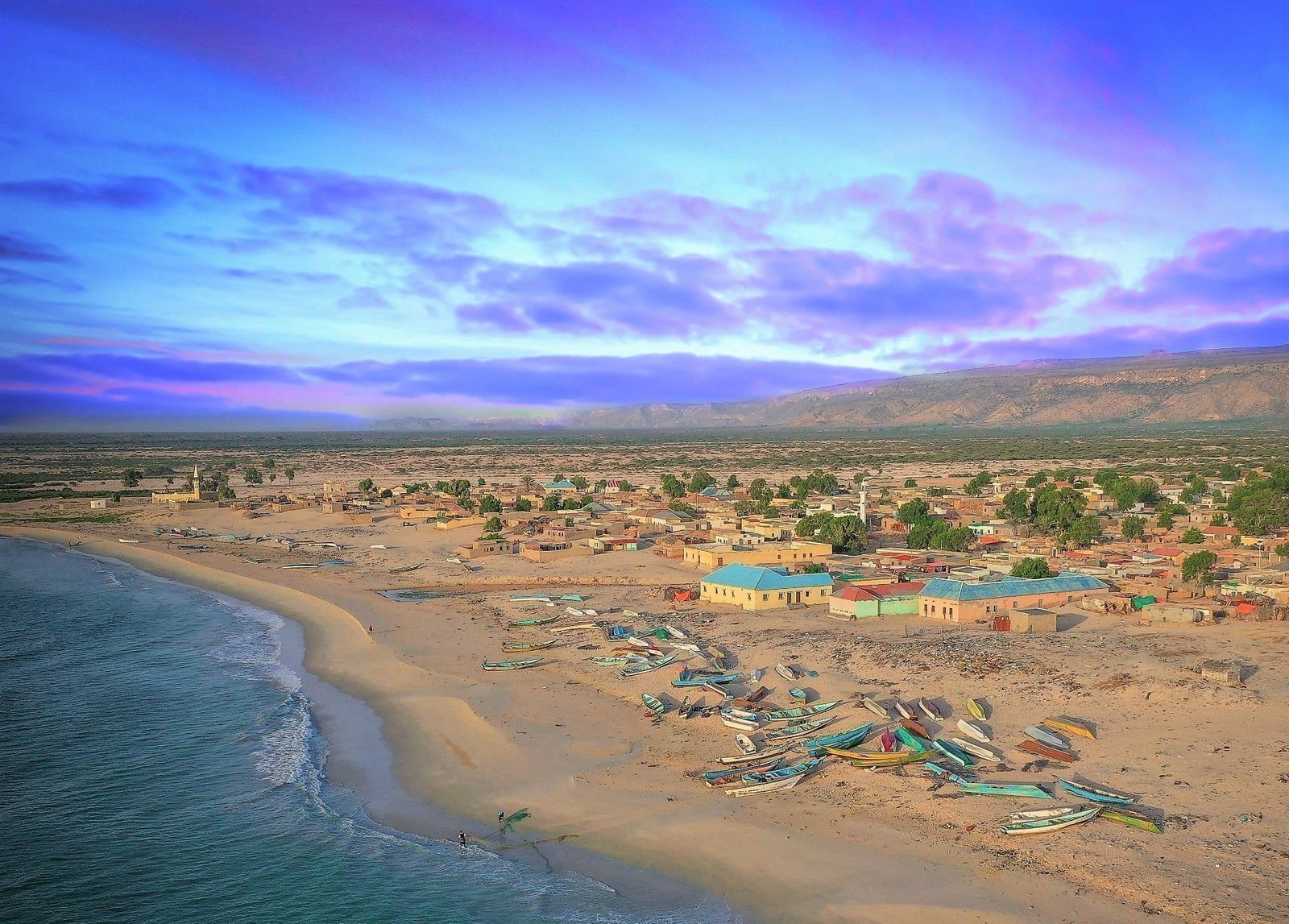
Somalia has never really left the world’s most-dangerous lists, and 2026 is no exception. Somalia carries warnings due to crime, piracy, and unreliable government services. That short description barely scratches the surface of what traveling to Somalia actually means. There are virtually no functional tourist services, no reliable emergency medical infrastructure, and the presence of al-Shabaab remains a constant threat throughout large parts of the country.
Nations like Ukraine, Syria, Iraq, and Afghanistan received the highest security warning level labeled as “extreme risk.” South Sudan, Afghanistan, Syria, Libya, and Somalia have emerged as five of the riskiest nations, according to the 2024 risk map crafted by International SOS. Somalia has been on the extreme risk list for many consecutive years without interruption. In 2026, the State Department has placed Somalia on its Level 4: Do Not Travel list alongside countries including Afghanistan, Haiti, Iran, Iraq, Libya, Mali, North Korea, Russia, Sudan, Syria, Ukraine, Venezuela and Yemen. The company you keep says everything.
10. Iran: Detained for Being a Tourist

Iran is genuinely fascinating from a historical and cultural standpoint. The ruins of Persepolis, the bazaars of Isfahan, the warmth of many ordinary Iranians. These are real. The problem is that none of that cultural richness protects you from a government that has made detaining foreign nationals a recurring pattern. Iran secures the second spot on the Travel Danger Score list. The country’s poor healthcare system and high human trafficking score contribute significantly to its dangerous ranking. Travelers to Iran face unique challenges, with a notable crime index and 20.6 traffic deaths per 100,000 people, further amplifying the risks.
With looming Western sanctions on the Maduro government and the handling of political situations, Western travelers, especially Americans, also face the threat of arbitrary detention in multiple Level 4 countries, Iran very much included. The U.S. State Department has documented multiple cases of American citizens detained with no clear legal justification inside Iran. It’s hard to say exactly how many cases go unreported, but the pattern is well-established enough that multiple governments maintain their strongest possible warnings.
11. Sudan: War That Won’t Stop
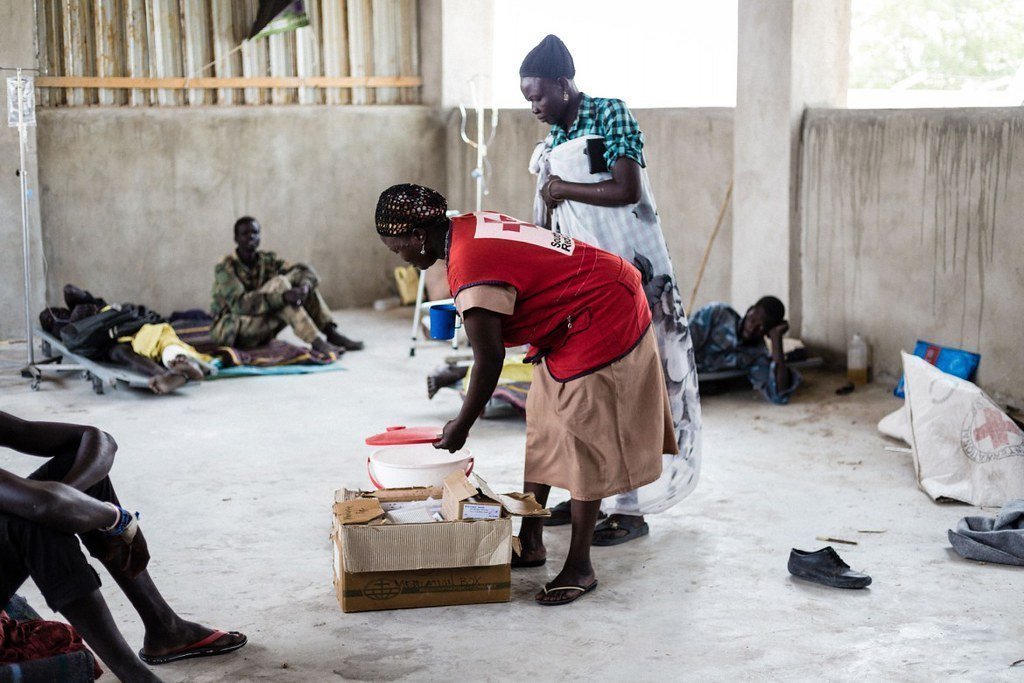
Sudan erupted into a devastating internal conflict in April 2023 when fighting broke out between the Sudanese Armed Forces and the Rapid Support Forces paramilitary group. The violence has not stopped. If anything, it has intensified and spread. From a trip-design perspective, Sudan is difficult because the hazard picture is broad rather than narrow. A traveler is not only dealing with one issue, such as street theft, or one region under tension. The advisory framework points to overlapping security, medical, and mobility threats.
Sudan appears on the U.S. State Department’s Level 4: Do Not Travel list for 2026 alongside the world’s most conflict-ravaged nations. The humanitarian crisis in Sudan has been called one of the worst in the world, with millions displaced and healthcare infrastructure collapsed across large swathes of the country. As of March 2026, 22 countries are under the most serious travel advisories for Americans, and Sudan is firmly among them. There is simply no version of a tourist visit to Sudan right now that could be considered responsible or safe.
12. Mexico’s Cartel Zones: Paradise With a Deadly Asterisk
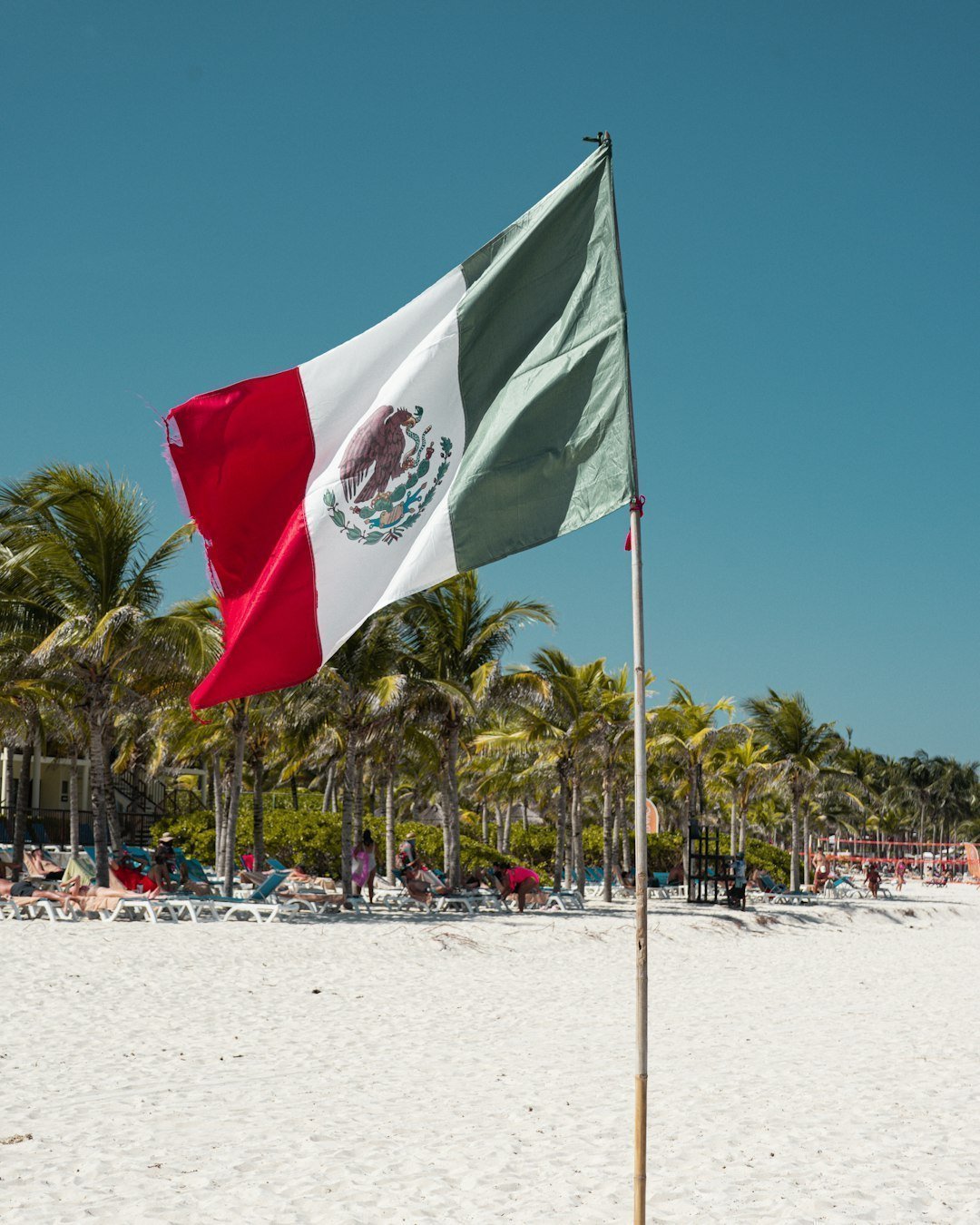
This one is more nuanced than the others, and I think it deserves honest treatment. Mexico as a whole is not on a blanket “do not travel” list. Millions visit safely every year. But specific zones are operating at a level of cartel violence that makes them genuinely comparable to active war zones. Parts of Mexico have become increasingly risky for travelers. Six states, including Colima, Guerrero (where Acapulco is), Michoacan, Sinaloa, Tamaulipas, and Zacatecas, have been given a flat “do not travel” warning by the State Department because of the risks of crime and kidnapping.
The current criminal landscape in Mexico is driven largely by the battle between the Cartel de Jalisco Nueva Generación and the Sinaloa Cartel, though three other major transnational criminal organizations also contribute to high levels of violence. These aren’t abstract statistics. As well as violent crime, such as armed shootouts between cartels and the Mexican military, Sinaloa is also notorious for kidnappings. The mistake most travelers make is assuming that a famous beach town name on a map automatically means safety. In Mexico’s cartel zones, the geography of danger shifts constantly and without warning.