

Every city has a PR version of itself. The Instagram highlight reel. The tourist brochure. The “most livable city” ranking that gets shared proudly on local news. Philadelphia is the City of Brotherly Love. Baltimore is a cultural comeback story. New Orleans is jazz, beignets, and French Quarter romance. Minneapolis is clean lakes and progressive politics.
Here’s the thing. Behind every polished city narrative, there are neighborhoods that the locals simply don’t talk about in polite company. Streets where even lifelong residents lock their car doors and keep driving. Places where the difference between a daytime stroll and a nighttime walk could be the difference between a story you tell at a party and something much worse. These are the no-go zones that don’t make it into the tourism pamphlet. Let’s dive in.
1. Kensington, Philadelphia – America’s Open-Air Drug Market
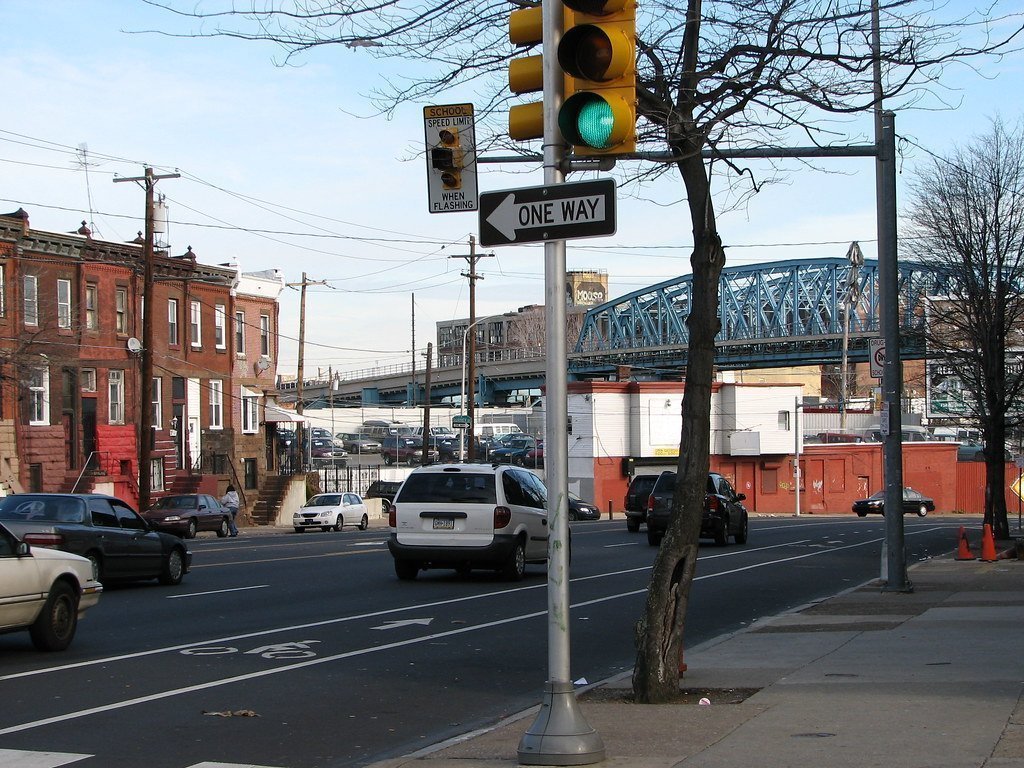
Honestly, no list like this could begin anywhere else. Kensington Avenue in Philadelphia has more drugs, guns, and crimes than any other street in the city. It’s not just a rough neighborhood. It’s become America’s most visible open-air drug market, a place where hundreds of people struggling with addiction line the sidewalks day and night.
Since 1970, Kensington has been home to one of the largest open-air drug markets in the world, which fuels all the violence and crime the area experiences. Drug overdosing in Kensington is double the rate of Philadelphia overall. In the last three years, over 1,000 people were gunned down in Kensington’s crime district.
The chance of being a victim of crime in Kensington is 1 in 13, with the chance of being a victim of property crime at 1 in 15. Through targeted enforcement and additional police officers, Kensington saw a reduction in violent crime in 2024 compared to 2023, according to Philadelphia officials. Still, the progress feels fragile. The northern section of Kensington saw fewer shootings in 2024 than in recent years. Progress, yes. Solved? Far from it.
2. Sandtown-Winchester, Baltimore – The Block Where The Wire Was Born
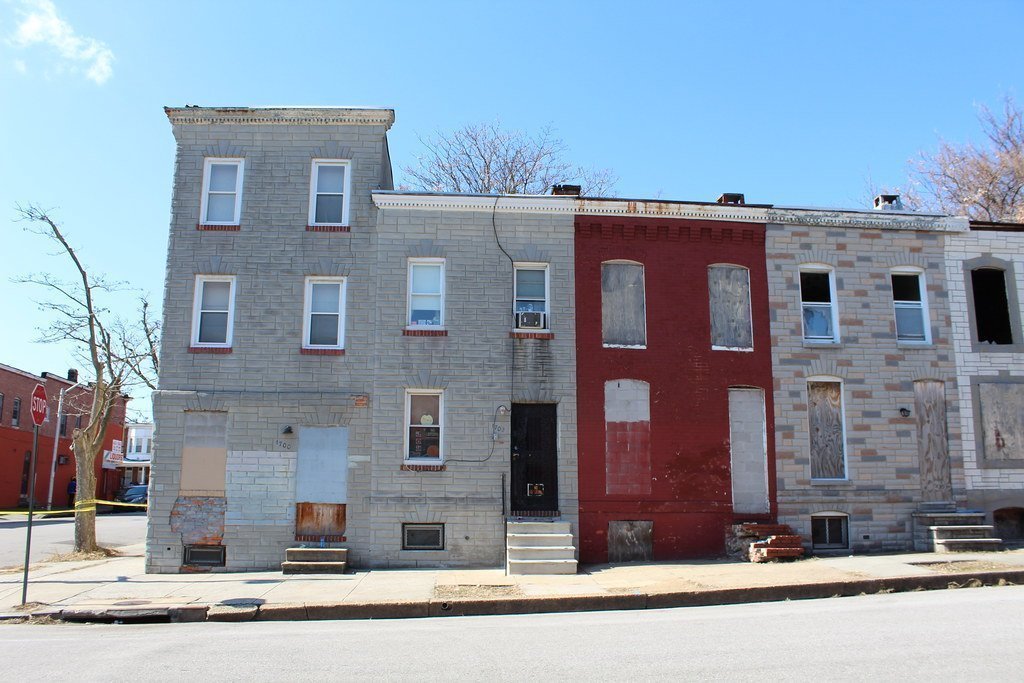
Sandtown-Winchester is one of West Baltimore’s most blighted and problematic communities. In the second half of the 20th century, Sandtown experienced economic depression, housing abandonment, crime, and the effects of the Baltimore riot of 1968.
Sandtown-Winchester is a West Baltimore community with a disproportionate number of residents living below the poverty line. With an unemployment rate nearly twice the city average, Sandtown is greatly affected by drug trafficking, gang activity, and rampant property theft. Sandtown-Winchester also has a turbulent history of unrest, being the location of the 2015 Freddie Gray riots.
The crime rate in Sandtown-Winchester earns a D- grade, indicating that the rate of crime is much higher than that of the average U.S. neighborhood. Sandtown-Winchester ranks in the 14th percentile for safety, meaning it is less safe than 86% of all neighborhoods. The crime rate sits at 66.59 per 1,000 residents in a typical year, a number that is genuinely hard to absorb. Once the focus of national attention, Sandtown-Winchester still struggles with high rates of burglary, drug activity, and violent incidents. While redevelopment efforts are underway, the area consistently ranks among the most dangerous in Baltimore.
3. Frayser, Memphis – The Epicenter of America’s Most Violent City
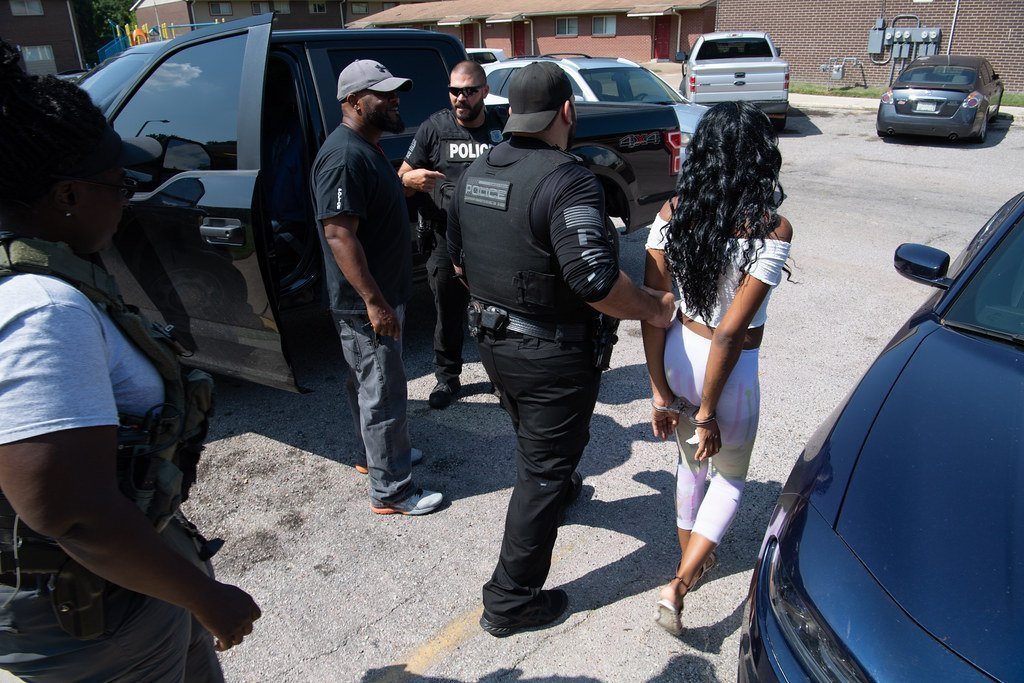
Memphis tops the list of dangerous cities, with a violent crime rate nearly six times the national figure. I know it sounds staggering, but the numbers are from the FBI’s own 2024 Uniform Crime Reporting Program, not some sensationalist tabloid. Memphis is the home of blues and BBQ, but its crime stats hit a sour note. The city’s 2024 violent crime rate clocks in at 2,420 per 100,000 – among the highest in the nation. Neighborhoods like Frayser and South Memphis see frequent incidents after dark.
Hotspot neighborhoods including Downtown, Frayser, and Whitehaven drive most of the city’s crime incidents, while suburbs like Germantown and Collierville consistently rank among Tennessee’s safest. That contrast, playing out within the same city limits, is almost impossible to reconcile. The suburbs feel like a different planet. The national violent crime rate was 359.1 per 100,000 residents in 2024, the lowest in roughly 20 years. But in some cities, violent crime remains far above average. Memphis is the starkest proof of that gap.
4. Gravois Park, St. Louis – The Gateway to Trouble
St. Louis has long been shorthand for “America’s murder capital,” but the reality is more layered. For years, the city has posted one of the highest homicide rates per capita in the nation, often more than 60 per 100,000 residents, dwarfing national averages.
St. Louis boasts the Gateway Arch, but after dark, some neighborhoods feel more like a gateway to trouble. The city consistently ranks high in violent crime rates, with 2024 FBI data reporting a violent crime rate of 1,927 per 100,000 residents. Areas like Gravois Park and Downtown see spikes in robberies and assaults post-sunset.
Crime rates are 275% higher than the national average, rendering this vibrant city the second-most dangerous in the U.S. Per Property Club, the roughest neighborhoods are located in the northern section of the city, especially around Wells-Goodfellow, Gravois Park, JeffVanderLou, and Central West End. In 2025, St. Louis is showing measurable progress in reducing serious crime, even though its baseline remains high relative to many U.S. cities, and its neighborhoods are very dangerous.
5. Brightmoor, Detroit – Where Even Daytime Comes With a Warning
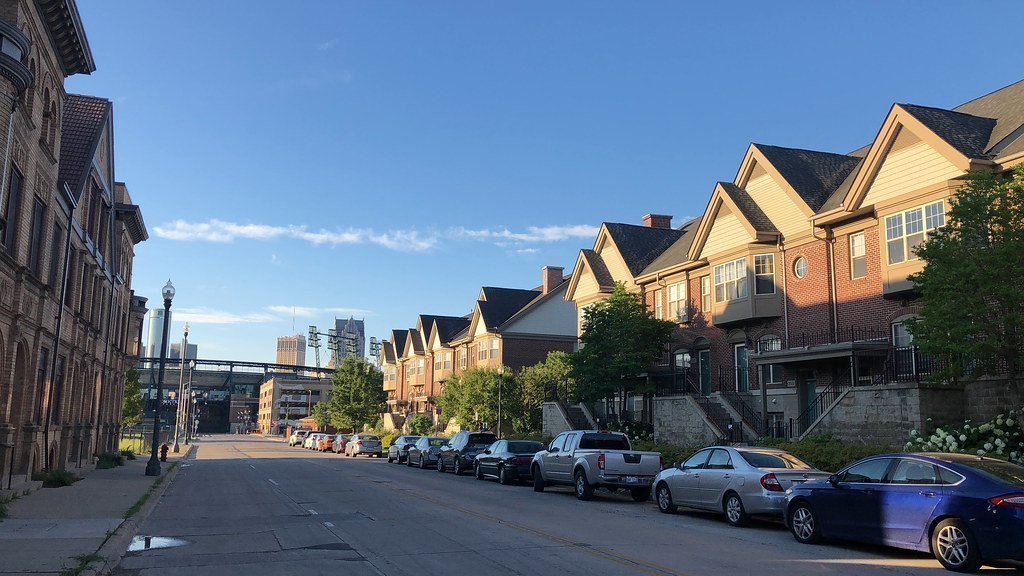
Detroit’s comeback story is real, with a revitalized downtown, hip eateries, and a gritty charm that draws artists. But the city’s crime stats tell a darker tale: a 2024 violent crime rate of 2,007 per 100,000. That puts it firmly in company most cities would desperately try to avoid.
Detroit, the auto capital of the world and Michigan’s largest city, witnesses many aggravated assaults, vehicle thefts, and robberies on a regular basis, particularly around Fishkorn, Carbon Works, Van Steuban, and Warrendale. According to Area Vibes, Detroit is only 24% family-friendly and 26% safe for pedestrians at night.
Neighborhoods like Brightmoor and parts of the east side turn dicey after dark. Brightmoor in particular has a reputation that longtime Detroit residents know all too well. Detroit has a violent crime rate more than triple the U.S. average, which tells you something powerful about just how concentrated the danger becomes in these specific pockets. Crime rates have been dropping in 2025, thanks to the collaborative spirit of law enforcement agencies, security and technology businesses, and dedicated residents.
6. Midtown Phillips, Minneapolis – A Dangerous Secret in the Land of 10,000 Lakes
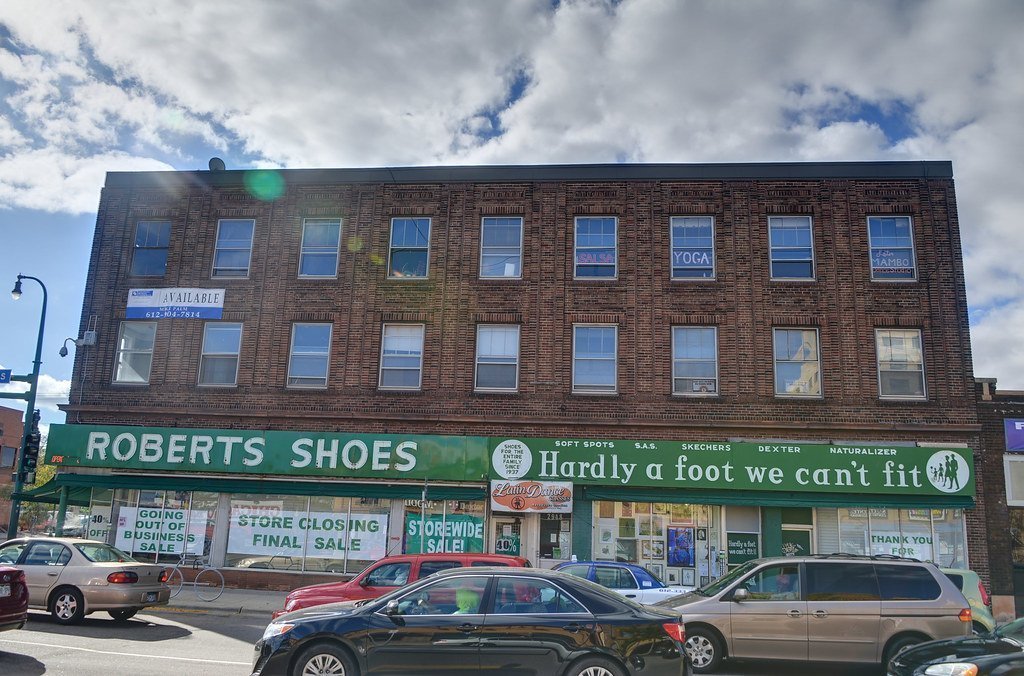
Minneapolis markets itself as one of the most livable, progressive, and culturally rich cities in the American Midwest. It has beautiful lakes, great cycling infrastructure, and a thriving arts scene. Let’s be real though: it has a sharply divided crime map that most tourist guides quietly ignore.
For all its charms, Minnesota’s most populous city can be dangerous around Midtown Phillips, East Phillips, and Ventura Village, where crime is 204 to 220% higher than in other neighborhoods. That is not a typo. Over 200 percent higher. The gap between the safest and most dangerous zones within the same city is almost surreal.
On the other hand, Linden Hills, Waite Park, and Kenny are considered 65 to 69% safer than the rest of Minneapolis. Per Area Vibes, the most common incidents in Minneapolis are petty theft and vehicle theft. Think of it like two cities sharing a single zip code boundary. One version feels perfectly manageable. The other, especially after midnight, is a different world entirely.
7. Tulane-Gravier and Central City, New Orleans – The Dark Side of the Crescent City

New Orleans is one of the most seductive cities in the world. The food is extraordinary, the music spills out of every doorway, and the culture is unlike anything else in North America. It also has a crime problem that even its most devoted fans cannot easily dismiss.
New Orleans typically receives an F in the crime department, given the thousands of reported incidents every year, from vehicle theft to assault and murder. Per Area Vibes, New Orleans’ crime rate is higher than the national average by a whopping 161.8%.
One should particularly exercise caution in sketchy neighborhoods like Tulane-Gravier, Tremé, Central City, and Saint Roche, which exhibit more criminal activity than the rest of the city. Central City in particular is an area where locals walk quickly, keep their eyes forward, and rarely linger after dark. It sits startlingly close to some of the most photographed streets in the city. The contrast is jarring, like turning a corner and stepping into an entirely different reality.
8. Mott Haven, The Bronx, New York – The Borough’s Persistent Flashpoint
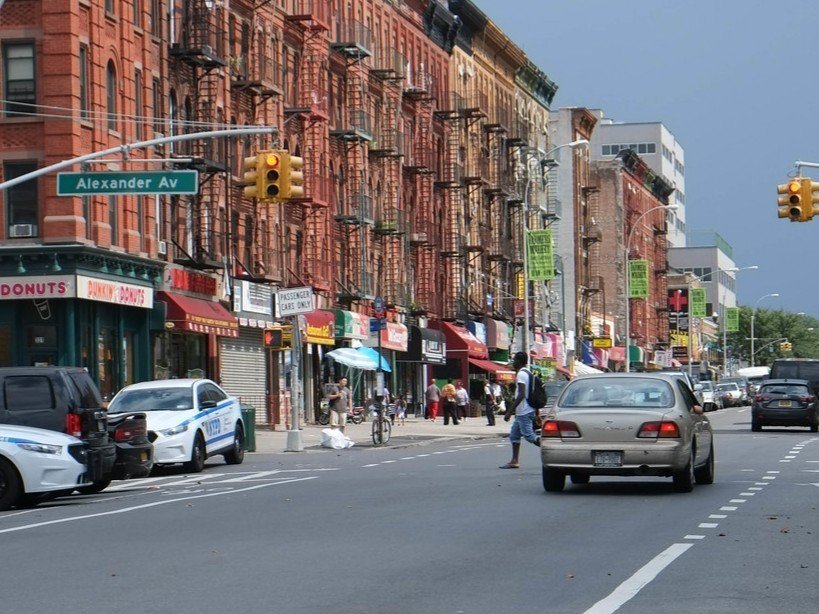
New York City as a whole has made remarkable safety strides. Overall index crime decreased 2.9% in 2024, driven by declines in murder, robbery, burglary, grand larceny, and car theft. The Bronx remains the outlier: 6 of the top 10 precincts for violent crime are in the Bronx.
Safety varies dramatically by neighborhood in New York, sometimes by a factor of four to six times between the safest and most dangerous areas. Mott Haven sits at the sharper end of that scale. This South Bronx neighborhood has a crime rate 121% higher than the national average according to recent statistics released by the NYPD. This means that there is an increased chance of robbery, mugging, or even assault when visiting this area day or night.
The neighborhood has been hit hard by poverty and gang activity over the years, with locals having to deal with violence on an almost daily basis. Things have improved somewhat since the 90s when Tremont was considered one of the city’s more dangerous neighborhoods, yet it still remains a no-go zone for tourists or people visiting from outside NYC. The broader New York success story is real. It just doesn’t apply equally everywhere.
9. West Oakland’s Ghost Town, Oakland – Culture, Crime, and a Nickname That Says It All
Oakland gets overshadowed by San Francisco’s global glamour, which is a shame because Oakland has genuine soul, incredible food, and one of the most vibrant arts communities in California. It also has neighborhoods that carry nicknames like “Ghost Town” for a reason.
Oakland’s got culture, art, food, and history, but it’s also got a crime rate that keeps locals on edge. The 2024 violent crime rate is 1,754 per 100,000, with West Oakland and parts of East Oakland being particular hotspots.
Over 11,000 vehicles were stolen in 2024, roughly one car every hour in early 2024. This single category drives much of the day-to-day victimization locals feel. Homicides and shootings are falling, and safe neighborhoods are plentiful. But persistent car theft, entrenched poverty, and nighttime risk in certain districts keep it high on “dangerous city” lists. West Oakland’s Ghost Town neighborhood, despite community efforts and real signs of improvement, remains a place where even long-time residents pick their routes carefully after sundown.