
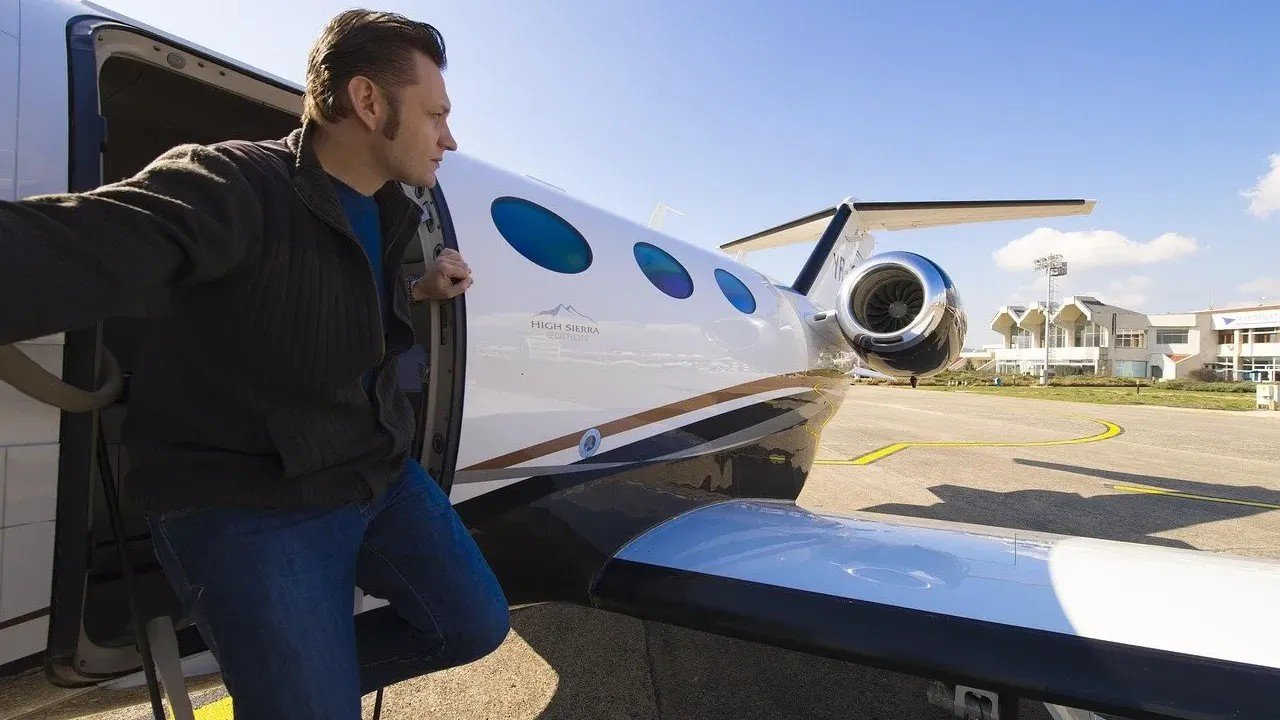
There was a time when boarding an aircraft felt closer to checking into a grand hotel than enduring a logistical ordeal. The golden age of aviation, spanning the 1930s through the 1960s, was an era when air travel was a rare and exciting privilege, reserved for the wealthy and the adventurous, characterized by elegant aircraft designs, superior customer service, and the glamorous allure of the skies. Seats were wider with more legroom, and the average seat pitch ran around 40 inches – compared to today’s compressed 30 to 32 inches. That standard, once considered baseline, now feels like a fantasy. Yet in 2024 and 2025, a quiet but determined class of boutique carriers has begun writing a new chapter, one that reaches deliberately backward to move forward.
Pan Am: The Blueprint That Never Died
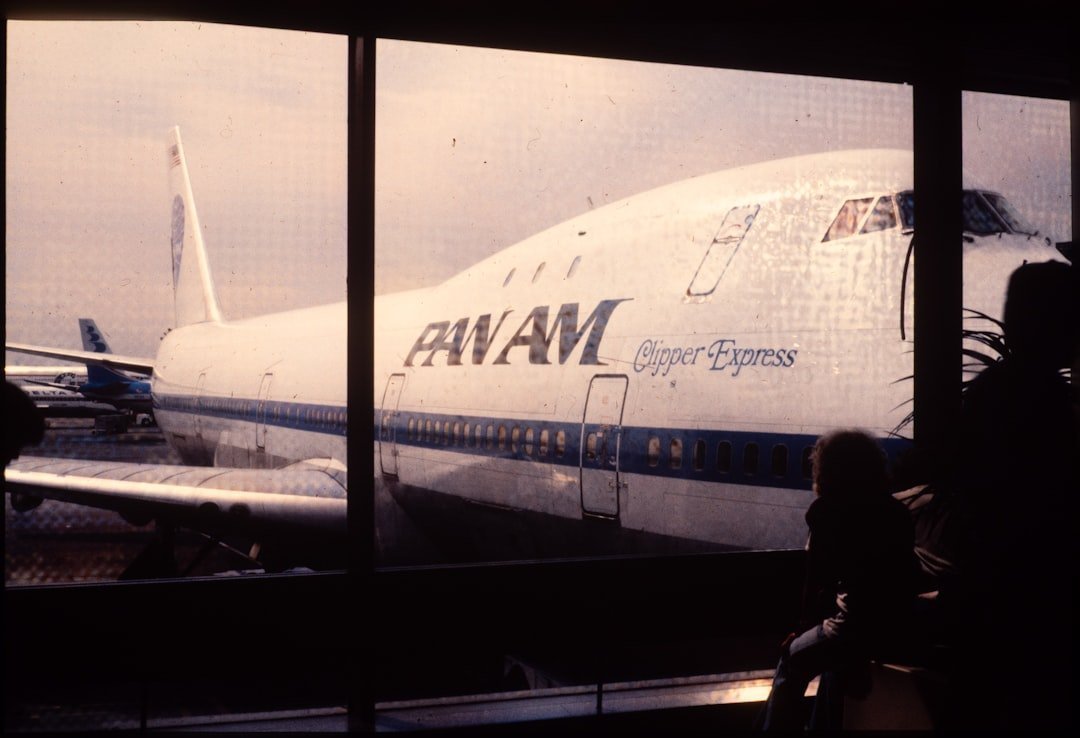
If there is an airline synonymous with the glamorous age of travel, it is Pan American World Airways. For most of its lifetime, Pan Am was the principal international air carrier of the United States – the first airline in the world to offer regularly scheduled round-the-world service, and one that took flying to a stylish level most associated with the golden age of travel. The seats in the famous Clippers could be converted into sleeping bunks for overnight accommodation, there was a lounge and dining area, and the galleys were crewed by chefs from four-star hotels. Until its dissolution on December 4, 1991, Pan Am “epitomized the luxury and glamour of intercontinental travel,” and it remains a cultural icon of the 20th century, identified by its blue globe logo. Its influence did not disappear with its last flight – it simply waited.
The Nostalgia Economy: Why the 1960s Are Back
The real question hanging over aviation today is whether the golden age of travel has truly disappeared or whether it simply comes at a higher price tag than passengers have grown used to. When people talk about the golden age of travel, many hark back to the white-glove service of the 1960s. The luxury travel market is projected to grow from USD 2.4 trillion in 2025 to USD 4.5 trillion by 2035, at a compound annual growth rate of 6.5%. The market is experiencing significant growth driven by increasing consumer demand for personalized and premium travel experiences, shaped by rising disposable incomes, growing interest in exclusive destinations, and affluent travelers seeking curated experiences that combine comfort, convenience, and unique opportunities. The nostalgia for cabin service that felt personal, unhurried, and human is no longer just sentiment – it is a market force.
Pan Am’s Official Revival: Tracing the Transatlantic
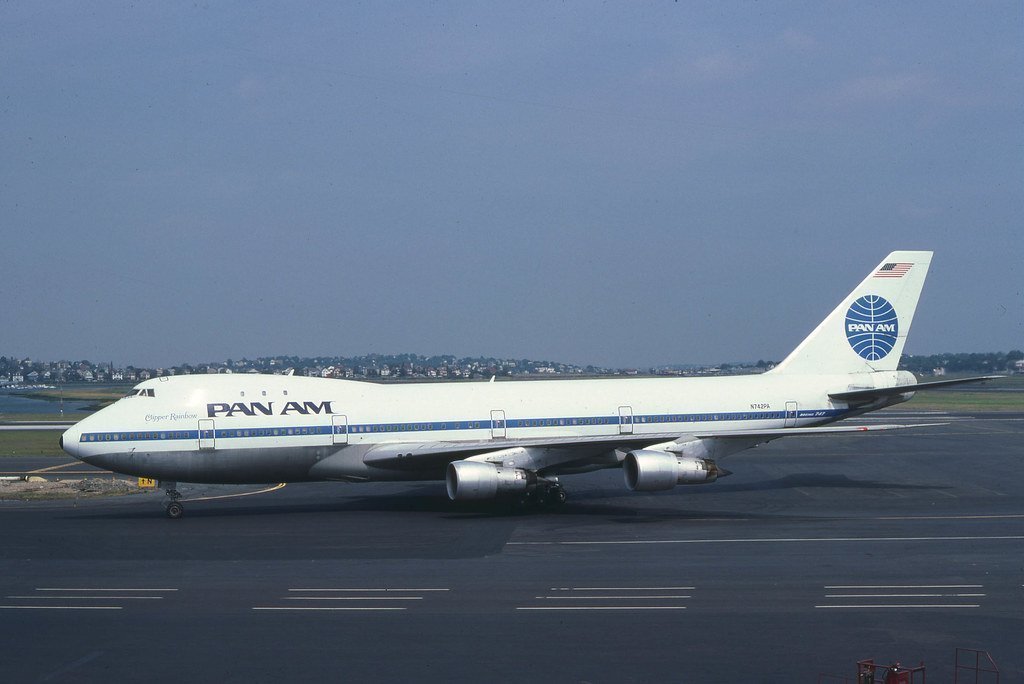
In June 2025, Shannon Airport marked a defining moment in aviation history. For the first time in over 30 years, a Pan Am-branded flight took off from the airport, retracing the iconic routes of one of the most legendary airlines in aviation history, in a 12-day journey called “Tracing the Transatlantic” celebrating the glory days of Pan American World Airways. The flight itself was a luxurious affair with business-class seating and lie-flat beds, while flight attendants wore authentic Pan Am uniforms, and the route included carefully selected stops at Bermuda, Lisbon, Marseille, London, and Shannon to mirror the travel paths flown by Pan Am during its heyday. Plans are already underway for the next departure in 2026, promising an even more ambitious itinerary designed to carry the legend further into the modern age. The quick sell-out of the tours left little doubt that the appetite for this kind of experience is genuine.
La Compagnie: The World’s Only All-Business-Class Airline
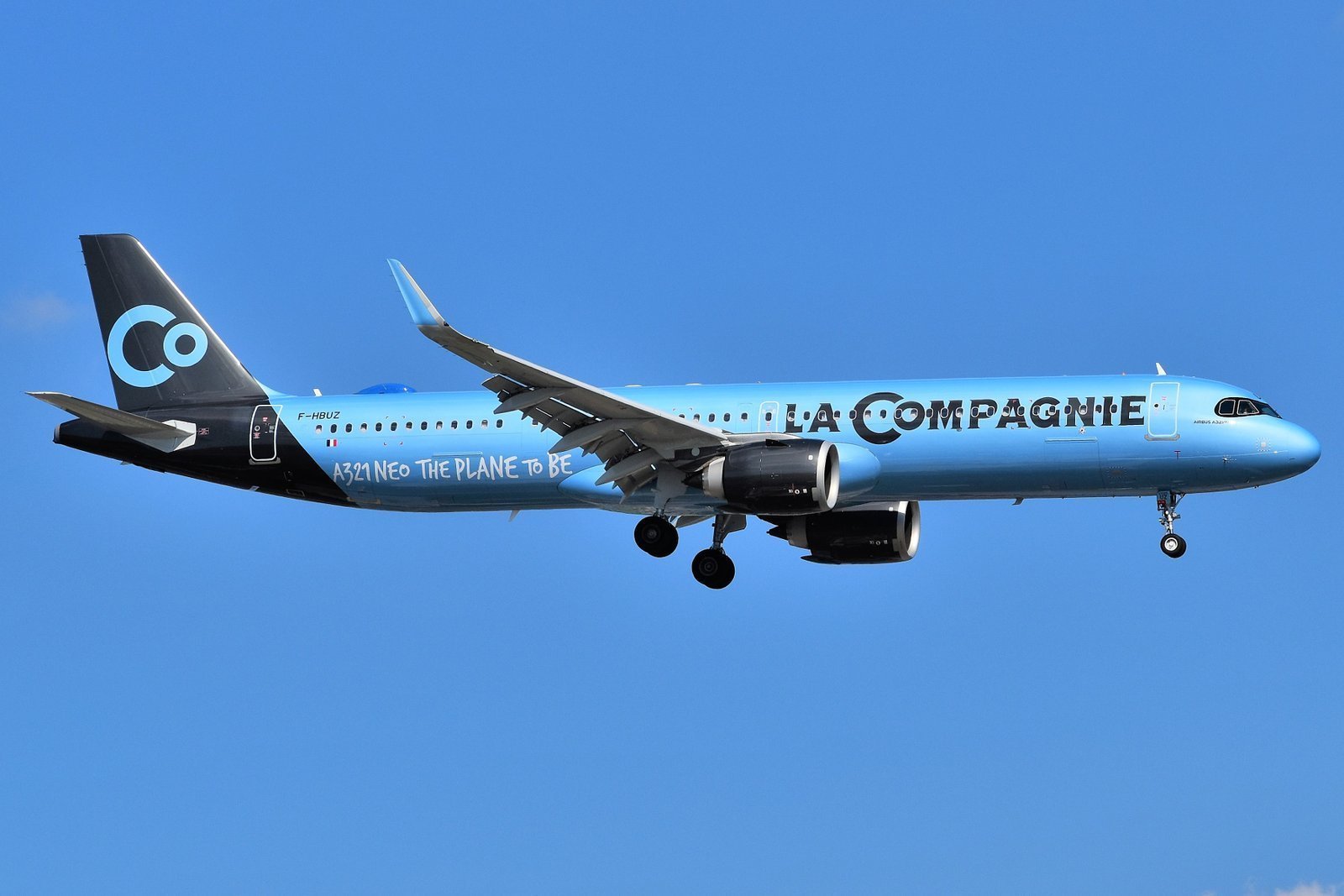
La Compagnie, founded in France as the world’s only all-business-class airline, offers a boutique flying experience with excellent onboard service and easy-to-reach, live-person customer service representatives, with hubs in New York, Paris, Milan, and Nice. The airline launched its inaugural daily service from Paris to New York on July 21, 2014, quickly establishing itself as a premium alternative to larger carriers by configuring its aircraft exclusively for business-class passengers. Recognition has followed: in 2025, La Compagnie was ranked the sixth-best International Airline by Travel + Leisure; in 2024, it was ranked second by Travel + Leisure and fifth in Condé Nast Traveler’s Readers’ Choice Awards, while also being named “Best Small Airline” by Forbes Travel Guide. In July 2024, La Compagnie announced the order for a new 100% business class A321neo, which will join the fleet in late 2026.
JSX: Semi-Private Flying for the Modern Jet Set
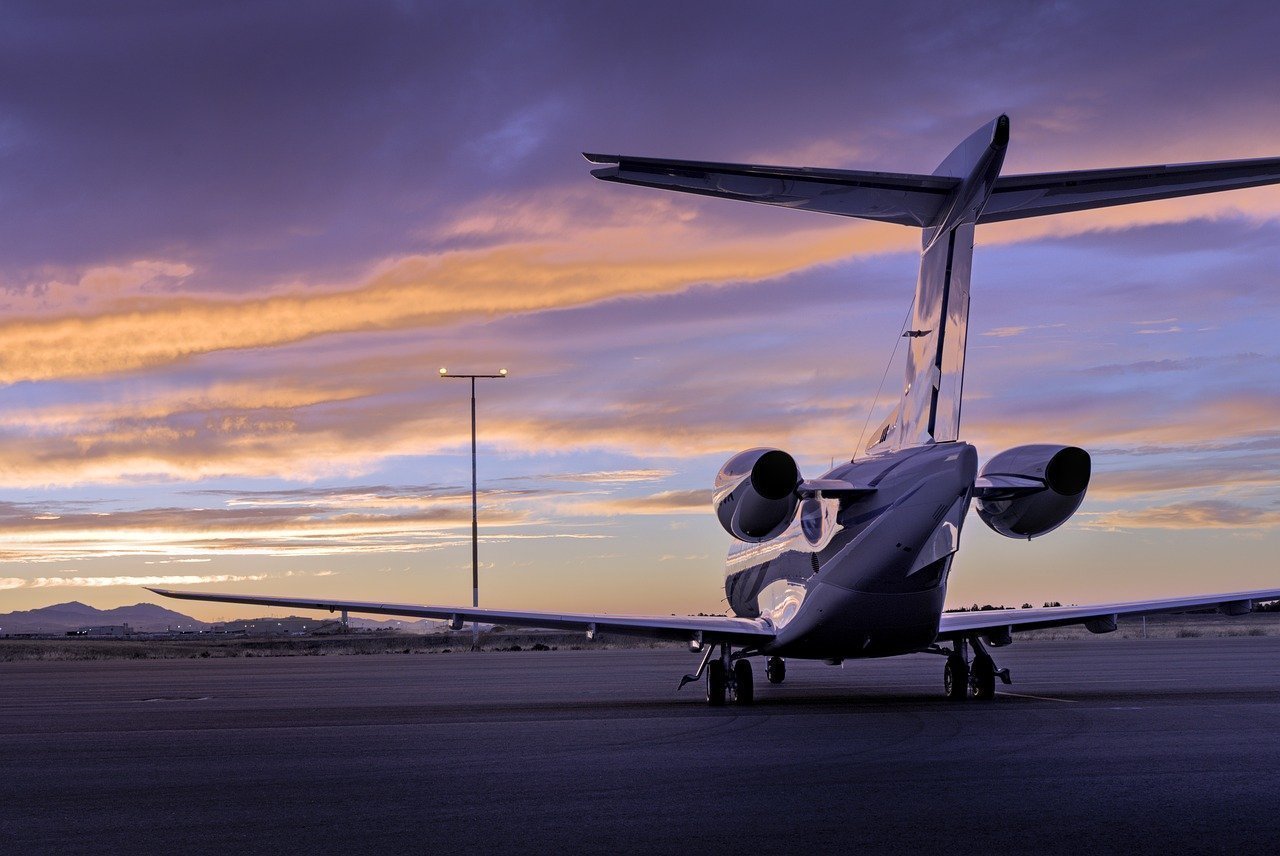
As of March 2025, JSX has carved out an intriguing niche in American aviation with a fleet of 47 Embraer regional jets serving 22 destinations across the United States and Mexico. With nearly 1,000 employees, the carrier flew just over 36,000 flights in 2024 while continuing to score coveted industry accolades. Instead of navigating crowded airport terminals and lengthy security lines, JSX passengers experience a more streamlined process, arriving just 20 minutes before their flight from dedicated terminals. JSX took the sixth slot in Condé Nast Traveler’s 2025 Readers’ Choice Awards, praised for its low entry point with one-way fares as low as $179, and was ranked first by Travel + Leisure readers earlier in the year.
Tradewind Aviation: The Caribbean Standard-Bearer
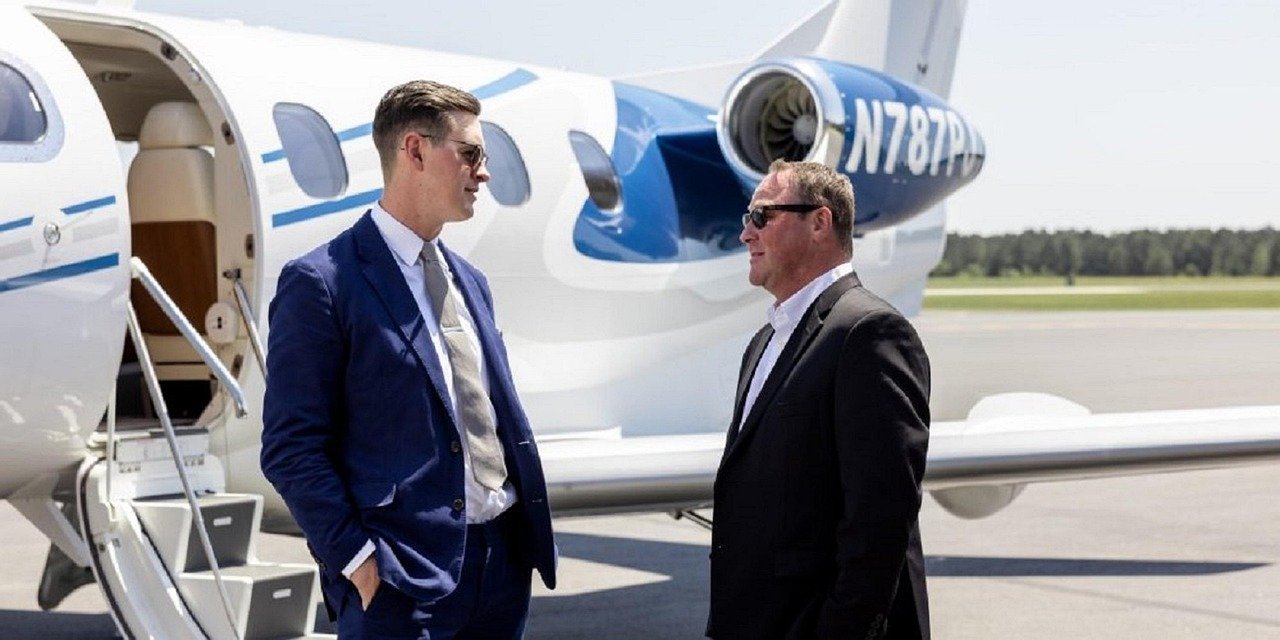
Founded in 2001 on the premise that all flights deserve the highest quality aircraft, crew, and service, Tradewind provides personal air travel – both private and scheduled service – throughout North America and the Caribbean, with a fleet of Pilatus PC-12s and Citation CJ3s serving luxury destinations including St. Barths, Virgin Gorda, Anguilla, Nantucket, and Martha’s Vineyard. Tradewind Aviation saw a 20% increase in bookings for regional travel across the Northeast, Southeast, and Caribbean in the first half of 2025 compared to the previous year, reflecting a growing preference for shorter, more frequent luxury getaways where premium transportation is a key part of the experience. Scheduled flight bookings are up over 30% in the first half of 2025, while private charter bookings have grown 15%, highlighting growing demand for by-the-seat access to private flights. The airline has been recognized as a Top 5 U.S. Airline in the Condé Nast Traveler Readers’ Choice Awards each year from 2021 through 2025.
Aero: First-Class Only, Airport Chaos Never
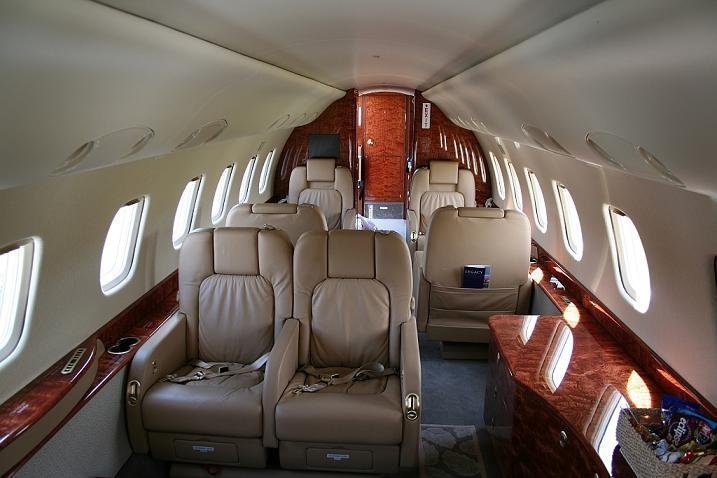
Aero is a California-based airline that operates semi- and fully-private flights between cities in the U.S. and popular resorts, boasting a first-class-only seat configuration as a luxurious solution for travelers looking to travel in style. All of Aero’s Embraer ERJ-135 and Legacy 600 aircraft feature Italian leather seating in a 1-1 configuration, with the Legacy 600 offering an experience more akin to a traditional private jet, including conference-style seating arrangements. Aero’s aircraft livery is stunning, which goes hand in hand with its personalized service, concierge, open bar, artisanal snacks, and inflight amenities. While full private jet charters can cost tens of thousands of dollars, semi-private flights like Aero’s are significantly more affordable, often priced between $500 and $3,000 per seat depending on the route.
What Real White-Glove Service Actually Looked Like
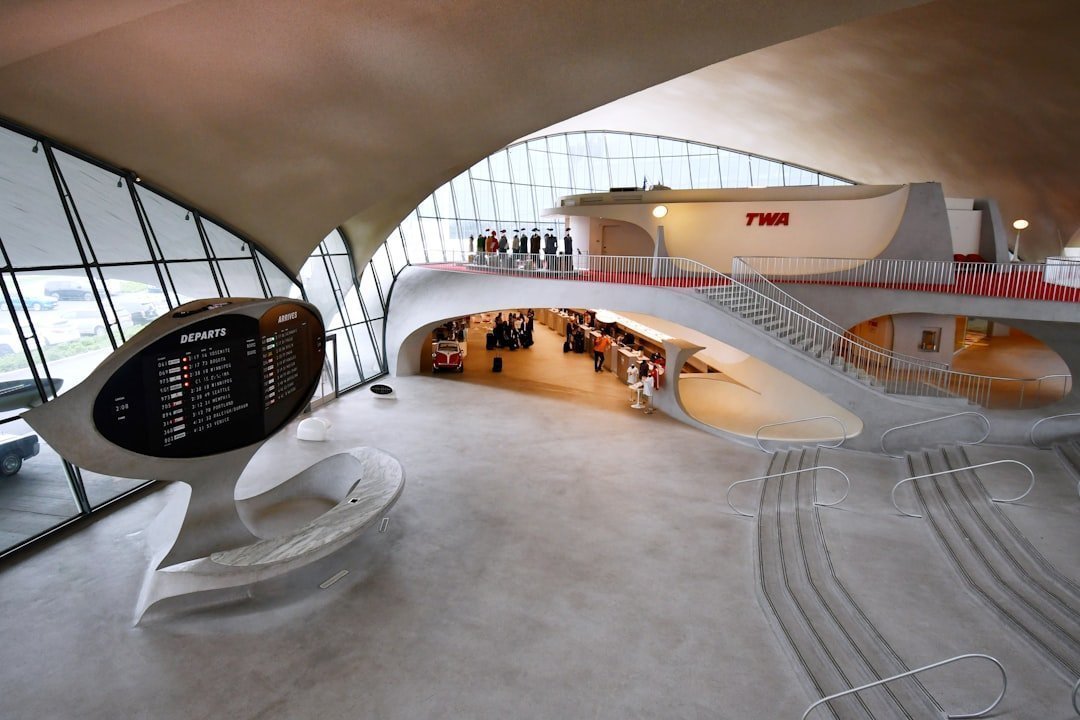
In the golden age, meals were served on fine china with real silverware, and chefs prepared gourmet dishes so passengers could enjoy multi-course meals in the sky. Airlines often included lounge areas and bars in the cabin to encourage socialization, with a visual aesthetic that was certainly something to write home about – vibrant colors like orange, pink, teal, and gold dominated the interiors, while geometric and floral patterns covered the seat upholstery and curtains. Pan Am’s brand identity was not confined to visual elements alone; it permeated the entire passenger experience, with the airline’s commitment to luxury reinforcing the perception that flying with Pan Am was not just a journey but an experience of opulence and sophistication. These carriers today draw directly from that specific DNA – the choreography of arrival, presentation, and attentiveness that made flying feel like theater.
The Deregulation Break: How the Golden Age Ended
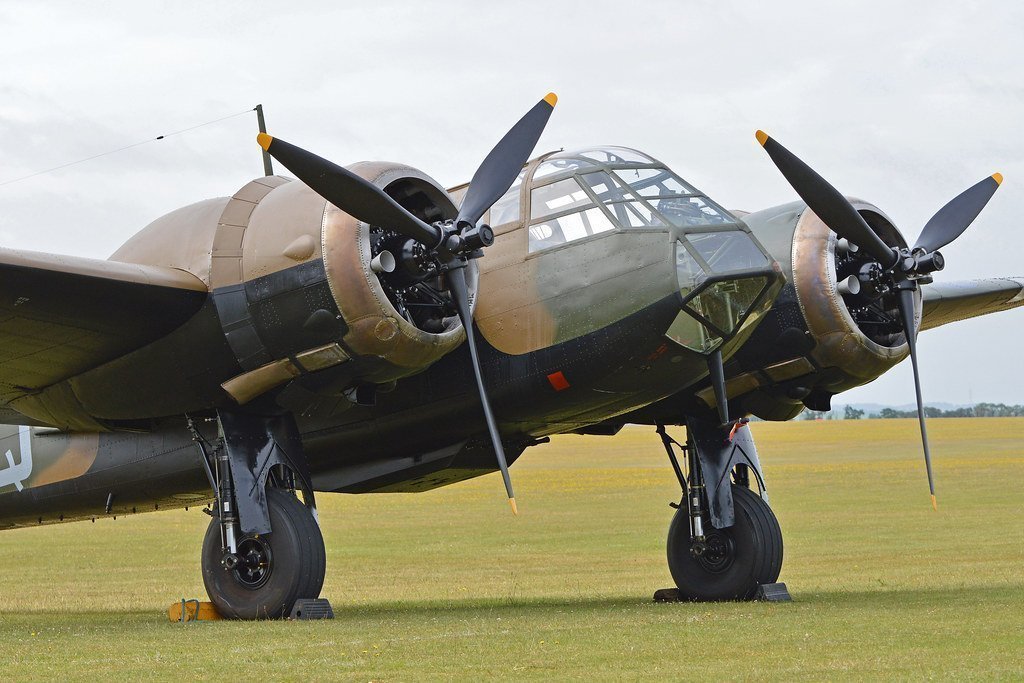
Airlines gradually moved away from unique, vibrant, and luxurious interiors due to a combination of economic, regulatory, and operational factors reflecting broader changes in the aviation industry. Before deregulation, airlines operated under government-imposed pricing and route controls, enabling them to compete on service quality, including lavish interiors. Deregulation introduced price competition, making low fares a priority and causing airlines to focus more on efficiency and cost-cutting rather than luxury to remain competitive. The main objective of airlines became filling capacity, and gone were the comfortable, roomy seats and bars and lounges, as well as the five-course meals and abundant drinks, replaced by cost-cutting and unsavory airline meals. The boutique carriers of today are not just selling comfort – they are selling a corrective to that broken promise.
The Business Case Behind the Aesthetic Revival
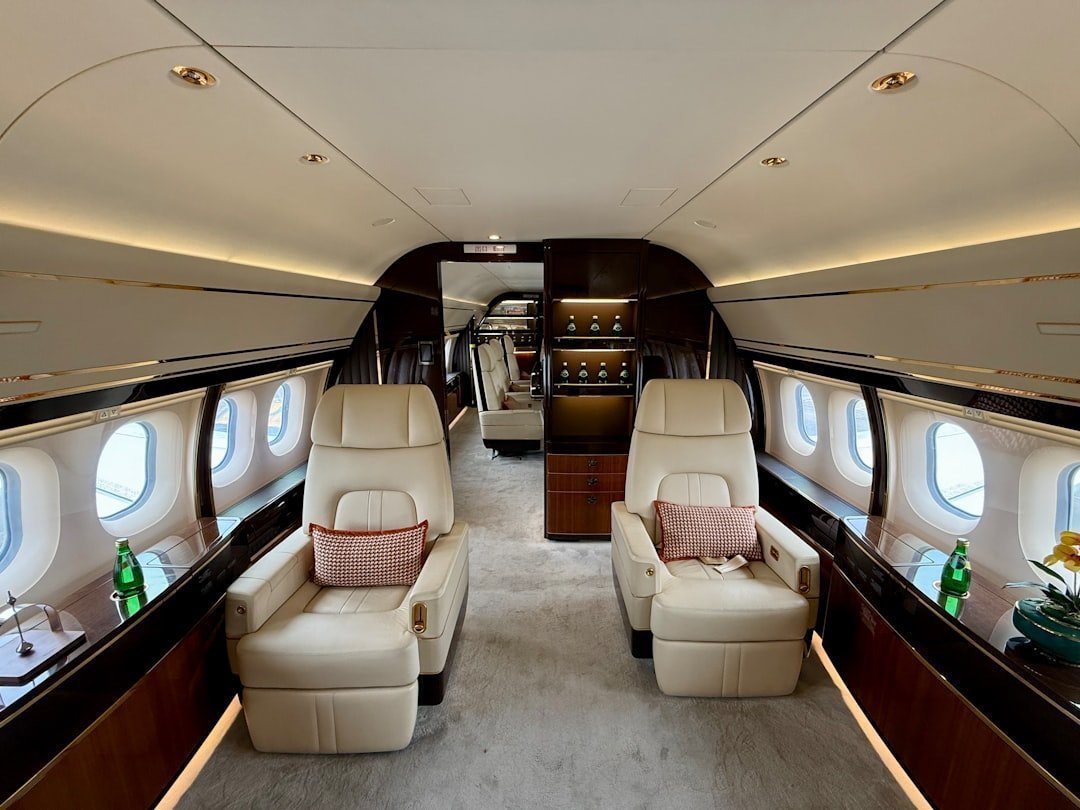
Today, some airlines are reviving the original spirit of indulgence, turning a long-haul flight from a necessary inconvenience into part of the vacation itself. The business aviation market in 2025 is entering a new era, driven by the rise of jet-sharing, the development of more sustainable private jets, and increasing regulatory pressure in Europe. In 2022, La Compagnie recorded its first annual profit of €1 million, a significant financial turnaround achieved through its premium all-business-class pricing model and rigorous cost controls that optimized operations amid recovering demand – proof that boutique can indeed be profitable. The concept of private aviation is evolving rapidly, with more luxury travelers in 2025 embracing shared charter flights that combine the exclusivity and convenience of private travel with a more accessible price point, especially popular on high-demand leisure routes. The economics, long thought to be the death knell of airline glamour, are quietly being rewritten one boutique cabin at a time.