
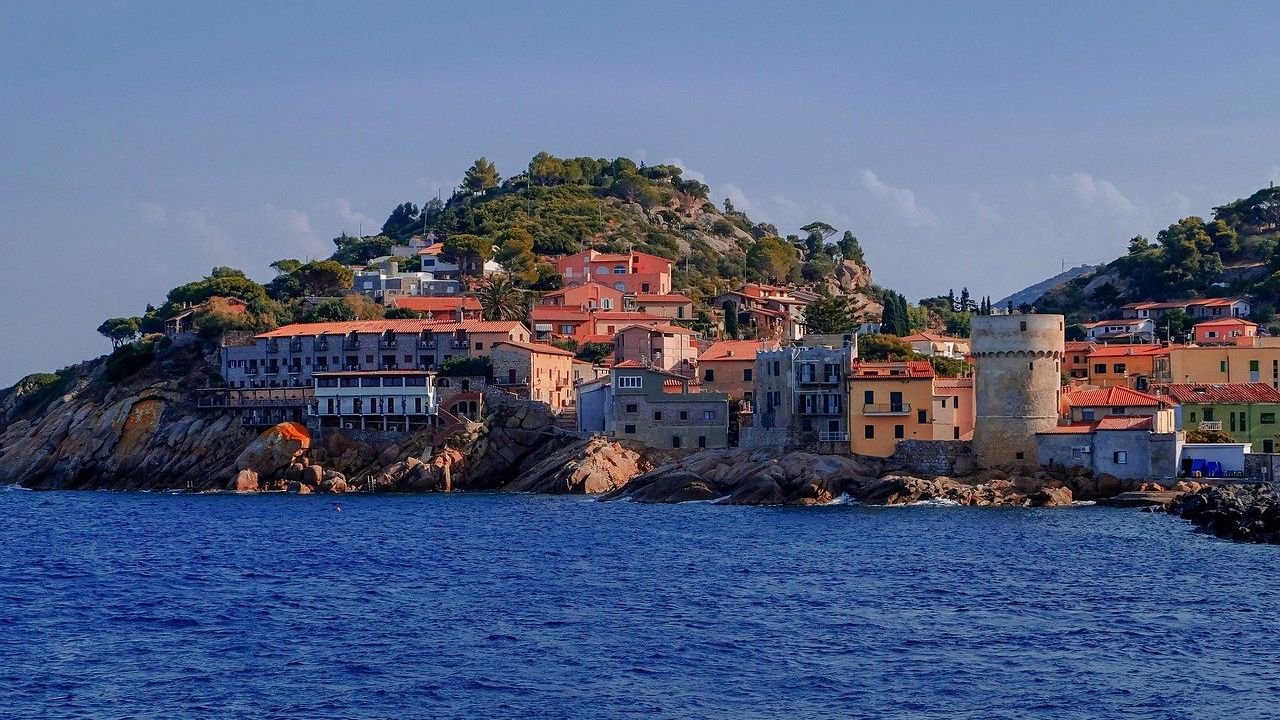
Italy is one of the longest-lived countries on earth. Italy’s life expectancy for 2024 reached 84.13 years, a modest but steady increase from the year before. Yet what makes Italy truly remarkable is not its national average – it is the pockets of extraordinary longevity found in some of its economically poorest corners. Villages where shepherds, farmers, and grandmothers quietly outlive their wealthier counterparts in Milan and Rome, reaching 100 with a glass of local wine in hand and a community gathered around them.
1. Sardinia: The World’s First Official Blue Zone
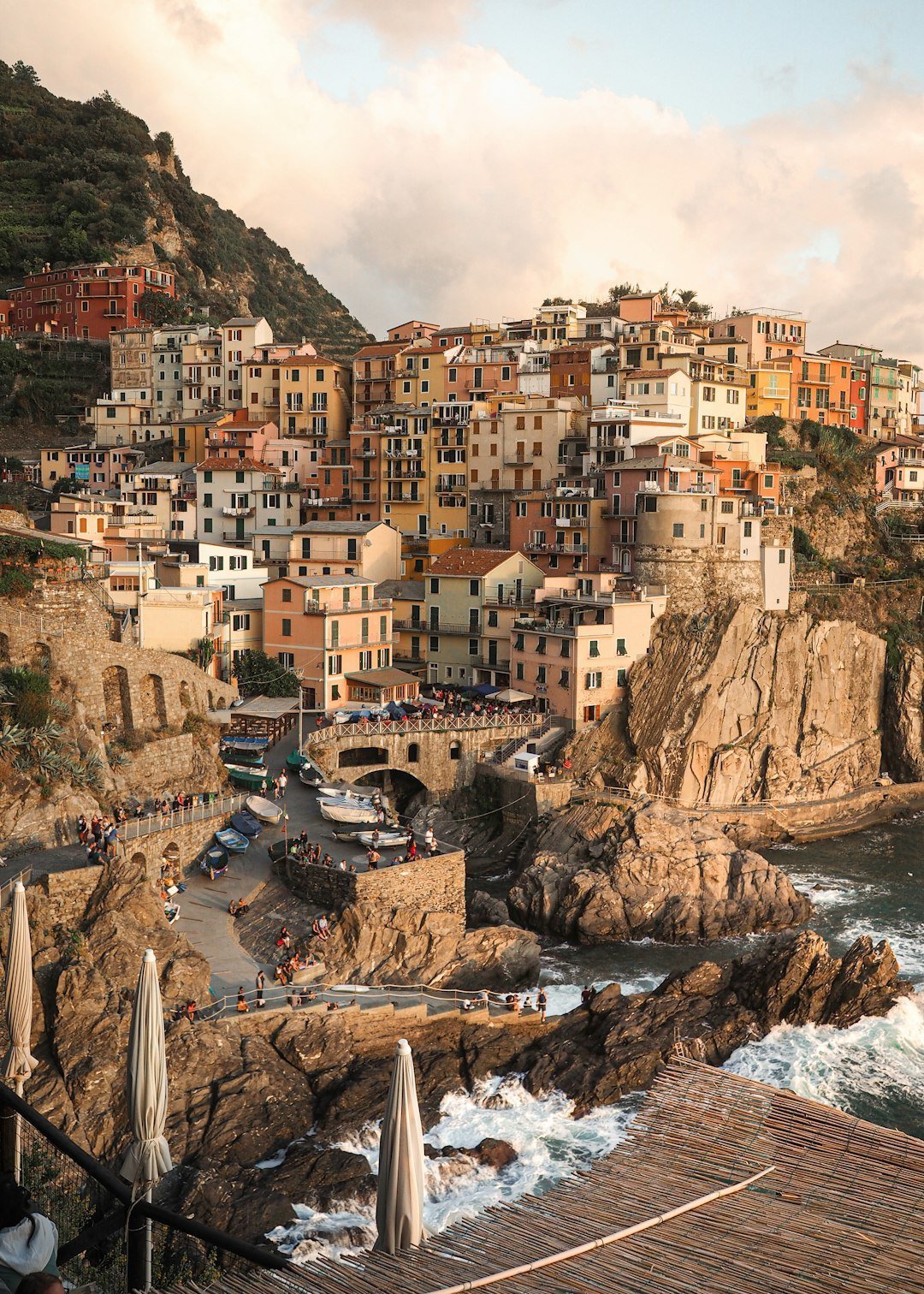
In 1999, Sardinia, Italy served as the original case study for Blue Zones due to its high concentration of centenarians and low rates of chronic diseases. A follow-up report demonstrated that Sardinia’s healthy centenarian population was concentrated in the mountains of the Nuoro province, and that most centenarians in the region were male. As of January 1, 2024, Sardinia had 606 centenarians, up from 594 the year before. This is an island that, by almost every economic measure, lags far behind northern Italy – yet it is sending more people past the 100-year mark than nearly anywhere else on the planet.
2. Economically Left Behind, Yet Remarkably Long-Lived

Sardinia’s GDP per capita stood at USD 29,504, far below the national average of USD 40,898, placing it in the bottom 25% of EU regions and categorising it among the “least developed regions” in terms of the distribution of EU cohesion funding. The region’s unemployment rate stood at 11.5% in 2022, higher than both the Italian average of 8.1% and the EU average of 6.7%, reflecting significant labour market challenges. Yet despite these economic hardships, the island produces centenarians at a rate that baffles researchers. Sardinia has around 20 centenarians per 10,000 residents, double the national average in Italy.
3. Ogliastra and Nuoro: The Longevity Heartland
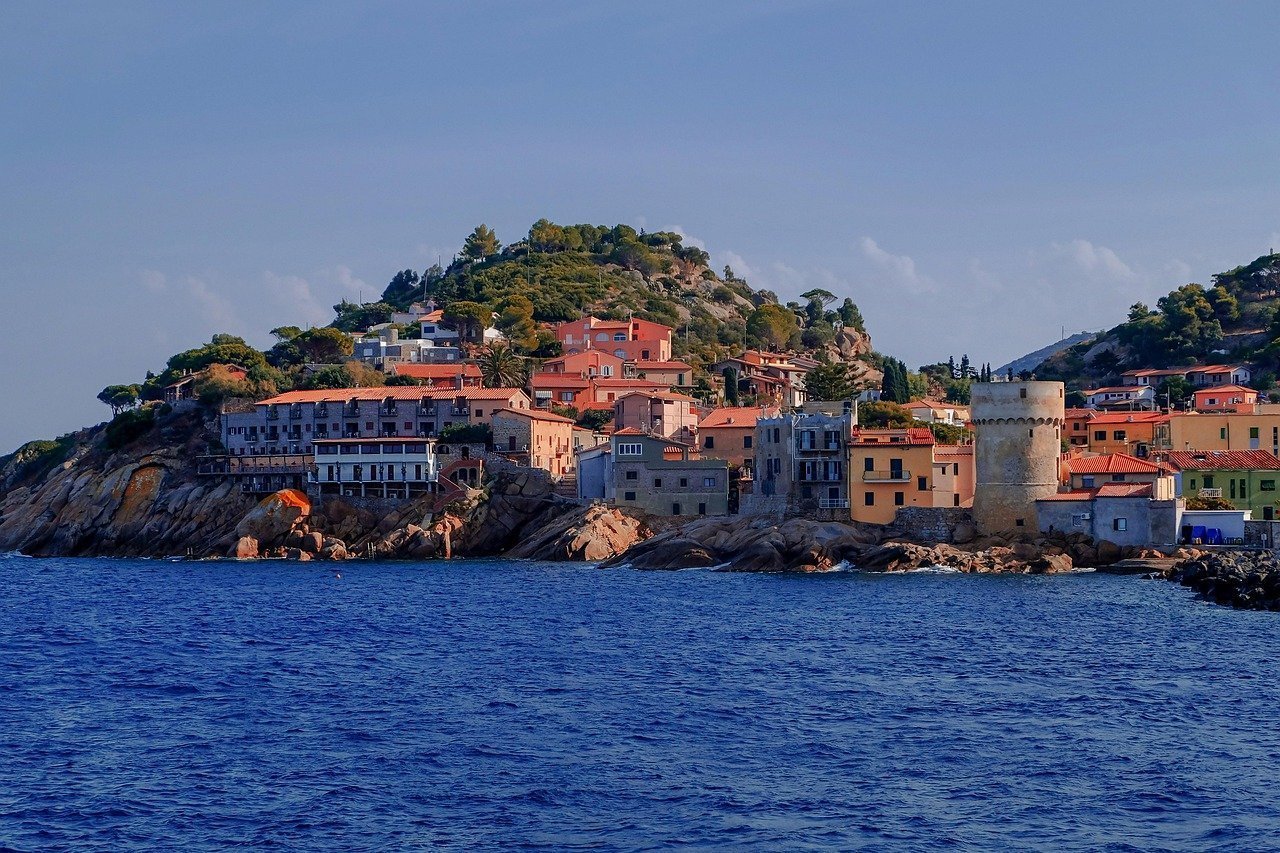
When it comes to exceeding the average life expectancy, the inhabitants of Sardinia, especially Ogliastra, Barbagia di Ollolai, and Barbagia of Seulo, comprise what’s called a “Blue Zone,” an area of the world where people tend to live exceptionally long lives. In this area, there are six times as many centenarians as in the rest of Italy, and thirty times as many as in the U.S. In Seulo, home to only around 900 people, this is equivalent to a rate of nearly 1 in 100. The village of Seulo, in the Barbagia area, had an impressive 20 centenarians between 1996 and 2016, confirming the town as the one with the oldest residents in the world.
4. The Genetics Nobody Expected
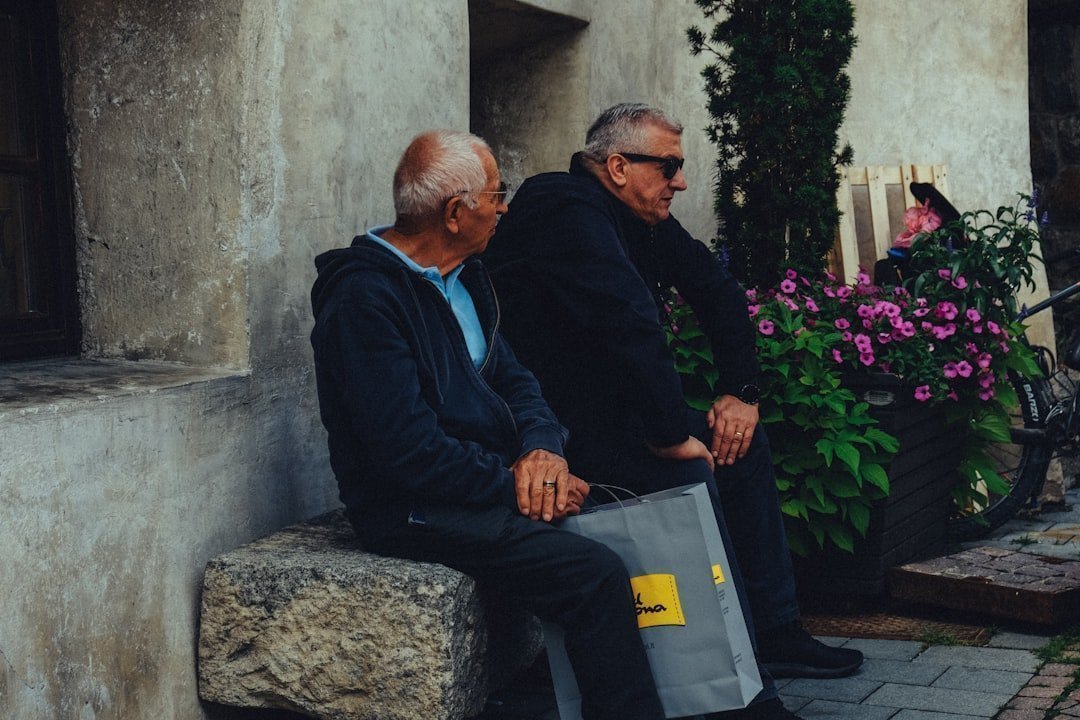
In 2004, a research team set off to investigate a rare genetic quirk carried by the inhabitants of Sardinia. The M26 marker is linked to exceptional longevity, and due to geographic isolation, the genes of the residents in this area of Sardinia have remained mostly undiluted. Due to the island’s isolation, the genetic traits of Sardinian people have shown that they are direct descendants of their Nuragic ancestors from the Neolithic era. While genetics do have some impact on longevity, they most likely account for only about 20% to 25% of differences in lifespan – meaning the rest comes down to how people actually live their daily lives.
5. The Sardinian Diet: Simple, Local, and Surprisingly Effective

The diet of the centenarians of Sardinia is rich in proteins and fats. Compared to the classic Mediterranean diet, it is lower in carbohydrates, at only 40% instead of the Mediterranean’s 60%. The Sardinian diet consists of very little animal protein, consuming meat sparingly. Instead, Sardinians rely heavily on the consumption of dairy products, particularly goat’s and sheep’s milk products, for their calorie intake. Cannonau, a native Sardinian red wine, contains exceptionally high levels of antioxidants, especially resveratrol and anthocyanins. Scientific research shows Cannonau has 2 to 3 times more antioxidants than other red wines, thanks to Sardinia’s climate and traditional winemaking methods.
6. Movement, Purpose, and the Social Fabric
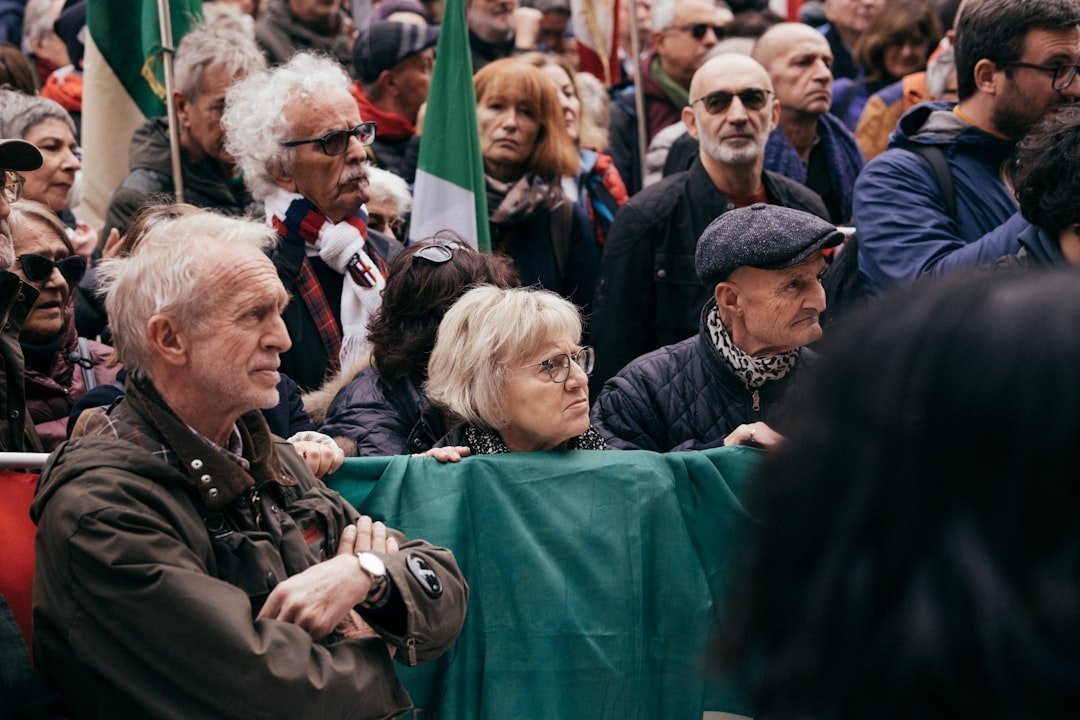
The people of this Sardinian Blue Zone have no use for a grueling morning workout followed by a day of inertia. Instead, they continually move their bodies while performing ordinary tasks. The hilly landscape provides plenty of opportunities to get the heart rate up and strengthen leg muscles without needing a treadmill. The villages of the Sardinian Blue Zone are entirely based around the concept of family and strong social cohesion. Families themselves, and the communities in which they are situated, constitute a complete social network, based on the principles of reciprocity and mutual support. In this context, the elderly function as the hub of society. Elders are considered wise bearers of knowledge, who are not considered a burden but rather as maintaining continuity with a thousand-year-old tradition.
7. Cilento: The Poor Southern Region Hiding Extraordinary Longevity
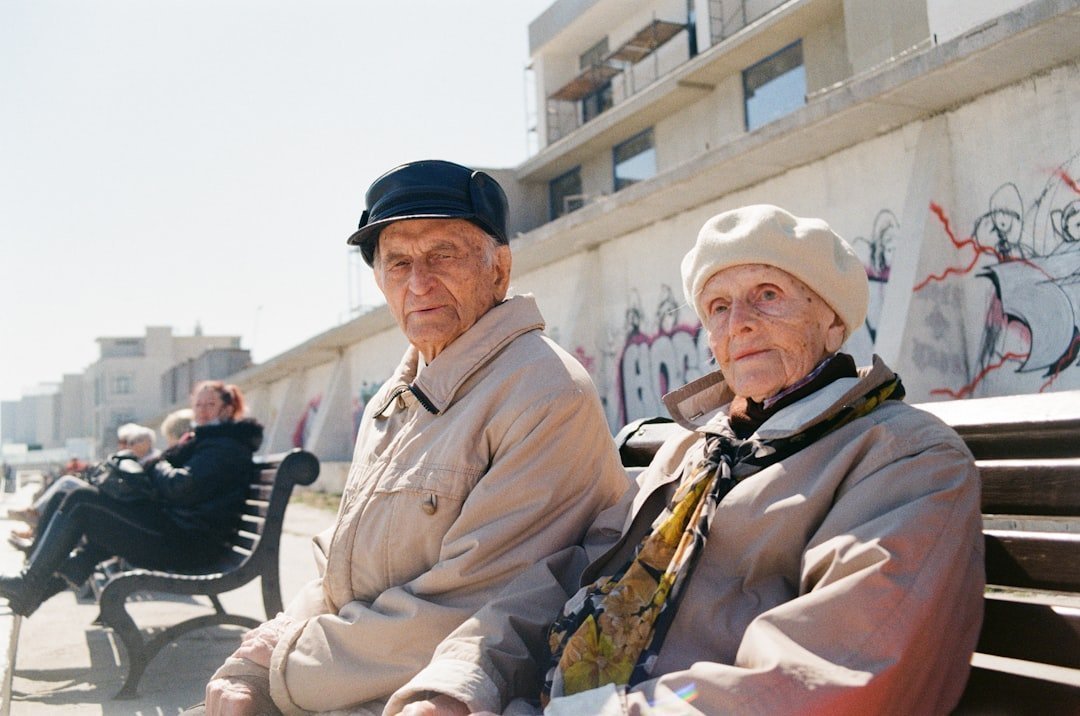
The Cilento region in southern Italy is home to roughly 300 residents who are more than 100 years old and in good health. The broader region is notable for the long lives of its residents. The Cilento area was the original source of research for American physiologist Ancel Keys, who studied the influence of diet on health and first promoted the benefits of the Mediterranean diet. This cohort has very low rates of heart disease and Alzheimer’s, and favors a Mediterranean diet which heavily relies on the herb rosemary. Due to the location of the village, locals also walk long distances and hike through the mountains as part of their daily activity.
8. Sicily’s Mountain Villages: Another Longevity Surprise
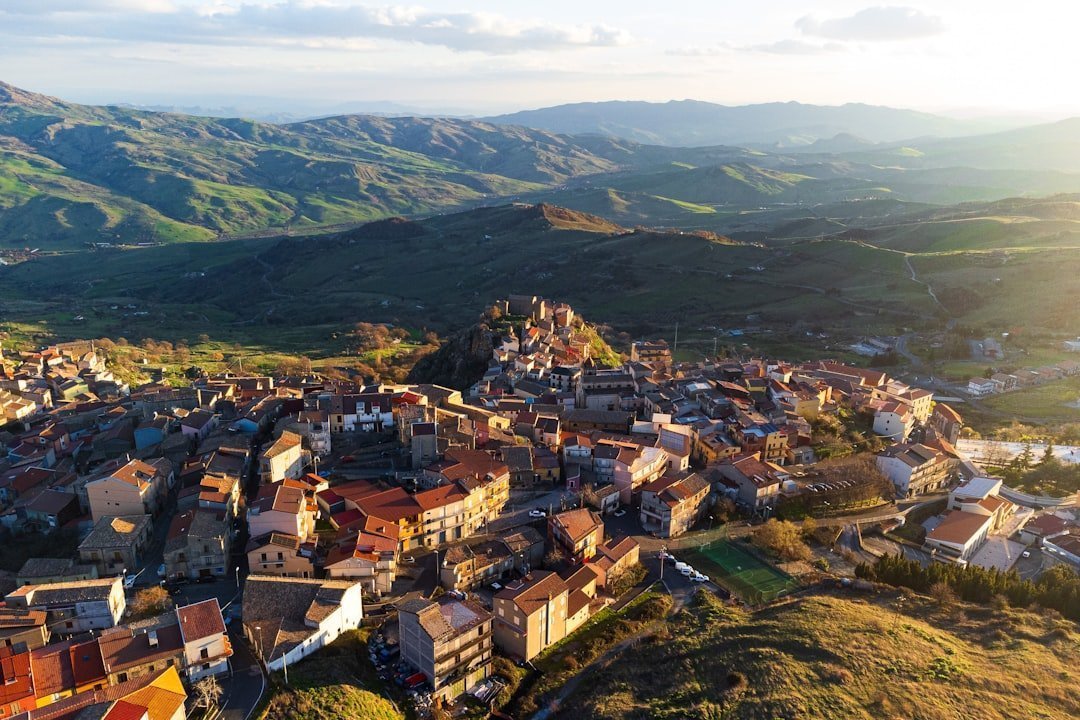
In Sicily, the biggest Mediterranean island, there are some places where there is a high frequency of male centenarians with respect to the Italian average. In the Sicani Mountain zone, in five villages, there were 19 people with an age range of 100 to 107 years old from a total population of just 18,328 inhabitants. The centenarian number was 4.32-fold higher than the national average – 10.37 vs. 2.4 per 10,000 – and the female-to-male ratio was 1.1:1, compared to a national ratio of 4.54:1. A close adherence to the Mediterranean diet is observed in the countryside, whereas in big towns this adherence is not so close. This has an effect on the rates of mortality at old age that are lower in the countryside than in big towns.
9. Italy’s Regional Paradox: Richer Is Not Always Longer-Lived
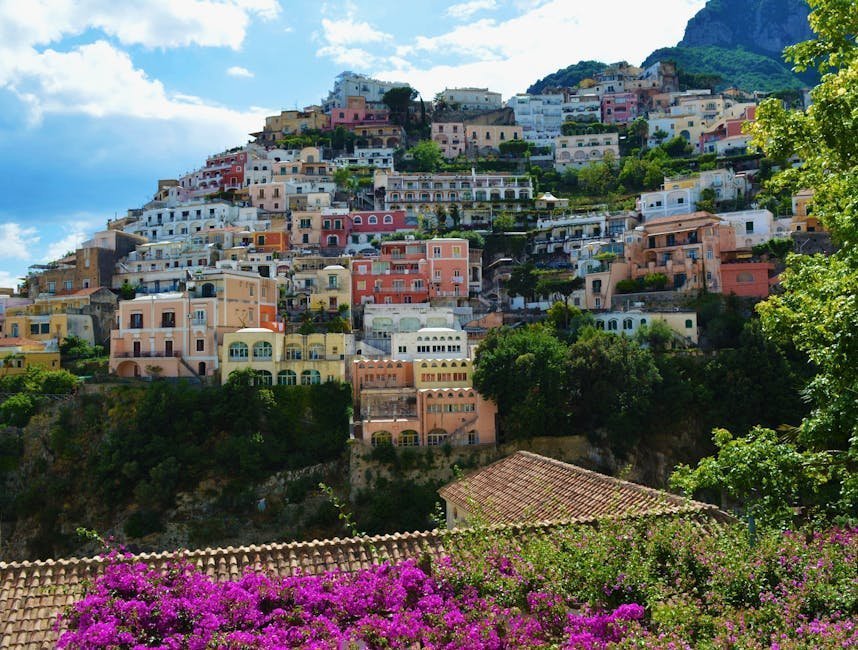
Southern Italy is the poorest area in Italy because it lacks job opportunities compared to the center and the north. The economy in the south relies on agriculture, which tends to have lower income and little economic activity. In Italy, relative poverty rates range from 5% to 40% across regions. This 35 percentage point difference is more pronounced than the average difference observed across 29 OECD countries, placing Italy among the five countries with the starkest regional disparities. Yet this economic gap does not translate cleanly into a longevity gap – in fact, several of the poorest rural communities sustain lifestyles that inadvertently protect against the modern diseases killing wealthier populations.
10. What Science Is Still Learning From These Regions
A 2025 review of the same four Blue Zones used a three-step method to qualify a long-life zone: strict age validation to confirm longevity, demographic indicators to identify population longevity, and longevity criteria proving a significant number of individuals with at least 50% longer lives than the national average. Core longevity factors found in this study were diet, physical activity, social support, and environment. One current research project leverages genetic, epigenetic, metabolic, and environmental analyses to identify key contributors to extreme longevity. Researchers are using stem cells derived from centenarians to model age-related and metabolic stresses in human 3D organoids. The authors concluded “with reasonable confidence that these blue zones of exceptional longevity do indeed exist,” and stated that “given the rapid aging of populations in many modern societies, blue zones should be considered as a valuable model for promoting longer, healthier, and happier lives.”