
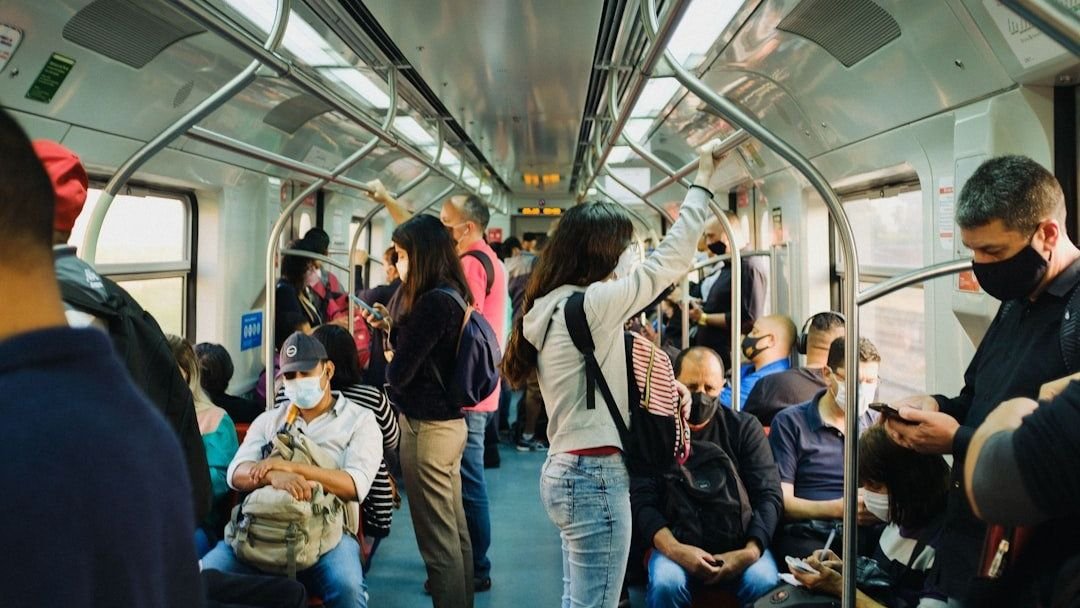
There is something wonderfully humbling about your first international trip. One moment you are brimming with confidence, boarding pass in hand, absolutely certain you have everything figured out. The next, you are standing in a train carriage in the Netherlands being politely shushed by a local who has spotted you from a mile away.
That dead giveaway is what frequent travelers call the “quiet coach rule.” It is less about a specific train carriage and more about a broader truth: certain behaviors instantly telegraph that you are brand new to international travel. Some of these are small social missteps. Others are costly logistical blunders. All of them are completely avoidable once you know what to look for. Let’s dive in.
1. Talking at Full Volume in the Quiet Coach (And Not Knowing It Exists)

Here’s the thing – most first-timers do not even know what a quiet coach is, let alone realize they are sitting in one. If you value a calm, distraction-free journey, the quiet coach on trains is a designated area offering a more peaceful alternative to standard carriages, ideal for those heading off on business or simply wanting to avoid loud chatter. In the UK, Netherlands, Switzerland, and across much of Europe, these carriages are a standard feature on intercity routes.
Most Americans, for instance, rarely take trains at home, which means their first encounter with quiet cars is often while on vacation abroad. The signs are there, but they are easy to miss if you are not looking. In the Netherlands, the silent compartment is clearly marked on all windows with both Dutch and English words for silence, “stilte” and “silence,” alongside a pictogram for “shush” on the interior walls. Missing all of that is a perfectly understandable rookie move – but it is still a rookie move.
The quiet coach is for people who want to read, work, sleep, or listen to music at a volume inaudible to others. If one wants to talk, there is simply no reason to be in the quiet coach, as doing so knowingly creates a distraction for everyone around you. Seasoned travelers check for those signs before they even put their bag down.
2. Exchanging Currency at the Airport

It is one of the most common and costly habits of first-time international travelers. You land, you need local cash, and right there in the arrivals hall is a big bright currency exchange booth. How convenient. Too convenient, actually. Travelers often discover too late that exchanging currency at the airport means paying premium fees, sometimes losing more than one tenth of their money to poor exchange rates and service charges.
When facing an upcoming international trip, many travelers experience what psychologists call “planning fallacy,” the tendency to underestimate how long tasks take. Currency exchange falls into a category behavioral economists describe as “low urgency, high consequence,” meaning it does not feel immediately critical to organize in advance. That psychological quirk is expensive. Airport currency exchange counters generally offer the worst exchange rates you will find, and if you need cash, the smarter move is to order foreign currency from your bank before you travel.
Using credit cards with no foreign transaction fees, exchanging currency through reliable services before departure, and avoiding airport exchange counters altogether are the habits that separate experienced travelers from first-timers. It sounds obvious in hindsight. It always does.
3. Overpacking a Suitcase You Can Barely Lift
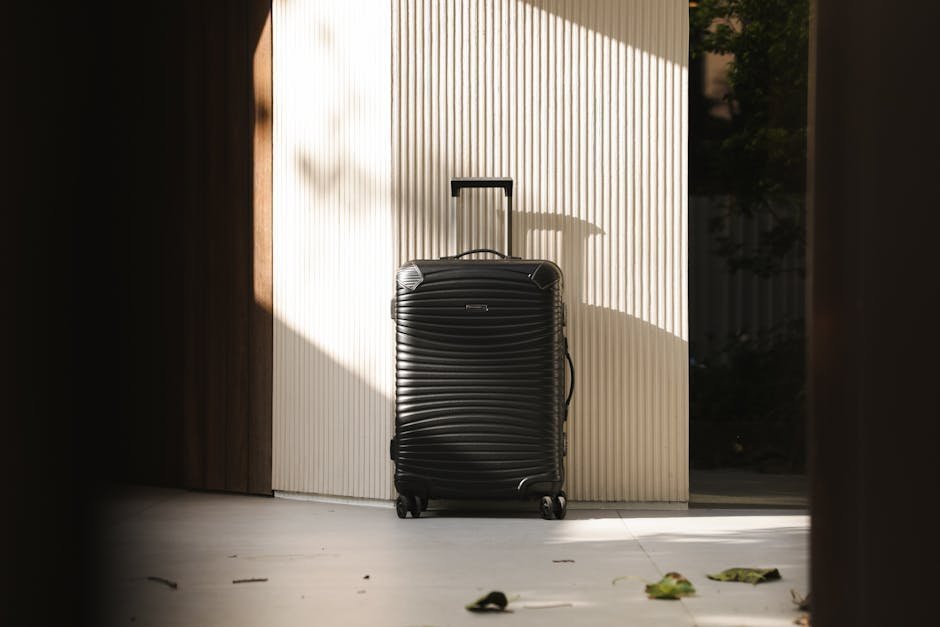
Honestly, almost everyone does this on their first trip. You want to be prepared for every possible scenario: business dinner, hiking trail, surprise formal event, unexpected rainstorm. So you pack for all of them. Nearly a third of travelers overpack, leading to excess baggage fees and unnecessary stress during their journeys. That enormous rolling suitcase immediately marks you as someone who has not done this before.
One of the most common travel mistakes is packing too much. It is tempting to prepare for every scenario, but overpacking leads to several problems including hefty fees for overweight or extra bags, and lugging heavy suitcases can be exhausting while limiting your ability to use public transportation or walk comfortably. Think of it this way: a carry-on-only traveler moves through cities like water. An overpacker moves like concrete.
It is tempting to bring outfits for every possible occasion, but it makes luggage hard to manage and can result in surprise baggage fees for exceeding weight limits. The advice from experienced road travelers is simple: pack as usual, then take out half the clothes originally planned. You will not wear all of them, and you can always do laundry on the road.
4. Playing Music or Videos Without Headphones on Public Transport
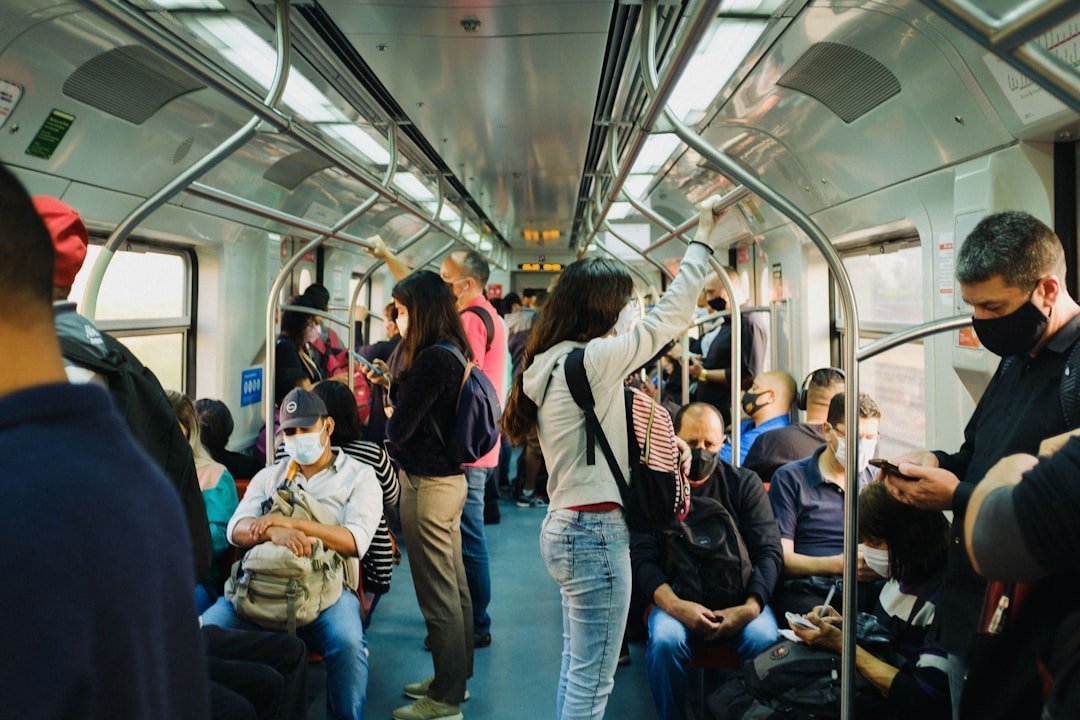
This one is not just a beginner’s mistake. It is borderline socially criminal in most parts of the world. Unlike a plane where sound is drowned out by engine noise, a train seems to amplify sound. Every country has its own etiquette about using mobile phones and electronic devices on public transport. In some places, the social pressure is immediate and unmistakable. In others, you will just get long, disapproving stares.
Most travelers use transit time to catch up on social media or entertainment, but the sound should always be muted if headphones are not being worn. Fellow passengers are generally not interested in the videos or audio messages sent by your friends. First-timers blasting tinny music through phone speakers in a quiet carriage will achieve the remarkable feat of uniting everyone around them in silent, shared irritation.
When traveling in a quiet car, the essential etiquette is to keep noise to a minimum, speak softly, avoid loud conversations and phone calls, and use headphones whenever using electronic devices to listen to music, watch videos, or make calls. Carry headphones. Always.
5. Tipping Wrong (Either Way Too Much or Nothing at All)

Tipping is a social minefield abroad, and first-timers almost always get it wrong. Tipping can be a perplexing social custom for travelers, especially in a world where norms vary significantly from one country to another. Americans, used to tipping generously, can accidentally offend in cultures where a tip reads as condescension. Meanwhile, visitors from non-tipping countries who skip the gratuity in places like the United States can unintentionally seem rude.
In South Korea, Nepal, and Japan, tipping may even be taken as an offense, as those cultures consider their standards to be high and their service workers well-paid. In China, tipping can be interpreted as insulting. If you are in a popular tourist area, there may already be a service charge added to your bill. If not and in doubt, it is worth asking if tipping is even common practice, since it is not the custom and you may find your tip refused.
For Americans traveling abroad, researching local tipping customs in advance prevents both overtipping, which can create unsustainable expectations, and undertipping, which can appear disrespectful. The rule is simple: look it up before you land, not after you get the bill.
6. Not Notifying the Bank Before Departure
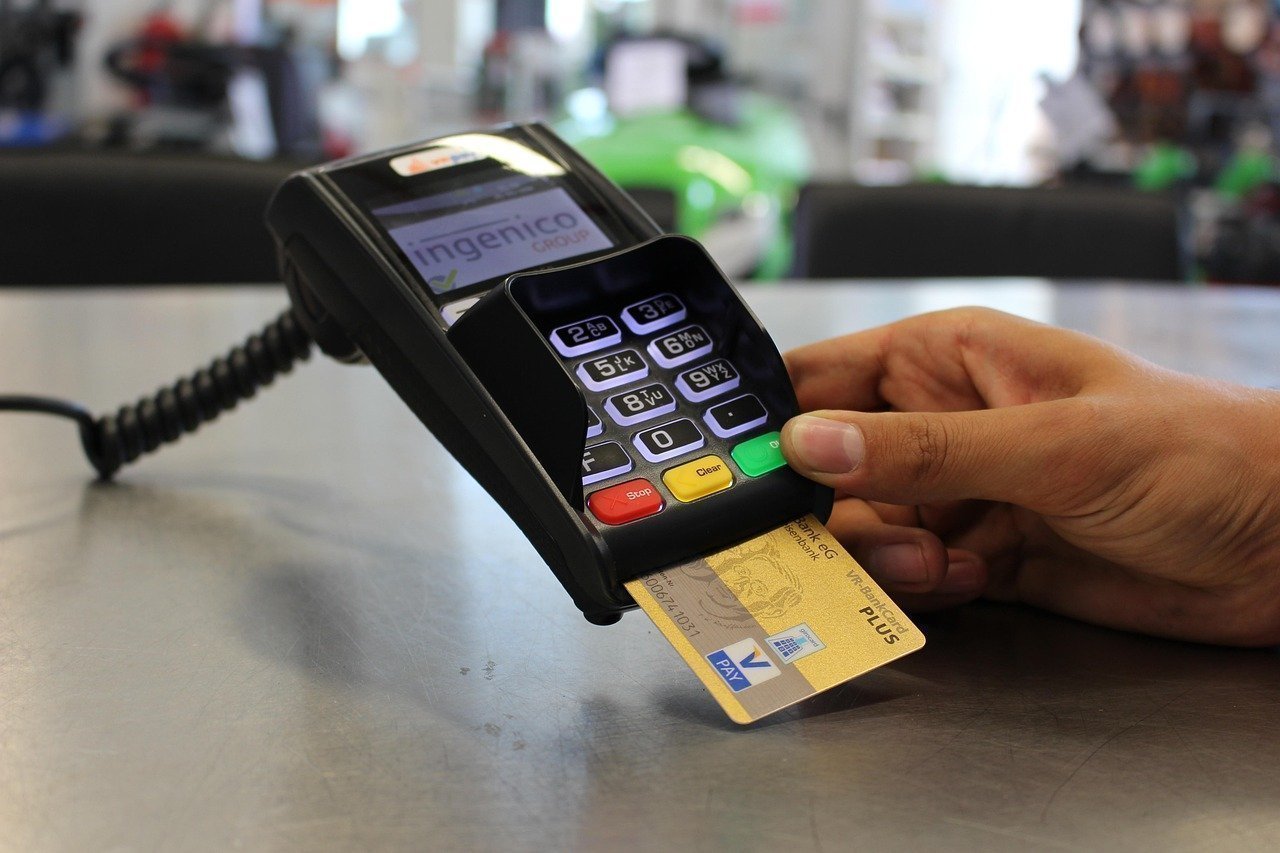
Picture this: you have just landed in a foreign city. You are tired, excited, maybe a little disoriented. You walk up to an ATM, insert your card, type your PIN – and get denied. Many travelers forget to notify their bank before traveling abroad. As a result, foreign transactions may trigger fraud alerts, temporarily blocking the card. The fix is simple: contact your bank before departure and carry multiple payment options.
One experienced traveler recounts the first time their credit card was declined after failing to call the bank in advance while traveling alone to Belgrade, Serbia. Attempting to withdraw cash at an airport ATM, the transaction was denied, and the first three hours of the trip were spent trying to get the bank to release the hold on the card. That is not how anyone wants to begin an adventure.
Many credit cards charge a three percent international transaction fee, and if that card is used for everything over a week or two on vacation, the fees genuinely add up. Getting a card with no transaction fee, even if only used for travel, is the smarter move. One phone call to your bank before departure saves enormous headaches on arrival.
7. Ignoring Passport Validity Rules
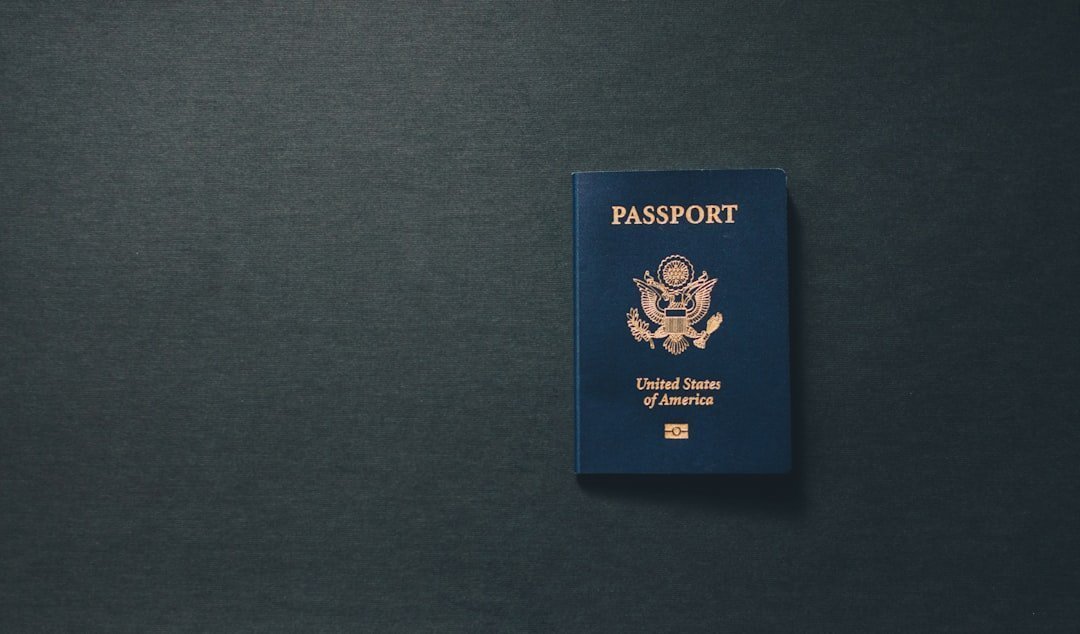
A surprising number of first-time international travelers assume a valid passport is a valid passport. Simple, right? Not quite. Trying to board an international flight with an expired passport is the number one passport mistake to avoid, but many countries could also deny you entry if your passport expires within the next six months. That is a rule that catches thousands of travelers off guard every single year.
Some visas can take weeks or even months to process, so applying well in advance is critical. Equally important is ensuring your passport is valid for at least six months beyond your planned return date, as many countries require this. First-timers often discover this requirement at the check-in desk. That is roughly the worst possible time to find out.
Though you can pay extra for an expedited passport renewal, it still takes two to three weeks not including mailing time. If international travel is planned within fourteen calendar days, the U.S. Department of State does accept urgent passport renewals, but only by appointment. Check your passport’s expiry date right now. Seriously.
8. Packing an Overambitious Itinerary
First-time international travelers often want to do everything. Every museum, every neighbourhood, every famous landmark. It is an understandable impulse – the world is enormous and thrilling. Overambitious itineraries consistently rank among the top travel mistakes. Packing too much into a trip often leaves travelers exhausted and unable to enjoy their destinations fully. Immersive, slower-paced travel allows for richer experiences and deeper connections with the places visited.
If you are traveling abroad with a major time difference, making a plan and slowing down at the beginning rather than the end of the trip matters enormously, because jet lag and fatigue take a real toll on you and everyone in your group. Running from attraction to attraction on four hours of sleep is not travel. It is a punishment tour with nicer scenery.
To avoid this common trap, the key is to embrace a flexible mindset and prioritize the most important items on the itinerary. Being open to adjusting travel plans in response to factors like traffic, weather, or simple fatigue is crucial. Understanding logistics and estimating realistic travel times between locations makes for a noticeably smoother experience. Leave white space in the schedule. That is where the real memories get made.
9. Skipping Travel Insurance to Save Money

Let’s be real. Nobody wants to spend money on something they hope to never use. Travel insurance feels like that. Quality travel insurance serves as a safety net in unpredictable situations and destinations. The issue is that most of the time you may not end up needing it, which creates a false sense of security. This can lure travelers into believing they can go without it, especially if previous trips went smoothly.
Skipping travel insurance to save money can become genuinely expensive if flights are canceled, luggage is lost, or medical emergencies occur. Travel insurance offers protection against unforeseen disruptions, especially for international trips where healthcare systems and costs vary enormously. Think of it like a seatbelt. Most days you do not need it. On the day you do, you are very glad it is there.
The potential expense of a helicopter evacuation in a medical emergency abroad can range from three thousand to seven thousand dollars, and that is a relatively modest scenario. Whether the trip involves rafting, hiking, or other physical activities, ensuring the insurance policy actually covers those specific sports and adventures is essential. Thoroughly reviewing what is included and excluded in coverage is not optional – it is non-negotiable.
10. Blocking Train Aisles and Ignoring Boarding Etiquette

It sounds small, but experienced international travelers notice this one instantly. Getting on a train is similar to getting on a plane: blocking the aisles as you stuff luggage onto the rack above your seat or chat with friends is a quick way to irritate everyone around you. The etiquette is to let other passengers pass quickly before returning to conversation. First-timers treat the boarding process like a casual social event. Regulars treat it like a practiced choreography.
Good boarding etiquette means letting others off the train before trying to get on, standing to the side of the doors to allow disembarking passengers to exit easily, and lining up neatly in the order you arrived. It is not a race. Similarly, your bag is not entitled to its own seat. Many people lack the confidence to ask you to move it, but nobody should have to stand unnecessarily because a suitcase got the window seat.
The broader travel wisdom here is to always consider local manners and customs while traveling on a train, specifically by being genuinely aware of your surroundings. It is important to take note of which type of car you are seated in so as not to disturb others. Regardless of the type of train car, the goal is simply not to be the loudest person in earshot. That quiet, self-aware awareness? That is what distinguishes a seasoned traveler from a first-timer in about thirty seconds flat.