
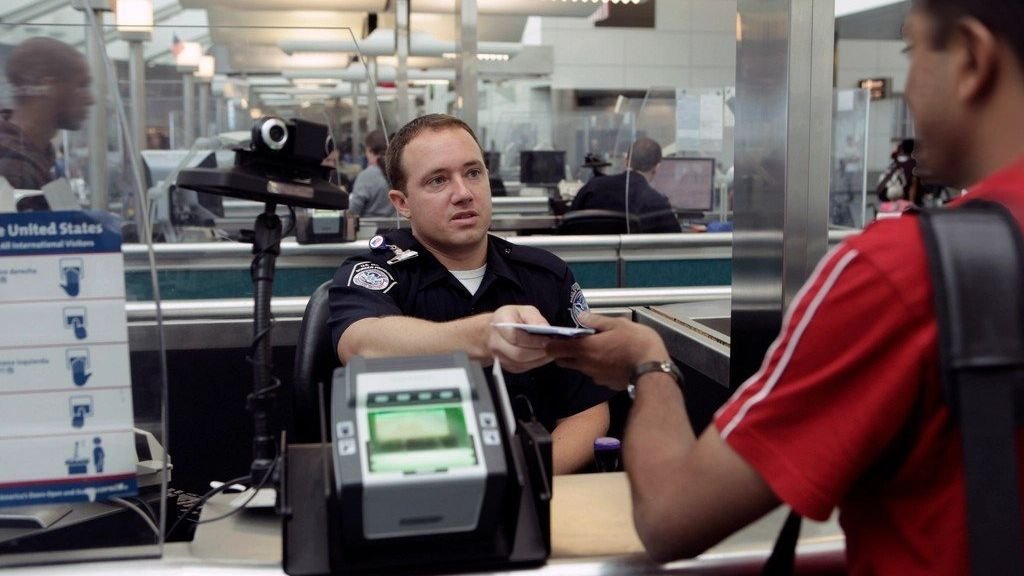
Most travelers think the real scrutiny starts when they step up to the booth and answer the first question. Honestly, that’s not quite how it works. By the time you open your mouth, a trained Customs and Border Protection officer has already formed a quiet but sharply detailed picture of who you are, where you’ve been, and whether something feels off.
The border is not just a line on a map. It’s a gauntlet of layered observation, digital intelligence, and behavioral science. Almost a million times each day, CBP officers welcome international travelers into the U.S. That’s an enormous volume of human traffic to process, and agents have learned to make judgments fast. What they notice before you say a single word might surprise you. Let’s dive in.
1. Your Face Has Already Been Scanned
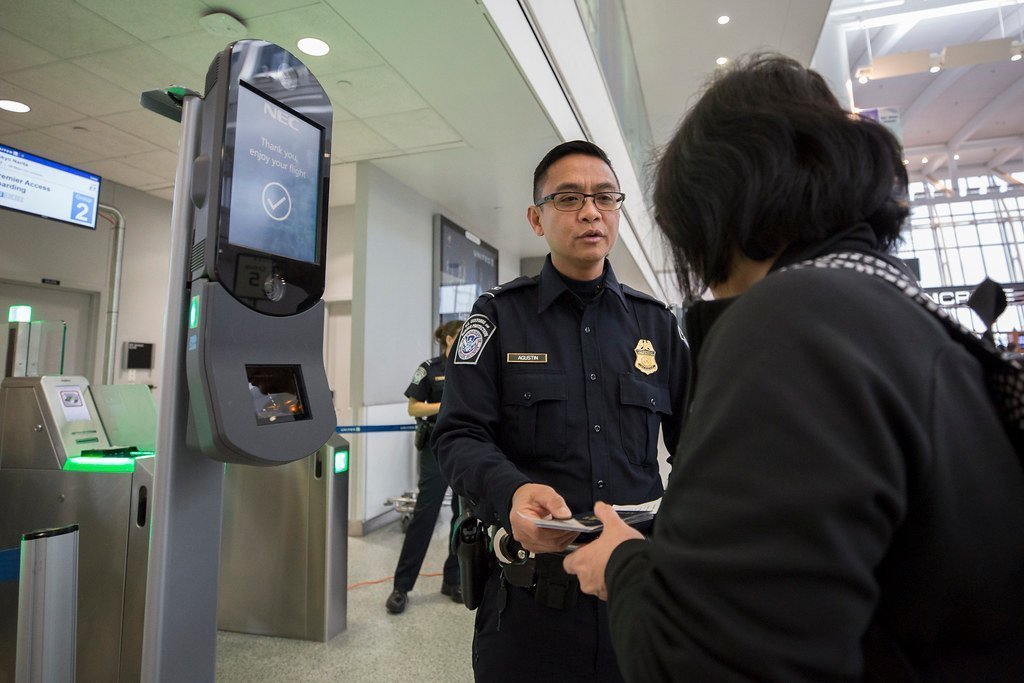
The moment you approach a port of entry, your face is very likely already being compared to a federal database. The system uses cameras to capture the faces of anyone entering or exiting the country and compare that image to passport photos and other images of that person already contained in a federal database. This is not a future technology. It is fully operational right now.
The U.S. Department of Homeland Security finalized a major regulatory change on November 20, 2025, authorizing CBP to collect facial biometric data from all noncitizens upon entry to and exit from the United States at airports, land borders, seaports, and other authorized points of departure. That is a sweeping expansion of biometric coverage. The National Institute of Standards and Technology Face Recognition Vendor Test shows that facial comparison technology is able to match travelers at a rate of greater than 98 percent. It is eerily accurate.
2. Your Passport Has Already Been Profiled by AI
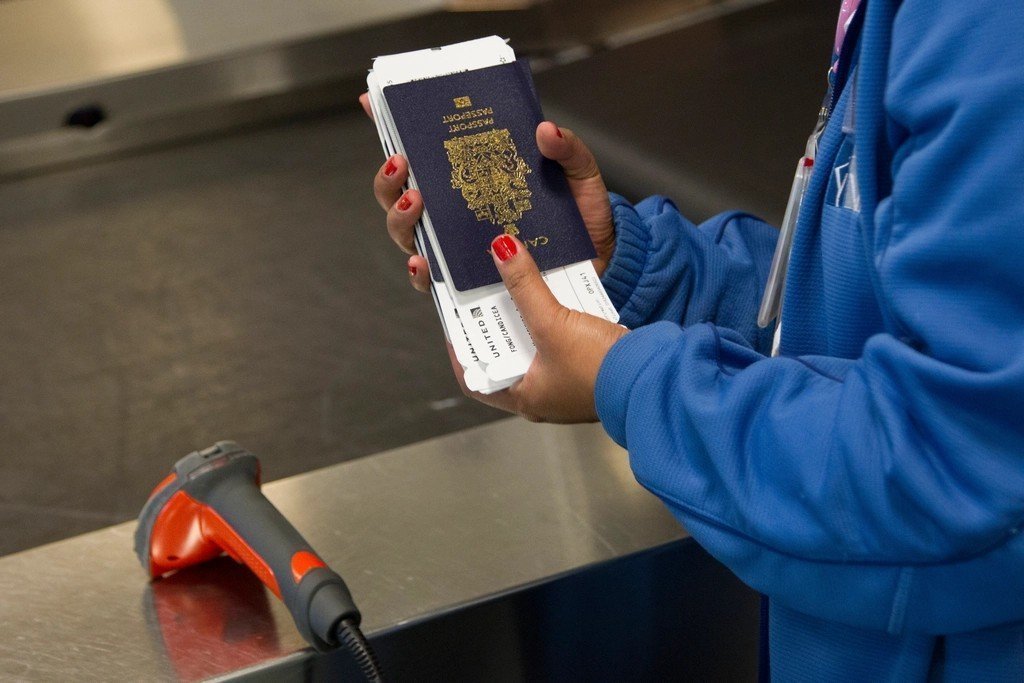
Think your passport is just a travel document? Think again. CBP uses a Passport Anomaly Model, which serves as a valuable tool for officers to analyze passport information and identify potential discrepancies, helping officers assess passport validity based on historical trends. Even the serial number on the document gets evaluated before you say a word.
This tool is available to CBP officers for confirming the validity of a passport, and the result is used to notify the officer that a passport may require review, as it may be part of a newly released sequence, may be invalid, or even possibly fraudulent. Think of it like a credit score for your travel document. Something can look perfectly real to the naked eye and still quietly trigger a flag in the system.
3. Your Travel History Is Already on the Screen
Before you reach the counter, an officer can see where you’ve been and how often. In the air passenger environment, air carriers transmit passenger information to CBP through the Advance Passenger Information System, and CBP officers also rely on the Interagency Border Inspection System to determine which individuals to target for secondary examination upon arrival in the United States. Your trips are a paper trail, and agents know how to read one.
Officials are flagging individuals based on travel history, criminal records, family connections and destinations visited. If you have recently visited a country that raises red flags, or if your pattern of entries and exits looks inconsistent with what you’re claiming, that inconsistency gets noticed. It’s hard to say for sure exactly what weight each factor carries, but the data is very much part of the equation.
4. How Much Time You Spend Outside the Country
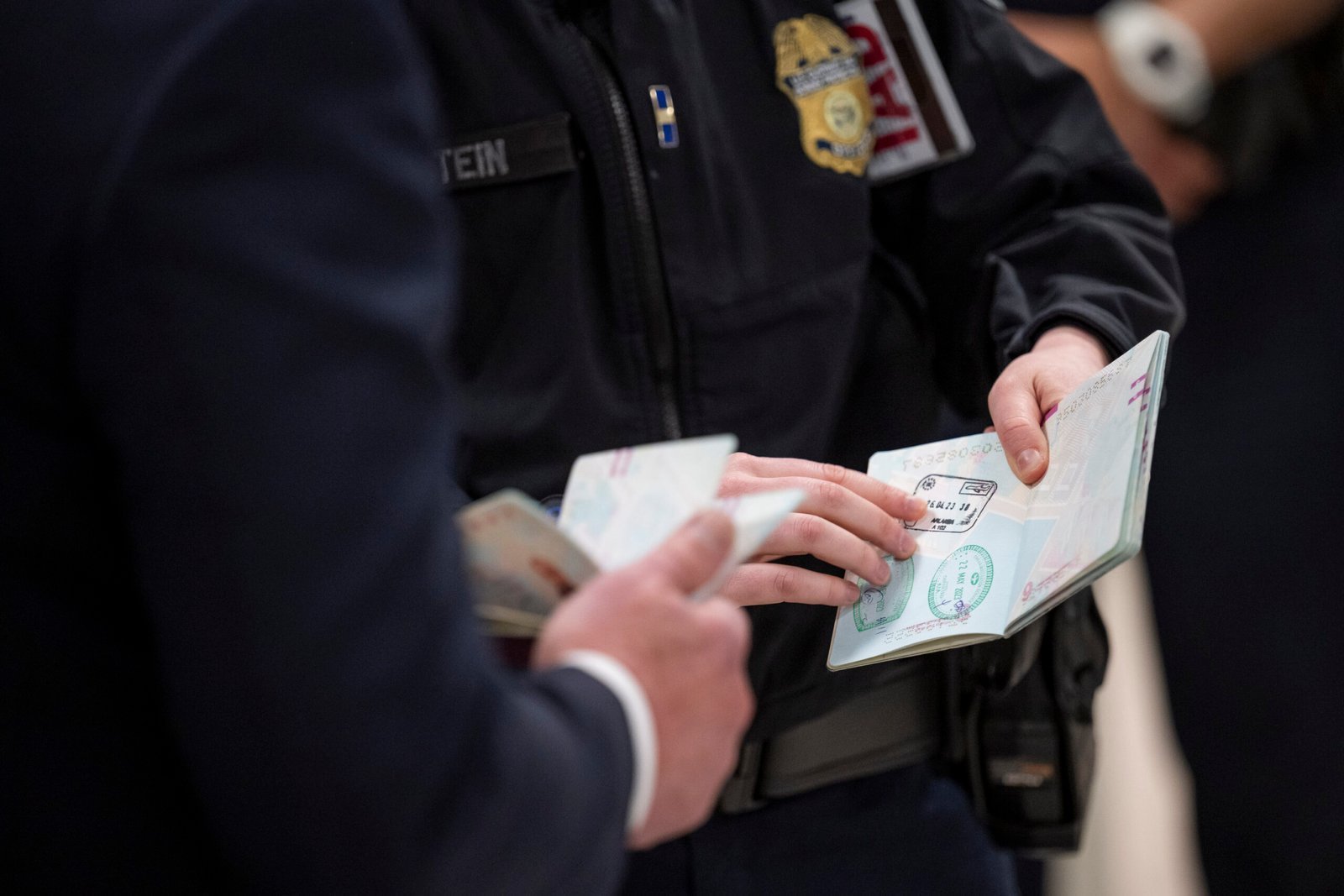
For permanent residents especially, time spent abroad is not a neutral detail. Border agents are closely monitoring how much time permanent residents spend outside the country to ensure they’re maintaining their U.S. ties and not abandoning their residency status. Spending most of your year overseas while holding a green card sends a visible signal that something may be misaligned.
Let’s be real: the intent behind a visa or residency status matters just as much as the document itself. These developments reflect a broader shift toward automated, biometric, and risk-based border enforcement, where identity verification, travel history, and discretionary assessment increasingly intersect. While the vast majority of travelers continue to cross the border without incident, these measures underscore the importance of understanding how prior immigration history, criminal records, and travel patterns may influence inspection outcomes.
5. Whether Your Story Matches Your Digital Footprint
Here’s the thing about claiming you are a tourist when your LinkedIn profile says something very different. CBP believes you intend to live, not visit, if you have a U.S. partner, have belongings stored in the U.S., or appear to work remotely for U.S. clients, with evidence like a portfolio or invoice on your phone showing U.S. clients or a LinkedIn profile suggesting you are working from the U.S. That contradiction can get you pulled into secondary inspection before you even sit down.
In December 2025, U.S. Customs and Border Protection published a notice in the Federal Register indicating that officers may collect up to five years of social media information from certain travelers who require visas to enter the United States. That is a substantial window of your online life, potentially sitting in a government file. Social media captions, check-ins, and tagged posts can all paint a picture that clashes with what you’ve written on your customs form.
6. What’s on Your Phone and Devices
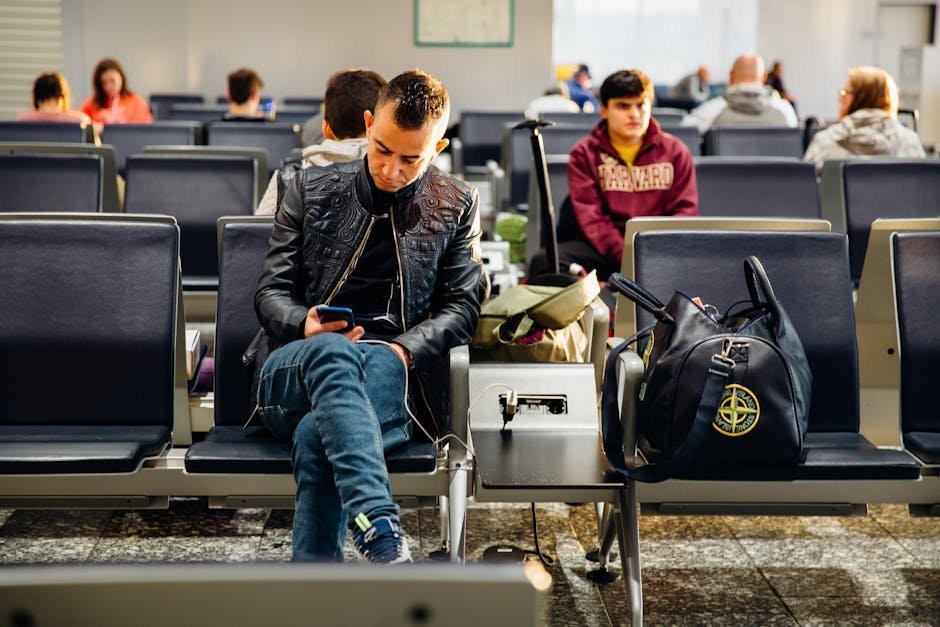
Your smartphone is essentially a window into your entire life, and border agents know it. CBP has the power to search personal electronic devices without a warrant. While the agency says this is rare, with less than 0.01 percent of travelers experiencing a search in Fiscal Year 2024, it can happen. That small percentage still represents tens of thousands of real people every year.
In 2024, CBP conducted approximately 47,047 border searches of electronic devices, including 42,725 basic media searches, 4,322 advanced media searches, 36,506 non-U.S. citizen electronic media searches, and 10,541 U.S. citizen electronic media searches. A French scientist was denied entry to Houston after CBP officers found messages criticizing President Trump’s cuts to science funding, and photos on another visa holder’s phone allegedly showing support for Hezbollah saw her denied reentry into the U.S. Your camera roll and message threads can speak louder than anything you say out loud.
7. How You’re Carrying Yourself: Behavioral Cues
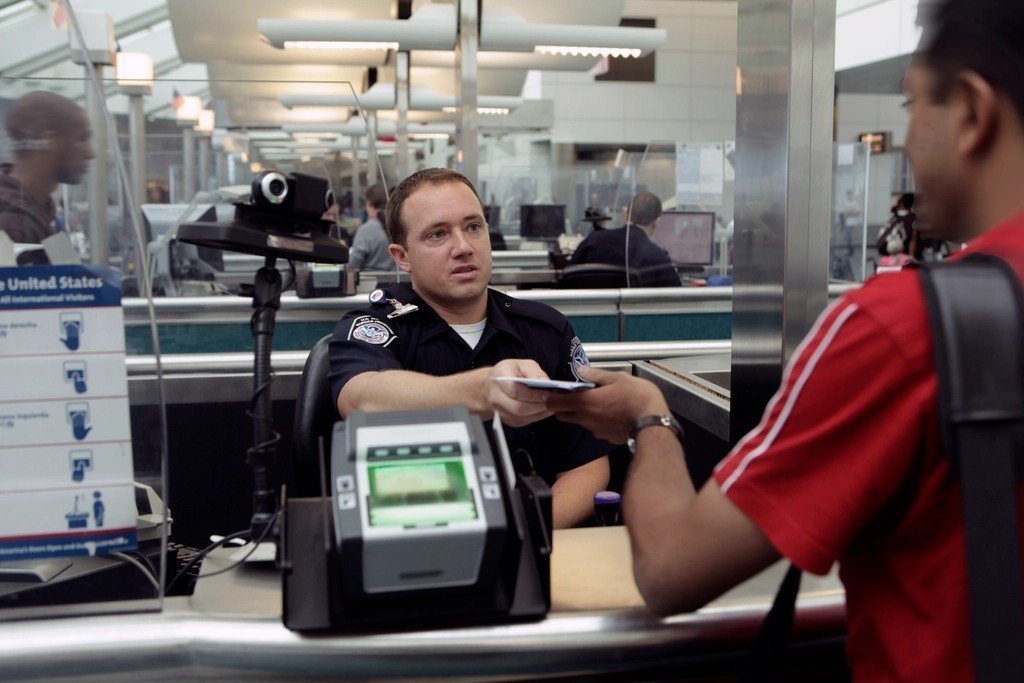
Trained officers observe behavior long before you arrive at the booth. The way you walk, whether you’re scanning the room, whether you avoid eye contact or seem rehearsed – these all register as signals. Speaking with travelers and closely examining their documentation are some of the ways CBP looks for mala fide or improperly documented travelers, and CBP relies upon the judgment of individual CBP officers to use their discretion as to the extent of examination necessary. Human instinct is still part of the toolkit.
Travelers whose processing may take more than a few moments or who may warrant extra scrutiny may be referred for further inspection, often referred to as secondary inspection, and officers at primary inspection have broad discretion to refer travelers for secondary inspection, with or without any suspicion of wrongdoing. That’s a remarkable amount of latitude. Think of it like a poker game: an experienced player doesn’t need to see your cards to know you are bluffing.
8. Your Declared Purpose vs. Your Baggage
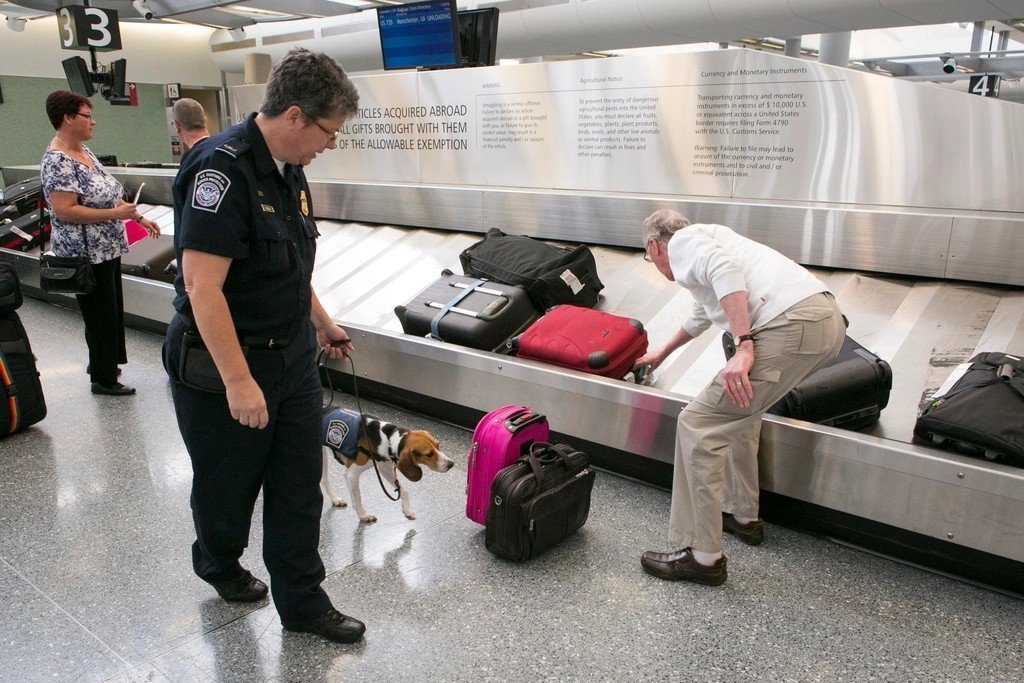
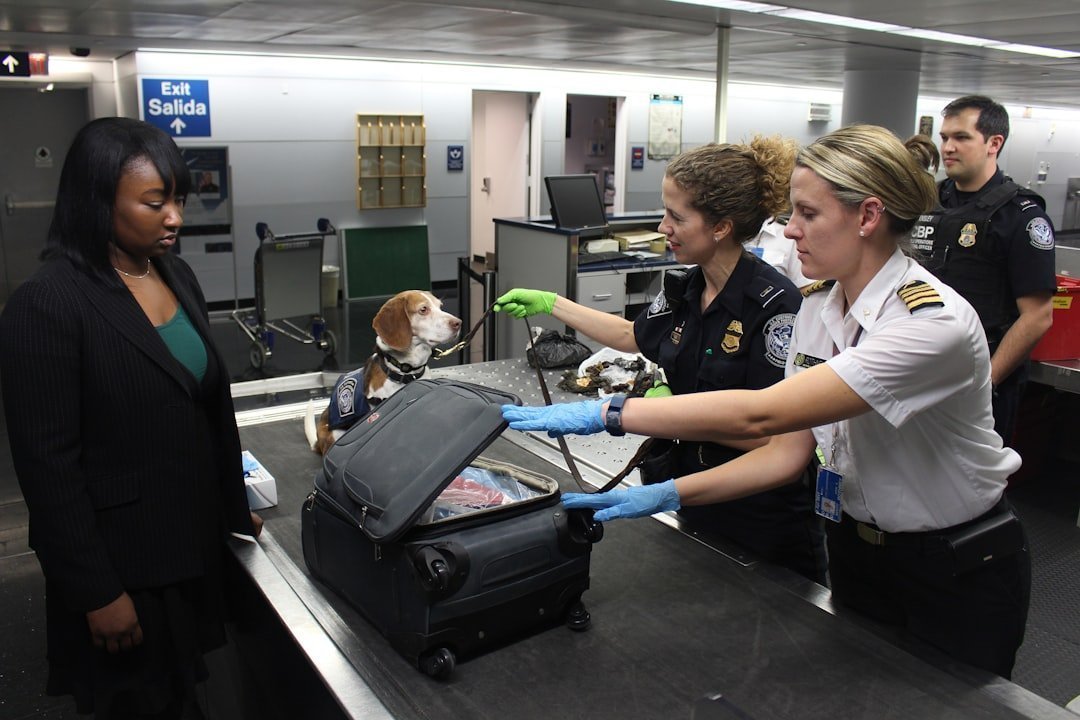
Your luggage tells a story before a single question is asked. Arriving for a claimed weekend vacation with five large suitcases full of professional equipment raises eyebrows instantly. Agents may ask about the purposes of travel or additional personal questions, particularly for visa or green card holders whose status is tied to conditions such as studies, employment, or marriage. Your bags and your stated purpose need to match.
Federal agents may also search luggage without a warrant at the airport, as well as belongings inside vehicles at the border, according to the American Civil Liberties Union. This is a well-established legal authority, not a gray area. Secondary inspection can happen for various reasons, including routine checks, visa issues, or travel history concerns, and CBP may search luggage, electronic devices, and personal belongings. What you pack is, in a very real sense, evidence.
9. Your Prior Record and Watchlist Status
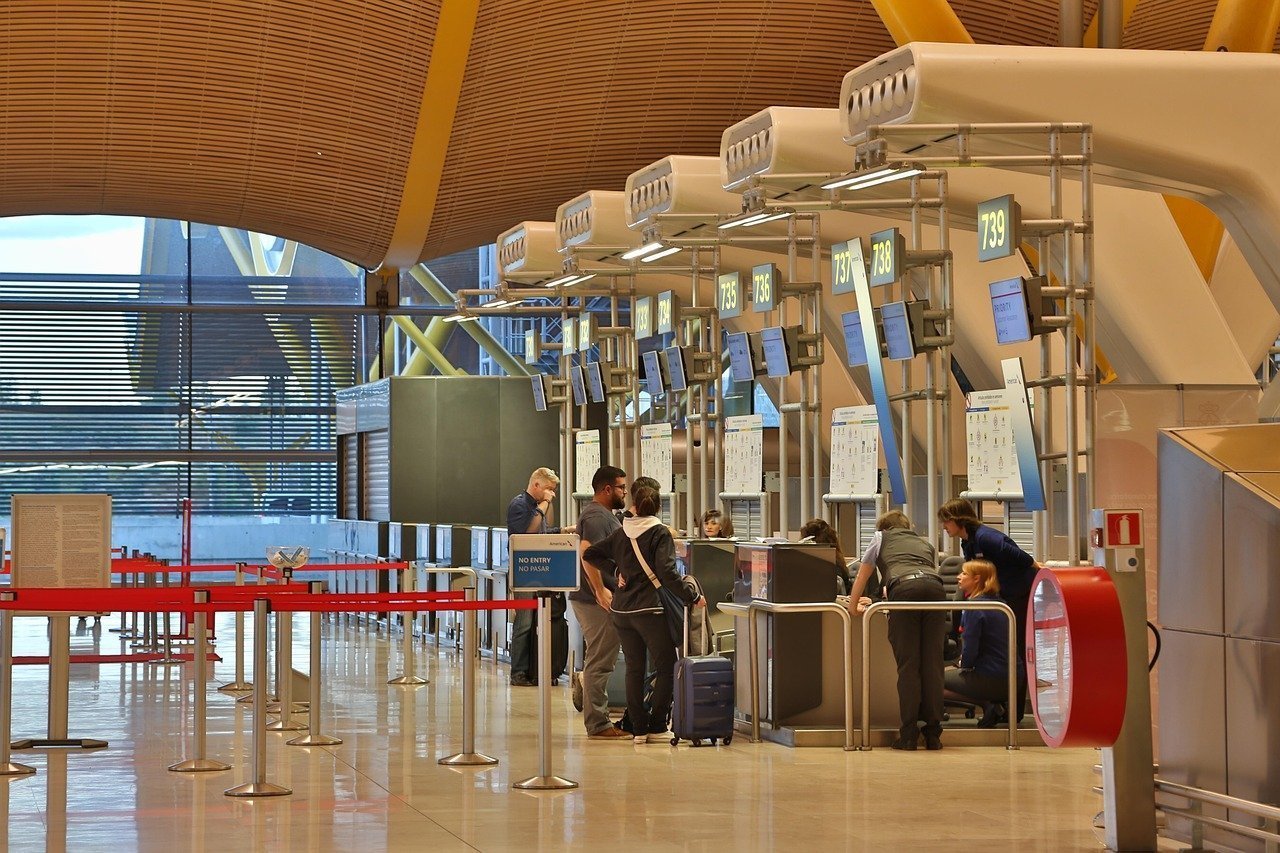
Before you reach the counter, your name has almost certainly already been run through multiple databases simultaneously. CBP officers rely on the Interagency Border Inspection System to determine which individuals to target for secondary examination, and CBP, along with law enforcement and regulatory personnel from 20 other federal agencies or bureaus, use this system, including the FBI, Interpol, the DEA, the Bureau of Alcohol, Tobacco, Firearms and Explosives, the IRS, the Coast Guard, the FAA, and the Secret Service.
The system keeps track of information on suspected individuals, businesses, vehicles, aircraft, and vessels, and its terminals can also be used to access records on wanted persons, stolen vehicles, vessels or firearms, license information, criminal histories, and previous federal inspections. It’s not just about your own record either. Associations and connections matter. Noncitizens who match to a terrorism-related record encountered by the CBP Office of Field Operations at land ports of entry are most commonly found inadmissible and immediately repatriated or removed.
10. Your Vehicle’s Movement History

For those crossing at land borders, your car may have been tracked long before you pulled up to the booth. The U.S. Border Patrol has quietly built a nationwide vehicle tracking system that functions much like location surveillance, and Immigration and Customs Enforcement has also equipped agents with a mobile app that is capable of scanning a license plate and instantly pulling up a vehicle’s travel history, ownership records, and associated personal data.
Border Patrol intelligence units are now able to reconstruct a driver’s routes based on where the vehicle was scanned and the sequence of those hits, and CBP publicly claims that this system merely augments traditional investigative practices, but in reality it functions as a nationwide pattern-of-life tool that shows which roads Americans take, how often they take them, and how their choices compare to a library of pre-modeled indicators of suspicious behavior. This is a surveillance reach that most people never imagine when they think of a routine border crossing.
11. Whether You Opted Out of Biometrics
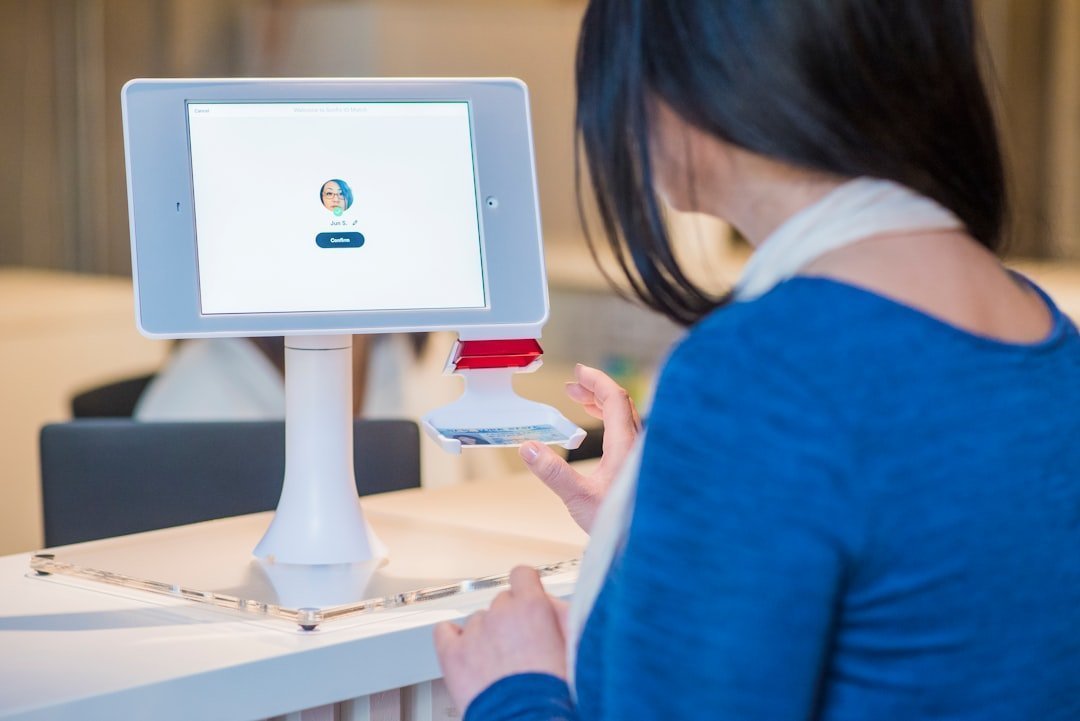
This one might genuinely surprise people. The act of declining to participate in biometric screening itself becomes a signal. The Department of Homeland Security warns that asking to opt out of the facial recognition system could cause travel delays, which could mean car searches and missed flights. Opting out is technically legal for U.S. citizens, but it is far from consequence-free.
U.S. citizens have alleged that they have been referred to secondary inspection or told they would not be able to board because they declined biometrics, according to federal rulemaking publications. Photos of U.S. citizens are stored only for up to 12 hours, while photos of non-citizens are transferred to the DHS central biometric database, where records can be held for up to 75 years. The asymmetry there is striking, and most travelers have no idea that simply saying “no thank you” to a camera can make an agent look at you differently before you’ve even spoken.